Indoor air quality has become one of the most important concerns for American households. Families spend nearly 90% of their time indoors, yet many homeowners focus more on visible cleanliness than on the hidden systems that control air circulation. Your home’s ventilation and HVAC system quietly runs every day, moving air through ducts, filters, coils, and vents — and over time, it can also circulate dust, mold spores, bacteria, and airborne contaminants.
One upgrade that has gained significant attention among homeowners, property managers, and HVAC professionals is the installation of UV light tubes inside ventilation systems. These ultraviolet devices are designed to reduce microbial growth within HVAC components, helping maintain cleaner airflow and improving system efficiency.
But many homeowners ask the same questions:
-
How much does installing a UV light actually cost?
-
Is it worth the investment long term?
-
Does it really improve air quality?
-
What maintenance is required afterward?
This in-depth guide explores the real costs, measurable benefits, maintenance considerations, and long-term financial impact of adding UV light tubes to a residential ventilation system.
Understanding Home Ventilation Systems
Before discussing UV upgrades, it’s important to understand how a typical American home ventilation system works.
Most homes rely on a central HVAC system that performs three essential functions:
-
Heating
-
Cooling
-
Air circulation and filtration
Air is continuously pulled through return vents, passes through filters and internal components, and is redistributed throughout the home via ductwork.
While filters capture large particles like dust and pet hair, they do not eliminate microorganisms that can grow inside the system itself.
Why HVAC Systems Become Contamination Sources
Even well-maintained systems can develop microbial buildup over time.
Moisture Inside the System
Air conditioning creates condensation on evaporator coils. Moist environments provide ideal conditions for mold and bacterial growth.
Organic Debris Accumulation
Dust contains skin cells, fibers, pollen, and organic matter — all potential food sources for microorganisms.
Dark Interior Environment
HVAC interiors are dark and enclosed, allowing microbes to multiply unnoticed.
Continuous Airflow
Once contaminants develop, airflow distributes them throughout the home repeatedly.
This is where UV light technology becomes useful.
What Is a UV Light Tube in an HVAC System?
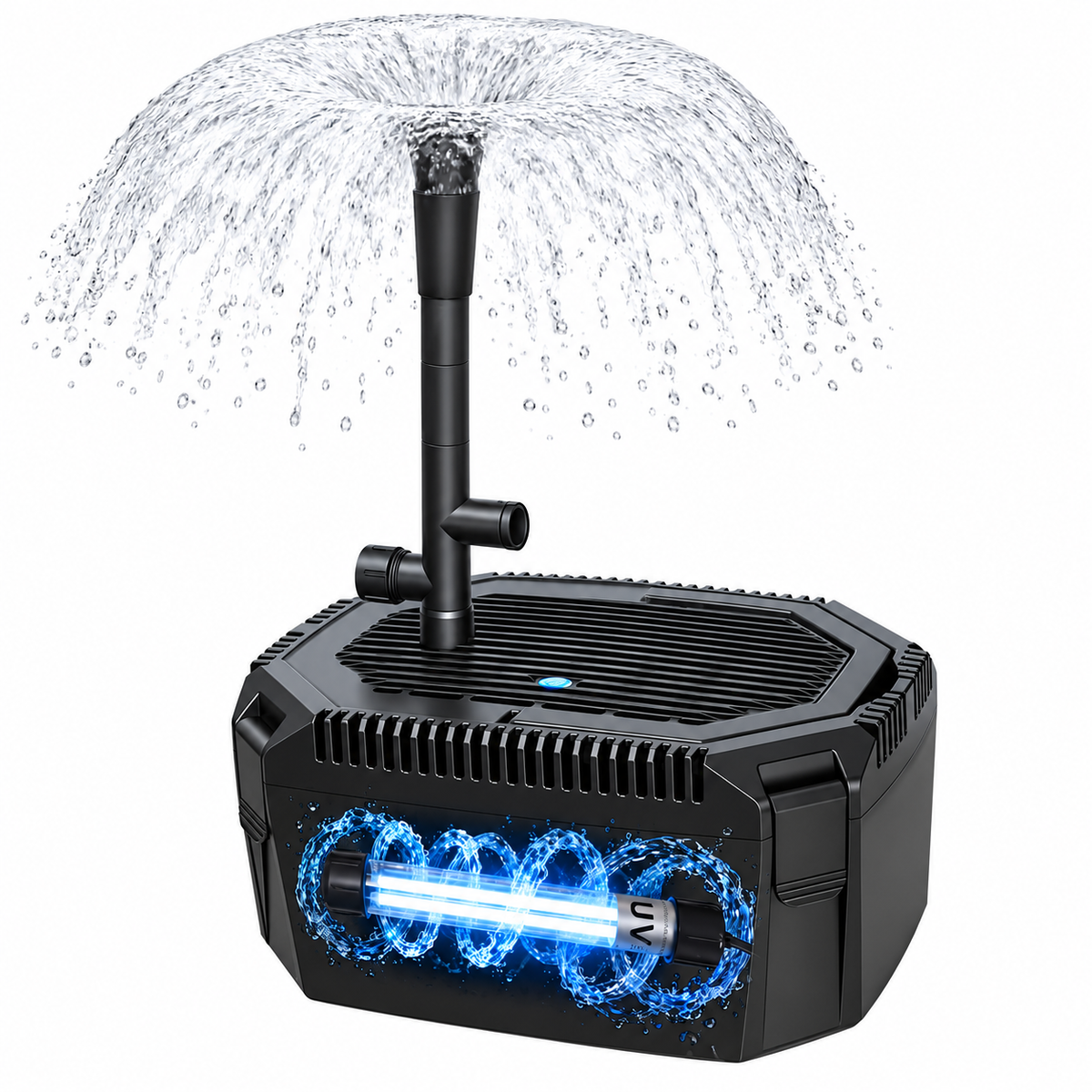
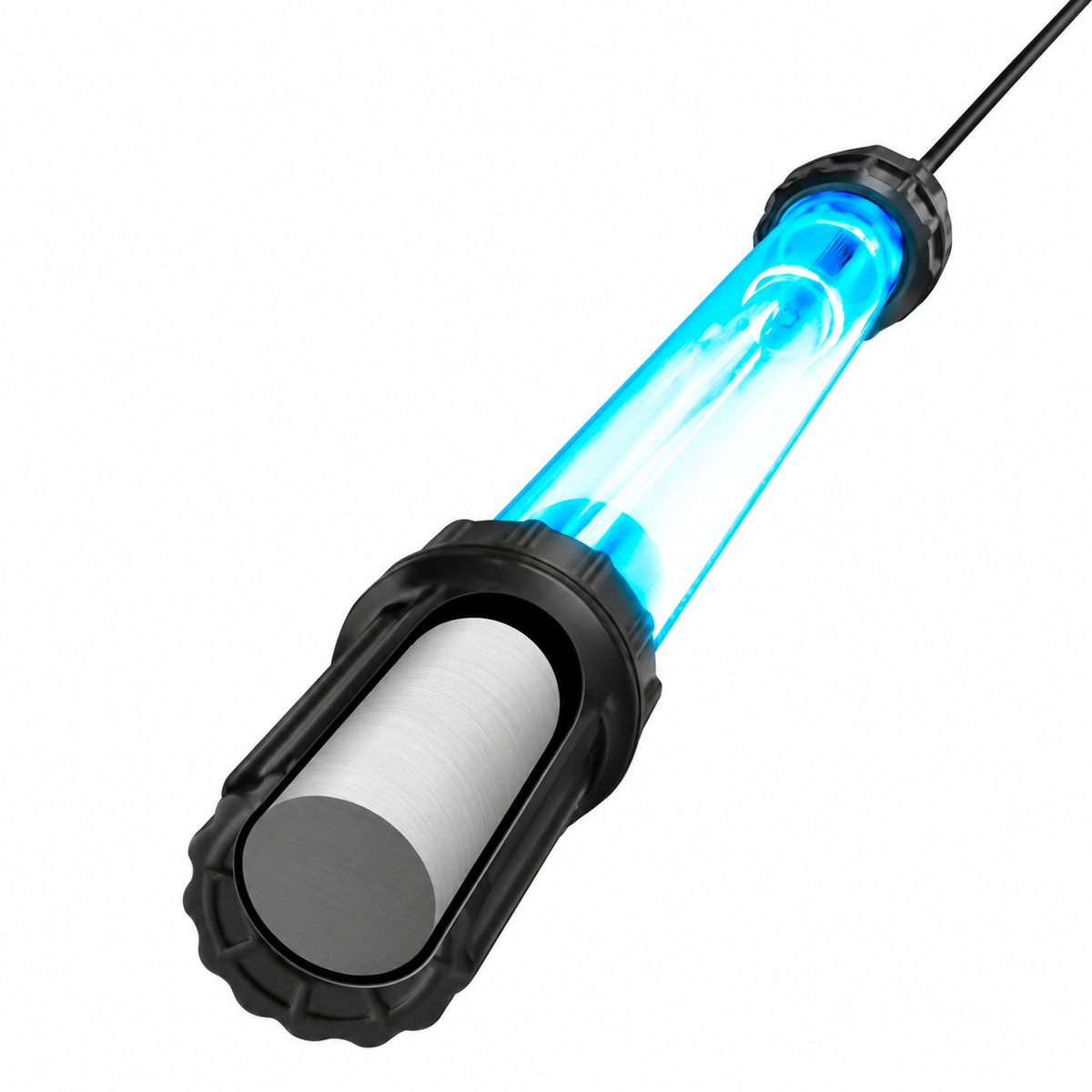
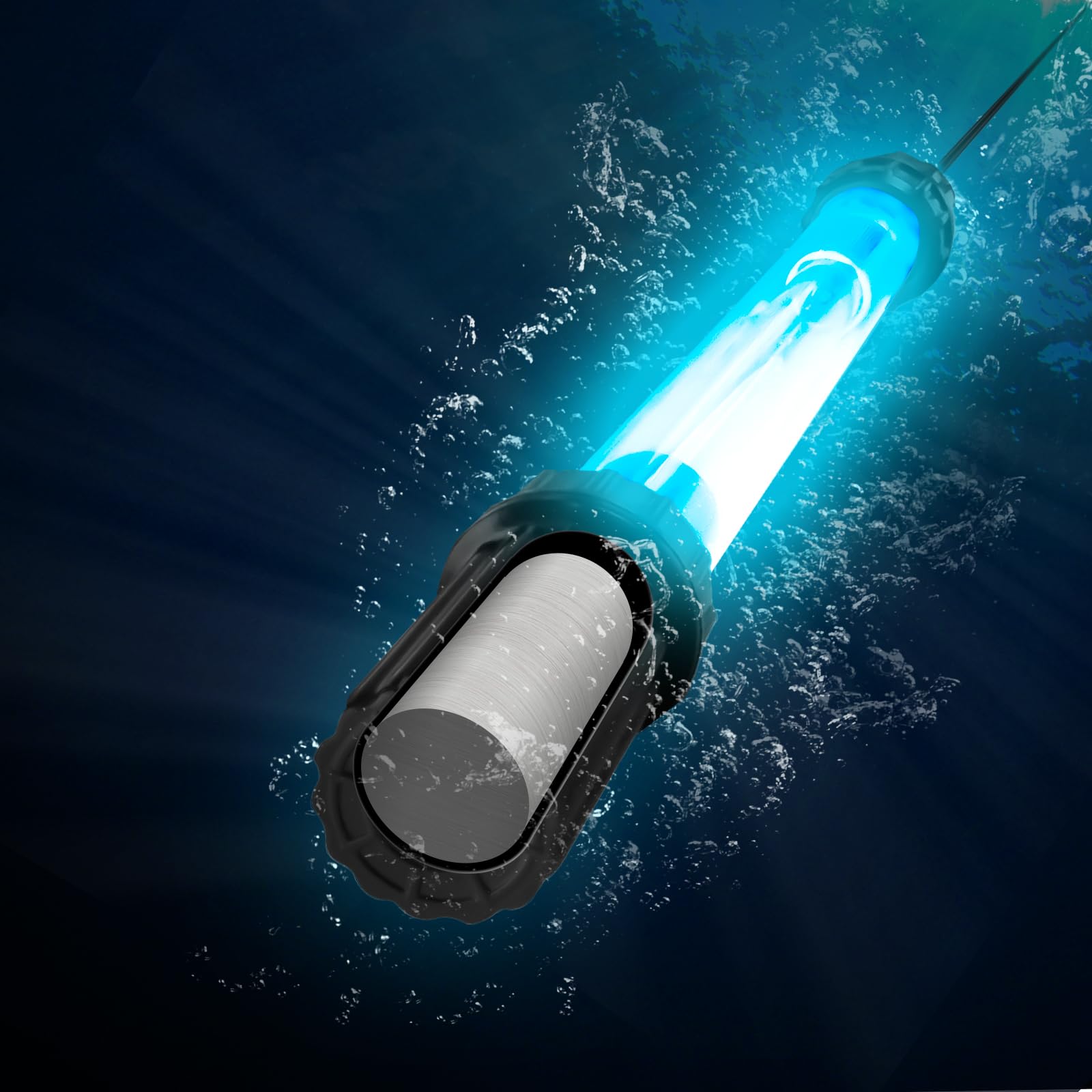
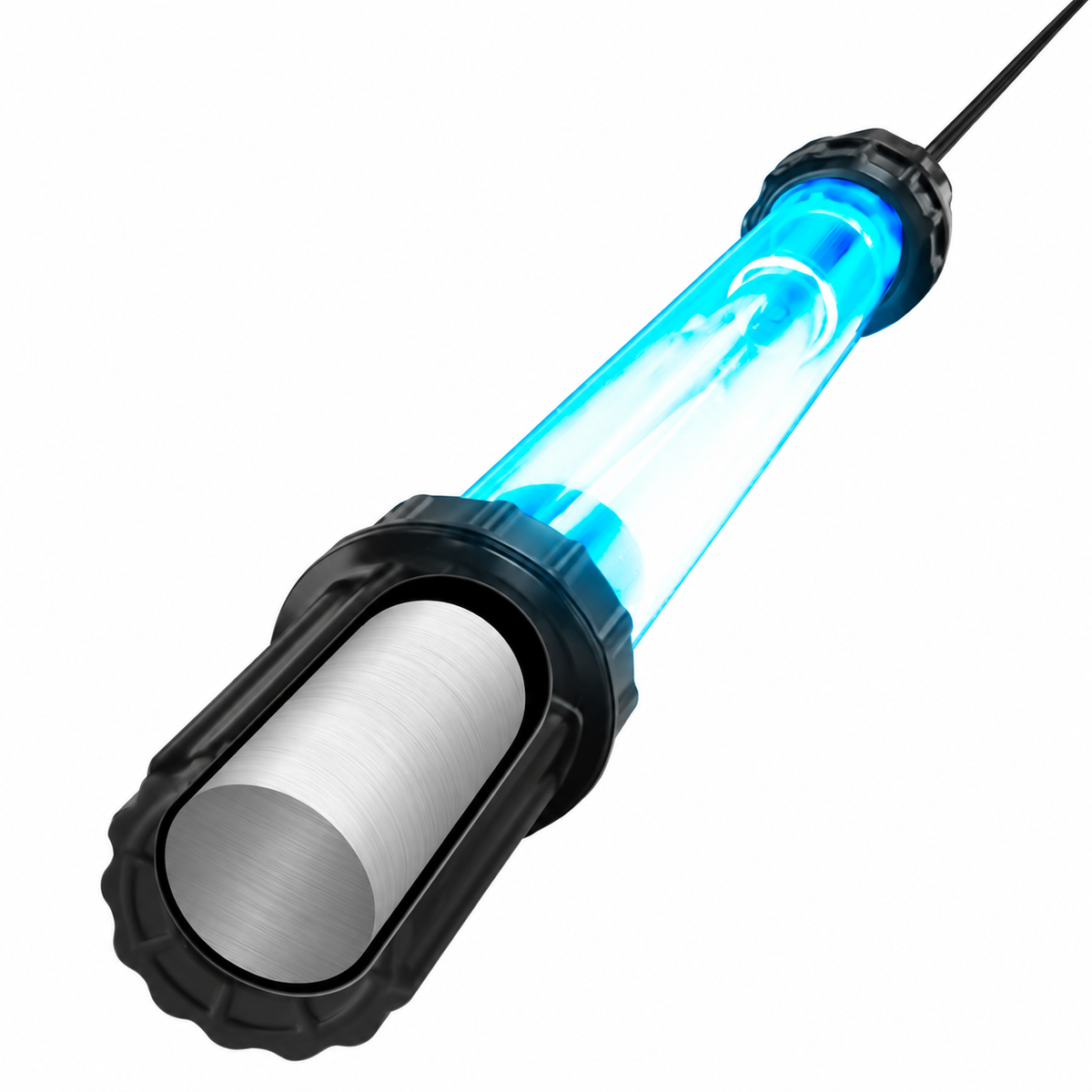
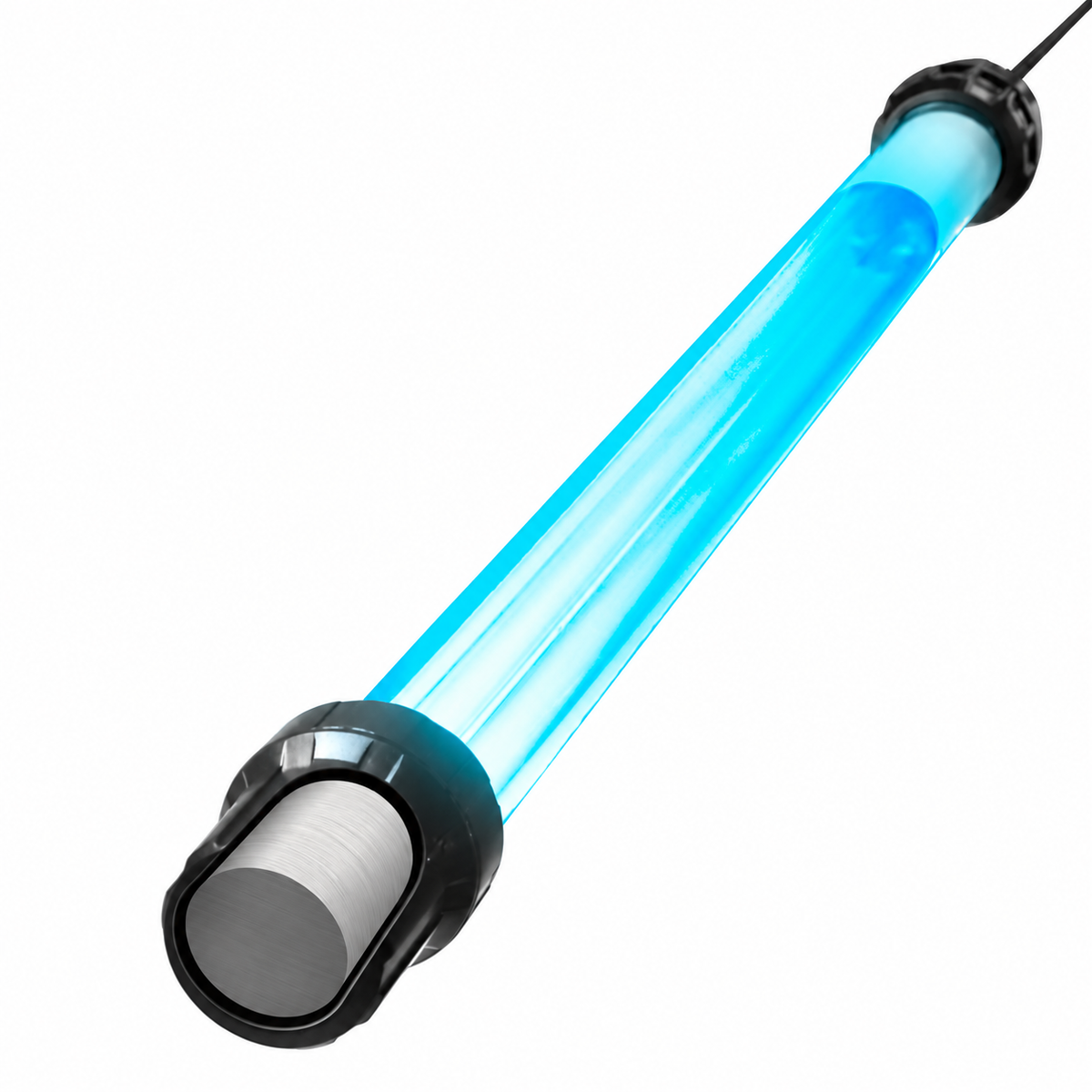
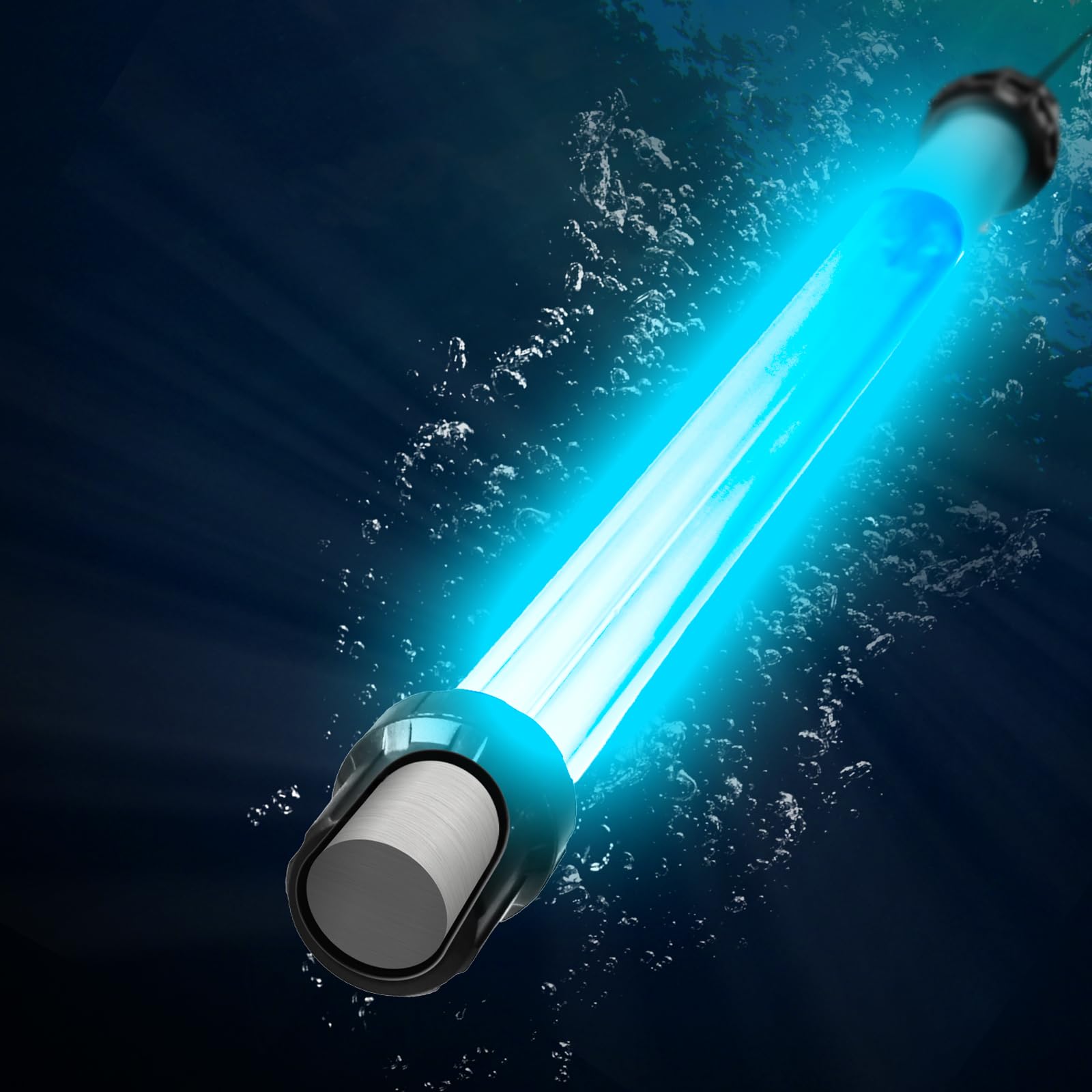
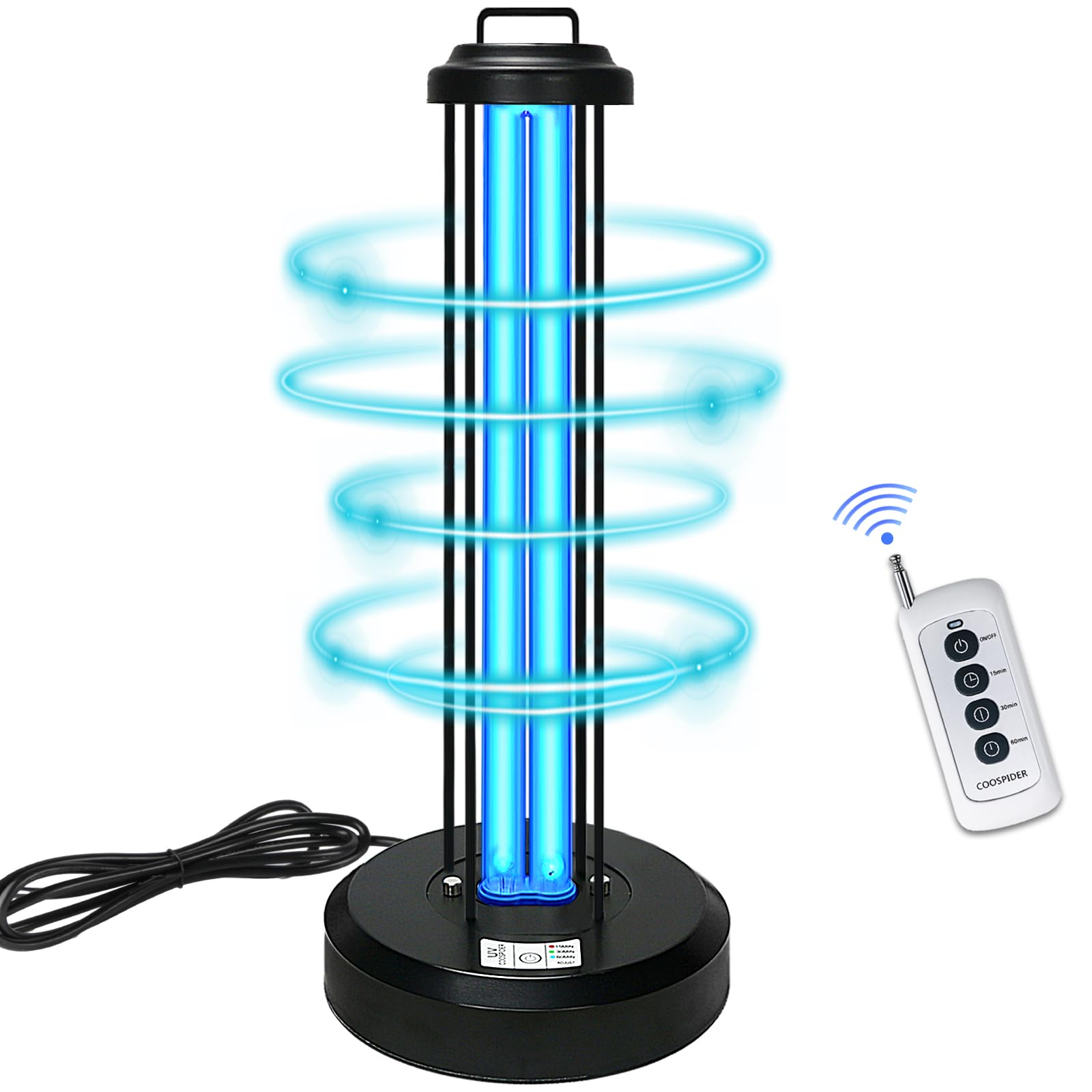
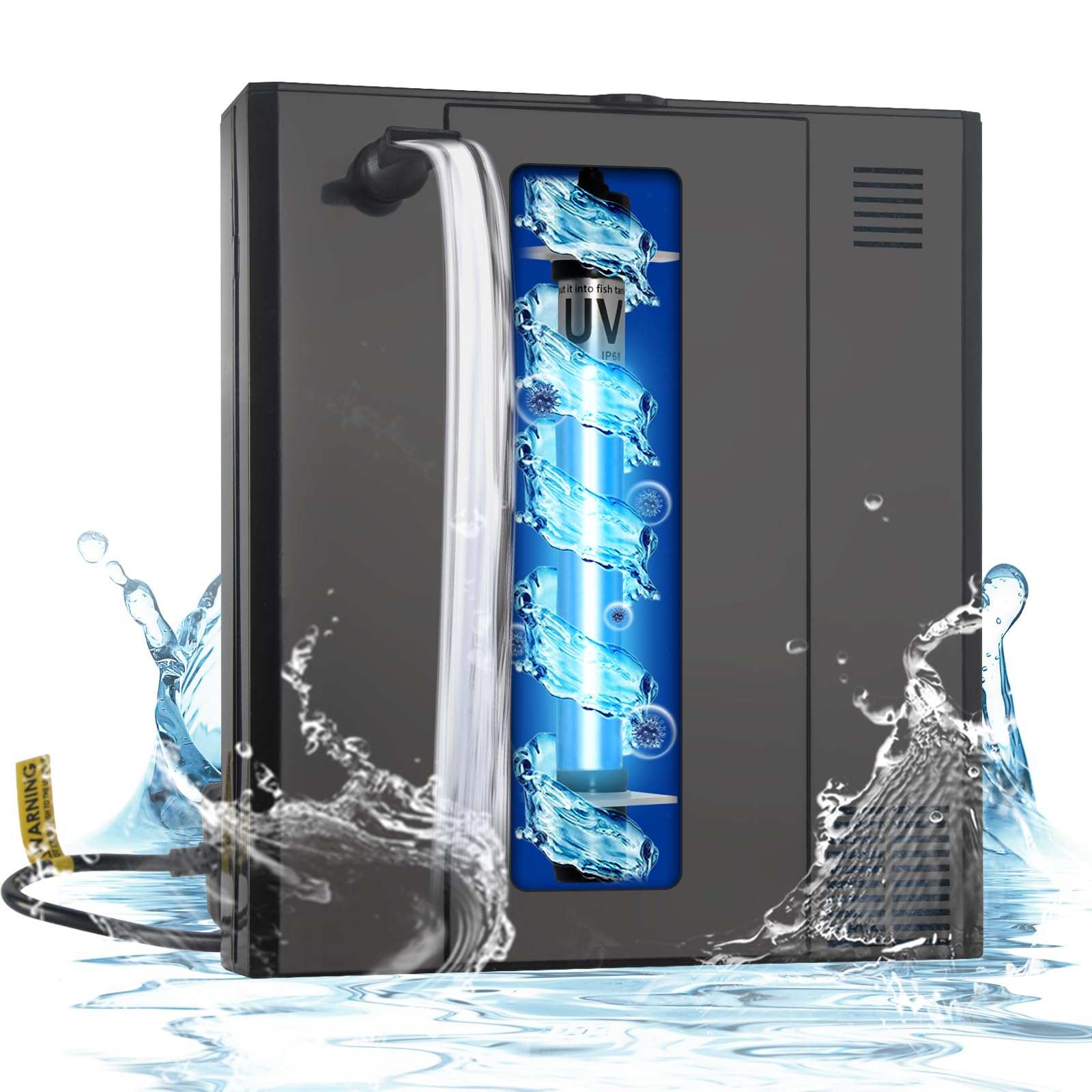
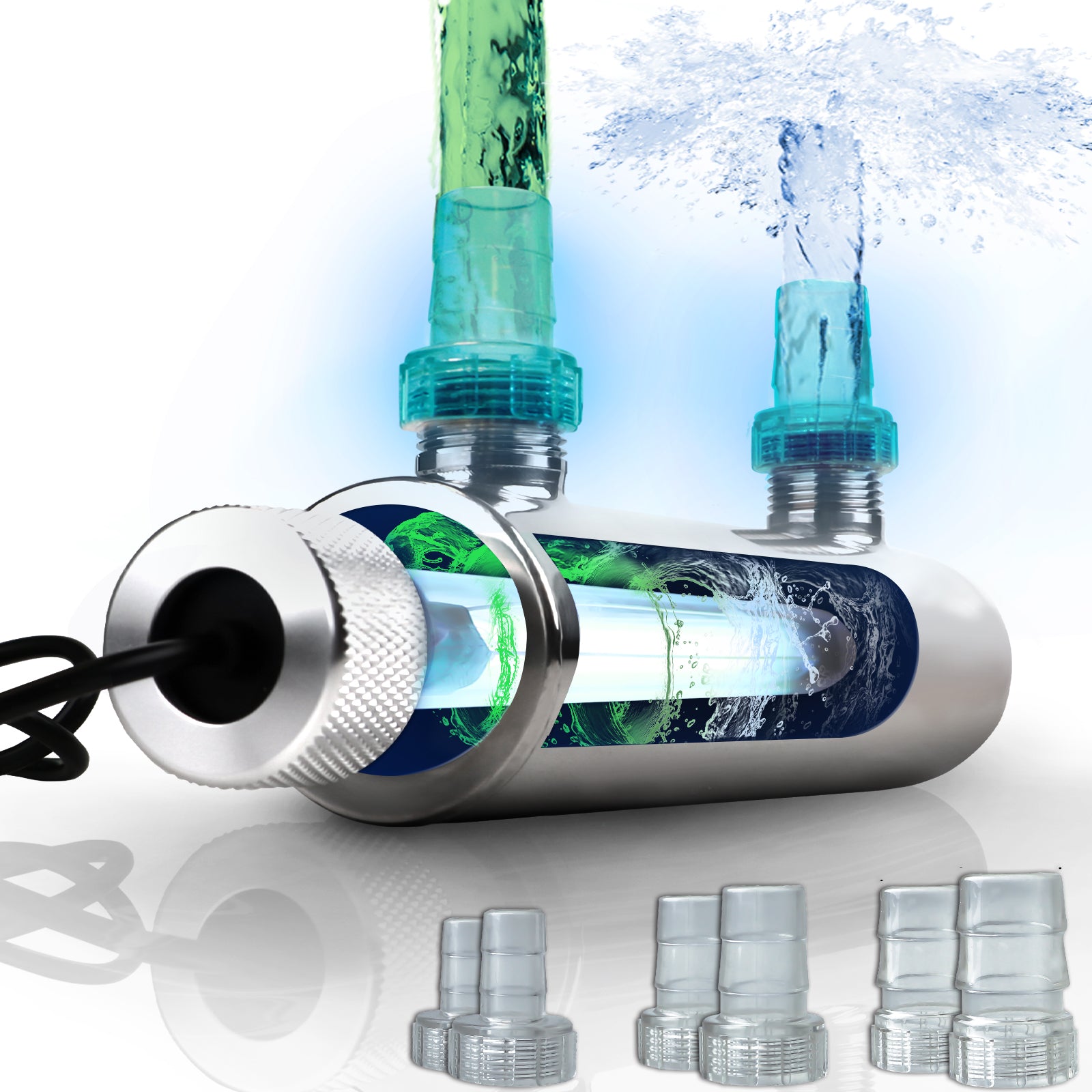
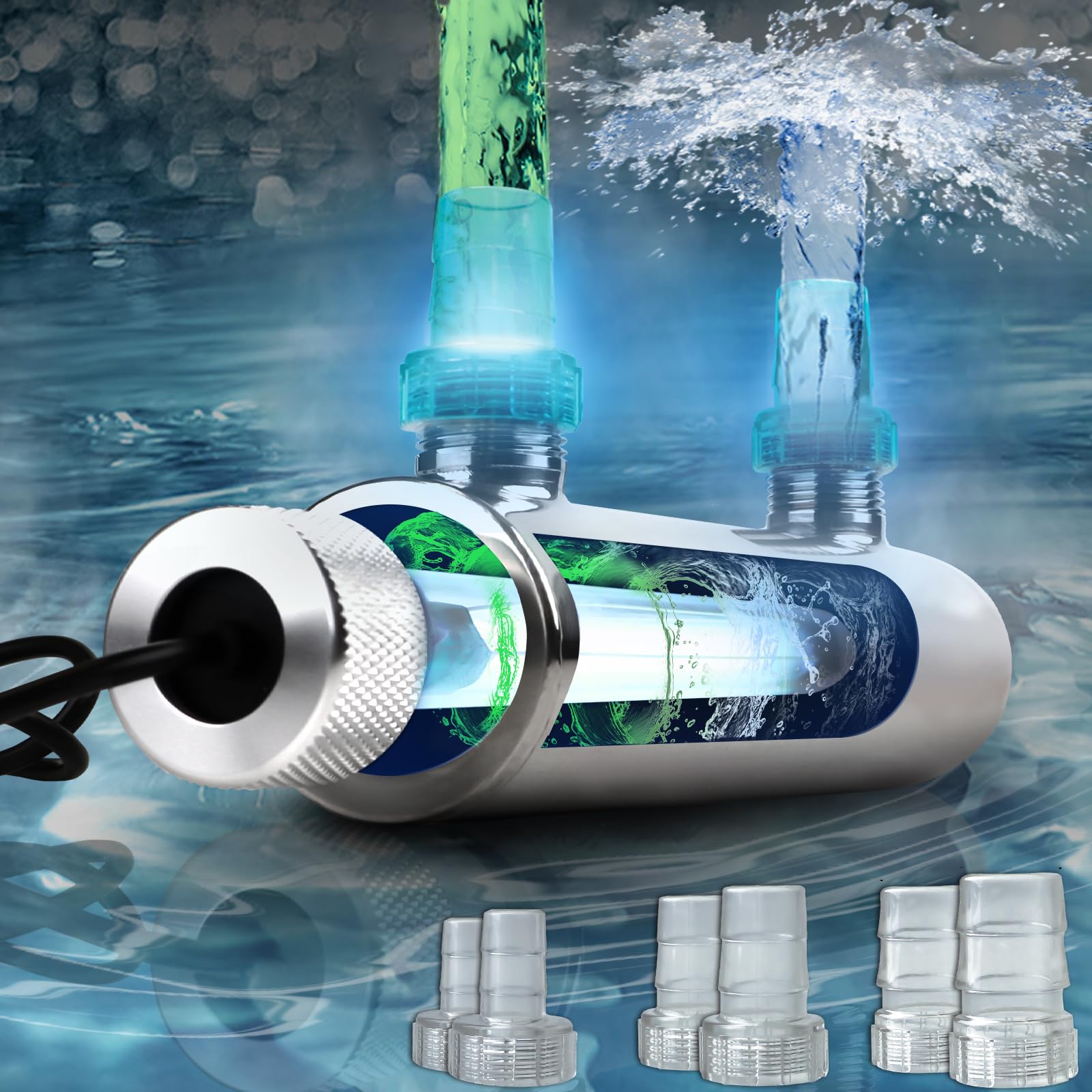
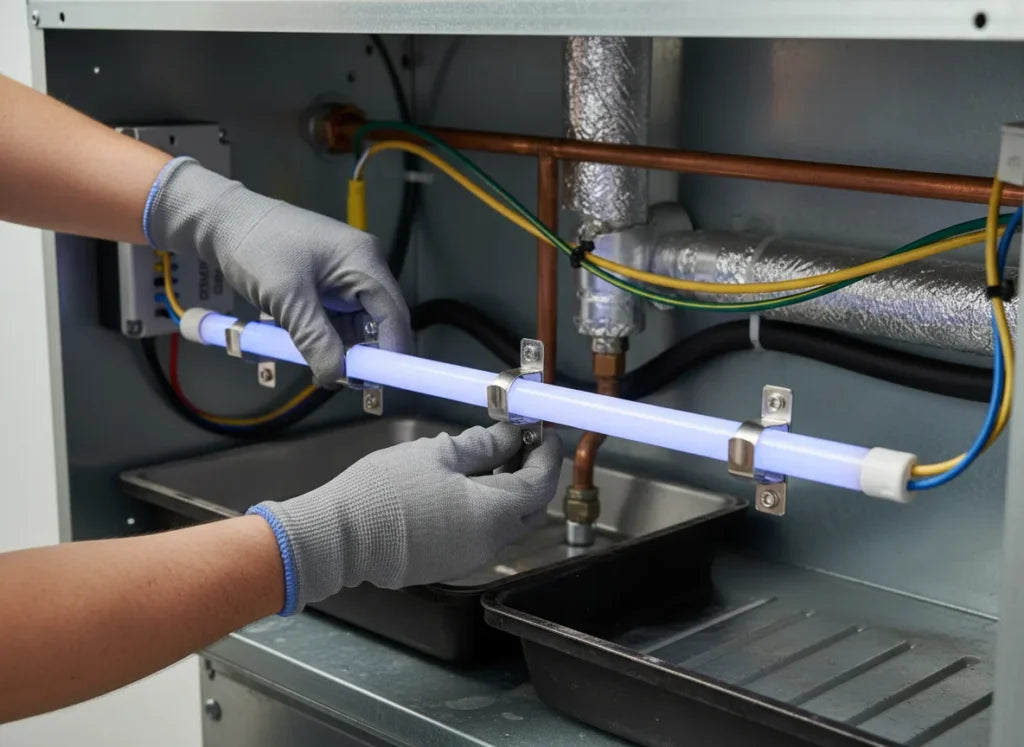
A UV light tube is a specialized ultraviolet device installed inside the air handler or ductwork.
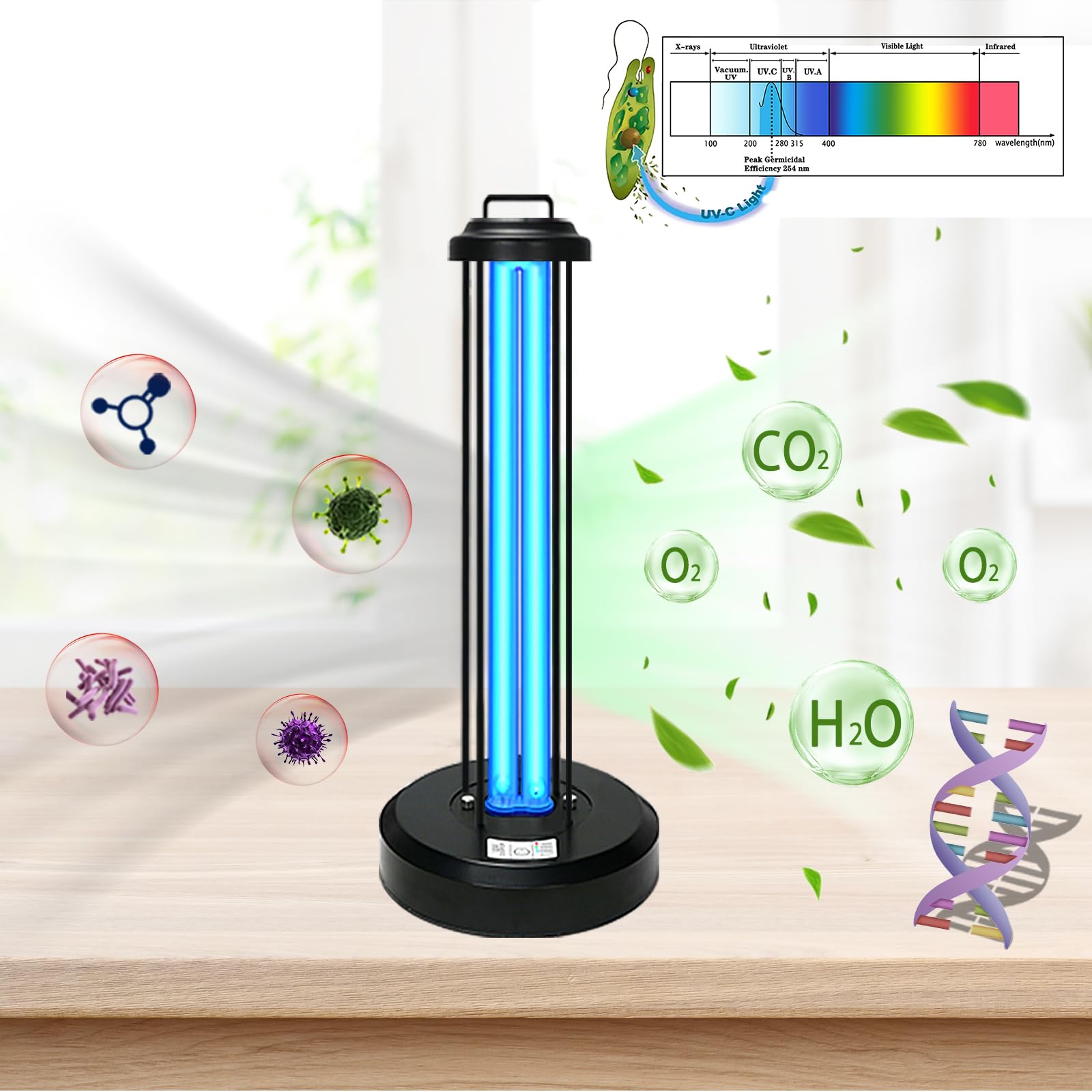
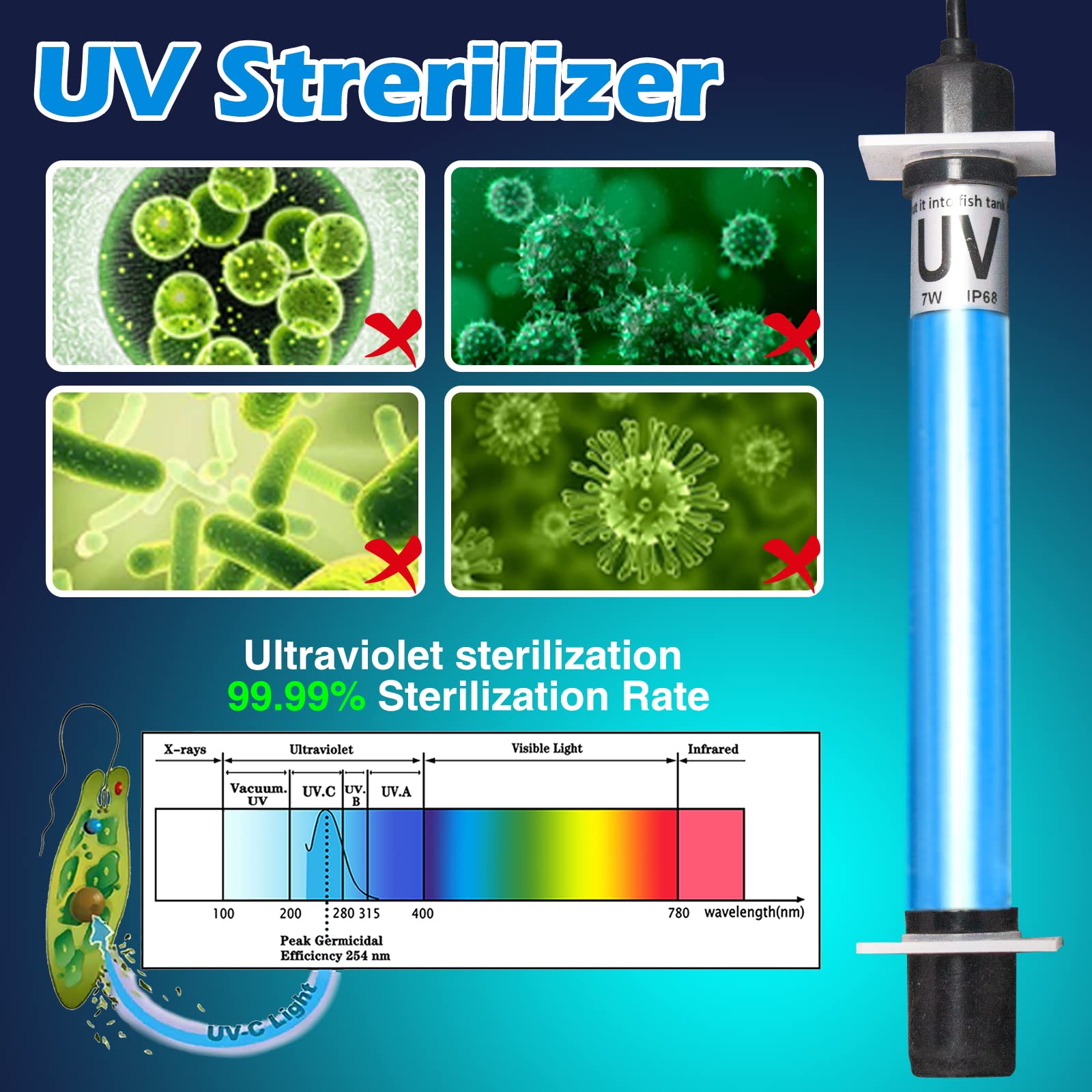
It emits UV-C light, a wavelength known for disrupting the DNA of microorganisms, preventing reproduction and growth.
Unlike portable air purifiers, HVAC UV lights treat contamination at the source — inside the system.
Common installation locations include:
-
Near evaporator coils
-
Inside return air ducts
-
Above drain pans
-
Within air handler compartments
How UV Light Improves Ventilation System Maintenance
UV lights do not replace air filters. Instead, they complement existing filtration systems.
Their primary roles include:
-
Preventing mold growth on coils
-
Reducing bacterial buildup
-
Keeping internal surfaces cleaner
-
Maintaining airflow efficiency
-
Minimizing odors caused by microbial growth
By controlling contamination early, the entire HVAC system stays cleaner longer.
Types of UV Lights Used in Residential Systems
Understanding available options helps clarify cost differences.
Coil Sterilization UV Lights
Installed near evaporator coils, these operate continuously to prevent microbial growth.
Best for:
-
Humid climates
-
Homes with allergy concerns
-
Older HVAC systems
Air Sterilization UV Lights
Mounted inside ducts to treat moving air.
Best for:
-
Large households
-
Pet owners
-
High airflow systems
Combination Systems
Use multiple lamps to treat both surfaces and airflow.
These systems typically offer the highest performance but also carry higher upfront costs.
Average Cost of Installing UV Light Tubes
Costs vary depending on system complexity, home size, and installation method.
Equipment Costs
-
Basic UV light unit: $120–$300
-
Mid-range professional unit: $300–$700
-
Advanced multi-lamp systems: $700–$1,500
Professional Installation
-
Standard installation: $200–$500
-
Complex duct modification: $500–$1,000
Total Initial Investment
Most homeowners spend between:
$400 and $1,200 for a professionally installed UV system.
While this may seem significant, evaluating long-term returns provides a clearer perspective.
Operating Costs Over Time
UV lights are surprisingly inexpensive to operate.
Electricity Usage
Most residential UV lamps use 15–60 watts.
Annual electricity cost typically ranges from:
$15–$50 per year, depending on local utility rates.
Bulb Replacement
UV bulbs gradually lose effectiveness even if still glowing.
Replacement schedule:
-
Every 12–24 months
Replacement cost:
-
$60–$200 per bulb
Annualized maintenance cost remains relatively low compared to HVAC repairs.
Long-Term Financial Benefits
The true value of UV lights appears over several years of system operation.
1. Improved Energy Efficiency
Clean coils transfer heat more effectively.
When microbial buildup forms on coils, airflow resistance increases and energy consumption rises.
Cleaner coils can improve efficiency by 10–25% in some systems.
This translates into reduced monthly utility bills.
2. Reduced HVAC Repairs
Microbial buildup contributes to:
-
Drain line clogs
-
Frozen coils
-
Airflow restriction
-
Compressor strain
Preventative UV treatment reduces mechanical stress, extending equipment life.
Avoiding even one major repair can offset installation costs.
3. Extended System Lifespan
HVAC replacements often cost $8,000–$15,000.
Maintaining cleaner internal components may extend system lifespan by several years.
Even a one-year extension represents substantial savings.
4. Lower Cleaning Costs
Professional coil cleaning can cost $300–$700 per visit.
UV lights reduce the frequency of deep cleanings.
5. Potential Health-Related Savings
While UV lights are not medical devices, improved air cleanliness may help reduce exposure to airborne irritants.
Households with allergies or respiratory sensitivities often report noticeable comfort improvements.
Non-Financial Benefits Homeowners Notice
Beyond monetary returns, many users experience daily lifestyle improvements.
Fresher Indoor Air
Reduced microbial growth helps eliminate musty odors associated with HVAC systems.
More Consistent Cooling
Cleaner airflow improves temperature distribution.
Less Dust Circulation
Although filters handle particles, cleaner systems prevent secondary contamination.
Peace of Mind
Knowing hidden components remain sanitized adds confidence in indoor air quality.
Installation Process: What to Expect
Professional installation typically takes one to two hours.
Steps include:
-
Power shutdown and safety preparation
-
Selecting optimal installation location
-
Mounting UV fixture
-
Electrical connection
-
Safety shielding installation
-
System testing
-
Airflow verification
Technicians ensure light exposure targets critical contamination zones without damaging materials.
Safety Considerations
UV-C light should never be directly exposed to occupants.
Proper installation ensures:
-
Lights remain enclosed inside HVAC housing
-
No UV leakage occurs
-
Automatic shutoff activates during servicing
When installed correctly, systems are safe for continuous operation.
Common Misconceptions About HVAC UV Lights
“UV Lights Replace Air Filters”
False. Filters remain essential for capturing dust and particles.
“They Sterilize All Indoor Air”
UV lights reduce microbial growth but do not create sterile environments.
“They Consume Large Amounts of Electricity”
Actual power usage is minimal compared to heating or cooling equipment.
“Only Hospitals Need UV Systems”
Residential adoption has grown because modern homes are tightly sealed, trapping indoor pollutants.
Homes That Benefit Most from UV Installation
While useful in many environments, certain households gain greater advantages.
-
Homes in humid regions
-
Families with pets
-
Allergy-sensitive households
-
Houses with older duct systems
-
Properties with past mold issues
-
Homes running AC most of the year
Maintenance After Installation
UV systems require minimal upkeep.
Every 3 Months
Check indicator light and inspect wiring visually.
Every 6 Months
Replace HVAC air filters as usual.
Every 12–24 Months
Replace UV bulb.
Annually
Schedule professional HVAC inspection.
Consistency ensures long-term performance.
Comparing UV Lights vs Other Air Quality Upgrades
| Upgrade | Upfront Cost | Maintenance | Primary Benefit |
|---|---|---|---|
| HEPA filtration | Medium | Moderate | Particle removal |
| Air purifiers | Medium | Ongoing | Room-level cleaning |
| Duct cleaning | Moderate | Periodic | Debris removal |
| UV light tubes | Moderate | Low | Microbial control |
UV lights uniquely target contamination inside the system itself.
Environmental Impact Considerations
Cleaner HVAC systems operate more efficiently, which reduces overall energy consumption.
Lower energy usage contributes to:
-
Reduced carbon emissions
-
Less strain on power grids
-
Improved sustainability for long-term home operation
Additionally, longer equipment lifespan reduces manufacturing waste associated with premature replacements.
Calculating Return on Investment
A simplified example:
Initial installation: $800
Annual operating + maintenance: $80
Potential yearly savings:
-
Energy efficiency: $120–$250
-
Reduced cleaning/repairs: $100–$300
Estimated payback period:
2–4 years, depending on usage and climate.
After that period, benefits continue accumulating.
Choosing the Right UV System
When selecting a system, consider:
-
HVAC system size
-
Coil accessibility
-
Lamp intensity rating
-
Warranty coverage
-
Professional installation availability
Consulting an HVAC technician ensures compatibility and optimal placement.
When UV Lights May Not Be Necessary
Some homes may see limited benefits:
-
Newly installed HVAC systems in dry climates
-
Homes with minimal system usage
-
Small apartments using window units instead of central HVAC
Evaluation should consider actual usage patterns.
The Future of Residential Air Quality Technology
As homes become more energy-efficient and airtight, indoor air management becomes increasingly important.
Emerging trends include:
-
Smart HVAC monitoring
-
Integrated purification systems
-
Energy-efficient sanitation technologies
-
Automated maintenance alerts
UV integration represents one of the simplest upgrades aligning with these trends.
Final Thoughts: Balancing Cost and Long-Term Value
Maintaining a home ventilation system goes far beyond replacing filters. Hidden components inside HVAC systems can quietly influence air quality, energy efficiency, and equipment longevity.
Installing UV light tubes represents a proactive maintenance strategy rather than a luxury upgrade. With moderate upfront costs, low operating expenses, and measurable long-term benefits, many American homeowners find the investment worthwhile.
Cleaner coils, improved airflow, fewer repairs, and enhanced indoor comfort collectively contribute to a healthier and more efficient home environment.
For households seeking a practical way to protect both their HVAC system and indoor air quality over the long run, UV light installation offers a balanced solution — one that continues delivering value year after year while keeping the air you breathe moving through a cleaner system.