Smartwatches have evolved from niche gadgets into everyday essentials. From tracking workouts and monitoring sleep to managing notifications and supporting contactless payments, wearable devices now stay on our wrists nearly 24 hours a day. Because of this constant contact with skin, sweat, and environmental exposure, many users have become increasingly concerned about cleanliness and sanitation.
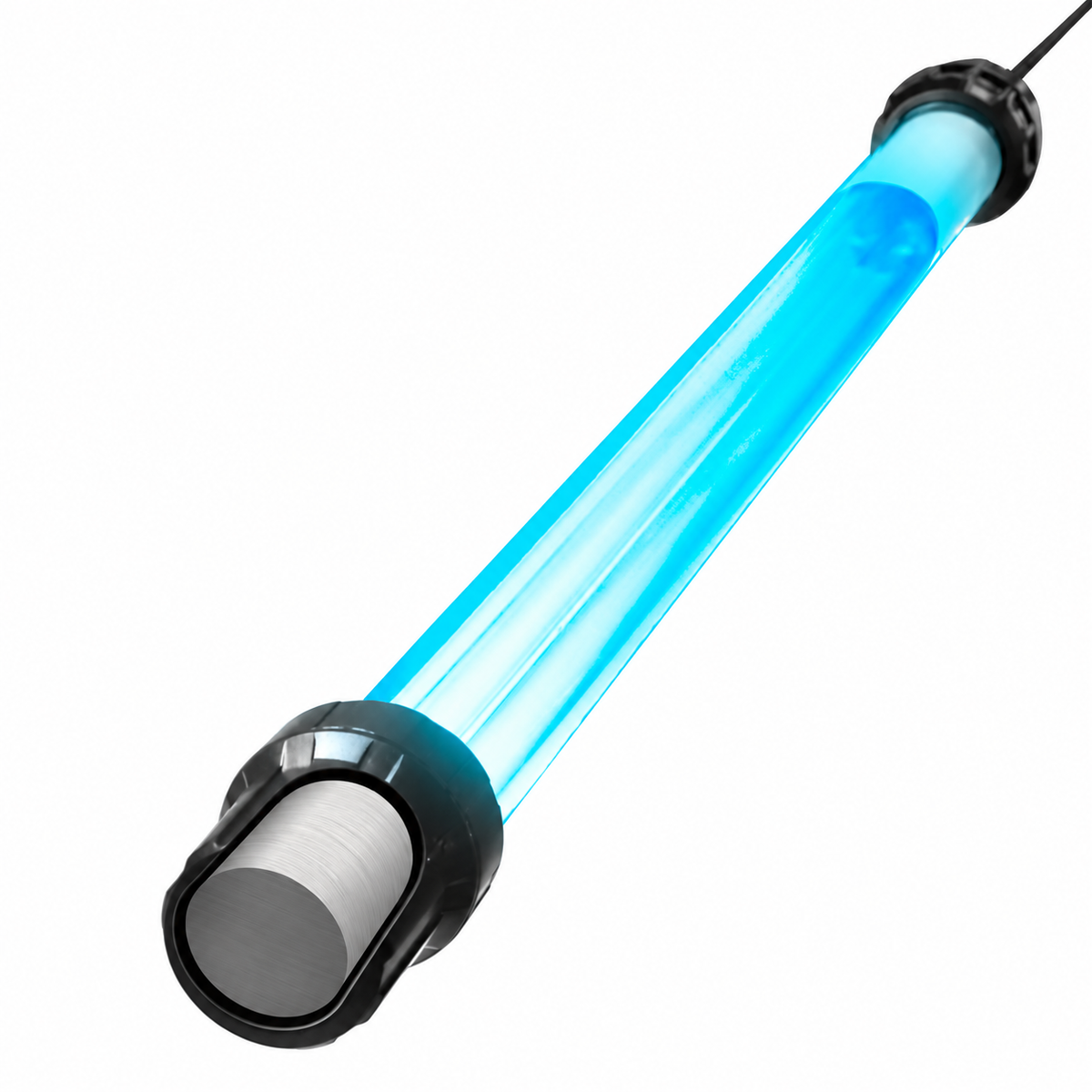
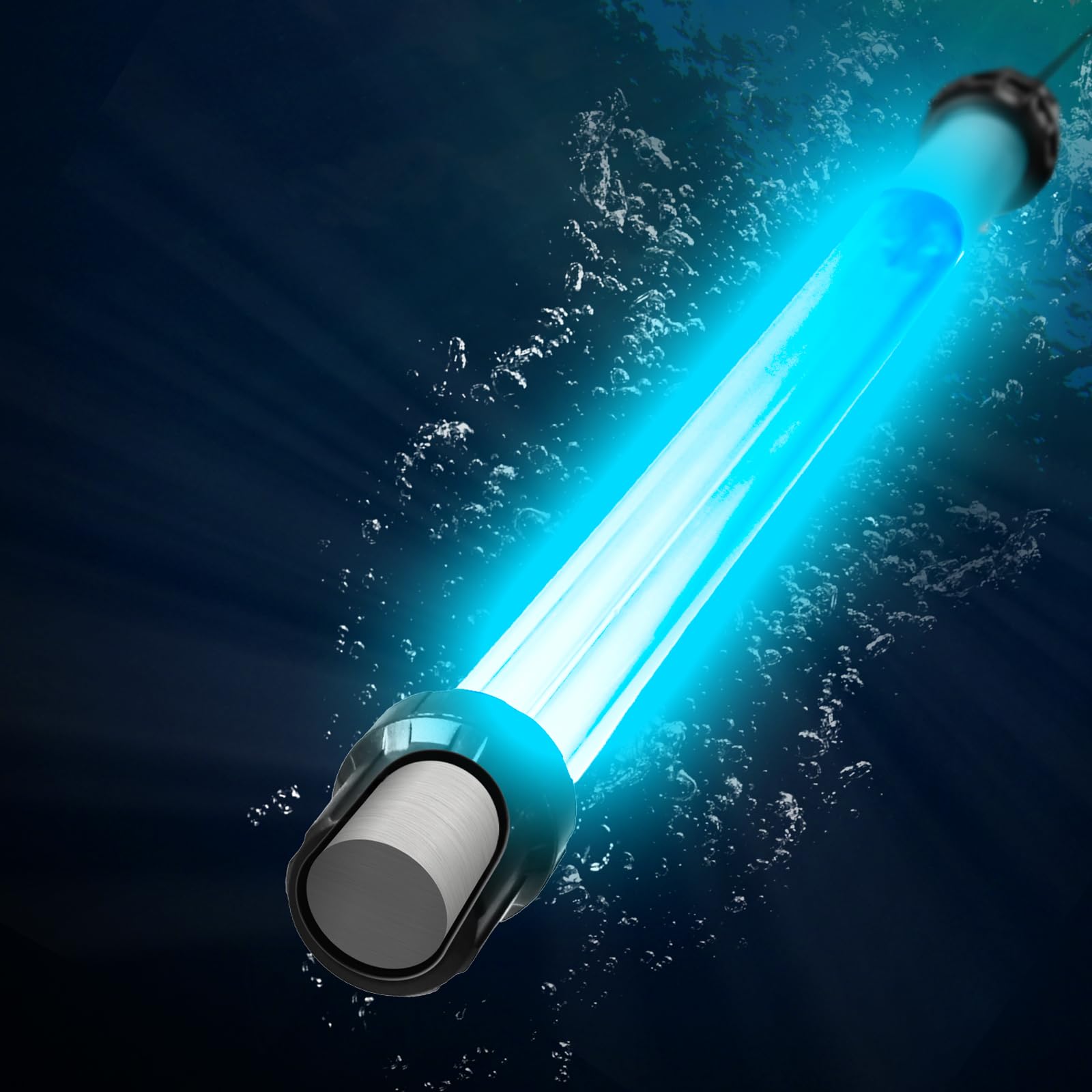
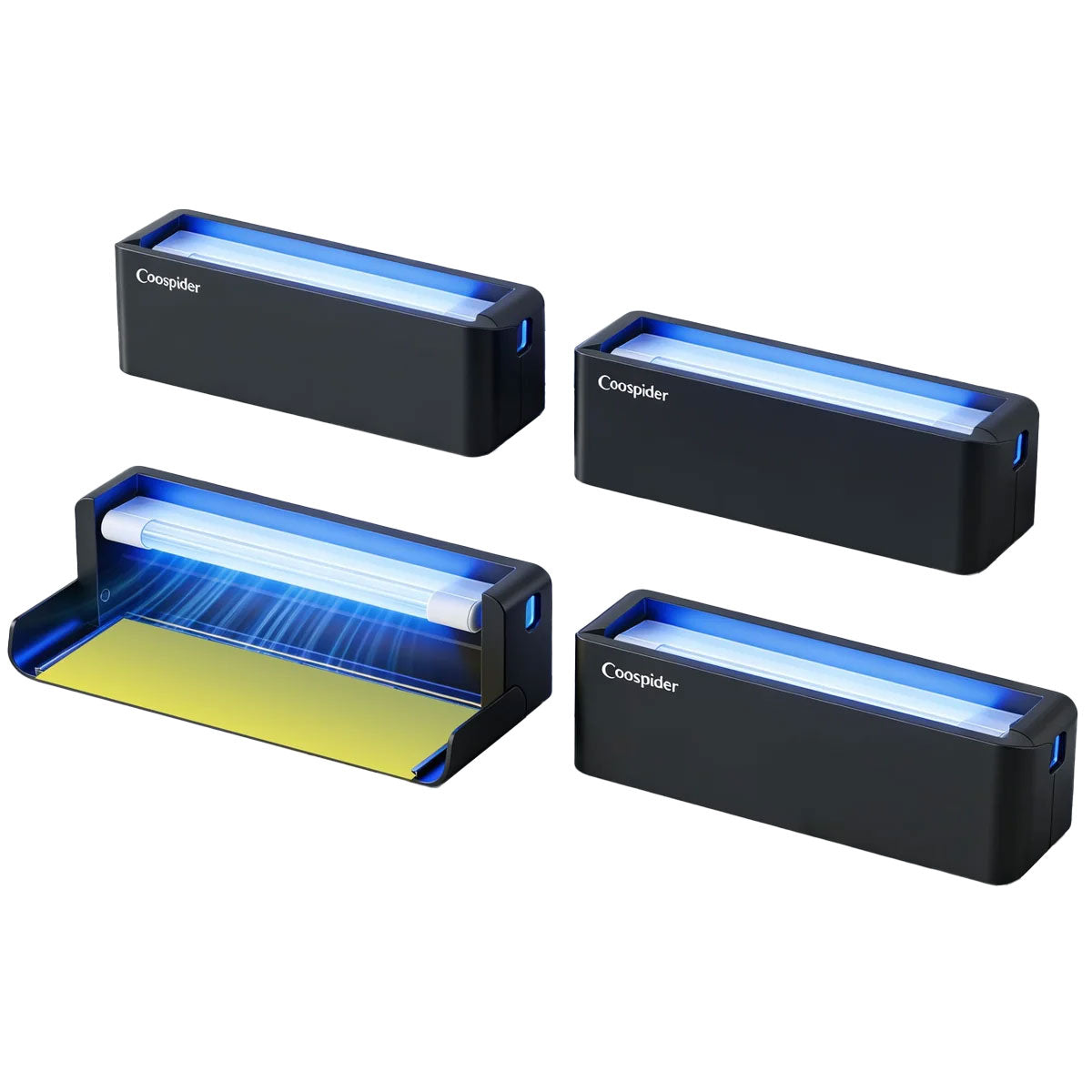
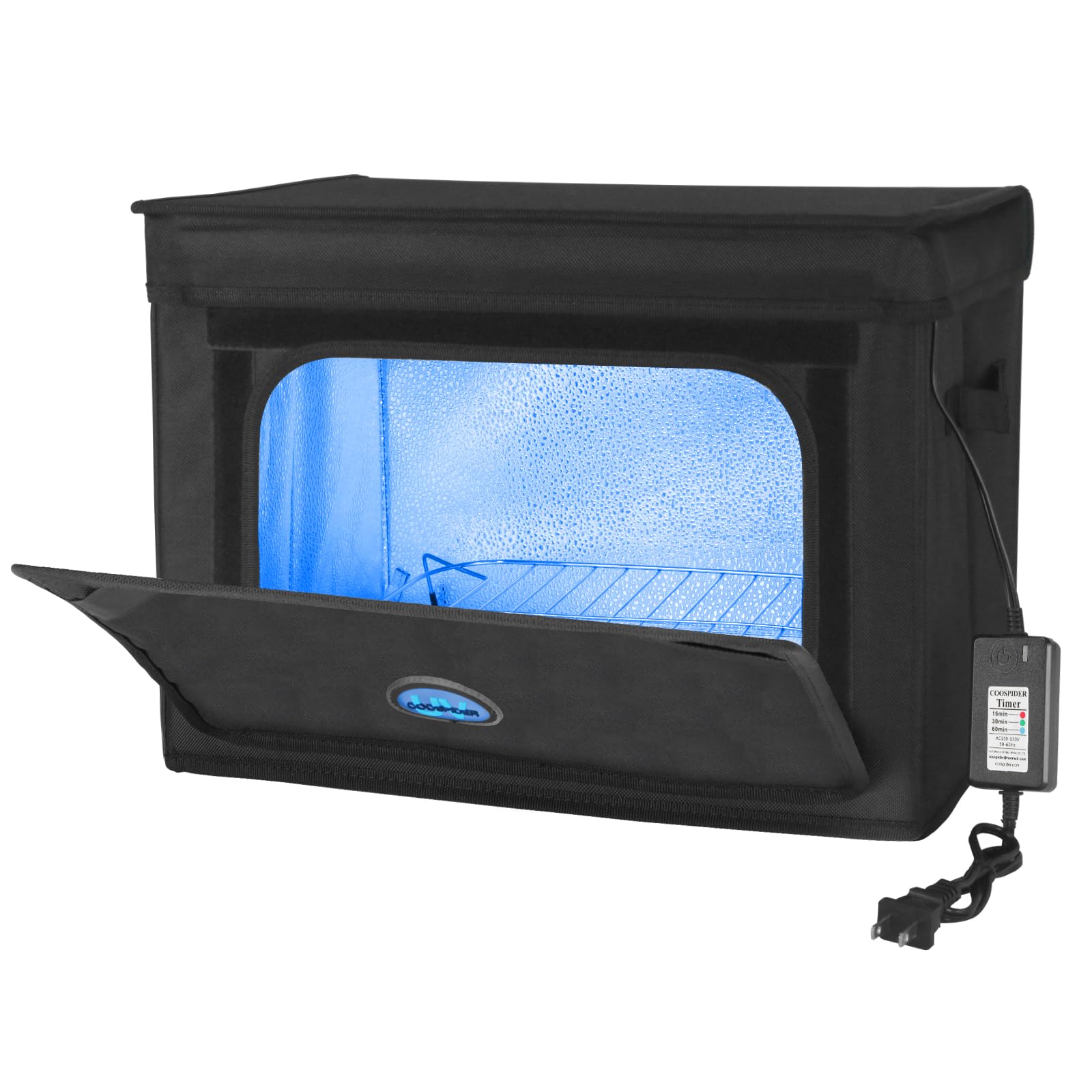
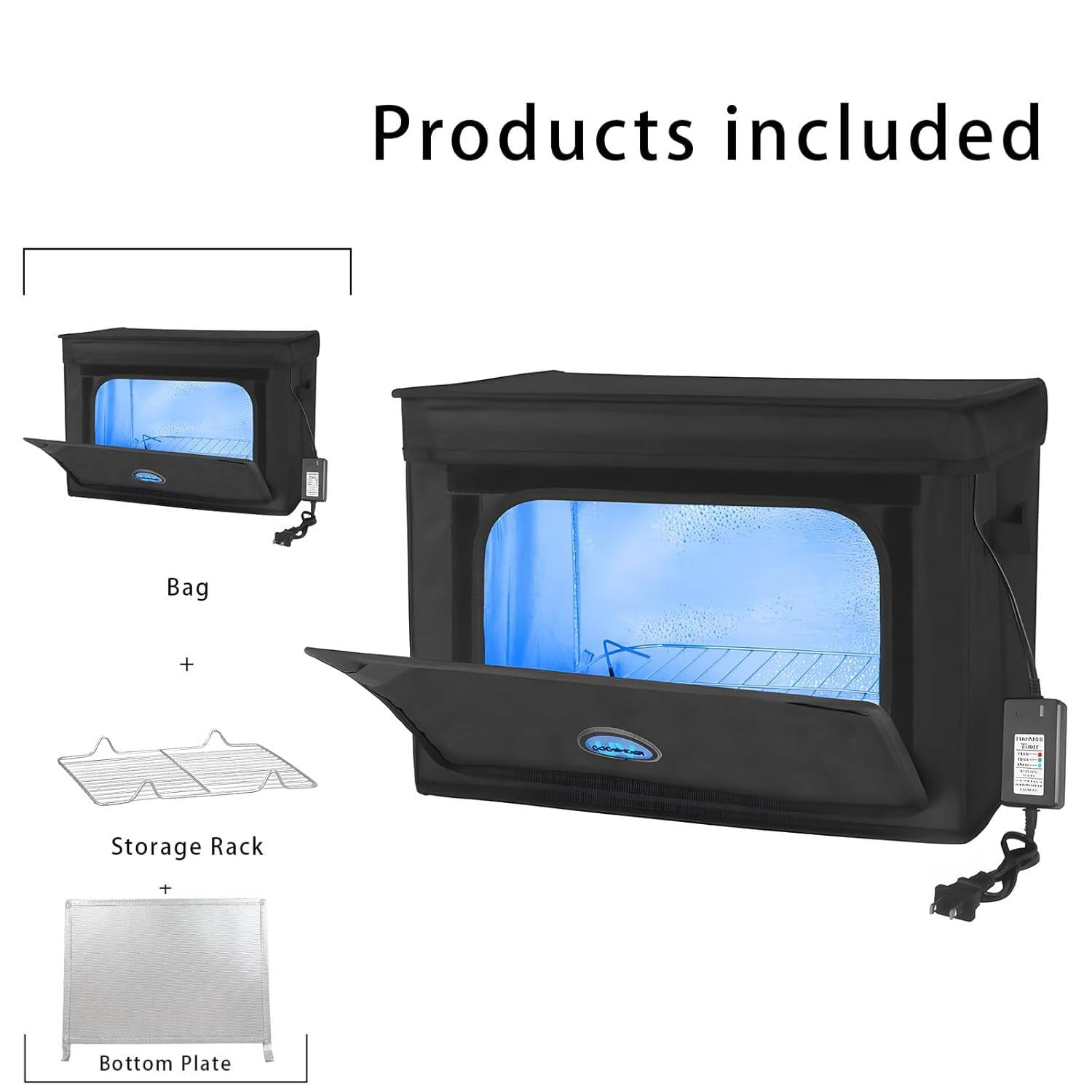
In recent years, UV sterilization lamps and UV cleaning boxes have gained popularity as convenient tools for disinfecting personal items. Smartphones, earbuds, keys, and even wearable devices are commonly placed under ultraviolet light for quick sanitation. But a growing question remains:
Can UV lamps damage your smartwatch band?
The answer is more nuanced than a simple yes or no. While ultraviolet light can effectively reduce microorganisms, improper or excessive exposure may accelerate material aging, discoloration, and structural weakening—especially for certain smartwatch band materials.
This comprehensive guide explains how UV light works, how different smartwatch band materials react to it, when UV sanitation is safe, and how to properly maintain wearable devices without shortening their lifespan.
Why Smartwatch Hygiene Matters More Than Ever
Unlike smartphones, which are frequently set down, smartwatches maintain prolonged skin contact. This creates a unique environment where moisture, oils, and microbes accumulate.
Common contaminants on smartwatch bands include:
-
Sweat salts
-
Skin oils
-
Dead skin cells
-
Cosmetic residues
-
Environmental dust
-
Bacteria from frequent touch
Fitness tracking further increases exposure. During workouts, elevated body temperature and perspiration create ideal conditions for bacterial growth.
Poor cleaning habits can lead to:
-
Skin irritation
-
Odor buildup
-
Band discoloration
-
Material degradation
As awareness of hygiene increases, many users turn to UV sterilization as a hands-free cleaning solution.
Understanding UV Light: What Does It Actually Do?
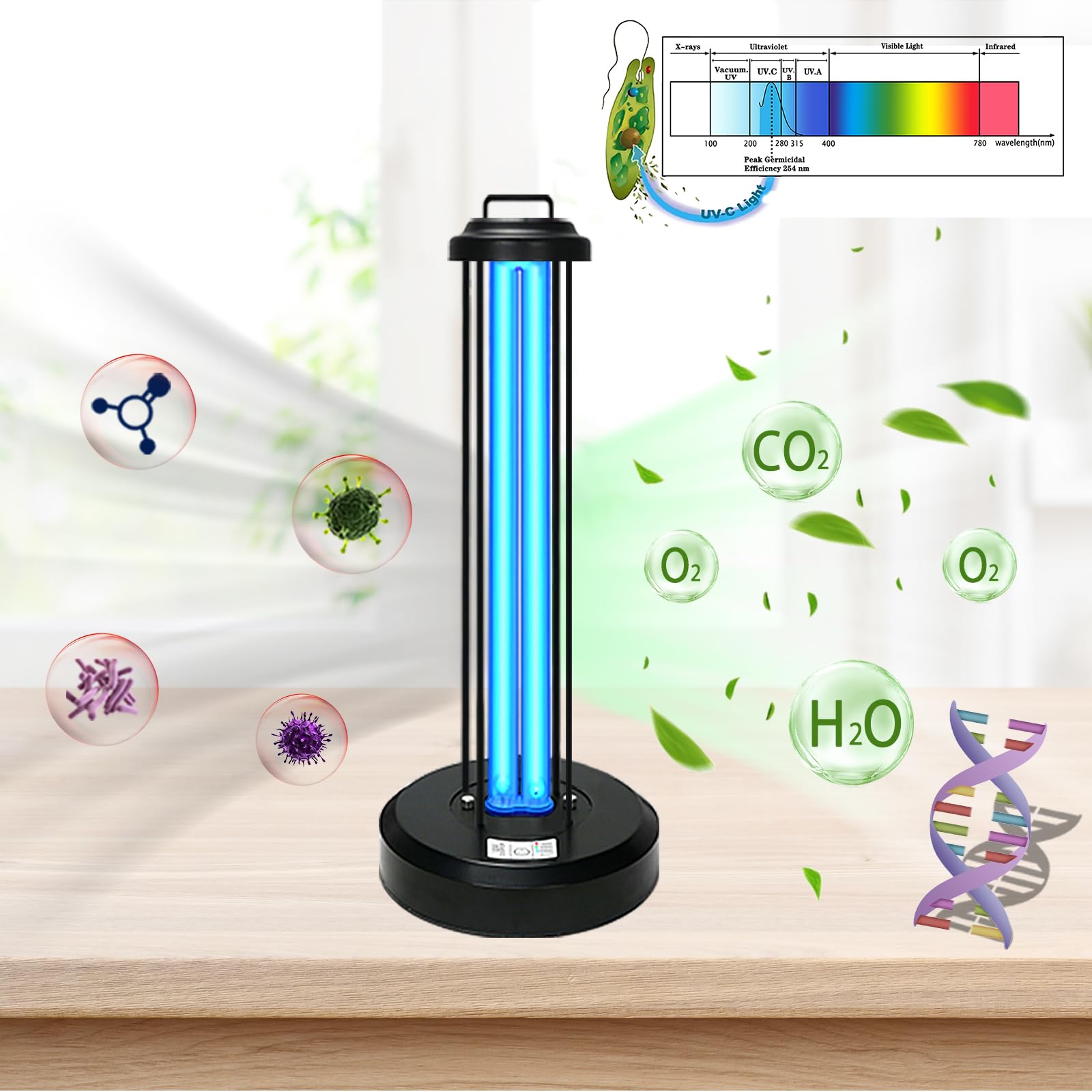
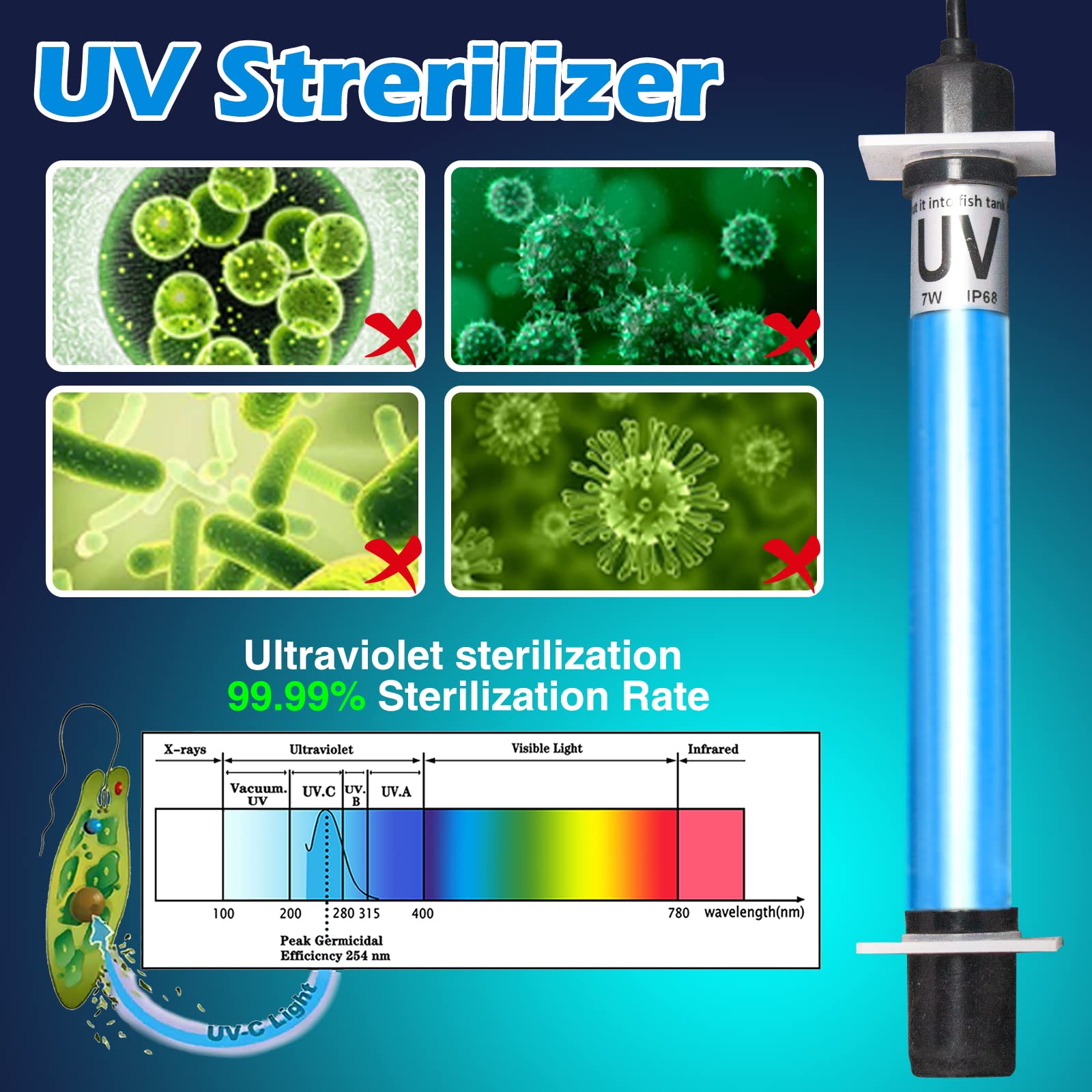
Ultraviolet (UV) light is electromagnetic radiation with wavelengths shorter than visible light. Different UV types interact with materials and microorganisms in distinct ways.
UV-A (315–400 nm)
-
Common in sunlight
-
Causes gradual material aging
-
Penetrates deeper into surfaces
-
Less effective for sterilization
UV-B (280–315 nm)
-
Responsible for sunburn
-
Accelerates polymer degradation
-
Rarely used in consumer sanitizers
UV-C (200–280 nm)
-
Highly effective at disrupting microbial DNA
-
Widely used in sterilization devices
-
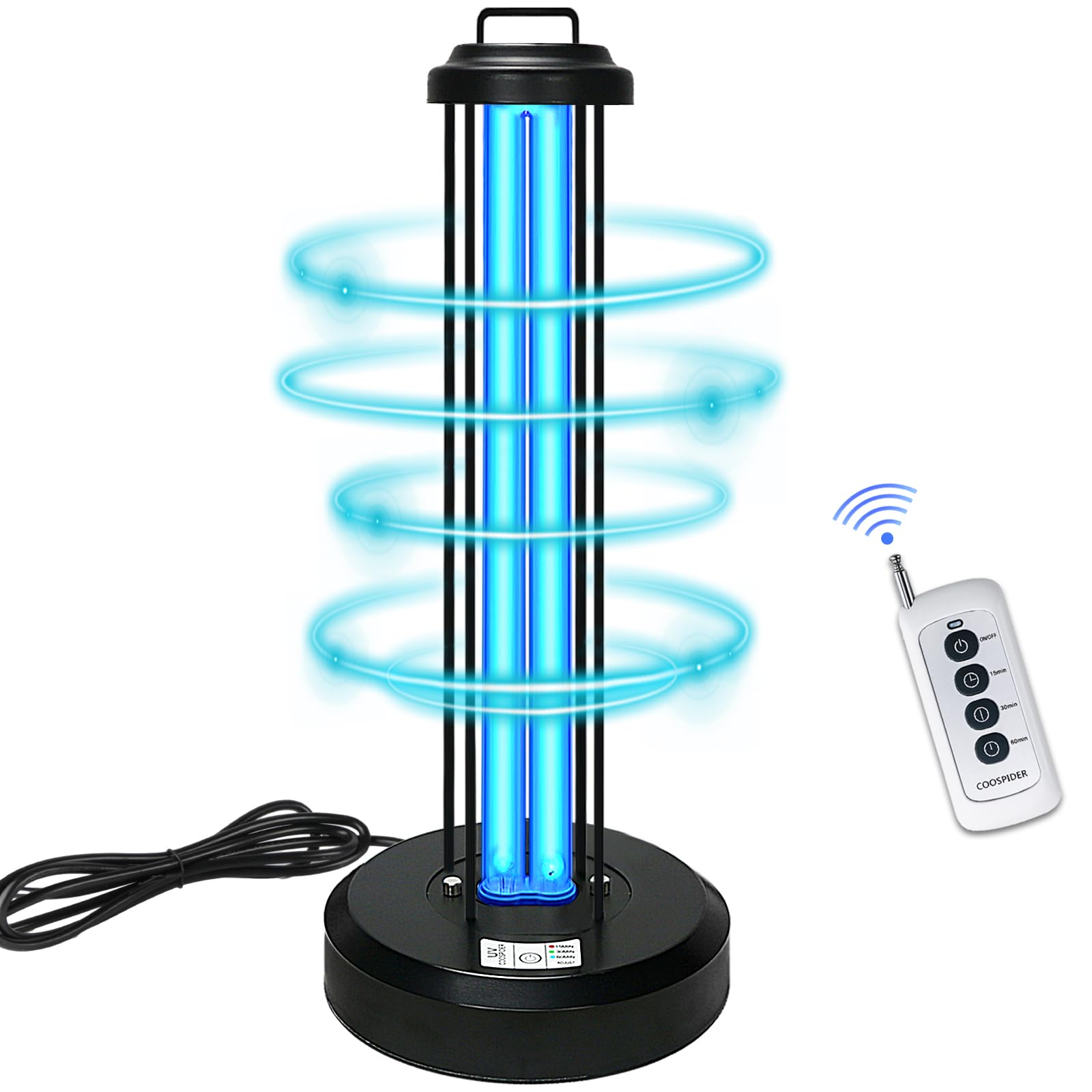
Typically emitted by UV sanitizing lamps
Most consumer UV cleaning boxes use UV-C LEDs or mercury lamps designed to reduce microbial presence within minutes.
However, the same energy that damages microbial DNA can also affect synthetic materials over time.
Why UV Exposure Can Affect Smartwatch Bands
Smartwatch bands are made primarily from polymers, elastomers, metals, or composite materials. UV radiation interacts differently with each.
UV photons carry enough energy to break molecular bonds in certain materials. This process, known as photodegradation, leads to gradual structural changes.
Effects may include:
-
Color fading
-
Surface brittleness
-
Loss of elasticity
-
Microcracking
-
Texture roughening
The risk depends on exposure intensity, duration, and material composition.
How Different Smartwatch Band Materials React to UV Lamps
Not all bands respond equally to UV exposure.
Silicone Bands
Silicone is one of the most common smartwatch materials due to flexibility and sweat resistance.
UV Resistance: Moderate to high.
Short UV sanitation cycles generally cause minimal immediate damage. However, repeated daily exposure can eventually lead to:
-
Chalky surface appearance
-
Reduced softness
-
Minor discoloration
Lower-quality silicone compounds degrade faster than medical-grade variants.
Fluoroelastomer Bands
Often used in premium sport models, fluoroelastomer offers higher durability.
UV Resistance: High.
These bands are engineered for harsh environments and typically tolerate occasional UV sanitation well. Long-term overexposure, however, may still accelerate aging.
Leather Bands
Leather reacts poorly to UV exposure.
UV Resistance: Low.
UV light removes natural oils, leading to:
-
Dryness
-
Cracking
-
Color fading
-
Stiffness
UV sanitizers are generally not recommended for leather smartwatch bands.
Nylon and Fabric Bands
Woven bands absorb moisture and oils easily.
UV Resistance: Variable.
UV exposure can weaken fibers and fade dyes over time, especially with frequent cycles.
Metal Bands (Stainless Steel or Titanium)
Metal components themselves resist UV damage well.
However, risks include:
-
Heating during exposure
-
Coating discoloration
-
Adhesive degradation in composite links
The band structure matters more than the metal itself.
Plastic or Resin Bands
Lower-cost polymer bands are most vulnerable.
UV exposure may cause:
-
Yellowing
-
Increased brittleness
-
Surface cracking
These materials often lack UV stabilizers.
The Difference Between Sunlight and UV Sanitizers
Many users assume UV lamps are no different from sunlight exposure. In reality, UV sanitizers deliver concentrated radiation in a short time.
Key differences:
| Factor | Sunlight | UV Sanitizer |
|---|---|---|
| Exposure Time | Hours | Minutes |
| Intensity | Variable | Concentrated |
| Spectrum | Mixed UV types | Mostly UV-C |
| Heat | Environmental | Device-dependent |
Although sanitizer sessions are brief, repeated daily cycles may equal months of sunlight exposure over time.
When UV Cleaning Is Safe for Smartwatch Bands
UV sanitation can be safe if used correctly.
Best practices include:
-
Limit exposure to manufacturer-recommended cycle times
-
Avoid multiple cycles per day
-
Remove leather bands before treatment
-
Ensure device temperature remains moderate
-
Use certified UV devices with controlled output
Occasional use presents minimal risk for most modern bands.
Signs UV Exposure May Be Damaging Your Band
Watch for early warning indicators:
-
Fading color or uneven patches
-
Surface becoming sticky or powdery
-
Reduced flexibility
-
Small cracks near bending points
-
Persistent dryness (leather)
If these appear, reduce or discontinue UV cleaning.
Why Over-Sanitizing Is a Growing Problem
Many users overestimate contamination risks and sanitize excessively.
Daily UV exposure may not be necessary for most people. Routine cleaning methods often provide adequate hygiene without material stress.
Over-sanitizing can shorten product lifespan without providing meaningful additional cleanliness benefits.
Safer Alternatives to UV Cleaning
UV lamps should be only one part of wearable maintenance.
Mild Soap and Water
For silicone or fluoroelastomer bands:
-
Remove band from watch.
-
Wash with lukewarm water and gentle soap.
-
Rinse thoroughly.
-
Air dry completely.
This method removes sweat and oils effectively.
Alcohol Wipes (Used Sparingly)
Suitable for metal and certain synthetic bands.
Avoid frequent use on rubber or leather materials.
Microfiber Cleaning
Daily wiping removes oils before buildup occurs.
Preventive cleaning reduces need for intense sanitation.
How Often Should You Clean Your Smartwatch Band?
Recommended schedule:
Daily
-
Quick wipe after workouts
Weekly
-
Gentle wash or wipe-down
Occasional
-
UV sanitation when exposure risk is higher (travel, gyms, illness)
Consistency matters more than intensity.
The Role of Sweat and Skin Chemistry
Individual skin chemistry significantly affects band longevity.
Factors include:
-
Sweat acidity
-
Lotion or sunscreen use
-
Salt concentration
-
Environmental humidity
UV cleaning cannot compensate for chemical wear caused by perspiration.
Regular rinsing after exercise is more impactful.
Heat: The Hidden Risk of UV Devices
Some UV sanitizers generate heat alongside radiation.
Excess heat may:
-
Warp polymers
-
Loosen adhesives
-
Affect smartwatch water seals
Always ensure ventilation and avoid prolonged cycles.
Smartwatch Manufacturer Recommendations
Most wearable brands suggest:
-
Gentle cleaning methods first
-
Limited exposure to harsh chemicals
-
Avoiding prolonged UV or direct heat
UV cleaning is typically neither required nor prohibited—it must simply be used responsibly.
Extending the Life of Your Smartwatch Band
Proper care dramatically increases longevity.
Best habits include:
-
Rotate between multiple bands
-
Remove watch during intense chemical exposure
-
Dry bands after workouts
-
Store away from direct sunlight
-
Clean regularly but gently
Material fatigue often results from neglect rather than use.
When to Replace a Smartwatch Band
Even well-maintained bands eventually wear out.
Replace when you notice:
-
Persistent odor
-
Cracking or peeling
-
Loss of elasticity
-
Skin irritation
-
Structural weakness near connectors
Replacement intervals vary from 1–3 years depending on usage.
Balancing Hygiene and Material Preservation
The goal isn’t maximum sterilization—it’s sustainable cleanliness.
Think of UV sanitation as an occasional deep-clean tool rather than a daily routine.
Balanced care protects both your health and your device investment.
The Future of Wearable Hygiene Technology
Emerging innovations include:
-
Antimicrobial band materials
-
Self-cleaning coatings
-
UV-resistant polymers
-
Sweat-neutralizing surfaces
-
Integrated hygiene reminders
As materials evolve, maintenance demands may decrease.
Common Myths About UV Cleaning and Wearables
Myth 1: UV Light Is Completely Harmless to Materials
Reality: It can slowly degrade polymers.
Myth 2: More UV Means Better Sanitization
Reality: Proper exposure time is sufficient.
Myth 3: UV Replaces Regular Cleaning
Reality: It complements but does not replace washing.
Myth 4: All Bands React the Same
Reality: Material composition matters greatly.
Practical Care Routine for Everyday Users
A balanced routine might look like this:
After Exercise
-
Rinse or wipe band
Weekly
-
Gentle soap cleaning
Monthly
-
Optional UV sanitation cycle
This approach minimizes microbial buildup while protecting materials.
Final Thoughts
UV lamps offer a convenient way to sanitize personal devices, but they must be used thoughtfully when caring for smartwatch bands. While occasional UV exposure is generally safe for many modern materials, excessive or improper use can accelerate aging, discoloration, and structural wear—especially for leather and lower-quality polymers.
The key is balance. Regular gentle cleaning, proper drying, and mindful sanitation practices preserve both hygiene and durability. Instead of relying solely on UV light, combining traditional cleaning methods with occasional sterilization ensures your smartwatch remains comfortable, clean, and long-lasting.
Your smartwatch is designed to accompany you through workouts, workdays, and sleep alike. With the right maintenance habits, both the device and its band can continue performing reliably for years—without unnecessary damage from over-cleaning.