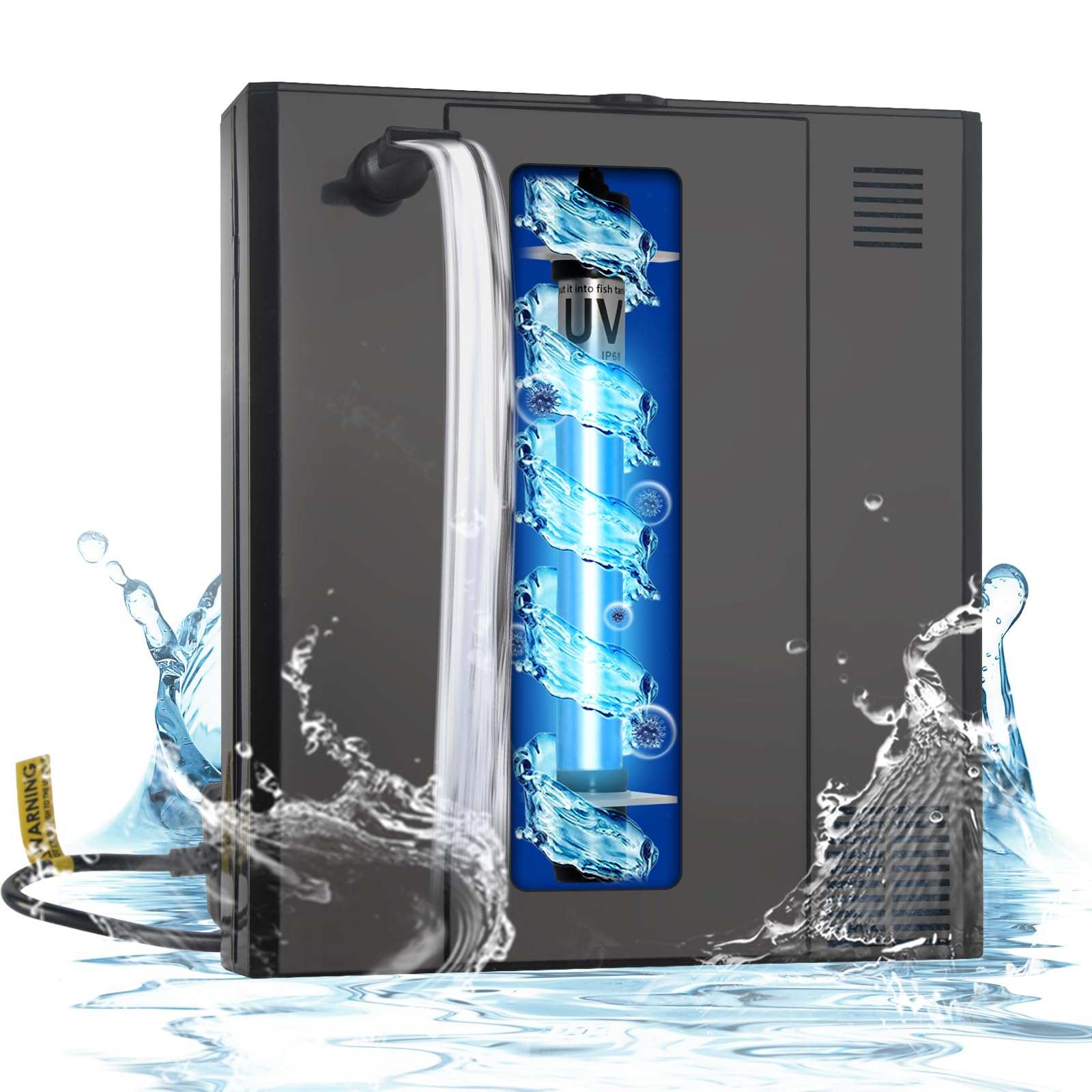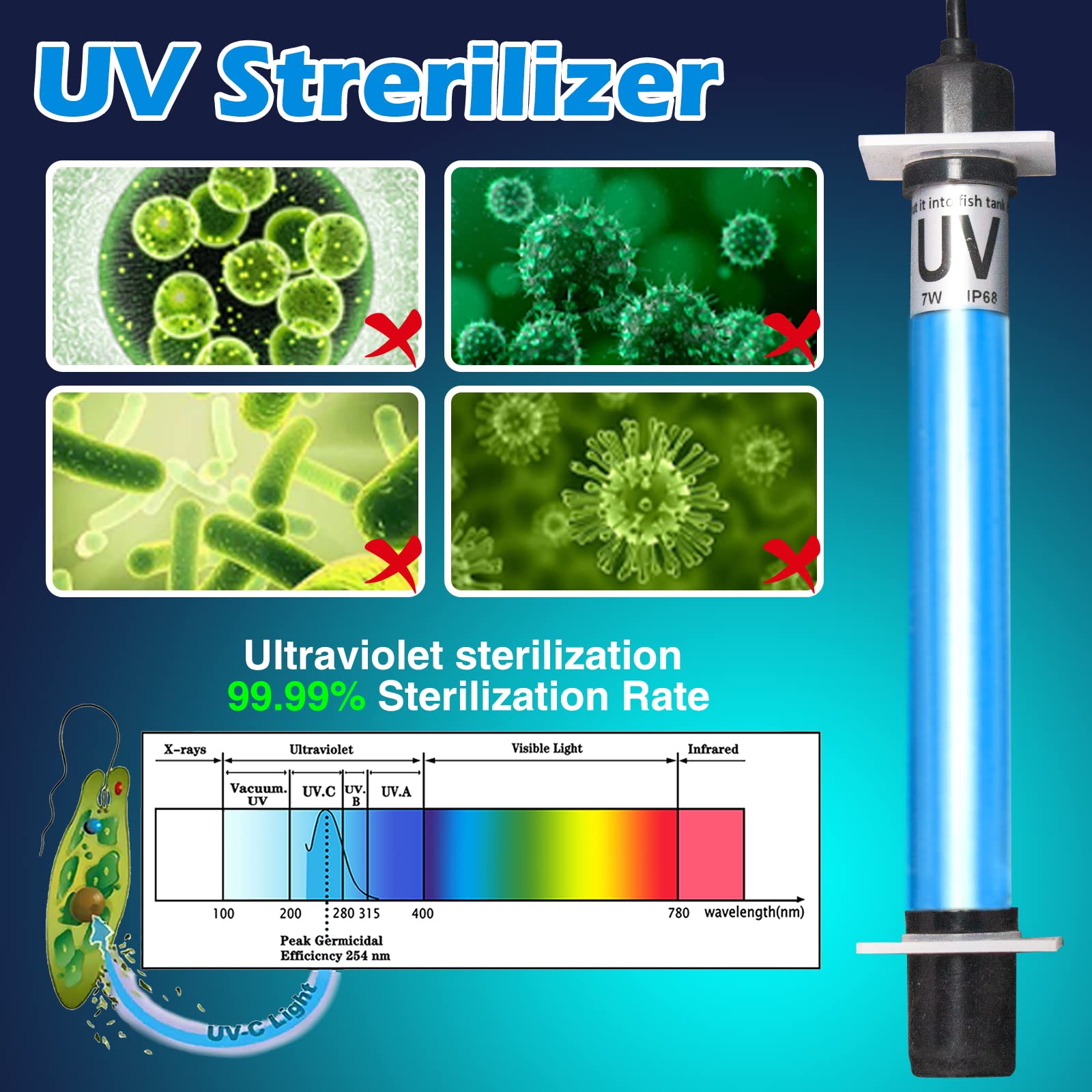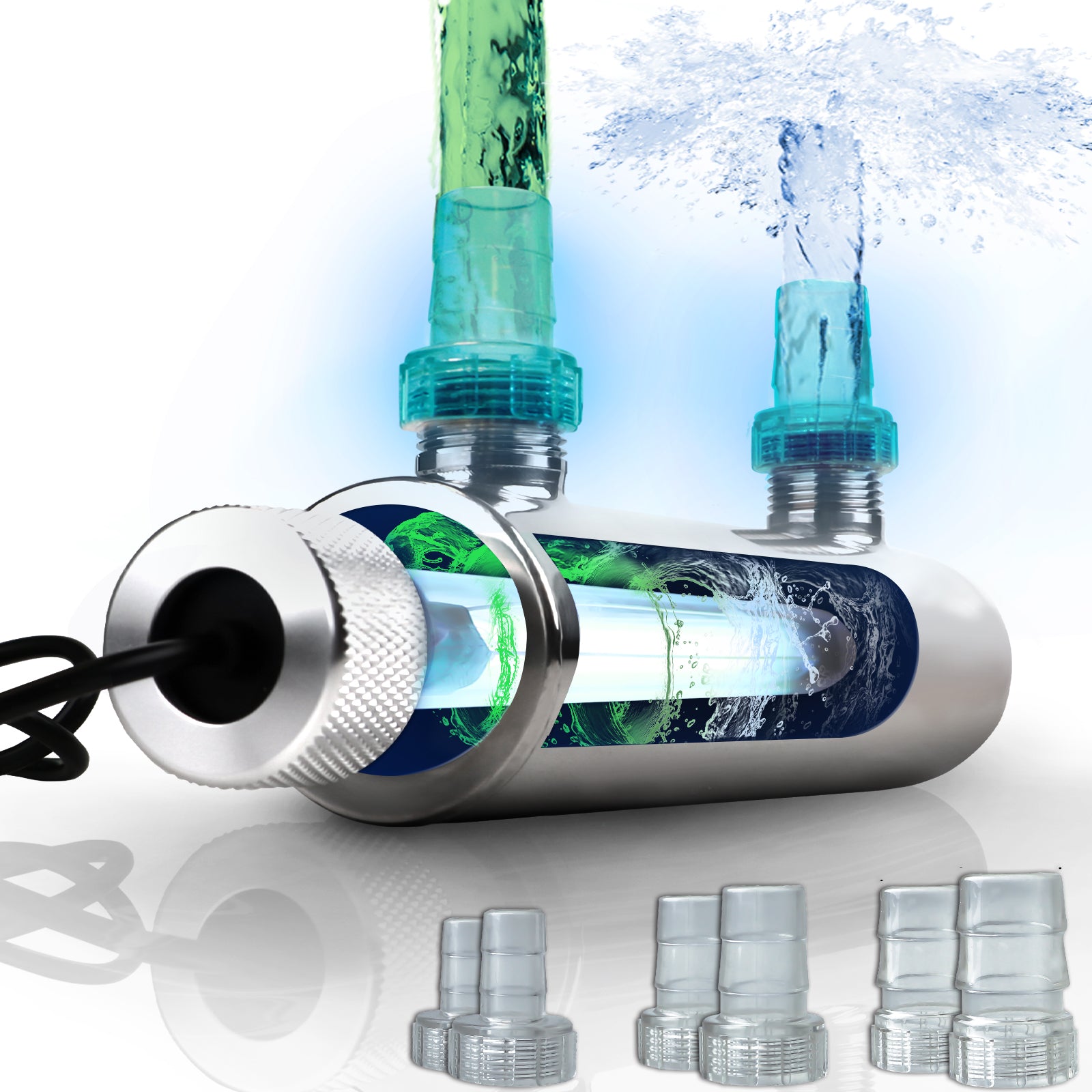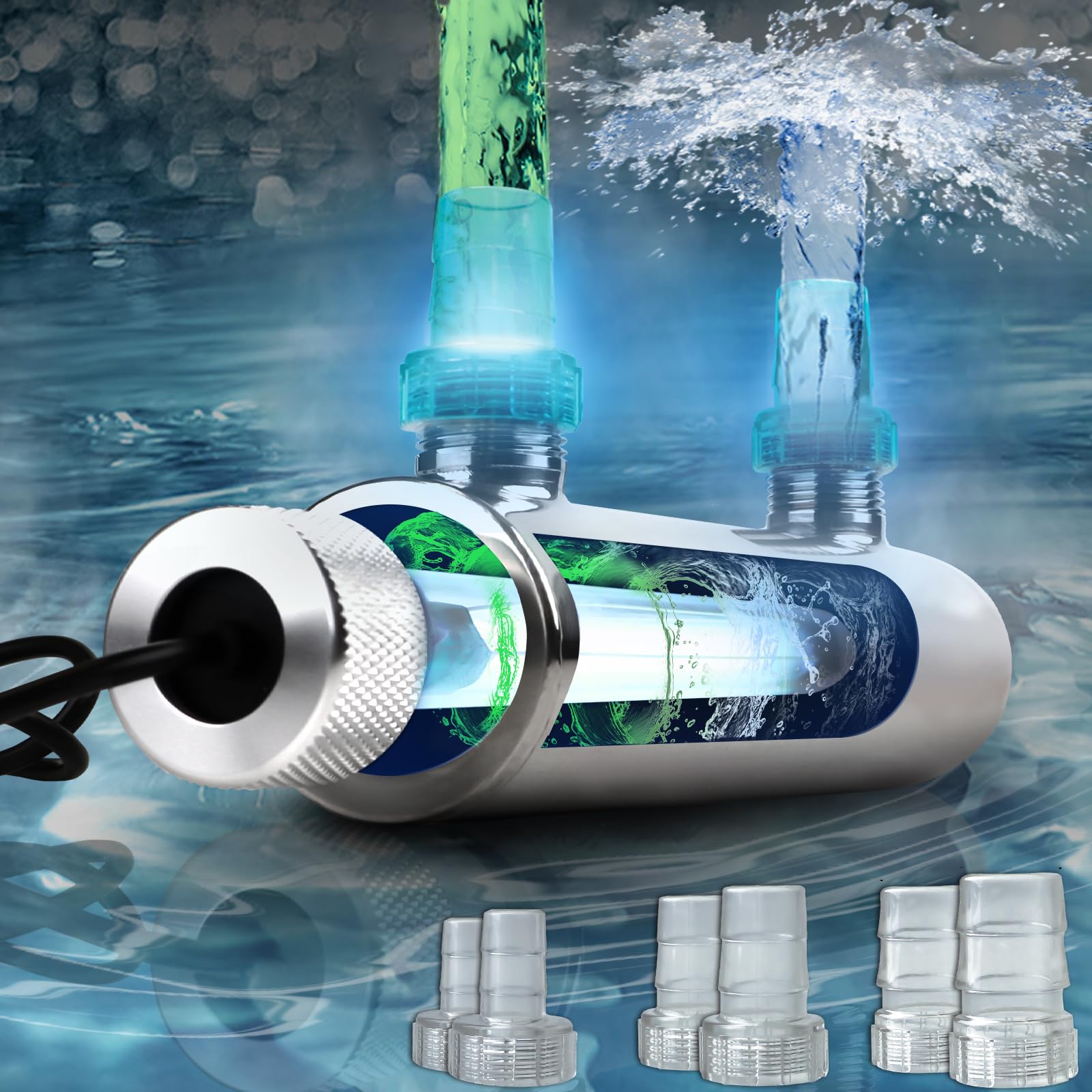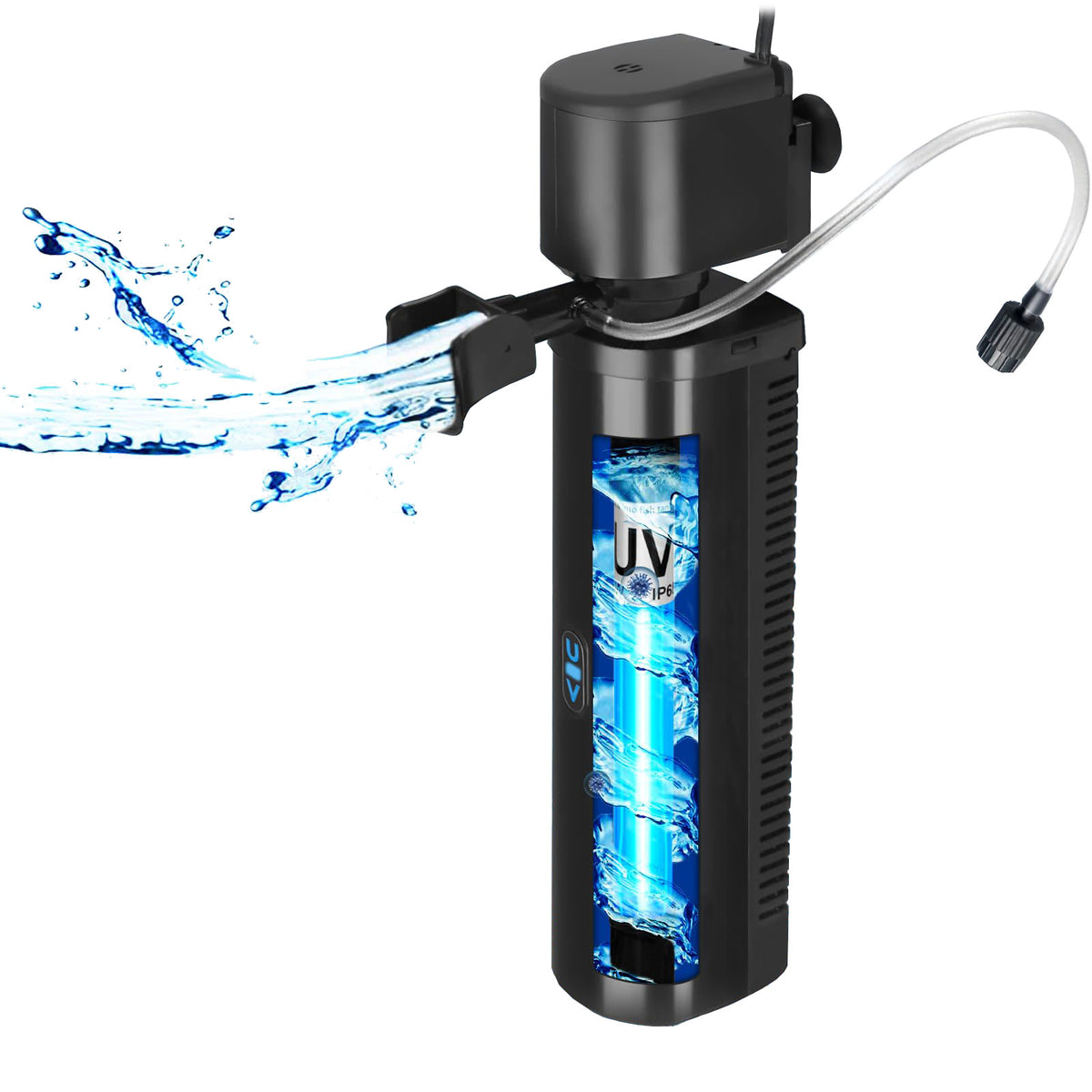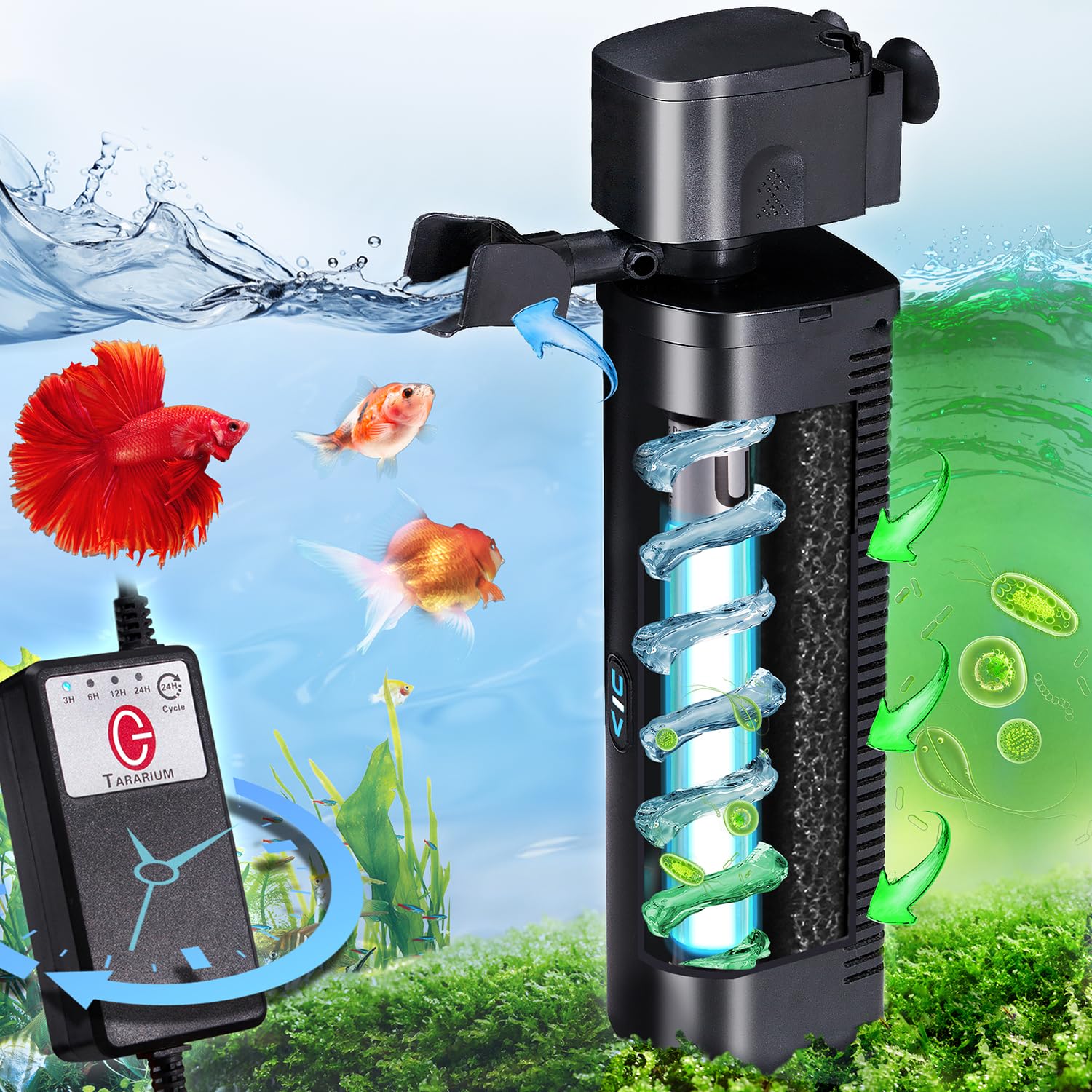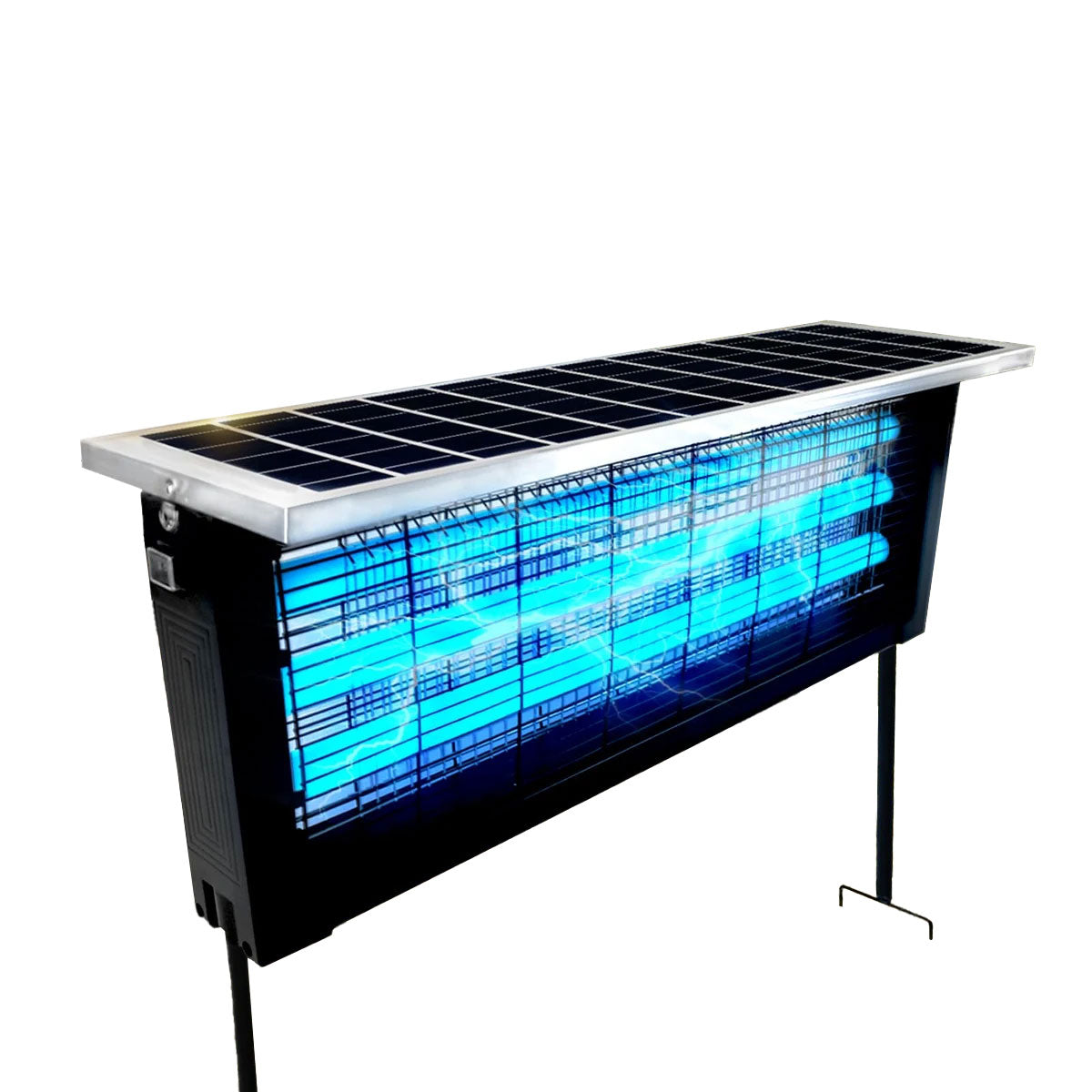
Ultraviolet (UV) lamps are widely used in both residential and industrial environments, but the expectations, risks, and maintenance standards between these two settings are dramatically different. While a UV lamp in a home water purifier might be treated as a simple replace-and-forget component, an industrial UV system in a pharmaceutical plant or municipal water treatment facility is a mission-critical asset that directly impacts public health, regulatory compliance, and operational safety.
Understanding the differences in maintenance standards between home and industrial UV lamp systems is essential for technicians, facility managers, and even homeowners who rely on UV-based disinfection technologies.
This article provides a comprehensive breakdown of how UV lamp maintenance varies across environments, why those differences exist, and what best practices should be followed in each case.
Understanding UV Lamp Applications in Different Environments
Before comparing maintenance standards, it is important to recognize how differently UV lamps are used in residential and industrial settings.
Residential UV Applications
In home environments, UV lamps are typically found in:
- Point-of-use water purifiers
- Whole-house water filtration systems
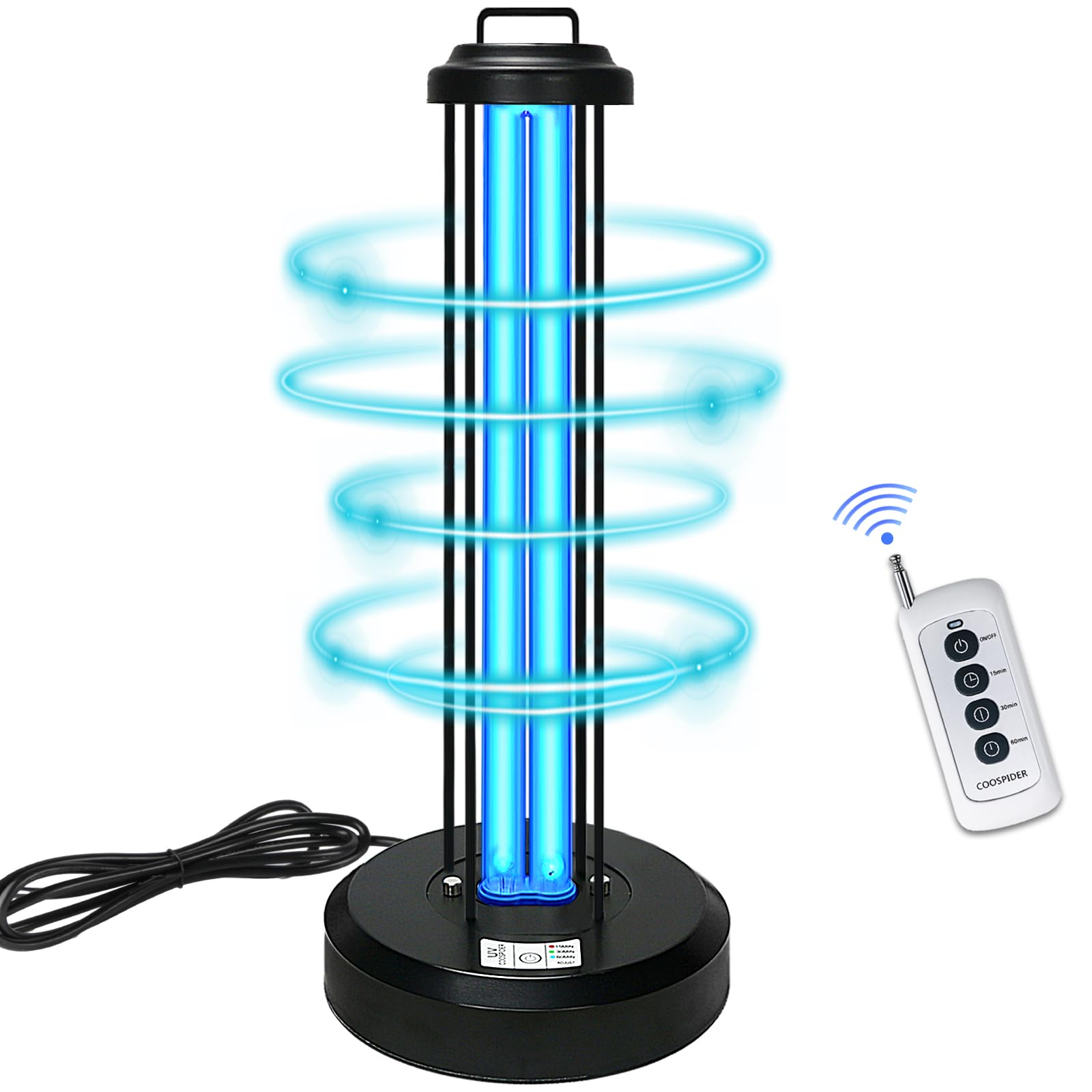
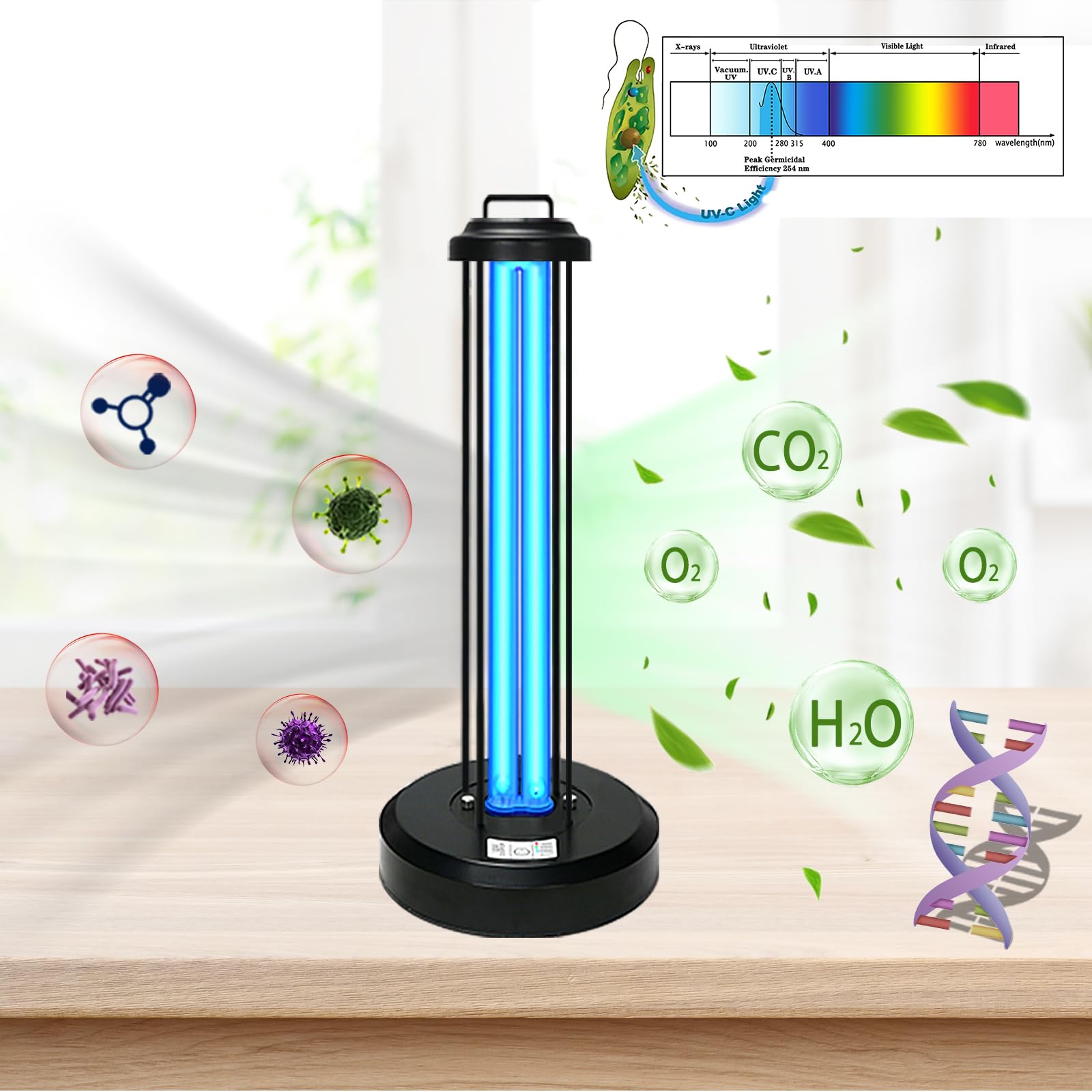
- Air purifiers with UV sterilization modules
- Portable UV sanitizing devices
- HVAC add-on disinfection units
These systems are designed for simplicity, safety, and minimal user intervention. Home users are generally not expected to perform technical diagnostics or system calibration.
Industrial UV Applications
Industrial UV systems are far more complex and include:
- Municipal drinking water disinfection systems
- Wastewater treatment facilities
- Pharmaceutical manufacturing sterilization lines
- Food and beverage processing systems
- Semiconductor and cleanroom air purification systems
- Industrial curing systems (printing, coatings, adhesives)
These systems operate continuously, often under strict regulatory oversight, and must maintain precise performance levels at all times.
Core Difference: Risk Level and System Criticality
The most important distinction between home and industrial UV systems is the level of risk associated with failure.
In Home Systems:
- Failure is inconvenient but usually not dangerous
- Users can often notice reduced performance (taste, odor, clarity)
- Replacement is typically straightforward
- Downtime has minimal consequences
In Industrial Systems:
- Failure may pose public health risks
- Non-compliance can result in regulatory penalties
- Production shutdowns can be extremely costly
- UV dosage must meet strict measurable standards
This difference in risk directly influences maintenance standards.
Maintenance Standard #1: Inspection Frequency
Residential Standards
In household UV systems, inspection is generally minimal:
- Lamp replacement every 9–12 months (typical recommendation)
- Occasional visual inspection during filter changes
- Basic indicator light monitoring (if available)
Most homeowners rely on manufacturer reminders or simple timer-based replacement schedules rather than performance testing.
Industrial Standards
Industrial UV systems require structured inspection protocols:
- Daily system status checks (automated or manual)
- Weekly performance logging
- Monthly UV intensity validation
- Quarterly system calibration
- Annual third-party compliance audits (in regulated industries)
Many systems are integrated with sensors that continuously monitor:
- UV intensity output
- Lamp aging indicators
- Flow rate and dosage calculations
- Temperature and electrical stability
Maintenance Standard #2: Performance Monitoring
Residential Systems
Performance monitoring in home UV systems is limited to:
- Indicator LEDs (on/off/fault)
- Basic flow alarms in some advanced models
- Lack of real-time UV intensity measurement in most units
Home systems prioritize simplicity over precision.
Industrial Systems
Industrial UV systems require real-time, high-precision monitoring:
- UV intensity sensors (UV-C dose measurement)
- Flow rate integration systems
- Automatic lamp aging compensation
- Data logging for compliance reporting
- Alarm systems tied to regulatory thresholds
For example, in municipal water treatment, UV dose must often meet specific measured thresholds (e.g., mJ/cm²), and systems must document compliance continuously.
Maintenance Standard #3: Component Replacement Strategy
Residential Approach
Home UV lamp replacement is typically:
- Scheduled (time-based, not performance-based)
- Single-component replacement (lamp only)
- User-serviceable with minimal tools
- No calibration required after replacement
Most residential users simply swap the UV lamp annually regardless of actual output condition.
Industrial Approach
Industrial replacement strategies are far more complex:
- Condition-based replacement (based on sensor data)
- System-level maintenance (lamp + ballast + sleeve evaluation)
- Calibration required after replacement
- Redundancy systems may be engaged during maintenance
- Replacement often performed by certified technicians
In critical systems, lamps may be replaced in staggered cycles to avoid downtime.
Maintenance Standard #4: Technical Skill Requirements
Residential Systems
Maintenance in home environments is designed for non-technical users:
- Plug-and-play lamp replacement
- Simple instructions with minimal steps
- No diagnostic tools required
- Basic safety precautions only
Manufacturers assume little to no technical training.
Industrial Systems
Industrial maintenance requires specialized expertise:
- Electrical engineering knowledge
- UV dosage calculation understanding
- Calibration tool proficiency
- Familiarity with regulatory compliance standards
- Ability to interpret system diagnostics and fault codes
Technicians often undergo formal certification or manufacturer training programs.
Maintenance Standard #5: System Complexity and Integration
Residential Systems
Home UV systems are generally standalone or lightly integrated:
- Simple power supply
- Basic flow switch
- Limited electronic controls
- No external system integration
This simplicity reduces maintenance complexity but also limits diagnostic capabilities.
Industrial Systems
Industrial UV systems are deeply integrated into larger infrastructure:
- SCADA (Supervisory Control and Data Acquisition) systems
- PLC (Programmable Logic Controller) integration
- Automated chemical dosing coordination
- Real-time network monitoring
- Remote diagnostics and cloud reporting in advanced setups
A failure in a UV system may trigger cascading alerts across an entire facility.
Maintenance Standard #6: Safety and Compliance Requirements
Residential Standards
Safety requirements for home systems are relatively simple:
- Basic electrical safety compliance
- UV shielding to prevent exposure
- Standard certifications (e.g., NSF/ANSI in water systems)
Regulatory oversight is minimal once the product is installed.
Industrial Standards
Industrial UV systems are heavily regulated:
- Compliance with EPA, FDA, or equivalent agencies
- Documented validation of UV dose effectiveness
- Routine third-party inspections
- Strict record-keeping for audits
- Worker safety protocols for UV exposure prevention
In industries like pharmaceuticals, even minor deviations can trigger compliance violations.
Maintenance Standard #7: Downtime Tolerance
Residential Systems
- Downtime is usually not critical
- Users may tolerate short periods without UV function
- Backup systems (like boiling water) are often available
Industrial Systems
Downtime is often unacceptable:
- Continuous operation requirements (24/7 systems)
- Redundant UV modules to prevent interruption
- Emergency maintenance protocols
- Financial losses tied directly to downtime duration
For example, a municipal water treatment UV failure may require immediate emergency response.
Misconception: “Industrial UV Lamps Are Just Bigger Home Lamps”
One of the most common misunderstandings is assuming industrial UV systems are simply scaled-up versions of home units.
In reality, industrial systems differ in:
- Electrical architecture
- Lamp chemistry and design
- Thermal management systems
- Monitoring precision
- Redundancy and fail-safe design
A residential UV lamp might operate on simple on/off cycles, while an industrial lamp is part of a finely tuned system that continuously adjusts output based on flow rate and water quality.
Differences in Lamp Lifespan Management
Residential Lifespan Approach
- Fixed replacement intervals (e.g., 12 months)
- No performance tracking required
- Slight efficiency loss tolerated over time
Industrial Lifespan Approach
- Dynamic lifespan tracking based on runtime hours
- UV intensity degradation curves analyzed
- Predictive maintenance models used
- Replacement triggered by performance thresholds, not time alone
This ensures consistent disinfection performance.
Real-World Comparison Scenarios
Scenario 1: Home Water Filter Replacement
A homeowner replaces a UV lamp once a year in a kitchen water system. Even if performance declines slightly, the system continues to function acceptably, and no regulatory consequences exist.
Scenario 2: Municipal Water Treatment Facility
A municipal UV system must maintain strict disinfection standards for thousands of residents. If UV intensity drops below threshold:
- Immediate alarms are triggered
- Backup systems may activate
- Regulatory reporting is required
- Emergency repair crews are dispatched
The difference in consequence is enormous.
Best Practices for Residential UV Maintenance
Home users should follow these guidelines:
- Replace UV lamps according to manufacturer schedule
- Keep quartz sleeves clean (if accessible)
- Ensure power supply is stable
- Replace filters that may block UV effectiveness
- Monitor indicator lights regularly
Simplicity and consistency are key.
Best Practices for Industrial UV Maintenance
Industrial operators should implement:
- Scheduled calibration and validation
- Continuous UV intensity monitoring
- Preventive maintenance programs
- Spare part inventory management
- Technician certification programs
- Full compliance documentation systems
Reliability depends on structured engineering processes.
The Cost of Applying the Wrong Maintenance Standard
Applying residential maintenance logic to industrial systems—or vice versa—can lead to serious consequences:
If industrial systems are treated like home systems:
- Regulatory violations
- Public health risks
- Equipment failure
- Production downtime
If home systems are treated like industrial systems:
- Overcomplicated maintenance
- Unnecessary costs
- User confusion
- Reduced system usability
Matching the maintenance standard to the application is essential.
Conclusion
UV lamp systems may share the same fundamental purpose—disinfection through ultraviolet light—but the environments in which they operate demand vastly different maintenance standards. Residential systems prioritize simplicity, affordability, and ease of use, while industrial systems prioritize precision, compliance, reliability, and continuous operation.
Understanding these differences is critical for proper system management. A one-size-fits-all maintenance approach does not work in UV technology. Instead, maintenance strategies must reflect the operational context, risk level, and performance expectations of each system.
By aligning maintenance practices with application requirements, both homeowners and industrial operators can ensure safe, efficient, and long-lasting UV system performance.