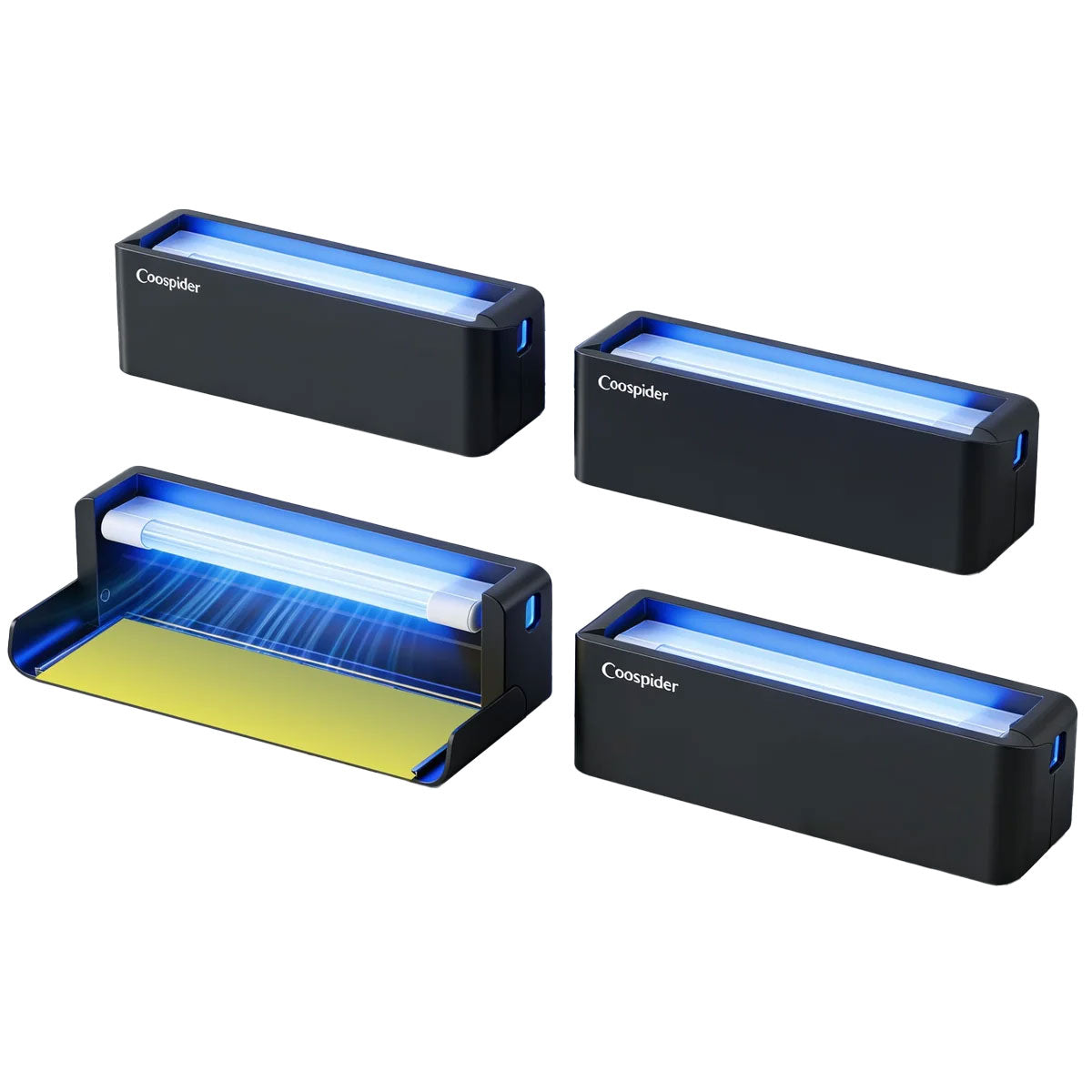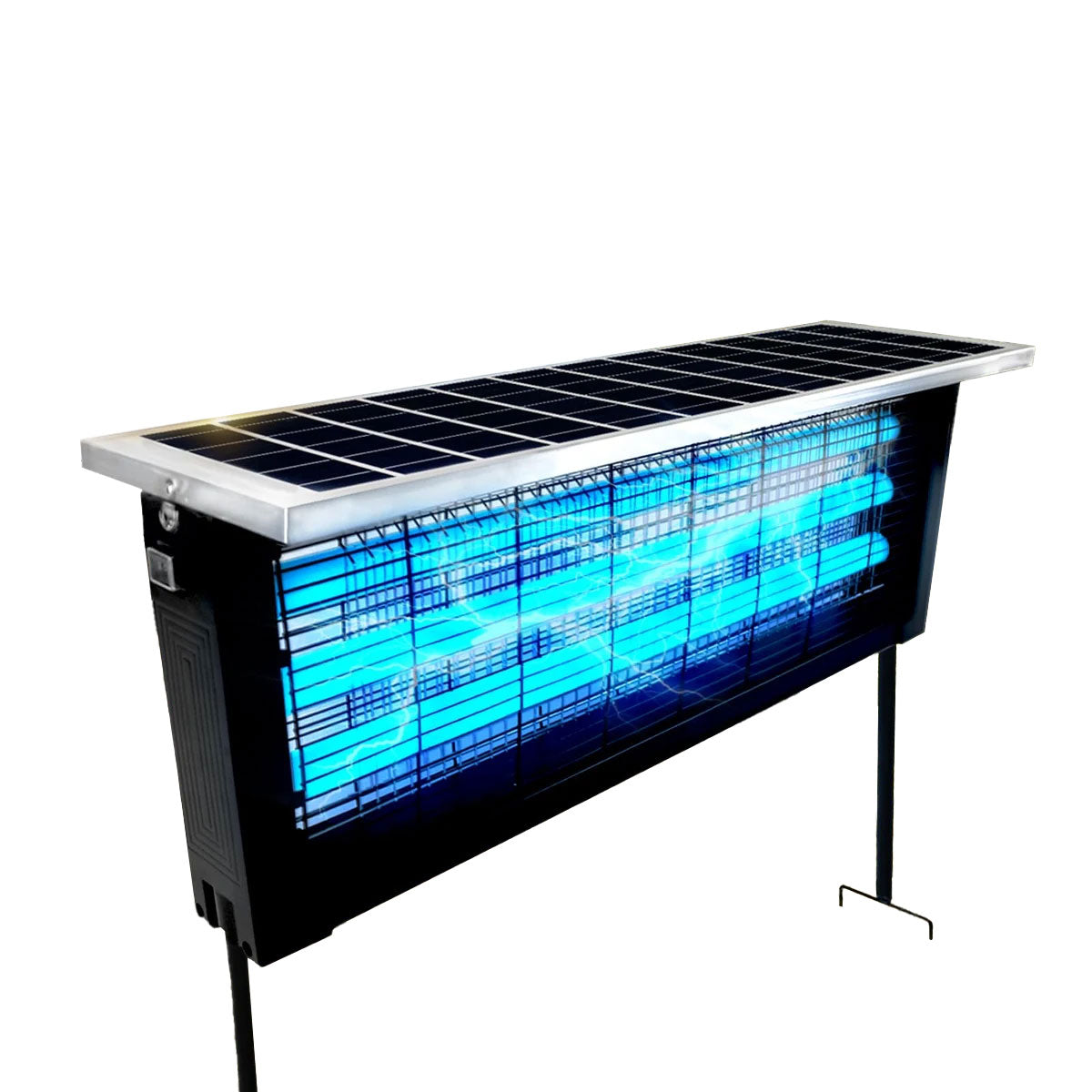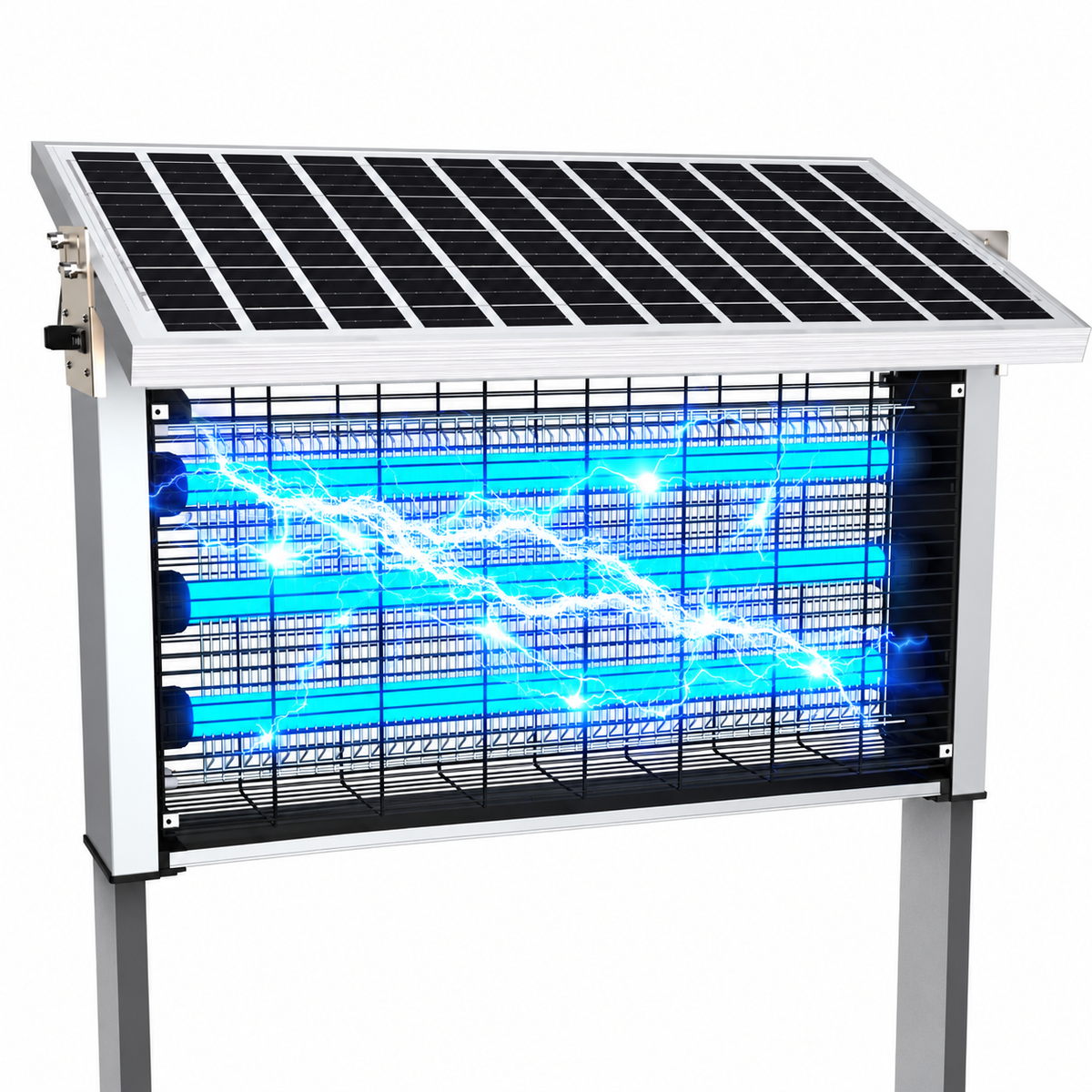
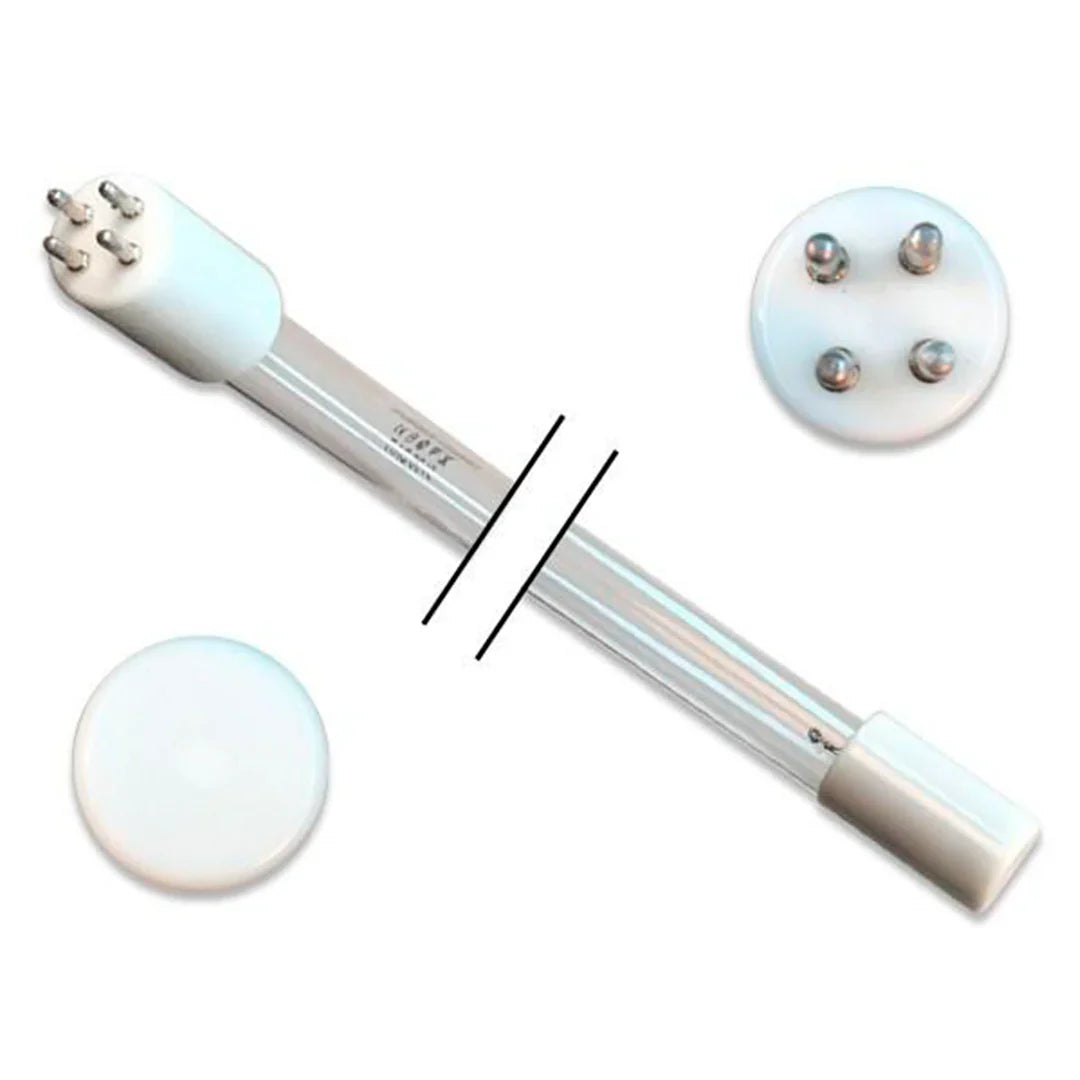
Ultraviolet (UV) lamps play a critical role in a wide range of industries, from water purification and air sterilization to printing, medical equipment, laboratory testing, and industrial curing systems. Because these systems often operate in demanding environments, routine maintenance and component replacement are inevitable. Among the most frequently replaced components are UV tubes, ballasts, quartz sleeves, and ignition modules.
However, one of the most common and costly mistakes technicians and facility managers make is mixing components with different specifications during repair or maintenance. At first glance, it may seem harmless—or even practical—to combine compatible-looking parts from different models or manufacturers. In reality, this approach often leads to performance degradation, safety risks, and premature system failure.
This article explores the most common misconceptions surrounding UV lamp tube replacement, explains why mixing different specifications is problematic, and provides best practices for ensuring long-term system reliability.
Understanding How UV Lamp Systems Work
To understand why component compatibility matters, it is important to first understand how UV lamp systems function.
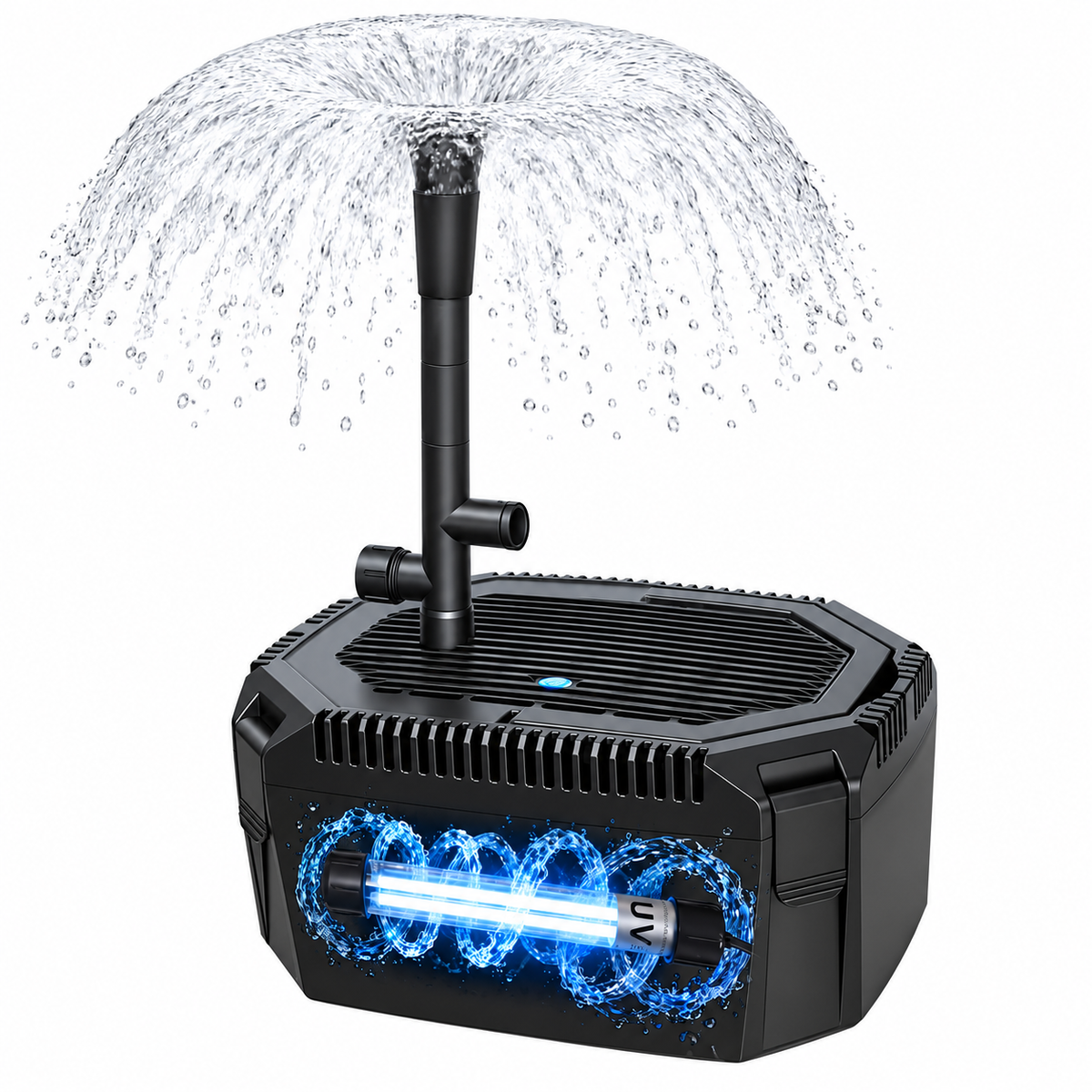
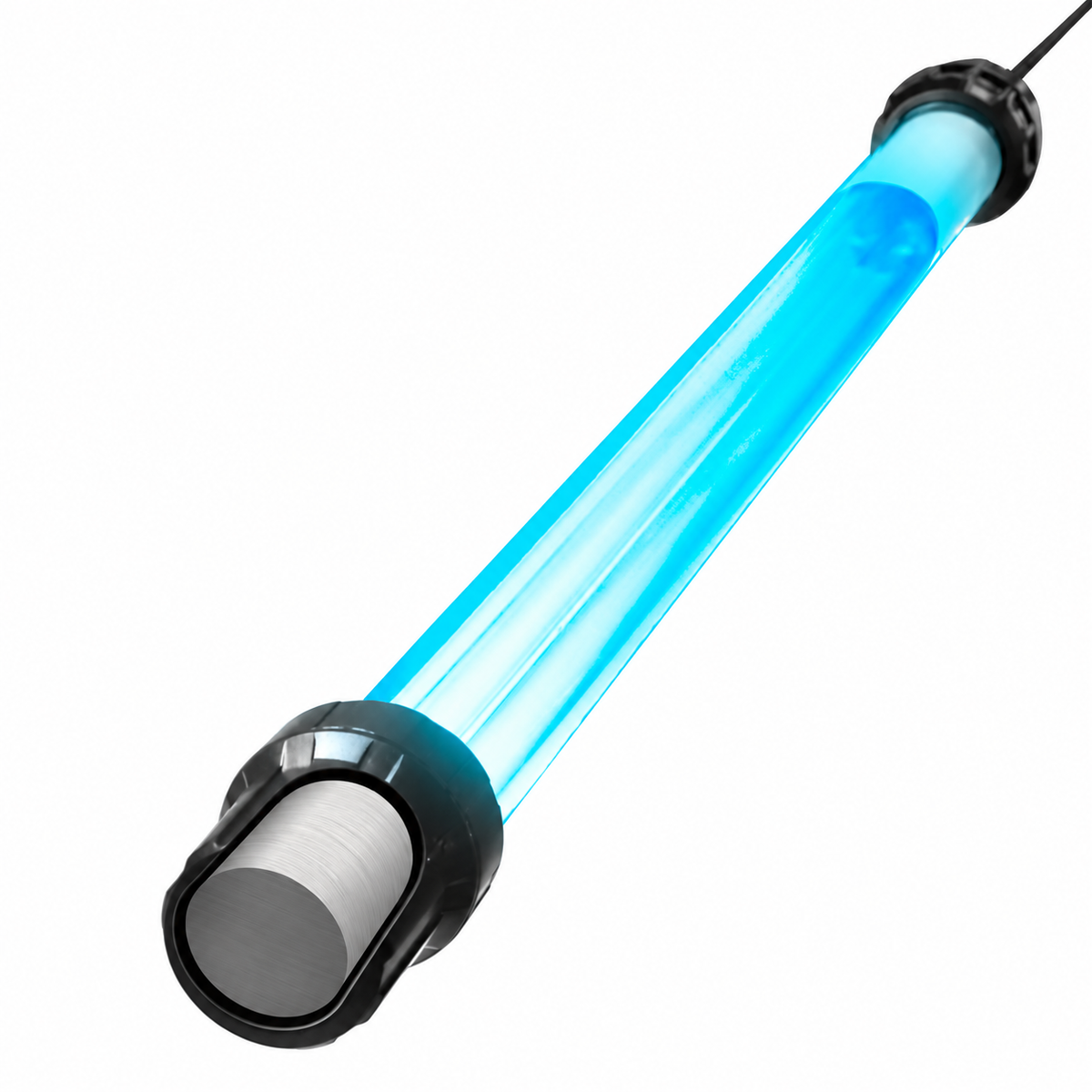
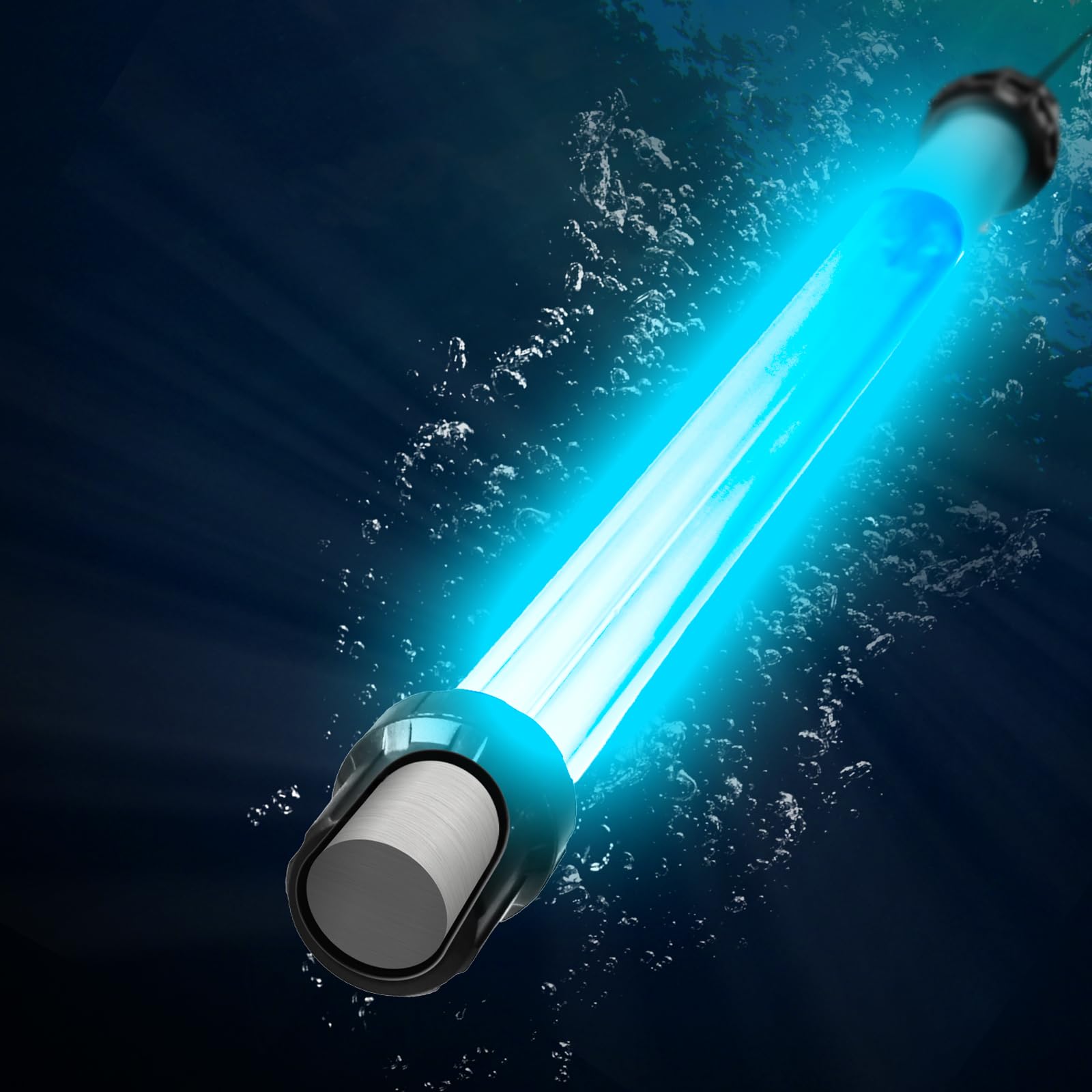
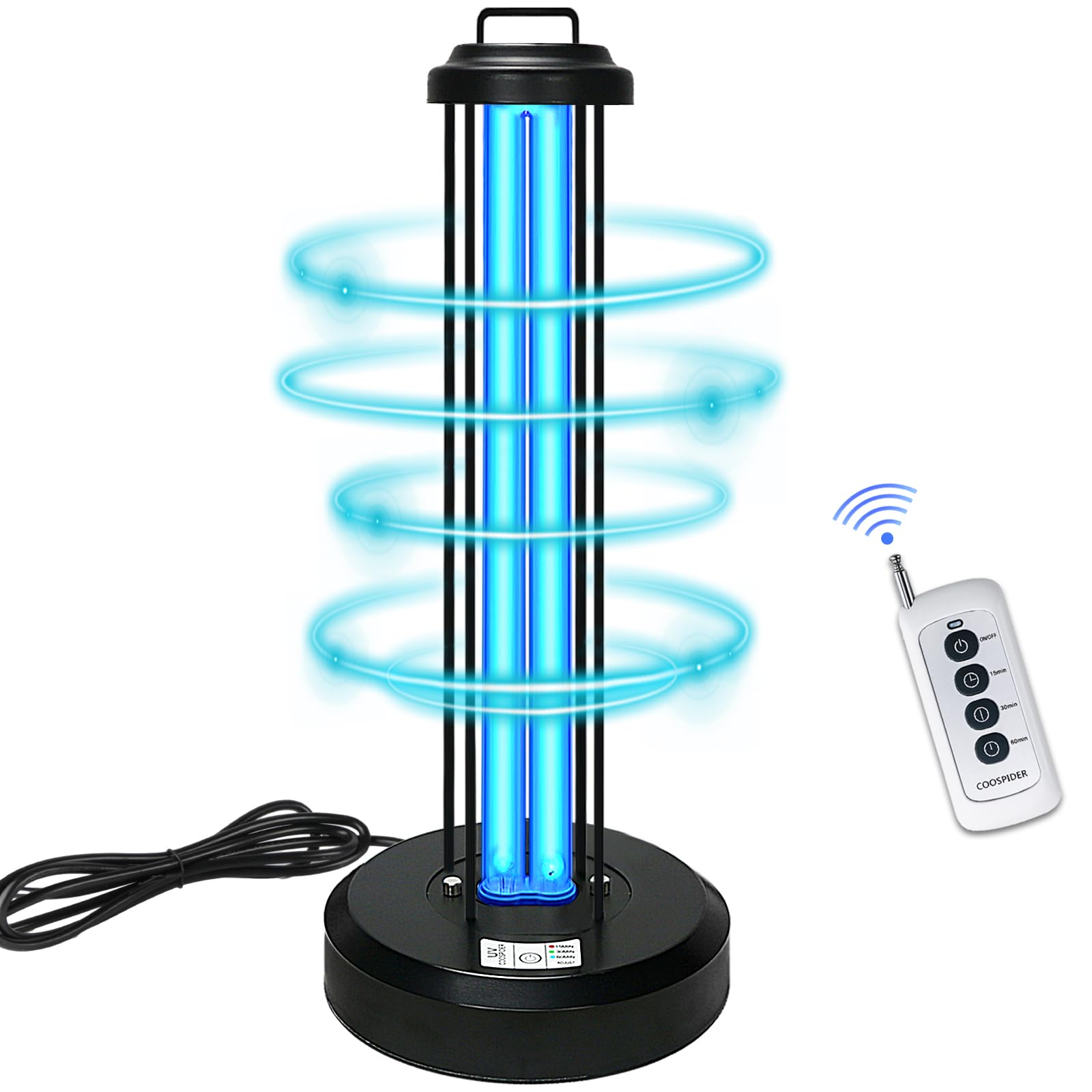
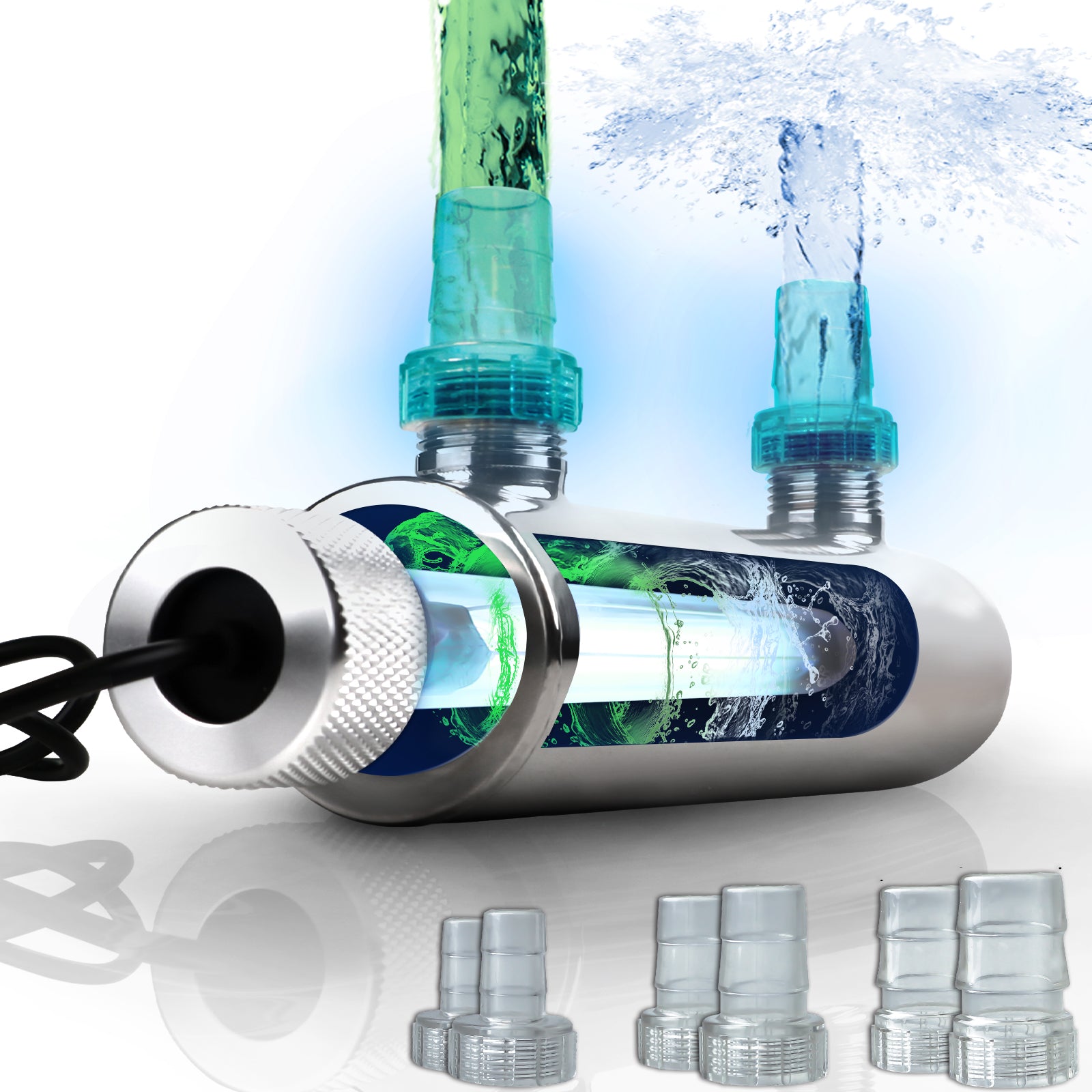
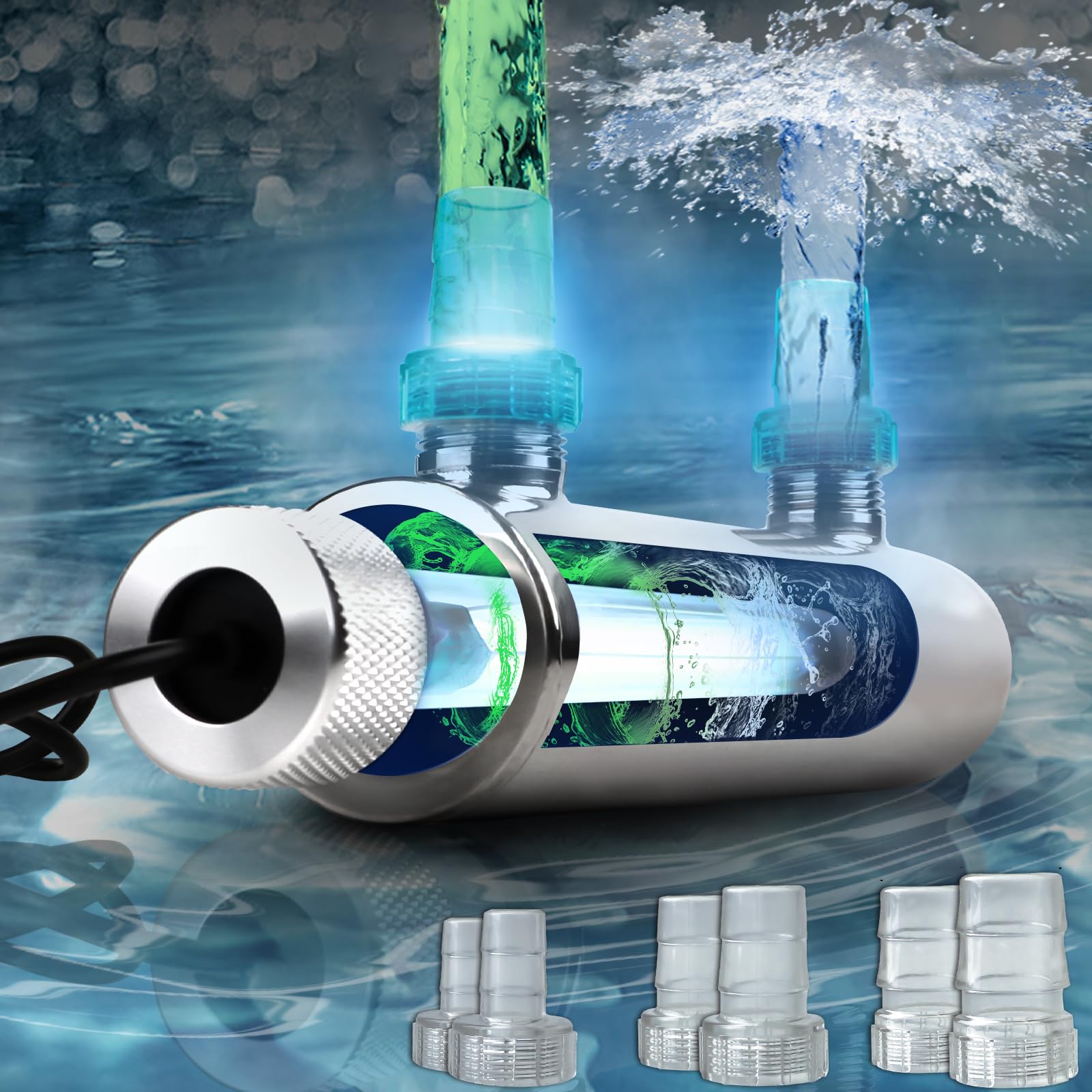
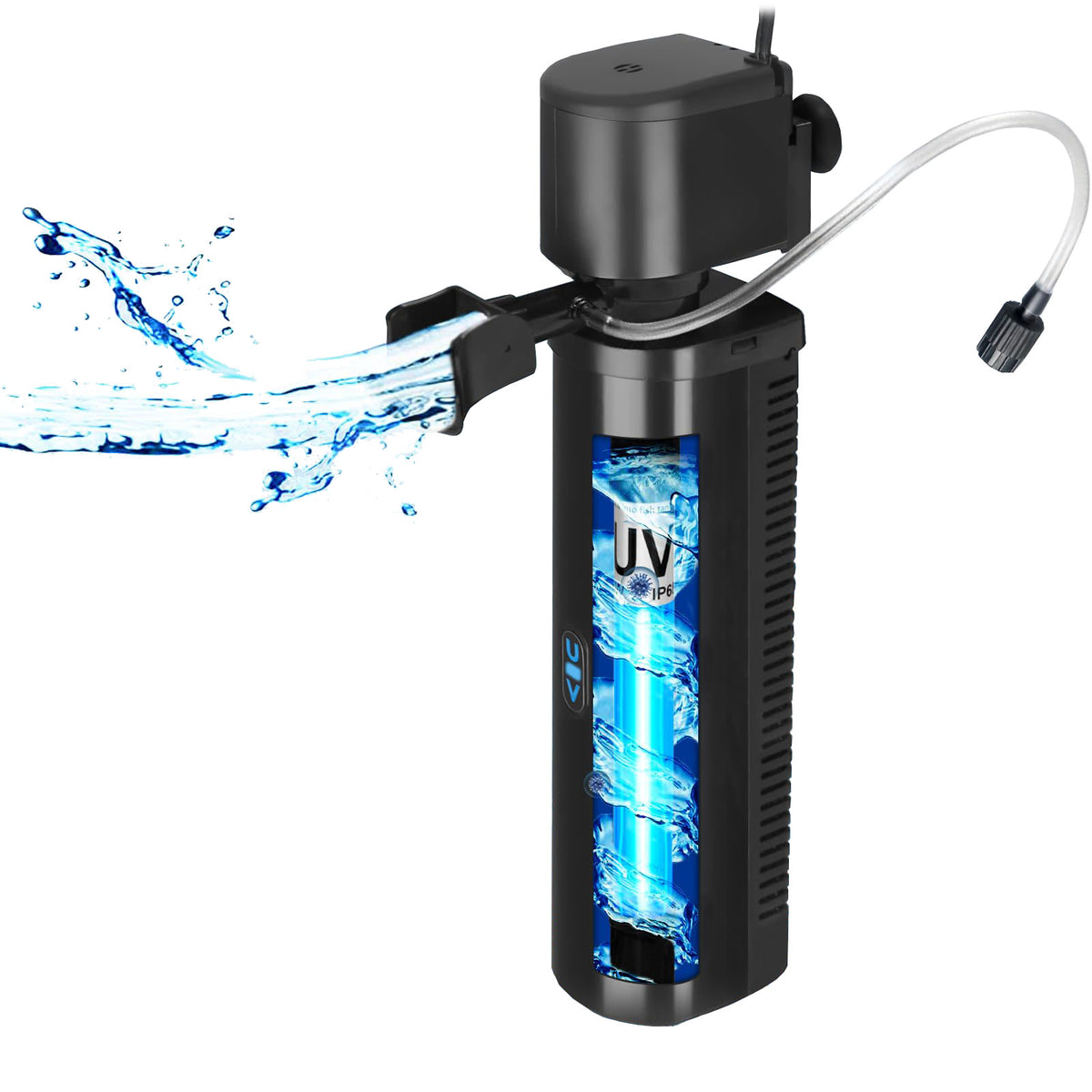
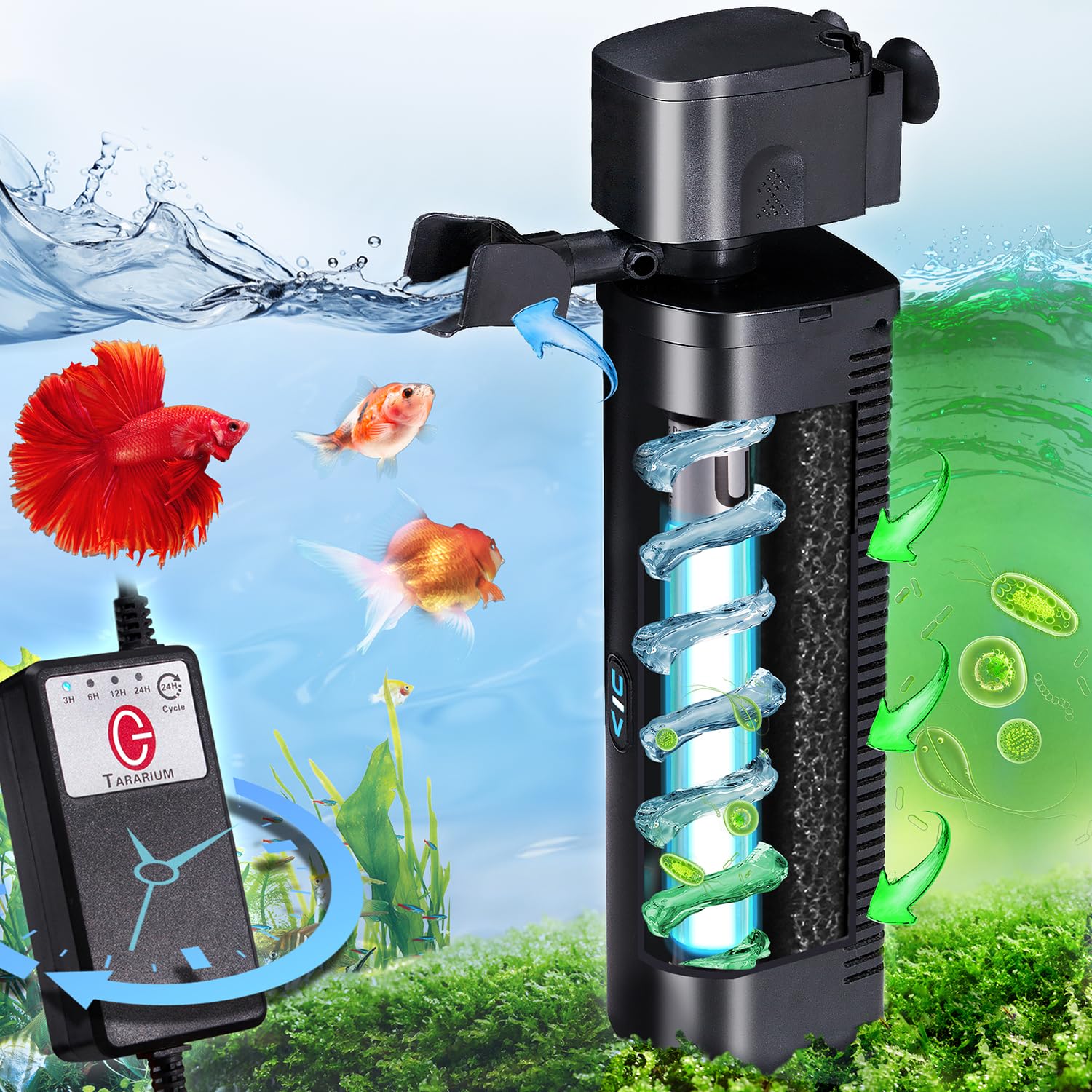
A UV lamp system typically consists of several key components:
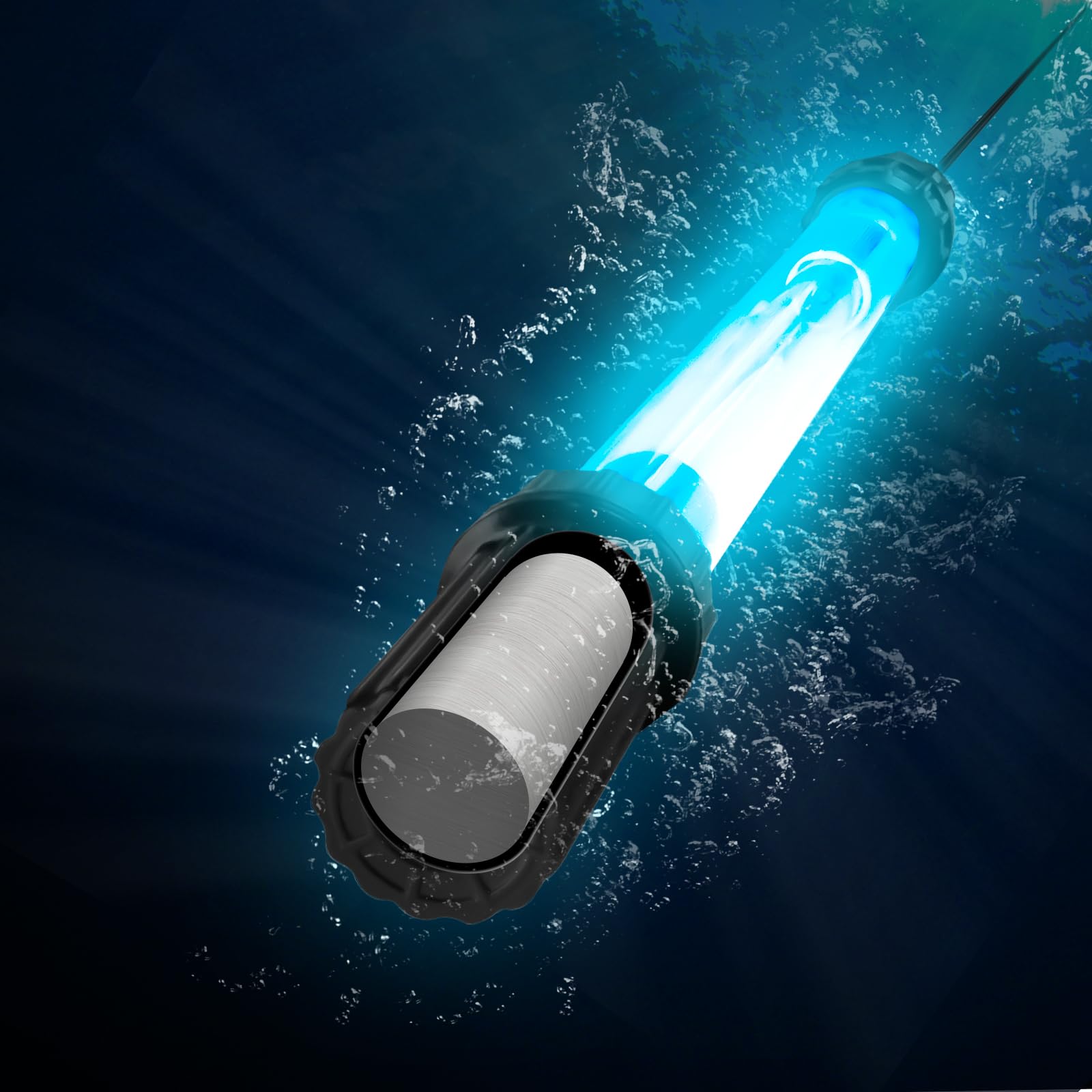
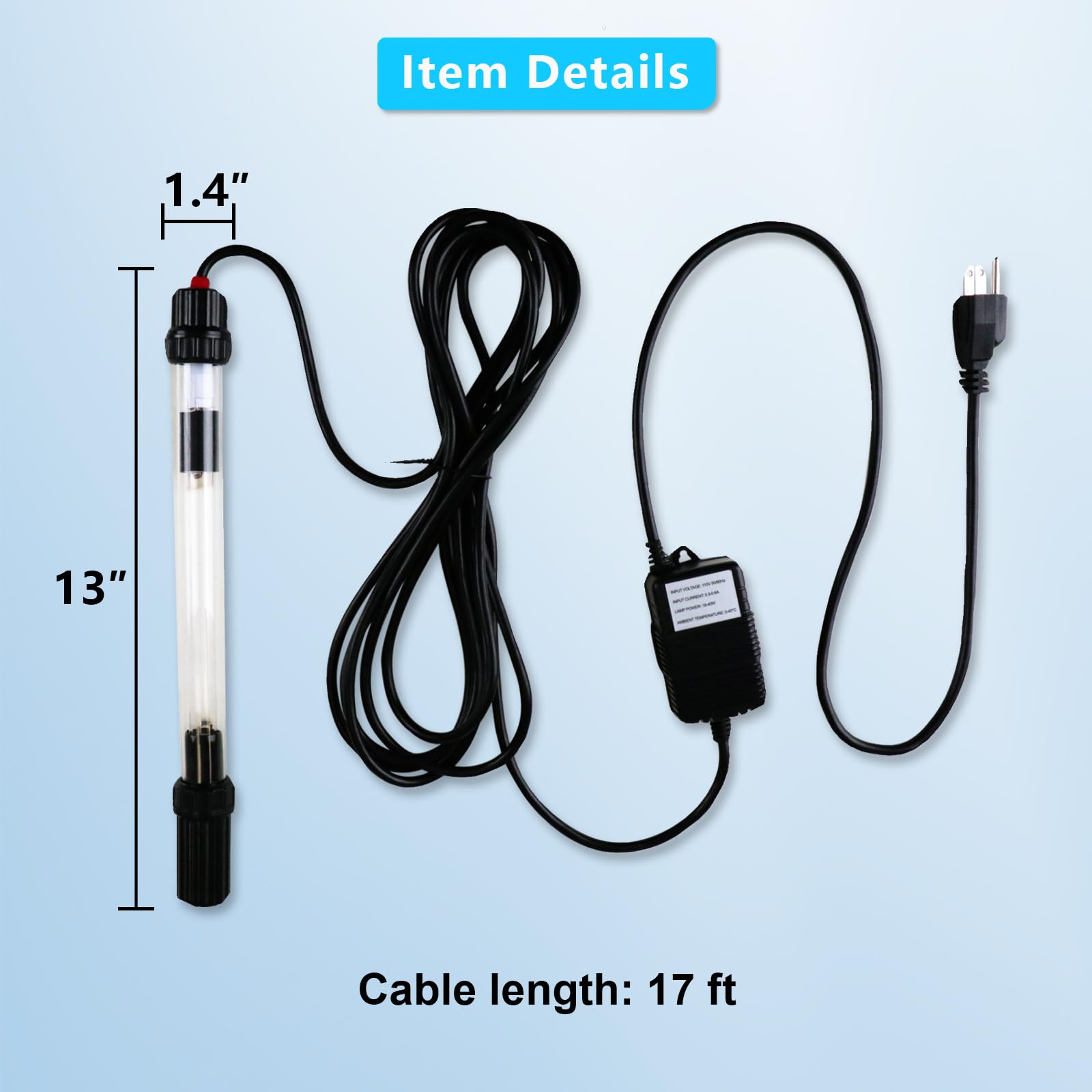
- UV lamp tube (the light source)
- Ballast or power supply (controls electrical current)
- Quartz sleeve (protects the lamp and ensures UV transmission)
- Reflector assembly (enhances UV output efficiency)
- Ignition system (starts the lamp in cold or hot conditions)
These components are engineered as a unified system. Each part is designed to operate within a specific electrical, thermal, and optical range. When one component is changed without regard for system specifications, it can disrupt the entire balance of the system.
Think of it like a musical instrument: even if most of the notes are correct, one mismatched component can throw off the entire performance.
Misconception #1: “If It Fits, It Works”
One of the most widespread assumptions in UV lamp maintenance is that physical compatibility equals functional compatibility.
Technicians sometimes assume that as long as a replacement tube fits into the socket and the connectors match, it is safe to use. This is a dangerous oversimplification.
UV lamps are not purely mechanical devices—they are precision electrical and photonic systems. Two tubes that look identical may differ in:
- Operating voltage
- Current requirements
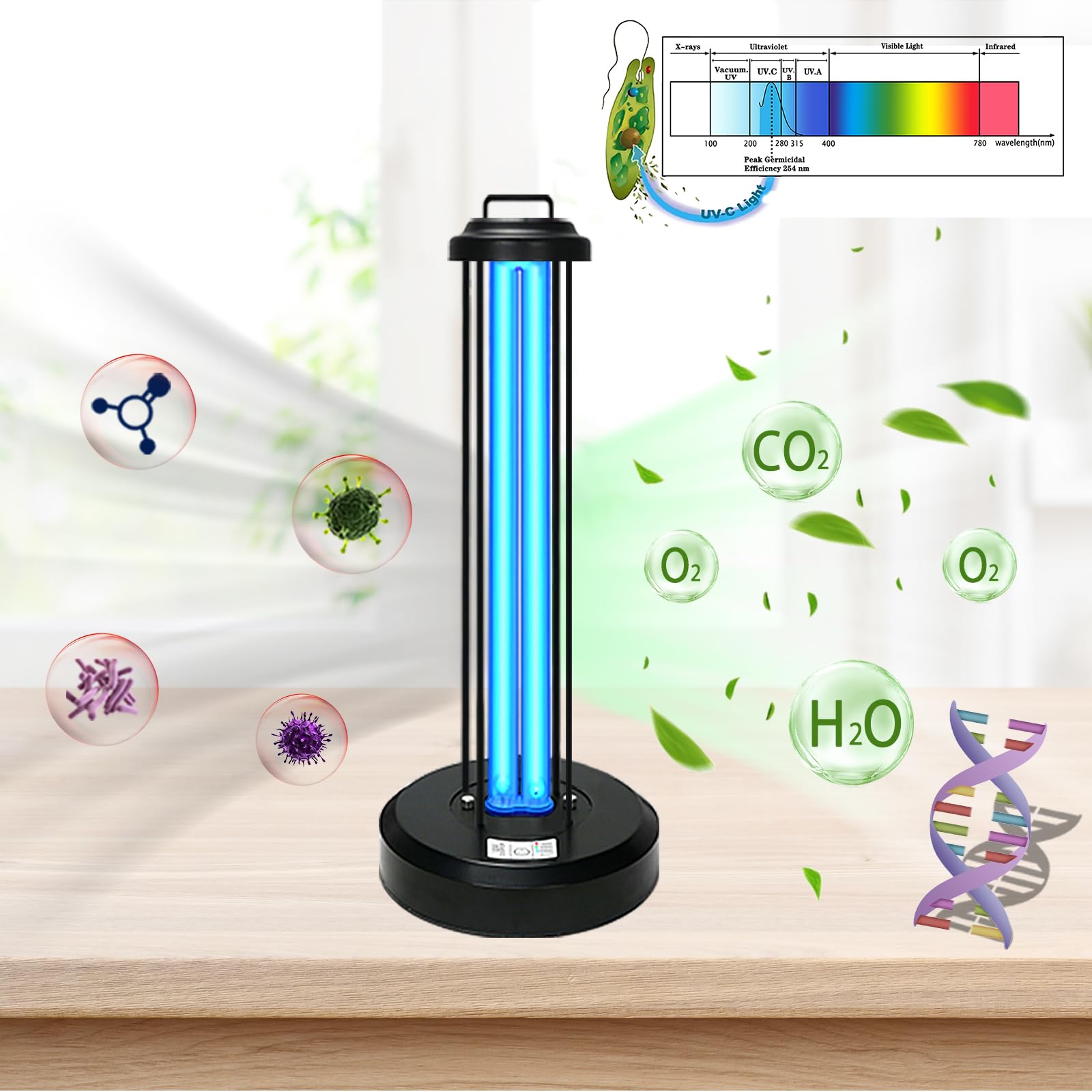
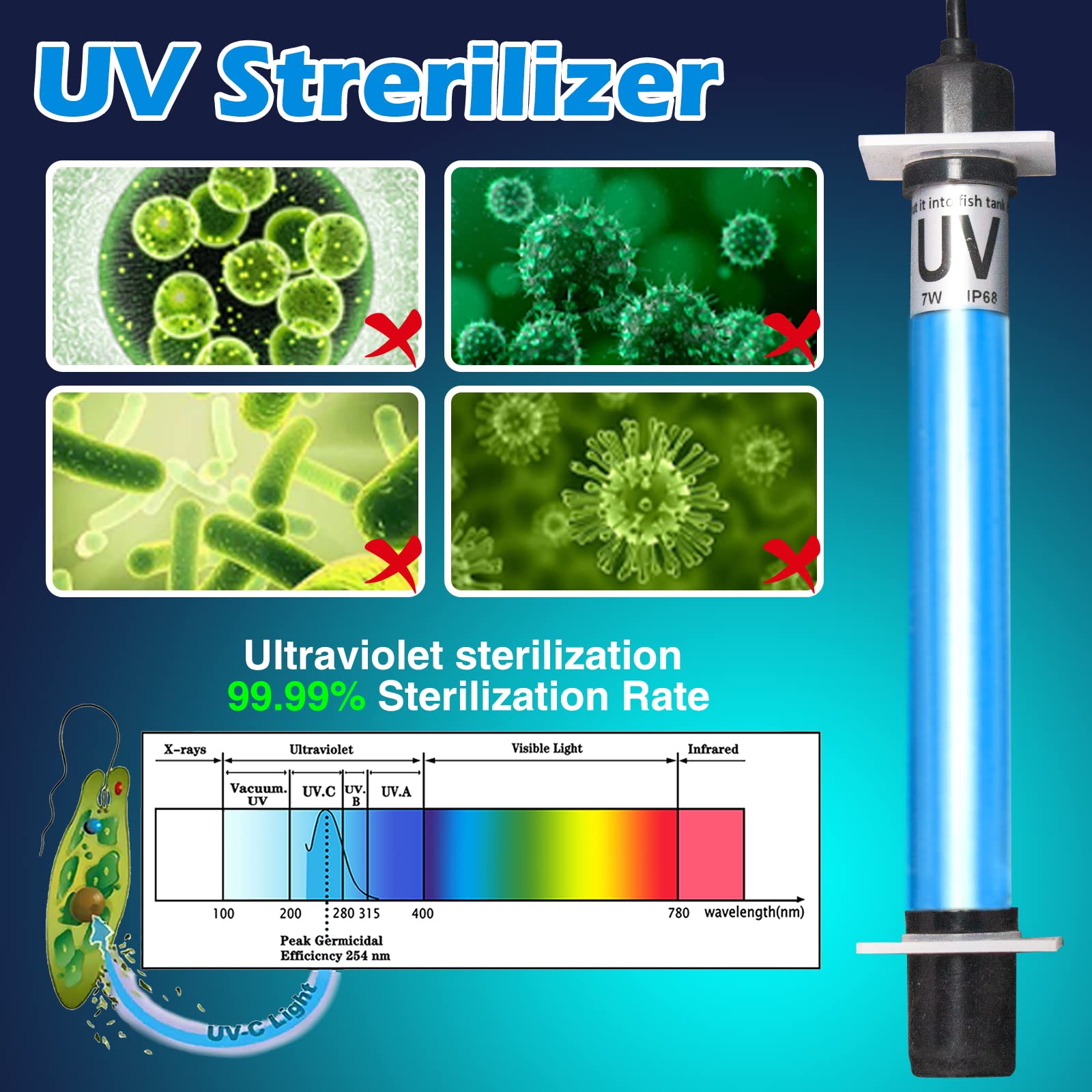
- UV wavelength output (e.g., 254 nm vs. 185 nm)
- Mercury vapor pressure characteristics
- Warm-up behavior and thermal tolerance
Even slight variations in these parameters can cause:
- Overloading of the ballast
- Reduced UV intensity
- Excessive heat generation
- Shortened lamp lifespan
A “fits physically” mindset ignores the complex engineering behind UV systems.
Misconception #2: “All UV Lamps Produce the Same Light”
Another common misunderstanding is that all UV lamps are interchangeable because they produce ultraviolet light.
In reality, UV lamps are highly specialized. They are typically categorized into different types such as:
- Low-pressure mercury UV lamps
- Medium-pressure UV lamps
- Amalgam UV lamps
- LED UV systems (in newer applications)
Each type produces different UV spectra and operates under different electrical conditions.
For example:
- Low-pressure lamps are highly efficient at 254 nm, commonly used for disinfection.
- Medium-pressure lamps emit a broad spectrum and are used in industrial curing.
- Amalgam lamps maintain stable output across varying temperatures.
Mixing these types—or even mixing subtypes within the same category—can result in mismatched energy output and system instability.
Misconception #3: “Ballasts Are Universal”
Ballasts are often treated as generic components, but this is far from true.
A UV ballast is carefully matched to the electrical characteristics of a specific lamp. It regulates:
- Startup voltage
- Operating current
- Frequency (in electronic ballasts)
- Power modulation (in advanced systems)
Using a ballast designed for a different wattage or lamp type can cause:
- Lamp flickering or failure to ignite
- Overdriving the lamp, leading to premature burnout
- Underpowering, resulting in insufficient UV output
- Electrical noise and instability
Even if two ballasts appear similar externally, their internal programming or design parameters may differ significantly.
The Technical Risks of Mixing Different Specifications
When incompatible UV components are mixed, problems are not always immediate. In fact, many failures occur gradually, making diagnosis more difficult.
1. Electrical Stress and Overload
UV lamps are highly sensitive to current fluctuations. A mismatch between lamp and ballast can cause:
- Excessive current draw
- Voltage spikes during startup
- Irregular discharge arcs inside the lamp
Over time, this leads to electrode erosion and lamp failure.
2. Reduced UV Output Efficiency
Even if the lamp continues to operate, output efficiency may drop significantly.
This is especially critical in applications such as:
- Water disinfection systems
- Air purification units
- Medical sterilization equipment
A 10–20% reduction in UV intensity may render the system ineffective, even though it appears to be functioning normally.
3. Thermal Instability
UV systems rely on carefully balanced thermal conditions. Mixing components can disrupt heat distribution, causing:
- Overheating of lamp ends
- Uneven mercury vaporization
- Quartz sleeve stress and cracking
Thermal instability is one of the leading causes of premature system failure.
4. Mechanical Wear and Misalignment
Not all UV lamps share identical dimensions, even if they appear similar. Minor differences can cause:
- Poor seating in lamp holders
- Misalignment with reflectors
- Increased vibration during operation
These issues accelerate wear and reduce system reliability.
Misconception #4: “Cross-Brand Parts Are Always Compatible”
Technicians often assume that components from different manufacturers are interchangeable if they share the same wattage rating or physical size.
However, UV systems are not standardized across brands in the same way as generic electrical components.
Differences may include:
- Glass composition of the lamp tube
- Gas mixture ratios inside the tube
- Electrode design and coating materials
- Ballast waveform characteristics
Even small manufacturing differences can significantly affect system performance.
Why Manufacturers Design Systems as Matched Sets
UV lamp systems are intentionally engineered as integrated ecosystems. Manufacturers test combinations of lamps, ballasts, and accessories to ensure:
- Maximum UV output efficiency
- Stable electrical performance
- Predictable lifespan
- Compliance with safety standards
When components are mixed outside of these tested combinations, the system behaves unpredictably.
This is why many manufacturers specify:
- Approved replacement part lists
- System-specific lamp codes
- Warranty restrictions for non-original parts
Ignoring these guidelines often voids warranties and increases long-term maintenance costs.
Real-World Consequences of Mixing Specifications
The risks of improper component mixing are not theoretical. They appear frequently in real-world maintenance scenarios.
Case Example 1: Water Treatment System Failure
A municipal water system replaced UV lamps using a mix of two different suppliers. Although both lamps were labeled “compatible 120W UV tubes,” one had a different ignition voltage requirement.
Result:
- One lamp consistently underperformed
- System UV dosage dropped below safety threshold
- Entire treatment line required shutdown and recalibration
Case Example 2: Industrial Curing Line Instability
A printing facility used mismatched ballasts during emergency repairs. The system initially worked but gradually developed inconsistent curing results.
Result:
- Ink curing defects increased
- Product rejection rate rose by 15%
- Equipment downtime increased due to repeated lamp failures
How to Properly Replace UV Lamp Components
To avoid issues associated with mixing specifications, follow these best practices:
1. Always Match Manufacturer Part Numbers
The safest approach is to replace components using identical part numbers specified by the manufacturer.
2. Verify Electrical Ratings
Check and confirm:
- Wattage
- Voltage range
- Operating current
- Frequency requirements (if applicable)
3. Replace as a System When Possible
Instead of replacing a single component, consider replacing matched sets:
- Lamp + ballast
- Lamp + quartz sleeve
- Full UV module assembly
4. Avoid Mixing Brands in Critical Systems
For high-stakes applications such as:
- Medical sterilization
- Drinking water treatment
- Semiconductor manufacturing
It is strongly recommended to avoid cross-brand mixing entirely.
5. Use Certified Replacement Parts
Whenever possible, use components that are certified or approved for the specific system model.
Signs That Components Are Mismatched
If incompatible parts are already in use, watch for these warning signs:
- Flickering or unstable UV output
- Unusual buzzing sounds from ballast
- Excessive heat near lamp ends
- Frequent lamp failure or short lifespan
- Reduced disinfection or curing effectiveness
Early detection can prevent system-wide damage.
The Cost of “Good Enough” Repairs
While mixing components may seem like a cost-saving shortcut, it often results in higher long-term expenses:
- Increased replacement frequency
- Higher energy consumption
- Reduced system efficiency
- Unexpected downtime
- Potential safety risks
In industrial environments, downtime and inefficiency typically cost far more than proper parts replacement.
Conclusion
UV lamp systems are precision-engineered technologies that rely on tightly controlled electrical and optical parameters. The idea that “similar parts are interchangeable” is one of the most persistent and costly misconceptions in maintenance practice.
Mixing different specifications—even when components appear physically compatible—introduces risks that affect performance, safety, and system lifespan. From electrical overload to reduced UV output and thermal instability, the consequences can be severe and far-reaching.
The most reliable approach is always to treat UV systems as integrated units rather than collections of interchangeable parts. By using matched components, following manufacturer specifications, and avoiding cross-spec mixing, technicians can ensure consistent performance and long-term reliability.
In UV maintenance, precision is not optional—it is the foundation of safe and effective operation.