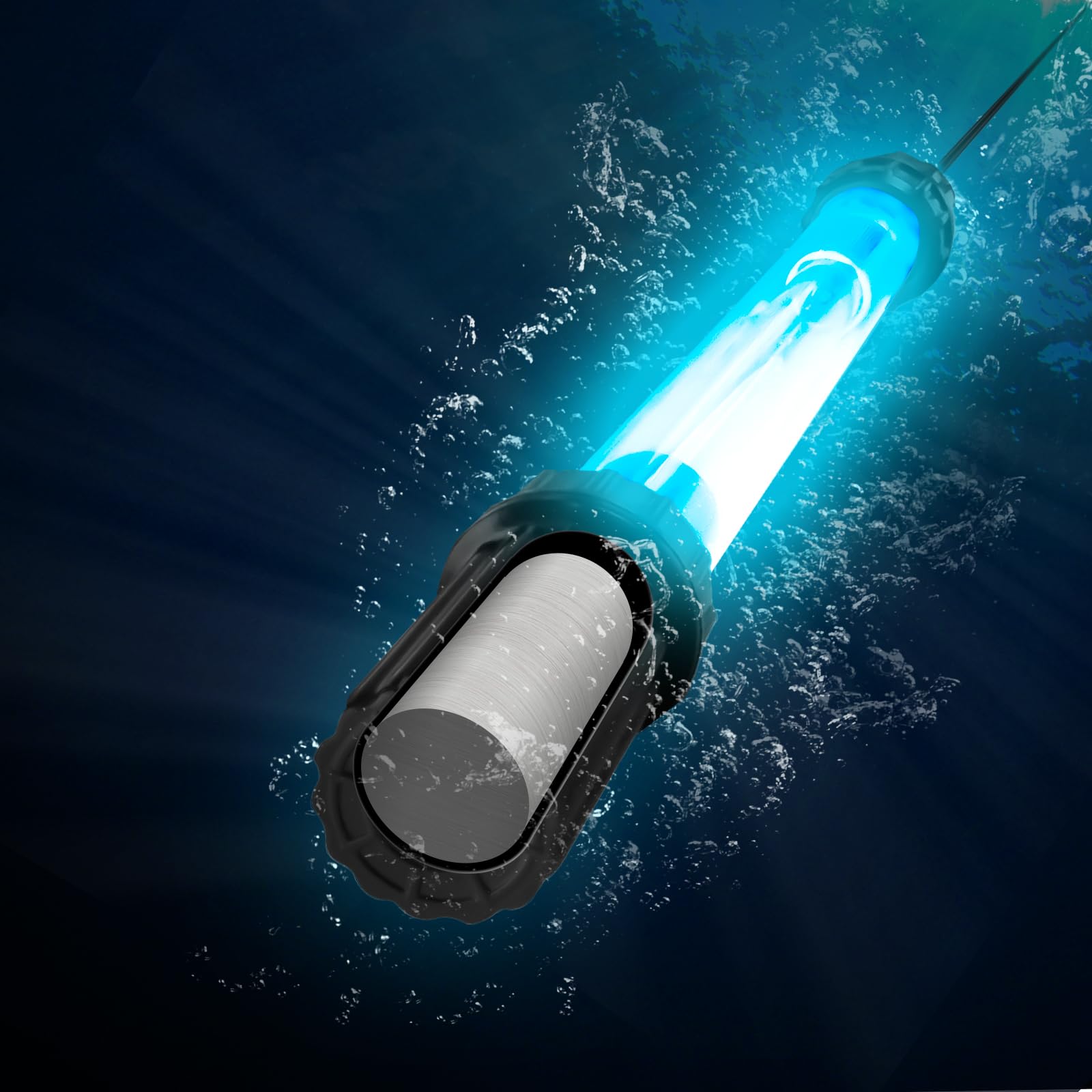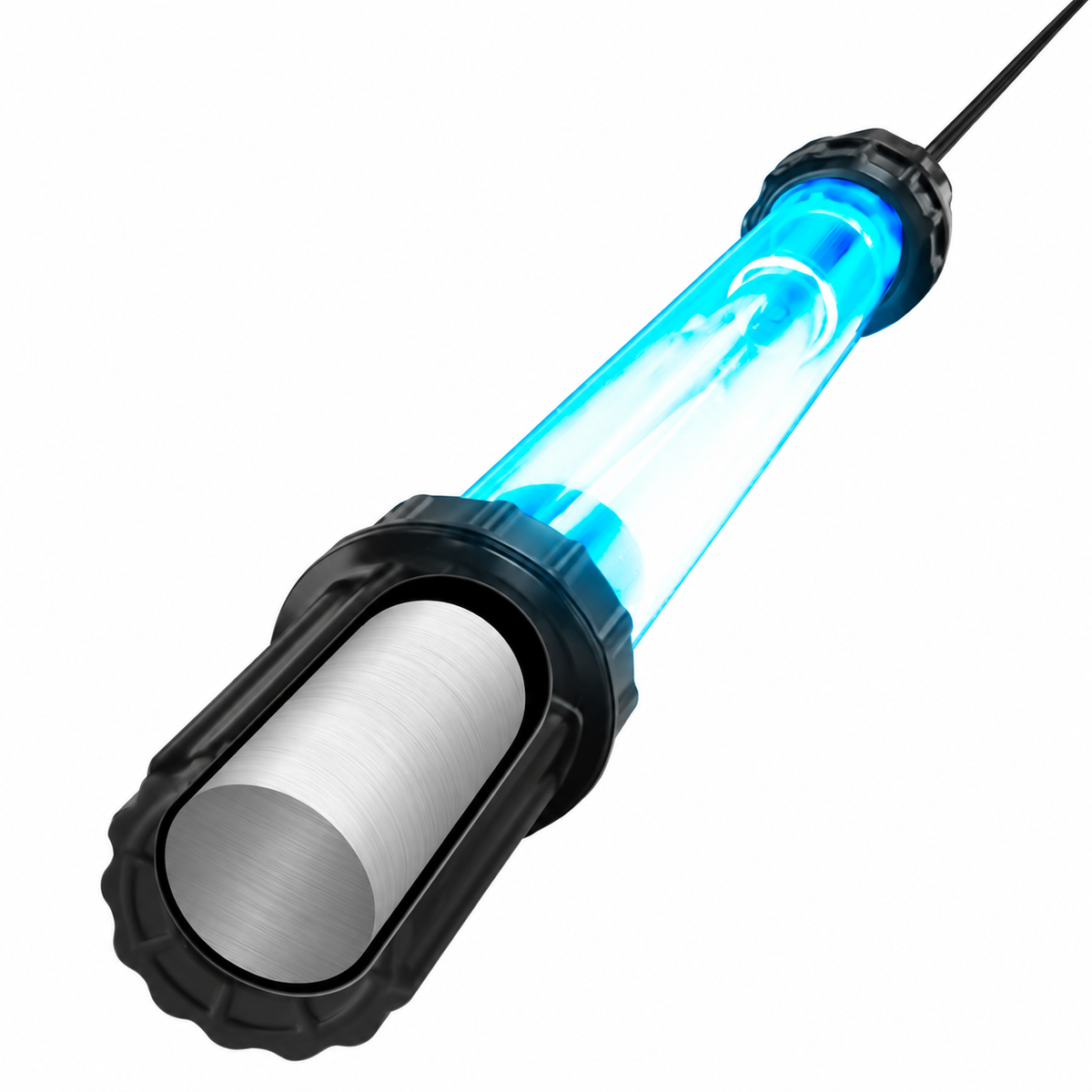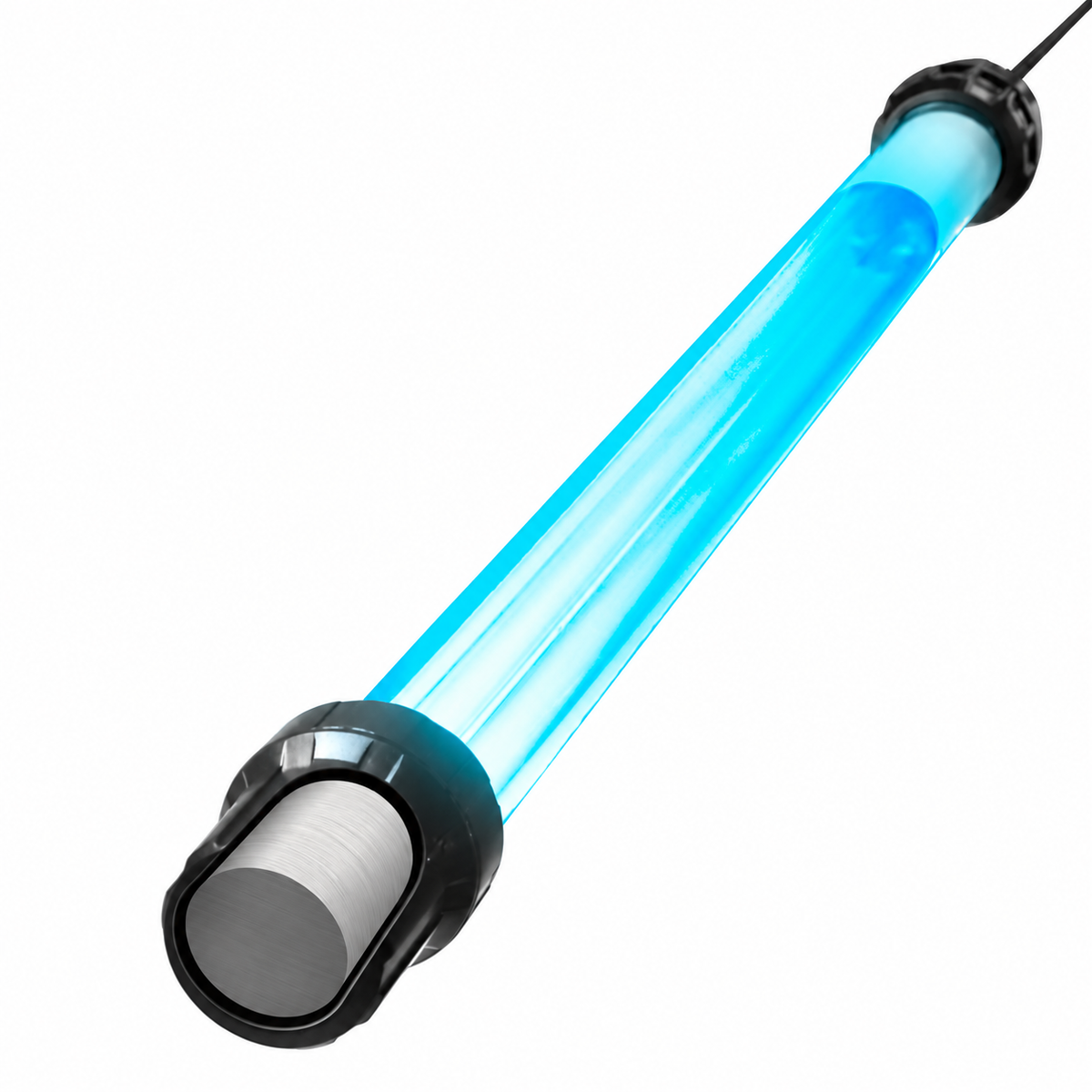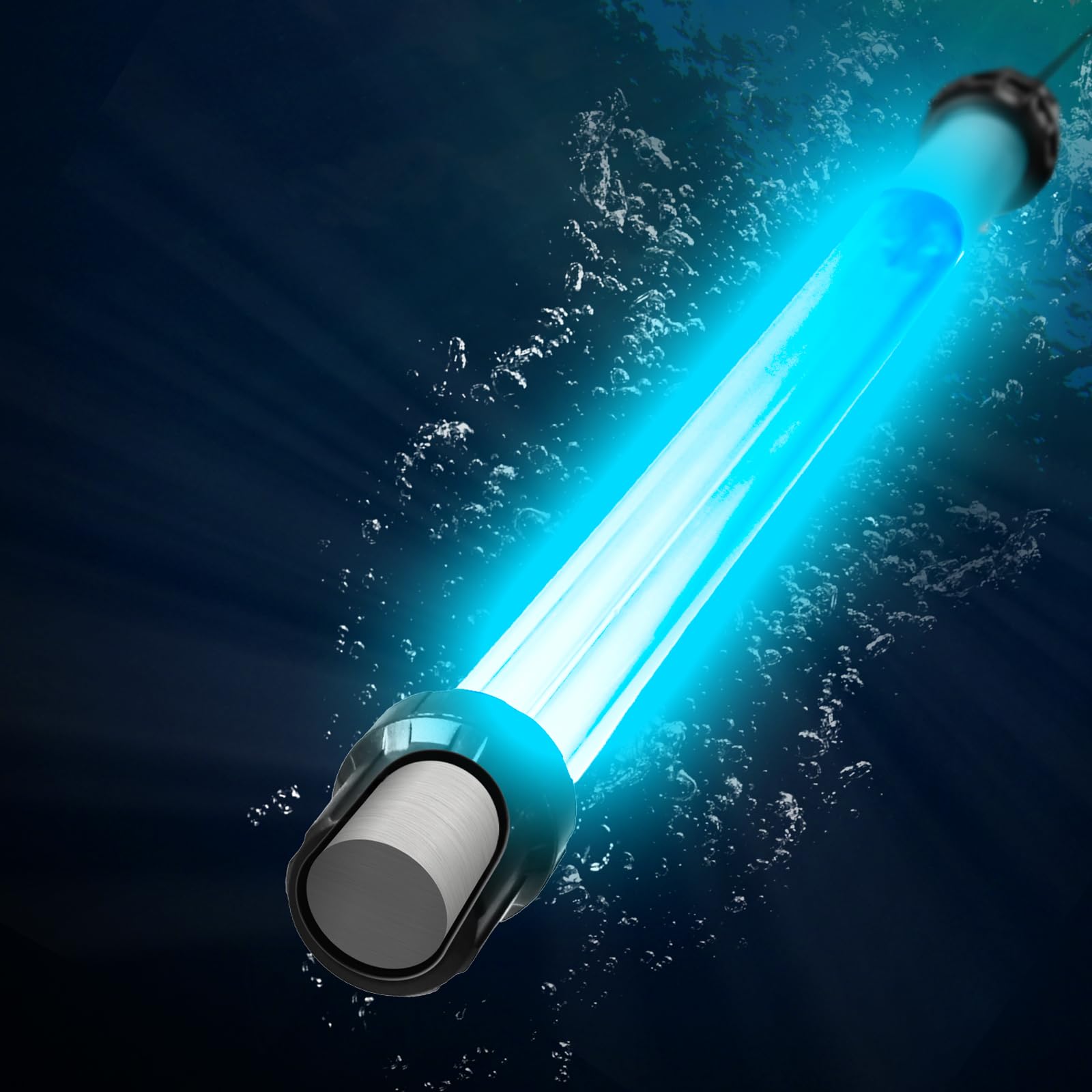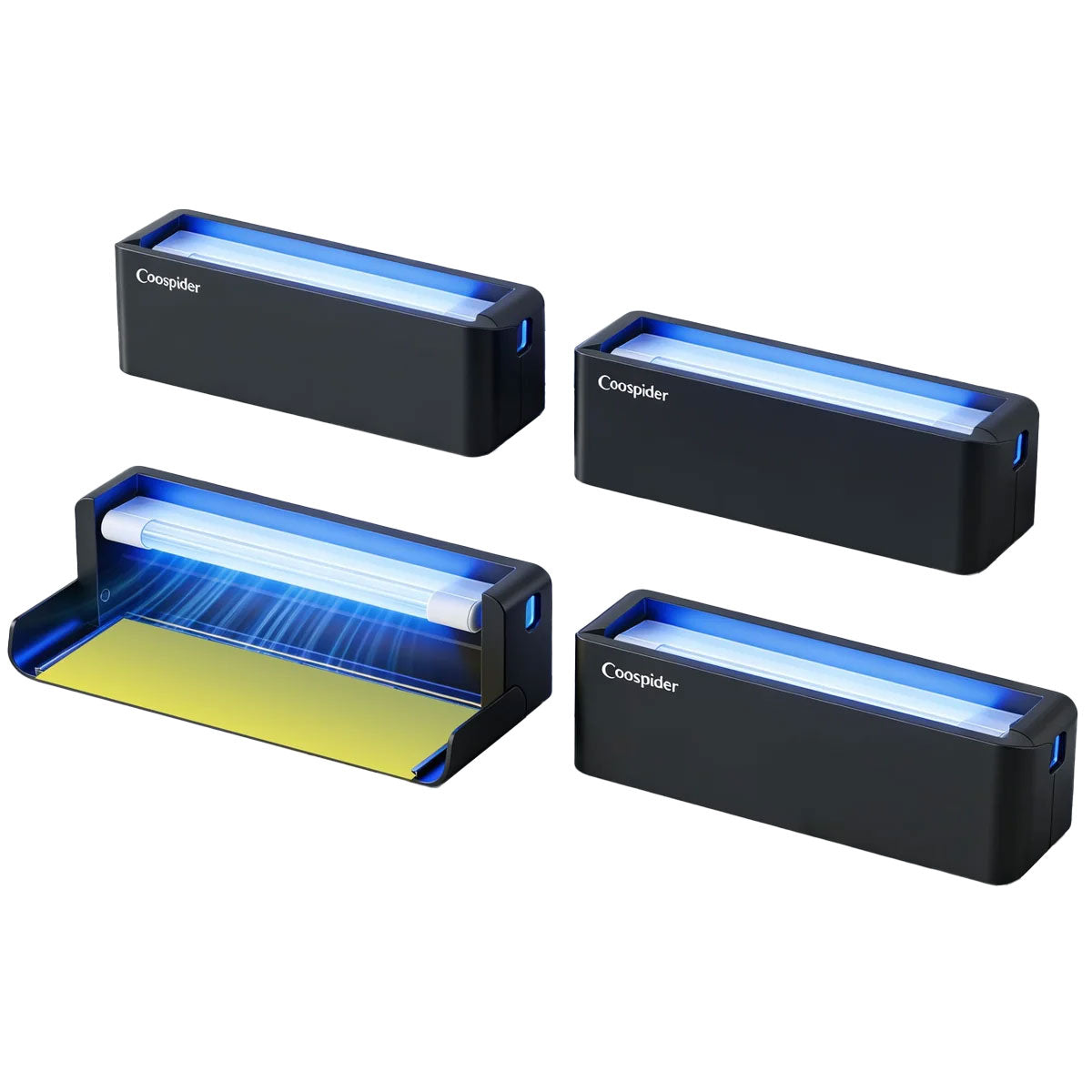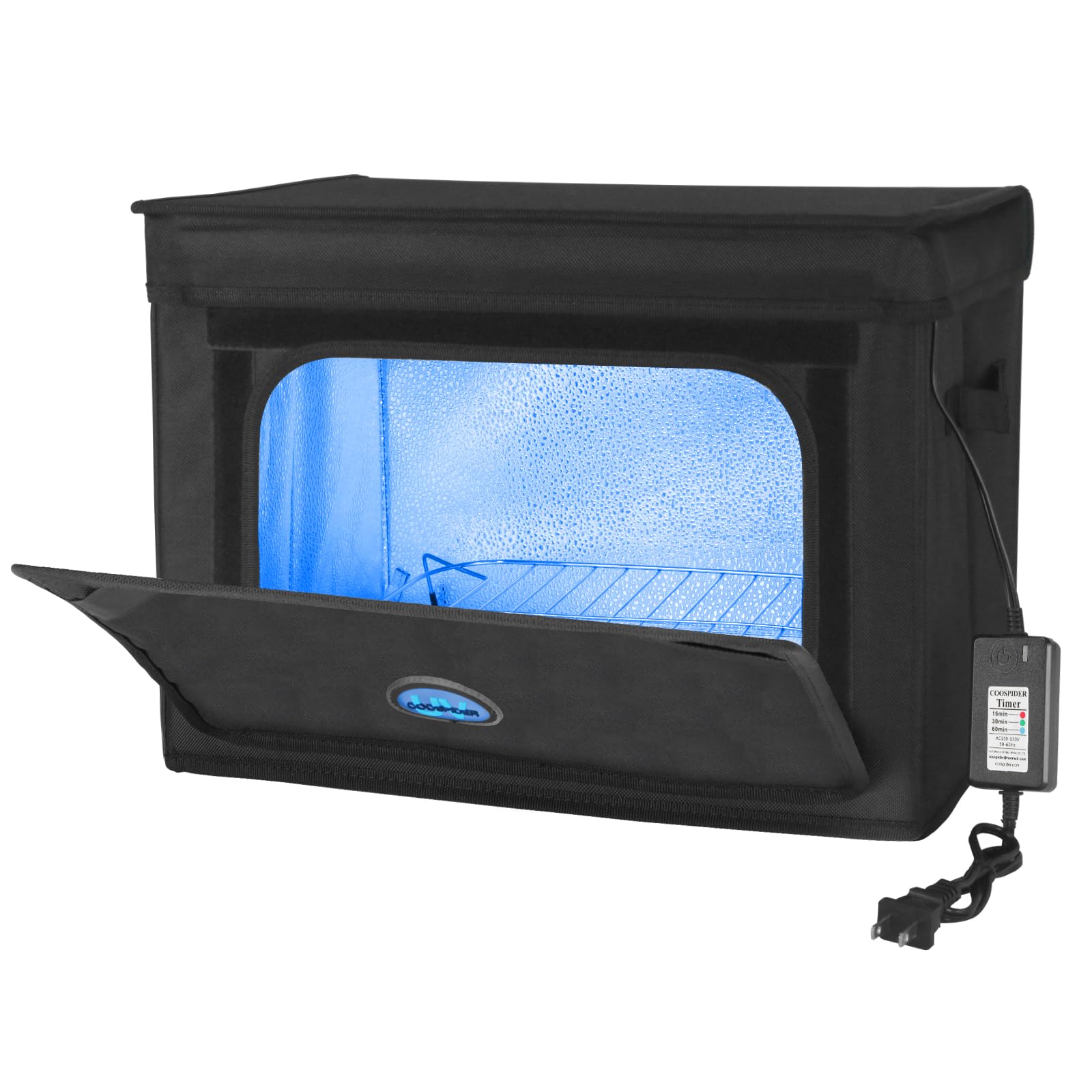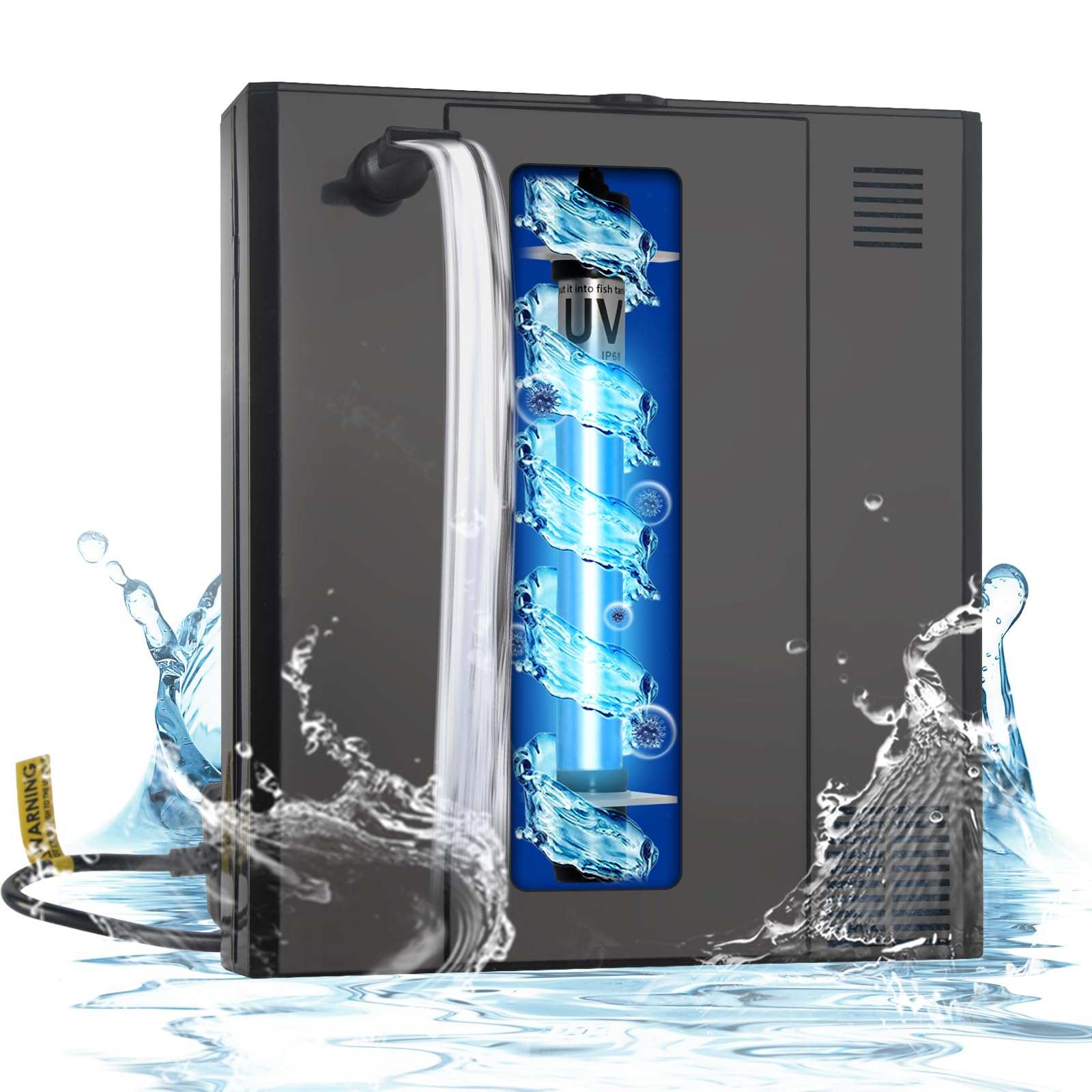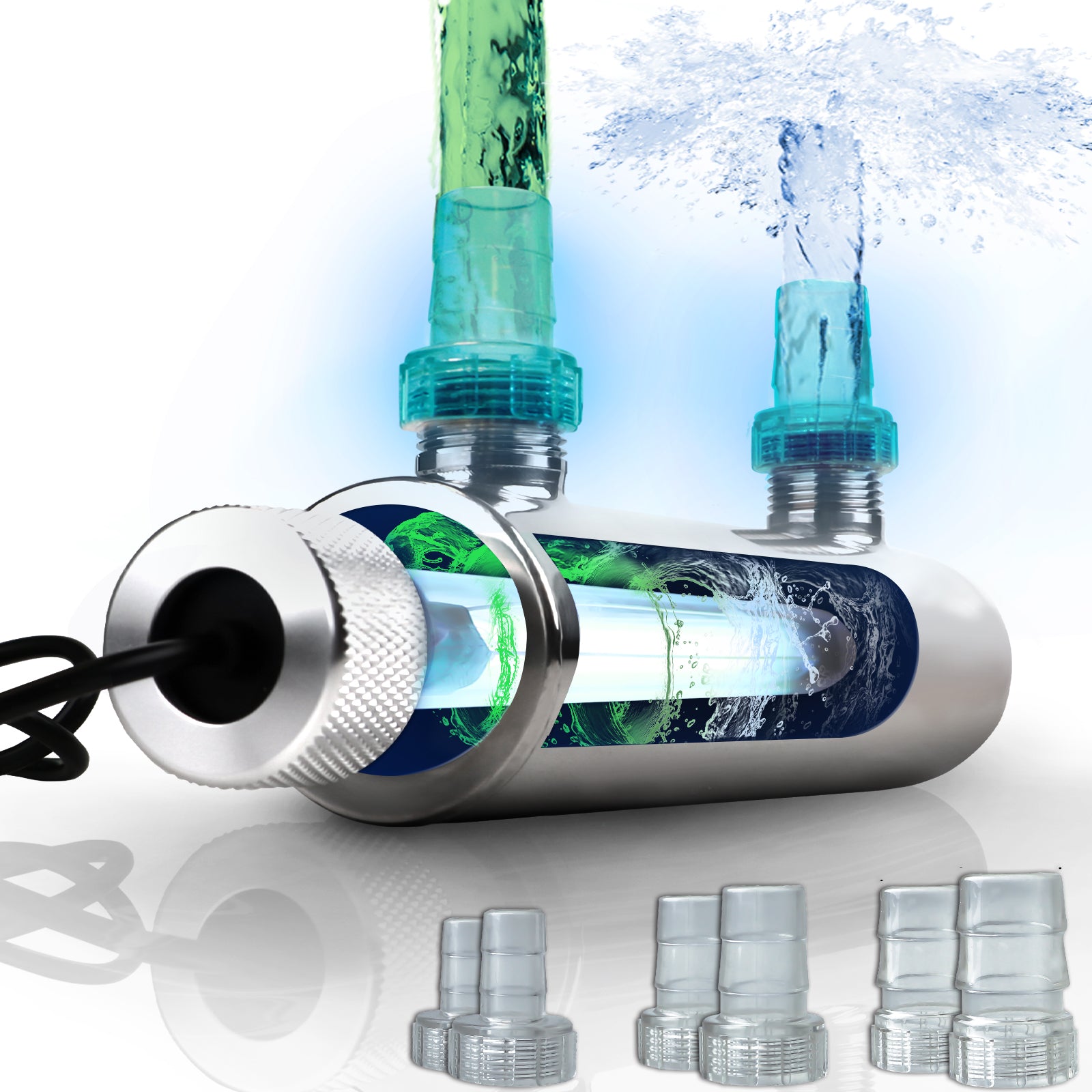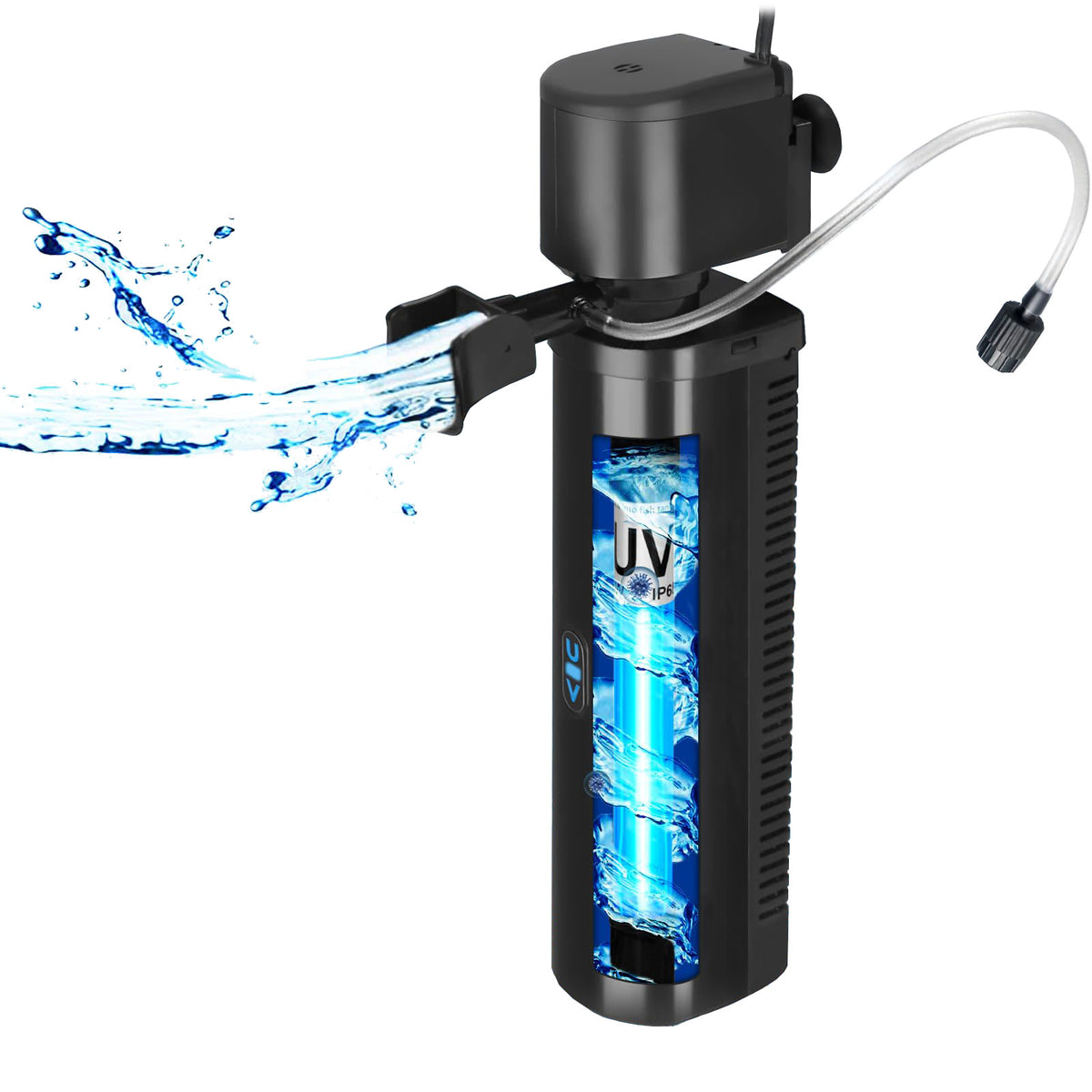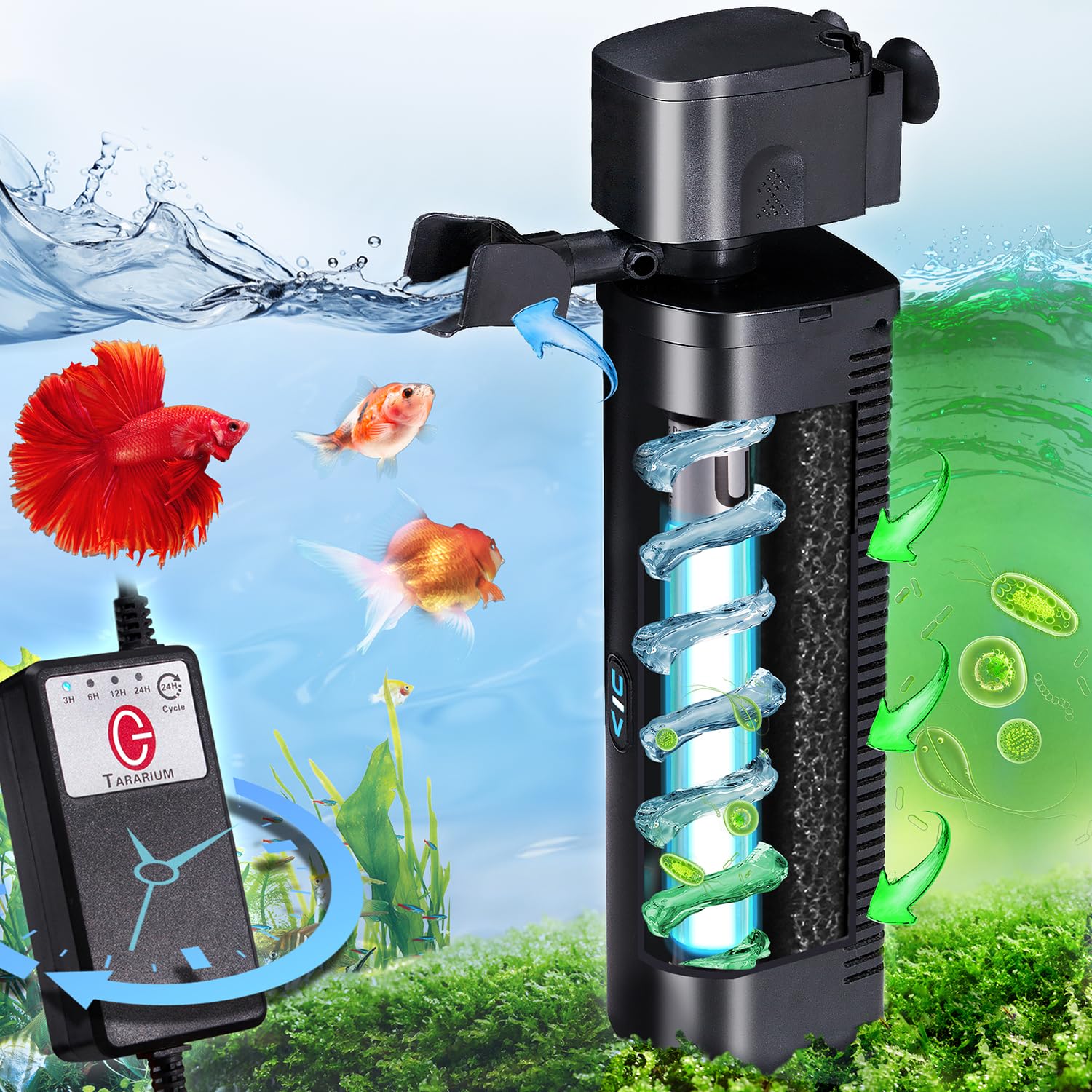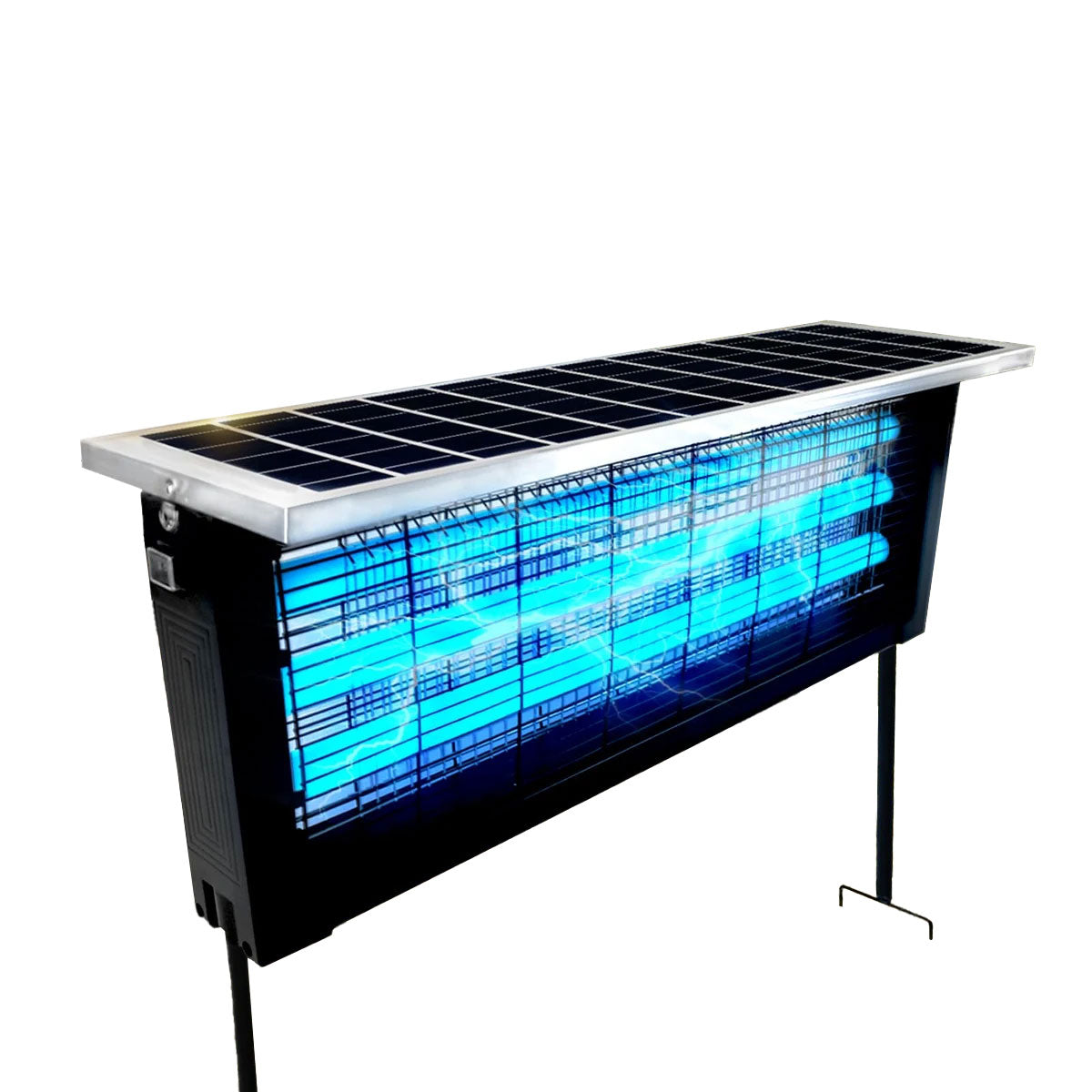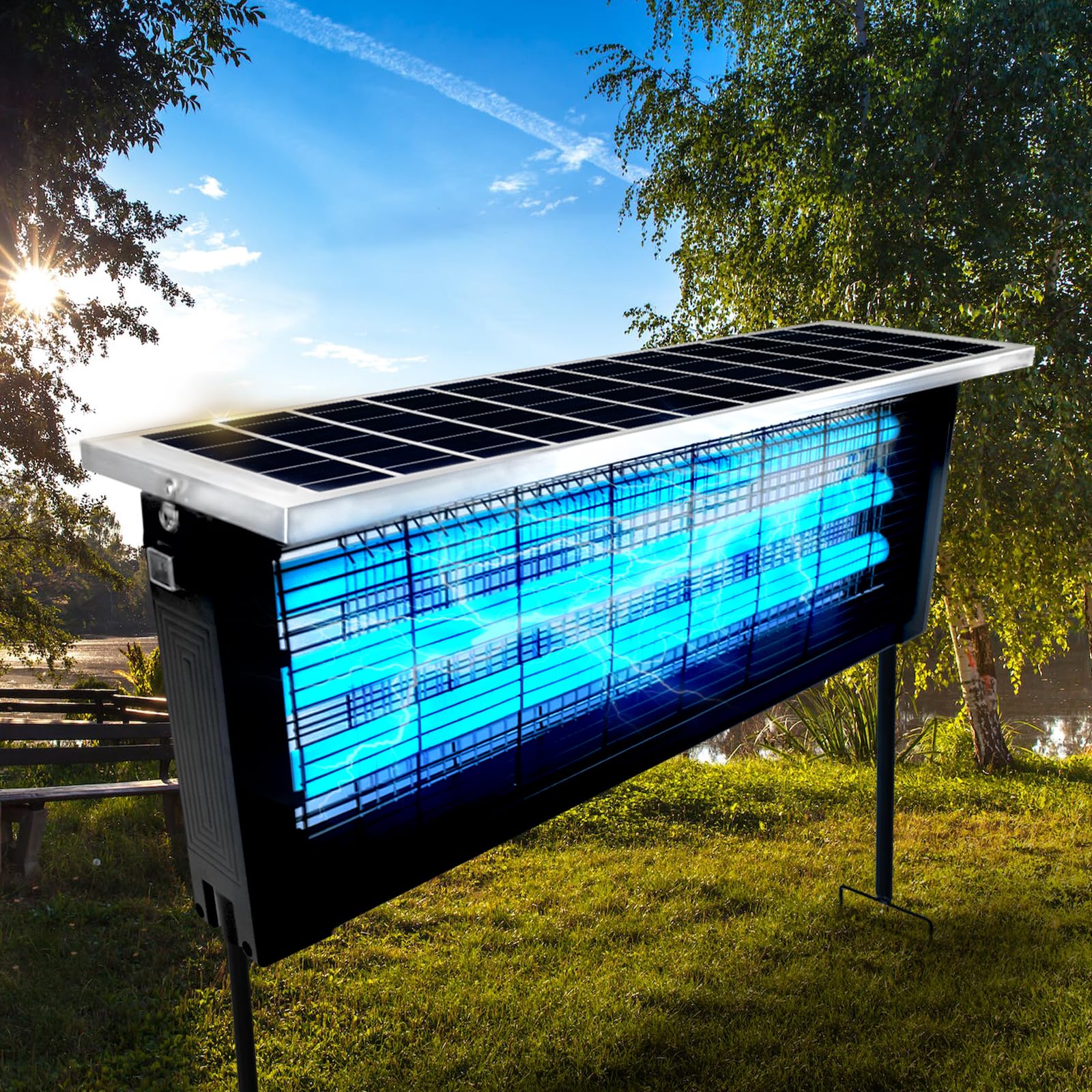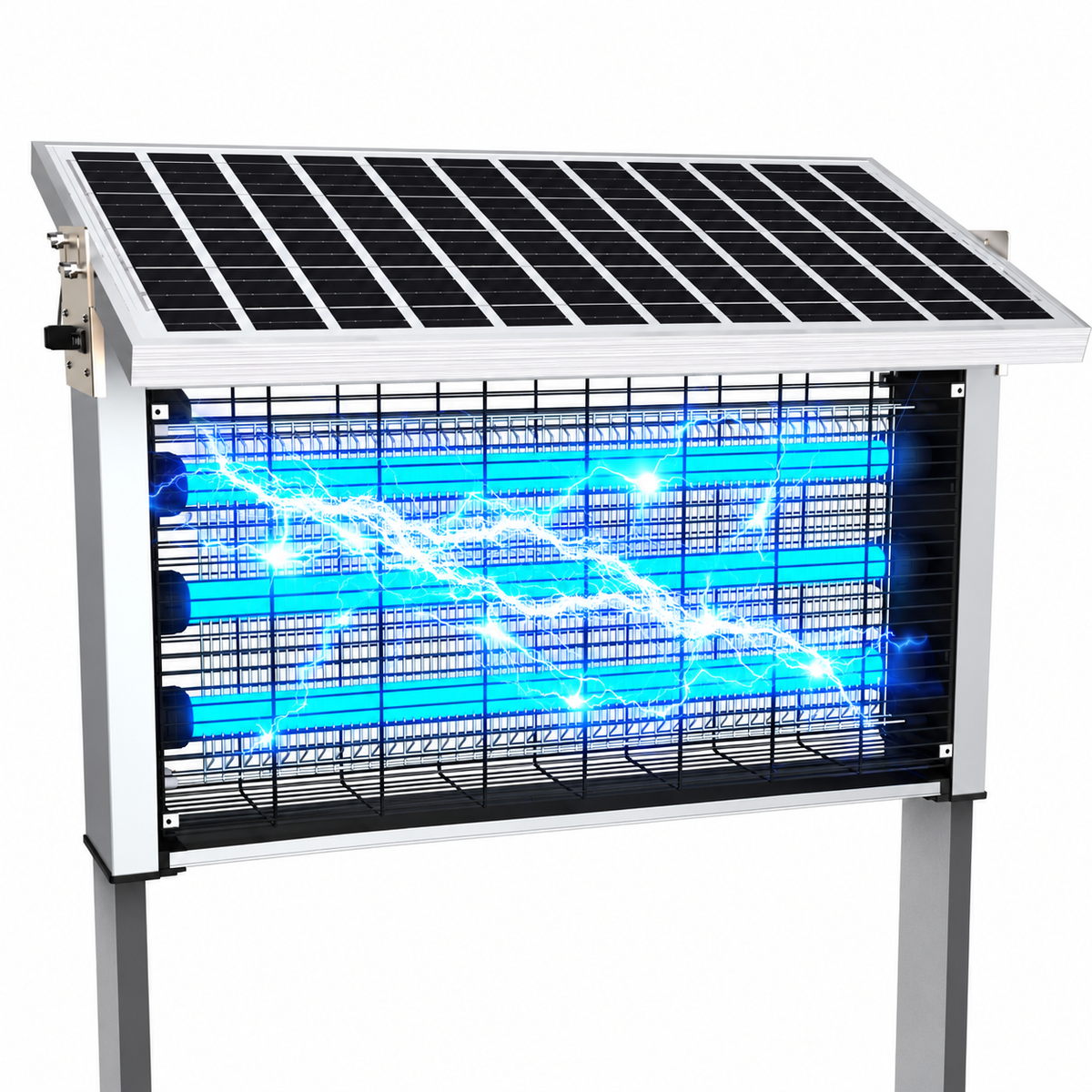

Ultraviolet (UV) disinfection technology has moved from hospitals and laboratories into everyday homes. From HVAC air purification systems and water treatment units to portable sanitizing boxes and whole-room UV fixtures, homeowners increasingly rely on UV lamps to reduce microorganisms and improve indoor hygiene.
But installing a UV system is only the beginning.
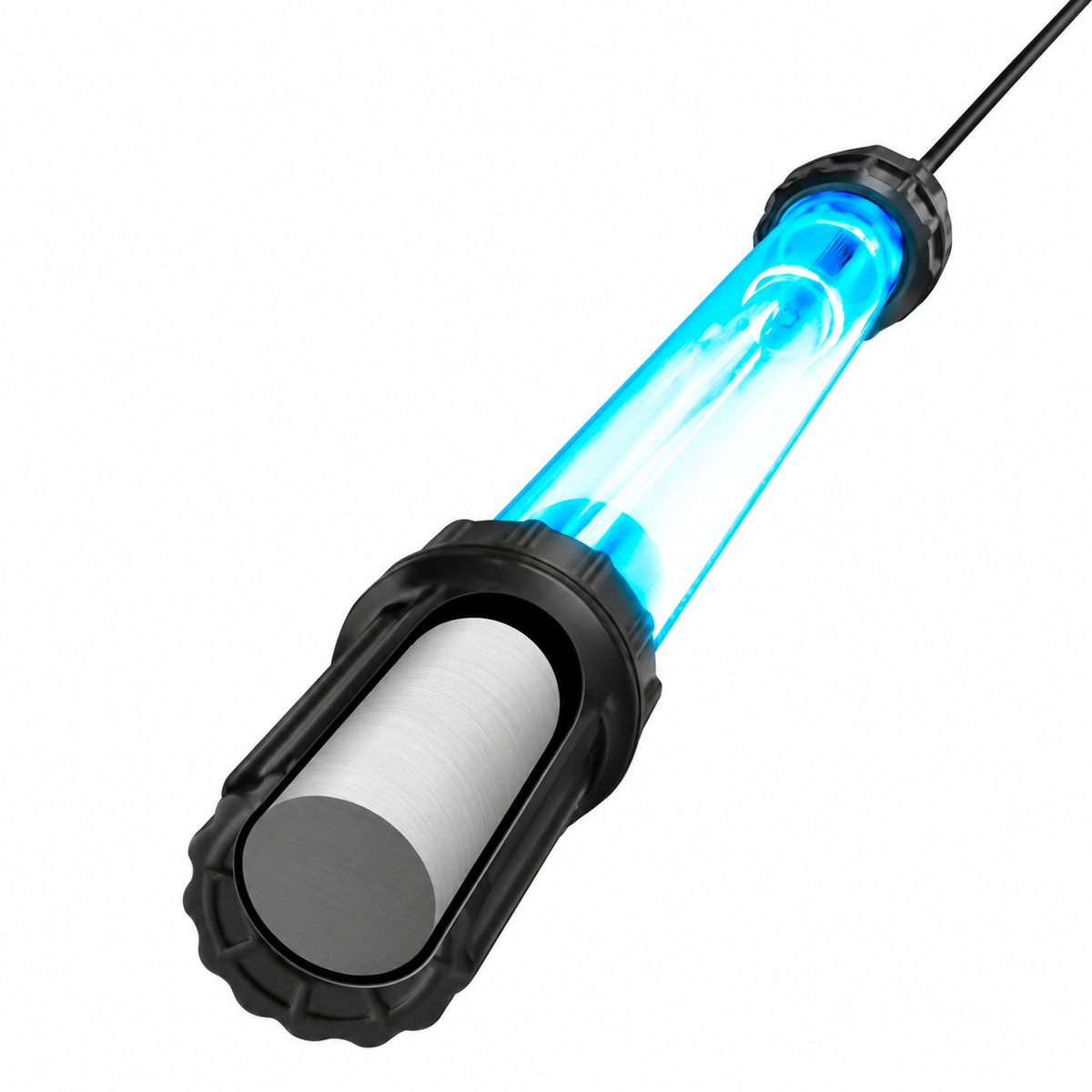
One of the most misunderstood aspects of UV sanitation is maintenance—specifically, when UV lamps should be replaced. Unlike traditional lighting, UV lamps often continue glowing long after their disinfecting power has declined. This creates a false sense of protection: the light is visible, but the germ-killing performance may already be significantly reduced.
Understanding replacement intervals and consumable maintenance is essential for maintaining effective home disinfection. This guide explains how UV lamps age, how often different systems require replacement, warning signs of declining performance, and a practical replacement checklist every homeowner can follow.
Why UV Lamp Replacement Matters More Than You Think
Many homeowners assume a functioning lamp equals effective sanitation. Unfortunately, UV systems don’t work that way.
UV disinfection depends on radiation intensity, not brightness. Over time, UV lamps lose output even though they still appear operational.
A weakened lamp may:
-
Reduce microbial inactivation efficiency
-
Increase exposure time requirements
-
Allow bacteria or mold growth to return
-
Waste electricity without delivering sanitation benefits
Replacing UV consumables on schedule ensures your system performs as intended.
How UV Disinfection Actually Works
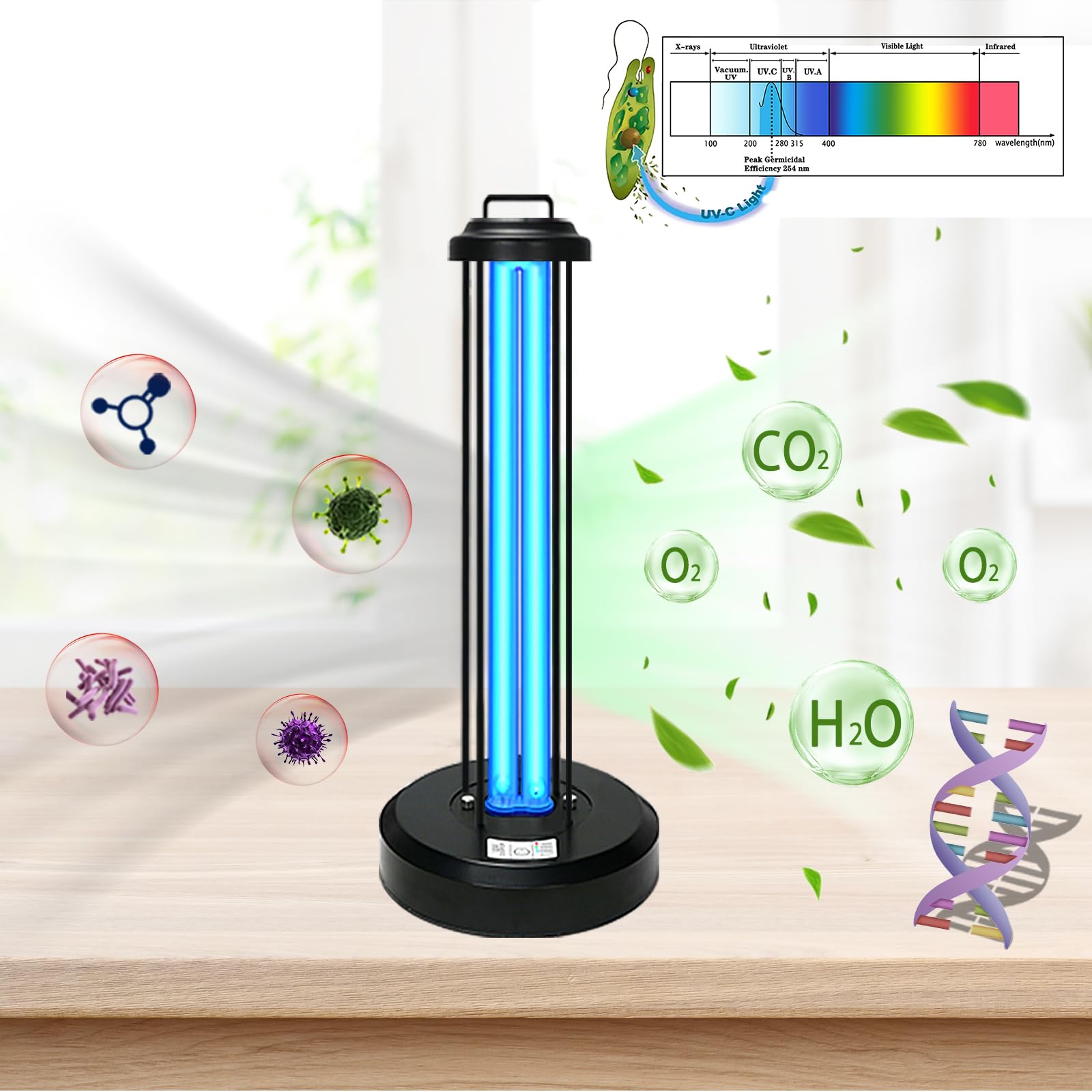
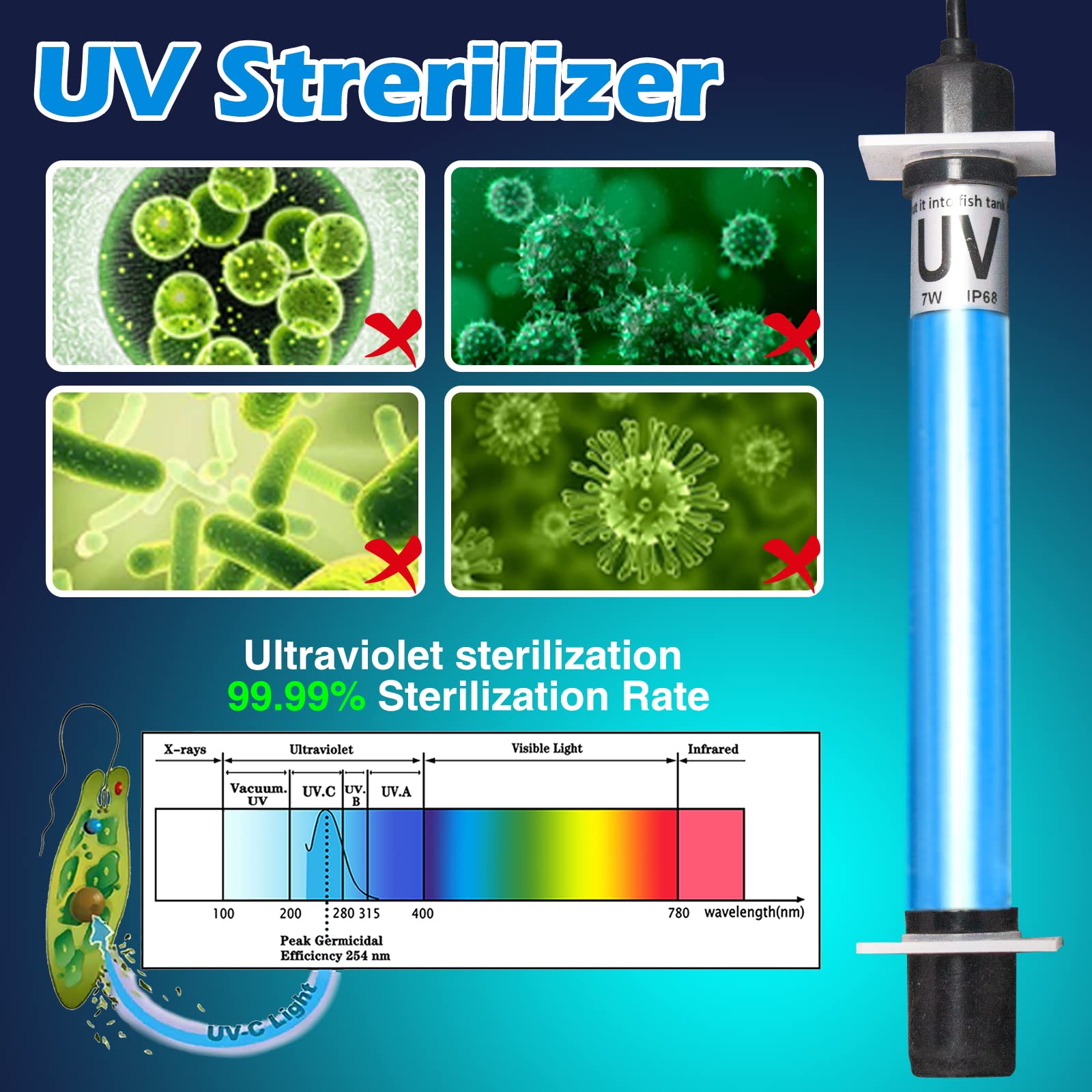
UV sanitation relies primarily on UV-C radiation, typically around 254 nanometers.
At this wavelength, ultraviolet energy damages microbial DNA and RNA, preventing organisms from reproducing. The effectiveness depends on three factors:
-
Intensity (UV output)
-
Exposure time
-
Distance from the source
As lamp output declines, the delivered dose decreases—even if operating time remains unchanged.
Why UV Lamps Lose Effectiveness Over Time
UV lamps degrade due to physical and chemical changes inside the bulb.
Electrode Wear
Each startup cycle slightly erodes lamp electrodes, reducing efficiency.
Mercury Vapor Changes
Low-pressure mercury lamps rely on stable vapor pressure. Aging alters this balance, decreasing UV emission.
Solarization of Quartz Glass
UV exposure gradually alters the quartz sleeve or bulb surface, reducing radiation transmission.
Contamination Buildup
Dust, oils, and airborne particles accumulate on lamp surfaces, blocking UV output.
These processes occur naturally and cannot be reversed through cleaning alone.
The Biggest Myth: “If It Still Lights Up, It Still Works”
Visible light output and UV output are not the same.
A UV lamp may retain:
-
80–90% visible brightness
-
But only 50–60% UV disinfecting power
This is why replacement schedules are based on operating hours, not burnout.
Typical UV Lamp Lifespans by System Type
Different household UV systems operate under different conditions.
HVAC UV Lamps (Air Purification Systems)
Average replacement interval: 9–12 months
Operating pattern: Continuous operation
Because HVAC UV lamps run 24/7, they accumulate operating hours quickly.
Annual replacement is widely recommended to maintain air treatment performance.
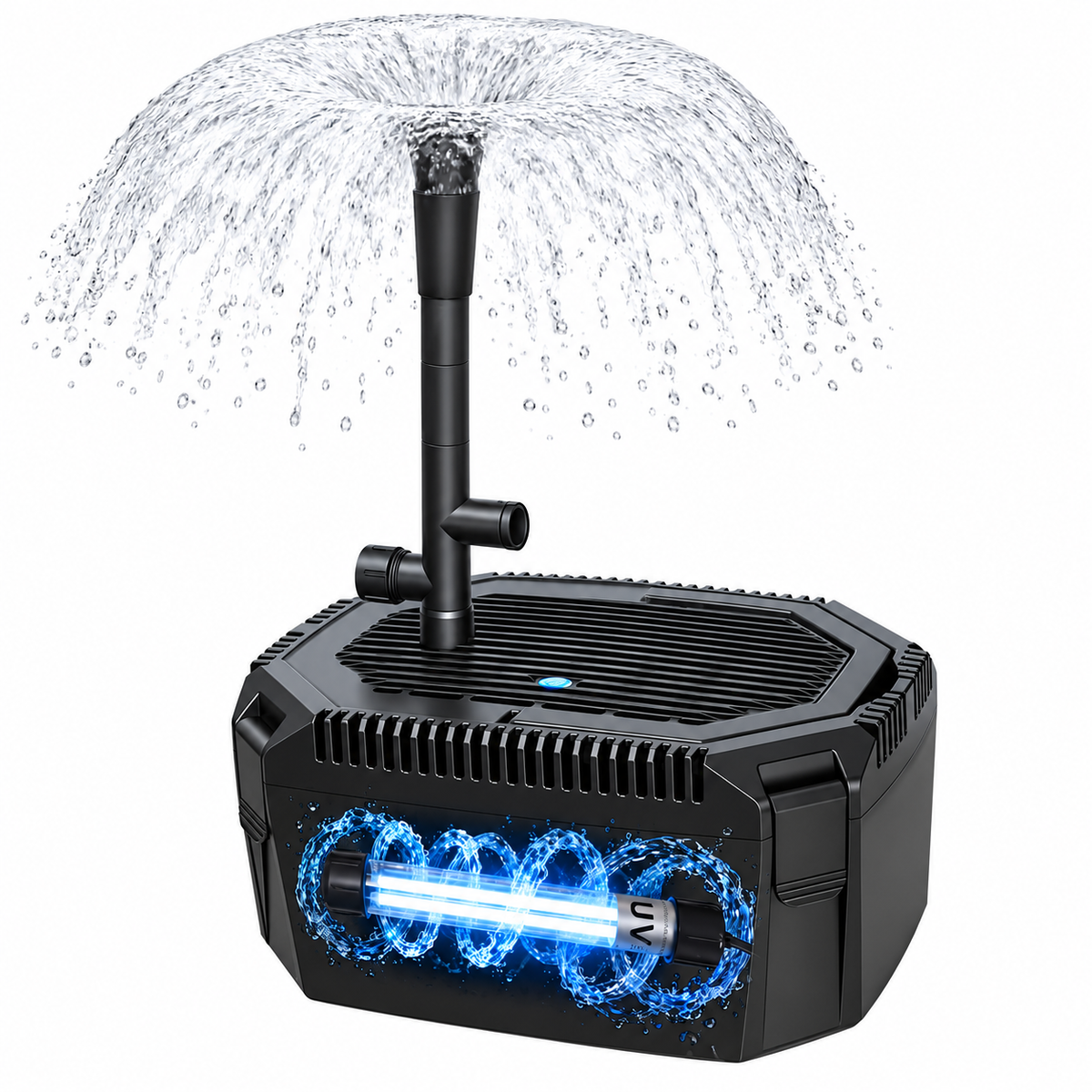
UV Water Purification Systems
Average replacement interval: 12 months
Operating pattern: Continuous or frequent flow exposure
Even if water quality appears unchanged, UV intensity declines steadily.
Water systems depend on precise UV dosage, making timely replacement critical.
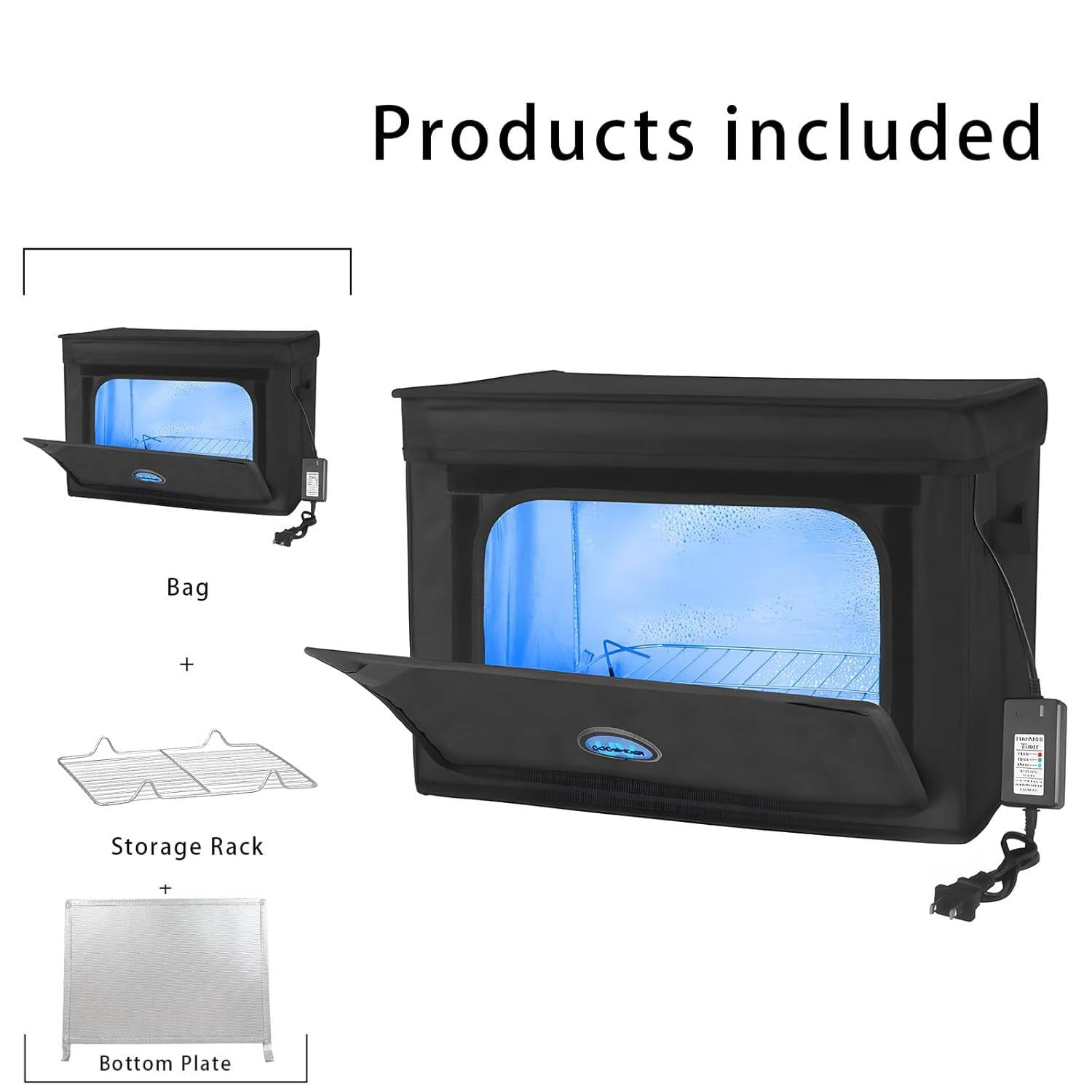
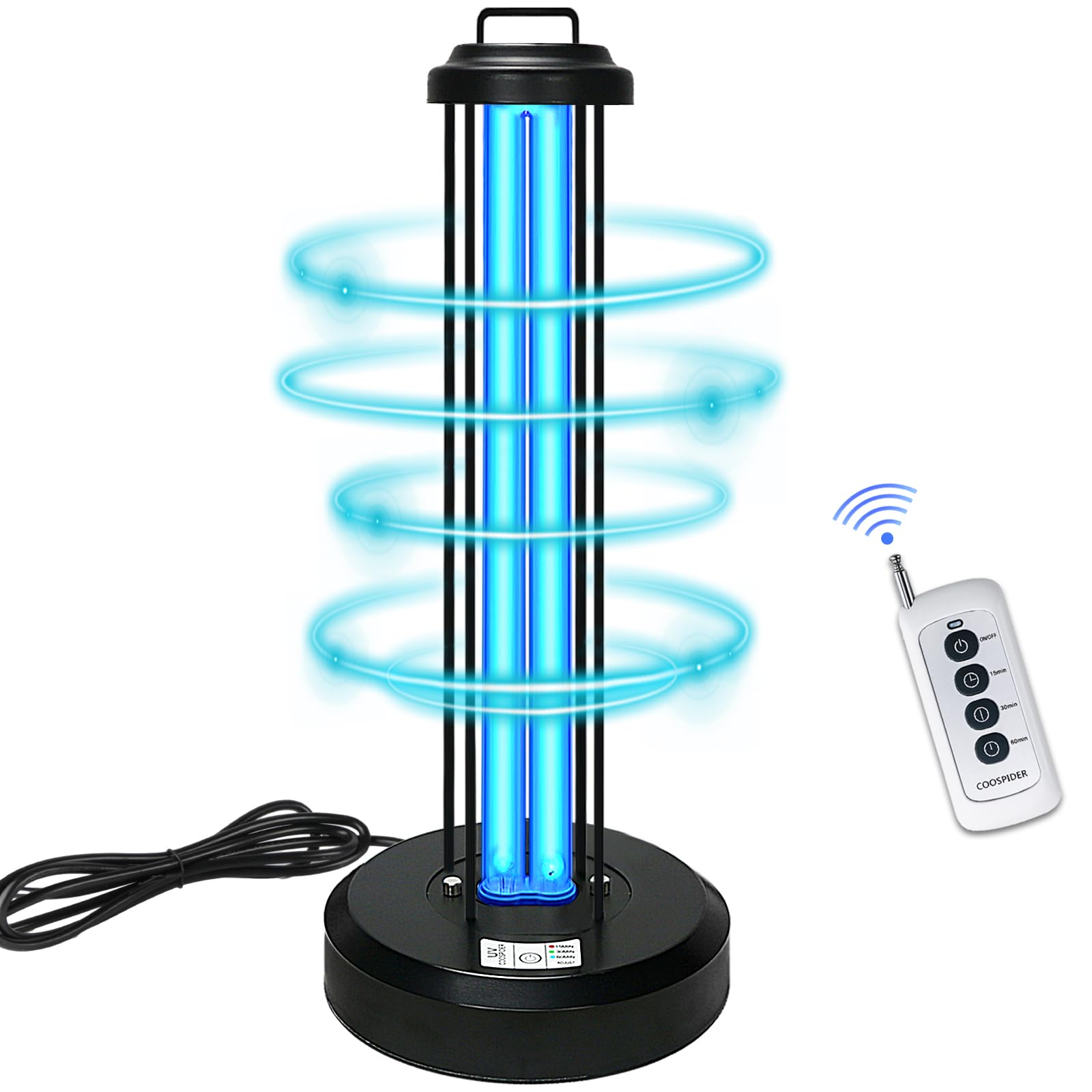
Portable UV Sanitizing Boxes
Average replacement interval: 1–2 years (depending on usage)
These devices operate intermittently, extending lamp life compared to continuous systems.
Whole-Room UV Fixtures
Average replacement interval: 6–12 months in high-use environments
Frequent cycles shorten lifespan faster than occasional use.
UV LED Systems
UV LEDs differ from mercury lamps.
Typical lifespan: 10,000–25,000 hours
However, LEDs also experience gradual output decline and should still be monitored.
Understanding Rated Hours vs Real Performance
Manufacturers often list lamp life as:
-
8,000 hours
-
9,000 hours
-
12,000 hours
These numbers indicate when output falls below effective disinfection levels—not when the lamp stops working.
Continuous HVAC use reaches 9,000 hours in roughly one year.
Replacement Timing Based on Usage Patterns
Continuous Operation (24/7)
Replace annually regardless of appearance.
Daily Limited Use
Track cumulative operating hours.
Occasional Use
Inspect annually even if hours seem low.
Environmental conditions can accelerate aging.
Signs Your UV Lamp Needs Replacement
Although output decline is invisible, indirect symptoms may appear.
Watch for:
-
Increased household odors
-
Mold returning near HVAC coils
-
Reduced air freshness
-
Water system warning indicators
-
Longer sanitation cycles required
-
Yellowing or darkening near lamp ends
These signs suggest declining UV performance.
The Complete Home UV Consumable Replacement Checklist
Maintaining UV systems involves more than just replacing bulbs.
1. UV Lamp (Primary Component)
Replace according to hour rating or annually for continuous systems.
2. Quartz Sleeve (Water Systems)
Mineral deposits block UV transmission.
Clean every 3–6 months.
Replace every 1–2 years or when cloudiness persists.
3. Ballasts or Drivers
Electrical components degrade slowly.
Inspect every 2–3 years.
Signs of failure include flickering or delayed startup.
4. Air Filters (HVAC Systems)
Dirty filters reduce airflow and UV exposure efficiency.
Replace every 1–3 months depending on usage.
5. Reflective Surfaces
UV chambers rely on reflective interiors.
Dust reduces effectiveness.
Clean annually.
6. Protective Shields and Covers
Check for discoloration or cracking caused by prolonged UV exposure.
Replace if transparency decreases.
Seasonal Maintenance Strategy for Homeowners
A structured schedule simplifies upkeep.
Spring
-
Replace HVAC UV lamp
-
Inspect coils
-
Clean surrounding surfaces
Summer
-
Check airflow and filters
-
Inspect electrical connections
Fall
-
Prepare system for higher indoor occupancy
-
Confirm UV operation
Winter
-
Clean housings
-
Verify consistent performance
Routine checks prevent sudden efficiency drops.
Why Delaying Replacement Costs More
Old UV lamps may still consume full electrical power while delivering reduced sanitation.
Consequences include:
-
Higher energy waste
-
Increased HVAC contamination
-
More frequent cleaning needs
-
Reduced indoor air quality
Timely replacement often lowers long-term maintenance costs.
Choosing the Right Replacement Lamp
Always match:
-
Wattage
-
Length
-
Base type
-
Wavelength specification
-
Manufacturer compatibility
Generic substitutes may fit physically but deliver incorrect UV output.
Safety Considerations During Replacement
UV lamps require careful handling.
Best practices:
-
Turn off power completely
-
Avoid touching quartz with bare hands
-
Wear gloves
-
Dispose according to local hazardous waste guidelines
-
Avoid direct UV exposure to skin or eyes
Proper handling preserves both safety and lamp performance.
Tracking Replacement Dates Effectively
Many homeowners forget replacement schedules.
Helpful methods include:
-
Label installation date on lamp housing
-
Set annual calendar reminders
-
Use smart-home maintenance apps
-
Keep a home maintenance log
Consistency ensures uninterrupted sanitation.
Environmental Factors That Shorten UV Lamp Life
Certain conditions accelerate degradation.
High Humidity
Promotes corrosion and contamination buildup.
Dusty Environments
Blocks UV output faster.
Frequent Power Cycling
Increases electrode wear.
Temperature Extremes
Reduce efficiency and lifespan.
Maintaining stable operating conditions improves longevity.
Comparing UV Lamps to Traditional Light Bulbs
Unlike LED or incandescent lighting:
| Feature | Regular Bulb | UV Lamp |
|---|---|---|
| Visible brightness matters | Yes | No |
| Output declines gradually | Minimal | Significant |
| Replacement based on burnout | Yes | No |
| Maintenance critical | Low | High |
UV lamps are performance tools, not simple illumination devices.
Professional vs DIY Replacement
Many systems allow homeowner replacement, but professional service helps when:
-
Electrical wiring is involved
-
HVAC access is difficult
-
Water purification systems require recalibration
-
Safety certification must be maintained
Annual technician inspection can verify proper dosage levels.
Energy Efficiency and Proper Replacement
A fresh UV lamp delivers higher microbial reduction using the same energy input.
Benefits include:
-
Faster sanitation cycles
-
Reduced microbial regrowth
-
Improved HVAC cleanliness
-
Better odor control
Efficiency depends on maintaining strong UV intensity.
Building a Long-Term UV Maintenance Plan
An effective plan includes:
-
Annual lamp replacement
-
Quarterly inspections
-
Filter maintenance
-
Surface cleaning
-
Performance monitoring
Think of UV systems like air filters or smoke detectors—they require periodic attention to remain reliable.
Common Mistakes Homeowners Make
Waiting Until Failure
UV effectiveness declines long before burnout.
Ignoring Manufacturer Hours
Operating time matters more than calendar age.
Skipping Sleeve Cleaning
Blocked UV equals reduced sanitation.
Buying Incorrect Replacements
Compatibility affects performance and safety.
The Future of Home UV Systems
Emerging technologies aim to reduce maintenance demands:
-
Smart UV intensity sensors
-
Self-monitoring lamps
-
UV output alerts
-
Longer-life LED emitters
-
Integrated maintenance reminders
These innovations help homeowners maintain consistent sanitation without guesswork.
Practical Replacement Timeline Summary
Every Month
-
Check system operation
-
Replace HVAC filters if needed
Every 3–6 Months
-
Clean quartz sleeves
-
Inspect fixtures
Every 12 Months
-
Replace most UV lamps
Every 2–3 Years
-
Inspect electrical components
-
Replace worn accessories
Final Thoughts
UV disinfection systems can significantly enhance home hygiene, but their effectiveness depends entirely on maintenance. Because UV lamps gradually lose germicidal strength while continuing to glow, relying on appearance alone can lead to reduced protection without homeowners realizing it.
Replacing UV lamps on schedule, maintaining supporting components, and following a structured consumable checklist ensures your system delivers consistent sanitation performance year after year.
A simple annual replacement routine transforms UV technology from a passive appliance into a reliable long-term health investment—keeping air, water, and surfaces cleaner while preserving system efficiency and peace of mind.