Most homeowners think about their air conditioner only when temperatures rise. You adjust the thermostat, cool air flows through the vents, and comfort returns instantly. But behind that comfort lies a complex system quietly managing humidity, airflow, and moisture every single day.
One of the most overlooked components inside a central air conditioning system is the condensate pan — a small but critical part responsible for collecting and draining moisture removed from indoor air. When this component is neglected, it can become the perfect breeding ground for mold, bacteria, and unpleasant odors.
In recent years, HVAC professionals increasingly recommend installing UV lights inside central air systems, especially near the evaporator coil and condensate pan. What was once considered an optional upgrade is now widely viewed as a practical preventive measure.
This guide explores what condensate pans do, why mold develops so easily inside them, and how UV lights help prevent microbial growth before it spreads throughout your home.
Understanding How Central Air Conditioning Creates Moisture
To understand why mold forms, you first need to understand how air conditioning works.
Air conditioners do not simply cool air — they also remove humidity.
When warm indoor air passes over the evaporator coil:
- Refrigerant inside the coil absorbs heat.
- Air temperature drops.
- Moisture in the air condenses into water droplets.
- Water drips off the coil into the condensate pan.
- The water drains away through a condensate line.
This process happens constantly during cooling season. On humid days, your system may remove several gallons of water per day from indoor air.
That continuous moisture production creates ideal conditions for microbial growth if drainage or sanitation fails.
What Exactly Is an AC Condensate Pan?
The condensate pan (sometimes called a drain pan) sits beneath the evaporator coil inside the indoor air handler.
Its purpose is simple:
- Catch condensation from the coil
- Direct water toward the drain line
- Prevent leaks inside the unit
Despite its simple role, the condensate pan experiences:
- Constant moisture
- Darkness
- Dust accumulation
- Organic debris
- Moderate temperatures
These conditions perfectly match what mold spores need to thrive.
Why the Condensate Pan Is a Mold Hotspot
Many homeowners assume mold appears only after major water damage. In reality, HVAC systems can develop mold quietly over time.
The Perfect Mold Environment
Mold requires only three elements:
- Moisture
- Organic material
- Suitable temperature
Your HVAC system provides all three.
Dust entering through return vents contains:
- Skin cells
- Fabric fibers
- Pollen
- Microscopic organic particles
When dust mixes with standing water in the condensate pan, it becomes food for microbial colonies.
Because the area remains dark and damp, growth often goes unnoticed until odors or health symptoms appear.
Signs Mold May Be Growing Inside Your AC System
You may never see mold directly, but your home often gives warning signs.
Common indicators include:
- Musty or “dirty sock” smells when AC runs
- Increased allergy symptoms indoors
- Uneven airflow odors between rooms
- Persistent humidity feeling
- Visible slime near drain lines
- Frequent clogged condensate drains
Ignoring these symptoms allows mold spores to circulate through ductwork.
Why Traditional Cleaning Isn’t Always Enough
Routine HVAC maintenance typically includes:
- Filter replacement
- Coil inspection
- Drain flushing
While important, these measures are reactive rather than preventive.
Condensate pans can become contaminated again quickly because:
- Moisture continuously returns
- Dust constantly enters airflow
- Microbes reproduce rapidly
Even a professionally cleaned system may begin regrowing mold within weeks under favorable conditions.
This is where UV technology changes the equation.
What Is a UV Light in an HVAC System?
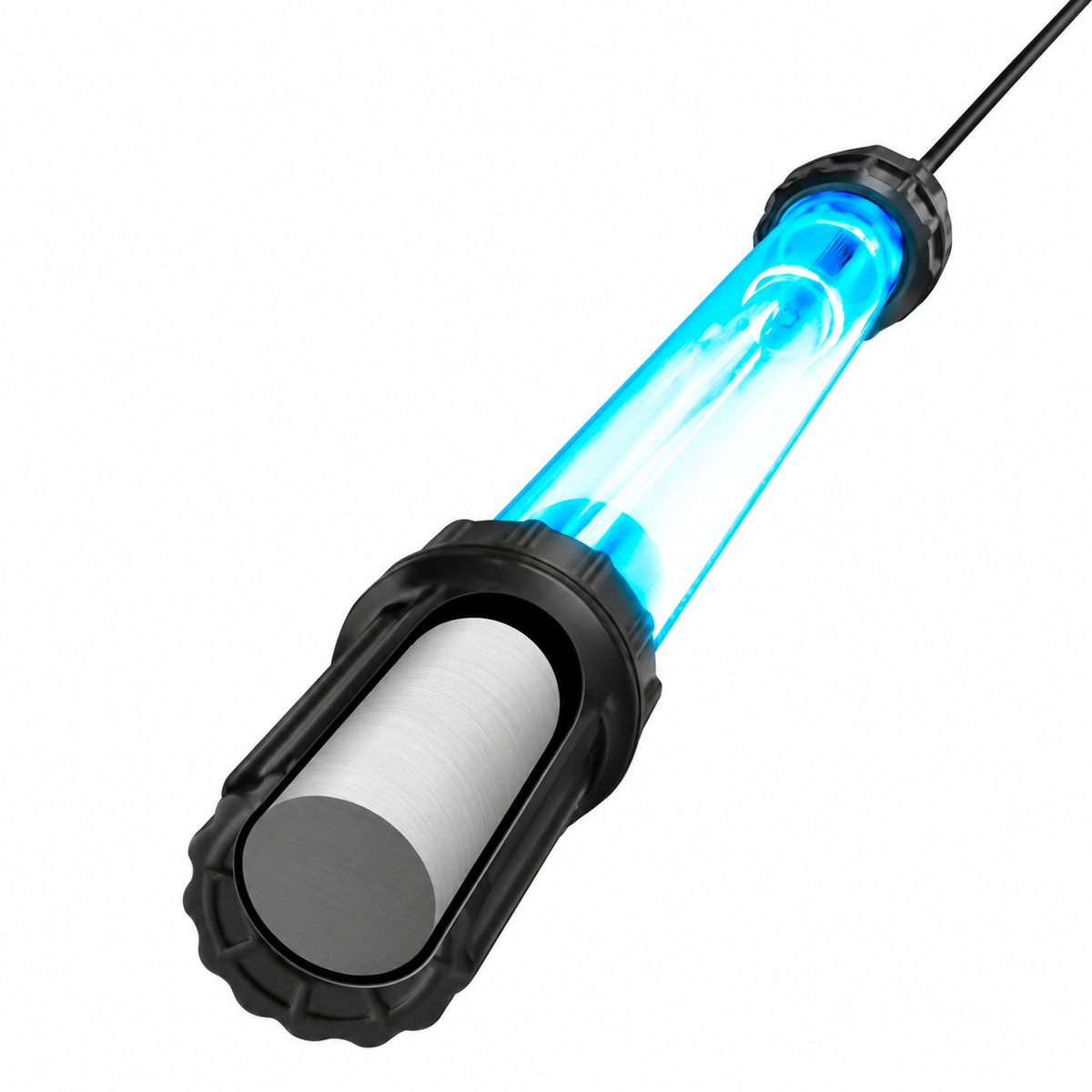
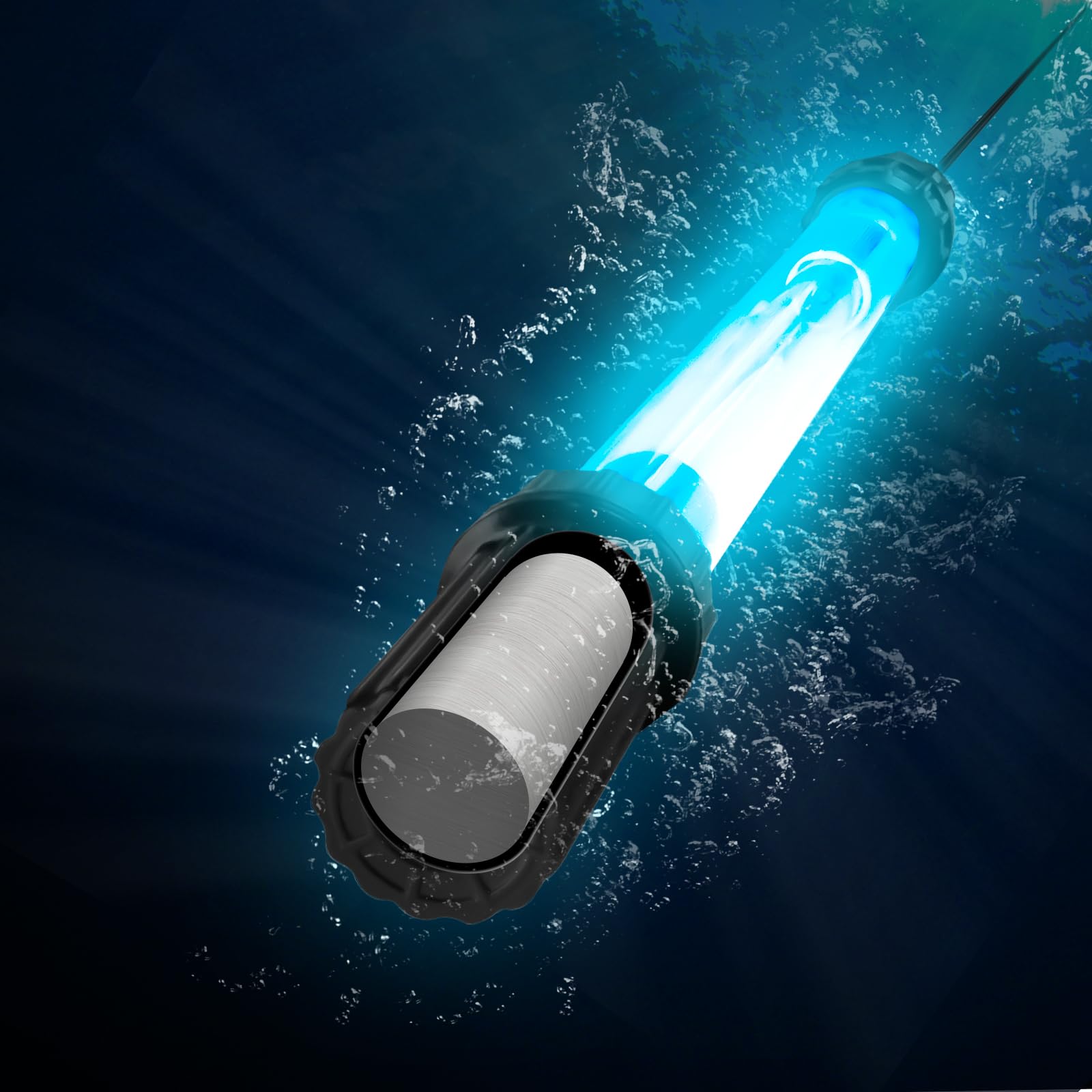
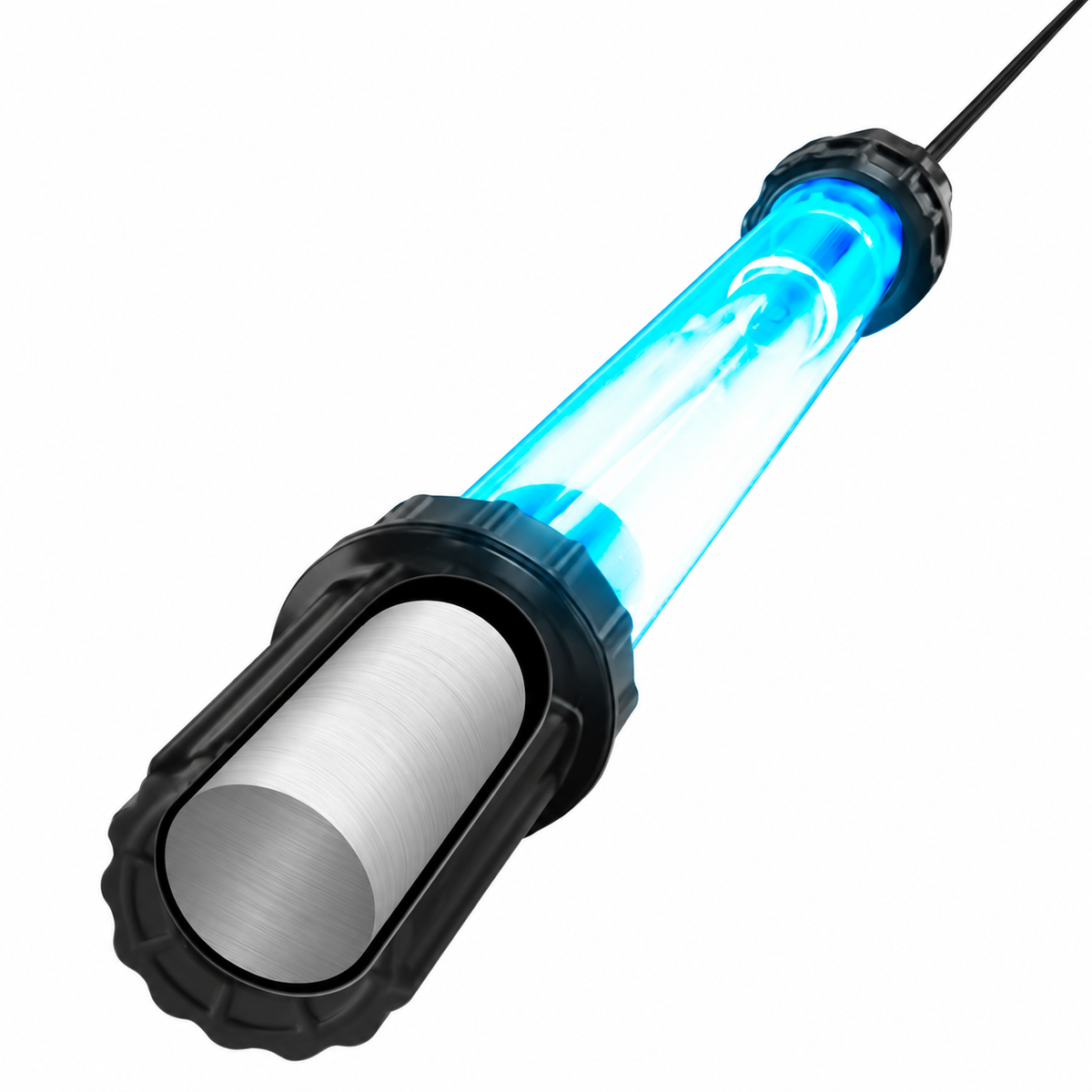
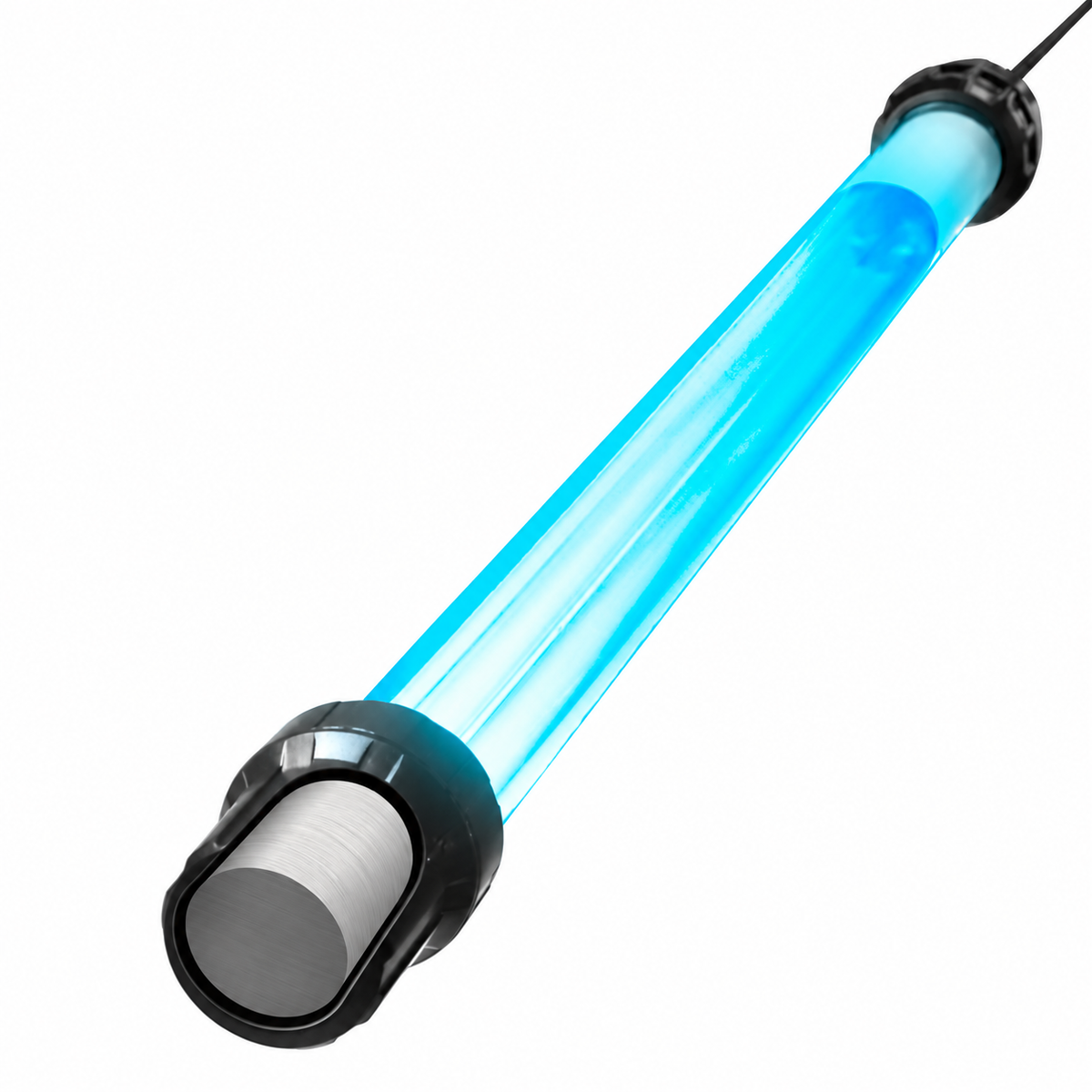
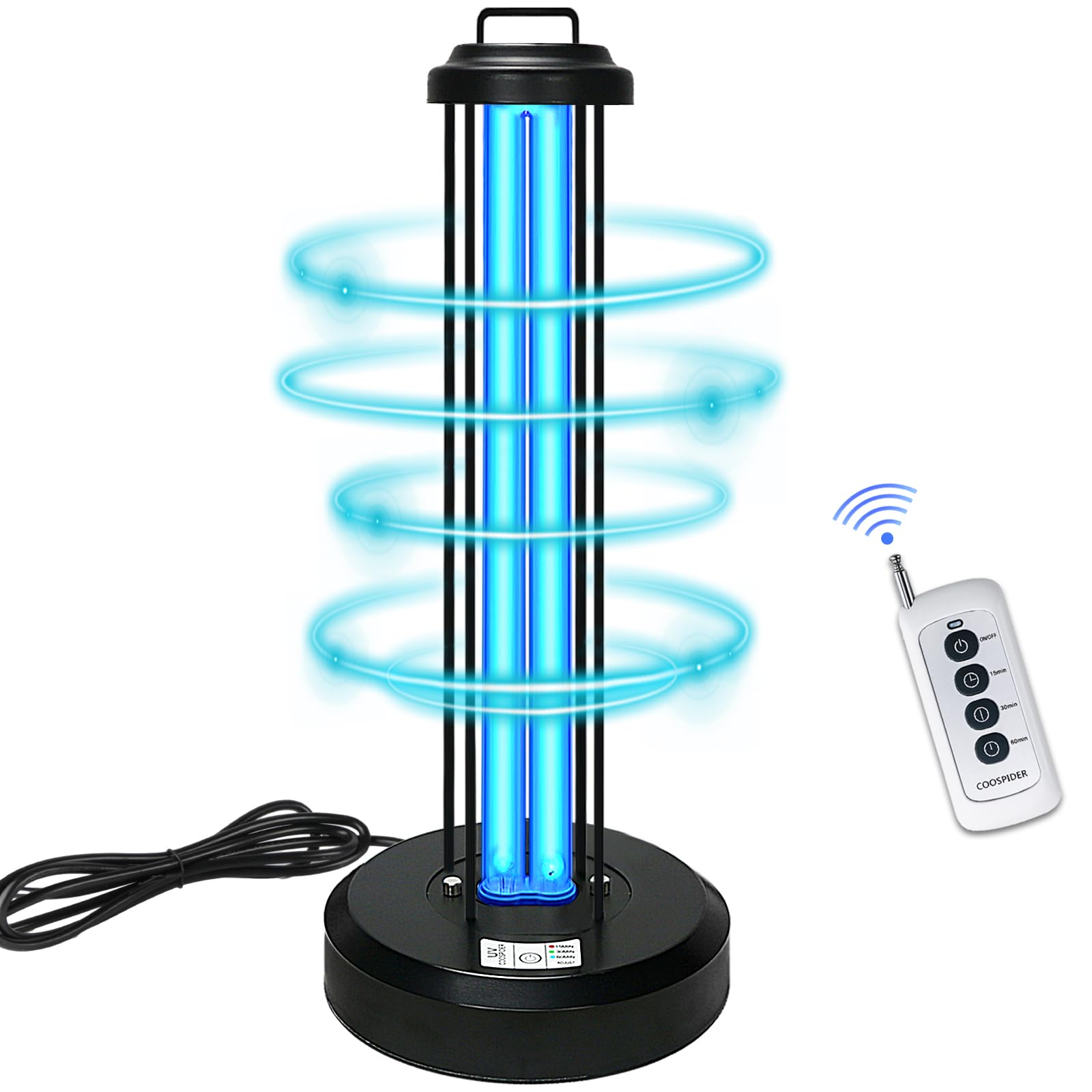
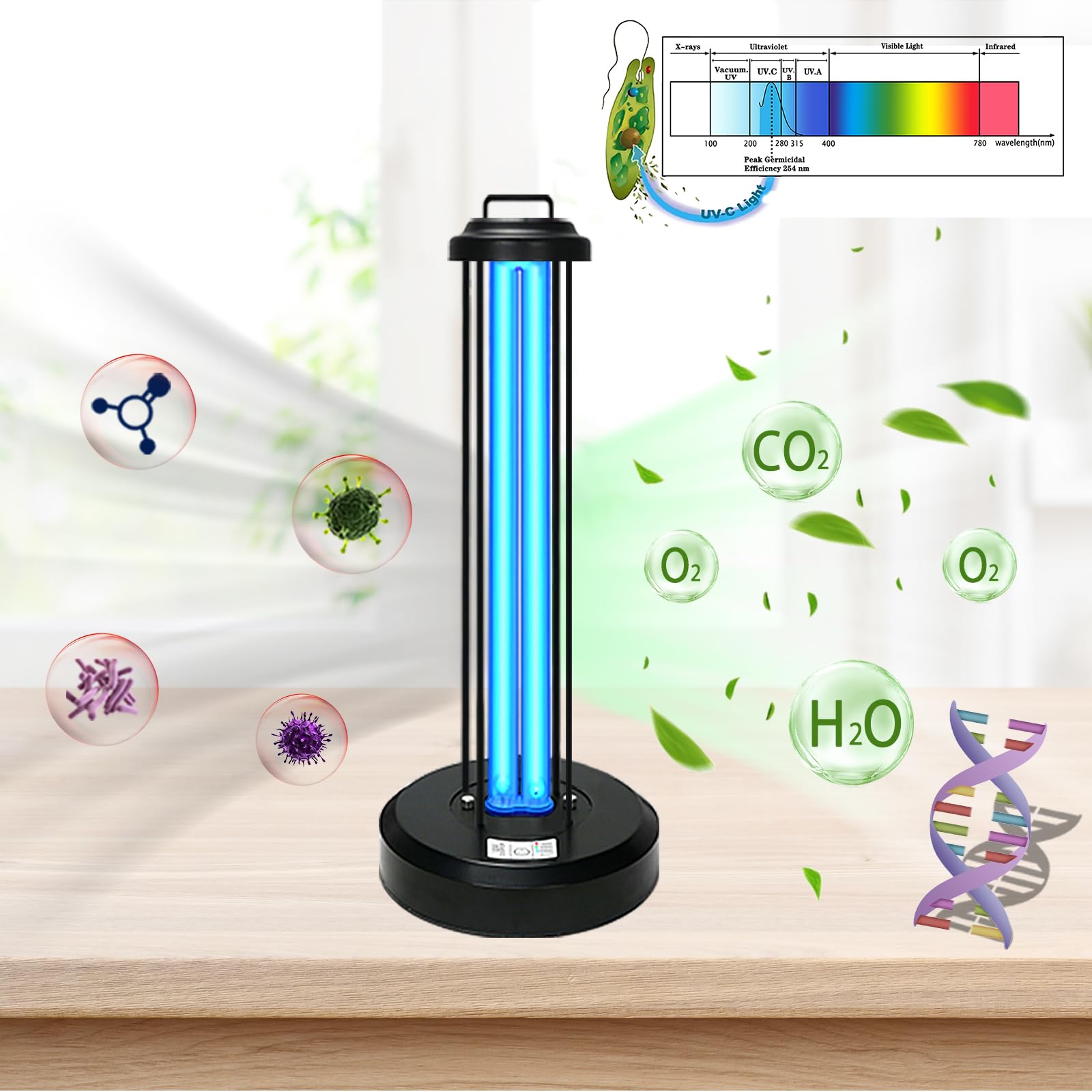
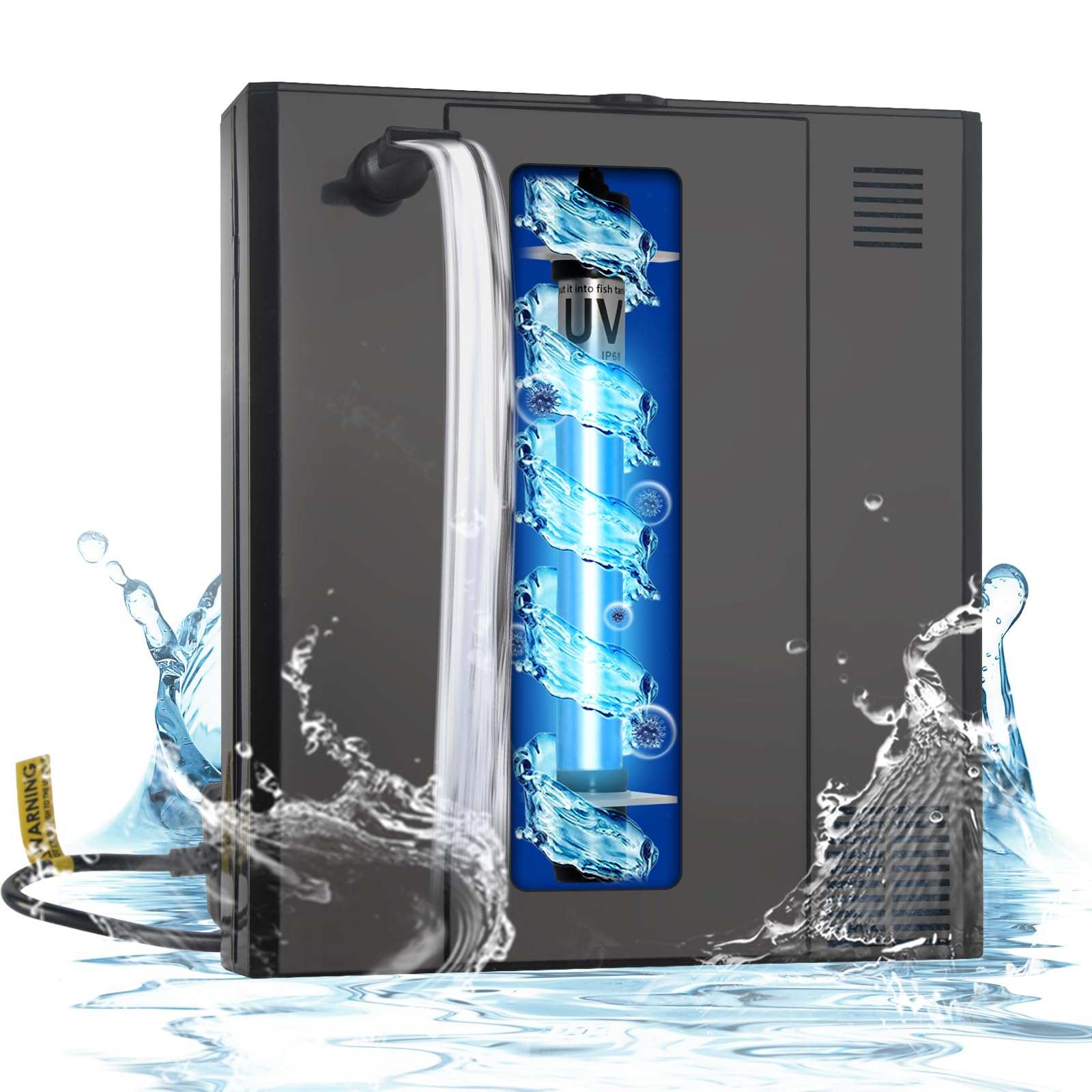
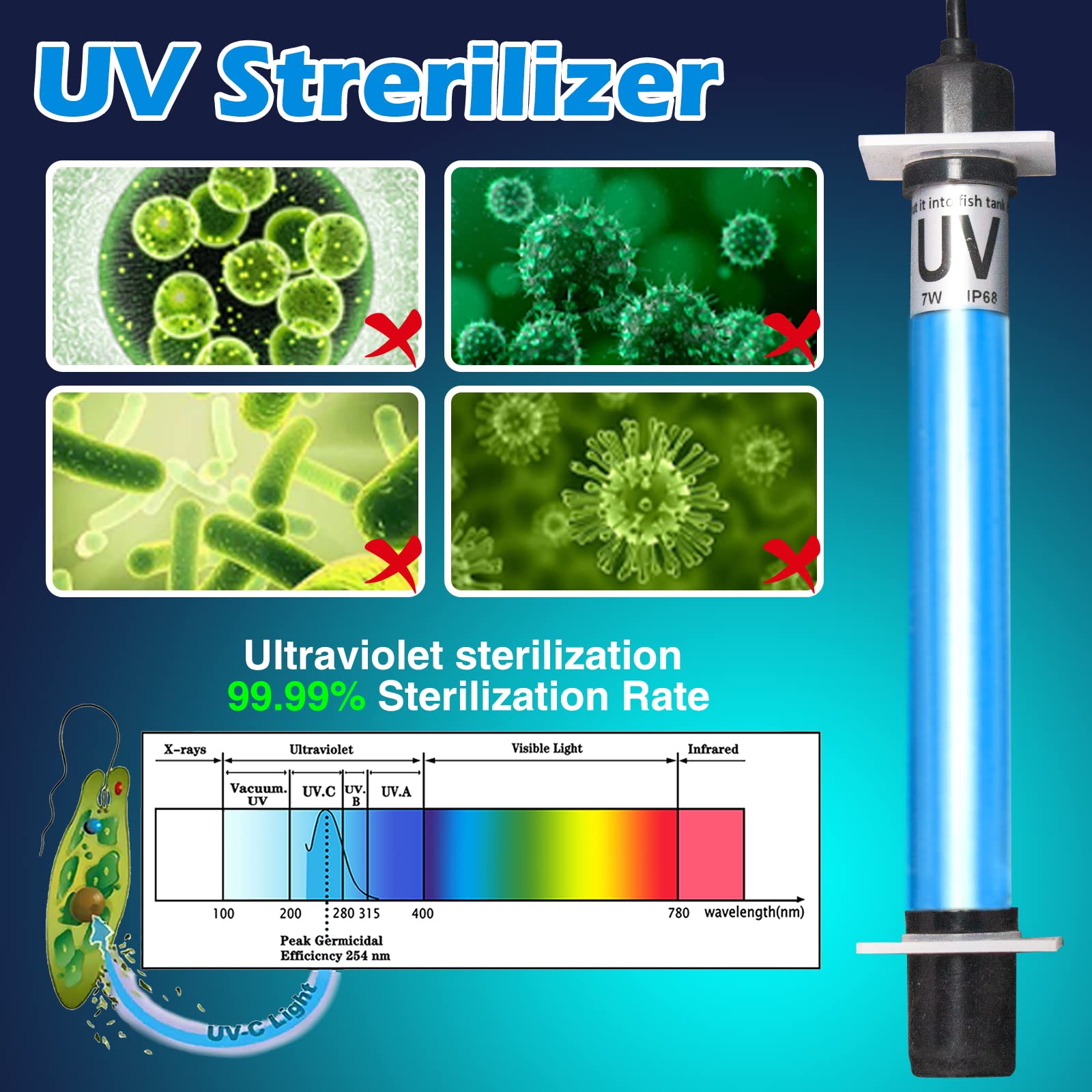
HVAC UV lights use ultraviolet-C (UV-C) radiation, a specific wavelength of light known for its ability to disrupt microorganisms.
Unlike visible light, UV-C energy damages the DNA of mold spores, bacteria, and viruses, preventing them from reproducing.
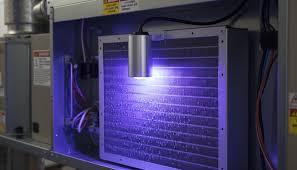
Installed inside an air handler, the UV lamp continuously shines on high-risk areas such as:
- Evaporator coils
- Condensate pans
- Drain openings
Because the light operates constantly, it works as an ongoing sanitation system rather than a periodic treatment.
Why UV Lights Are Installed Near the Condensate Pan
The evaporator coil and condensate pan form a connected ecosystem.
Water dripping from the coil carries particles into the pan. If mold develops on the coil surface, spores wash downward and multiply below.
Placing UV lights near these components helps:
- Reduce microbial buildup on coils
- Prevent slime formation in pans
- Slow biofilm growth inside drain lines
- Improve overall system hygiene
This positioning targets mold at its primary source instead of addressing symptoms later.
How UV Light Prevents Mold Growth
UV-C light works through continuous exposure.
When microorganisms absorb UV energy:
- Cellular DNA becomes damaged
- Reproduction stops
- Colonies cannot expand
- Existing growth gradually declines
Unlike chemical cleaners, UV light leaves no residue and requires no repeated application.
The result is a cleaner internal environment over time.
Benefits Beyond Mold Prevention
Although mold control is the primary motivation, homeowners often notice additional advantages after installation.
Improved Airflow Efficiency
Microbial buildup on coils acts like insulation, reducing heat transfer. Cleaner coils allow air conditioners to cool more efficiently.
Reduced Odors
Many HVAC odors originate from microbial activity in damp areas. UV exposure limits odor-causing organisms.
Lower Maintenance Frequency
Drain clogs caused by slime accumulation become less common.
Energy Performance Support
A clean coil transfers heat more effectively, helping systems operate closer to intended efficiency levels.
Why UV Lights Are Becoming a “Standard” Upgrade
HVAC professionals increasingly recommend UV lights during installations or system replacements.
Several factors explain this trend:
- Modern homes are more tightly sealed, trapping humidity.
- Longer cooling seasons increase moisture production.
- Indoor air quality awareness has grown.
- Maintenance expectations favor preventive solutions.
Rather than waiting for mold problems to appear, many homeowners now install UV lights proactively.
Types of HVAC UV Light Systems
Not all UV installations are identical.
Coil Sterilization Lights
Mounted near evaporator coils and condensate pans, these operate continuously to prevent microbial growth.
Best for mold prevention.
Air Sterilization UV Systems
Installed within ductwork to treat moving air.
Best for airborne microorganism reduction.
Many systems combine both approaches for comprehensive protection.
Are UV Lights Safe Inside HVAC Systems?
When installed correctly by professionals, HVAC UV lights are enclosed within the air handler and not exposed to occupants.
Safety considerations include:
- Proper shielding inside the unit
- Automatic shutoff switches during service access
- Professional installation
UV-C light should never be viewed directly, but enclosed HVAC systems are designed to contain exposure safely.
Maintenance Requirements for UV Systems
UV lights require minimal upkeep compared to other HVAC components.
Typical maintenance includes:
- Annual bulb replacement
- Occasional lens cleaning
- Routine inspection during HVAC servicing
Even when bulbs still glow visibly, UV intensity decreases over time, which is why replacement schedules matter.
The Relationship Between Humidity and Mold Growth
Humidity control plays a major role in condensate pan conditions.
High indoor humidity leads to:
- Increased condensation
- Slower evaporation
- Higher microbial risk
UV lights complement — not replace — humidity management strategies such as:
- Proper system sizing
- Sealed ductwork
- Clean filters
- Adequate airflow
Together, these elements create a balanced indoor environment.
Common Misconceptions About UV Lights
Myth 1: UV Lights Replace Cleaning
They reduce growth but do not eliminate the need for maintenance.
Myth 2: UV Lights Instantly Kill All Mold
They prevent reproduction over time rather than acting instantly.
Myth 3: UV Systems Are Only for Hospitals
Residential adoption has grown because HVAC systems naturally create moist environments.
Installation Considerations
Professional installers evaluate:
- Air handler size
- Coil location
- Drain pan accessibility
- Electrical compatibility
Correct placement is essential. Poor positioning reduces effectiveness significantly.
Cost vs. Long-Term Value
While UV lights add upfront cost, many homeowners weigh benefits such as:
- Fewer service calls
- Reduced cleaning needs
- Improved comfort
- Extended equipment cleanliness
Because mold remediation can be expensive, preventive measures often appeal to long-term homeowners.
Who Benefits Most From HVAC UV Lights?
Certain households gain particular advantages:
- Humid climate residents
- Allergy-sensitive occupants
- Homes with pets
- Houses with limited ventilation
- Systems running long cooling cycles
These environments create conditions where microbial growth occurs more easily.
How Condensate Drain Problems Connect to Mold
Slime buildup inside drain lines often originates from microbial colonies in the pan.
Consequences include:
- Water overflow
- Ceiling damage
- Emergency shutdowns
- Indoor humidity spikes
UV exposure reduces the biological material that contributes to clog formation.
Combining UV Lights With Good Maintenance Habits
For best results, combine UV installation with consistent practices:
- Replace filters regularly
- Schedule annual HVAC inspections
- Keep vents unobstructed
- Monitor indoor humidity levels
- Flush condensate drains periodically
Preventive habits amplify UV effectiveness.
Environmental Advantages of UV Prevention
Reducing microbial buildup may decrease reliance on chemical cleaners or antimicrobial treatments.
This approach supports:
- Less chemical usage
- Reduced waste
- Longer equipment lifespan
Continuous light-based prevention provides a non-chemical sanitation method.
When UV Lights May Not Be Necessary
Not every home requires UV installation.
Systems in dry climates with excellent maintenance and low humidity may experience fewer mold risks.
However, many homeowners choose UV lights as insurance against hidden moisture problems.
Future Trends in HVAC Hygiene Technology
Indoor air quality technology continues evolving.
Emerging developments include:
- Smart UV systems with monitoring sensors
- Combined filtration and light purification
- Energy-efficient lamp designs
- Integrated humidity detection
As awareness grows, preventative HVAC sanitation is becoming part of standard home comfort planning.
Final Thoughts: Protecting Your Air System at the Source
The condensate pan may be one of the smallest components inside a central air system, but it plays an outsized role in indoor air quality. Continuous moisture makes it a natural hotspot for microbial growth, and once mold establishes itself, spores can spread quietly through your home’s airflow.
UV lights address the issue at its origin — preventing mold from gaining a foothold rather than trying to eliminate it after contamination occurs.
By keeping coils and condensate pans cleaner, UV technology helps support healthier airflow, improved system performance, and fewer maintenance headaches over time.
In modern homes where comfort systems operate daily for months at a time, prevention has become just as important as cooling power itself. Understanding how moisture, airflow, and sanitation interact inside your HVAC system allows you to make informed decisions that protect both your equipment and your indoor environment long before problems become visible.