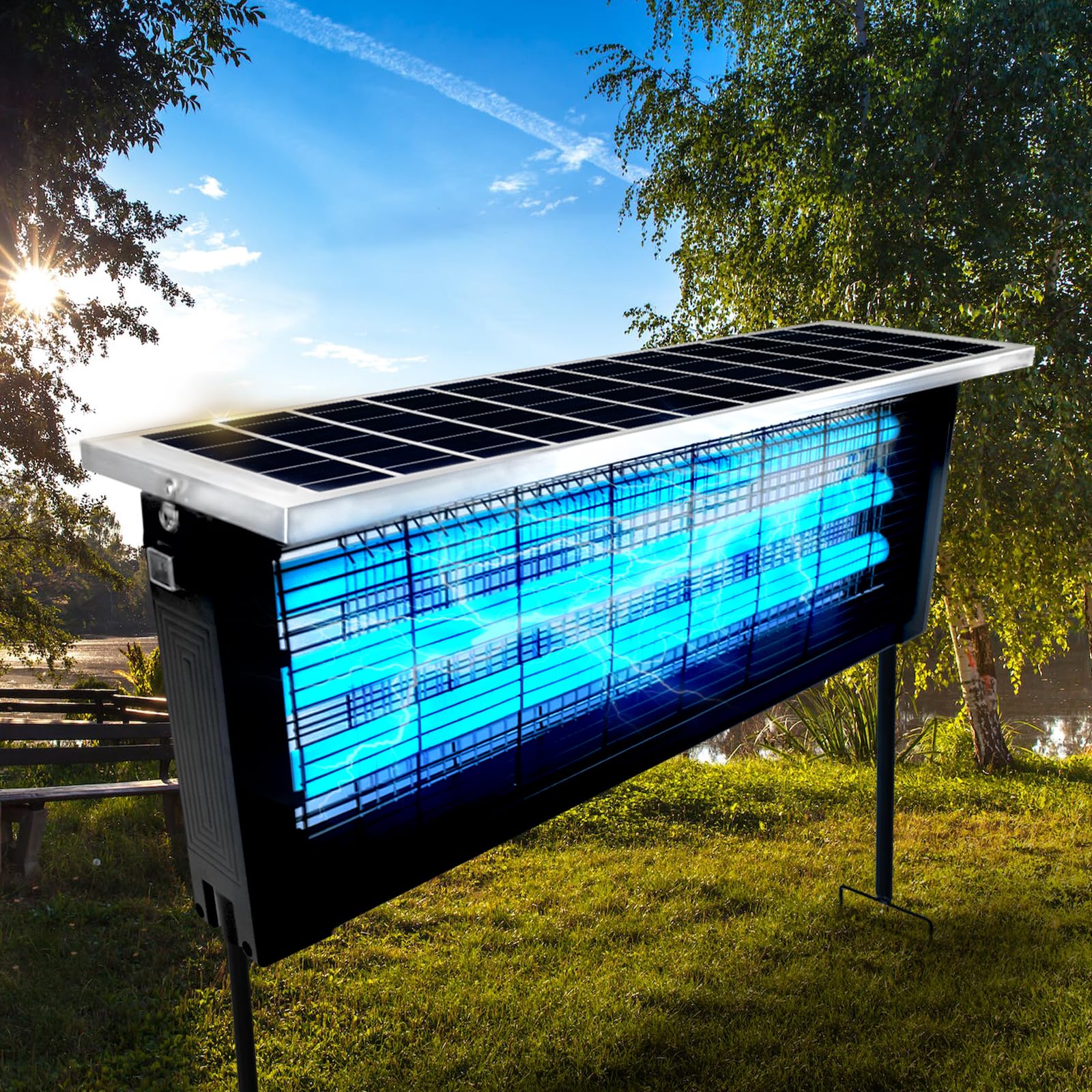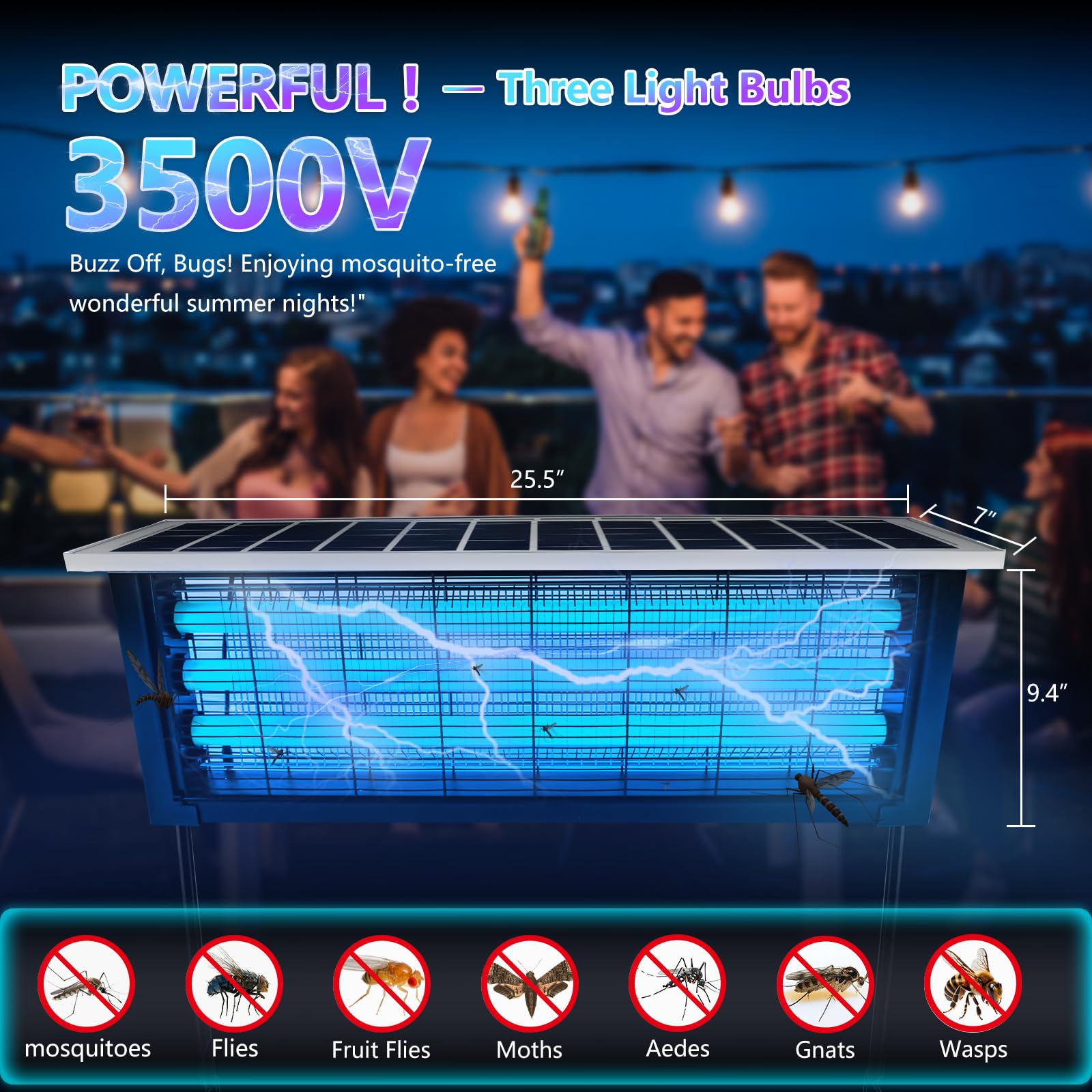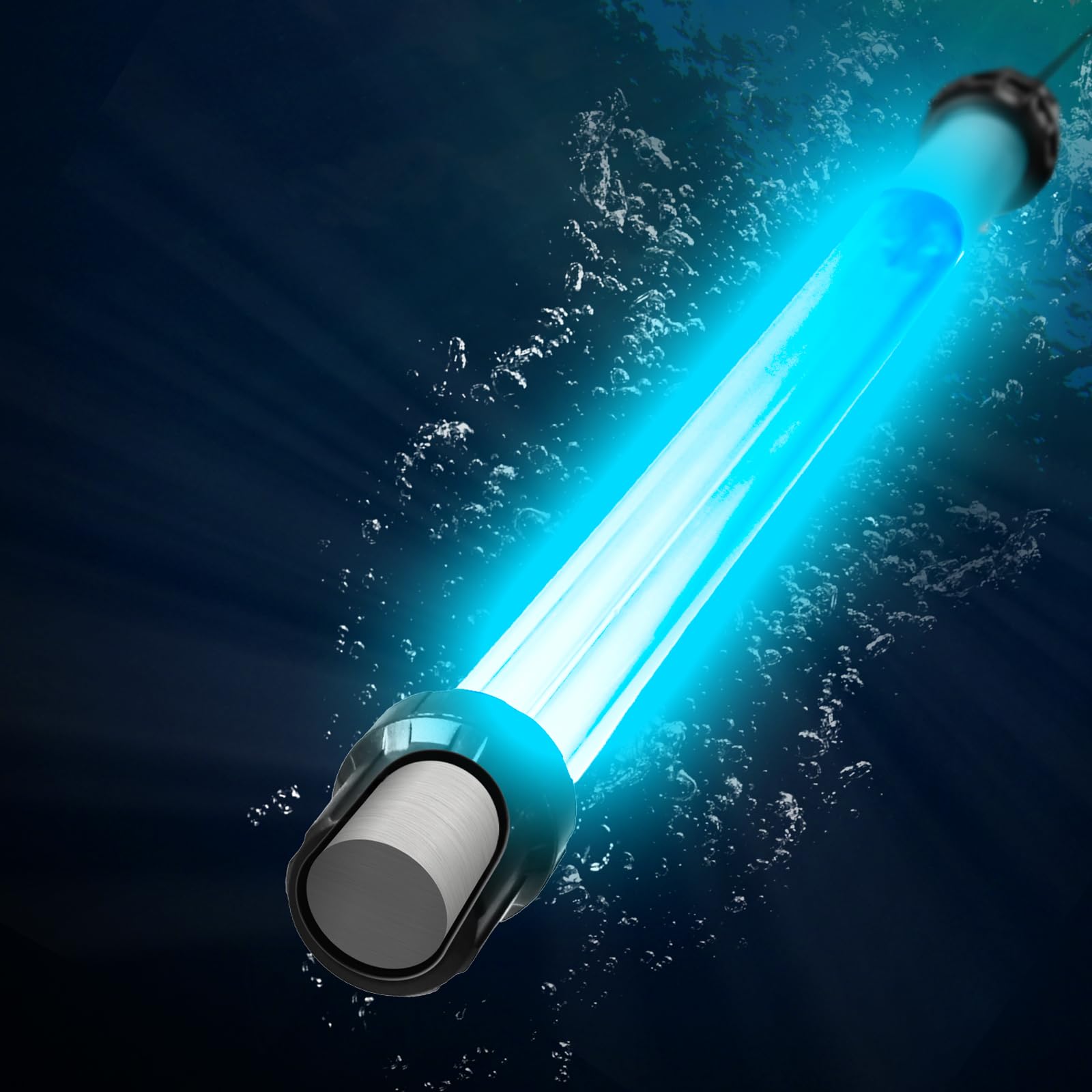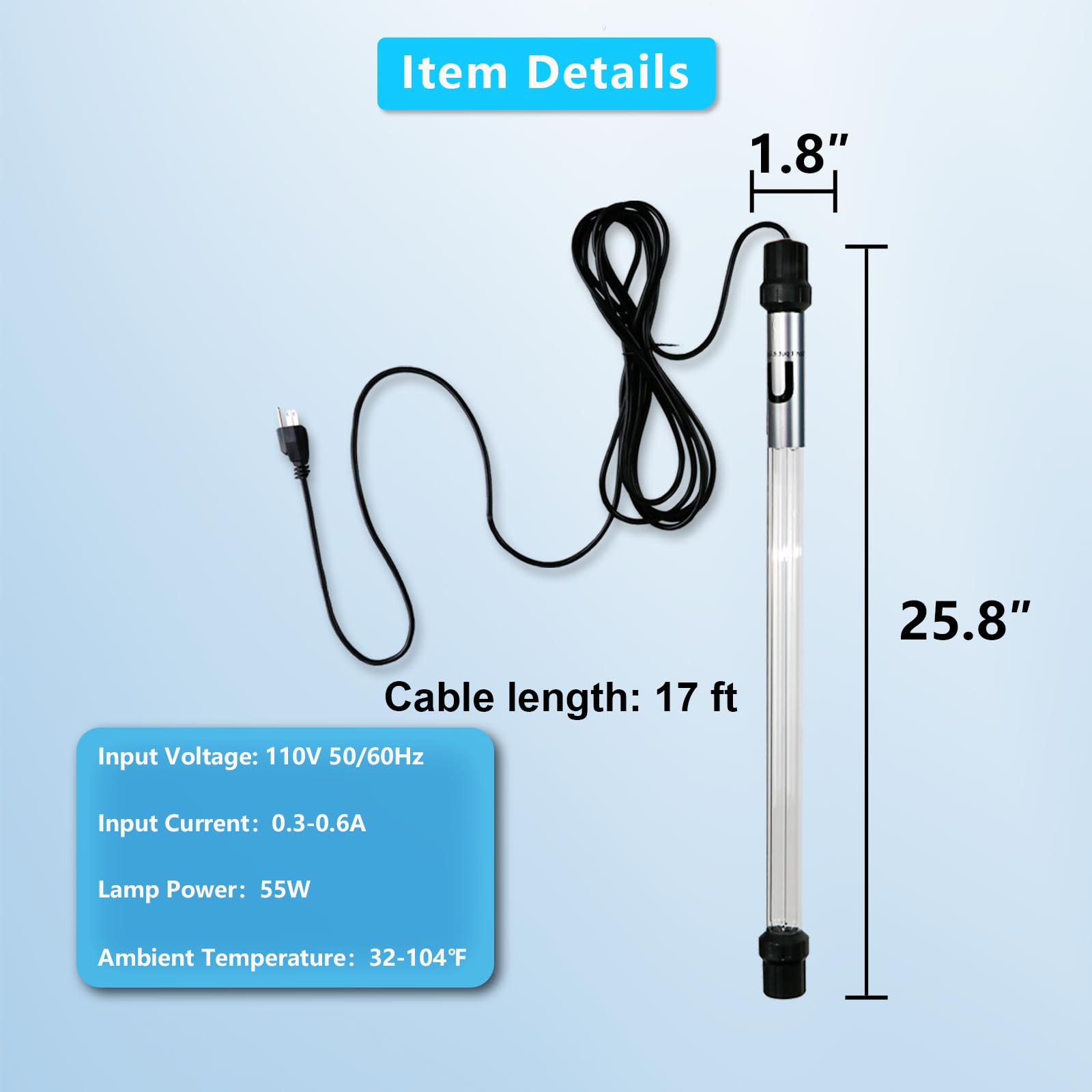

When your mosquito killer lamp suddenly stops working, the first instinct is almost always the same: replace the tube. After all, the UV bulb is the most visible and commonly discussed component. You install a brand-new tube, flip the switch with confidence… and nothing happens.
No glow. No buzzing. No electric grid activity.
At this moment, many users assume the new bulb is defective or that the entire device has reached the end of its life. In reality, there’s a high chance you’ve overlooked one of the most critical components inside the system — the ballast.
This guide explains in depth:
- What a ballast actually does
- Why replacing the tube doesn’t always fix the issue
- How to diagnose ballast failure safely
- Repair and replacement options
- Preventive maintenance strategies
- How ballast health directly affects mosquito-killing efficiency
Whether you're a DIY enthusiast, outdoor equipment user, or someone maintaining multiple bug zappers, understanding the ballast can save money, extend device lifespan, and restore performance instantly.
Understanding How a Mosquito Killer Lamp Works
Before diagnosing problems, it helps to understand how the system operates as a whole.
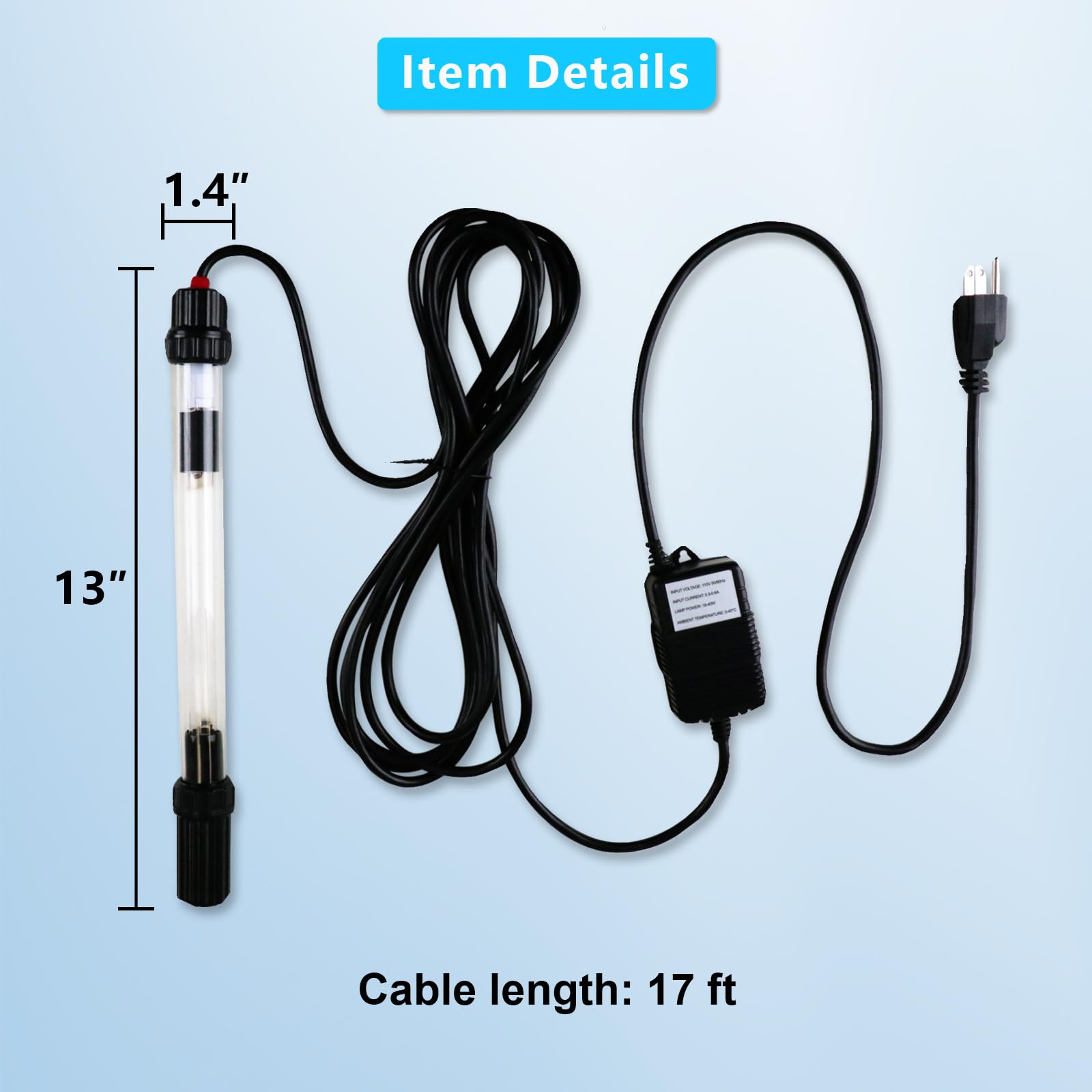
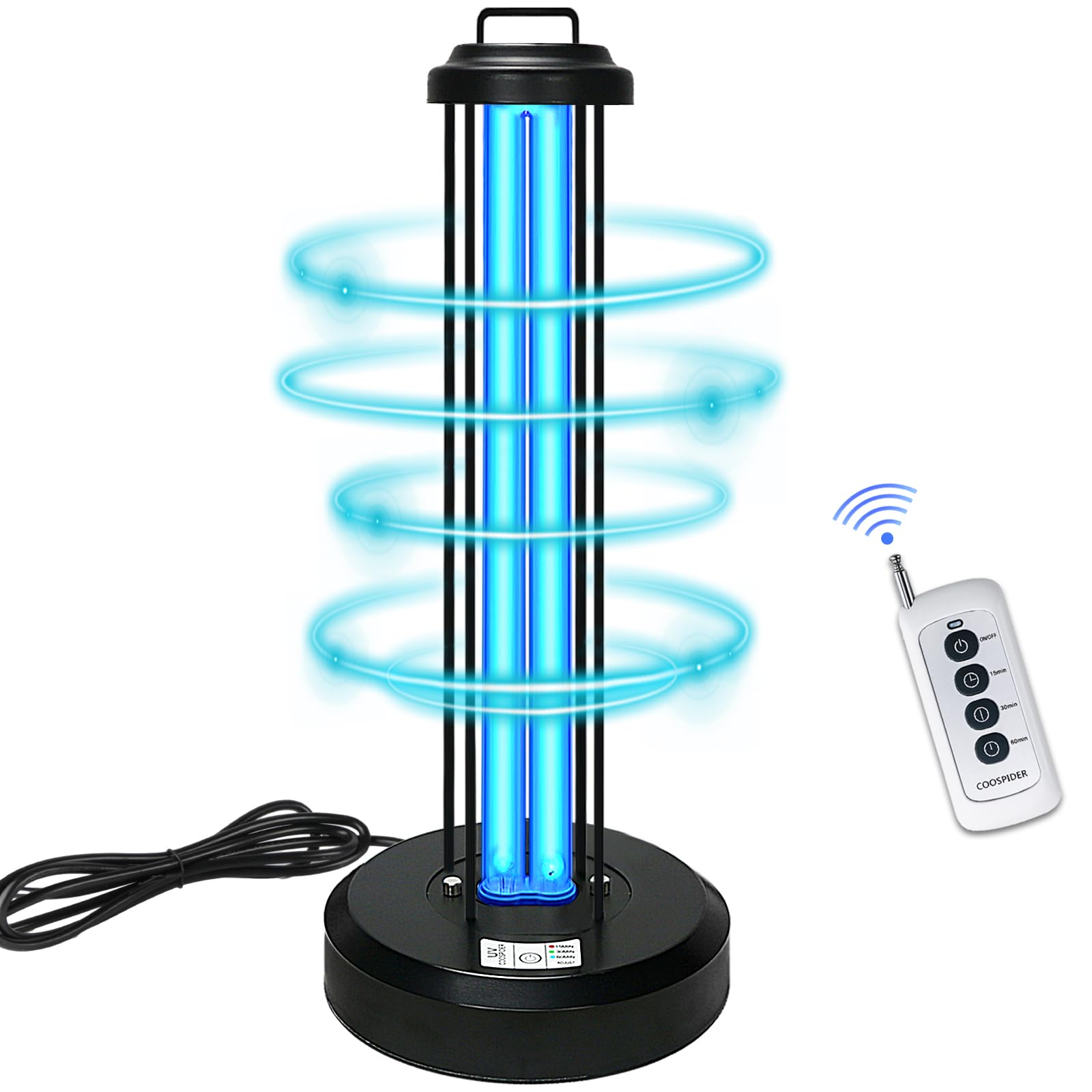
A typical electric mosquito killer lamp contains four main functional parts:
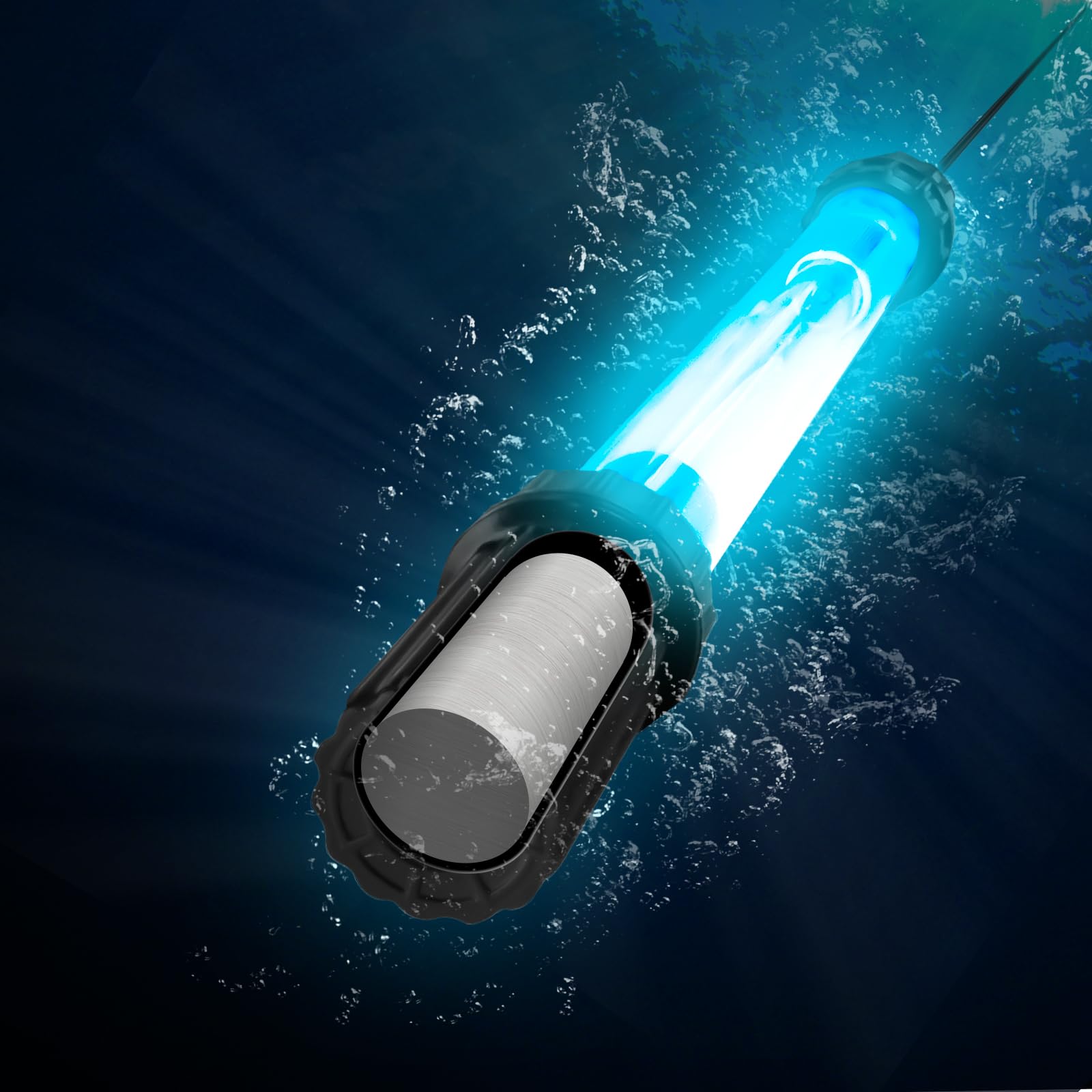
- UV fluorescent tube – attracts insects using ultraviolet light.
- Ballast – regulates electrical current and starts the lamp.
- High-voltage grid – electrocutes insects when they make contact.
- Power supply and control circuitry – distributes electricity safely.
Most failures occur not because of the tube itself but because the electrical environment needed to power the tube is no longer stable.
The UV tube is not designed to run directly on household voltage. It requires controlled current and a starting surge — and that’s exactly what the ballast provides.
Without a functioning ballast, even a brand-new tube remains completely dark.
What Is a Ballast and Why Is It Essential?
A ballast is an electrical device that performs two essential tasks:
1. Starting the Lamp
Fluorescent and UV tubes require a high initial voltage spike to ionize gas inside the tube. The ballast generates this starting condition.
2. Regulating Current
Once the lamp turns on, resistance inside the tube drops dramatically. Without regulation, current would increase uncontrollably and destroy the lamp instantly.
The ballast limits and stabilizes electrical flow so the tube operates safely.
Think of it like the transmission in a car — the engine (power supply) may work perfectly, but without controlled delivery, nothing moves correctly.
Why Replacing the Tube Often Doesn’t Solve the Problem
Many users assume bulbs are consumables while internal electronics last forever. Unfortunately, ballasts age just like tubes — sometimes faster.
Here are common scenarios:
| Symptom | Likely Cause |
|---|---|
| New tube doesn’t light | Dead ballast |
| Flickering after replacement | Weak ballast |
| Dim UV output | Current instability |
| Buzzing without illumination | Failed starter circuit |
| Lamp lights briefly then shuts off | Thermal protection triggered |
If your lamp stopped working suddenly rather than gradually dimming, ballast failure becomes highly likely.
Types of Ballasts Found in Mosquito Lamps
Understanding ballast types helps diagnose issues accurately.
Magnetic Ballasts
Older or budget mosquito lamps often use magnetic ballasts.
Characteristics:
- Heavy metal core
- Audible humming sound
- Generates heat
- Lower efficiency
- Longer warm-up time
Common failure causes:
- Coil insulation breakdown
- Overheating
- Moisture corrosion
Electronic Ballasts
Modern devices increasingly use electronic ballasts.
Characteristics:
- Lightweight
- Silent operation
- Instant start
- Higher energy efficiency
- Better UV stability
Common failure causes:
- Capacitor aging
- Voltage spikes
- Water intrusion
- Component fatigue
Electronic ballasts often fail suddenly rather than gradually.
Signs Your Ballast Is the Real Problem
Here are reliable indicators experienced repairers look for.
1. No Light with a Known Working Tube
The fastest diagnostic step:
Install the tube into another working device (if available).
If it lights elsewhere, your ballast is likely defective.
2. Burn Marks or Electrical Smell
Open the housing carefully and check for:
- Darkened circuit areas
- Melted insulation
- Burnt odor
These signs strongly suggest ballast failure.
3. Intermittent Operation
Lamp turns on only when:
- Tapped lightly
- Tilted
- Power cable moved
This usually indicates internal ballast connection failure.
4. Excessive Heat
A failing ballast often becomes unusually hot before complete failure.
5. Grid Still Has Power but No UV Light
If indicator LEDs or fans operate normally but the UV tube remains off, power delivery exists — but regulation does not.
That points directly to the ballast.
Safety First: Before You Open the Lamp
Mosquito killer lamps contain high voltage components capable of delivering dangerous shocks even when unplugged.
Always follow these precautions:
- Disconnect power completely.
- Wait at least 10 minutes before opening.
- Discharge capacitors using an insulated resistor if experienced.
- Never touch grid wiring directly.
- Work in a dry environment.
If unsure, consult a technician.
Step-by-Step Ballast Diagnosis
Step 1: Visual Inspection
Remove outer housing and locate the ballast module.
Look for:
- Swollen capacitors
- Loose wires
- Corrosion
- Cracked solder joints
Step 2: Check Wiring Connections
Loose connectors are surprisingly common.
Gently reseat:
- Tube socket wires
- Power input wires
- Ground connections
Many “dead” lamps revive immediately after reseating connectors.
Step 3: Use a Multimeter
If you’re comfortable using electrical tools:
- Verify input voltage reaches ballast.
- Check continuity where applicable.
- Inspect fuse components.
No output despite proper input indicates internal ballast failure.
Step 4: Listen Carefully
Electronic ballast symptoms:
- Clicking sounds
- High-pitched whining
- Repeated start attempts
These indicate startup circuitry failure.
Repair vs Replacement: Which Is Better?
Repairing a Ballast
Possible when failure involves:
- Blown capacitor
- Broken solder joint
- Loose connector
DIY electronics hobbyists often repair these cheaply.
However, component-level repair requires skill.
Replacing the Ballast
Usually the more practical solution.
Advantages:
- Faster
- Reliable
- Restores full efficiency
- Reduces fire risk
Replacement cost is often far lower than buying a new lamp.
How to Choose the Correct Replacement Ballast
Match these specifications carefully:
- Lamp wattage (e.g., 10W, 15W, 20W)
- Tube type (T5, T8, PL, etc.)
- Input voltage (110–120V in the U.S.)
- Start type (instant start or preheat)
- Outdoor rating if used outside
Incorrect matching can damage both ballast and tube.
Installation Overview
General steps include:
- Photograph original wiring before removal.
- Disconnect old ballast.
- Mount new ballast securely.
- Reconnect wires exactly as before.
- Reassemble housing.
- Test briefly before full closure.
Always keep wiring away from the high-voltage grid.
Why Ballast Health Affects Mosquito Killing Efficiency
Even when a failing ballast still lights the tube, performance may be dramatically reduced.
A weak ballast causes:
- Lower UV intensity
- Reduced insect attraction radius
- Inconsistent discharge
- Increased tube wear
You may think mosquito populations increased — when actually UV output decreased.
Proper current regulation ensures peak ultraviolet emission, which directly correlates with attraction effectiveness.
Environmental Factors That Kill Ballasts Early
Outdoor mosquito lamps face harsh conditions.
Moisture
Humidity causes corrosion and electrical leakage.
Heat
High temperatures accelerate capacitor aging.
Voltage Fluctuations
Outdoor outlets often experience unstable voltage.
Insect Debris
Organic residue traps heat and blocks airflow.
Preventing Future Ballast Failures
Keep Ventilation Clear
Dust buildup raises internal temperature dramatically.
Clean vents monthly during peak season.
Avoid Continuous 24/7 Operation
Running nonstop shortens electronic lifespan.
Use timers when possible.
Protect from Rain Exposure
Even “outdoor rated” devices benefit from partial shelter.
Seasonal Storage
If unused during winter:
- Clean thoroughly
- Store indoors
- Avoid damp garages
Electronics last significantly longer when protected off-season.
Upgrading Opportunity: Modern Electronic Ballasts
If replacing an older magnetic ballast, upgrading offers major benefits:
- Instant startup
- Lower power consumption
- Quieter operation
- Longer tube lifespan
- More stable UV wavelength output
Many users report noticeably improved insect capture after upgrading.
Common Mistakes People Make
Assuming New Tube Equals Fixed Problem
The most frequent error.
Buying Random Replacement Parts
Electrical compatibility matters more than physical size.
Ignoring Early Flickering
Flickering often precedes ballast failure by weeks.
Skipping Cleaning Before Diagnosis
Blocked airflow can mimic electrical problems.
Troubleshooting Checklist
Before discarding your lamp, confirm:
- ✅ Tube verified working elsewhere
- ✅ Power outlet functional
- ✅ Wiring intact
- ✅ No visible corrosion
- ✅ Ballast receiving power
If all are true and the tube remains dark, ballast replacement is the logical next step.
When Replacement Isn’t Worth It
Consider replacing the entire device if:
- Housing is cracked or brittle
- Grid wiring heavily corroded
- Multiple electrical failures exist
- Replacement parts exceed half the cost of a new unit
Otherwise, ballast replacement is often the smartest repair.
The Hidden Value of Learning This Repair
Understanding ballast function transforms how you maintain electrical devices.
You gain:
- Reduced equipment waste
- Lower maintenance costs
- Faster troubleshooting confidence
- Extended product lifespan
Many devices discarded as “dead” are simply suffering from a failed ballast — one of the easiest major components to replace.
Final Thoughts
If you replaced the tube in your mosquito killer lamp and nothing happened, don’t assume the device is finished.
The ballast quietly controls everything behind the scenes:
- It starts the lamp.
- It stabilizes power.
- It determines brightness.
- It influences insect attraction effectiveness.
When it fails, the entire system appears lifeless — even though most components remain perfectly usable.
By learning how to recognize ballast problems, diagnose symptoms, and perform safe replacements, you turn a frustrating mystery into a straightforward repair.
Next time your lamp refuses to glow, remember:
The tube might be new — but the real issue could be the unseen electrical heart powering it.
And fixing that one component may bring your mosquito defense system back to life instantly.