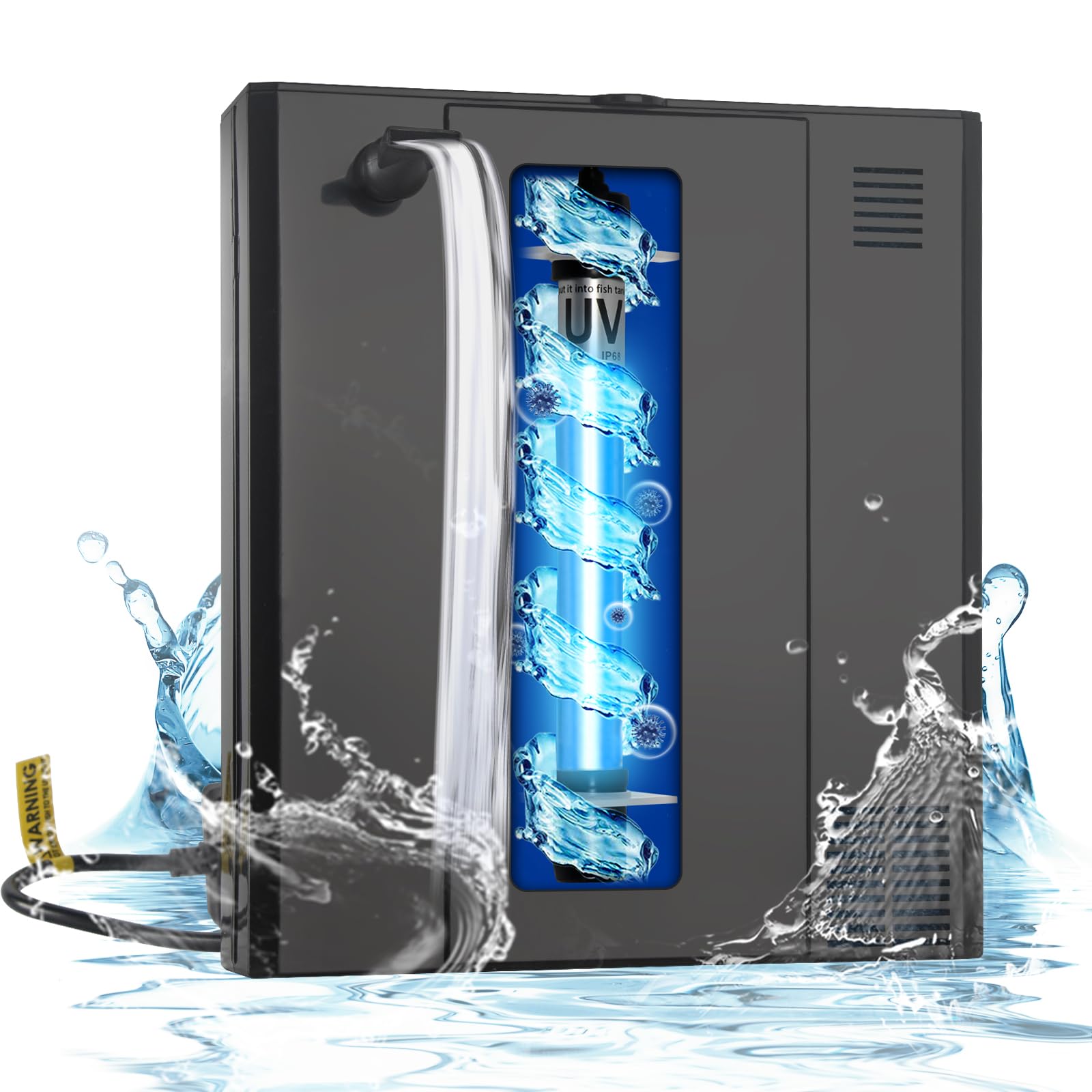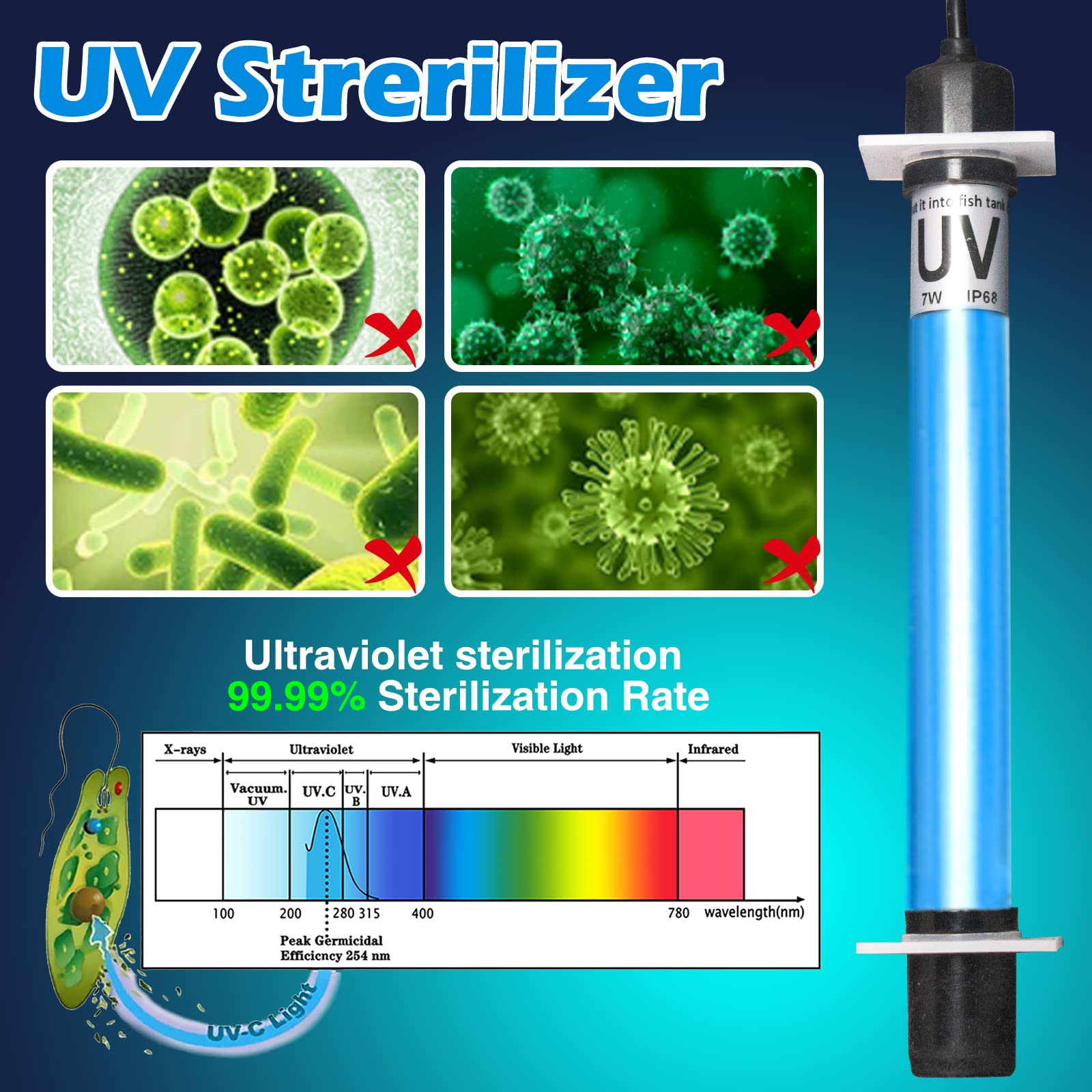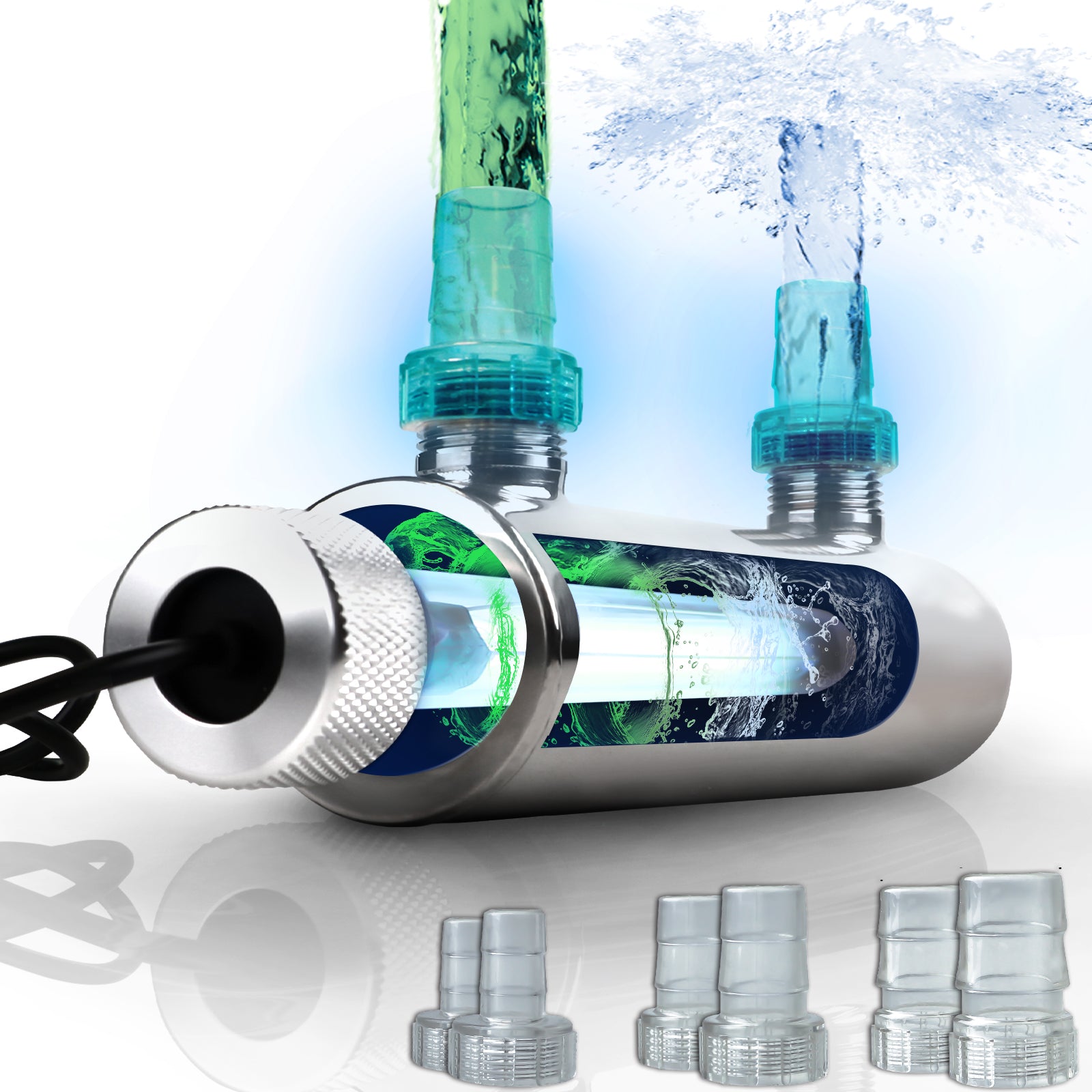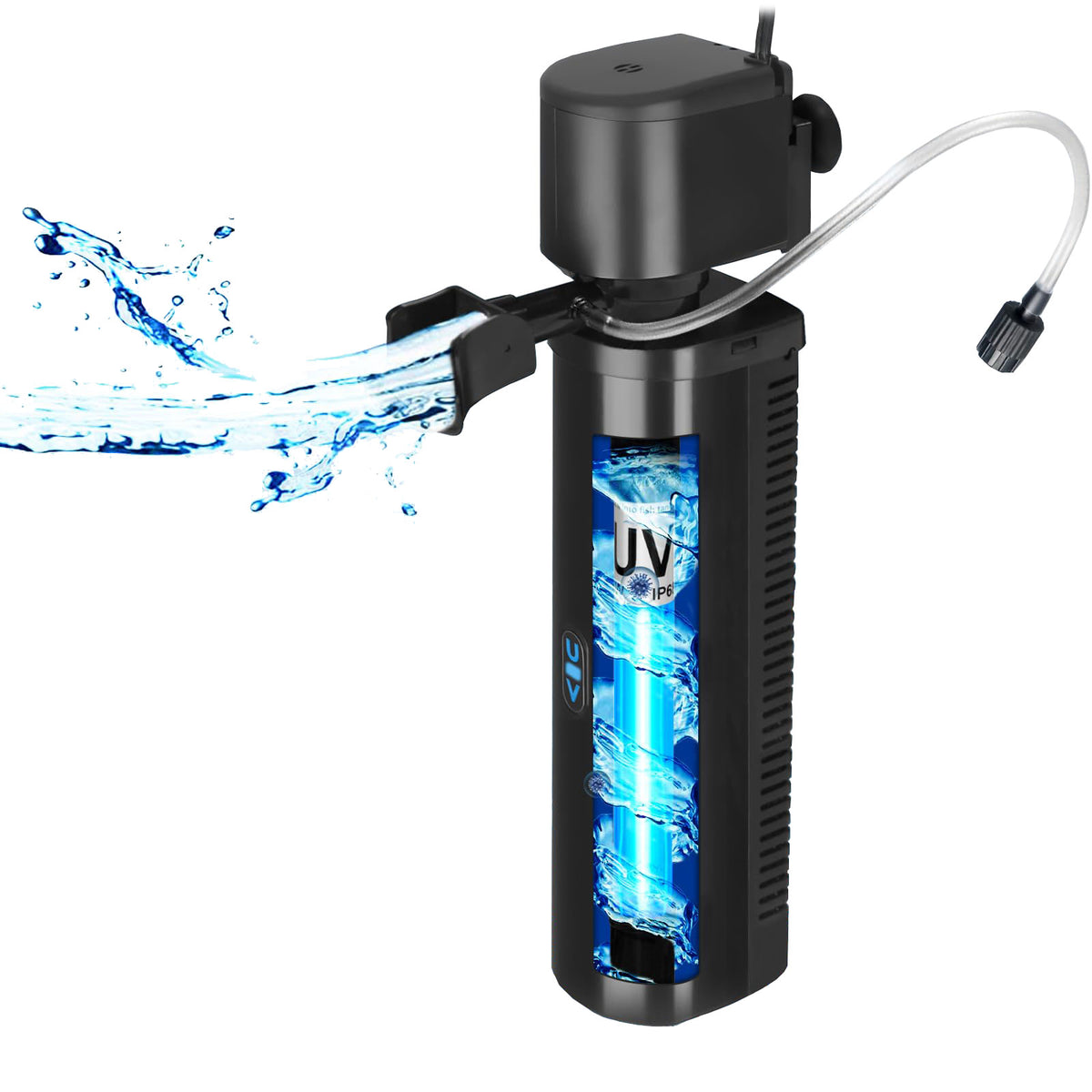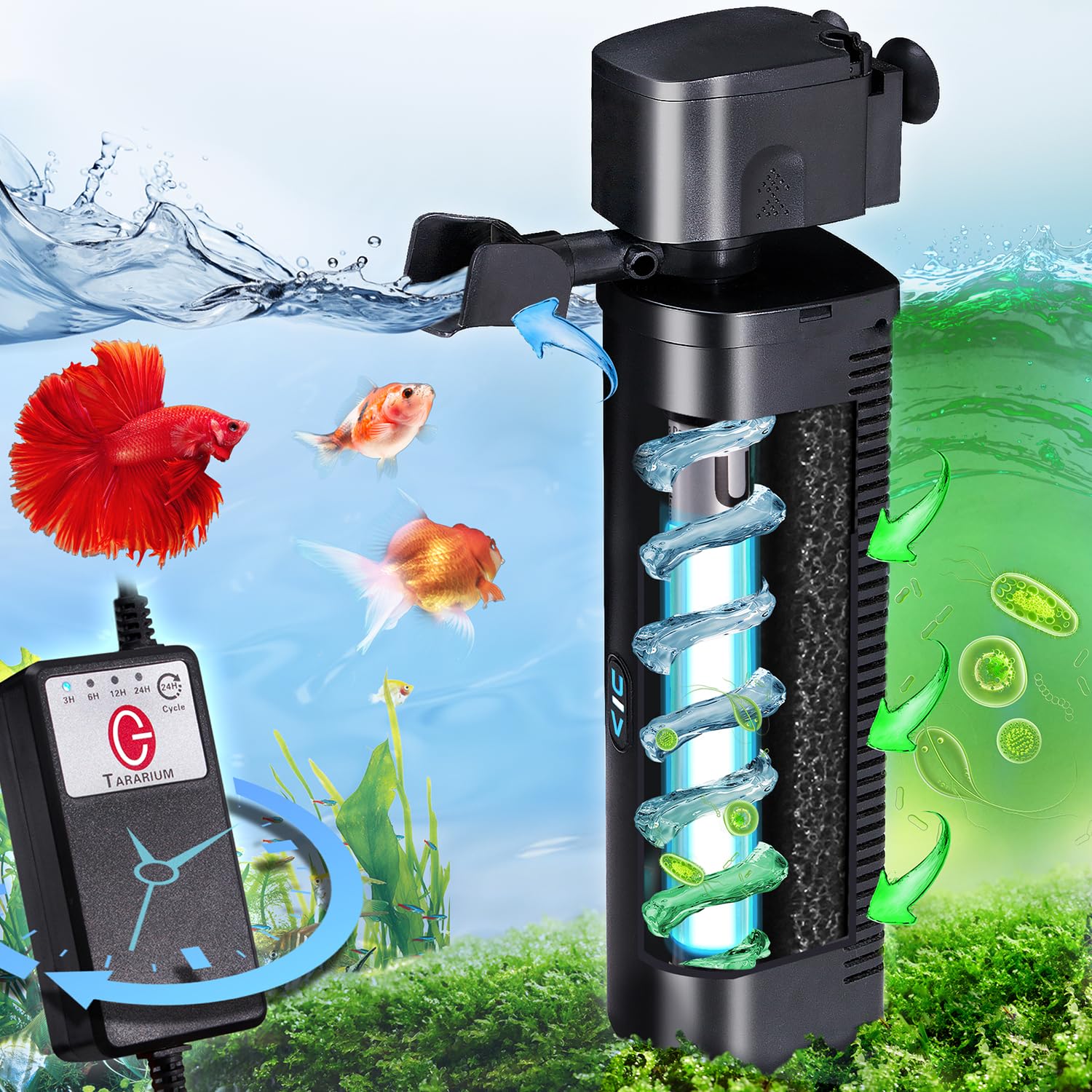
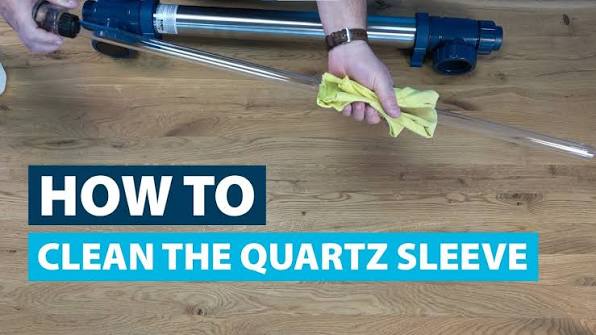
Introduction: Why Quartz Sleeve Maintenance Is Essential for UV Sterilizer Performance
Ultraviolet (UV) sterilizers are widely used in water treatment, industrial processing, aquaculture, swimming pools, food and beverage production, and other applications where controlling microorganisms is essential. These systems use ultraviolet light to inactivate bacteria, viruses, and other microorganisms without necessarily adding chemical disinfectants to the treatment process.
However, the effectiveness of a UV sterilizer depends on more than the ultraviolet lamp itself.
One of the most important yet frequently overlooked components is the quartz sleeve.
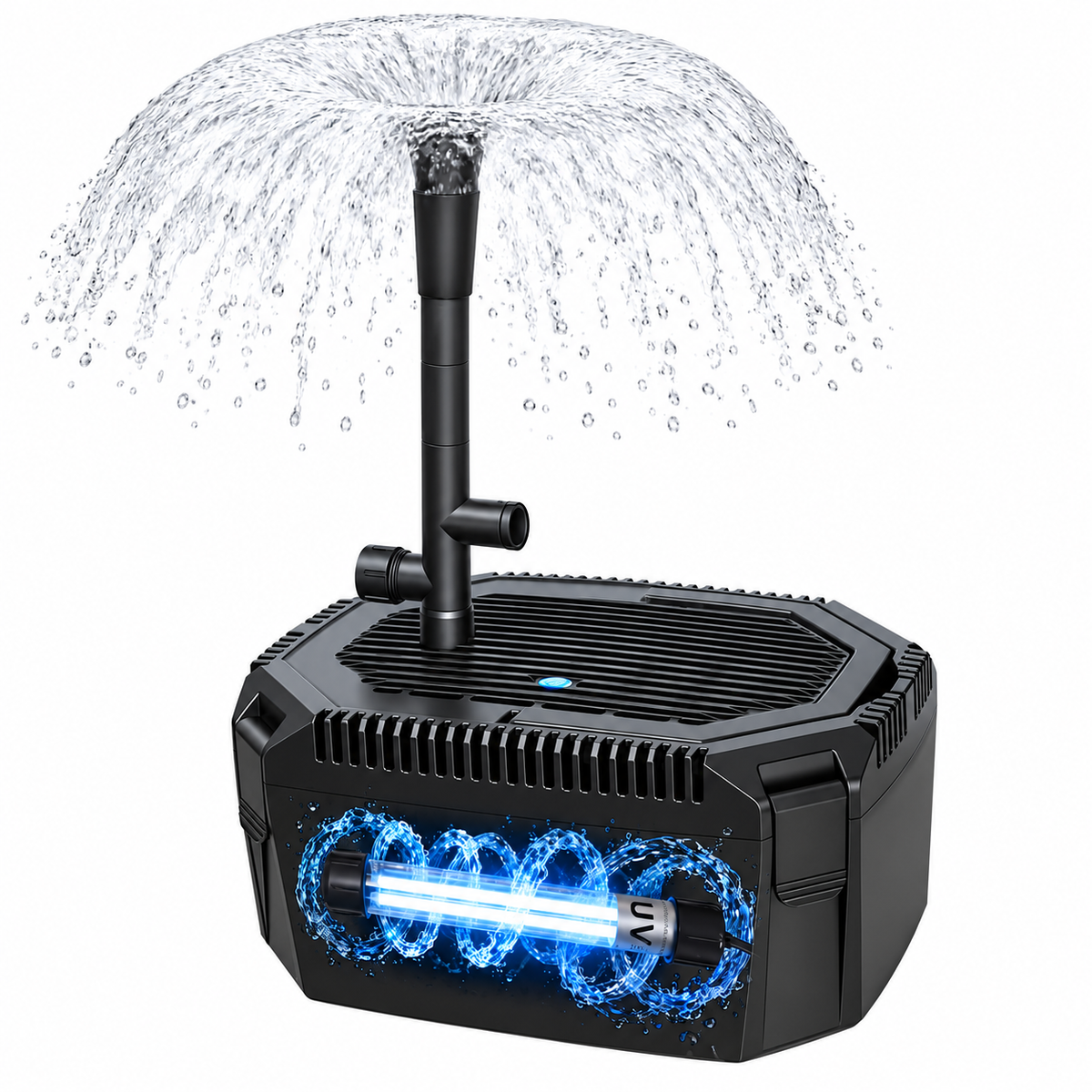
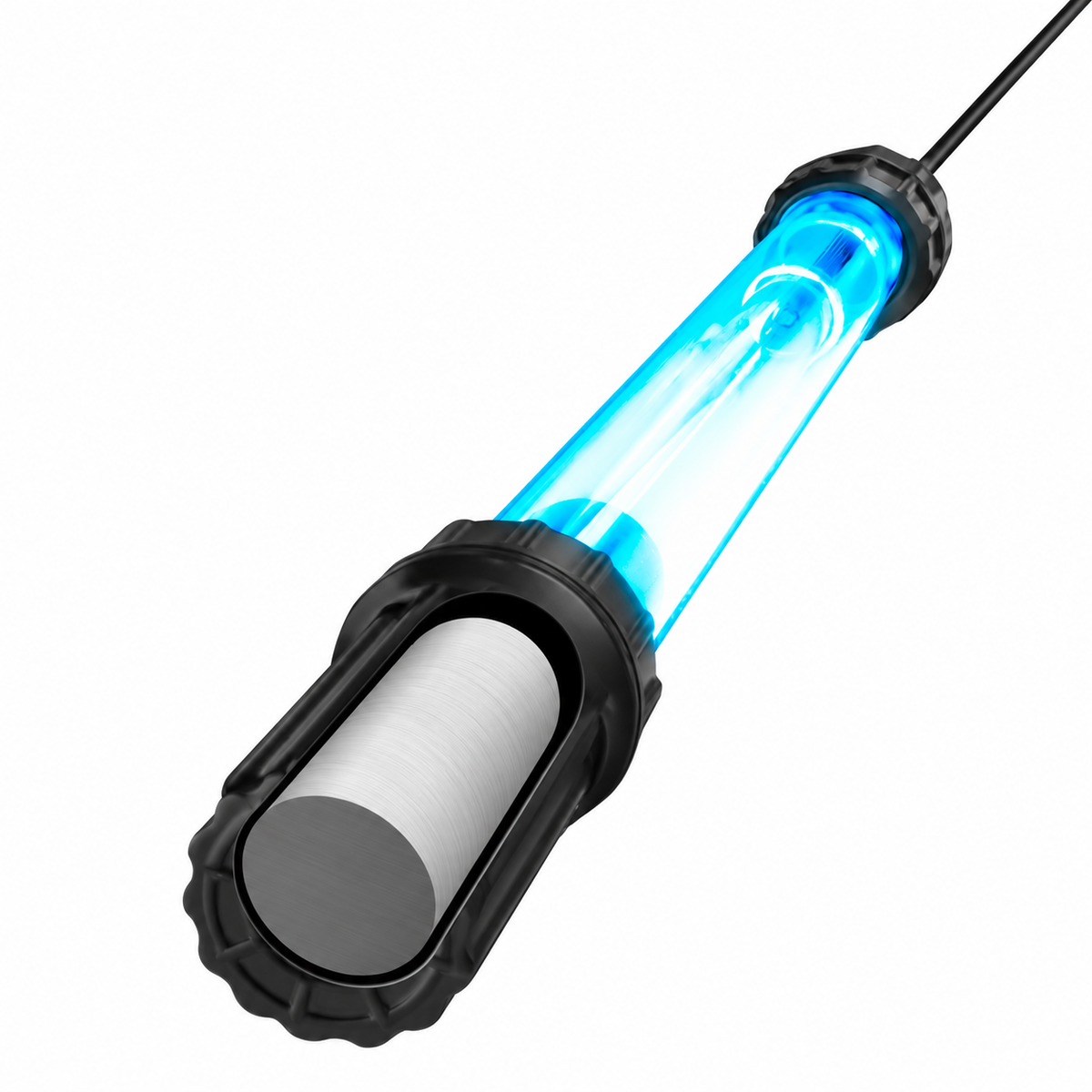
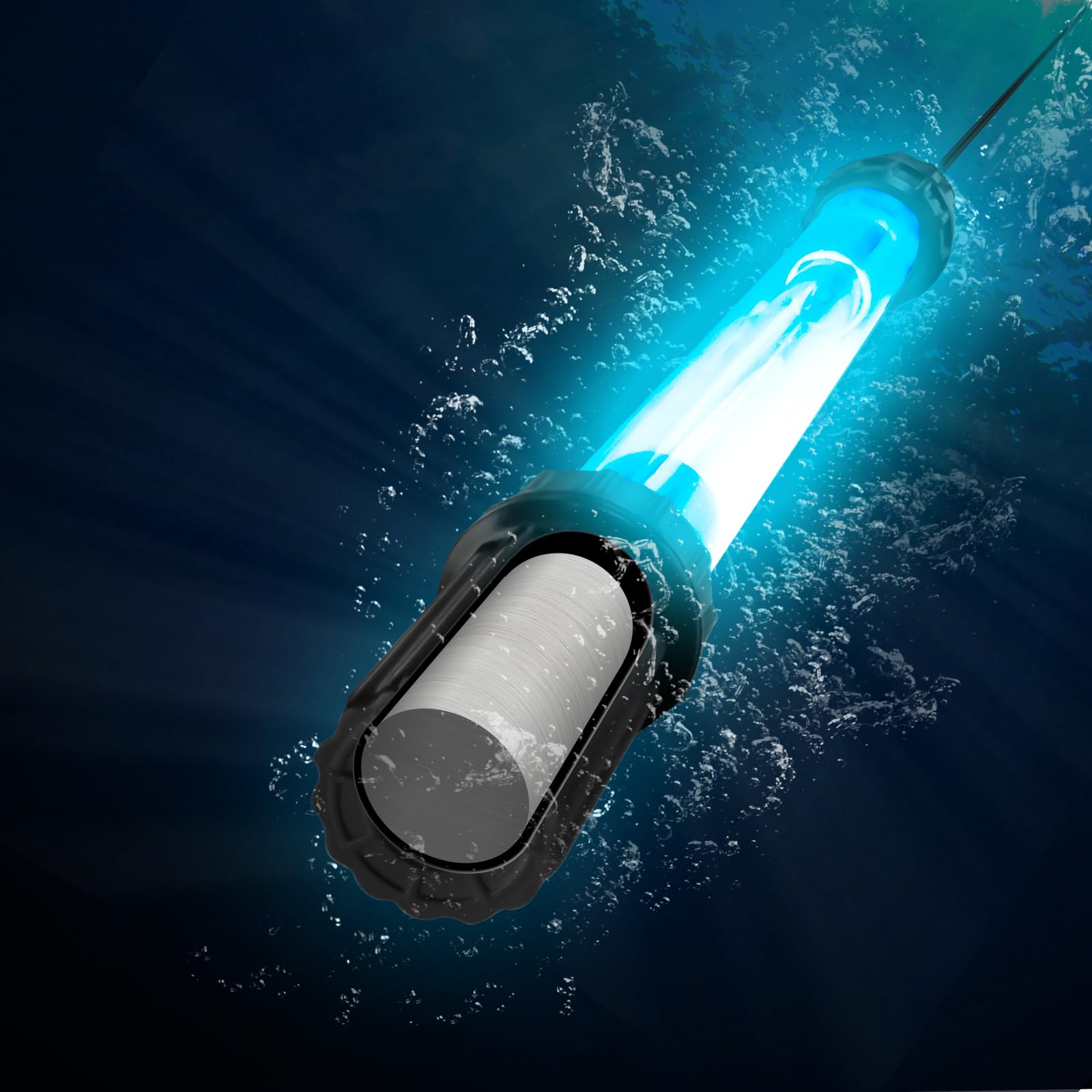
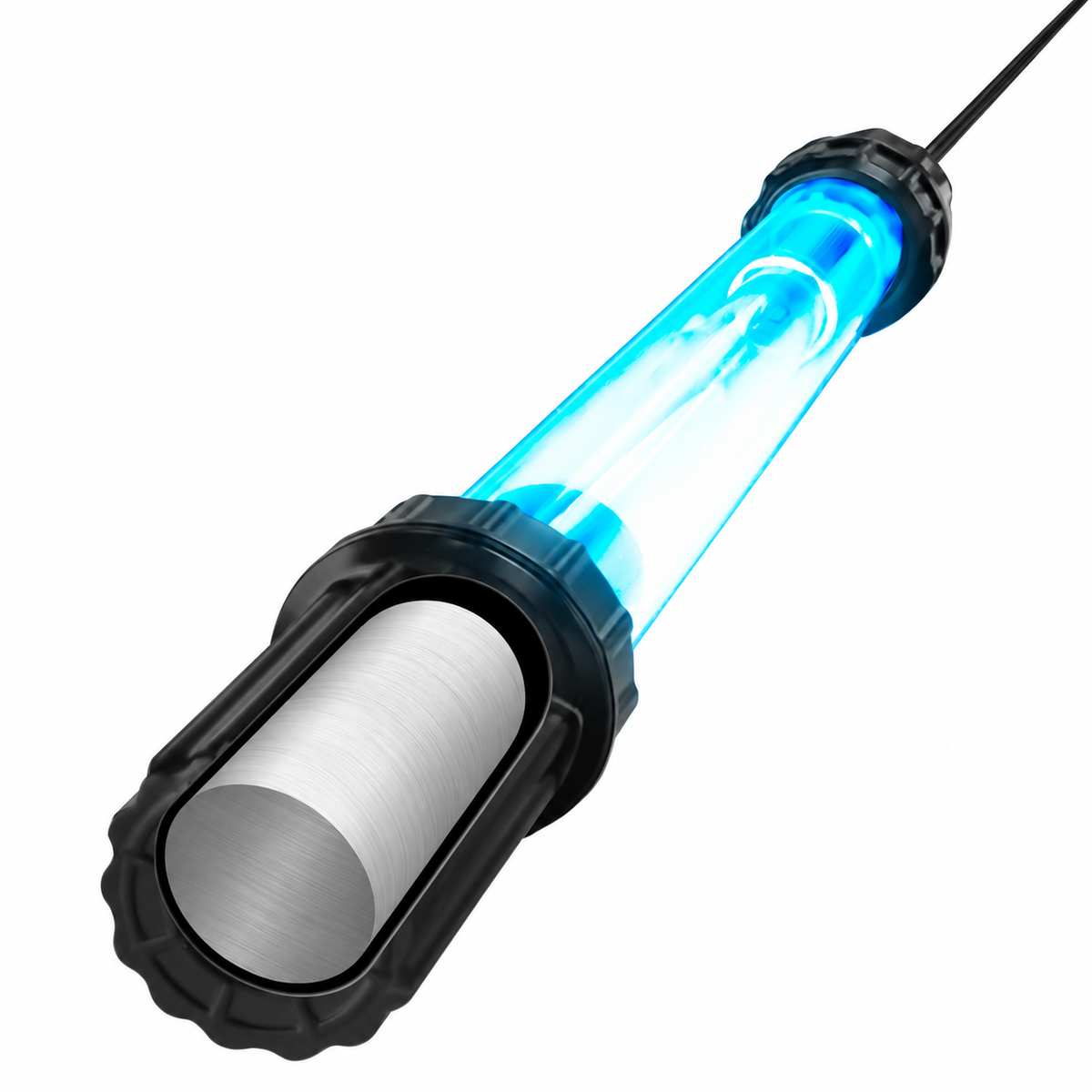
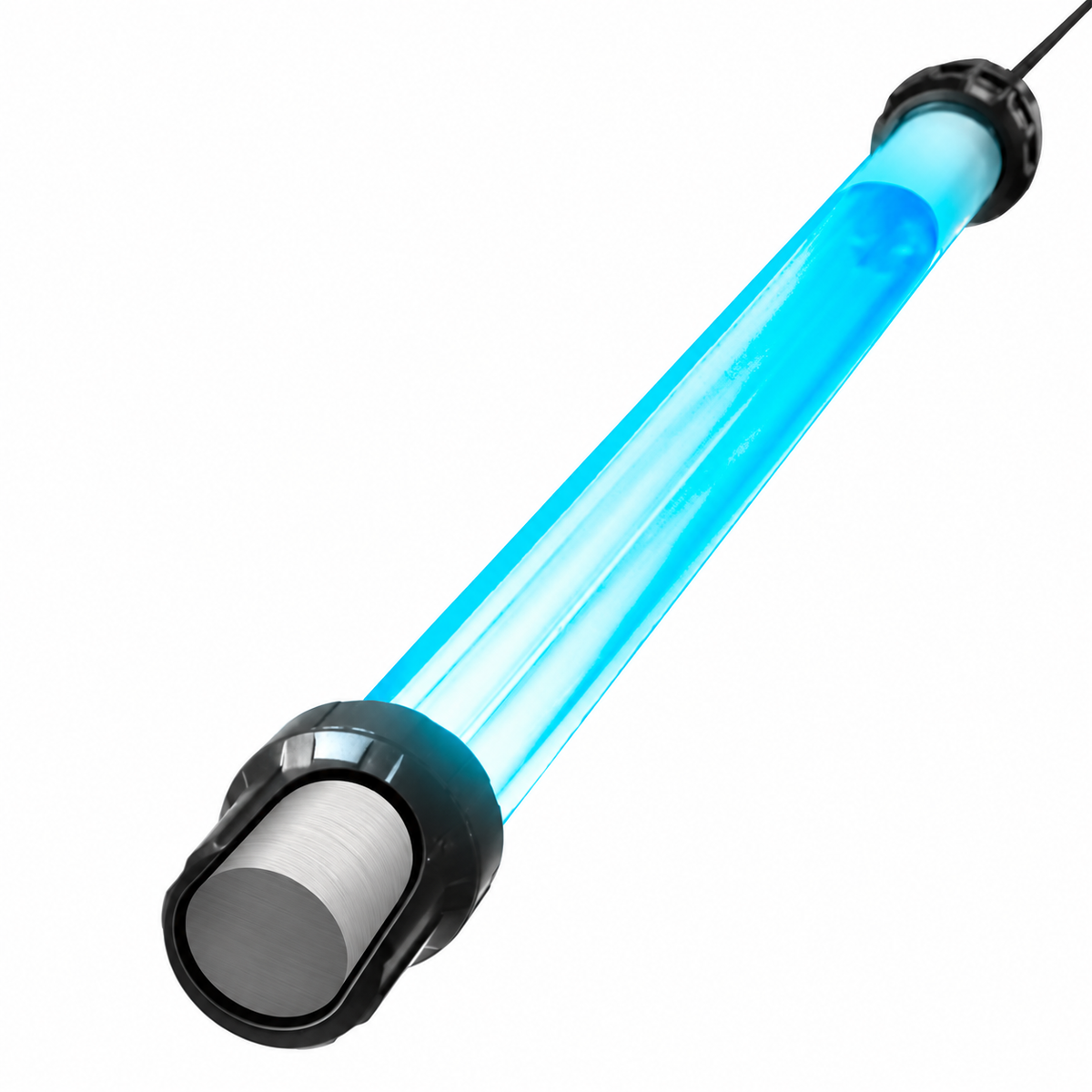
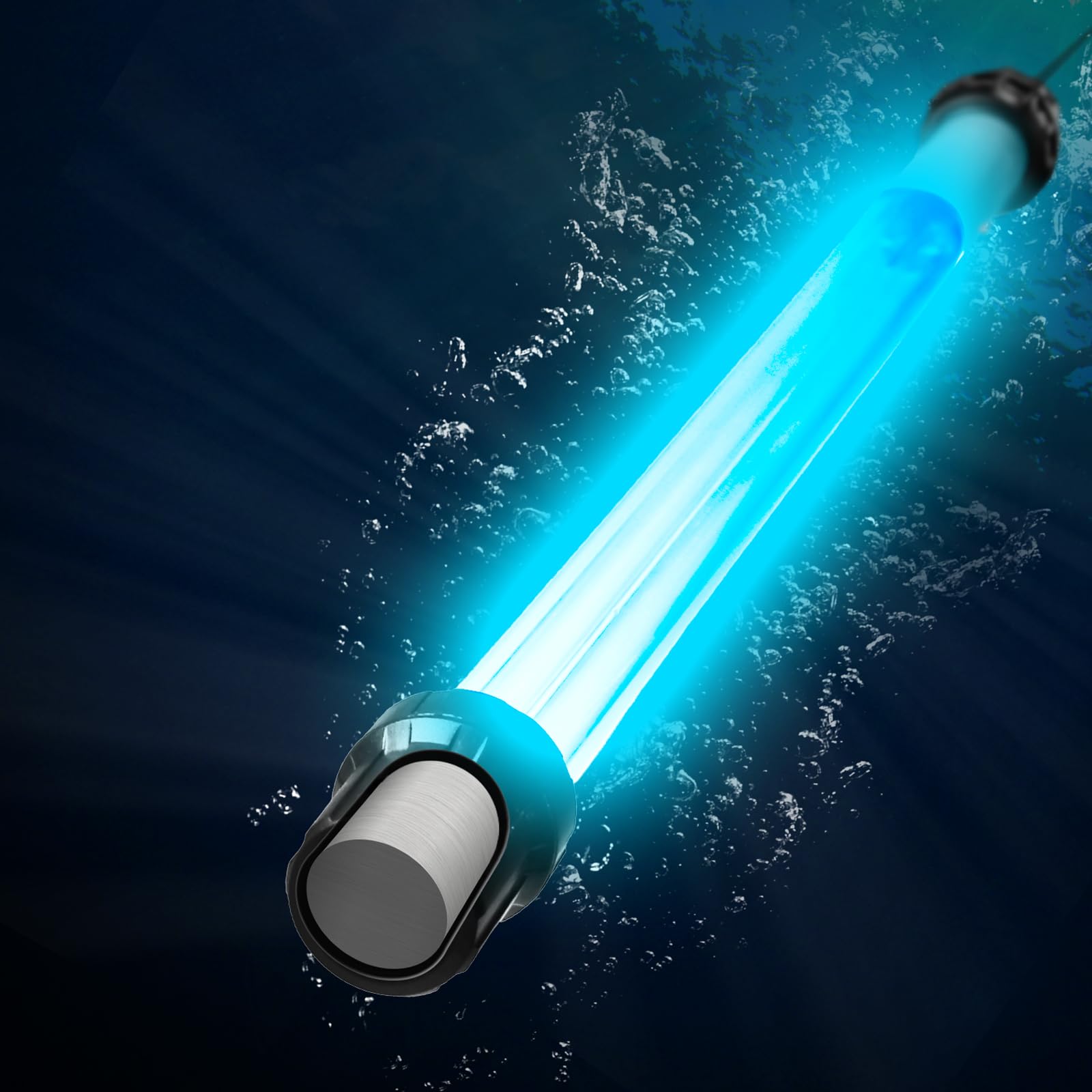
A quartz sleeve is a transparent protective tube that separates the UV lamp from the surrounding water or process fluid. Its primary purpose is to protect the electrical lamp assembly while allowing germicidal ultraviolet radiation to pass through and reach the treatment medium.
Over time, quartz sleeves can accumulate mineral deposits, organic matter, biofilm, and other contaminants. These deposits gradually reduce UV transmission, potentially compromising disinfection performance even when the UV lamp continues operating normally.
For businesses that depend on reliable ultraviolet water treatment, neglecting quartz sleeve maintenance can result in reduced treatment efficiency, unnecessary energy consumption, increased equipment costs, and potential water quality problems.
The good news is that proper cleaning and preventive maintenance can help extend quartz sleeve service life, protect equipment, and maintain consistent UV disinfection performance.
In this comprehensive guide, we explain how to clean quartz sleeves in UV sterilizers, identify common contamination problems, choose suitable cleaning methods, establish maintenance schedules, and determine when replacement is necessary.
Whether you operate a residential UV water purifier, commercial UV disinfection system, industrial UV reactor, or aquaculture UV sterilizer, understanding quartz sleeve maintenance is essential for dependable operation.
1. What Is a Quartz Sleeve in a UV Sterilizer?
A quartz sleeve is a cylindrical tube manufactured from specially formulated quartz glass, often high-purity fused silica, that surrounds and protects the ultraviolet lamp inside a UV sterilization chamber.
Unlike ordinary glass, appropriately specified quartz materials can transmit significant amounts of germicidal ultraviolet radiation.
This property makes quartz suitable for UV disinfection equipment.
1.1 The Basic Structure of a UV Sterilizer
A typical UV water sterilizer contains several essential components:
-
UV lamp: Generates ultraviolet radiation that inactivates microorganisms.
-
Quartz sleeve: Protects the lamp while transmitting ultraviolet energy.
-
Reactor chamber: Directs water or another treatment medium through the exposure area.
-
Electronic ballast or power supply: Provides the electrical power required by the UV lamp.
-
Sealing components: Prevent water from entering electrical areas and protect the integrity of the reactor.
-
Control system: Monitors operating conditions and may provide alarms or maintenance notifications.
-
UV intensity sensor: On certain systems, measures ultraviolet intensity to support performance monitoring.
During normal operation, water flows through the reactor chamber and passes around the quartz sleeve.
Ultraviolet radiation travels from the lamp, through the sleeve, and into the surrounding water.
Microorganisms exposed to an adequate UV dose may lose their ability to reproduce or infect.
The effectiveness of this process depends on the delivered UV dose, which is influenced by UV intensity, exposure time, water quality, reactor design, and operating conditions.
1.2 Why Quartz Is Used Instead of Ordinary Glass
Ordinary window glass absorbs much of the short-wavelength ultraviolet radiation used in common germicidal applications.
Quartz materials, by comparison, can be engineered to provide much higher transmission at relevant wavelengths.
Traditional low-pressure mercury UV lamps commonly emit germicidal radiation near 254 nanometers, while other disinfection technologies may operate at different UV wavelengths.
Quartz sleeve material must therefore be selected to match the optical characteristics and operating conditions of the UV system.
Not every quartz tube has identical UV transmission.
Material purity, wall thickness, manufacturing quality, surface finish, and operating wavelength all influence performance.
1.3 The Quartz Sleeve's Protective Function
Besides transmitting ultraviolet radiation, the quartz sleeve forms an important physical barrier.
It helps prevent treated water from contacting the electrical lamp and associated connections.
It also allows certain lamp replacement procedures to be performed without directly exposing the lamp to the process fluid, although isolation and drainage requirements depend on system design.
A damaged sleeve can compromise this separation.
Therefore, quartz sleeve maintenance is not simply a cleaning task. It is also an important part of equipment inspection and operational safety.
2. Why Do Quartz Sleeves Become Dirty?
Even properly installed UV sterilizers can develop deposits on their quartz sleeves.
The rate of contamination depends on water chemistry, operating temperature, treatment conditions, and the effectiveness of upstream filtration.
Understanding what causes fouling makes it easier to choose an appropriate cleaning method.
2.1 Calcium and Magnesium Scale
Hard water contains dissolved minerals, particularly calcium and magnesium.
Under certain conditions, these minerals form deposits on exposed surfaces, including quartz sleeves.
Calcium carbonate scale commonly appears as a white or cloudy coating.
As mineral deposits accumulate, they can block or scatter ultraviolet radiation.
For UV systems processing hard water, mineral scaling is often a major maintenance concern.
2.2 Iron and Manganese Deposits
Groundwater and some industrial water sources contain dissolved iron or manganese.
When these metals undergo oxidation and precipitation, they can create colored deposits.
Iron contamination may produce yellow, orange, or reddish-brown staining.
Manganese deposits may appear dark brown or black.
These deposits can adhere strongly to quartz surfaces and may require cleaning methods different from those used for ordinary mineral scale.
2.3 Organic Matter and Biofilm
Water containing organic substances can leave films on quartz sleeves.
Under favorable conditions, microorganisms may also attach to surfaces and contribute to biofilm formation.
Biofilms can contain microorganisms, organic material, and other suspended or precipitated substances.
Their composition varies significantly depending on water quality and operating conditions.
A protective quartz sleeve does not eliminate the possibility of biological fouling on its exterior surface.
2.4 Suspended Sediment and Particles
Poorly filtered water may carry sand, silt, fine particles, or other suspended materials.
Some particles settle or accumulate on internal reactor surfaces.
Over time, they may contribute to sleeve contamination.
Abrasive particles can also increase the risk of surface damage during improper cleaning.
2.5 Industrial Chemical Residues
Industrial UV systems may process water containing specialized chemical compounds.
Depending on the application, residues may include:
-
Process-related organic compounds
-
Metal precipitates
-
Cleaning chemical residues
-
Dissolved salts
-
Industrial treatment additives
-
Suspended production materials
Because industrial water chemistry varies widely, cleaning procedures should be selected with the specific process and equipment manufacturer in mind.
3. How a Dirty Quartz Sleeve Affects UV Disinfection Efficiency
A contaminated quartz sleeve can negatively affect system performance in several ways.
3.1 Reduced Ultraviolet Transmission
The most direct consequence of quartz sleeve fouling is reduced UV transmission.
When mineral scale or organic material forms a coating on the sleeve, less ultraviolet radiation may reach the water.
Even though the lamp is operating, the actual delivered UV intensity can decline.
This is particularly important because visual observation of a glowing lamp does not confirm that the required germicidal dose is reaching the treatment medium.
3.2 Reduced Microbial Inactivation
Effective UV disinfection requires microorganisms to receive an adequate UV dose.
If sleeve contamination reduces the available UV intensity, the reactor may no longer deliver the dose required for its intended treatment objective.
The resulting performance loss depends on several variables, including the degree of fouling, flow rate, UV transmittance of the water, lamp condition, and reactor design.
For this reason, quartz sleeve cleanliness must be considered alongside overall UV system performance.
3.3 Higher Maintenance and Operating Costs
Severe fouling can lead to more frequent service interventions.
Operators may incorrectly assume that low UV intensity is caused by lamp aging and replace otherwise serviceable lamps.
In other cases, contamination can contribute to equipment alarms or operating interruptions.
Regular sleeve inspection helps prevent unnecessary troubleshooting and replacement expenses.
3.4 Increased Risk of Unexpected Downtime
Industrial and commercial UV systems may be integrated into continuous production processes.
Unexpected performance alarms or quartz sleeve failures can interrupt normal operations.
In facilities where UV treatment is a critical control measure, inadequate maintenance may have consequences beyond repair costs.
A preventive maintenance program helps operators identify deterioration before it becomes an operational problem.
4. How Often Should You Clean a UV Sterilizer Quartz Sleeve?
There is no universal cleaning interval suitable for every UV sterilizer.
The appropriate schedule depends primarily on water quality, equipment design, operating conditions, and manufacturer recommendations.
For some residential systems with relatively clean, pretreated water, inspection and cleaning during annual lamp maintenance may be sufficient.
Systems processing hard water, groundwater, wastewater, or industrial process water may require more frequent attention.
Recommended Starting Points for Maintenance Planning
| Application | Initial Inspection Approach | Main Considerations |
|---|---|---|
| Residential UV water purification | At annual service, or sooner if water conditions warrant | Hardness, iron, manganese, pretreatment |
| Commercial drinking water treatment | Follow validated system maintenance requirements | UV intensity, water quality, operational history |
| Aquaculture and aquarium systems | Inspect based on fouling history and water conditions | Organic matter, biofilm, sediment |
| Industrial UV treatment | Use manufacturer instructions and process-specific monitoring | Chemical composition, operating conditions |
| Wastewater UV disinfection | Follow the facility's established cleaning and monitoring program | Suspended solids, deposits, UV performance |
| Swimming pool UV systems | Follow equipment manufacturer intervals | Water chemistry, scale, operating hours |
These are planning guidelines rather than mandatory service intervals.
A suitable cleaning schedule should be adjusted using inspection findings, UV sensor readings where available, and historical performance.
Factors That May Require More Frequent Cleaning
Consider increasing inspection frequency when:
-
Water hardness is elevated.
-
Iron or manganese concentrations are significant.
-
Water contains high levels of suspended solids.
-
UV intensity readings decline unexpectedly.
-
Visible deposits develop rapidly.
-
Upstream filtration or softening equipment malfunctions.
-
Operating temperatures or water chemistry promote scaling.
If a sleeve becomes dirty shortly after cleaning, addressing the underlying water quality problem is often more effective than repeatedly cleaning the sleeve.
5. Tools and Materials Needed for Quartz Sleeve Cleaning
Before starting maintenance, prepare suitable tools and cleaning supplies.
Having everything ready reduces the time the UV system remains out of service.
Essential Cleaning Supplies
Common supplies include:
-
Clean, lint-free microfiber cloths
-
Soft, nonabrasive cleaning pads
-
Manufacturer-approved descaling solution
-
White vinegar, if approved for the specific equipment
-
Clean rinse water
-
Protective gloves
-
Chemical splash-resistant safety glasses
-
Clean protective containers
-
Replacement O-rings or sealing components, when required
-
Manufacturer-approved tools for removing retaining nuts or sleeve fittings
The exact tools depend on the system design.
Some UV sterilizers have simple removable sleeve assemblies, while larger industrial systems may require specialized removal equipment.
Choosing a Suitable Cleaning Agent
Cleaning chemistry should match the type of contamination.
| Contamination Type | Potential Cleaning Approach |
|---|---|
| Light mineral scale | Manufacturer-approved mild acidic cleaner |
| Calcium carbonate deposits | Approved descaling solution |
| Light organic film | Approved mild detergent and soft cloth |
| Iron or manganese staining | Compatible, manufacturer-approved specialized cleaner |
| Heavy biological fouling | Equipment-specific cleaning and sanitation procedure |
| Unidentified industrial deposits | Identify composition before selecting a cleaner |
Important: Never assume a chemical is safe merely because quartz is generally chemically resistant.
Seals, retaining components, coatings, sensors, and other parts of the sleeve assembly may have different compatibility limitations.
Avoid hydrofluoric acid and fluoride-containing glass-etching agents, which can attack silica-based materials.
Never mix cleaning chemicals, especially acids with chlorine-based products.
Always follow the manufacturer's instructions and the cleaning product's safety documentation.
6. Step-by-Step Guide: How to Clean a Quartz Sleeve in a UV Sterilizer
Cleaning a quartz sleeve requires careful handling because quartz is relatively fragile and can crack or break under mechanical stress.
The following procedure describes a general approach for serviceable, removable sleeve assemblies.
Always follow the exact instructions supplied with your UV sterilizer.
Step 1: Shut Down the UV Sterilizer
Before beginning any maintenance, disconnect the UV system from electrical power.
Use the required lockout/tagout procedure for industrial or commercial equipment.
Turn off the UV lamp and any associated equipment according to the manufacturer's shutdown instructions.
Never remove the UV lamp or quartz sleeve while the lamp remains energized.
Ultraviolet radiation can cause serious eye and skin injuries, even when the light is not visibly bright.
Allow the lamp and reactor components to cool before handling them.
The required cooling period depends on the equipment.
Step 2: Stop the Water Flow and Release Pressure
Close the appropriate water supply or isolation valves.
Stop the connected pump when required.
Relieve pressure using the designated valve or drain connection.
Drain the reactor as specified by the manufacturer.
Do not loosen retaining nuts, sleeve fittings, or reactor components while the chamber is pressurized.
Residual water pressure can cause leakage, sudden component movement, or injury.
For systems treating hot water or chemical process fluids, verify that the equipment is cool and safe to open.
Step 3: Remove the UV Lamp Carefully
After confirming electrical isolation and cooling, disconnect the lamp connector according to the equipment manual.
Remove the lamp carefully from the quartz sleeve.
Support the lamp to prevent bending, impact, or accidental contact with hard surfaces.
Many UV lamps contain mercury, so handle and dispose of them according to applicable requirements.
Use clean gloves where recommended to avoid fingerprints on optical surfaces.
Place the lamp in a protective location away from the cleaning area.
Do not attempt to clean the quartz sleeve with the lamp installed unless the manufacturer specifically provides an approved method.
Step 4: Remove the Quartz Sleeve
Locate the retaining nut, compression fitting, or other sleeve fastening mechanism.
Carefully loosen the assembly according to the manufacturer's removal procedure.
Some systems have O-rings at one or both ends of the sleeve.
Others use specialized seals or compression arrangements.
Support the quartz sleeve as its retaining components are released.
Slowly withdraw the sleeve without forcing or twisting it against the reactor housing.
Do not pull on a sleeve that appears stuck.
Mineral deposits can sometimes cause a sleeve to adhere to sealing surfaces.
If removal is difficult, follow the manufacturer's recommended procedure rather than applying excessive force.
Step 5: Inspect the Quartz Sleeve Before Cleaning
Examine the removed sleeve under good lighting.
Look for:
-
White or cloudy mineral deposits
-
Brown or black staining
-
Organic film
-
Scratches
-
Small chips
-
Cracks
-
Damaged sleeve ends
-
Persistent discoloration
Pay particular attention to the sealing areas.
A sleeve with cracks, significant scratches, or damaged sealing surfaces may need replacement rather than cleaning.
Do not attempt to repair a cracked quartz sleeve with adhesive or improvised sealing materials.
Step 6: Remove Loose Contamination
Use a clean, soft cloth to remove loose deposits.
If the equipment permits, gently rinse the exterior surface with clean water.
Avoid abrasive brushes, steel wool, harsh scouring pads, and sharp scraping tools.
These materials may scratch the quartz surface.
Surface scratches can affect optical performance and create stress concentration points that increase the risk of breakage.
For industrial systems with automatic sleeve-cleaning devices, follow the maintenance instructions for the cleaning mechanism.
Step 7: Apply an Approved Cleaning Solution
For ordinary mineral deposits, some UV sterilizer manufacturers recommend vinegar, an approved descaling product, or another compatible mild acidic solution.
Apply the cleaner to a soft cloth and gently wipe the affected exterior surface.
Allow suitable contact time according to the cleaning chemical and equipment instructions.
Do not assume that longer soaking produces better results.
Extended chemical exposure may damage incompatible seals or other components.
For stubborn contamination, repeat the approved cleaning process instead of using excessive mechanical force.
If a deposit does not respond to a mild acid, identify its likely composition before selecting a stronger or different cleaner.
Step 8: Rinse Thoroughly
After the deposits have been removed, rinse the cleaned surfaces thoroughly with water suitable for the application.
Ensure that the cleaning agent has been completely removed.
For drinking water treatment equipment, avoid introducing cleaning chemicals into the treated-water pathway.
Do not allow water to enter the interior of a sleeve that must remain dry.
Some sleeves have open ends, and uncontrolled rinsing may introduce moisture or contaminants into the lamp compartment.
Follow the manufacturer-approved rinsing and drying procedure.
Step 9: Dry and Inspect the Sleeve Again
Use a clean, lint-free cloth to remove residual moisture where appropriate.
Avoid touching clean optical surfaces with bare hands.
Inspect the sleeve under sufficient lighting.
The cleaned surface should be free of visible deposits and cleaning residue.
However, a clear appearance alone does not guarantee that the quartz material retains its original UV transmission.
If the sleeve shows permanent cloudiness, etching, significant scratches, or other irreversible damage, consider replacement based on manufacturer criteria.
Step 10: Inspect and Replace Seals When Necessary
Examine the O-rings, gaskets, and sealing components.
Look for flattening, cracking, swelling, hardening, or other signs of deterioration.
Some manufacturers require O-ring replacement whenever a sleeve is removed or serviced.
Other designs permit reuse if the seals remain in acceptable condition.
Follow the applicable maintenance specification.
If lubrication is required, use only a manufacturer-approved, compatible lubricant.
Incorrect lubricants can damage sealing materials or contaminate treated water.
Step 11: Reinstall the Quartz Sleeve
Carefully place the sleeve back into the reactor chamber.
Ensure that it is properly aligned and seated.
Install the approved seals, spacers, springs, retaining nuts, and other components in the correct order.
Tighten fasteners according to the manufacturer's procedure and torque requirements, if specified.
Do not overtighten.
Excessive pressure can damage quartz sleeves or deform sealing components.
Step 12: Reinstall the Lamp and Verify Operation
Once the sleeve has been installed, reassemble the system in the manufacturer's required sequence.
Where specified, restore water pressure and inspect for leaks before reconnecting electrical power.
Ensure that the lamp compartment and electrical connections are dry.
Reinstall the UV lamp and connector according to the equipment instructions.
Restore normal operation and check the system's status indicators.
If the sterilizer includes a UV intensity monitor, review the displayed reading.
Do not place treated water back into service until the required checks, disinfection procedures, and operational verification have been completed.
7. How to Remove Stubborn Mineral Scale From Quartz Sleeves
Mineral scale is one of the most common reasons for reduced UV transmission.
In severe cases, deposits may remain after ordinary wiping.
7.1 Identify the Scale Before Treatment
White mineral deposits are often associated with hardness minerals, but appearance alone is not a reliable chemical analysis.
Different deposits respond to different cleaning methods.
For example, calcium carbonate scale may respond to mild acidic cleaning, while certain silica-rich deposits are much harder to remove with ordinary descalers.
If fouling is persistent or unusual, consider testing the source water and analyzing the deposit.
7.2 Use Chemical Cleaning Carefully
An equipment-approved descaling agent may help dissolve mineral buildup without abrasive scrubbing.
Always confirm compatibility with the specific quartz sleeve assembly.
Follow the manufacturer's instructions for:
-
Cleaner concentration
-
Contact time
-
Operating temperature
-
Required protective equipment
-
Rinsing
-
Chemical disposal
Avoid experimenting with concentrated industrial acids without an approved maintenance procedure and trained personnel.
7.3 Know When Cleaning Is No Longer Effective
Persistent deposits may indicate irreversible staining, surface damage, or contamination that is incompatible with the chosen cleaning process.
Repeated aggressive cleaning can create additional risks.
When the sleeve cannot be restored to an acceptable condition, replacement is often safer and more economical than continued attempts to clean it.
8. Cleaning Quartz Sleeves in Different UV Sterilizer Applications
Although the basic cleaning principles are similar, maintenance requirements differ by application.
8.1 Residential UV Water Purifiers
Residential UV sterilizers commonly treat well water or municipally supplied water.
Typical contamination concerns include calcium scale, iron staining, and sediment.
Homeowners should inspect the quartz sleeve when performing scheduled lamp maintenance or whenever system performance suggests fouling.
Upstream sediment filtration and appropriate water treatment can reduce contamination.
If the UV unit protects drinking water, any required post-service disinfection and water quality verification must be completed before normal use.
8.2 Commercial UV Water Treatment Systems
Commercial systems may operate continuously and serve larger water volumes.
These installations often have formal maintenance schedules and performance requirements.
Operators should monitor UV intensity, flow rate, lamp operating hours, and water quality parameters.
The cleaning process should be documented, particularly when UV disinfection is part of a regulated treatment process.
8.3 Industrial UV Sterilization Systems
Industrial UV systems may be used in food processing, manufacturing, pharmaceutical production, and other specialized applications.
The treated fluid may contain substances that do not appear in ordinary drinking water.
Maintenance procedures must therefore consider the process chemistry, system design, and operational requirements.
Some industrial UV reactors include automatic sleeve-cleaning mechanisms to reduce manual intervention.
However, automatic cleaning does not eliminate the need for inspection, verification, and periodic component maintenance.
8.4 Aquaculture and Aquarium UV Sterilizers
Aquaculture systems may experience fouling from organic material, suspended solids, mineral deposits, and biological growth.
Water chemistry and filtration effectiveness influence cleaning frequency.
Before service, isolate electrical equipment and stop the water flow as required.
Avoid introducing harmful cleaning chemicals into systems containing fish or other aquatic organisms.
Thorough rinsing and correct reassembly are especially important.
8.5 Swimming Pool UV Systems
Pool UV systems operate alongside other water treatment processes.
Quartz sleeves may develop mineral scale depending on water hardness, pH, temperature, and operating conditions.
Always follow pool equipment instructions when removing or cleaning sleeves.
Turn off pumps, isolate the reactor, release pressure, and observe the manufacturer's cooling requirements.
UV treatment should not be assumed to replace the residual disinfectant and other water quality controls required for the pool.
9. How to Prevent Quartz Sleeve Fouling
Preventing excessive contamination is often more economical than repeatedly removing stubborn deposits.
A practical prevention strategy begins with controlling water quality.
9.1 Improve Upstream Filtration
Appropriately selected sediment filters can help reduce the amount of suspended material entering the UV reactor.
This may reduce particulate accumulation and make maintenance easier.
Filter selection should account for flow rate, particle size, pressure loss, and the requirements of the UV system.
9.2 Control Water Hardness
Where hardness-related scaling is a recurring problem, a properly designed water softening or conditioning system may help reduce deposits.
However, the effectiveness of treatment depends on actual water chemistry.
Not every scale prevention device performs the same way.
9.3 Address Iron and Manganese
If iron or manganese is responsible for recurring sleeve contamination, investigate appropriate pretreatment.
Depending on the water source, treatment may include oxidation, filtration, or other established methods.
Water testing is essential for selecting a suitable approach.
9.4 Maintain Appropriate Water Chemistry
Changes in pH, temperature, and dissolved mineral concentrations can influence precipitation and scaling.
Facilities should monitor the parameters relevant to their treatment process.
In industrial settings, process changes may require corresponding updates to the UV maintenance schedule.
9.5 Monitor UV Intensity
Where UV sensors are installed, monitor readings according to the equipment manufacturer's instructions.
A declining UV intensity reading may indicate fouling, lamp aging, changes in water UV transmittance, sensor contamination, or another operating problem.
UV intensity monitoring is valuable, but it should not be interpreted without considering the rest of the system.
9.6 Use Automatic Cleaning Systems When Appropriate
Some commercial and industrial UV reactors use mechanical or chemical cleaning systems.
Mechanical wipers may remove deposits from sleeve surfaces during operation or scheduled cleaning cycles.
Automatic systems can reduce manual maintenance demands, particularly in applications prone to frequent fouling.
However, cleaning mechanisms themselves require inspection and maintenance.
10. Manual Cleaning vs. Automatic Quartz Sleeve Cleaning
The choice between manual and automatic cleaning depends on system size, water quality, operating requirements, and budget.
| Feature | Manual Cleaning | Automatic Cleaning |
|---|---|---|
| Initial equipment cost | Generally lower | Generally higher |
| Labor requirements | Requires manual intervention | Can reduce routine labor |
| Process interruptions | May require shutdown | Some systems clean during operation |
| Equipment complexity | Relatively simple | More components and controls |
| Suitability | Residential and smaller commercial systems | Often useful for larger or high-fouling systems |
| Maintenance requirements | Sleeve and seal inspection | Sleeve, seals, and cleaning mechanism inspection |
Advantages of Manual Cleaning
Manual cleaning offers direct visual access to the sleeve.
Operators can inspect for cracks, scratches, and other physical damage.
It is often suitable for small UV sterilizers that do not require frequent service.
Advantages of Automatic Cleaning
Automatic cleaning can provide more consistent fouling control in certain applications.
It may reduce the need to disassemble equipment and help maintain UV performance between scheduled inspections.
However, the initial investment and maintenance complexity are typically greater.
Which Method Should You Choose?
For a residential UV water purifier, manual cleaning is often practical.
For a larger industrial UV reactor experiencing rapid fouling, automatic cleaning may be economically justified.
The decision should consider maintenance labor, process downtime, fouling rates, equipment compatibility, and overall lifecycle costs.
11. How to Know When a Quartz Sleeve Needs Replacement
Cleaning can remove many surface contaminants, but it cannot repair structural damage or reverse every form of optical deterioration.
A quartz sleeve should be evaluated for replacement when its condition no longer meets the manufacturer's requirements.
Common Replacement Indicators
Visible cracks: Even small cracks can compromise mechanical integrity and sealing reliability.
Chipped ends: Damage near the sealing areas may prevent proper installation.
Deep scratches: Significant scratches may affect optical performance and increase breakage risk.
Permanent cloudiness: A cloudy appearance that remains after proper cleaning may indicate irreversible surface changes or embedded contamination.
Persistent deposits: Contamination that cannot be removed using approved methods may justify replacement.
Repeated leakage: If leakage continues after correctly replacing or inspecting seals, the sleeve and seating surfaces should be examined.
Failed performance verification: If acceptable UV performance cannot be restored and other causes have been ruled out, sleeve replacement may be appropriate.
Does Every Quartz Sleeve Need Annual Replacement?
No.
Quartz sleeve replacement intervals vary by manufacturer, equipment design, operating environment, and material condition.
Some manufacturers recommend replacement at specified intervals, while others allow continued use when inspection and performance requirements are satisfied.
Always use the maintenance schedule applicable to the actual equipment.
12. How Quartz Sleeve Maintenance Relates to UV Lamp Replacement
Quartz sleeves and UV lamps serve different functions, but their maintenance is closely connected.
UV lamps gradually lose useful output as they age.
Quartz sleeves can also reduce delivered UV radiation when contaminated or damaged.
Both conditions may lower system performance.
Why Coordinated Maintenance Makes Sense
When a UV lamp reaches its scheduled replacement interval, the quartz sleeve may already be accessible for inspection.
This creates an opportunity to clean the sleeve, inspect seals, and check the reactor assembly.
Coordinating these tasks can reduce repeated shutdowns.
Do Not Confuse Lamp Aging With Sleeve Fouling
A low UV intensity reading can have several possible causes:
-
Reduced lamp output
-
Contaminated quartz sleeve
-
Changes in water UV transmittance
-
Dirty or malfunctioning UV sensor
-
Electrical or ballast problems
-
Incorrect operating conditions
Replacing the lamp without inspecting the sleeve may fail to resolve the underlying issue.
Similarly, cleaning a sleeve cannot compensate for a lamp that no longer meets its required performance specification.
Follow the Lamp Manufacturer's Service Life
Some conventional UV lamps have nominal service intervals around one year of continuous operation, while other lamp technologies and designs have different rated lifetimes.
Never assume that every UV lamp operates effectively for the same number of hours.
Follow the specified service life, monitoring requirements, and replacement instructions.
13. Common Mistakes to Avoid When Cleaning Quartz Sleeves
Improper cleaning can damage components or create safety hazards.
Avoid the following mistakes.
Mistake 1: Cleaning Without Disconnecting Power
UV radiation and electrical components create serious hazards.
Always isolate the electrical supply before removing components.
Mistake 2: Opening a Pressurized Reactor
Residual pressure can cause uncontrolled leakage or component movement.
Drain and depressurize the chamber according to the manufacturer's instructions.
Mistake 3: Using Abrasive Cleaning Tools
Steel wool, harsh brushes, and scraping tools can scratch quartz.
Use approved soft cleaning materials instead.
Mistake 4: Using Incompatible Chemicals
A cleaner that removes mineral scale may damage seals or other parts.
Confirm chemical compatibility before use.
Mistake 5: Applying Excessive Force
Quartz sleeves can crack during removal or reinstallation.
Handle them gently and avoid overtightening fittings.
Mistake 6: Reusing Damaged O-Rings
Worn or incorrectly seated seals can cause leakage.
Replace sealing components whenever required by the maintenance instructions.
Mistake 7: Forgetting to Rinse Cleaning Chemicals
Residual cleaning agents may contaminate the treatment system.
Rinse thoroughly and follow any required flushing or sanitation procedure.
Mistake 8: Ignoring Performance Verification
A clean-looking sleeve does not prove that the UV system is delivering the required dose.
Check the relevant operating indicators and complete required verification steps before returning the equipment to service.
14. Troubleshooting Common Quartz Sleeve Problems
Even with proper maintenance, UV systems can develop performance issues.
The following table provides a practical starting point.
| Problem | Possible Cause | Recommended Action |
|---|---|---|
| White deposits on sleeve | Mineral scaling | Use approved descaling procedure and assess water hardness |
| Brown or black staining | Iron, manganese, or other deposits | Test water and identify appropriate cleaning chemistry |
| Slippery film | Organic or biological fouling | Use approved cleaning and sanitation procedures |
| Sleeve difficult to remove | Deposits or adhered seals | Follow manufacturer removal instructions; avoid force |
| Water leakage after reassembly | Incorrect seals or damaged components | Depressurize, inspect, and correct before operation |
| Low UV intensity after cleaning | Lamp aging, water quality, sensor, or other issue | Perform systematic troubleshooting |
| Sleeve remains cloudy | Persistent contamination or optical deterioration | Assess replacement criteria |
| Recurring rapid fouling | Inadequate pretreatment or water chemistry | Investigate source water and pretreatment |
What If UV Intensity Remains Low After Cleaning?
Start by confirming that the sleeve was cleaned correctly and that the system was properly reassembled.
Next, review lamp age, sensor condition, flow rate, and water quality.
If the system provides diagnostic alarms, consult the manufacturer's troubleshooting documentation.
Do not override safety interlocks or continue operating a UV disinfection system outside its required performance limits.
For critical water treatment applications, seek assistance from qualified maintenance personnel.
15. How to Create a Preventive Quartz Sleeve Maintenance Program
A preventive maintenance program helps ensure that quartz sleeve cleaning is consistent rather than reactive.
Establish Baseline Operating Conditions
After installation or a verified service event, document normal system performance.
Useful information may include:
-
UV intensity readings
-
Lamp operating hours
-
Flow rate
-
Water UV transmittance
-
Water hardness
-
Iron and manganese concentrations
-
Relevant operating temperatures
-
Maintenance history
Not every system provides all these measurements.
Record the information relevant to the equipment and its intended treatment objective.
Schedule Regular Inspections
Set inspection intervals using manufacturer requirements and historical fouling rates.
Increase inspection frequency when water quality changes or system alarms indicate potential problems.
Keep Maintenance Records
Document the date, technician, sleeve condition, cleaning method, replacement parts, and post-maintenance findings.
Maintenance records help identify recurring problems.
They also support more accurate forecasting of replacement needs and service costs.
Review Trends
If the same sleeve accumulates heavy scale every few weeks, cleaning alone may not be a sustainable solution.
Review pretreatment effectiveness and process conditions.
Similarly, repeated seal failures may indicate installation problems or incorrect replacement components.
Train Maintenance Personnel
Technicians should understand electrical isolation, pressure release, chemical safety, fragile component handling, and the requirements for returning the system to service.
Formal training is particularly important for commercial and industrial installations.
16. The Relationship Between Water Quality and Quartz Sleeve Lifespan
Water quality has a major influence on how frequently quartz sleeves require cleaning.
Hardness
Higher hardness can increase scale formation under suitable chemical conditions.
Scaling tendency also depends on alkalinity, pH, temperature, and other factors.
Iron and Manganese
These substances can contribute to deposits that reduce optical transmission.
Effective pretreatment may help limit staining.
Turbidity
High turbidity indicates suspended material that may interfere with UV treatment.
Particles can shield microorganisms from UV exposure and contribute to system fouling.
UV Transmittance
UV transmittance, often abbreviated as UVT, describes how much ultraviolet light passes through a specified water sample at a particular wavelength and path length.
Lower water UVT means more ultraviolet radiation is absorbed by the water itself.
Even a perfectly clean sleeve cannot compensate for water quality that falls outside the reactor's validated operating range.
Organic Compounds
Some dissolved and suspended organic substances can absorb ultraviolet radiation or contribute to deposits.
Their impact depends on the composition of the water.
Why Pretreatment Matters
Effective UV disinfection requires both a properly maintained optical system and water quality suitable for the treatment design.
Cleaning the sleeve addresses only one part of this broader requirement.
17. Safety Precautions for Quartz Sleeve Maintenance
Safety should always take priority over speed.
Electrical Safety
Disconnect power before accessing internal components.
Industrial equipment should be isolated using the facility's approved energy-control procedures.
Never bypass electrical interlocks.
UV Radiation Safety
Germicidal ultraviolet radiation can injure eyes and skin.
Never look directly at an operating UV lamp unless using a specifically designed, approved observation system.
Do not operate an exposed lamp outside its protective assembly.
Breakage Hazards
Quartz is brittle.
Broken sleeves can produce sharp fragments.
Wear suitable gloves and handle fragments carefully.
Never reinstall a chipped or cracked sleeve.
Chemical Safety
Read cleaning product labels and safety data sheets.
Use appropriate eye and skin protection.
Maintain adequate ventilation.
Do not mix incompatible cleaning chemicals.
Drinking Water Safety
Cleaning and reassembling a UV reactor can introduce contamination into parts of the treatment system.
Follow the manufacturer's disinfection procedure and any applicable water quality requirements before returning drinking water to use.
Lamp Disposal
Certain UV lamps contain mercury.
Follow applicable regulations for collection, handling, recycling, and disposal.
Do not place damaged mercury-containing lamps into ordinary waste streams when prohibited by local requirements.
18. How to Select a High-Quality Replacement Quartz Sleeve
When replacement becomes necessary, choosing the correct sleeve is essential.
Quartz sleeves are precision components, not interchangeable pieces of ordinary glass.
Verify Dimensional Compatibility
Confirm the required:
-
Overall length
-
Outer diameter
-
Inner diameter
-
Wall thickness
-
End configuration
-
Sealing dimensions
-
Lamp compatibility
Even a small dimensional mismatch can prevent proper sealing or installation.
Check UV Transmission Requirements
The replacement sleeve must provide suitable optical transmission for the lamp wavelength and reactor design.
Different quartz grades can have different UV transmission characteristics.
Use components approved or specified for the UV system.
Consider Thermal and Mechanical Requirements
Operating temperature, pressure, and thermal expansion can influence sleeve selection.
Industrial systems may have demanding requirements that cannot be met by generic replacement tubes.
Evaluate Manufacturing Quality
Look for consistent dimensions, clean surfaces, proper finishing, and suitable quality control documentation.
For critical applications, traceability and certification requirements may also apply.
Avoid Unverified Substitutions
A replacement sleeve that fits physically may still have unsuitable optical or mechanical properties.
Using an incompatible sleeve can reduce treatment performance or create equipment risks.
Whenever possible, select the original manufacturer-specified replacement part or an approved equivalent.
19. Reducing the Long-Term Cost of Quartz Sleeve Maintenance
Quartz sleeve maintenance should be evaluated as part of the overall operating cost of a UV sterilizer.
The goal is not simply to minimize the number of cleaning events.
It is to maintain reliable UV performance at a reasonable total cost.
Reduce Unnecessary Emergency Repairs
Preventive inspection can help identify sleeve deterioration, seal wear, and recurring deposits before they cause major problems.
Planned maintenance is often easier to coordinate than unexpected downtime.
Coordinate Service Activities
Where practical, combine quartz sleeve inspection with scheduled lamp replacement, seal inspection, sensor checks, and upstream filter maintenance.
This can reduce repeated disassembly.
Improve Pretreatment
If frequent fouling results from hardness, iron, or suspended solids, improving water quality may reduce maintenance demands.
However, pretreatment changes should be justified by water testing and a realistic cost-benefit assessment.
Use Proper Replacement Parts
Low-quality components may create additional service expenses if they have poor dimensional accuracy or unsuitable materials.
Compare replacement options based on compatibility, reliability, and lifecycle cost rather than purchase price alone.
Monitor Actual System Performance
Good maintenance decisions require reliable operating data.
UV intensity trends and maintenance records can help determine whether cleaning intervals are appropriate.
20. Frequently Asked Questions About Cleaning UV Sterilizer Quartz Sleeves
Can I Clean a UV Quartz Sleeve With Vinegar?
Some UV sterilizer manufacturers permit white vinegar for removing light mineral scale from quartz sleeves.
However, approval depends on the equipment and the surrounding components.
Follow the manufacturer's instructions, use appropriate protective equipment, and rinse thoroughly.
Do not assume vinegar will remove every type of deposit.
How Often Should a UV Quartz Sleeve Be Cleaned?
Cleaning frequency depends on water chemistry, fouling history, and manufacturer requirements.
Some systems can be inspected and cleaned during annual service, while others require more frequent attention.
Use operating data and visual inspection to establish an appropriate schedule.
Can I Use Household Glass Cleaner?
Only if the equipment manufacturer approves the specific cleaner.
Some products may contain chemicals that are unsuitable for certain seals or water treatment applications.
A general-purpose glass cleaner should not automatically be considered safe for every UV sterilizer.
Why Does My Quartz Sleeve Turn White?
White or cloudy deposits are commonly associated with mineral scale, particularly in hard-water applications.
However, other deposits and surface deterioration can produce similar appearances.
If ordinary approved descaling does not remove the cloudiness, further investigation or replacement may be needed.
Why Does My Quartz Sleeve Turn Brown?
Brown discoloration may result from iron deposits, certain organic materials, or other contaminants.
Water testing and deposit identification can help determine the cause.
Can I Clean a Quartz Sleeve Without Removing It?
Some UV systems include built-in mechanical or chemical cleaning mechanisms.
Other models require removing the sleeve for proper cleaning.
Do not attempt in-place chemical cleaning unless the system is designed and approved for that procedure.
Is It Safe to Use a Scrub Brush on Quartz?
Abrasive brushes and hard scraping tools should generally be avoided.
They can scratch the quartz and increase the risk of damage.
Use manufacturer-approved, nonabrasive cleaning materials.
Can a Dirty Quartz Sleeve Cause UV Disinfection Failure?
Yes.
Fouling can reduce the amount of ultraviolet radiation reaching the water.
If the delivered UV dose becomes insufficient, the system may no longer achieve the required treatment performance.
Does a New UV Lamp Solve Quartz Sleeve Fouling?
No.
A new lamp does not remove deposits from the sleeve.
Both lamp condition and sleeve cleanliness must be considered during maintenance.
How Do I Know Whether the Sleeve Is Clean Enough?
Visual inspection can confirm that visible deposits have been removed.
However, adequate UV performance must be verified using the methods required for the particular system.
These may include UV intensity readings and checks of water quality, flow, and operating status.
Can Quartz Sleeves Be Reused After Cleaning?
Yes, many quartz sleeves can be reused when cleaning restores an acceptable surface condition and the component remains structurally sound.
Reuse must comply with the manufacturer's instructions and any applicable treatment requirements.
How Long Does a Quartz Sleeve Last?
There is no universal service life.
Durability depends on material quality, water chemistry, operating conditions, maintenance practices, and equipment design.
Some systems specify replacement intervals, while others rely on inspection and performance-based criteria.
What Should I Do if a Quartz Sleeve Breaks?
Immediately isolate the system and follow the manufacturer's emergency and maintenance procedures.
Do not operate equipment with a damaged sleeve.
If a mercury-containing lamp has also broken, follow the relevant mercury spill response and disposal guidance.
Replace damaged components with approved parts before returning the system to service.
21. Essential Quartz Sleeve Maintenance Checklist
A standardized checklist helps reduce missed steps.
Before Cleaning
-
Confirm the equipment model and maintenance instructions.
-
Disconnect electrical power.
-
Apply required energy-isolation procedures.
-
Allow hot components to cool.
-
Stop water flow.
-
Isolate and depressurize the reactor.
-
Prepare suitable personal protective equipment.
-
Verify cleaning chemical compatibility.
During Cleaning
-
Remove the UV lamp safely.
-
Support the quartz sleeve during removal.
-
Inspect for cracks, chips, and scratches.
-
Identify the type of contamination.
-
Use approved nonabrasive cleaning materials.
-
Apply only compatible cleaning chemicals.
-
Rinse thoroughly.
-
Protect the interior of the sleeve from moisture where required.
-
Inspect seals and replace them as specified.
After Cleaning
-
Confirm that the sleeve is intact and free of deposits.
-
Reinstall all components correctly.
-
Tighten fittings according to specifications.
-
Verify proper sealing and check for leaks.
-
Reinstall the UV lamp safely.
-
Restore the system in the required sequence.
-
Complete necessary sanitation and performance checks.
-
Record the maintenance activity.
-
Return the system to service only after required verification is complete.
22. Best Practices for Long-Term UV Sterilizer Reliability
Maintaining a quartz sleeve is most effective when it forms part of a comprehensive UV system maintenance strategy.
The following principles apply to many residential, commercial, and industrial systems.
Treat Quartz Sleeve Cleaning as Preventive Maintenance
Do not wait until major deposits become visible or the system repeatedly alarms.
Use a planned inspection schedule based on the actual water quality and operating history.
Address the Cause of Fouling
If mineral deposits return rapidly, investigate hardness and water chemistry.
If organic fouling is common, review upstream filtration and process conditions.
Cleaning symptoms without addressing the underlying cause can create unnecessary maintenance costs.
Keep Optical Components in Good Condition
Both quartz sleeve surfaces and UV sensors must be maintained according to manufacturer requirements.
A clean sleeve cannot compensate for a malfunctioning sensor, inadequate lamp output, or unsuitable water quality.
Use Compatible Materials
Replacement sleeves, seals, cleaning chemicals, and lubricants must be compatible with the specific reactor.
Avoid substituting parts based solely on appearance or dimensions.
Monitor Treatment Performance
Where monitoring systems are available, use them to identify unusual performance trends.
For validated UV applications, operate within the established treatment conditions and respond to alarms as required.
Maintain Accurate Records
A history of cleaning dates, sleeve conditions, lamp changes, and performance readings helps operators make informed maintenance decisions.
Good documentation also supports troubleshooting, inventory planning, and long-term reliability.
Conclusion: Proper Quartz Sleeve Cleaning Protects UV Disinfection Performance
Quartz sleeves are essential components of ultraviolet sterilization systems.
Although they may appear to be simple transparent tubes, their condition directly influences how much germicidal ultraviolet radiation reaches the treatment medium.
Mineral scale, iron deposits, organic films, and other contaminants can reduce UV transmission and compromise system performance.
For this reason, regular quartz sleeve cleaning and maintenance are critical to reliable UV disinfection.
An effective maintenance routine begins with understanding the water quality and identifying the causes of fouling.
Cleaning should be performed using manufacturer-approved procedures, compatible chemicals, and nonabrasive materials.
Careful removal, inspection, rinsing, seal replacement, and reassembly help protect the fragile quartz sleeve while reducing the risk of leakage and equipment damage.
Equally important, operators should recognize when cleaning is no longer sufficient.
Cracked, severely scratched, permanently clouded, or otherwise unsuitable sleeves should be replaced according to the equipment manufacturer's requirements.
For businesses operating commercial or industrial UV sterilizers, preventive maintenance offers additional benefits.
It can reduce avoidable downtime, improve maintenance planning, protect equipment investments, and support more consistent treatment performance.
However, quartz sleeve cleanliness is only one factor in a successful UV disinfection process.
Lamp output, flow rate, water UV transmittance, reactor design, and monitoring systems must also function within their intended operating conditions.
By combining proper sleeve cleaning with regular inspections, appropriate pretreatment, and performance verification, UV system operators can improve equipment reliability and maintain the effectiveness of their ultraviolet disinfection processes.
A clean, undamaged quartz sleeve is not just a maintenance detail. It is an essential part of maintaining dependable UV sterilizer performance.
Whether you maintain a home water purifier, an aquarium UV sterilizer, or a large industrial UV disinfection system, investing in proper quartz sleeve care can help protect water quality, reduce preventable maintenance expenses, and support long-term equipment performance.
Looking for high-quality quartz sleeves, compatible UV replacement components, or professional guidance for your UV sterilization system? Contact us today to discuss your application and find the right solution for your equipment.