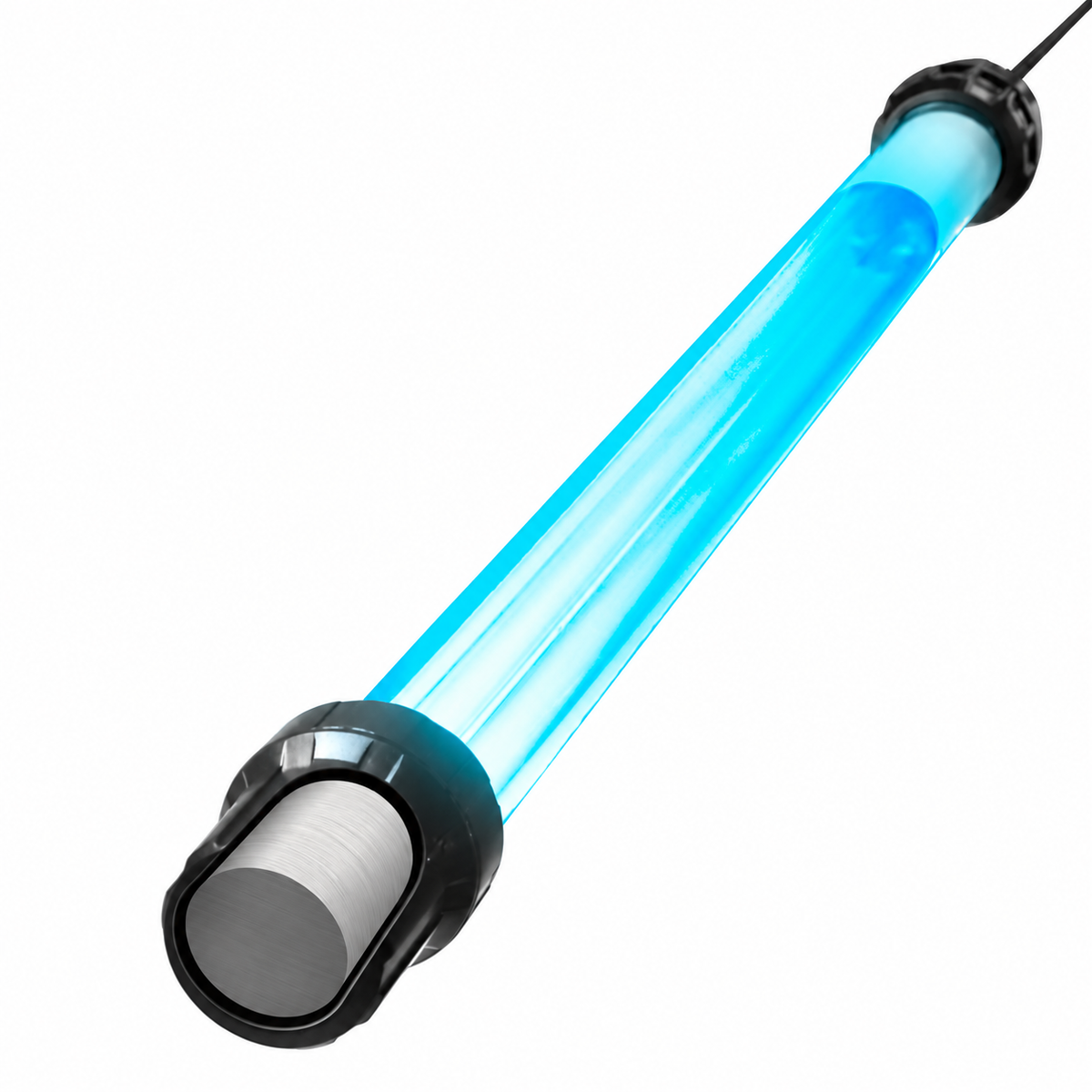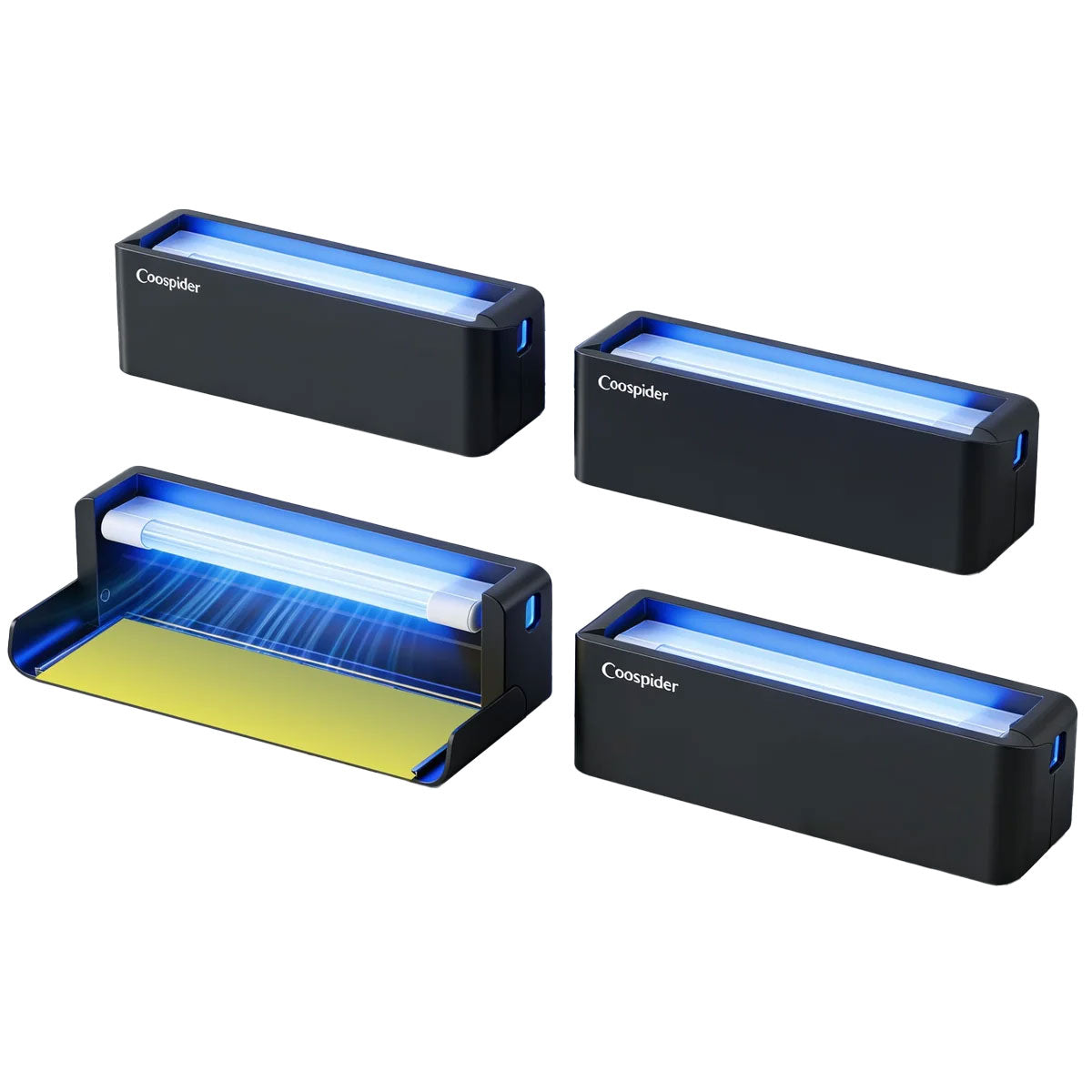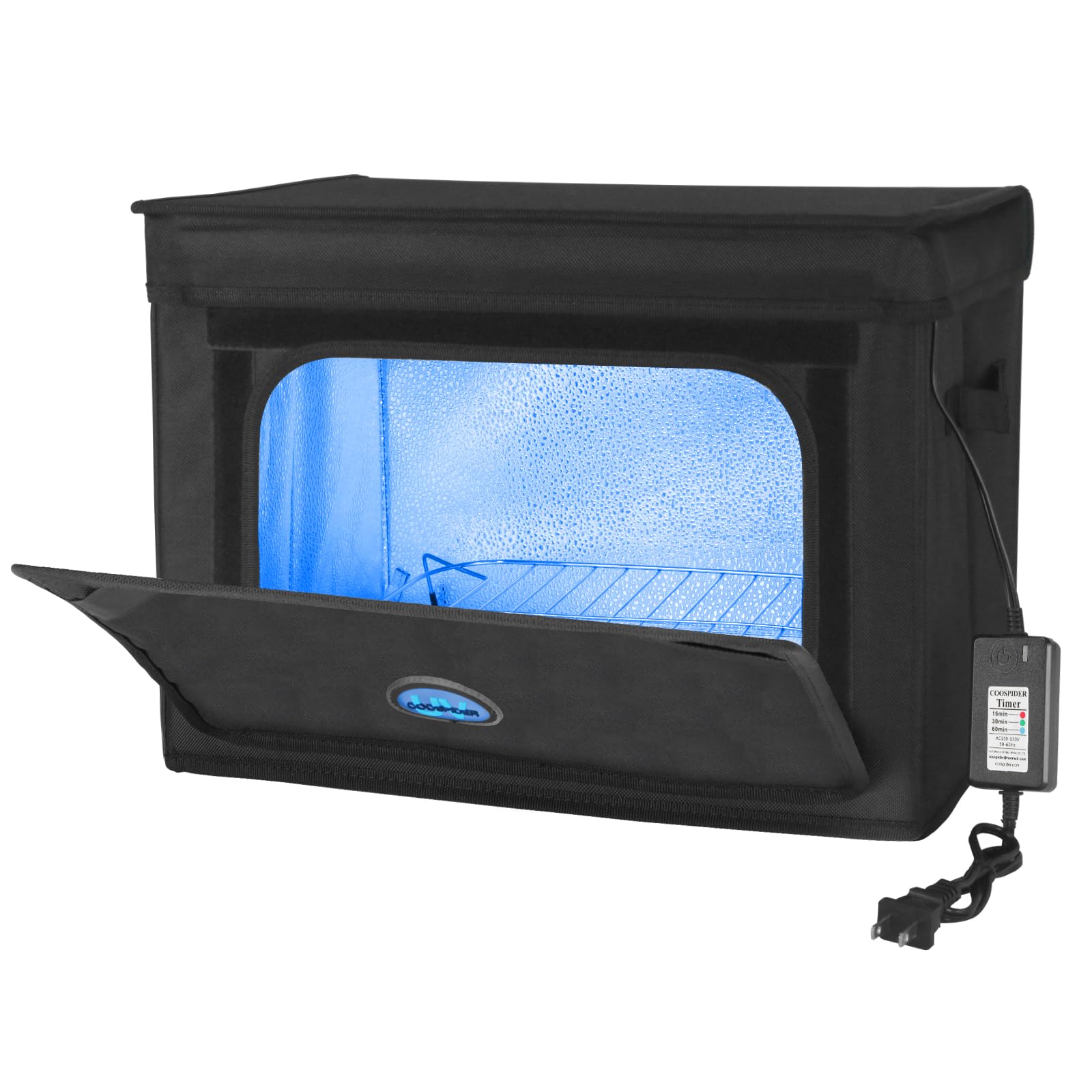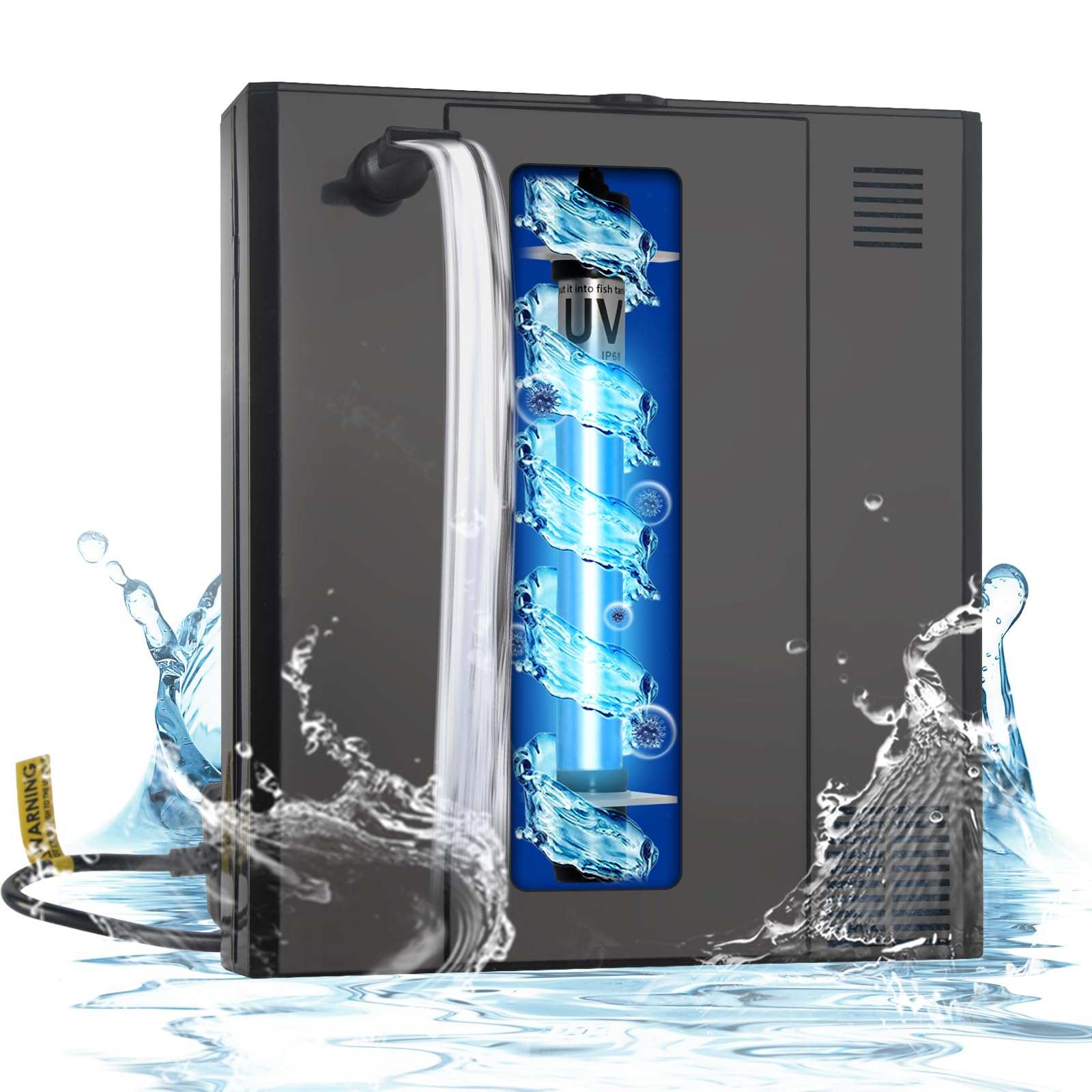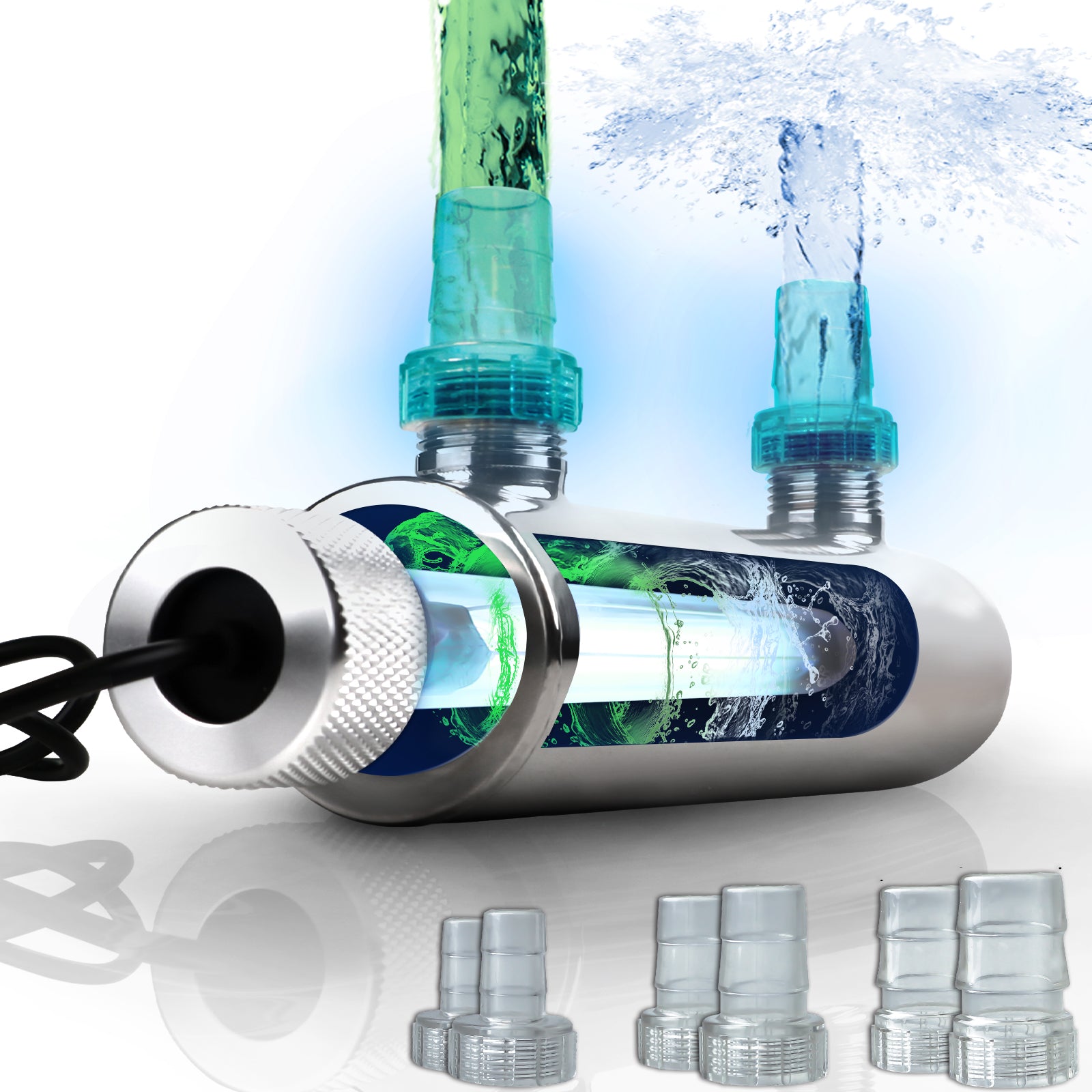
Mosquitoes are one of the biggest frustrations in outdoor living. Whether people are camping in the mountains, relaxing on a backyard patio, hosting outdoor parties, fishing near lakes, or managing commercial outdoor spaces, mosquito problems can quickly ruin the experience.
As outdoor lifestyles continue to grow in popularity, demand for effective mosquito-control solutions has increased dramatically. Among the many technologies marketed to consumers, UV-C mosquito-control devices have become especially popular. These devices often promise chemical-free protection, reduced mosquito populations, and safer outdoor environments.
But how effective is UV-C mosquito technology in real-world outdoor conditions?
Can UV-C mosquito traps truly reduce mosquito activity in open-air environments? Or are many consumers misunderstanding how these systems work?
This guide takes a deep, science-based look at UV-C mosquito-control technology, including:
-
How UV-C technology works
-
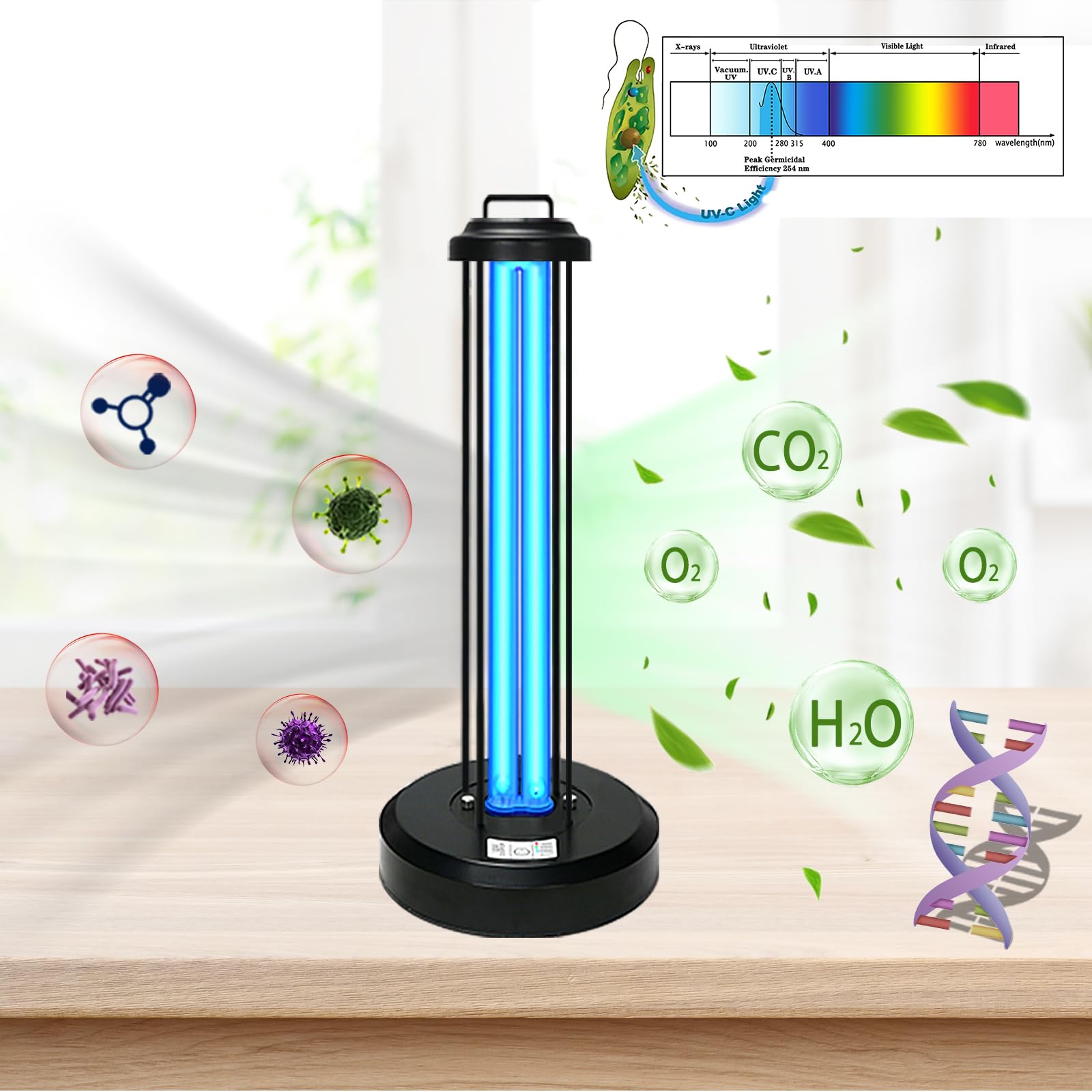
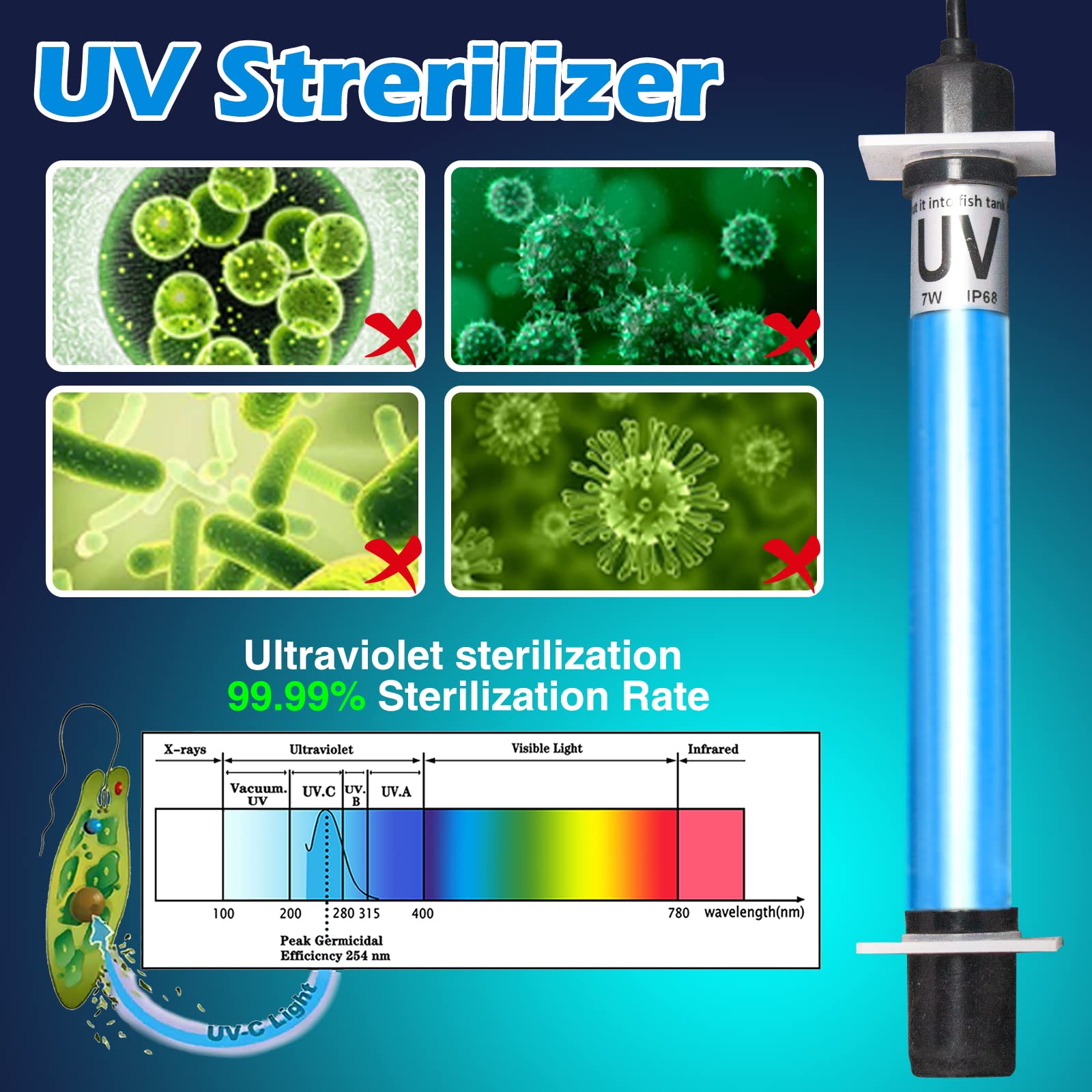
The difference between UV-A, UV-B, and UV-C light
-
Whether mosquitoes are actually attracted to UV light
-
The strengths and limitations of UV-C mosquito-control systems
-
Outdoor environmental factors that affect performance
-
Safety concerns
-
Real-world effectiveness compared to other mosquito-control methods
-
Best practices for maximizing results outdoors
If you’re considering UV-C mosquito-control devices for camping, patios, gardens, RV trips, outdoor dining, or commercial outdoor use, understanding the real capabilities of this technology is essential.
Understanding UV Light: UV-A, UV-B, and UV-C Explained
Before discussing mosquito-control performance, it’s important to understand what UV-C light actually is.
Ultraviolet light is divided into three main categories:
UV-A
UV-A wavelengths range approximately from 315 to 400 nanometers.
Characteristics:
-
Closest to visible light
-
Commonly used in insect traps
-
Often attracts certain insects
-
Lower energy than UV-B and UV-C
-
Common in decorative bug zappers
Most traditional mosquito lamps and bug zappers primarily use UV-A light.
UV-B
UV-B wavelengths range approximately from 280 to 315 nanometers.
Characteristics:
-
Higher energy than UV-A
-
Partially filtered by Earth’s atmosphere
-
Responsible for sunburn effects
-
Less commonly used in consumer insect-control products
UV-C
UV-C wavelengths range approximately from 100 to 280 nanometers.
Characteristics:
-
Very high-energy ultraviolet radiation
-
Strong germicidal properties
-
Commonly used for sterilization and disinfection
-
Can damage microorganisms’ DNA and RNA
-
Mostly blocked naturally by Earth’s atmosphere
UV-C technology became widely known through applications such as:
-
Air purification
-
Water sterilization
-
Medical sanitation
-
Surface disinfection
-
HVAC cleaning systems
However, mosquito control introduces a very different use case.
Do Mosquitoes Actually Respond to UV Light?
One of the biggest misconceptions about mosquito-control devices is that all mosquitoes are strongly attracted to ultraviolet light.
The reality is more complicated.
Mosquito Attraction Is Primarily Based on Biological Signals
Mosquitoes locate humans mainly through:
-
Carbon dioxide (CO2)
-
Body heat
-
Skin odor
-
Sweat compounds
-
Moisture
-
Human movement
Unlike moths or some flying insects, mosquitoes do not rely heavily on UV light attraction alone.
This distinction is critical.
UV Light Attracts Some Insects Better Than Mosquitoes
Traditional bug zappers often kill:
-
Moths
-
Beetles
-
Flying gnats
-
Wasps
-
Non-biting insects
But scientific studies have repeatedly shown that many bug zappers kill surprisingly low percentages of mosquitoes.
In many outdoor environments, mosquitoes represent only a small portion of insects captured by standard UV light traps.
Why Some Mosquito Devices Still Use UV Light
Although mosquitoes are not strongly UV-driven compared to other insects, UV light can still contribute to attraction under certain conditions.
Especially when combined with:
-
CO2 release
-
Heat simulation
-
Airflow suction systems
-
Chemical attractants
-
Dark environmental settings
This is where more advanced mosquito-control systems differ from simple bug zappers.
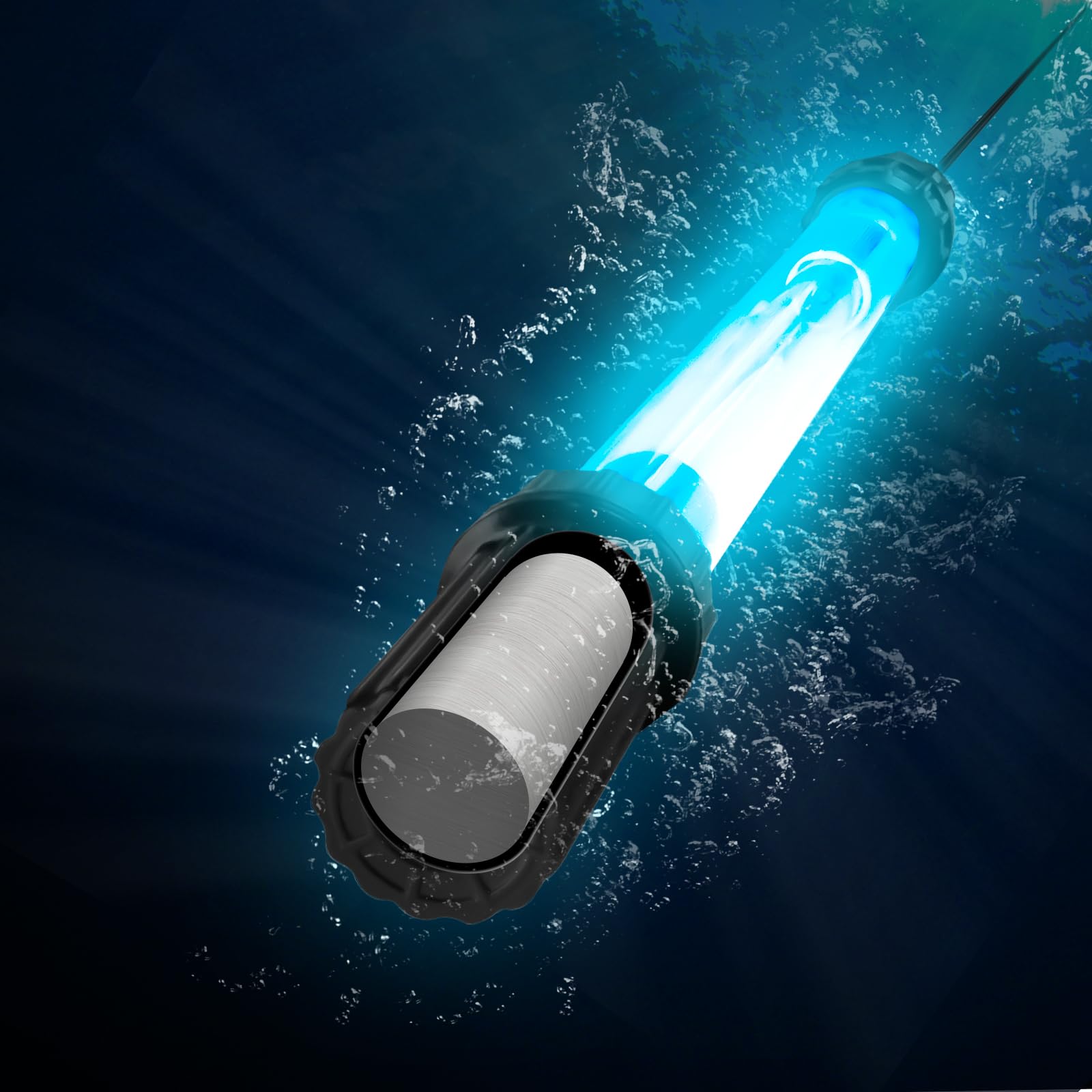
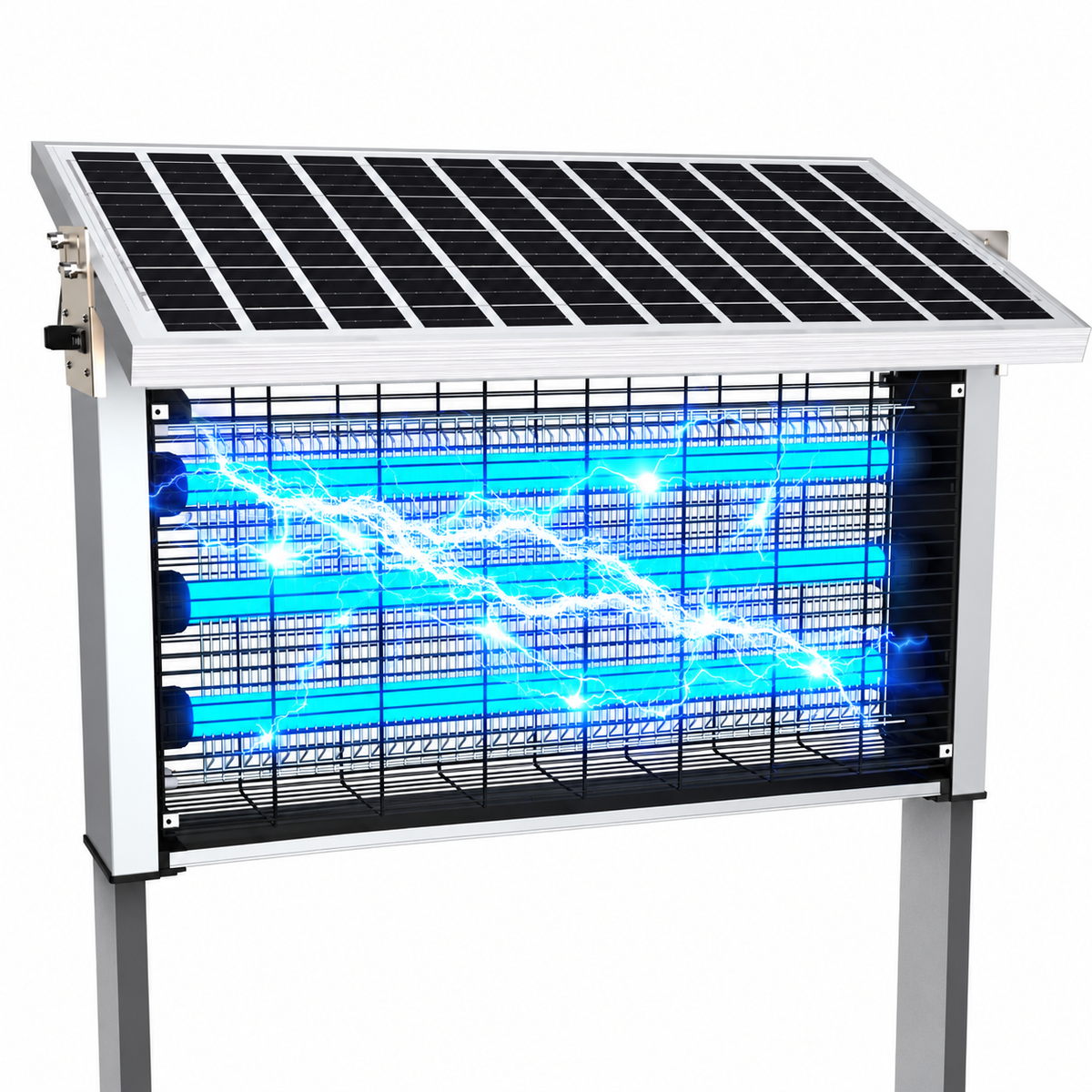
What Is UV-C Mosquito-Control Technology?
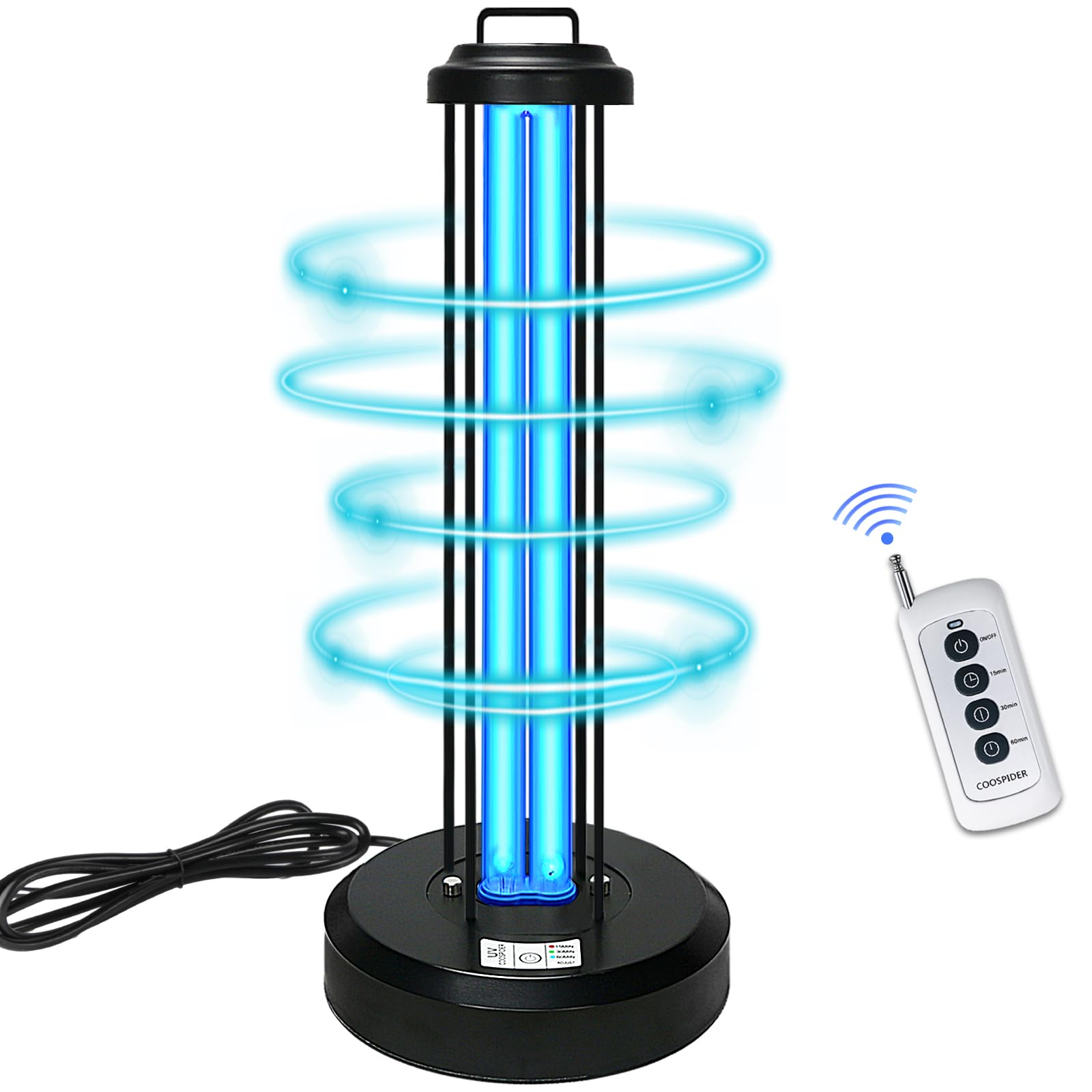
The phrase “UV-C mosquito control” is often used broadly in marketing, but not all products use UV-C in the same way.
Generally, UV-C mosquito-control products fall into several categories.
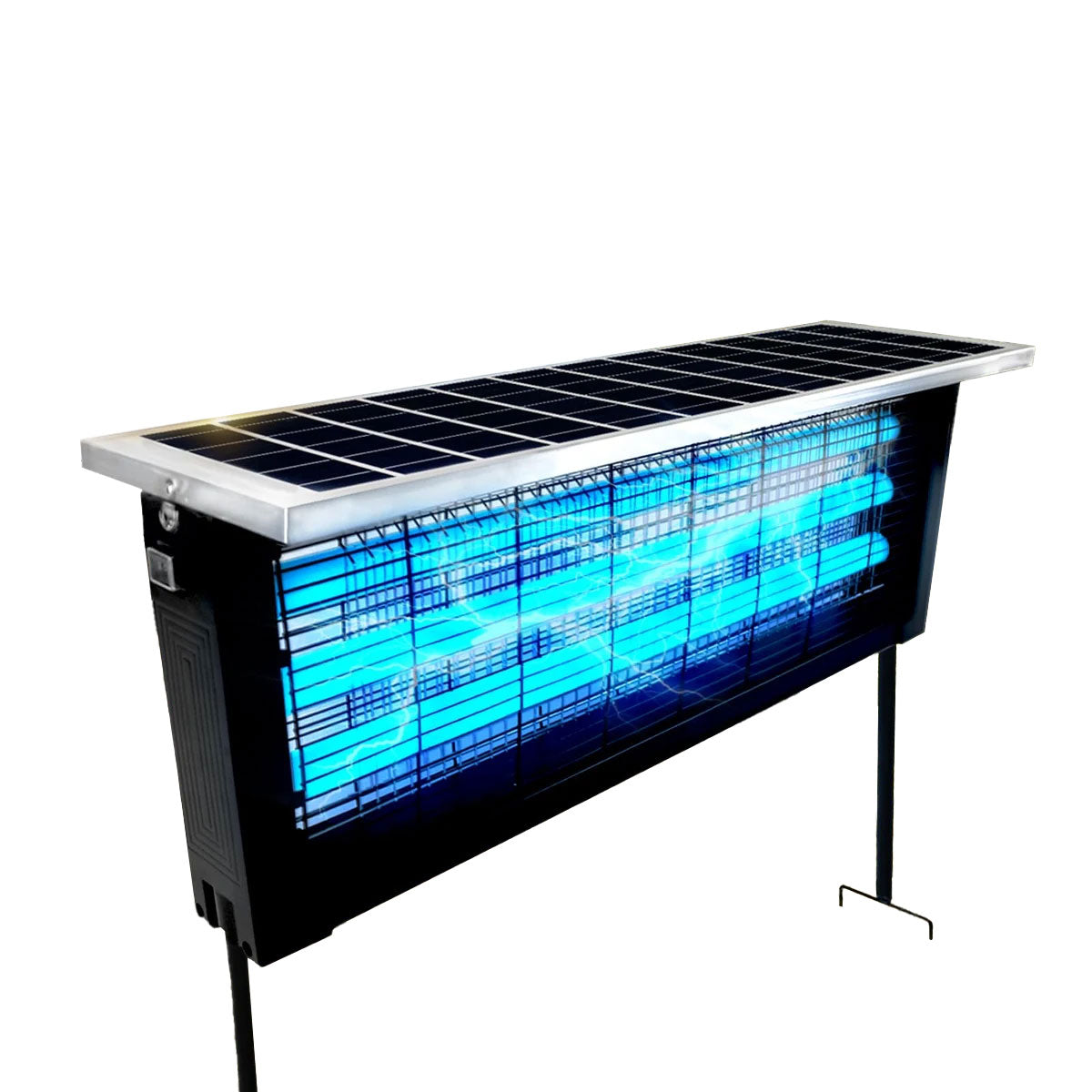
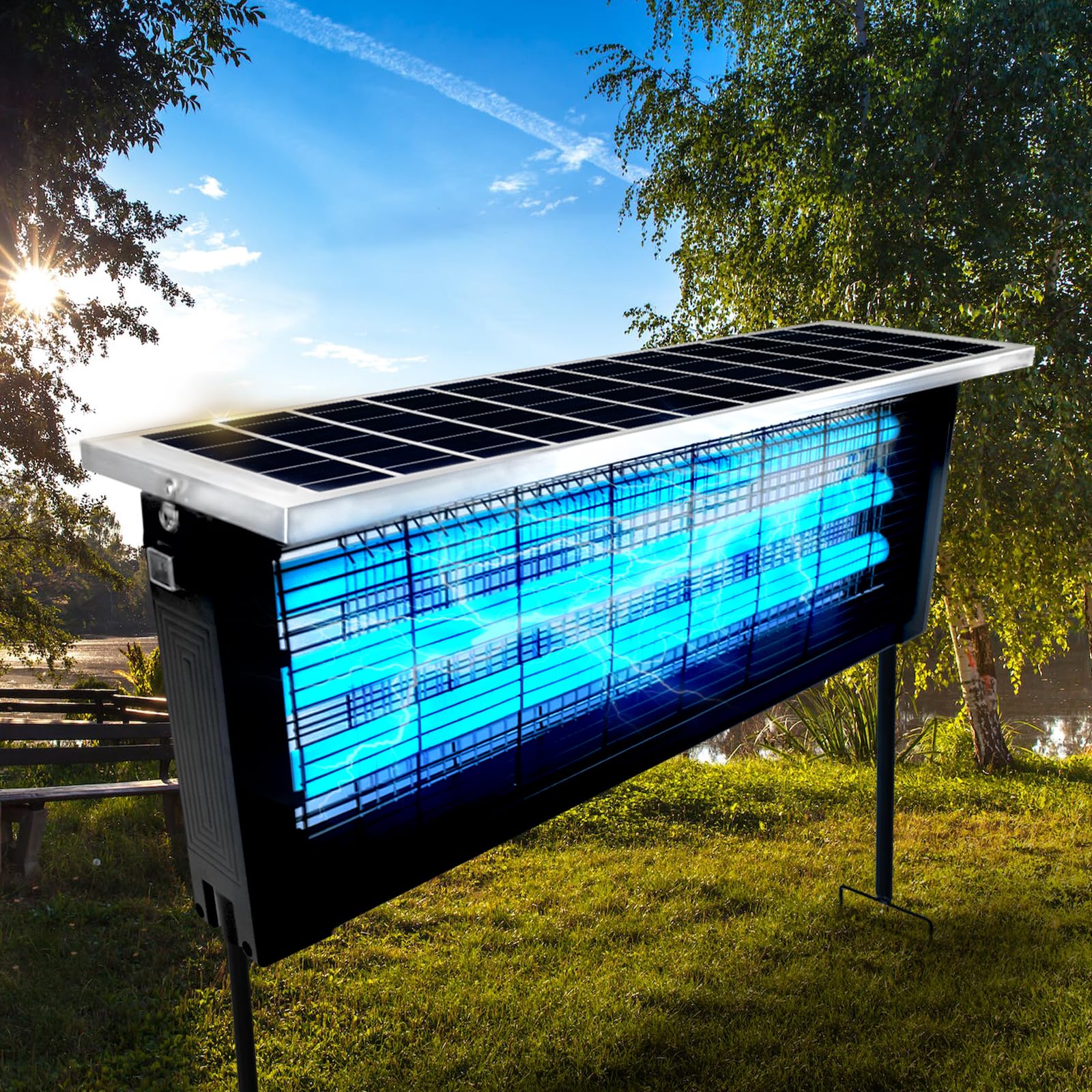
Category 1: UV-C Sterilization Combined With Mosquito Trapping
Some devices combine:
-
UV light attraction
-
Suction fans
-
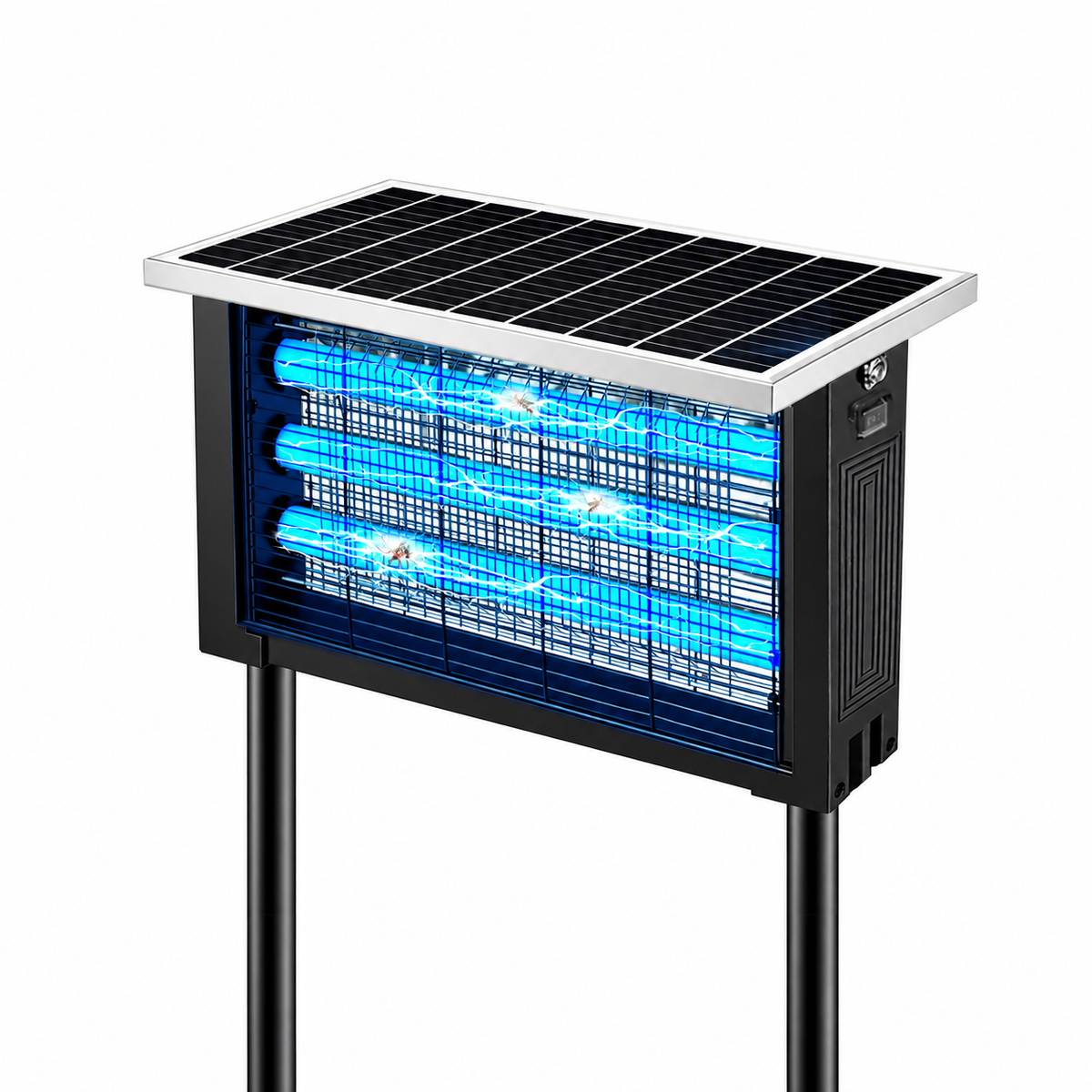
Electric grids
-
Sticky traps
-
UV-C sterilization chambers
In these systems, UV-C may not be the primary mosquito attractant.
Instead, UV-C is sometimes used to:
-
Sterilize captured insects
-
Reduce bacteria inside the device
-
Prevent odor buildup
-
Improve sanitation
This distinction matters because consumers sometimes assume UV-C itself is directly responsible for mosquito attraction.
Category 2: UV-C Disinfection for Outdoor Areas
Some outdoor products use UV-C primarily for sterilization rather than mosquito elimination.
Examples include:
-
Outdoor air sanitizing devices
-
UV-C patio systems
-
Portable sterilization lamps
These are not necessarily effective mosquito-control tools.
Category 3: Hybrid Mosquito-Control Systems
More advanced mosquito traps combine multiple technologies:
-
UV-A or UV-C lighting
-
CO2 simulation
-
Heat generation
-
Airflow vacuum systems
-
Chemical attractants
-
Smart sensors
These hybrid systems generally perform better than light-only devices.
The Real Outdoor Effectiveness of UV-C Mosquito Devices
Now comes the most important question.
How effective are UV-C mosquito-control systems outdoors in real-world conditions?
The answer depends heavily on:
-
Device design
-
Environmental conditions
-
Mosquito species
-
Placement
-
Weather
-
Competition from natural attractants
Open Outdoor Spaces Are Difficult Environments
Outdoor mosquito control is fundamentally more difficult than indoor control.
Why?
Because outdoor environments contain:
-
Wind
-
Competing odors
-
Large movement areas
-
Multiple heat sources
-
Human activity
-
Variable humidity
-
Natural breeding sites
A mosquito trap outdoors competes against the strongest attractant available: humans.
If people are nearby, mosquitoes may prefer real body heat and CO2 over artificial light-based systems.
UV-C Alone Is Usually Not Enough
One major conclusion from field experience and entomology research is this:
UV-C light alone is generally insufficient for strong outdoor mosquito control.
Mosquitoes respond more effectively to:
-
Carbon dioxide
-
Warmth
-
Human scent compounds
Therefore, devices relying only on UV-C illumination often deliver limited results outdoors.
Hybrid Systems Perform Better
The most effective outdoor mosquito systems usually combine multiple attractants.
For example:
-
CO2 simulation
-
Heat-emitting surfaces
-
Airflow suction
-
UV lighting
-
Octenol attractants
When combined properly, these technologies can increase mosquito capture rates.
However, performance still varies significantly by environment.
Environmental Factors That Affect UV-C Mosquito Trap Performance
Outdoor conditions play a massive role in mosquito-control effectiveness.
Wind
Wind is one of the biggest challenges.
Even mild airflow can:
-
Disrupt attractant distribution
-
Reduce mosquito flight stability
-
Dilute scent plumes
-
Interfere with UV visibility
This is why many mosquito traps perform better:
-
On calm evenings
-
In sheltered patios
-
Inside screened structures
-
Near low-airflow zones
Competing Light Sources
Outdoor lighting can reduce trap effectiveness.
Nearby:
-
Porch lights
-
Decorative LEDs
-
Campfires
-
Streetlights
-
Landscape lighting
may compete with UV mosquito devices.
For best performance, UV-based traps usually work better in darker environments.
Mosquito Species Differences
Not all mosquitoes behave the same way.
Different species respond differently to:
-
Light wavelengths
-
Heat
-
CO2
-
Environmental conditions
Some species are more aggressive toward humans and less responsive to artificial traps.
Regional mosquito behavior matters.
Humidity and Temperature
Mosquito activity increases in:
-
Warm temperatures
-
Humid conditions
-
Moist environments
However, high humidity can also affect electronic performance and attractant dispersion.
Outdoor device durability becomes important.
Trap Placement
Poor placement dramatically reduces effectiveness.
Common mistakes include:
-
Placing traps too close to people
-
Positioning devices in strong wind
-
Installing traps in direct sunlight
-
Blocking airflow
-
Placing traps too high above ground
Mosquito traps often work best:
-
Away from human gathering areas
-
Near mosquito travel paths
-
In shaded areas
-
Several feet above ground
Proper positioning is critical.
Comparing UV-C Mosquito Technology With Other Outdoor Mosquito Solutions
To understand real effectiveness, it helps to compare UV-C systems with alternative mosquito-control methods.
Chemical Repellents
Examples include:
-
DEET
-
Picaridin
-
Oil of Lemon Eucalyptus
Advantages:
-
Direct personal protection
-
Immediate effectiveness
-
Portable
-
Widely tested
Limitations:
-
Requires reapplication
-
Skin sensitivity concerns
-
Limited area coverage
Compared to UV-C systems, repellents usually provide stronger personal bite prevention.
CO2 Mosquito Traps
CO2-based traps are among the most effective outdoor mosquito technologies.
Why?
Because mosquitoes naturally seek carbon dioxide.
Advantages:
-
Strong biological attraction
-
Effective for population reduction
-
Works over larger outdoor areas
Limitations:
-
Higher cost
-
Maintenance requirements
-
Power consumption
-
Larger equipment size
Many advanced mosquito systems combine UV lighting with CO2 technology.
Mosquito Nets and Physical Barriers
Physical barriers remain highly reliable.
Examples include:
-
Screen houses
-
Tent mesh
-
Mosquito netting
-
Patio enclosures
Advantages:
-
Immediate protection
-
Chemical-free
-
Consistent effectiveness
Limitations:
-
Limited movement freedom
-
Installation requirements
Compared to UV-C traps, physical barriers often provide more predictable protection.
Airflow-Based Mosquito Control
Mosquitoes are weak flyers.
Fans can significantly reduce mosquito activity.
Advantages:
-
Non-chemical
-
Immediate comfort improvement
-
Useful for patios and campsites
Limitations:
-
Requires electricity or battery power
-
Limited range
Fans are often underestimated as mosquito-control tools.
Outdoor Insecticides
Professional outdoor treatments can reduce mosquito populations.
Advantages:
-
Large-area coverage
-
Significant reduction potential
Limitations:
-
Environmental concerns
-
Pollinator impact
-
Chemical exposure concerns
-
Temporary effectiveness
Some users prefer UV-based systems specifically to avoid heavy chemical use.
Safety Considerations for UV-C Technology
UV-C light can present safety concerns.
This is extremely important.
UV-C Exposure Risks
Direct exposure to UV-C radiation may potentially cause:
-
Eye irritation
-
Skin irritation
-
Surface degradation
Unlike UV-A bug lights, UV-C wavelengths carry higher energy.
Consumers should always:
-
Follow manufacturer instructions
-
Avoid direct eye exposure
-
Keep devices away from children
-
Use enclosed systems when possible
Outdoor Weather Protection
Outdoor UV-C devices must also handle:
-
Rain
-
Dust
-
Humidity
-
Heat
-
Temperature fluctuations
Poorly designed systems may fail prematurely in harsh outdoor environments.
Look for outdoor-rated construction and weather-resistant materials.
Ozone Production Concerns
Some UV-C systems may produce ozone.
Excessive ozone exposure can irritate respiratory systems.
Quality devices should comply with relevant safety standards and ozone limitations.
Consumers should research specifications carefully.
Common Marketing Myths About UV-C Mosquito Devices
Many consumers purchase mosquito-control products with unrealistic expectations.
Understanding common myths helps buyers make better decisions.
Myth #1: UV-C Instantly Eliminates All Mosquitoes
No outdoor mosquito system instantly removes all mosquitoes.
Even professional systems cannot completely eliminate mosquito activity in open environments.
Realistic expectations matter.
Myth #2: All UV Mosquito Lamps Work the Same
Performance varies enormously.
Factors include:
-
Wavelength design
-
Fan power
-
Attractant systems
-
Trap engineering
-
Environmental suitability
Cheap decorative bug lights may perform very differently from advanced hybrid mosquito systems.
Myth #3: UV-C Alone Is the Main Mosquito Attraction
Mosquitoes primarily follow:
-
CO2
-
Heat
-
Human scent
UV-C alone rarely provides strong outdoor mosquito attraction.
Myth #4: One Device Protects an Entire Backyard
Coverage claims are often optimistic.
Outdoor performance depends heavily on:
-
Yard layout
-
Wind
-
Vegetation
-
Mosquito density
-
Competing attractants
Multiple strategies usually work better than relying on one device.
Best Practices for Using UV-C Mosquito Technology Outdoors
Although UV-C systems have limitations, proper usage can improve results.
Combine Technologies
The best approach is layered mosquito control.
Combine UV-based systems with:
-
Fans
-
Protective clothing
-
Screen shelters
-
Repellents
-
CO2 traps
-
Environmental management
Layered protection works best.
Position Traps Strategically
Avoid placing traps directly beside seating areas.
Instead:
-
Place traps between breeding areas and people
-
Use shaded positions
-
Reduce competing light nearby
-
Elevate devices appropriately
Reduce Breeding Sources
No mosquito trap can fully compensate for heavy breeding activity.
Eliminate standing water whenever possible.
Examples include:
-
Buckets
-
Plant trays
-
Bird baths
-
Gutters
-
Tarps
-
Containers
Environmental control matters.
Use Devices Consistently
Some mosquito traps require continuous operation for best results.
Turning systems on only occasionally may reduce effectiveness.
Long-term population reduction takes time.
Understand Regional Conditions
Different climates produce different mosquito pressures.
For example:
-
Coastal wetlands
-
Tropical climates
-
Humid forests
-
Rainy regions
may require stronger integrated mosquito-control systems.
Are UV-C Mosquito Devices Worth Buying?
The answer depends on your expectations.
UV-C Devices May Be Worthwhile If:
-
You want chemical-reduced mosquito control
-
You use layered mosquito strategies
-
You understand their limitations
-
You choose higher-quality systems
-
You use them in lower-wind outdoor areas
-
You prioritize supplemental mosquito reduction
UV-C Devices May Disappoint If:
-
You expect complete mosquito elimination
-
You rely on UV-C alone
-
You use them in highly exposed windy environments
-
You ignore environmental mosquito sources
-
You expect instant results
Understanding realistic performance is essential.
The Future of Outdoor Mosquito-Control Technology
Mosquito-control technology continues evolving.
Emerging trends include:
-
Smart mosquito sensors
-
AI-assisted insect detection
-
Improved attractant chemistry
-
Solar-powered systems
-
Lower-energy UV systems
-
Hybrid multi-attractant traps
-
Environmentally conscious mosquito management
Future systems may become significantly more effective by better replicating the biological signals mosquitoes naturally follow.
UV-C may continue serving supportive roles in:
-
Sterilization
-
Device sanitation
-
Hybrid mosquito-control systems
rather than acting as the sole mosquito attractant.
Final Thoughts
UV-C mosquito-control technology is one of the most discussed innovations in modern outdoor insect management, but real-world effectiveness depends heavily on how the technology is used.
The most important takeaway is this:
UV-C light alone is generally not a complete outdoor mosquito solution.
Mosquitoes primarily respond to biological signals such as:
-
Carbon dioxide
-
Heat
-
Human scent
-
Moisture
As a result, the most effective outdoor mosquito-control systems typically combine multiple technologies rather than relying solely on ultraviolet light.
For campers, homeowners, RV travelers, outdoor restaurants, patios, and commercial outdoor spaces, UV-C devices can still play a valuable role as part of a broader mosquito-management strategy.
When combined with:
-
Proper trap placement
-
Environmental management
-
Physical barriers
-
Personal repellents
-
Airflow control
-
CO2 attraction systems
UV-C-supported mosquito devices may help reduce mosquito pressure and improve outdoor comfort.
However, consumers should approach marketing claims carefully and maintain realistic expectations about what UV-C mosquito technology can and cannot do in open outdoor environments.
The best mosquito-control strategy is rarely based on a single device.
Instead, long-term success comes from combining smart outdoor habits, layered protection methods, and an understanding of mosquito behavior itself.