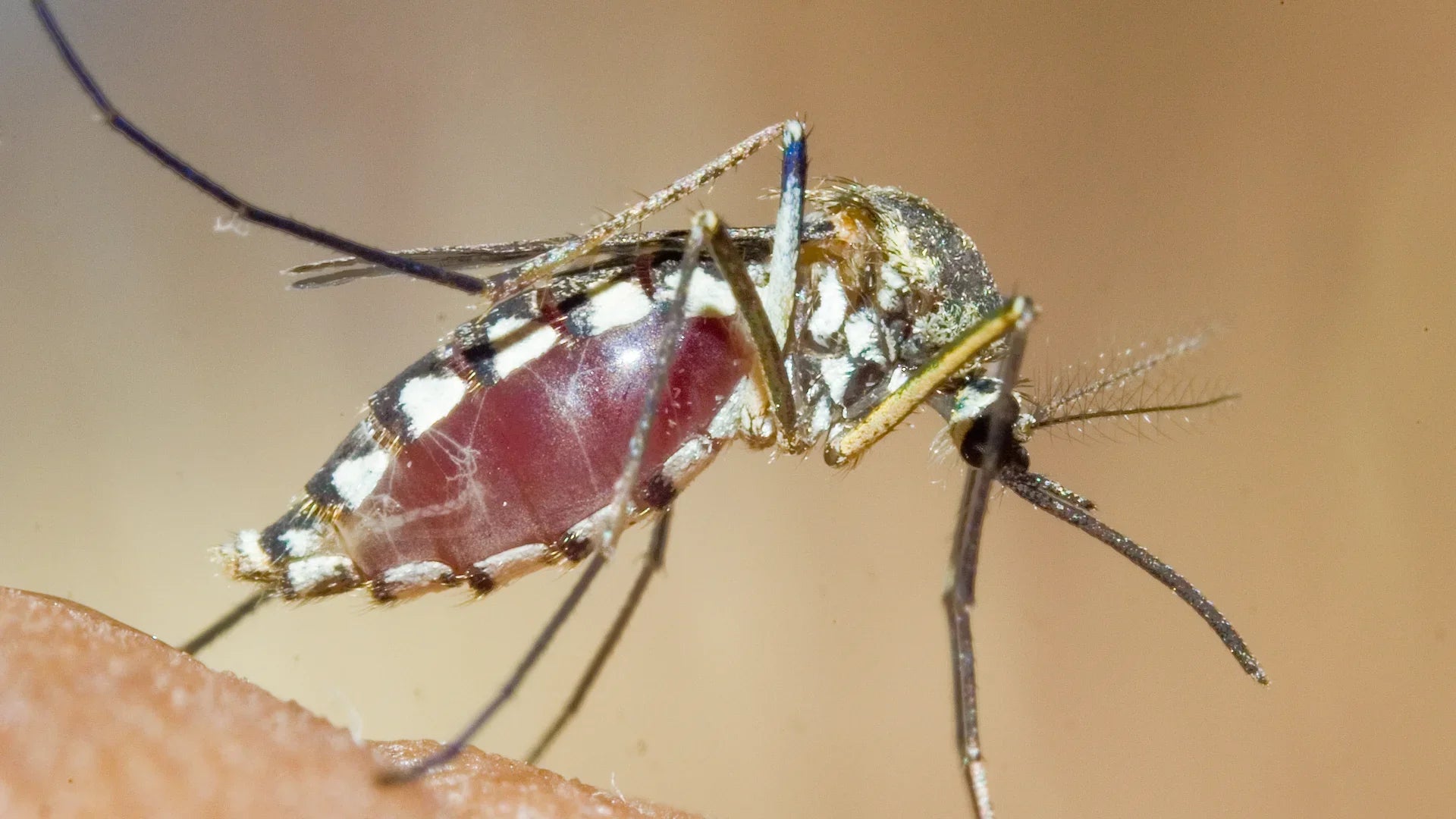
Few outdoor annoyances are as frustrating as being the person mosquitoes constantly attack.
You may have experienced it yourself:
A group of friends sits outside during a summer evening, yet mosquitoes seem to focus almost entirely on one or two people.
While others relax comfortably, you’re constantly swatting insects, scratching bites, and wondering:
“Why do mosquitoes always bite me?”
This is not just imagination.
Scientific research shows that mosquitoes are genuinely more attracted to certain people than others.
Your body chemistry, heat levels, breath, skin bacteria, clothing choices, and even genetics may influence how attractive you are to mosquitoes.
The good news is that understanding mosquito behavior can help you reduce your attractiveness to these insects.
In this guide, we’ll explore:
-
Why mosquitoes prefer certain people
-
The science behind mosquito attraction
-
Common myths about mosquito bites
-
Biological and environmental factors involved
-
Whether blood type matters
-
How sweat and skin chemistry influence bites
-
Why mosquitoes target some people more outdoors
-
Scientifically supported ways to reduce mosquito attraction
Whether you enjoy camping, hiking, backyard gatherings, fishing, gardening, outdoor sports, or simply relaxing outside, learning how mosquitoes choose their targets can help you significantly reduce bites.
Why Mosquitoes Bite Humans in the First Place
Before understanding why mosquitoes prefer certain people, it helps to understand why they bite humans at all.
Only Female Mosquitoes Bite
Male mosquitoes do not bite humans.
Instead, they primarily feed on plant nectar.
Female mosquitoes bite because they need protein and nutrients from blood to develop eggs.
Blood meals help support mosquito reproduction.
This means mosquitoes are highly motivated to locate suitable hosts.
Mosquitoes Use Multiple Senses to Find You
Mosquitoes are not randomly flying around hoping to land on humans.
They use sophisticated biological detection systems.
Mosquitoes locate people using:
-
Carbon dioxide detection
-
Body heat sensing
-
Skin odor analysis
-
Moisture detection
-
Visual contrast
-
Chemical compounds in sweat
Their sensory systems are surprisingly advanced.
Carbon Dioxide: One of the Biggest Mosquito Magnets
One of the strongest mosquito attractants is carbon dioxide (CO2).
Every time you breathe, you release CO2 into the air.
Mosquitoes can detect carbon dioxide from significant distances.
Why Some People Produce More CO2
People who naturally exhale more carbon dioxide may attract more mosquitoes.
This often includes:
-
Larger individuals
-
Pregnant women
-
People exercising outdoors
-
Individuals with faster metabolic rates
During physical activity, breathing increases.
This creates stronger CO2 signals that mosquitoes can follow.
Body Heat Makes You Easier to Find
Mosquitoes are strongly attracted to heat.
The human body naturally emits warmth, especially around:
-
Head
-
Neck
-
Hands
-
Ankles
-
Feet
Why Hotter Bodies May Attract More Mosquitoes
People with higher body temperatures may become more noticeable.
Factors increasing body heat include:
-
Exercise
-
Warm weather
-
Fever
-
Physical activity
-
Alcohol consumption
Mosquitoes often target exposed warm skin areas.
Sweat and Skin Chemistry Play a Huge Role
Your skin produces a complex mix of chemicals.
Mosquitoes can detect many of them.
Lactic Acid Attracts Mosquitoes
Lactic acid is released through sweat.
Mosquitoes are highly responsive to this chemical.
After exercise or physical exertion, your body may release:
-
More lactic acid
-
More heat
-
More moisture
-
More carbon dioxide
This combination creates an ideal mosquito target.
Skin Bacteria Influence Mosquito Attraction
One of the most fascinating discoveries in mosquito research involves skin bacteria.
Your skin microbiome affects body odor.
Certain bacterial combinations appear more attractive to mosquitoes.
Why Some People Naturally Smell More Attractive to Mosquitoes
Mosquitoes respond to specific odor compounds produced by skin bacteria.
This helps explain why:
-
Some people are bitten constantly
-
Others are barely bitten at all
Even in the same environment.
Genetics partially influence your skin microbiome.
This means mosquito attraction may be partly inherited.
Does Blood Type Affect Mosquito Attraction?
This is one of the most common questions.
Research suggests blood type may play a role.
Type O May Attract More Mosquitoes
Several studies indicate mosquitoes may prefer people with Type O blood compared to:
-
Type A
-
Type B
-
Type AB
However, blood type is only one factor among many.
Even if you have Type O blood, environmental and behavioral factors still matter significantly.
Why Pregnant Women Often Attract More Mosquitoes
Studies show pregnant women tend to receive more mosquito bites.
Several factors contribute:
-
Increased body temperature
-
Higher carbon dioxide production
-
Hormonal changes
This makes pregnant women more detectable to mosquitoes.
Extra mosquito protection is often recommended during pregnancy.
Alcohol Consumption May Increase Mosquito Attraction
Some research suggests alcohol may increase mosquito attraction.
Especially:
-
Beer consumption
-
Outdoor drinking environments
Potential reasons include:
-
Increased skin temperature
-
Elevated ethanol compounds
-
Changes in sweat chemistry
Although research is ongoing, many people report increased bites after drinking outdoors.
Clothing Color Can Affect Mosquito Targeting
Mosquitoes use visual cues in addition to scent.
Dark colors may attract mosquitoes more effectively.
Colors That May Increase Mosquito Attention
Examples include:
-
Black
-
Dark blue
-
Red
-
Deep gray
Dark clothing absorbs heat and creates stronger visual contrast.
Lighter Colors May Reduce Visibility
Light-colored clothing such as:
-
White
-
Beige
-
Light gray
-
Khaki
may make you slightly less visually attractive.
Why Mosquitoes Often Bite Ankles and Feet
Many people notice mosquitoes targeting lower legs.
Several factors explain this behavior.
Mosquitoes Fly Low
Mosquitoes often remain closer to the ground.
Feet Produce Strong Odors
Feet contain sweat glands and bacteria that produce odor compounds mosquitoes can detect.
This is why:
-
Sandals
-
Bare feet
-
Exposed ankles
often become mosquito targets.
Genetics May Influence Your “Mosquito Magnet” Status
Scientists increasingly believe mosquito attraction is partly genetic.
Inherited traits affecting mosquito attraction may include:
-
Skin chemistry
-
Sweat production
-
Immune response
-
Body odor compounds
-
Metabolism
Some studies suggest mosquito attractiveness may be significantly hereditary.
This helps explain why mosquito sensitivity sometimes runs in families.
Why Some People React Worse to Mosquito Bites
Mosquito bites do not affect everyone equally.
Mosquito Saliva Triggers Immune Responses
When mosquitoes bite, they inject saliva into the skin.
This saliva contains proteins that help prevent blood clotting.
Your immune system reacts to these proteins.
Symptoms may include:
-
Swelling
-
Itching
-
Redness
-
Inflammation
People with stronger immune reactions may experience larger, itchier bites.
Common Mosquito Myths That Aren’t Fully True
Many mosquito beliefs are exaggerated or inaccurate.
Myth #1: Mosquitoes Prefer “Sweet Blood”
Mosquitoes are not attracted to sugar levels in human blood.
The idea of “sweet blood” is mostly a myth.
Instead, mosquitoes respond to:
-
CO2
-
Heat
-
Body odor
-
Skin chemistry
Myth #2: Mosquitoes Only Bite at Night
Different mosquito species bite at different times.
Some species are active:
-
At dusk
-
At dawn
-
During daytime
-
In shaded environments
Timing varies by species and environment.
Myth #3: Bug Zappers Solve Mosquito Problems Completely
Many bug zappers kill large numbers of non-biting insects.
Mosquitoes are often more attracted to:
-
Carbon dioxide
-
Heat
-
Human scent
than light alone.
Myth #4: Vitamin B Completely Prevents Mosquito Bites
Evidence supporting vitamin B as a mosquito repellent is limited.
While some people report benefits, scientific results remain inconsistent.
How to Scientifically Reduce Your Mosquito Attractiveness
Although you cannot completely change your biology, you can reduce many mosquito-attraction factors.
1. Use Effective Mosquito Repellents
Scientifically supported repellents include:
-
DEET
-
Picaridin
-
Oil of Lemon Eucalyptus
-
IR3535
These ingredients interfere with mosquito detection systems.
Consistent application matters.
2. Wear Light-Colored Clothing
Lighter clothing reduces visual contrast.
It may also stay cooler in sunlight.
Long sleeves and long pants further reduce exposed skin.
3. Reduce Sweat Accumulation
Since sweat attracts mosquitoes, minimizing sweat buildup helps.
Helpful strategies include:
-
Wearing breathable fabrics
-
Changing sweaty clothes quickly
-
Showering after exercise
-
Using moisture-wicking outdoor apparel
4. Use Fans Outdoors
Mosquitoes are weak flyers.
Airflow makes it harder for them to:
-
Navigate
-
Detect scent trails
-
Land successfully
Portable fans can dramatically reduce mosquito activity on patios and campsites.
5. Eliminate Standing Water
Mosquitoes breed in stagnant water.
Common breeding sources include:
-
Buckets
-
Bird baths
-
Gutters
-
Flower pots
-
Tarps
-
Puddles
Reducing breeding areas lowers mosquito populations nearby.
6. Cover Ankles and Feet
Protecting lower legs is extremely important.
Use:
-
High socks
-
Closed-toe shoes
-
Long pants
-
Bug-resistant gaiters
This reduces exposure to one of mosquitoes’ favorite bite zones.
7. Avoid Strong Fragrances Outdoors
Some fragrances may increase mosquito attention.
Avoid heavily scented:
-
Perfumes
-
Lotions
-
Hair sprays
-
Body sprays
Unscented products may help reduce attraction.
8. Use Mosquito Nets and Physical Barriers
Physical barriers remain highly effective.
Examples include:
-
Screened tents
-
Patio enclosures
-
Bed nets
-
Hammock nets
Barrier methods reduce mosquito access directly.
9. Time Outdoor Activities Carefully
Mosquito activity often increases:
-
At sunrise
-
At sunset
-
After rainfall
-
During humid evenings
Limiting exposure during peak mosquito hours can help reduce bites.
10. Use Layered Mosquito Protection
The best mosquito prevention strategies combine multiple approaches.
Examples include:
-
Repellent
-
Protective clothing
-
Fans
-
Environmental management
-
Screen shelters
Layered protection works better than relying on one solution alone.
Why Outdoor Enthusiasts Need Stronger Mosquito Strategies
Campers, hikers, anglers, and outdoor travelers face elevated mosquito exposure.
Outdoor environments often contain:
-
Moisture
-
Standing water
-
Dense vegetation
-
Shade
-
Warm temperatures
Understanding mosquito science helps outdoor enthusiasts build more effective protection systems.
How Climate Change May Increase Mosquito Activity
Warmer global temperatures may expand mosquito habitats.
This can increase mosquito populations in some regions.
Potential effects include:
-
Longer mosquito seasons
-
Expanded breeding zones
-
Increased humidity-related activity
Mosquito management may become increasingly important in many areas.
Future Mosquito-Control Technologies
Researchers continue developing advanced mosquito-control systems.
Emerging technologies include:
-
Smart mosquito traps
-
AI-based insect monitoring
-
Genetic mosquito control
-
Advanced attractant systems
-
Eco-friendly repellents
-
Wearable mosquito technology
Future solutions may improve mosquito management while reducing environmental impact.
Why Understanding Mosquito Behavior Matters
Mosquito prevention becomes more effective when you understand why mosquitoes target humans.
Instead of relying on myths or random solutions, science-based strategies allow you to:
-
Reduce exposure
-
Improve outdoor comfort
-
Minimize bites
-
Build better prevention routines
Mosquitoes are highly specialized insects.
The more you understand their behavior, the easier it becomes to protect yourself.
Final Thoughts
If mosquitoes constantly seem to target you, it’s probably not your imagination.
Mosquito attraction is influenced by a complex combination of:
-
Carbon dioxide output
-
Body heat
-
Skin bacteria
-
Sweat chemistry
-
Clothing color
-
Genetics
-
Environmental conditions
Some people naturally produce stronger mosquito-attraction signals than others.
However, understanding the science behind mosquito behavior allows you to reduce many of these attractants through practical lifestyle and environmental adjustments.
By:
-
Using effective repellents
-
Wearing protective clothing
-
Reducing sweat buildup
-
Eliminating standing water
-
Using airflow strategically
-
Building layered mosquito defenses
you can significantly reduce mosquito bites and improve outdoor comfort.
While no method can guarantee complete mosquito immunity, science-based prevention strategies can dramatically lower your chances of becoming the mosquitoes’ favorite target.
Whether you’re camping in the wilderness, relaxing on a backyard patio, hiking through forests, fishing near lakes, or simply enjoying summer evenings outdoors, understanding why mosquitoes bite you is the first step toward taking back control.
The goal isn’t just avoiding itchy bites.
It’s creating a more comfortable, healthier, and more enjoyable outdoor experience.