Introduction: Why UV-C Technology Has Become a Critical Part of Industrial Hygiene
In modern pharmaceutical and food manufacturing, maintaining a clean and safe production environment is not simply a quality goal—it is a fundamental requirement. A single contamination event can result in product recalls, production delays, financial losses, regulatory penalties, and damage to brand reputation. As industries continue to pursue higher standards of safety and efficiency, advanced disinfection technologies have become increasingly important.
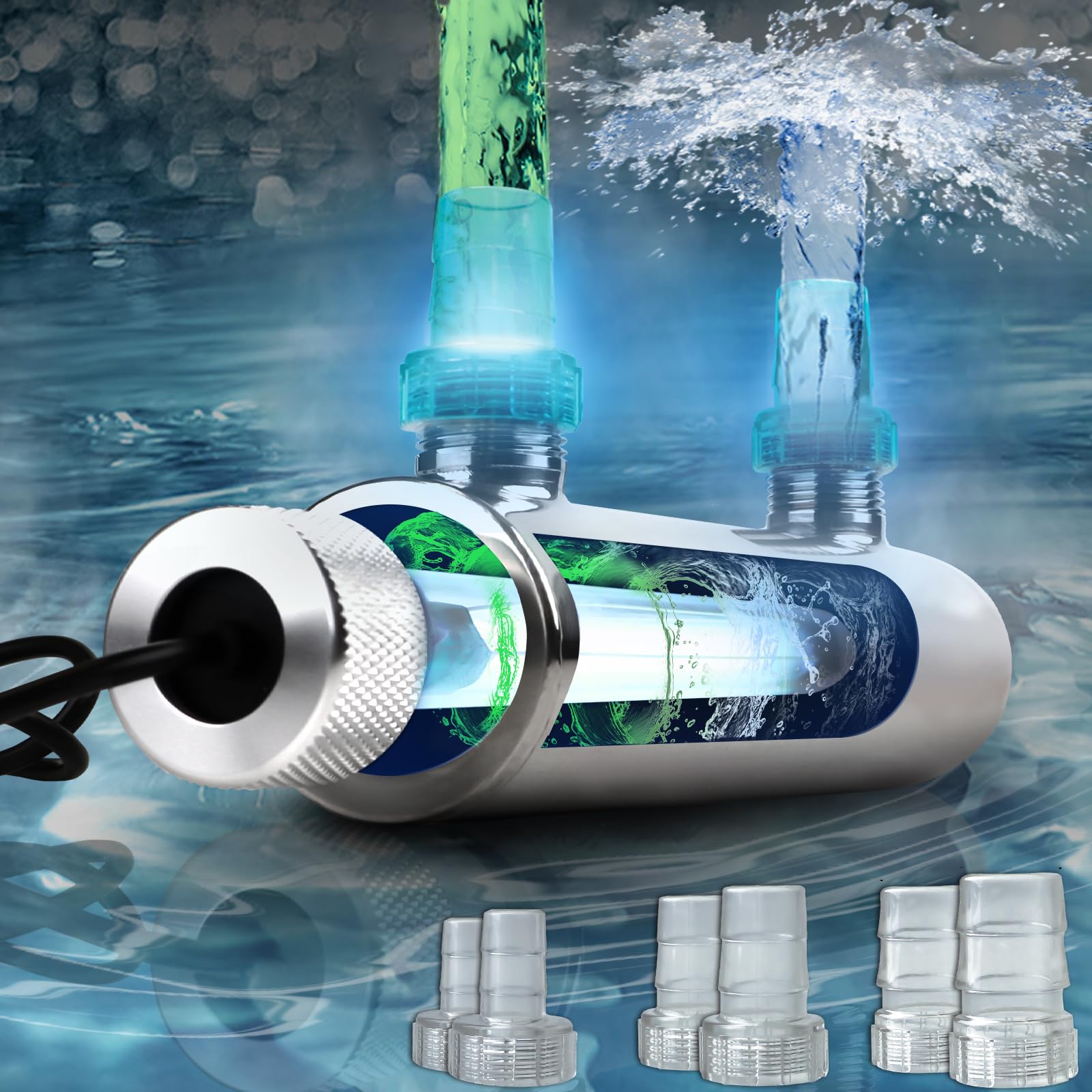
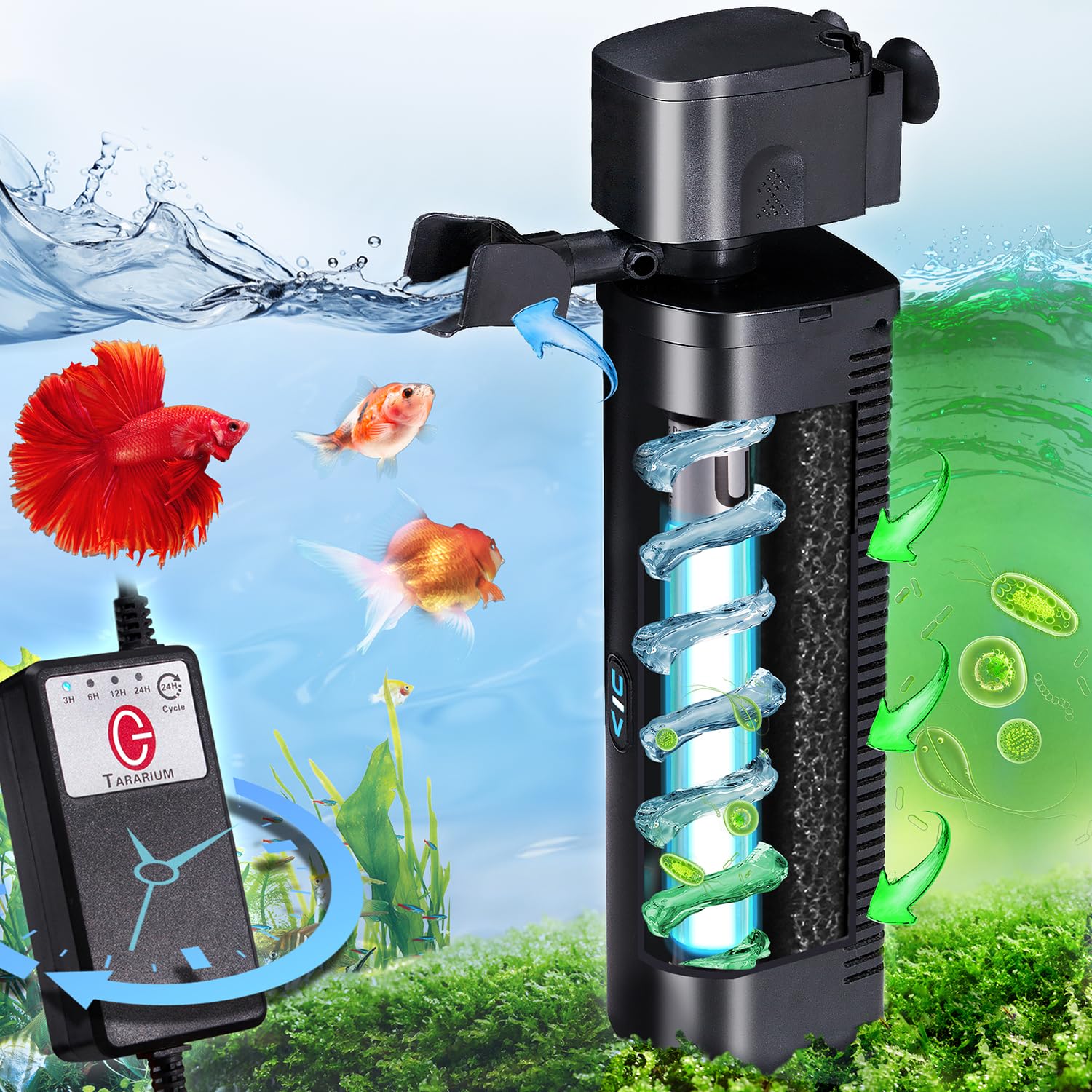
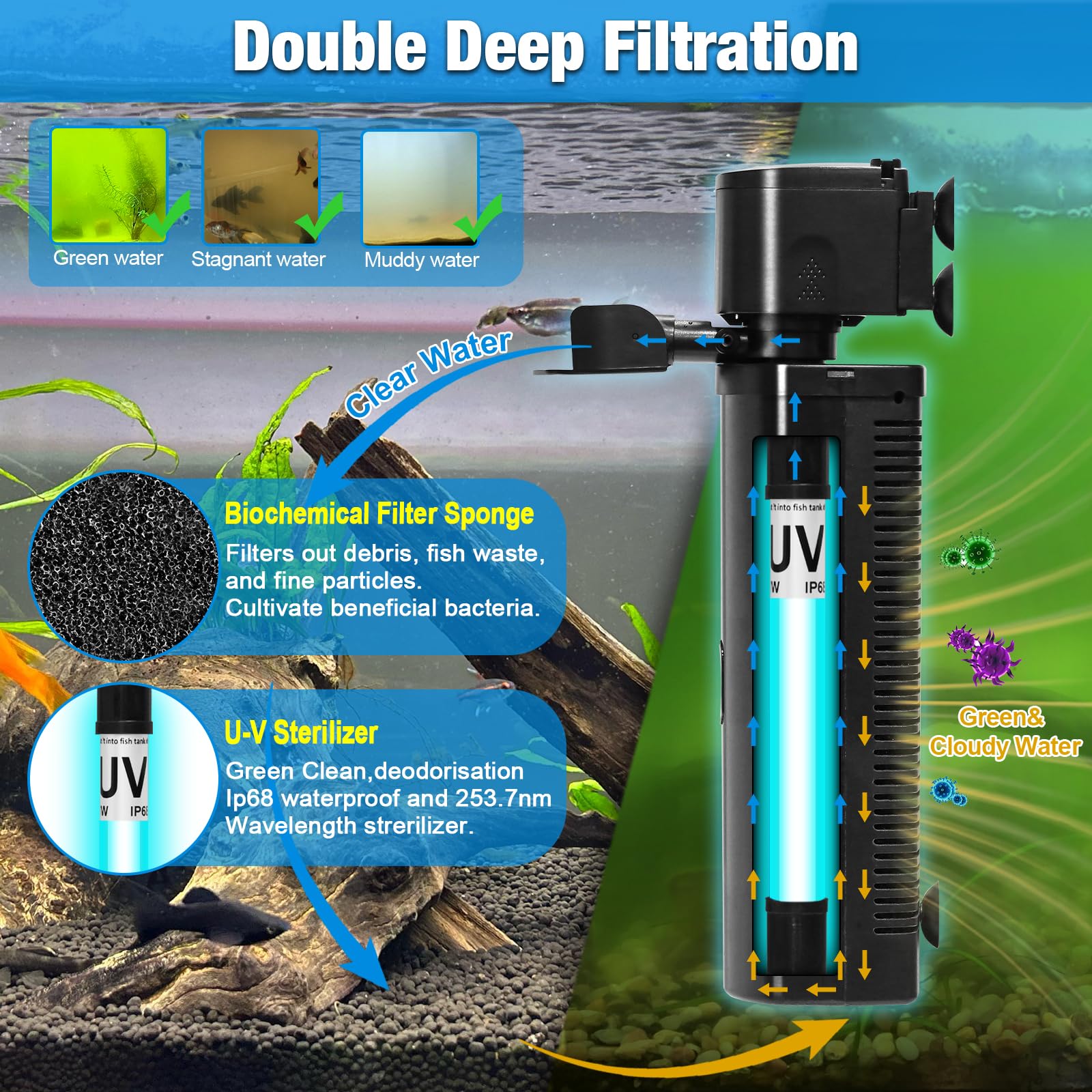
Among these technologies, industrial-grade UV-C ultraviolet disinfection has emerged as one of the most reliable and widely adopted solutions. By using short-wavelength ultraviolet light to destroy microorganisms, UV-C systems provide a chemical-free method for reducing bacteria, viruses, molds, and other harmful microorganisms in controlled environments.
From pharmaceutical cleanrooms and laboratories to food processing lines and packaging facilities, UV-C ultraviolet technology acts as an invisible “safety guardian,” helping manufacturers protect products, employees, and consumers.
Unlike traditional chemical disinfectants, UV-C disinfection does not introduce residues, alter product characteristics, or require extensive cleaning procedures. This makes it especially valuable in industries where purity, consistency, and compliance are essential.
This article explores how industrial UV-C technology works, why it is important for pharmaceutical and food factories, and how manufacturers can maximize its benefits.
Understanding Industrial UV-C Ultraviolet Disinfection
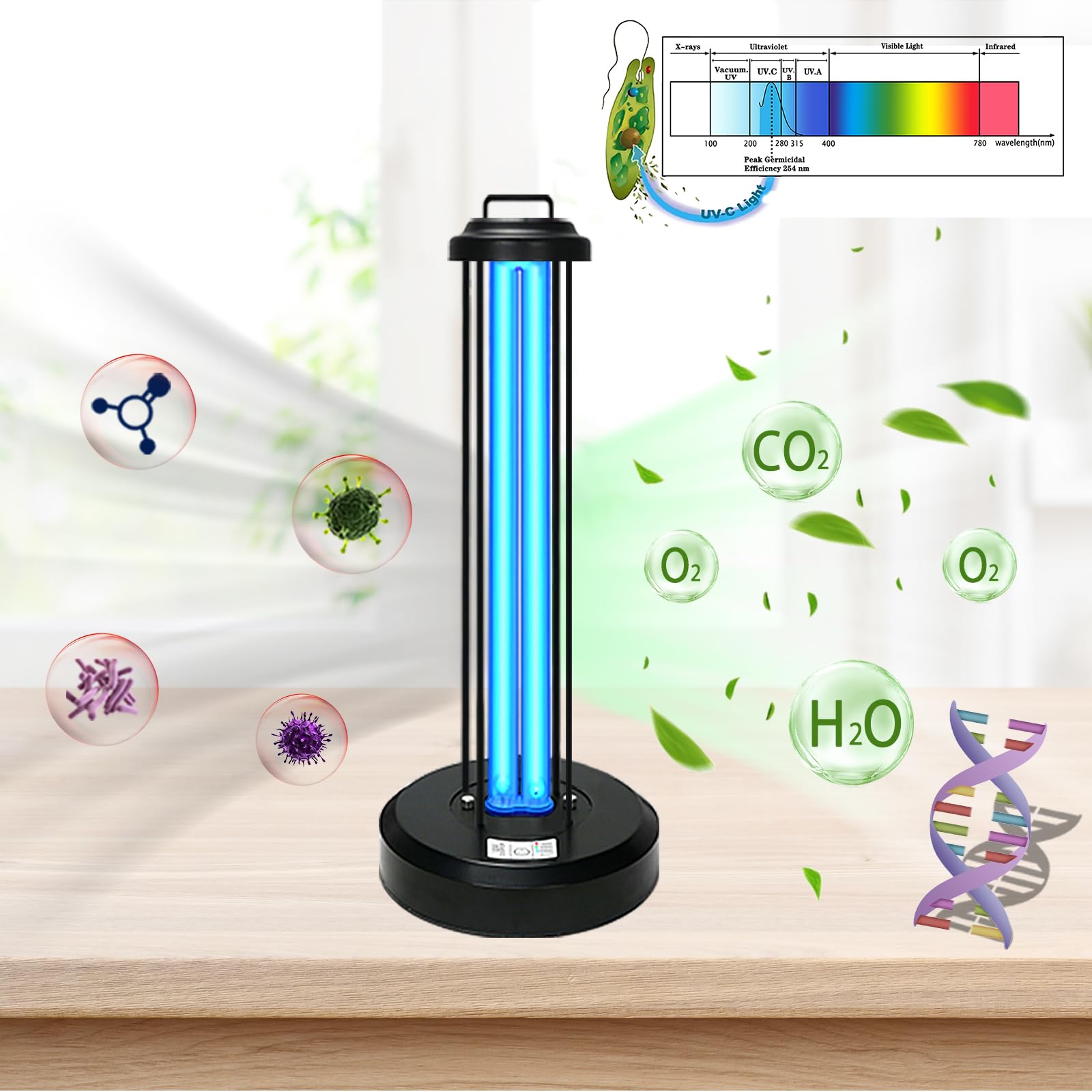
Ultraviolet light is a type of electromagnetic radiation located beyond the visible light spectrum. It is generally divided into three major categories:
-
UVA (315–400 nm)
-
UVB (280–315 nm)
-
UVC (100–280 nm)
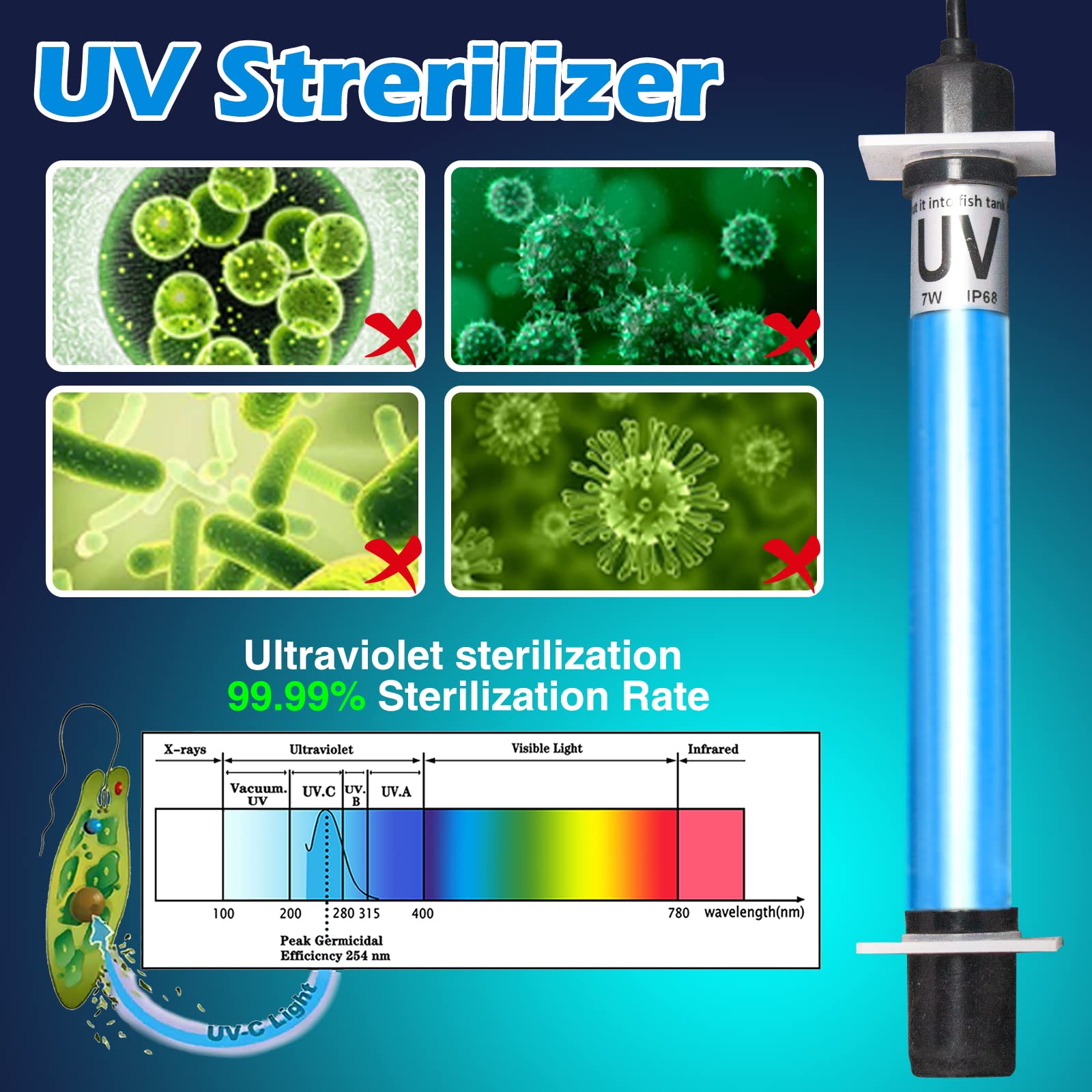
Among these, UV-C has the strongest germicidal effect. The most commonly used industrial disinfection wavelength is around 254 nanometers, which has been proven highly effective against many microorganisms.
The principle behind UV-C disinfection is based on photochemical reactions. When microorganisms are exposed to UV-C radiation, the energy penetrates their cellular structures and damages their DNA or RNA. This prevents them from reproducing and effectively eliminates their ability to cause infection or contamination.
Unlike chemical disinfectants that kill microorganisms through oxidation or chemical reactions, UV-C works through physical energy transfer. This unique mechanism provides several advantages:
-
No chemical residues
-
No impact on product taste or quality
-
No development of chemical-resistant microorganisms
-
Fast treatment speed
-
Low maintenance requirements
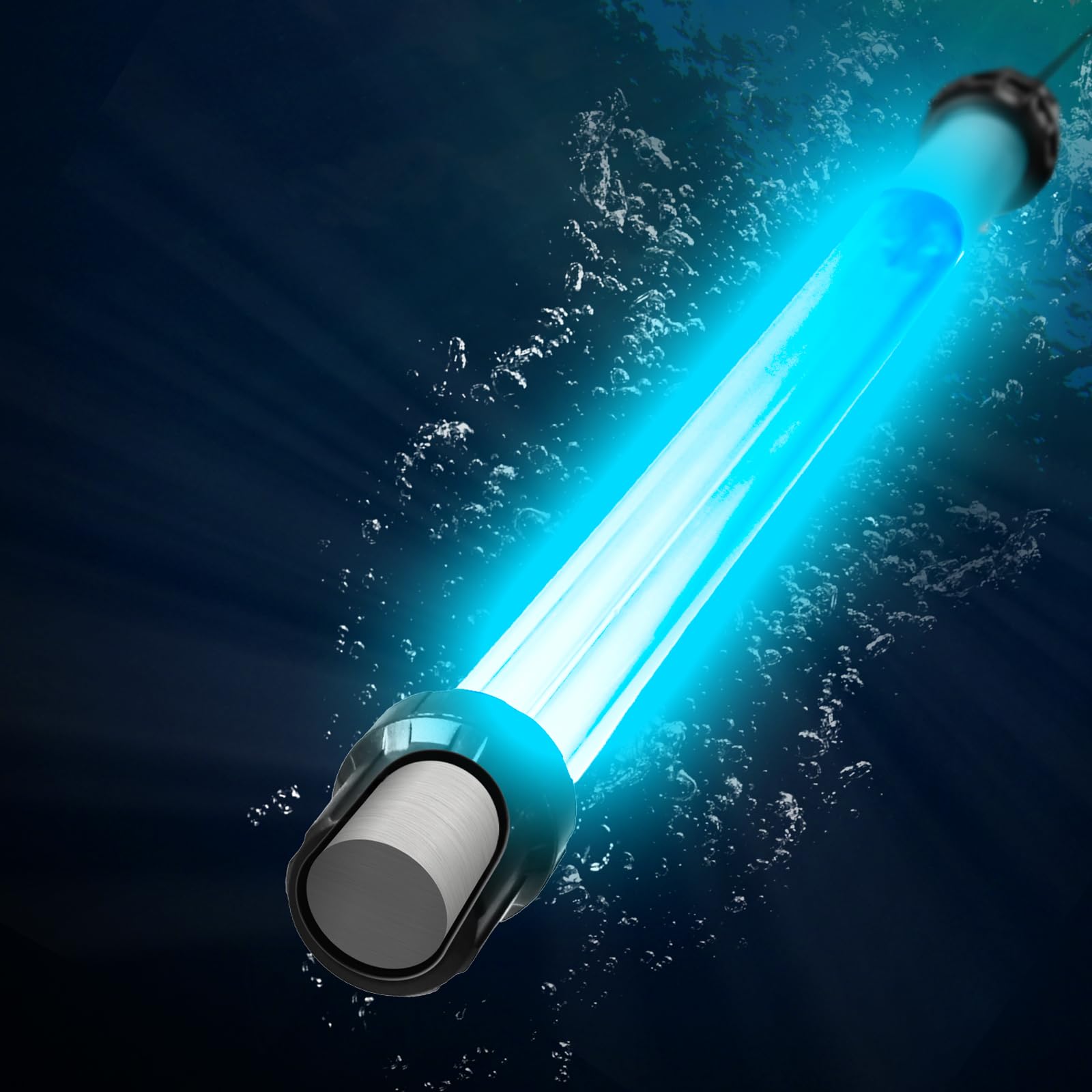
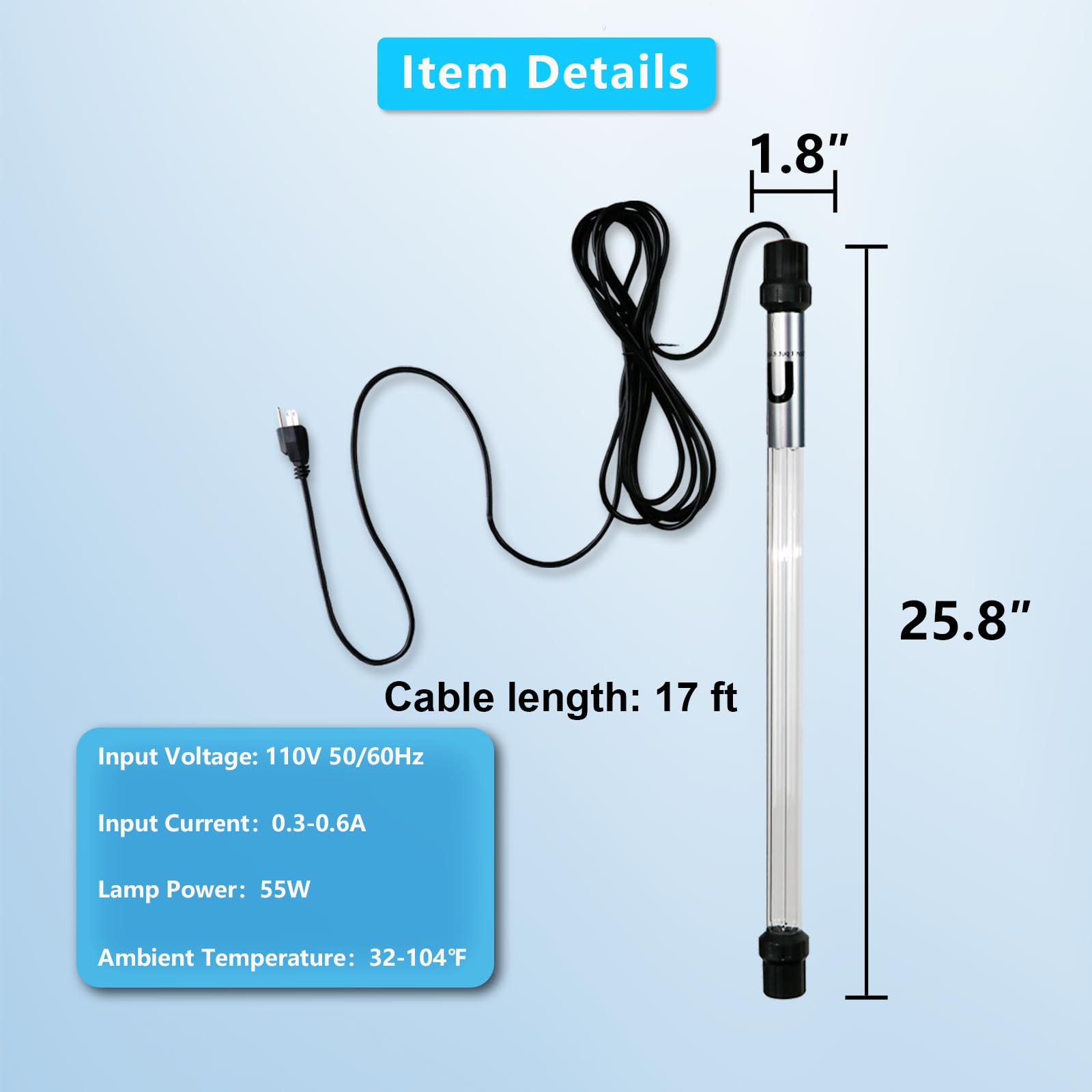
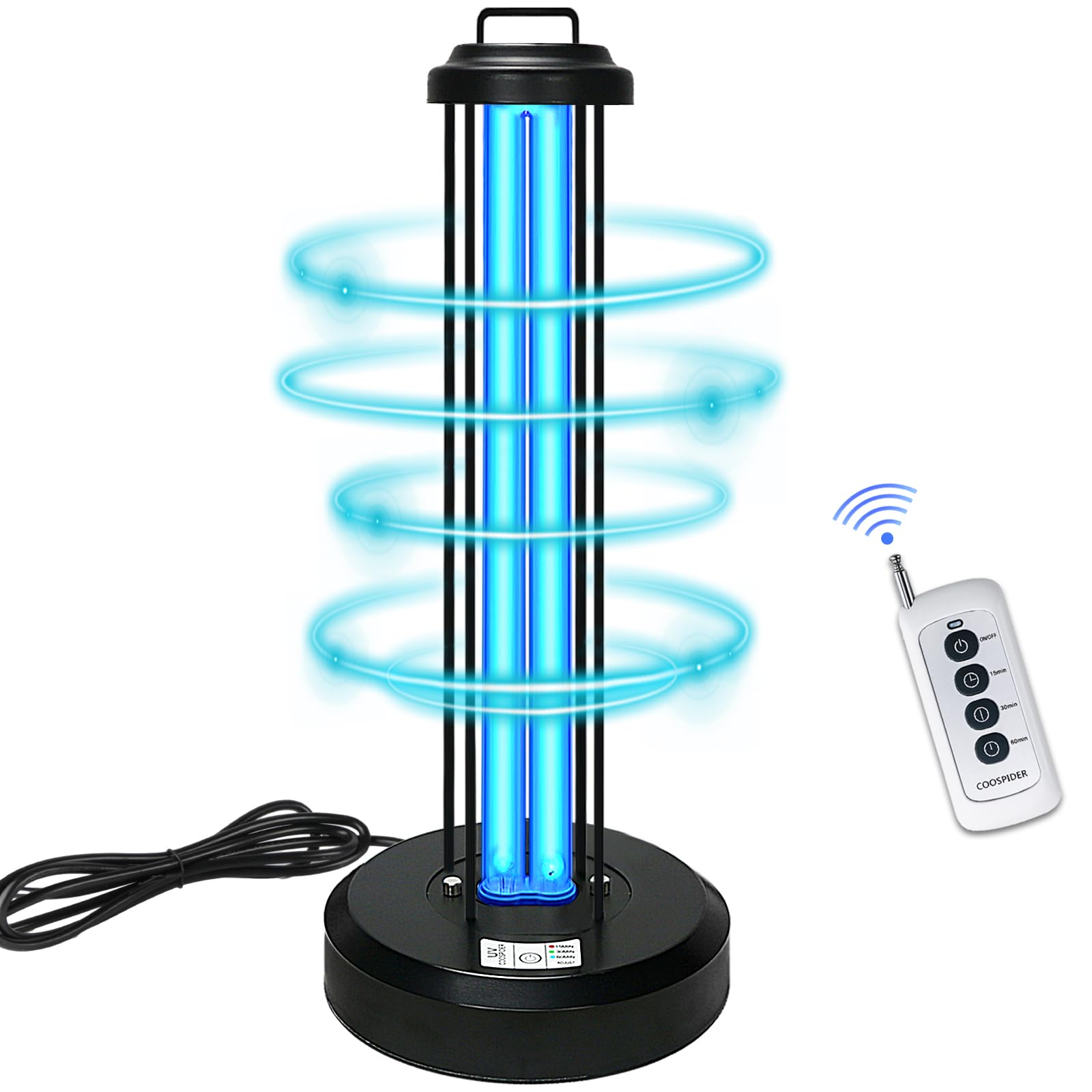
For industrial applications, UV-C lamps, LED UV-C systems, and customized UV disinfection chambers are designed to deliver precise radiation doses according to specific production requirements.
Why Pharmaceutical Manufacturing Needs UV-C Disinfection
The pharmaceutical industry is one of the most demanding environments when it comes to contamination control. Medicines, vaccines, biological products, and medical ingredients require extremely strict production conditions.
Even a small amount of microbial contamination can compromise product safety.
Maintaining Cleanroom Standards
Pharmaceutical cleanrooms must control airborne particles and microorganisms through advanced environmental management systems. Air filtration, personnel control, cleaning procedures, and sterilization technologies all work together to maintain a controlled environment.
Industrial UV-C systems are often integrated into:
-
HVAC air purification systems
-
Cleanroom air circulation units
-
Material transfer chambers
-
Equipment sterilization areas
-
Laboratory environments
When installed inside air handling systems, UV-C lamps continuously treat circulating air, reducing microbial levels and improving environmental cleanliness.
This is particularly valuable in facilities producing:
-
Injectable medicines
-
Sterile pharmaceutical products
-
Biopharmaceutical materials
-
Laboratory reagents
Supporting Sterile Production Processes
Sterile pharmaceutical manufacturing requires strict prevention of microbial contamination throughout the entire production chain.
UV-C systems can be used for:
Equipment Surface Disinfection
Production equipment, conveyor systems, filling machines, and storage areas may accumulate microorganisms during operation. UV-C treatment provides rapid surface disinfection without introducing moisture or chemicals.
Packaging Area Protection
The packaging stage is a critical point where products may be exposed to environmental contamination. UV-C technology helps maintain cleaner packaging environments and supports overall product safety.
Water and Air Treatment
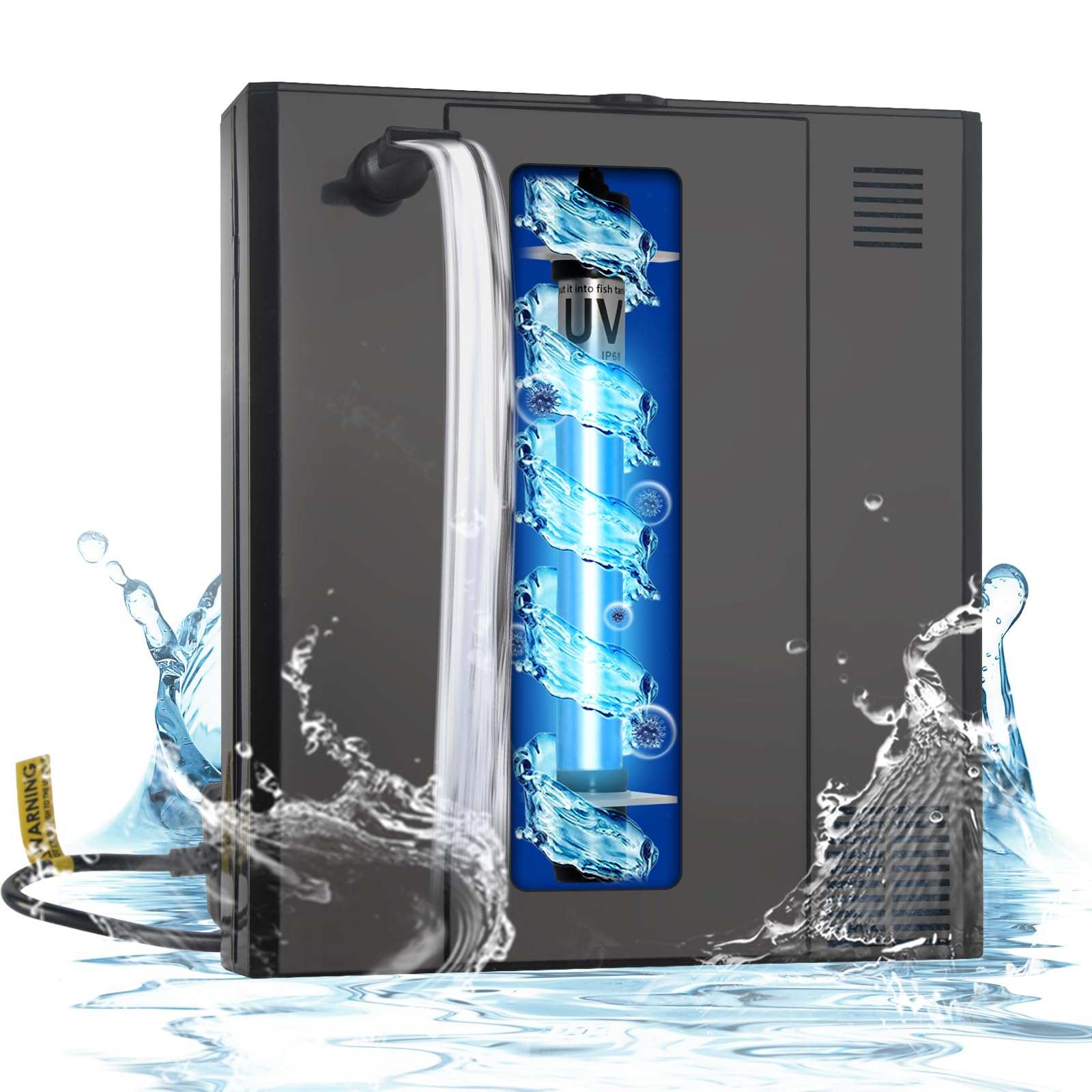
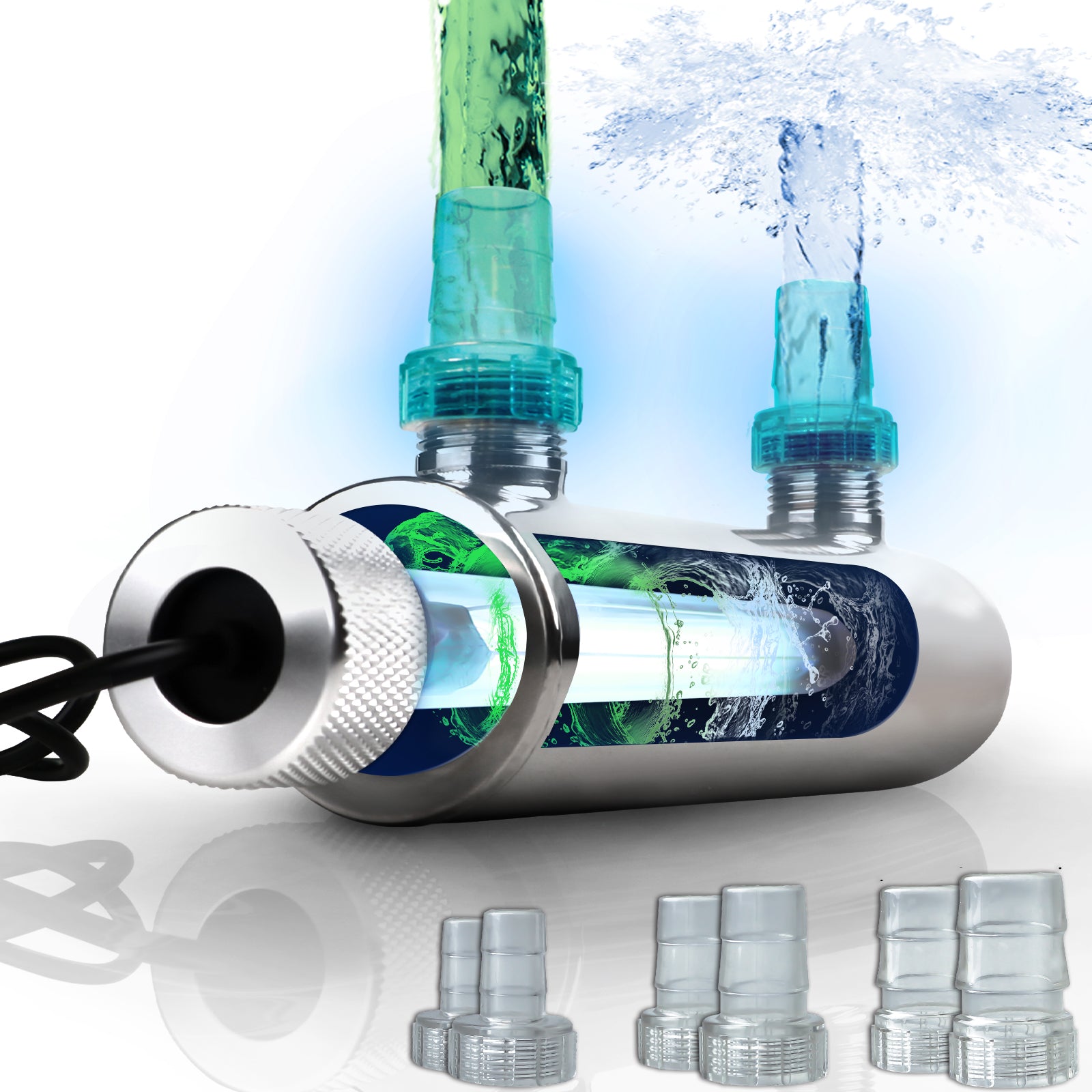
Water quality is essential in pharmaceutical manufacturing. UV-C systems are widely used in water purification processes to reduce microbial contamination without changing chemical composition.
UV-C Technology in Food Manufacturing: Protecting the Food Supply Chain
Food safety is directly connected to public health. From raw material processing to final packaging, food manufacturers must constantly manage microbial risks.
Common contaminants include:
-
Salmonella
-
E. coli
-
Listeria
-
Mold spores
-
Yeasts
-
Other foodborne microorganisms
Industrial UV-C disinfection provides an effective additional layer of protection.
Applications of UV-C in Food Processing Facilities
1. Air Sterilization in Production Areas
Air quality plays an important role in food manufacturing. Dust particles and airborne microorganisms can settle on food products during processing.
UV-C air purification systems help reduce airborne contamination in:
-
Meat processing facilities
-
Dairy plants
-
Beverage factories
-
Bakery production lines
-
Fresh produce processing areas
By continuously treating air circulation systems, UV-C technology helps create a cleaner production environment.
2. Conveyor Belt and Surface Disinfection
Food production lines often involve continuous contact between products and equipment surfaces.
Traditional cleaning methods may require:
-
Water usage
-
Chemical disinfectants
-
Production downtime
UV-C systems provide an efficient alternative by disinfecting conveyor belts, packaging surfaces, and processing equipment during operation.
For example:
-
Bakery conveyor systems can use UV-C to reduce microbial contamination on surfaces.
-
Beverage filling areas can use UV-C protection around critical contact zones.
-
Fresh food packaging lines can apply UV-C treatment before sealing.
3. Packaging Material Sterilization
Packaging materials can carry microorganisms before they come into contact with food products.
UV-C technology can treat:
-
Plastic containers
-
Bottle surfaces
-
Packaging films
-
Caps and closures
Because UV-C leaves no chemical residue, it is ideal for applications where direct food contact is a concern.
Advantages of Industrial UV-C Disinfection Systems
Chemical-Free Operation
One of the greatest benefits of UV-C technology is that it does not rely on chemicals.
Chemical disinfectants may create challenges such as:
-
Residue removal requirements
-
Chemical storage concerns
-
Environmental disposal issues
-
Potential product contamination
UV-C avoids these problems by using light energy instead.
Fast Disinfection Performance
Industrial production environments require efficient solutions. UV-C systems can disinfect surfaces and air within seconds or minutes depending on radiation intensity and exposure time.
This allows manufacturers to maintain hygiene standards without significantly slowing production.
Environmentally Friendly Solution
As industries focus more on sustainability, reducing chemical consumption has become increasingly important.
UV-C systems:
-
Consume relatively low energy
-
Reduce chemical waste
-
Require fewer consumable materials
-
Support greener manufacturing practices
Easy Integration Into Existing Production Systems
Modern UV-C equipment can be customized for different industrial environments.
Common installation options include:
-
Air duct UV-C systems
-
Ceiling-mounted UV-C units
-
Enclosed UV sterilization chambers
-
Conveyor-mounted UV systems
-
Robot-assisted UV disinfection systems
This flexibility allows factories to incorporate UV-C technology without major changes to existing workflows.
Important Factors When Choosing Industrial UV-C Equipment
Not all UV-C systems provide the same performance. Industrial applications require careful evaluation of several technical factors.
UV-C Intensity
Radiation intensity determines how much energy reaches microorganisms.
Higher contamination risks usually require stronger UV-C output or longer exposure times.
Exposure Time
The effectiveness of UV-C depends on the relationship between intensity and exposure duration.
A properly designed system must ensure microorganisms receive sufficient UV-C dosage.
Lamp Quality and Lifespan
Industrial UV-C lamps must provide stable output over long operating periods.
Important considerations include:
-
Lamp efficiency
-
Operating hours
-
Maintenance requirements
-
Output stability
Installation Design
Correct positioning is essential because UV-C radiation works through direct exposure.
Factors such as:
-
Distance
-
Airflow speed
-
Surface accessibility
-
Shadow areas
must be considered during system design.
Professional engineering support is often necessary to achieve maximum effectiveness.
Safety Considerations for Industrial UV-C Systems
Although UV-C is highly effective for disinfection, direct exposure can be harmful to human skin and eyes.
Industrial facilities must implement proper safety measures, including:
-
Protective shielding
-
Automatic shutoff systems
-
Safety sensors
-
Warning signs
-
Controlled operating procedures
Many modern UV-C systems are designed to operate safely inside enclosed equipment or ventilation systems, preventing unnecessary human exposure.
Safety is especially important in factories where employees work continuously around production equipment.
The Future Development of Industrial UV-C Disinfection
With increasing demand for safer production environments, UV-C technology continues to evolve.
Several trends are shaping the future of industrial disinfection:
UV-C LED Technology
Traditional mercury-based UV-C lamps are gradually being complemented by UV-C LED solutions.
Advantages of UV-C LEDs include:
-
Compact size
-
Instant operation
-
Longer service life
-
Flexible installation options
Although UV-C LEDs are still developing for some high-power industrial applications, their potential is significant.
Smart Monitoring Systems
Future UV-C equipment will increasingly combine with digital technologies.
Smart systems can monitor:
-
UV intensity
-
Operating hours
-
Maintenance requirements
-
Disinfection performance
This allows manufacturers to improve efficiency and maintain consistent hygiene standards.
Automated Disinfection Solutions
Automation is becoming more common in industrial environments.
UV-C technology may be integrated with:
-
Autonomous cleaning robots
-
Smart factory systems
-
Automated production lines
These developments will further improve contamination control.
UV-C: A Reliable Safety Partner for Modern Manufacturing
The pharmaceutical and food industries operate under strict requirements where safety cannot be compromised. As production environments become more complex, manufacturers need reliable, efficient, and sustainable disinfection solutions.
Industrial UV-C ultraviolet disinfection provides an effective way to control microorganisms while reducing dependence on chemical treatments. From pharmaceutical cleanrooms to food processing facilities, UV-C technology helps companies maintain higher hygiene standards and protect the quality of their products.
As industries continue moving toward smarter and cleaner manufacturing, UV-C systems will play an increasingly important role as an invisible defense line—a true safety guardian protecting production environments around the world.
For pharmaceutical companies, food manufacturers, and industrial facilities seeking advanced ultraviolet disinfection solutions, choosing the right UV-C system design and professional technical support is the key to achieving long-term safety, efficiency, and reliability.