Aquarium heaters are supposed to be the quiet, invisible heroes that keep your fish warm, healthy, and stress-free—especially during colder seasons. But for many fishkeepers, heaters can suddenly become annoyingly loud, making clicking, buzzing, humming, rattling, or even popping sounds throughout the day.
A noisy heater is more than just a nuisance. In many cases, it’s a warning sign that something isn’t working properly—or is about to fail.
In this comprehensive guide, we’ll break down:
-
Why aquarium heaters make noise
-
Which sounds are normal and which require immediate action
-
The most common causes of noise
-
Proven noise-reduction techniques
-
How to prevent heater noise in the future
-
When to replace your heater instead of fixing it
By the end, you’ll not only understand the root of the problem but also know how to silence your heater for good.
1. Understanding Aquarium Heater Noise: What’s Normal and What’s Not?
Not all noises are signs of danger. Some are normal, while others point to mechanical issues, electrical problems, or improper installation. Here’s how to decode them:
Normal Sounds
✔ Soft clicking
Most thermostatic heaters click when turning on or off. The internal bimetal thermostat flexes as the temperature changes, producing a quiet “tick.” This is normal unless the clicking becomes rapid or excessively loud.
✔ Soft popping when first heating
When cold glass meets warm water, a little thermal expansion noise can happen. This typically stops within minutes.
Abnormal Sounds
✖ Loud or rapid clicking
Indicates temperature control issues, unstable power, or thermostat failure.
✖ Constant humming or buzzing
Often a sign of electrical vibration, poor insulation, or internal component wear.
✖ Rattling
Usually caused by loose internal parts, cracked casing, or a heater that is not properly secured.
✖ Boiling-like noise
Can indicate overheating or water trapped inside the heater—very dangerous.
✖ High-pitch whining
Often linked to electrical interference or cheap internal components.
If your heater produces any of the abnormal sounds above, keep reading—your heater is trying to tell you something important.
2. The 10 Most Common Reasons Your Aquarium Heater Is Noisy
Understanding the cause is the first step toward solving heater noise. These are the most frequent culprits:
Reason 1: The Heater Is Not Fully Submerged
Partially submerged heaters often trap air pockets around the heating element.
This causes:
-
popping sounds
-
bubbling sounds
-
internal rattling
Solution: Ensure the heater is submerged to the manufacturer’s recommended level.
Reason 2: Heater Touching Glass or Decorations
When the heater physically touches the tank wall or ornaments, vibrations transfer to the tank structure, amplifying the noise.
Solution:
Reposition the heater so it floats freely with minimal contact.
Reason 3: Water Flow Is Too Strong
Direct flow from filters or wave makers can push the heater, causing:
-
rattling
-
clicking
-
vibration
Solution:
Adjust flow direction so it circulates water around the heater without hitting it directly.
Reason 4: The Thermostat Is Wearing Out
Over time, mechanical thermostats degrade.
Symptoms:
-
rapid clicking
-
irregular heating cycles
-
inaccurate temperatures
Solution:
Switch to an external controller or replace the heater entirely.
Reason 5: Loose Internal Components
If your heater has been dropped, overheated, or cheaply manufactured, internal parts may loosen.
These can shake or vibrate.
Solution:
Do not open the heater—it’s sealed for safety. Replace it immediately.
Reason 6: Heater Installed Too Close to the Substrate
Gravel or sand can trap heat, causing:
-
crackling
-
popping
-
overheating
Solution:
Mount the heater vertically or horizontally at least 2–3 inches above the substrate.
Reason 7: Mineral Deposits or Algae Buildup
A dirty heater can cause uneven heating or vibration.
Solution:
Perform regular cleaning using vinegar or citric acid solution.
Reason 8: Electrical Interference
Cheap, unshielded heaters may buzz or hum due to electrical vibration.
Solution:
Plug the heater into a surge-protected power strip or upgrade to a better brand.
Reason 9: Incorrect Wattage
A heater that’s too small works constantly at full power, making noise.
A heater that’s too large overheats and short-cycles rapidly.
Solution:
Use proper wattage (3–5W per liter / 1–3W per gallon depending on room temperature).
Reason 10: Heater Is Simply Old
Heaters have a lifespan—usually 2 to 3 years for budget brands, up to 5–8 years for premium titanium heaters.
Old heaters:
-
click louder
-
hum more
-
run hotter
-
become less stable
Solution:
Replace old heaters proactively to avoid failures.
3. Step-by-Step Noise Troubleshooting Guide
Here’s how to diagnose the problem systematically.
Step 1: Listen Closely
Identify the sound:
| Sound Type | Likely Cause |
|---|---|
| Loud clicking | bad thermostat |
| Buzzing | electrical vibration |
| Rattling | loose parts or contact |
| Popping | heat stress or water inside unit |
| Humming | electrical interference |
This helps you decide where to look next.
Step 2: Check Mounting Position
Make sure the heater:
-
is fully submerged
-
isn’t touching glass
-
isn’t near strong flow
-
isn’t buried in substrate
Reposition as necessary.
Step 3: Inspect for Damage
Without removing the heater from water while plugged in:
Look for:
-
cracks
-
condensation inside
-
burnt smell
-
discolored spots
If any appear → replace immediately.
Step 4: Check Electrical Setup
Try:
-
another outlet
-
a surge protector
-
unplugging other noisy devices
Electrical noise can travel through circuits.
Step 5: Test the Thermostat
If the clicking is too frequent:
-
compare heater reading vs external thermometer
-
check for temperature swings
If difference > 2°F → thermostat is failing.
Step 6: Clean the Heater
Use:
-
vinegar solution
-
soft sponge
-
toothbrush for edges
Avoid harsh chemicals—they destroy seals.
4. The Best Noise-Reduction Methods That Actually Work
Below are the most effective techniques used by experienced aquarists.
Method 1: Use Rubber Suction Cups or Silicone Spacers
These reduce vibration transfer dramatically.
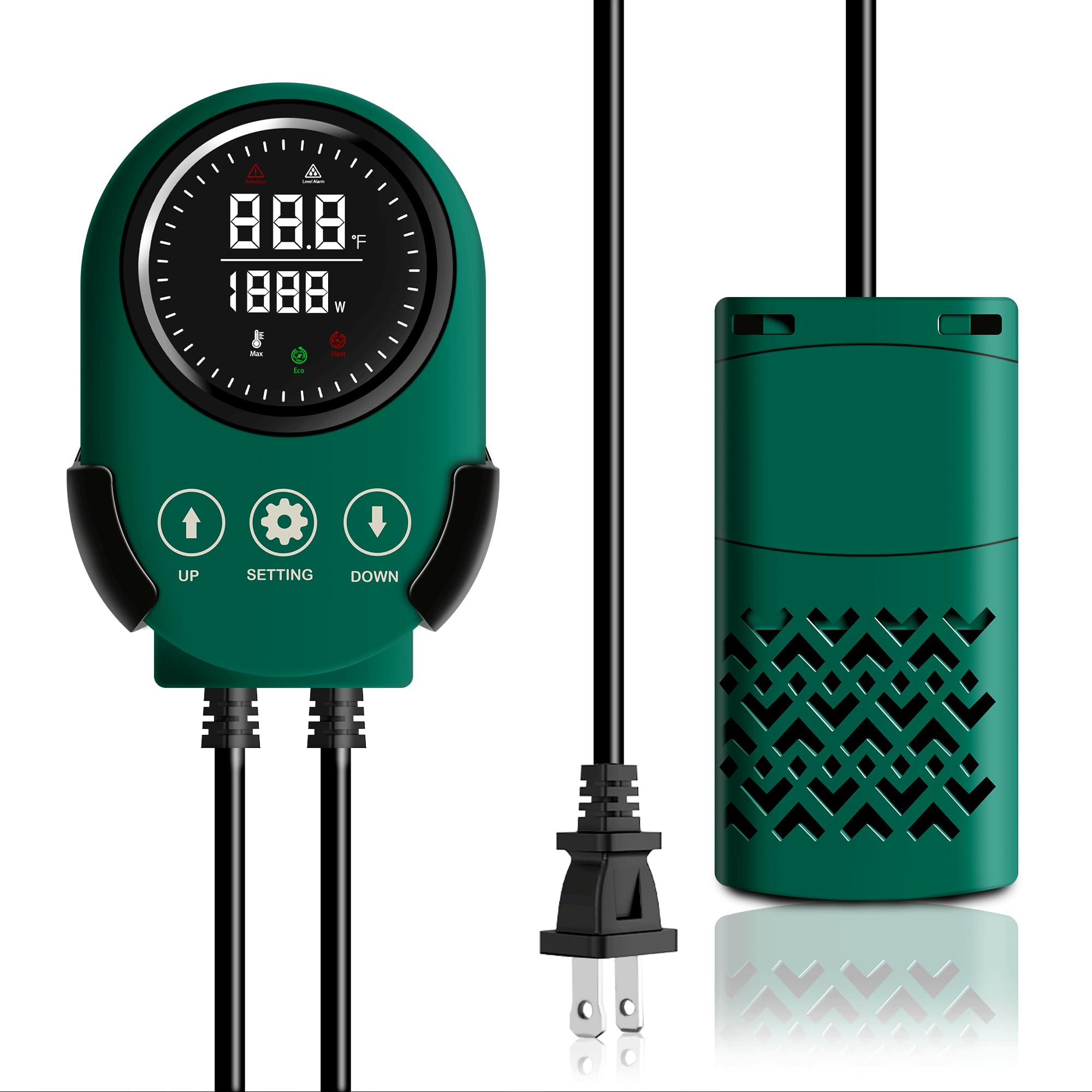
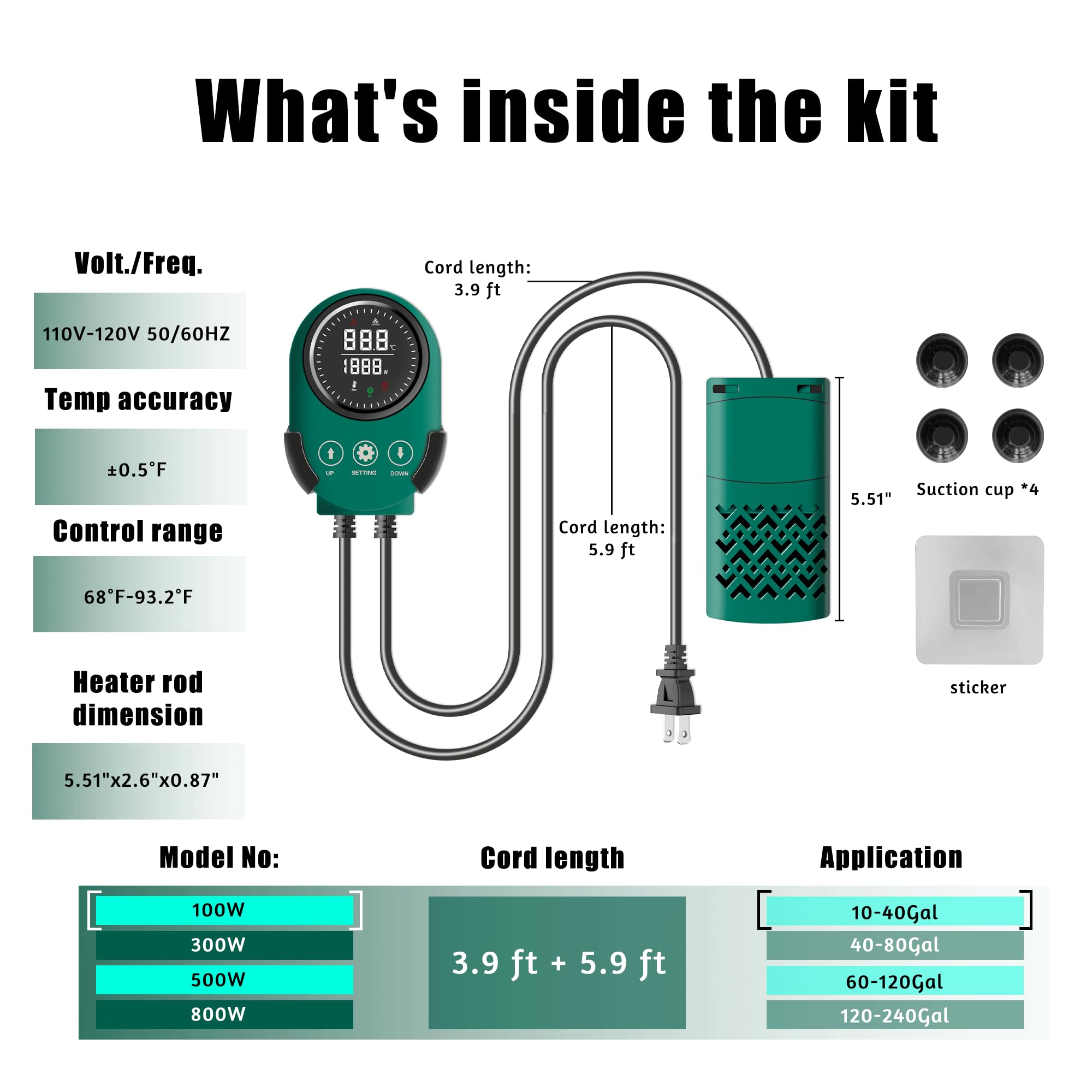
Method 2: Install an External Temperature Controller
A controller:
-
reduces cycling
-
makes operation smoother
-
prevents overheating
-
extends heater lifespan
It also bypasses noisy internal thermostats.
Method 3: Switch to a Titanium Heater
Glass heaters are more prone to noise due to thermal expansion.
Titanium heaters are:
-
quieter
-
stronger
-
more stable
-
safer
Often a permanent solution.
Method 4: Reduce Water Flow Around Heater
Turn or angle your filter output.
Lessen flow during the night if noise is disruptive.
Method 5: Add a Floating Heater Guard
These plastic or silicone sleeves stabilize the heater and prevent it from hitting the tank wall.
5. Preventing Heater Noise Before It Happens
A quiet heater begins with proper planning.
Tip 1: Choose the Right Wattage
Use this quick rule:
Heavily heated home: 2.5W per gallon
Cold room: 3–5W per gallon
Proper wattage prevents stress and noise.
Tip 2: Place the Heater Near Water Circulation
Consistent water flow prevents overheating and improves temperature stability.
Tip 3: Perform Monthly Cleaning
Mineral buildup = noise + overheating risk.
Tip 4: Replace Suction Cups Regularly
Old hardened suction cups transmit more vibration.
Tip 5: Replace Your Heater Every 2–4 Years
Heaters fail silently—or loudly.
Don’t wait until the noise becomes dangerous.
6. When Should You Replace Your Heater Instead of Fixing It?
Replace immediately if:
-
you hear boiling or sizzling
-
water is inside the tube
-
glass is cracked
-
buzzing is electrical
-
metal casing is discolored
-
the heater shocks you when touched
-
the thermostat cycles every few seconds
Heaters can explode, overheat, or electrocute livestock. When in doubt, replace.
7. Recommended Quiet Heater Types
If you want silence, choose:
✔ Titanium Heaters (Best Overall)
-
very quiet
-
durable
-
shatterproof
-
stable temperature
✔ External Controllers + Heating Element
-
stable
-
safe
-
minimal sound
✔ High-End Glass Heaters
With ceramic cores and precise thermostats.
8. Final Thoughts: A Quiet Heater Means a Healthier Aquarium
A noisy heater is more than an annoyance—it’s feedback from your equipment. Whether the cause is installation, electrical issues, or aging components, addressing noise early protects both your peace and your fish.
With the tips above, you can:
-
silence your heater
-
improve temperature stability
-
extend heater lifespan
-
make your aquarium safer
Your heater should blend into the background—not become the loudest thing in your fish room.