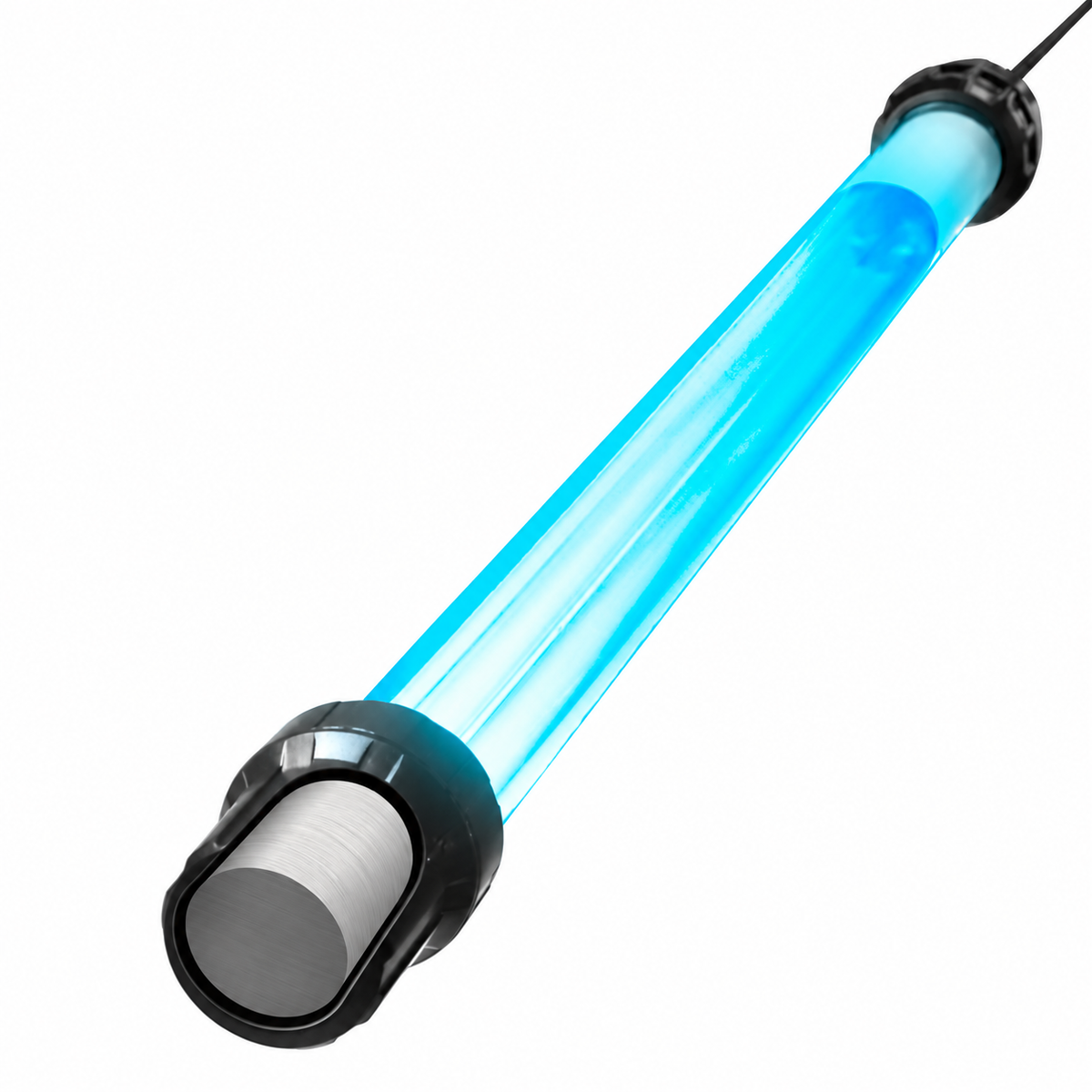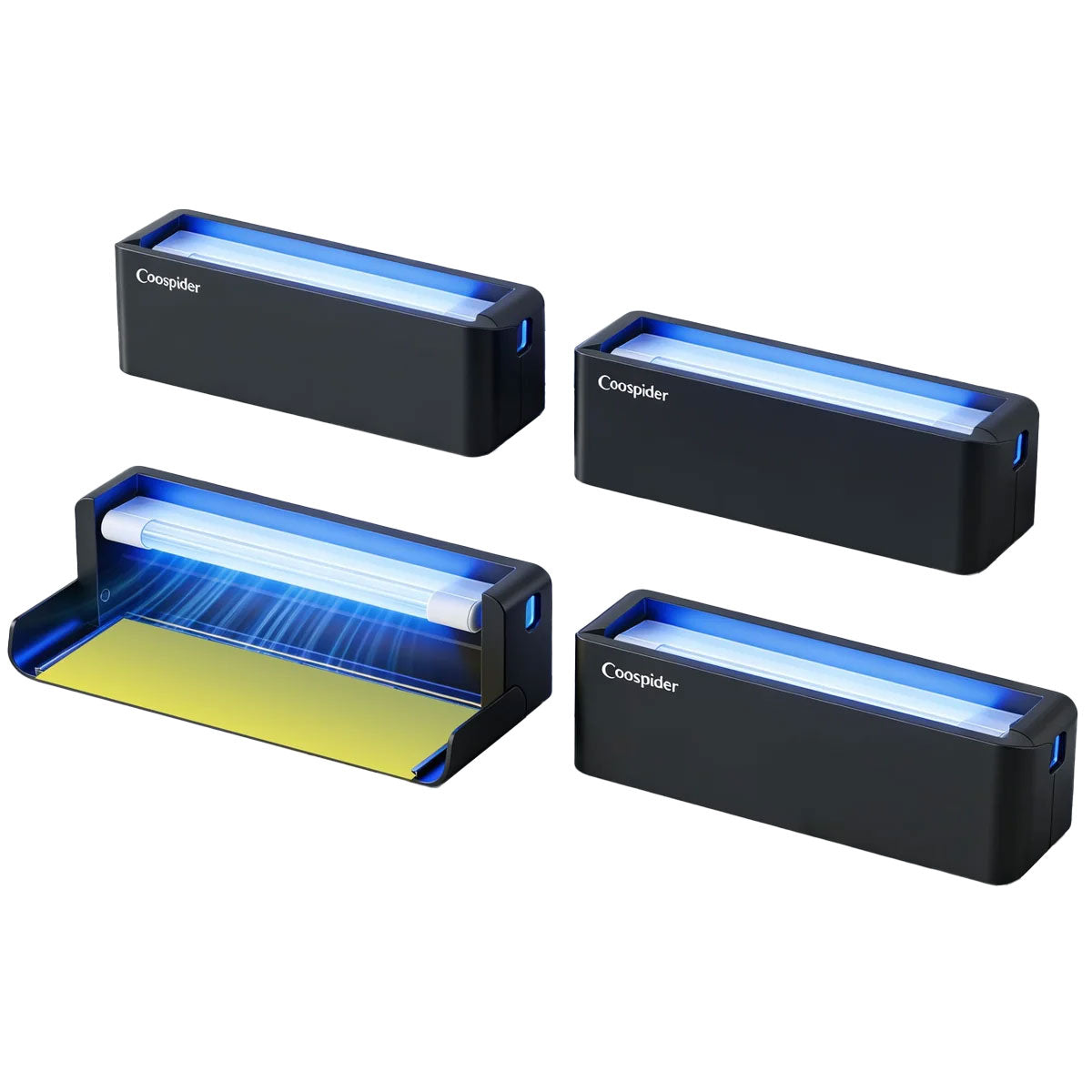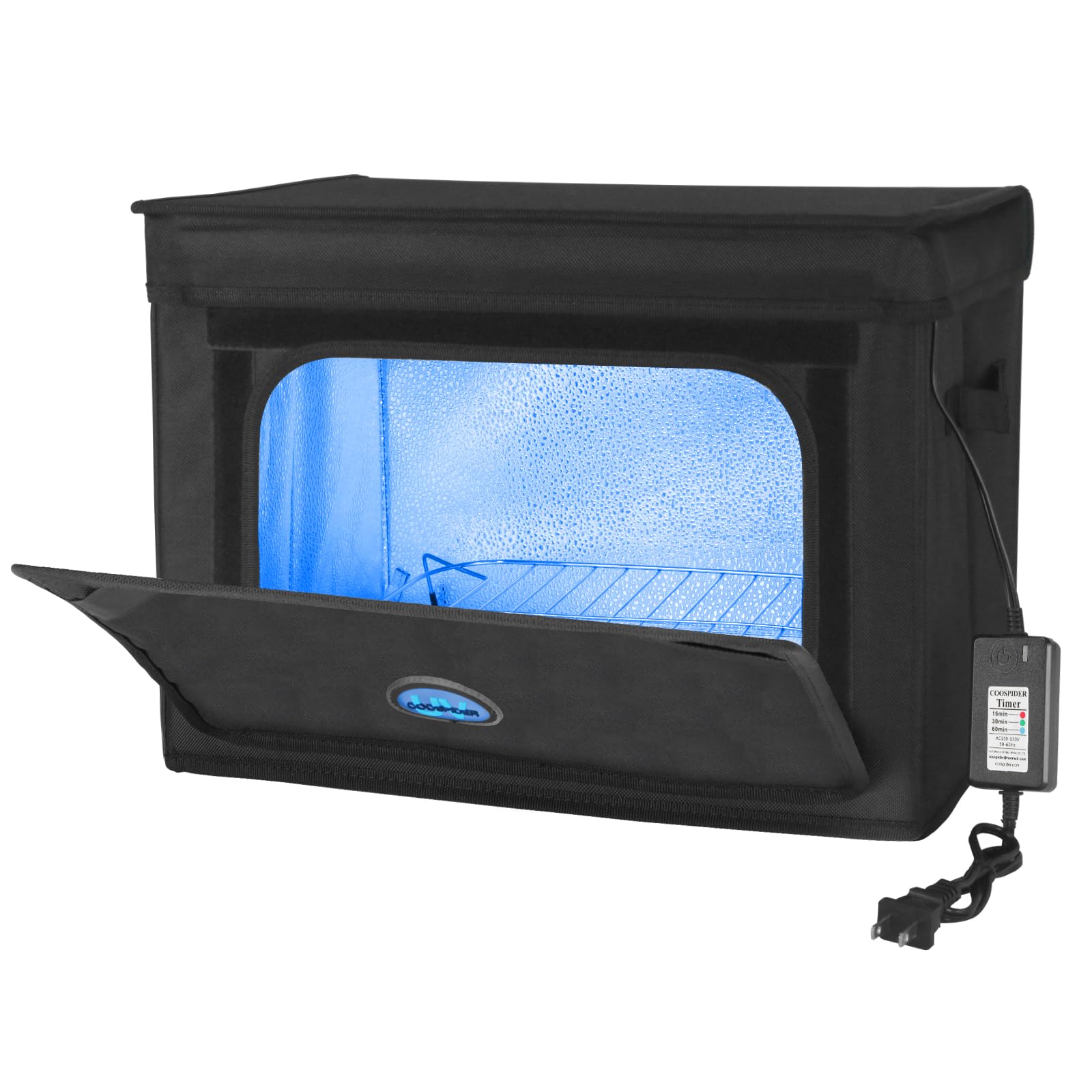
Mosquito killer lamps—whether UV lamps, CO₂ attractant devices, photocatalytic traps, or electric-grid zappers—have become a household essential in many regions. As mosquito seasons get longer and more unpredictable, homeowners naturally want the most effective solution possible. And one of the most common questions people ask is:
“Do I need to keep my mosquito killer lamp running 24 hours a day?”
At first glance, it seems logical: mosquitoes fly, the device works, so more hours must equal more efficiency. But in practice, mosquito behavior, device technology, energy consumption, and environmental factors all influence whether 24/7 operation is necessary—or even ideal.
This comprehensive guide breaks down the science behind mosquito activity, how mosquito lamps actually capture insects, when continuous operation makes sense, and how to optimize your usage to save energy while achieving maximum mosquito elimination. By the end, you’ll know exactly when to run your lamp, how to position it, and how to build a mosquito-free home environment with minimal waste.
1. Understanding How Mosquito Lamps Work
Before deciding on operating time, you first need to understand how these devices attract and kill mosquitoes. Different technologies have different strengths—and different ideal run-times.
1.1 UV Lamp (365nm Light Attractant)
Most household mosquito lamps use 365nm ultraviolet light to attract insects. Many nighttime flying pests rely on light waves to navigate and are pulled toward UV frequencies.
Pros:
-
Low energy use
-
Safe for indoor use
-
Works well at night when insects follow light patterns
Cons:
-
Less effective on daytime mosquitoes (Aedes mosquitoes—carriers of dengue—are daytime biters)
-
Only works within a limited radius
UV lamps are designed mainly for night use, making 24-hour operation unnecessary in most cases.
1.2 Photocatalytic CO₂ Lamps
These devices combine UV light with a photocatalytic reaction that releases small amounts of CO₂—mimicking human breath. Since carbon dioxide is the strongest known attractant for mosquitoes, these lamps work around the clock.
Pros:
-
Attracts both day-biting and night-biting species
-
Stronger attraction radius
-
Good for outdoor or semi-outdoor spaces
Cons:
-
Higher power usage
-
Must run continuously to maintain consistent CO₂ levels
These lamps benefit from long-duration usage, especially outdoors.
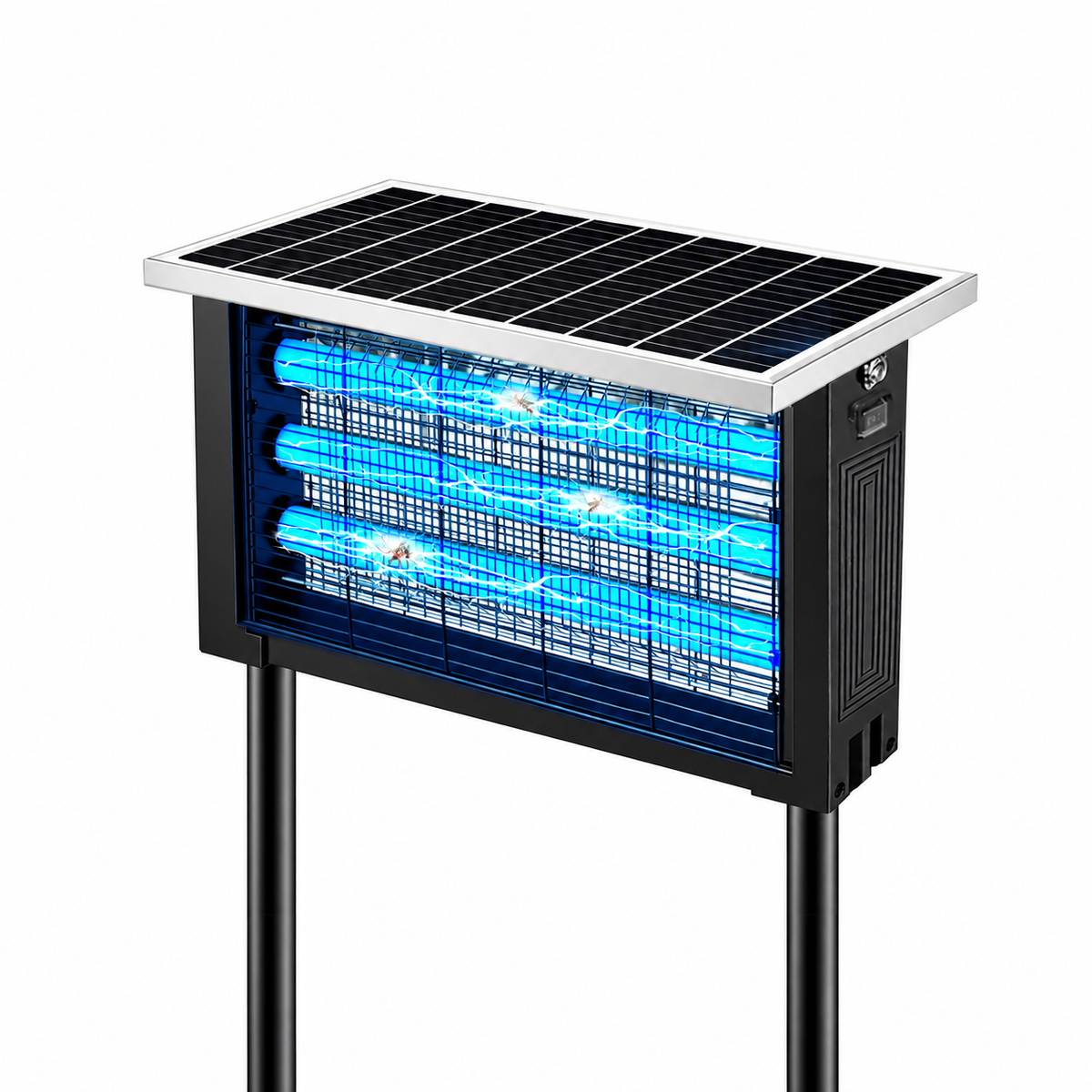
1.3 Electric Grid Zappers
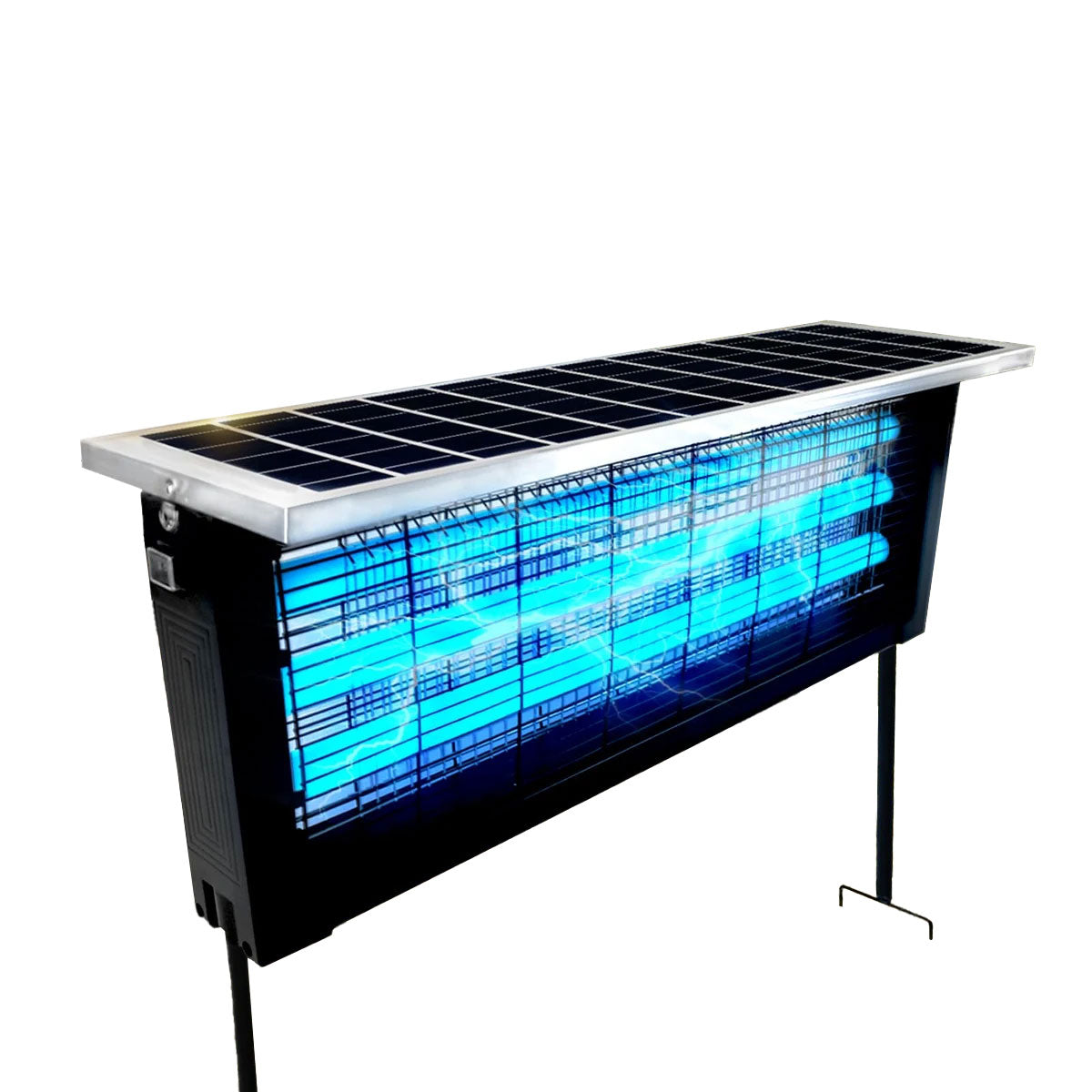
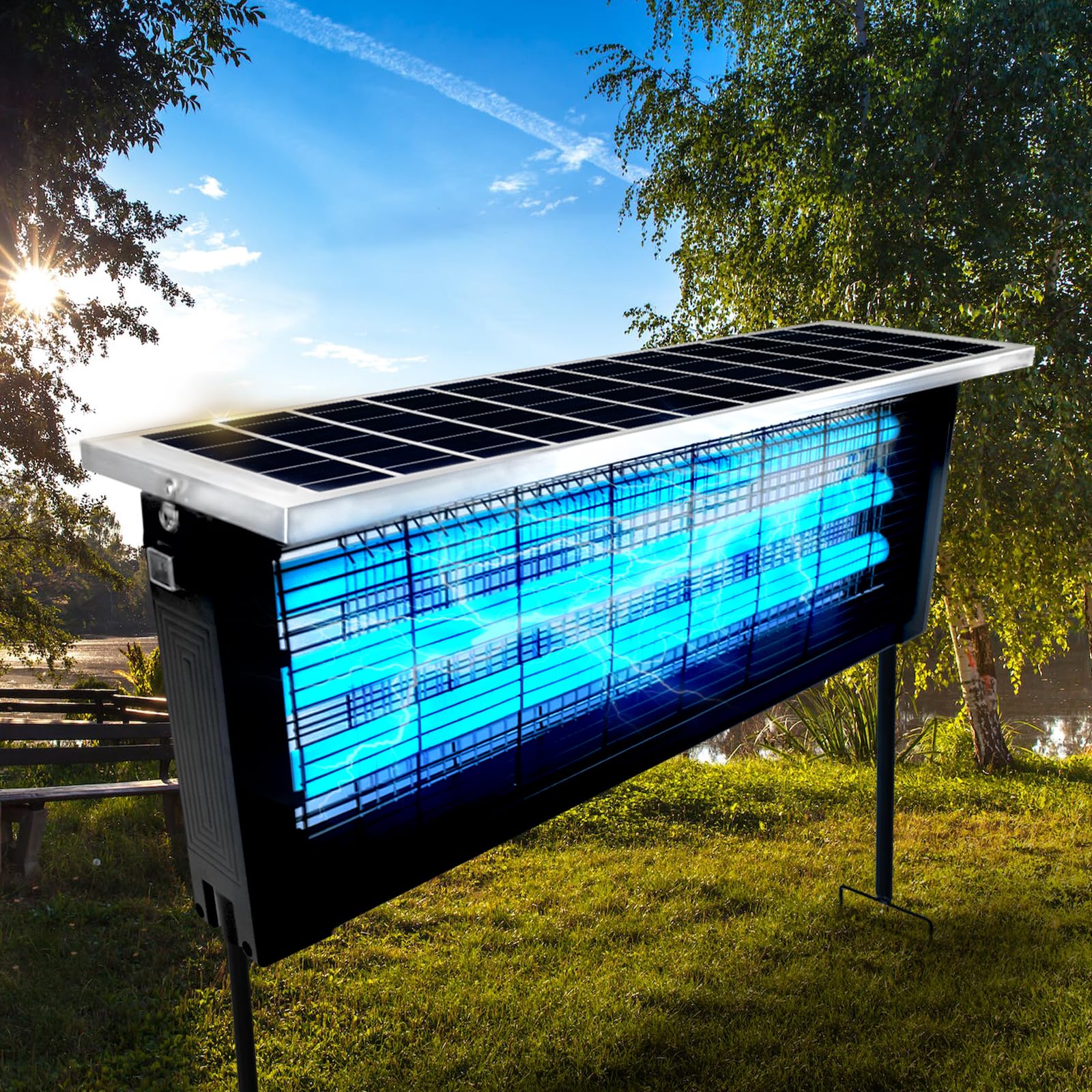
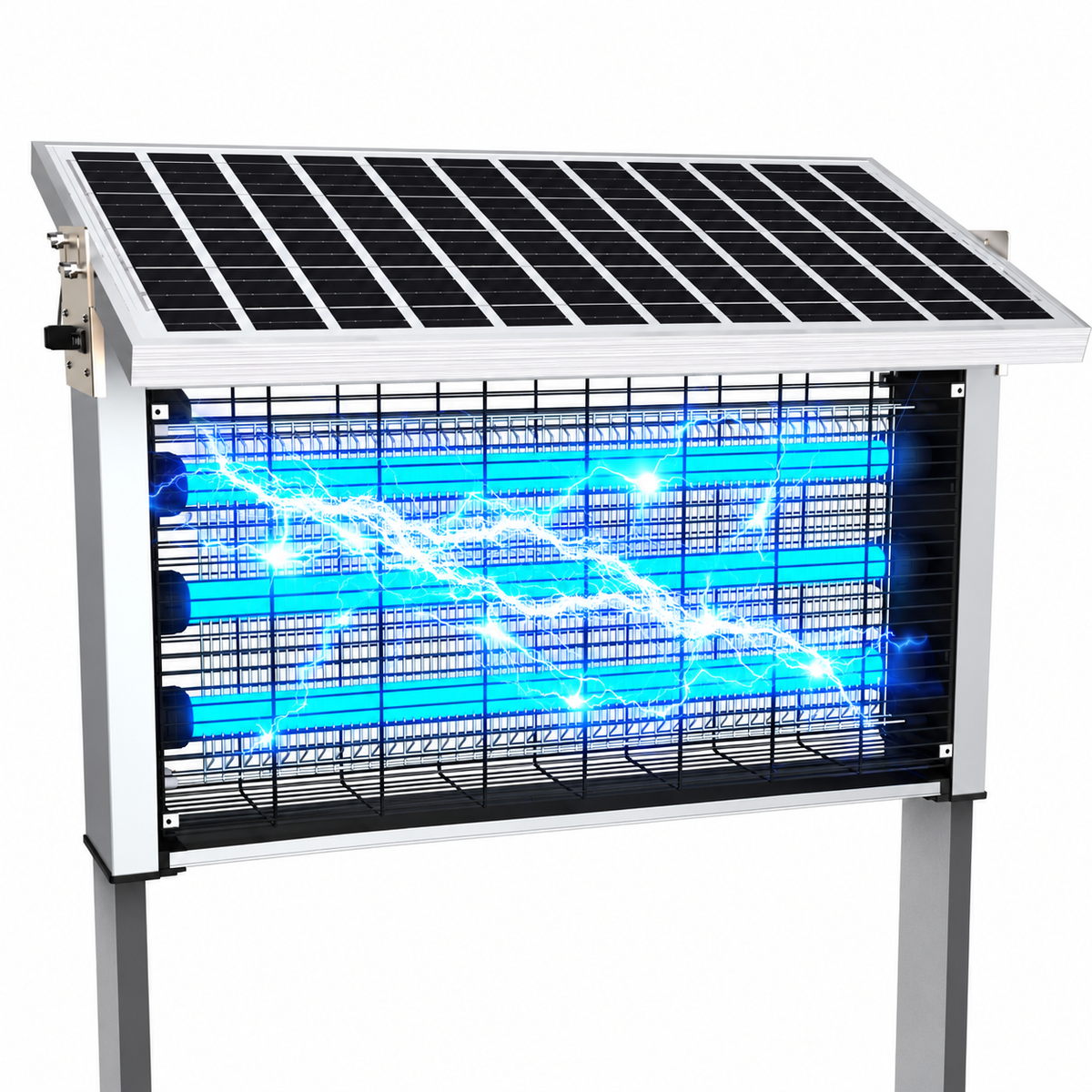
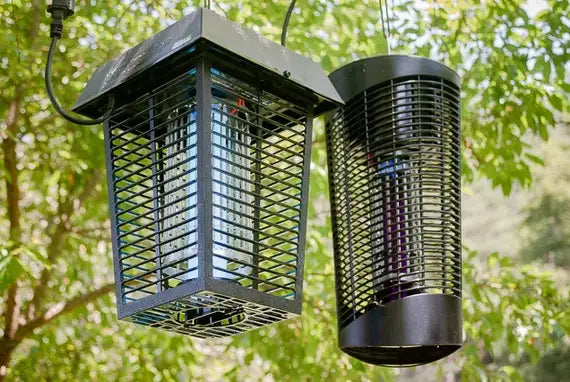
Zappers attract insects using UV light and kill them instantly with a high-voltage grid.
Pros:
-
Instant kill
-
Wide range of insects affected
-
Very low energy consumption
Cons:
-
Not all mosquito species are strongly attracted to UV
-
Works mainly after dusk
Zappers usually do not require 24/7 operation unless mosquitoes are active indoors during the day.
1.4 Fan-Suction Traps
After being attracted by light or CO₂, mosquitoes are pulled into the chamber by a fan and dehydrated to death.
Pros:
-
Quiet
-
Effective in a closed room
-
Safe for kids and pets
Cons:
-
Takes hours to kill insects (not instant zap)
-
Most effective in dark conditions
These work best when used for long intervals, ideally overnight or continuously in infested areas.
2. Mosquito Behavior: Why Timing Matters More Than Duration
If you want to use your mosquito lamp scientifically, you have to understand when mosquitoes are active.
2.1 Different mosquito species = different activity peaks
Aedes mosquitoes (Dengue, Zika, Chikungunya)
-
Active: Daytime (6 AM – 5 PM)
-
Weak attraction to UV light
-
Strong attraction to CO₂
Culex mosquitoes (Common house mosquitoes)
-
Active: Nighttime
-
Strongly attracted to UV
-
Very responsive to light-based traps
Anopheles mosquitoes (Malaria carriers)
-
Active: Nighttime
-
Respond well to UV and CO₂ traps
Because of this difference, your lamp’s effectiveness depends on when your local mosquito species are active.
3. Should Your Mosquito Lamp Run 24 Hours?
Let’s break it down by lamp type:
3.1 UV Lamps (Most household models)
Recommended:
-
Run ONLY from sunset to sunrise, 8–12 hours
Reason:
Mosquitoes guided by light are only active at night. Running it during the day wastes electricity and reduces lifespan.
24/7 operation?
❌ Not necessary
❌ Not more effective
❌ Adds heat and attracts dust unnecessarily
3.2 CO₂ / Photocatalytic Mosquito Traps
Recommended:
-
Run continuously for best results (especially in outdoor areas)
Reason:
These devices simulate human breath and build up an “attraction field.” Interrupting the CO₂ cycle causes the trap to lose effectiveness.
24/7 operation?
✔ Needed during mosquito season
✔ Effective for controlling Aedes mosquitoes (daytime biters)
3.3 Electric Grid Zappers
Recommended:
-
Run at night only
-
Or run all day IF mosquitoes frequently appear indoors during the day
24/7 operation?
✔ Possible
❌ Not always beneficial
They consume little energy, but daytime use does little to kill mosquitoes.
3.4 Fan-Suction Traps
Recommended:
-
Run long intervals (10–24 hours)
Fan traps work slowly—the mosquito must dehydrate to die—so shorter use reduces effectiveness.
24/7 operation?
✔ Ideal for heavy mosquito infestations
✔ Ideal indoors
✔ Helps break breeding cycles
4. The Science of Continuous Operation: Does It Improve Mosquito Elimination?
4.1 Breaking the breeding cycle
Mosquitoes reproduce quickly:
-
From egg to adult in 7–10 days
-
One female lays 100–200 eggs per cycle
Continuous operation:
✔ Eliminates new adults before they lay eggs
✔ Reduces future populations
✔ Works best with CO₂ and fan traps
4.2 Creating an attractant “zone”
Some devices (especially photocatalytic lamps) need hours to create a CO₂ plume or odor profile strong enough to lure mosquitoes.
Stopping the device resets this effect.
4.3 Night-only vs. 24/7: Energy Consumption
| Device Type | Typical Power | 24/7 Monthly Cost | Night-Only Cost |
|---|---|---|---|
| UV Lamp | 5–12W | $1.30–$3.00 | $0.70–$1.50 |
| Fan Trap | 3–5W | $0.80–$1.50 | $0.40–$0.70 |
| CO₂ lamp | 20–40W | $5–$12 | $2–$6 |
| Zap Grid | 8–15W | $2–$4 | $1–$2 |
In general:
-
UV lamps = little benefit running all day
-
Fan traps = moderate benefit
-
CO₂ traps = big benefit from continuous use
5. Optimal Usage Strategy: When to Turn It On and Off
Below is the scientifically recommended schedule.
5.1 Indoors (Living room / bedroom / office)
For typical household mosquitoes:
✔ Best schedule:
6 PM – 8 AM (overnight operation)
Reason:
Most indoor mosquitoes are night feeders.
But if you live in a dengue-prone area…
✔ Best schedule for Aedes mosquitoes:
24/7 for CO₂ / photocatalytic traps
Night-only for UV traps
5.2 Outdoor patio / garden / yard
For outdoor areas:
✔ Run continuously for CO₂ traps
✔ Run from sunset to sunrise for UV traps
✔ Run whenever people are outdoors for zappers
Mosquitoes outdoors have wind and open space, so consistency matters more.
5.3 Near standing water
If you have:
-
Ponds
-
Water buckets
-
Pet bowls
-
Garden containers
-
Damp basements
Then mosquitoes will breed continuously.
✔ Run mosquito traps 24/7 for at least 2–3 weeks to break the cycle.
6. Why Position Matters More Than Duration
A correctly positioned mosquito lamp is 300% more effective than a poorly placed one—far more impactful than running it all day.
6.1 Never place the lamp too close to people
Mosquitoes are attracted to both:
-
Human heat
-
CO₂
-
Moisture
-
Breath odors
If the lamp is near people…
It competes and loses.
✔ Best: 5–20 feet away from human activity
✔ Let mosquitoes choose the lamp first
6.2 Place it low to the ground
Mosquitoes fly close to the ground when hunting.
✔ 20–40 cm height indoors
✔ Under tables, corners, walls
✔ Shaded areas outdoors
Avoid high shelves—this reduces catch rates.
6.3 Darkness increases effectiveness
UV attraction drops by 80% in well-lit rooms.
If your lamp uses light attraction:
✔ Turn off room lights
✔ Keep curtains closed
✔ Place in darker zones
6.4 Avoid windy spots
Wind disperses CO₂ and weakens suction traps.
✔ Indoors: choose corners
✔ Outdoors: choose wind-shielded areas
6.5 Distance from competing light sources
Streetlights, TVs, and bright lamps can confuse the mosquito’s path.
✔ Always give your mosquito lamp “visual dominance”
✔ Keep it away from bright electronics
7. Should You Leave It On Overnight? (Short Answer: YES)
For almost all types of lamps:
-
Nighttime operation is essential
-
Mosquitoes enter homes more frequently during the night
-
Human scent, heat, and light influence mosquito behavior
-
Leaving it on while you sleep is the most efficient usage pattern
Even if not running it 24/7, running it every night is non-negotiable for effective mosquito control.
8. Safety Considerations for Long-Term Operation
If you plan to run your lamp for extended hours—or continuously during mosquito season—you must follow safety guidelines.
8.1 Avoid covering vents or fans
Overheating is a major cause of device failure.
8.2 Clean the trap at least once a week
Dead insects can block airflow and reduce efficiency.
8.3 Keep away from water sources
Especially electric grid zappers.
8.4 Secure power cables
Pets and children may pull on cords, causing falls or hazards.
8.5 Avoid flammable environments
Heat-producing devices should not be near paper, curtains, or chemicals.
9. Best Practices to Maximize Efficiency Without Using 24/7
If you prefer not to run your lamp all day, follow this strategy:
9.1 Run it during peak mosquito times
-
6 PM to midnight: highest activity
-
After rain: mosquitoes emerge
-
Before bedtime: reduce indoor density
9.2 Combine with natural strategies
-
Remove stagnant water
-
Clean drains
-
Install window screens
-
Use fans to disrupt flight
9.3 Use the lamp consistently
Using the lamp for 2 hours daily is worse than using it 8 hours nightly.
Consistency matters much more than 24/7 usage.
10. When 24/7 Operation Is Truly Necessary
Continuous use is recommended when:
✔ Your region has dengue outbreaks
✔ Mosquito density is extremely high
✔ You use CO₂ or photocatalytic traps
✔ You live near standing water
✔ You have infants or elderly household members
✔ You’re traveling in mosquito season
✔ Your home has dark corners and many mosquito hiding spots
In these cases, 24-hour use can significantly reduce the risk of bites.
Conclusion: Do You Really Need to Keep Your Mosquito Lamp Running 24/7?
Here’s the practical summary:
| Lamp Type | 24/7 Needed? | Optimal Schedule |
|---|---|---|
| UV Lamp | ❌ No | Night-only |
| Electric Zap Lamp | ❌ Usually no | Night-only |
| Fan-Suction Trap | ✔ Helpful | 10–24 hours |
| CO₂ / Photocatalytic Trap | ✔ Yes | 24/7 |
| Indoor environment with few mosquitoes | ❌ Not needed | Night-only |
| Outdoor yard with many mosquitoes | ✔ Yes | Continuous |
The scientific answer:
👉 You don’t need 24/7 operation for most lamps—but some types benefit significantly from continuous use.
👉 Night operation is essential for all light-based devices.
👉 CO₂ traps perform best when left on all day.
With proper placement, timing, and maintenance, you can eliminate mosquitoes effectively—without wasting electricity.