
It’s the urban legend that turned out to be true. Several university studies have confirmed a disturbing reality: your smartphone, the device you touch roughly 2,600 times a day, carries up to 10 times more bacteria than a public toilet seat.
Think about your daily routine. You check your emails at the gym, scroll through the news over lunch, and perhaps take a quick peek at social media while sitting on the very "throne" we just mentioned. Your phone is a warm, flat petri dish that travels from your face to your kitchen counter, collecting everything from E. coli to Staphylococcus along the way.
While a quick wipe with a microfiber cloth might remove smudges, it does nothing to neutralize microscopic pathogens. This has led to the explosion of UV-C Phone Sanitizers. But as the market floods with cheap, plastic "light boxes," how do you distinguish a medical-grade sanitizer from a glorified blue nightlight?
If you’re ready to clean up your tech act, here are the five critical parameters you need to evaluate before clicking "Add to Cart."
1. The Wavelength: Is it True UV-C?
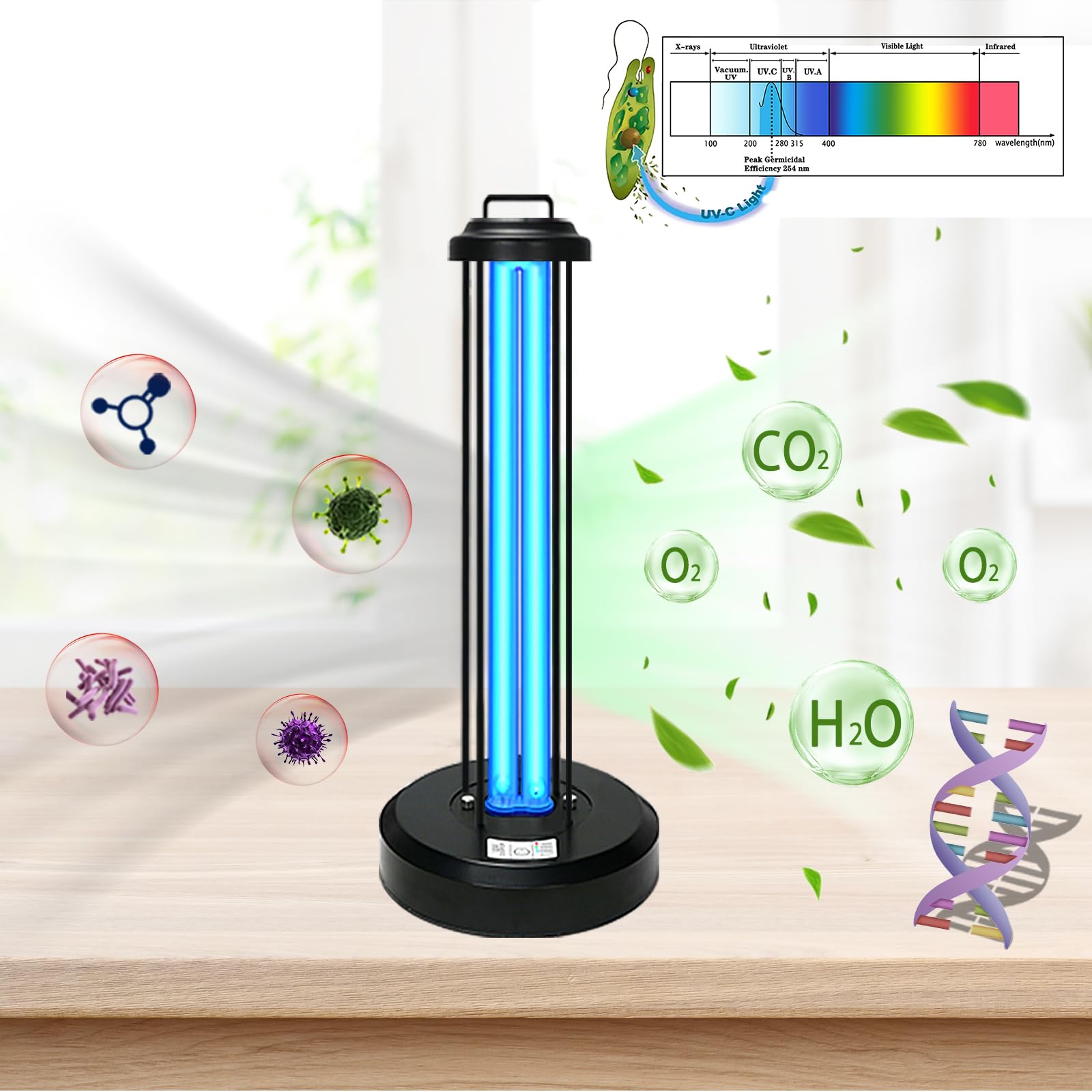
Not all ultraviolet light is created equal. Ultraviolet light is categorized into three types: UV-A, UV-B, and UV-C.
-
UV-A and UV-B (the stuff that causes sunburns) are largely ineffective at killing germs quickly.
-
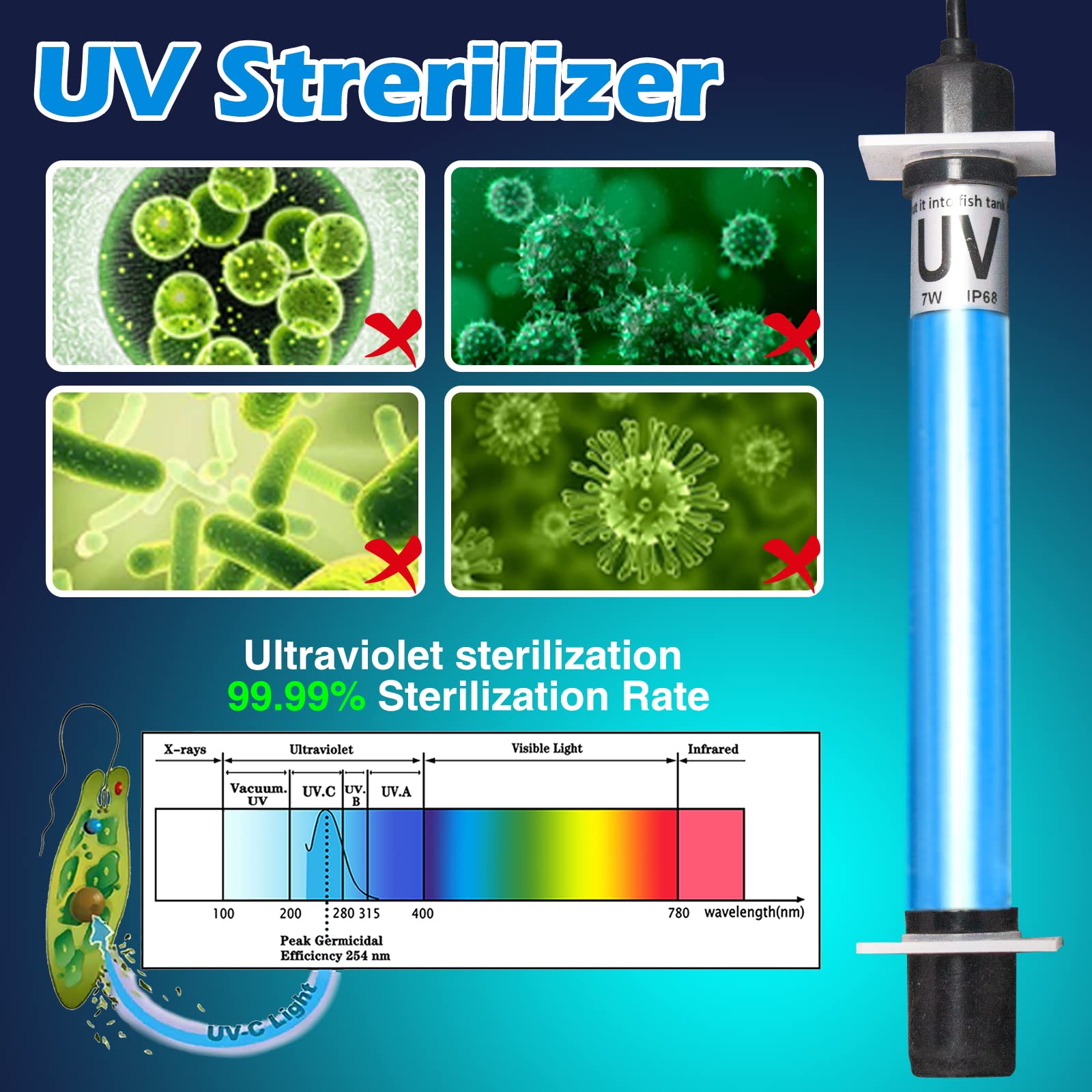
UV-C (specifically between 200nm and 280nm) is the "germicidal" range.
The gold standard for residential sanitization is 254 nanometers (nm). At this specific frequency, the light penetrates the DNA and RNA of bacteria and viruses, essentially scrambling their genetic code and preventing them from replicating.
The Buyer’s Tip: Many budget sanitizers use cheap purple LEDs that mimic the look of UV light but emit a wavelength in the 390-400nm range. This is basically just a "blacklight" and has zero sanitizing power. Look for products that explicitly list "UV-C" and specify a wavelength between 250nm and 270nm.
2. Total Power Output (Millowatts per Square Centimeter)
In the world of sanitization, "dosage" matters. Dosage is a calculation of Intensity × Time.
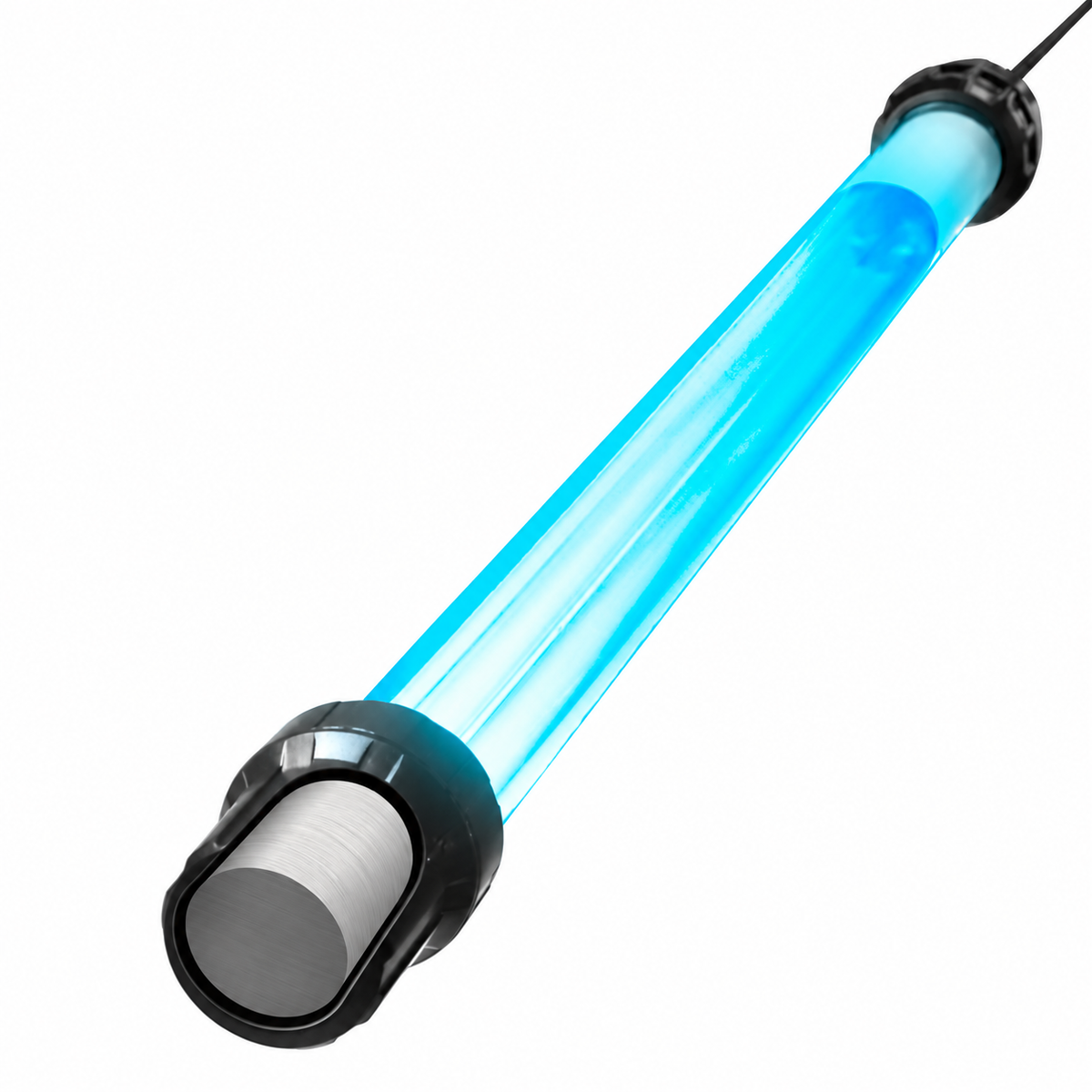
A low-powered bulb might eventually kill a colony of bacteria, but it would take hours. A high-quality UV box uses powerful lamps measured in milliwatts ($mW$). For effective home use, you want a device that can deliver a sufficient dose within a 3-to-10-minute cycle.
If a manufacturer doesn't list the wattage of the UV bulbs or the irradiance level, it’s a red flag. Professional-grade consumer boxes typically utilize cold-cathode UV lamps rather than tiny LEDs, as they generally offer a more consistent and powerful output across the entire chamber.
3. 360-Degree Coverage: The "Shadow" Problem
Bacteria don't just hang out on your screen; they live in the crevices of your case, around the charging port, and on the back of the device.
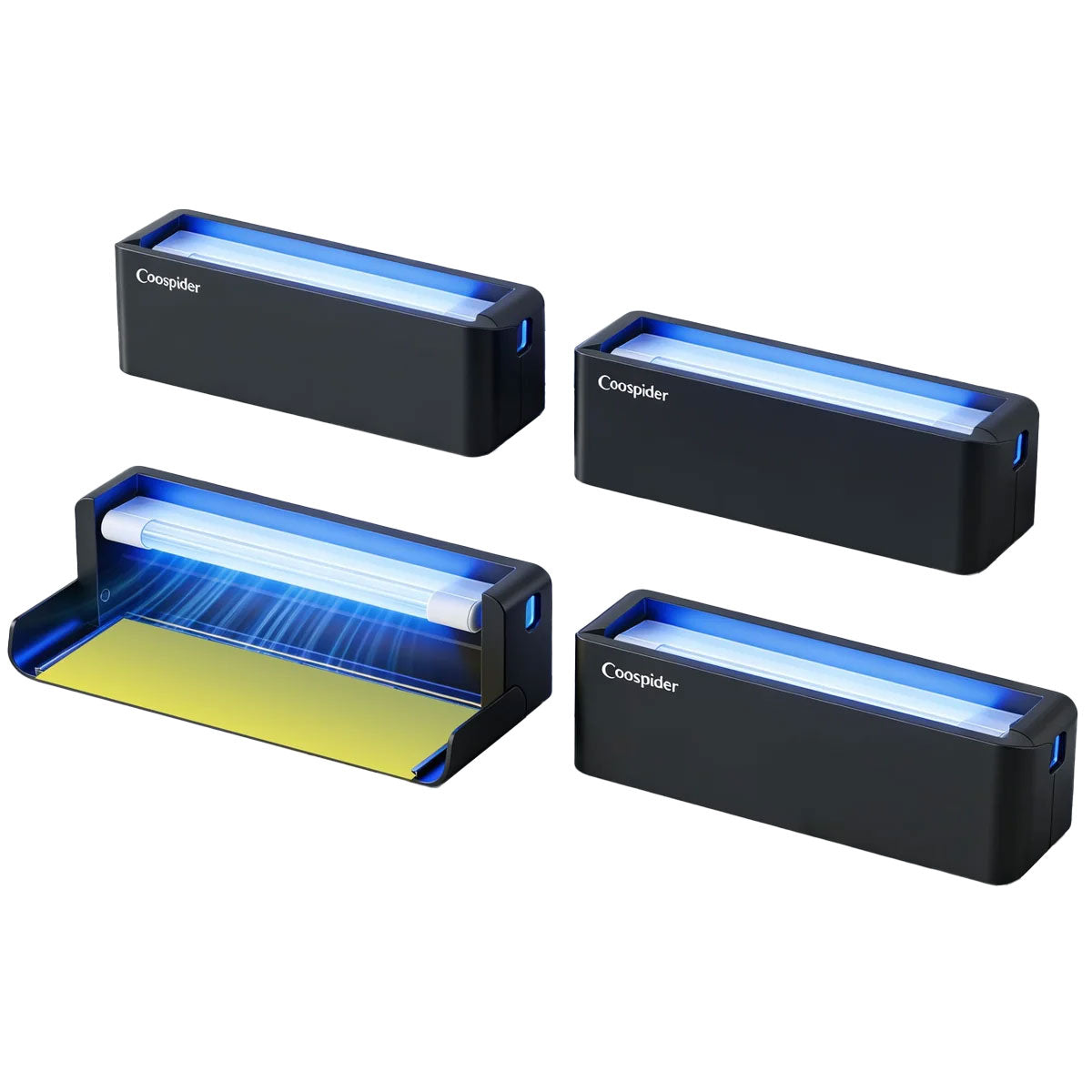
The biggest flaw in cheap UV boxes is that they only have lights on the top. If the light doesn't touch a surface, that surface isn't sanitized. This is known as "shadowing."
What to look for:
-
Dual-Sided Lamps: The device should have UV-C bulbs at both the top and the bottom.
-
Reflective Interior: The internal chamber should be lined with highly reflective material (like polished aluminum or specialized quartz glass) to bounce the light into every nook and cranny.
-
Elevated Bases: High-end models use a "quartz bridge" or small ridges to lift the phone off the floor of the box, allowing light to reach the bottom surface of the device.
4. Safety Sensors and Auto-Shutoff
UV-C light is powerful enough to destroy virus DNA, which means it isn't exactly great for your eyes or skin either. Prolonged exposure to UV-C can cause "welder's flash" (photokeratitis) or skin irritation.
A reputable UV phone sanitizer must be "human-proof."
-
Magnetic Safety Latches: The device should automatically kill the power to the UV lamps the split second the lid is opened.
-
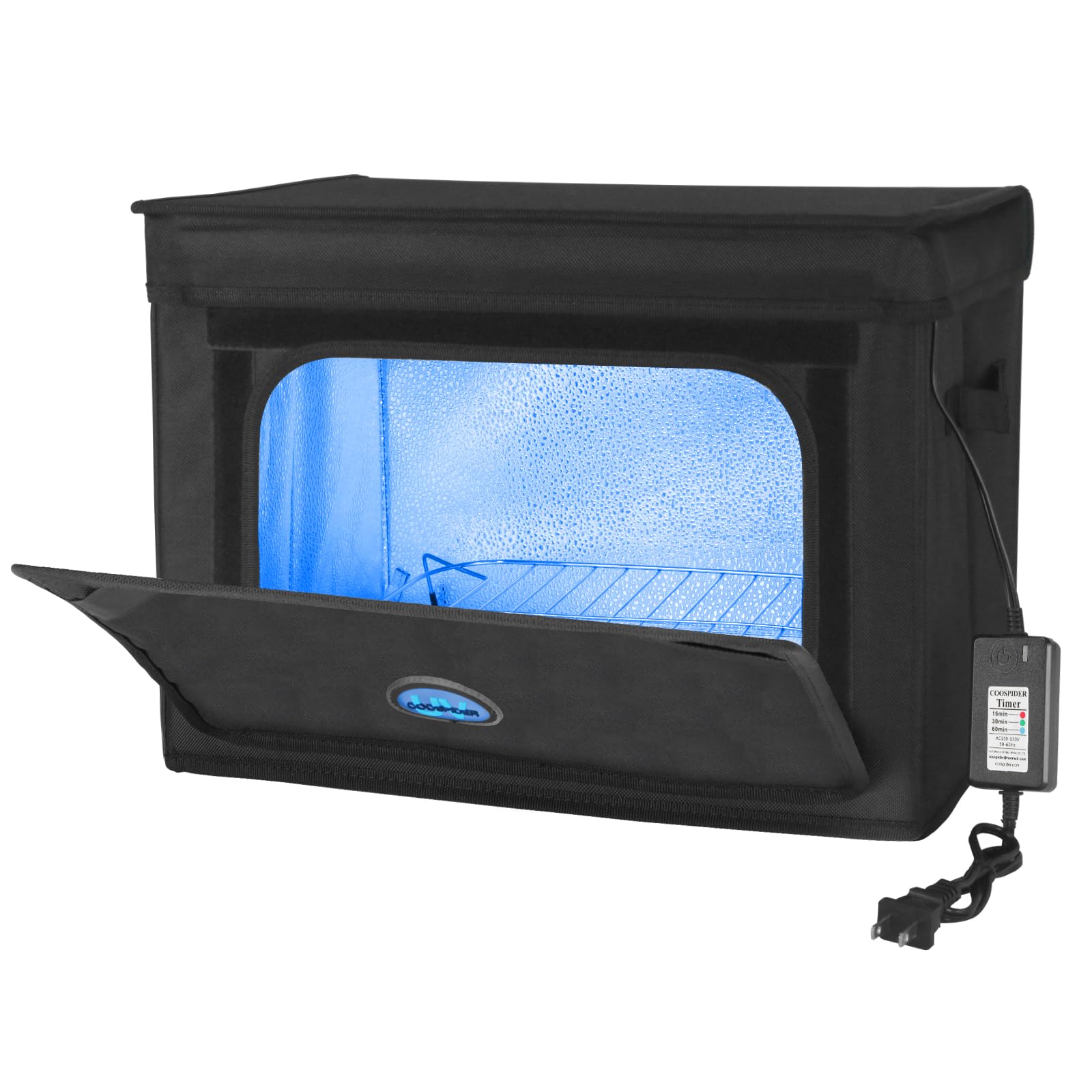
Light Leakage Prevention: The chassis should be opaque and well-sealed. If you can see bright blue light leaking out of the seams of the box while it’s running, the build quality is insufficient.
5. Chamber Dimensions and Multi-Utility
Your phone might fit today, but what about next year’s "Pro Max" or "Ultra" model? Or better yet, what about your other high-touch items?
The most cost-effective UV sanitizers are the ones that can handle more than just a phone. Check the internal dimensions to ensure you can fit:
-
Eyeglasses and Sunglasses: A major surface for skin oils and bacteria.
-
Wireless Earbuds: Think about the earwax and bacteria buildup on your AirPods.
-
Keys and Credit Cards: Two of the filthiest items in your pockets.
-
Smartwatches: Your watch band is a magnet for sweat and microbes.
If the box is too cramped, the light won't circulate properly, leading back to the "shadowing" issue mentioned earlier.
Summary: More Than Just a Gadget
In an era where we are more conscious of our health than ever, sanitizing your "third hand"—your smartphone—isn't just a tech trend; it's a hygiene necessity. By focusing on the wavelength, power, coverage, safety, and size, you can ensure that your investment actually provides a cleaner, safer daily experience.
Don't let your most-used device be your most-ignored health risk. Choose a sanitizer that uses science, not just blue lights.