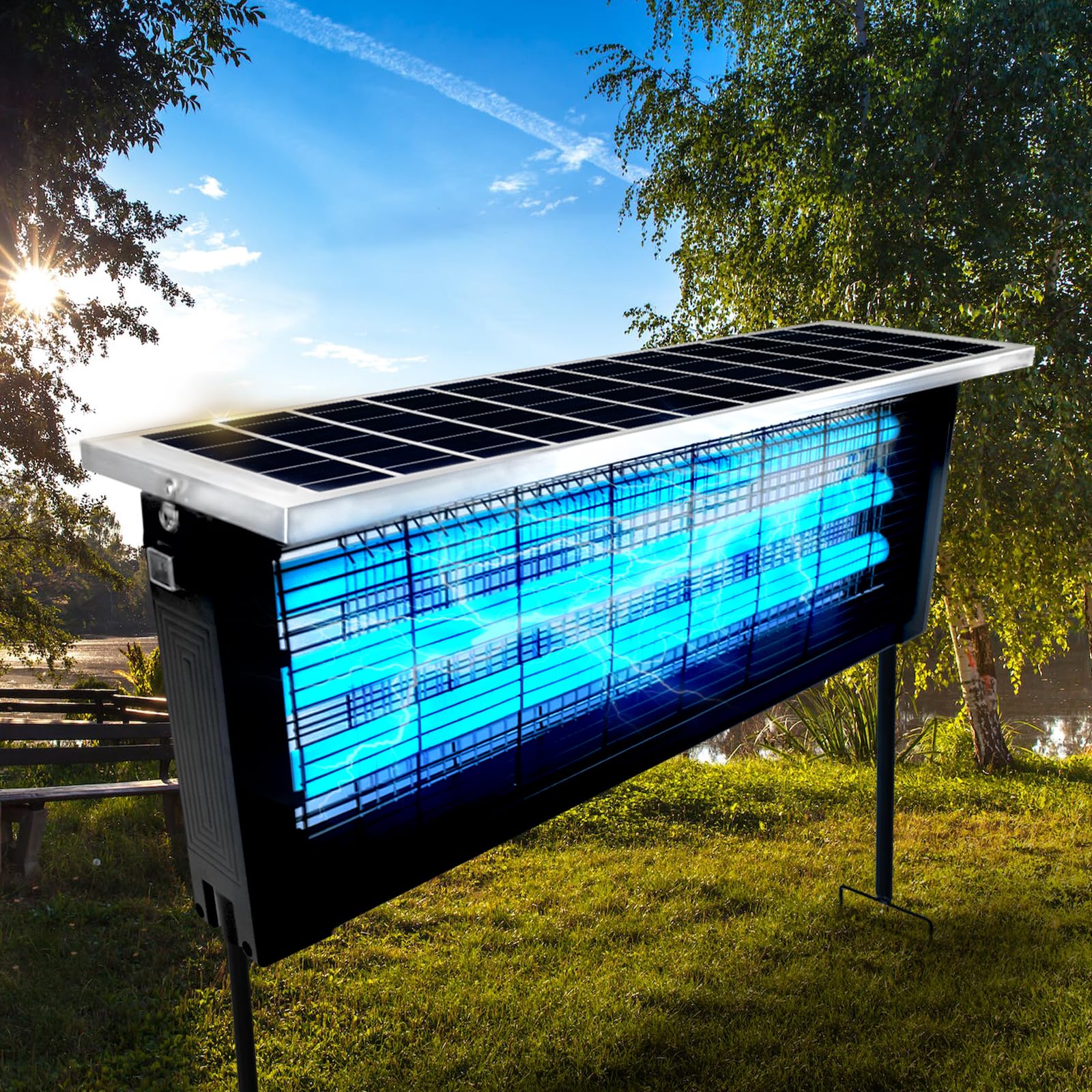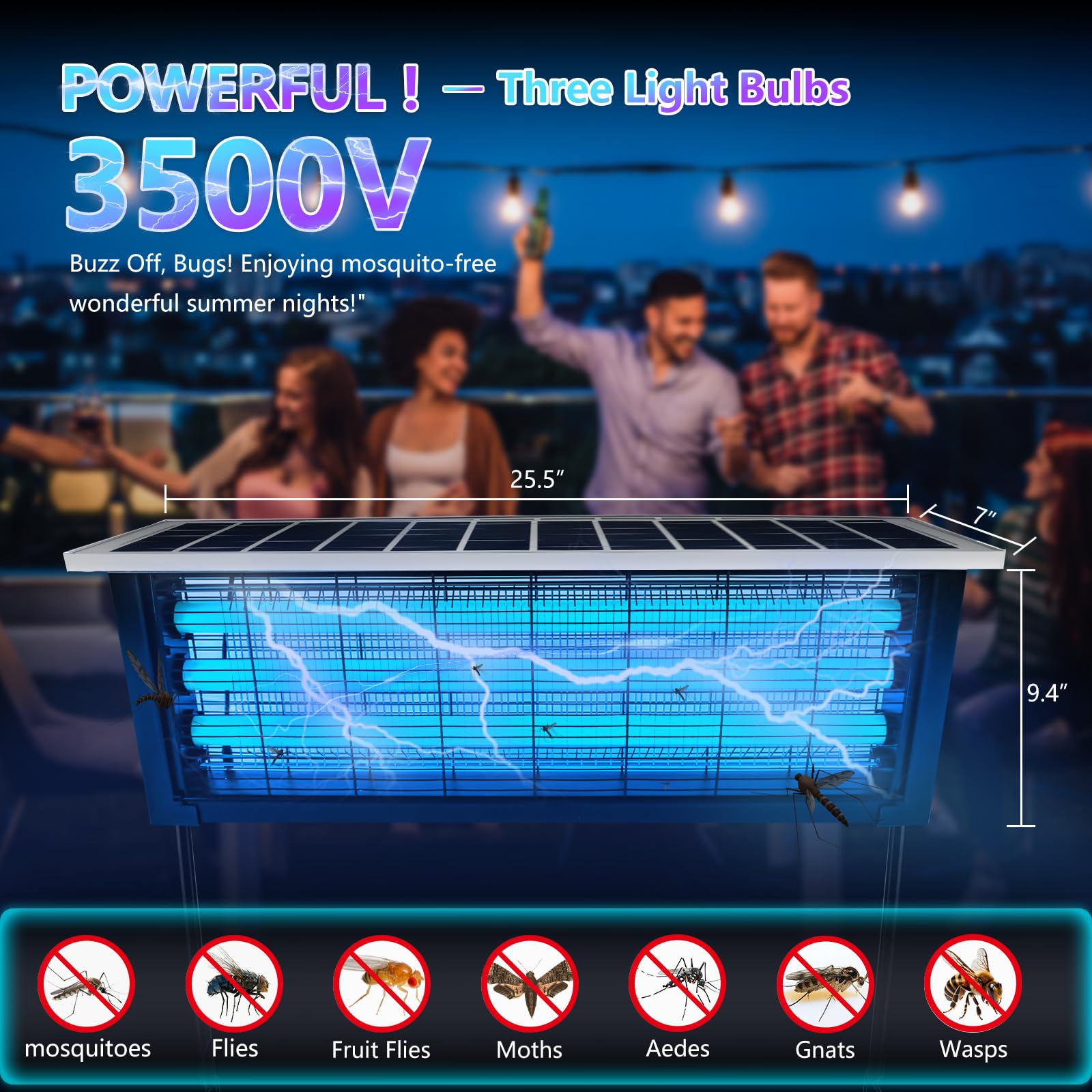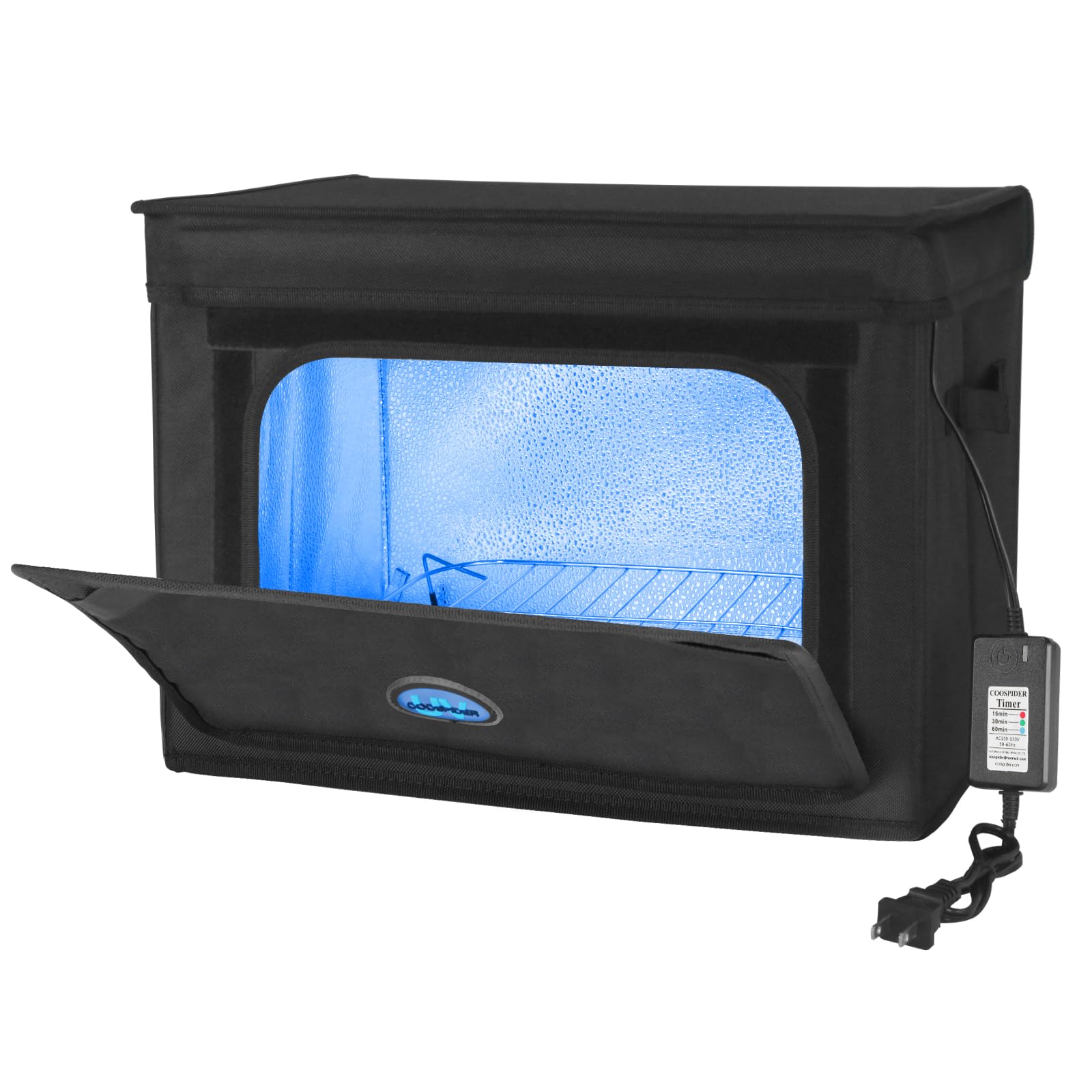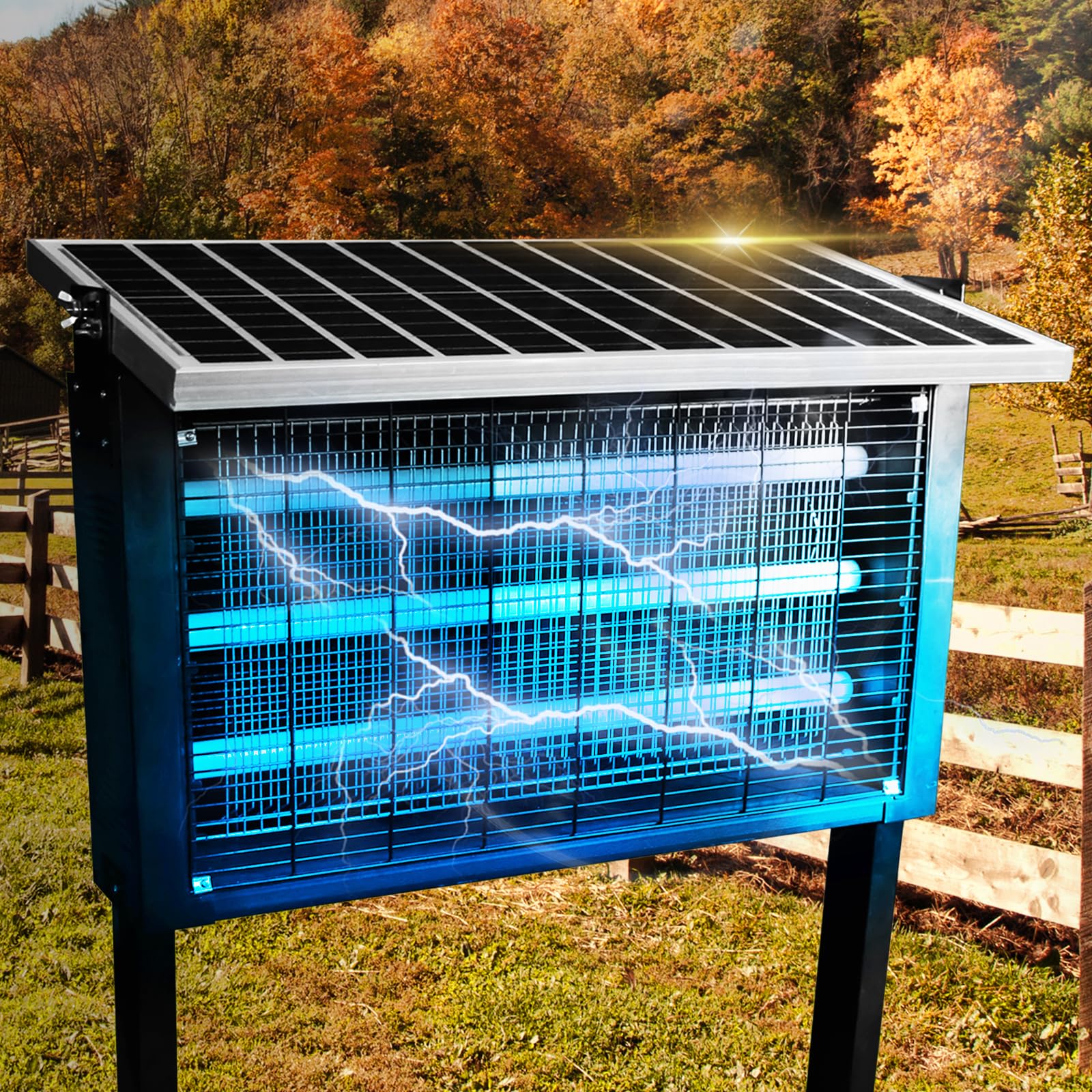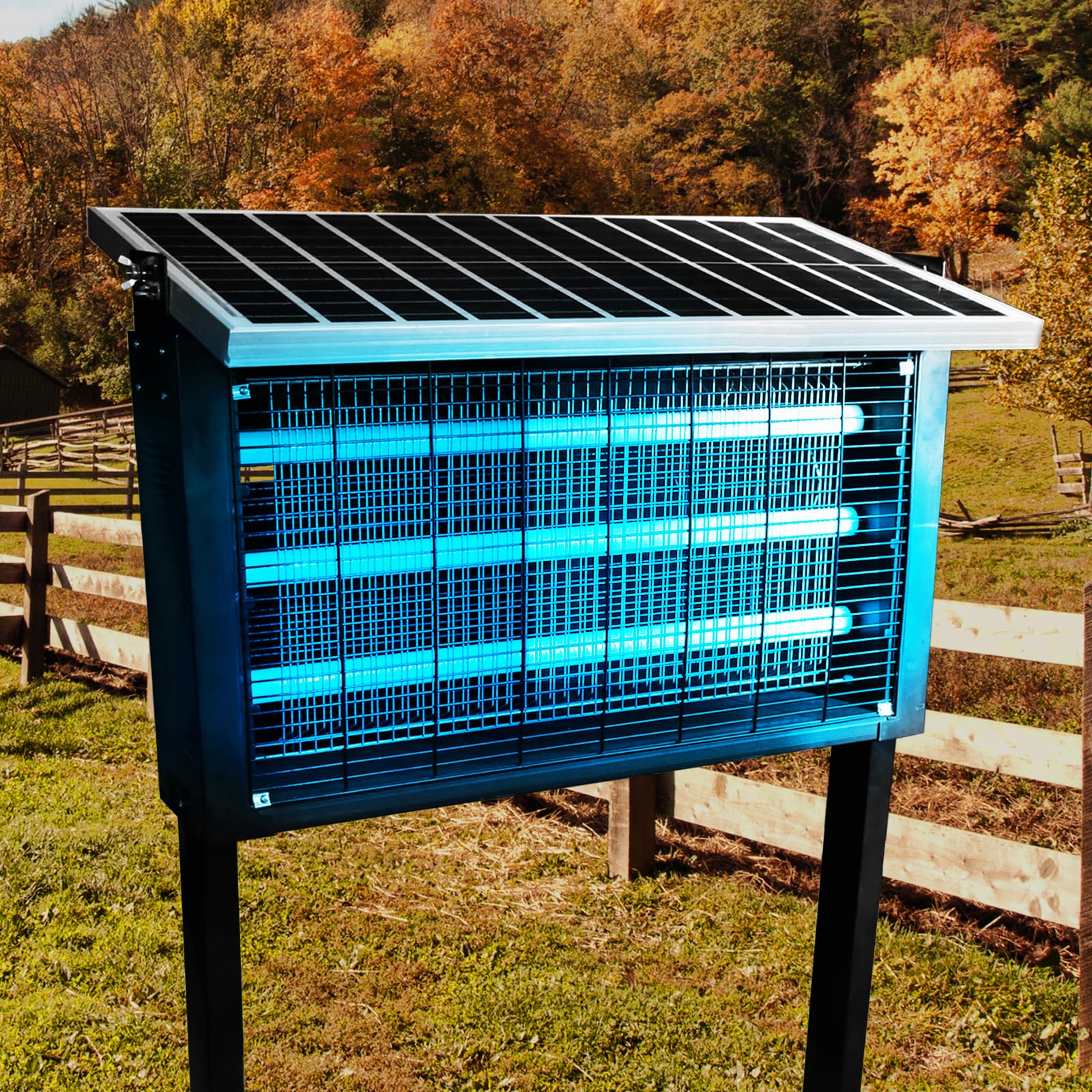
We’ve all been there. It’s the first humid Saturday in May. You’re getting the patio furniture out, the grill is scrubbed, and you reach for your trusty outdoor mosquito zapper or portable repellent device. You plug it in, flip the switch, and… nothing. Or maybe it emits a sad, flickering glow before letting out a final, pathetic "pop."
Off to the big-box store you go, dropping another $50 to $100 on a replacement.
In the United States, we spend billions annually on pest control, and a significant chunk of that is "replacement spend"—money spent replacing gear that failed simply because it was neglected. But what if I told you that with about 15 minutes of work twice a year, you could make that "disposable" bug zapper last for five, seven, or even ten seasons?
If you're ready to break the cycle of "planned obsolescence" and keep your hard-earned cash in your pocket, here is the ultimate guide to maintaining your mosquito-fighting arsenal.
1. The Financial Reality: Maintenance vs. Replacement
Before we get into the "how," let’s look at the "why." A high-quality electronic insect killer or a butane-powered repellent station is a piece of precision engineering.
-
The Replacement Cycle: Buying a new $60 zapper every two years costs you $300 over a decade.
-
The Maintenance Cycle: Spending $15 on a replacement bulb every two years and $0 on cleaning supplies keeps that same $60 unit running for that same decade.
Total Savings: Over $200 per device. If you have a large property with multiple units, you're looking at enough savings to fund an entire summer’s worth of BBQ steaks.
2. Electronic Zappers: The "Grid and Glow" Ritual
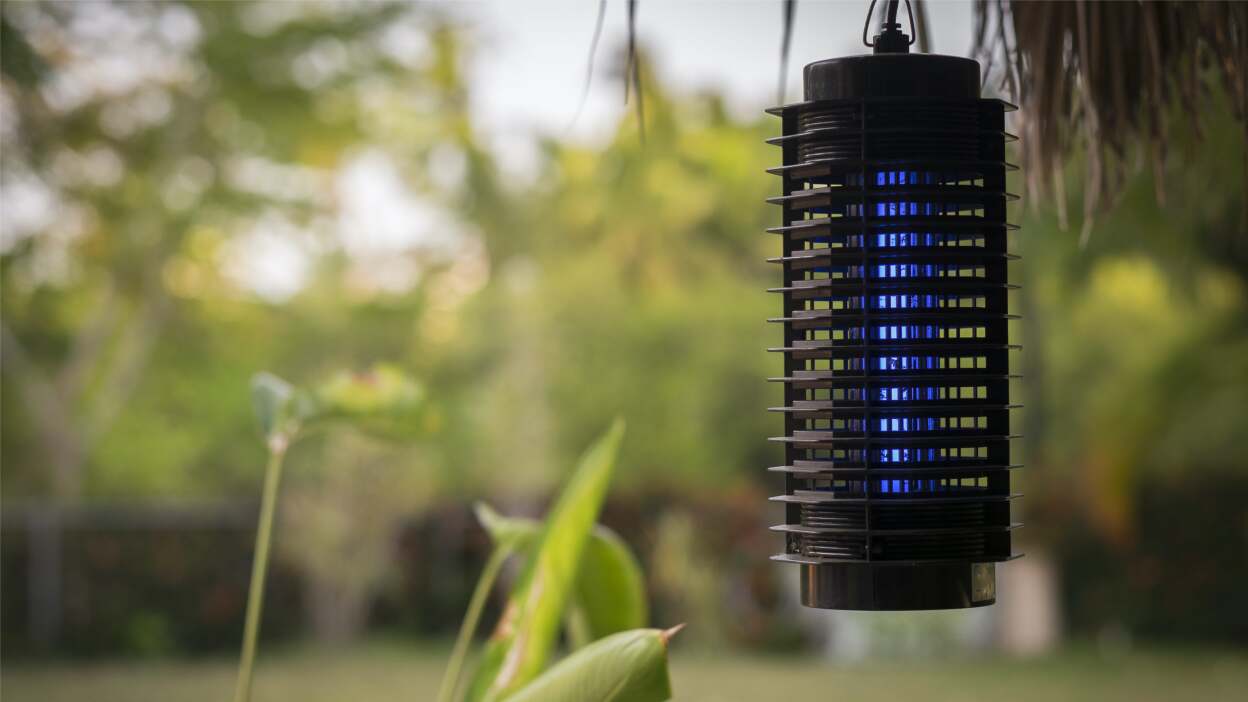
Electronic zappers are the workhorses of the backyard, but they are also the most abused. They sit in the rain, get caked in organic debris, and endure massive voltage spikes.
The "Carbon Bridge" Problem
The most common reason a zapper "dies" is actually a "short." When an insect is incinerated, it leaves behind a microscopic layer of carbon. Over time, these layers build up on the metal grids until they create a bridge. The electricity jumps the gap constantly (that annoying "bzzzz" sound with no bugs in sight) or trips the internal fuse.
The Fix: * The Dry Brush: Once a month, unplug the unit and use a stiff-bristled nylon brush (a dedicated dish brush works great) to scrub the grids.
-
Compressed Air: Use a leaf blower or a can of compressed air to blow out the "dust" from the internal transformer area.
Bulb Efficiency: The "Invisible" Failure
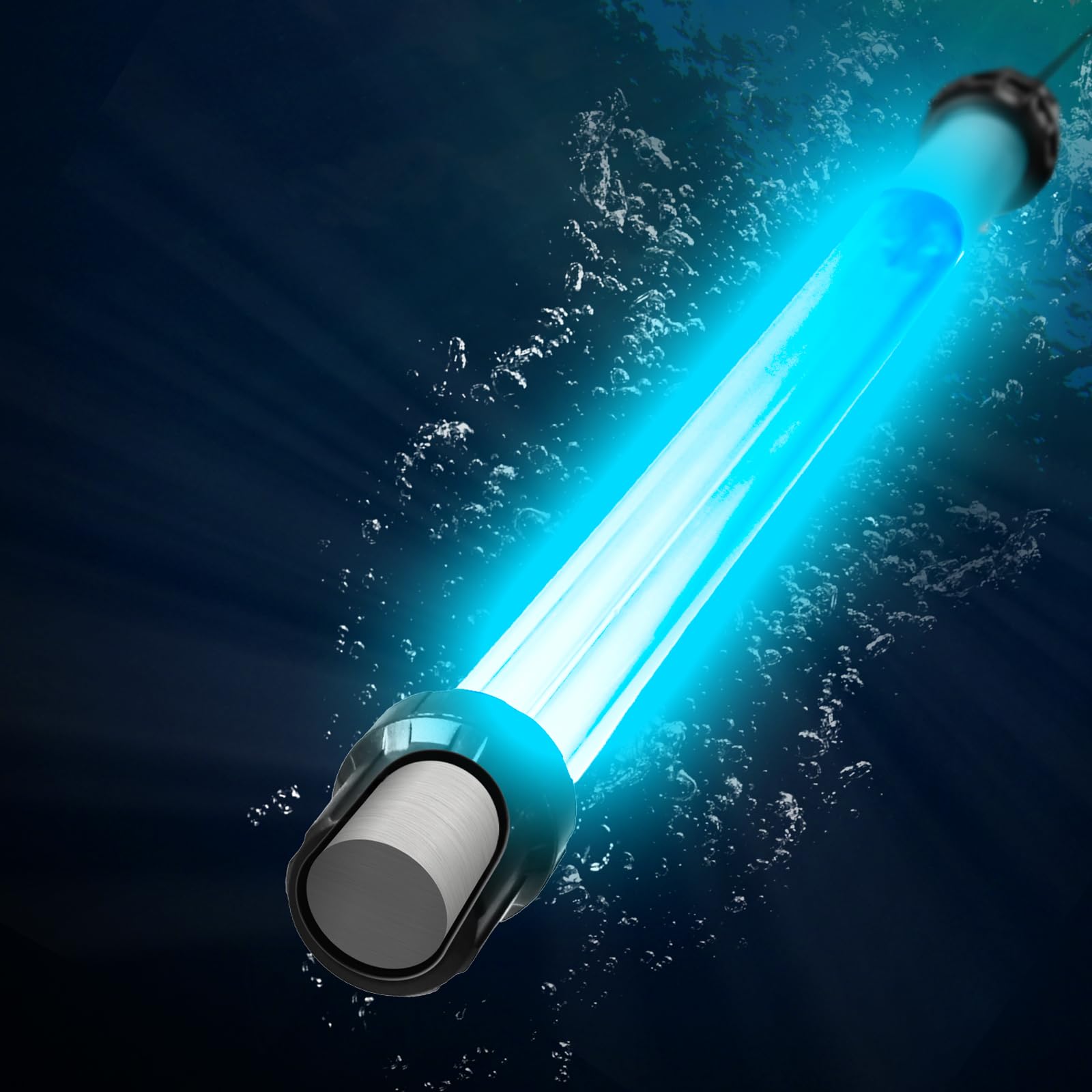
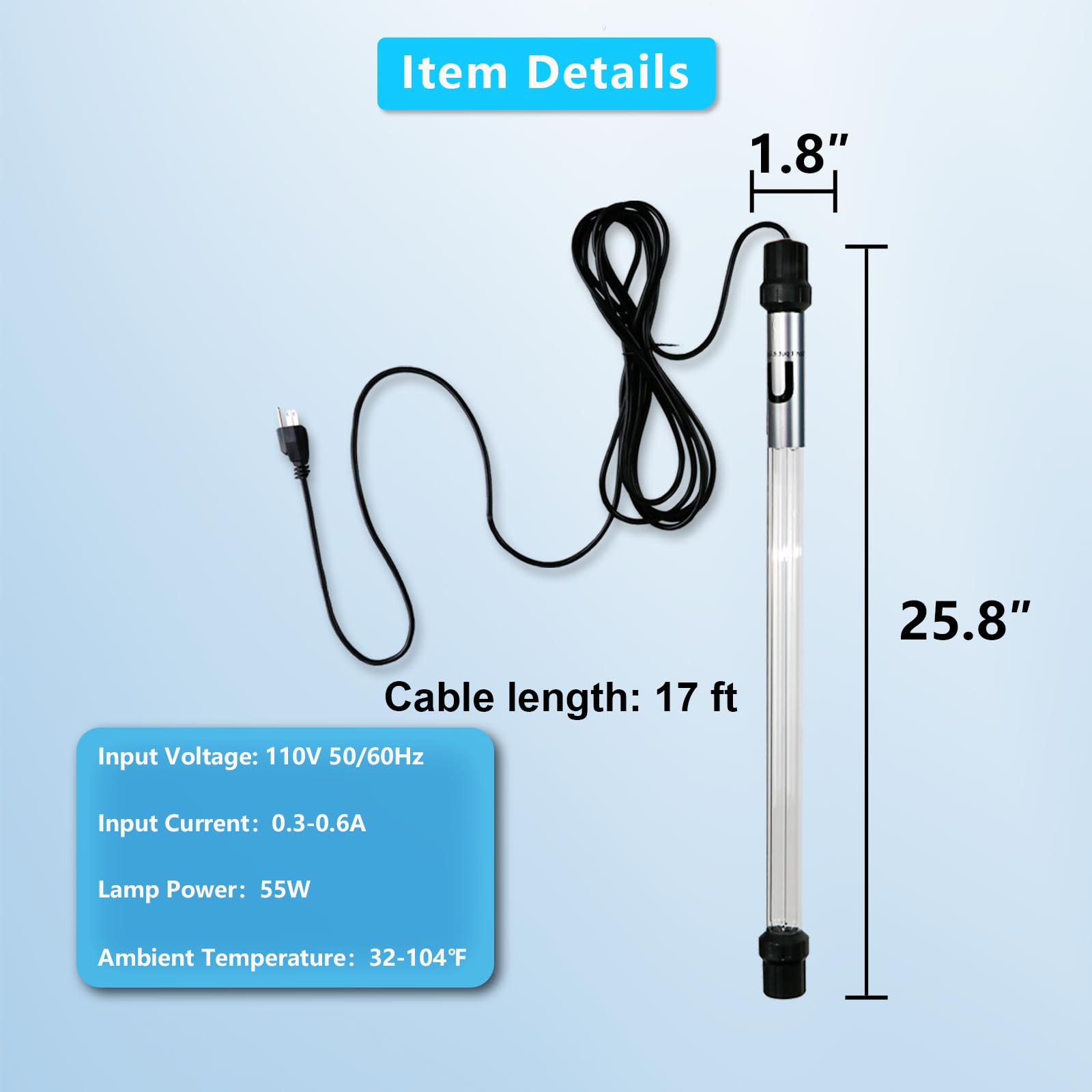
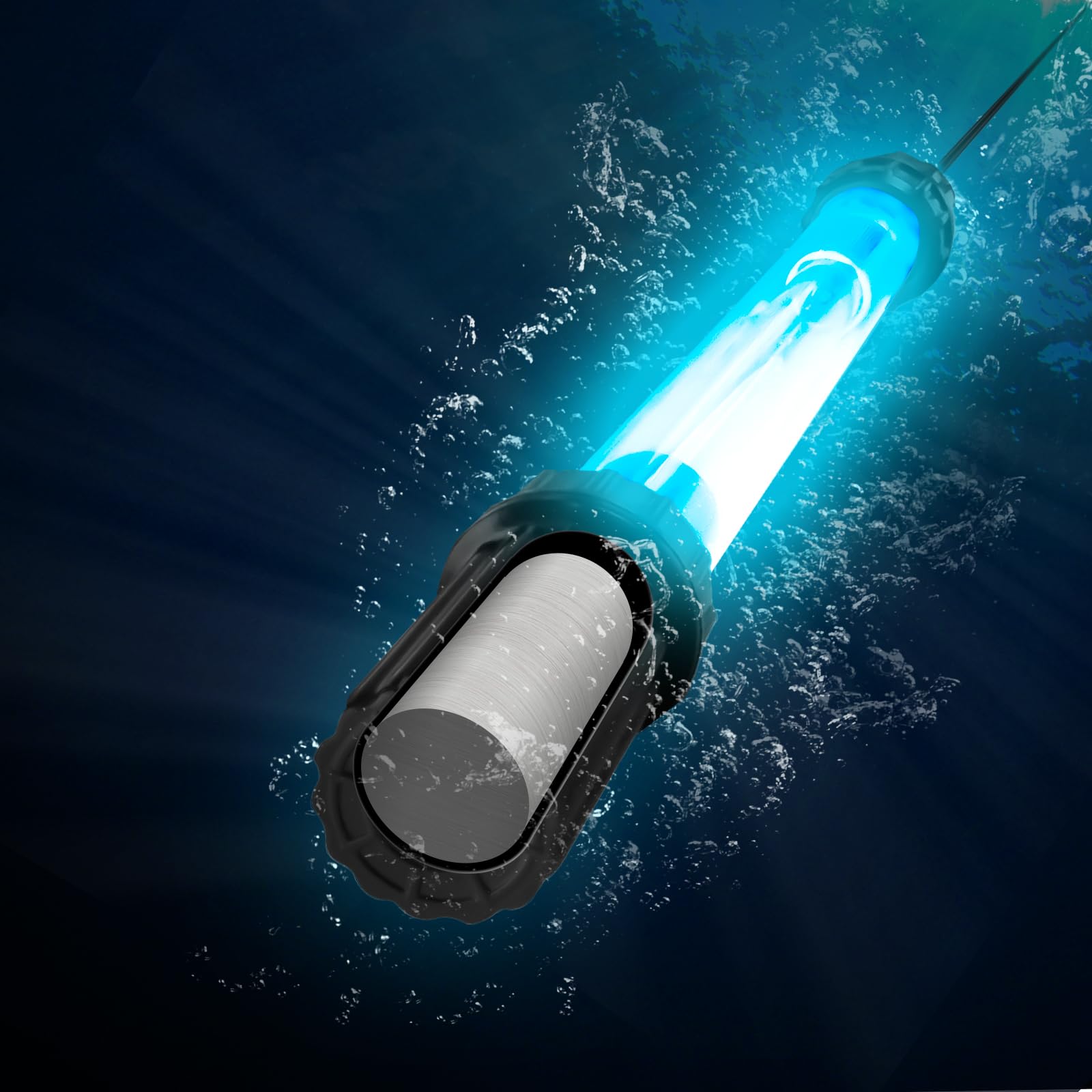
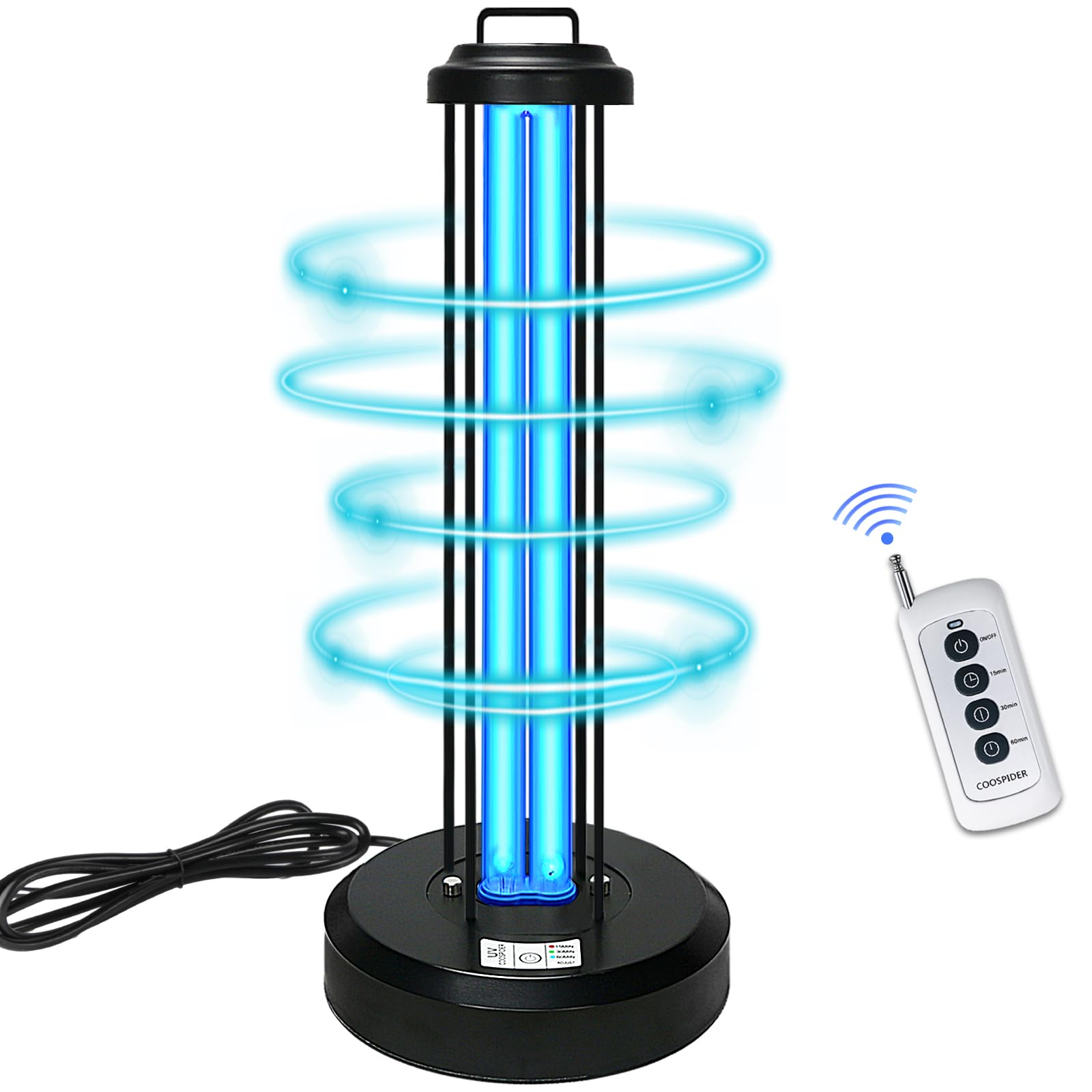
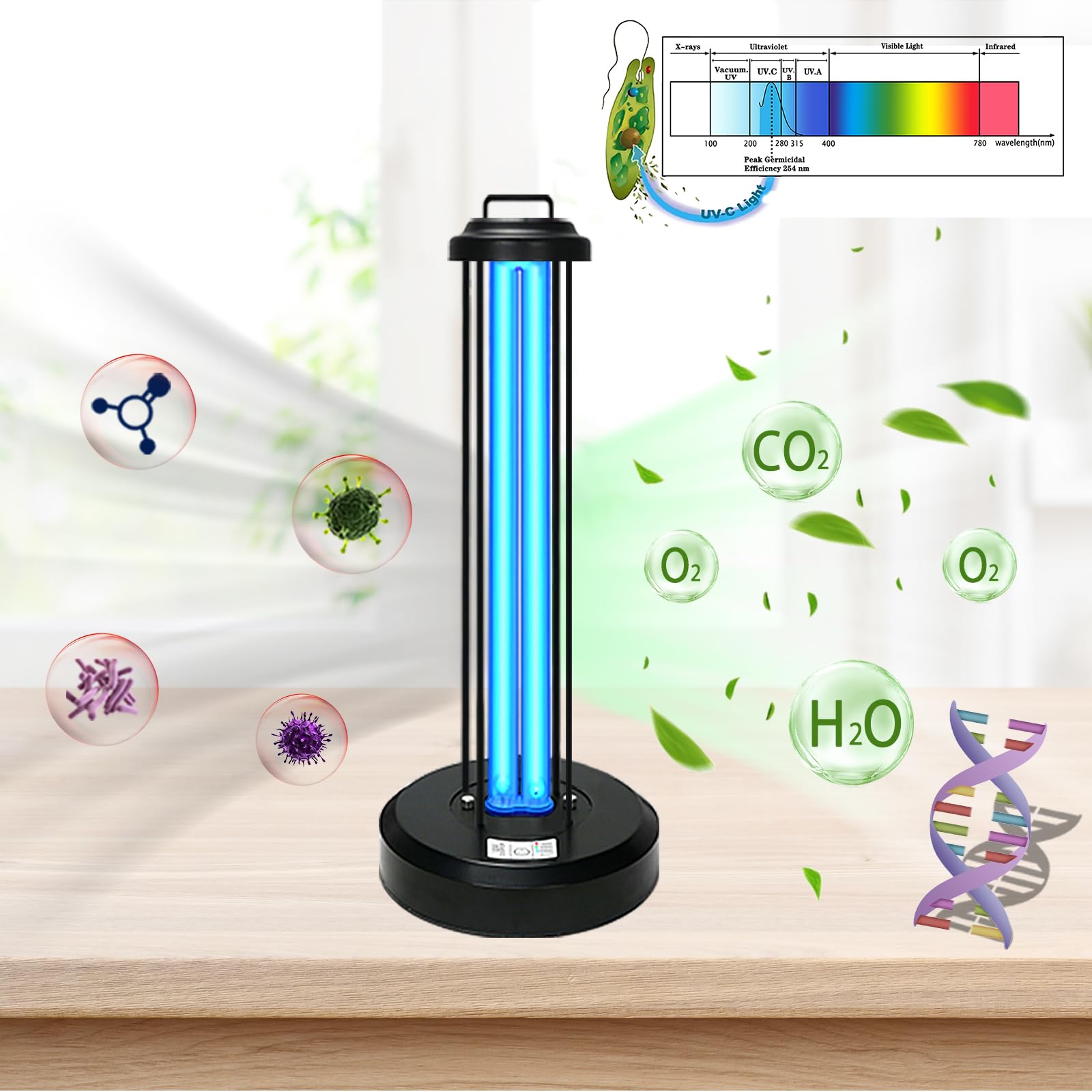
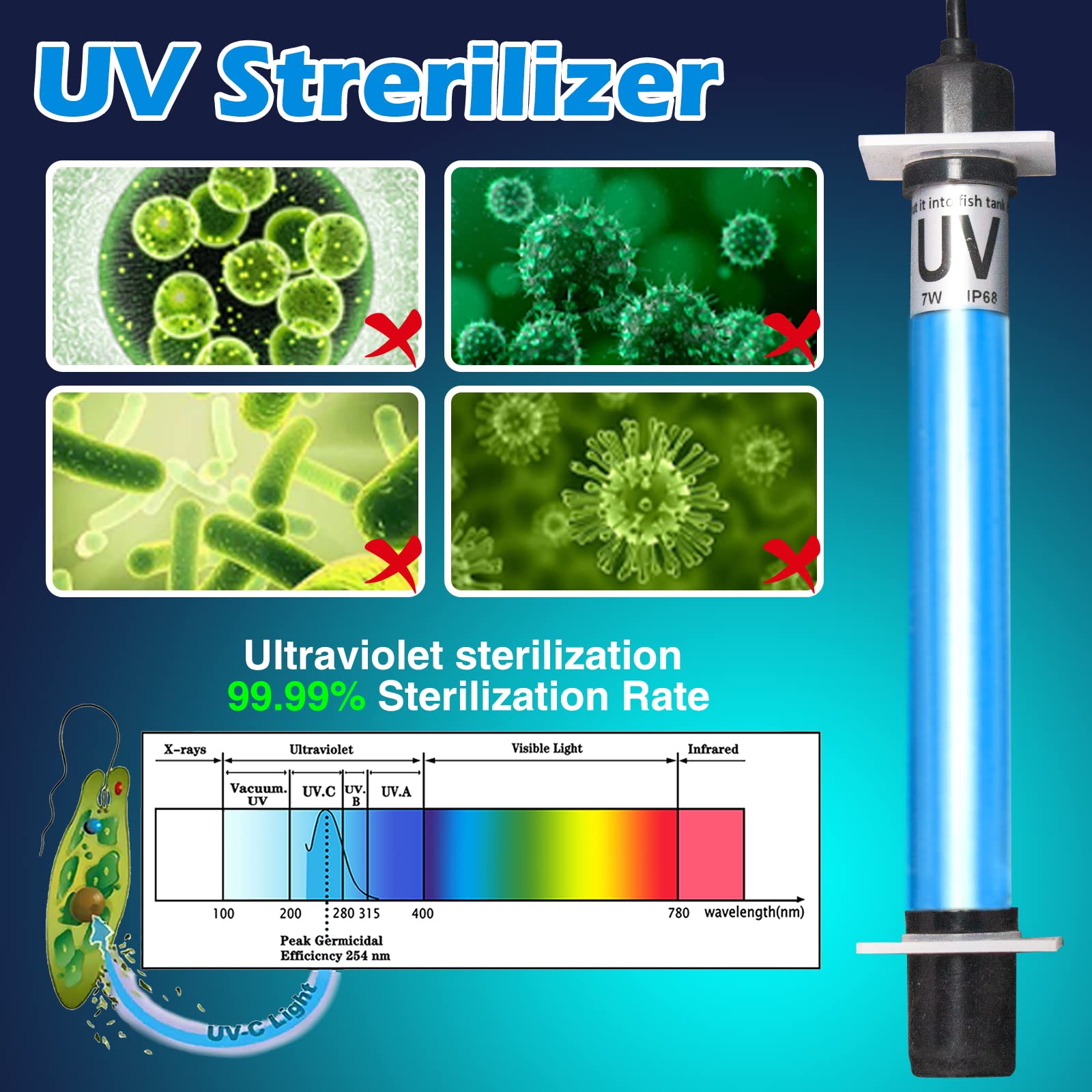
UV bulbs lose their "attractant" power long before they actually burn out. After about 3,000 hours of use, the gas inside the bulb shifts in frequency. It still looks blue to you, but to a mosquito, it’s invisible.
-
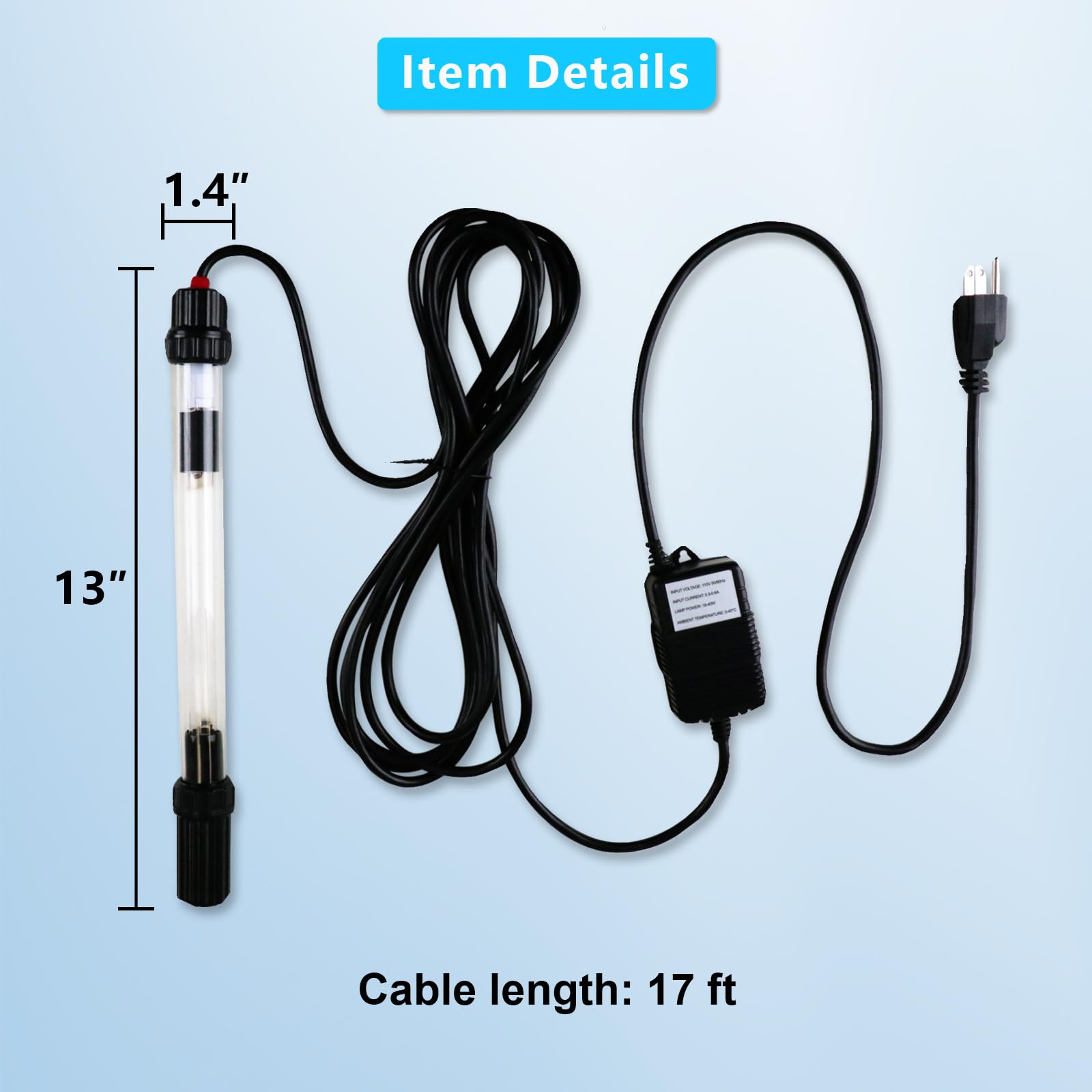
The Hack: Don't wait for the bulb to pop. Replace it every two seasons, and clean the bulb with a microfiber cloth once a month. Dust on the bulb acts as a filter, blocking the very light waves that lure the bugs in.
3. Portable Repellers: Fuel and Pad Optimization
Devices like Thermacell or rechargeable "spatial" repellers are incredible for camping, but they are prone to clogging and ignition failure.
The Clogged Jet
If you use butane-powered devices, the tiny jet that disperses the fuel can become clogged with impurities from the gas.
-
The Maintenance: Every few weeks, take a sewing needle or a very thin wire and gently clear the fuel nozzle. Always use "Triple-Refined" butane if you are refilling units; cheap gas contains "heavy ends" (oils) that will ruin the heating element in a single season.
Battery Longevity
For the newer rechargeable lithium-ion models, the "death blow" is usually winter storage.
-
The Golden Rule: Never store your device with a dead battery. If it sits at 0% in a cold garage all winter, the chemistry will fail. Charge it to 60% before storing it, and bring it inside the house—lithium batteries hate the freezing temperatures of an uninsulated shed.
4. Off-Season "Winterization": The Professional Secret
The difference between a "one-season wonder" and a "ten-year veteran" is how it spends the winter.
-
Step 1: The Deep Clean. Never store a device that still has bug carcasses inside. They attract moisture and promote mold, which can rot the circuit boards.
-
Step 2: The Airtight Seal. After cleaning, wrap your zappers in a heavy-duty trash bag or a plastic bin. This prevents spiders and mud daubers from building nests inside the high-voltage areas. A spider web is surprisingly conductive and can cause a fire hazard when you plug the unit back in next spring.
-
Step 3: Humidity Control. Throw a couple of "Do Not Eat" silica gel packets into the storage bin. This prevents the metal grids from rusting or oxidizing in the humid spring air.
5. DIY Troubleshooting: Don't Toss It Yet!
Before you throw a "broken" unit in the trash, check these three things:
-
The GFCI Outlet: Most outdoor outlets have a reset button. Often, a summer storm trips the outlet, not the device.
-
The Internal Fuse: Many high-end zappers have a small glass fuse hidden near the power cord entry. It costs $0.50 to replace.
-
The Starter: If the bulb flickers but won't stay on, it might be the "starter" (a small cylindrical plug). Most people think the whole unit is dead when it's just a $3 part.
Summary: Modern Homesteading is About Maintenance
We live in a "throwaway" culture, but true savvy comes from mastering the gear you already own. By treating your mosquito-repelling tools like the investments they are, you aren't just saving money—you're reducing electronic waste and ensuring your backyard remains a sanctuary, not a buffet for pests.
Stop donating your paycheck to the hardware store every June. Clean the grids, swap the bulbs, store them dry, and enjoy a bug-free summer on your own terms.