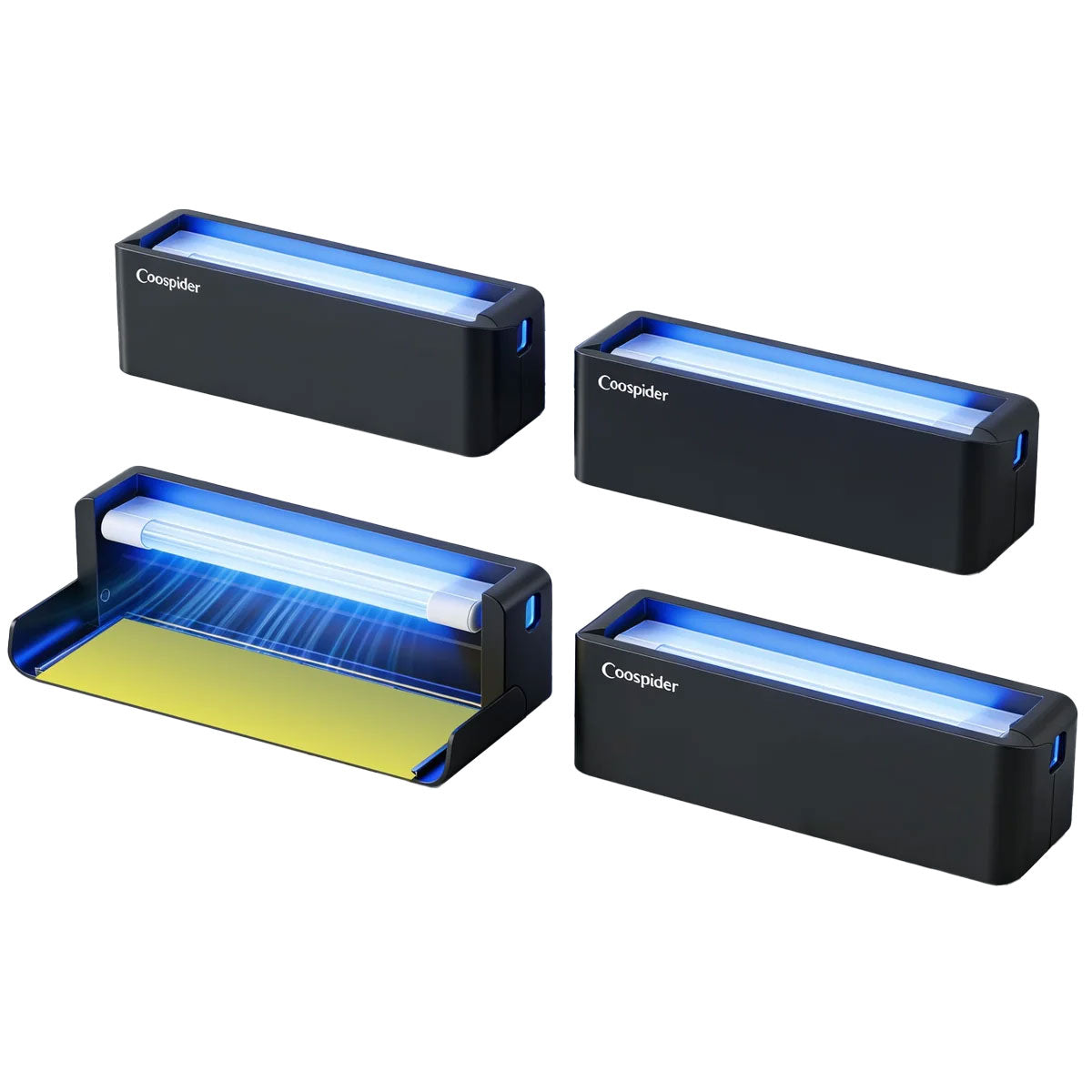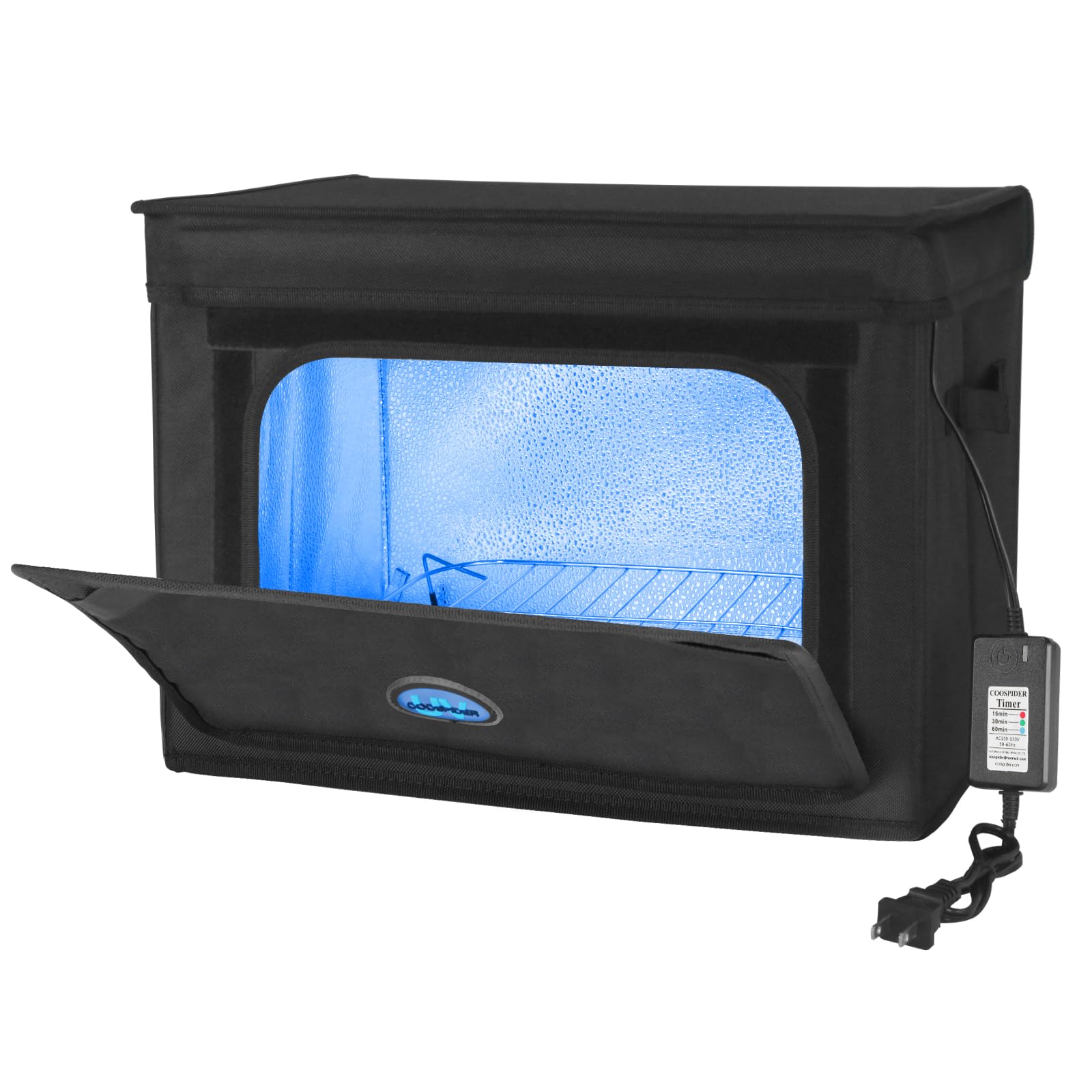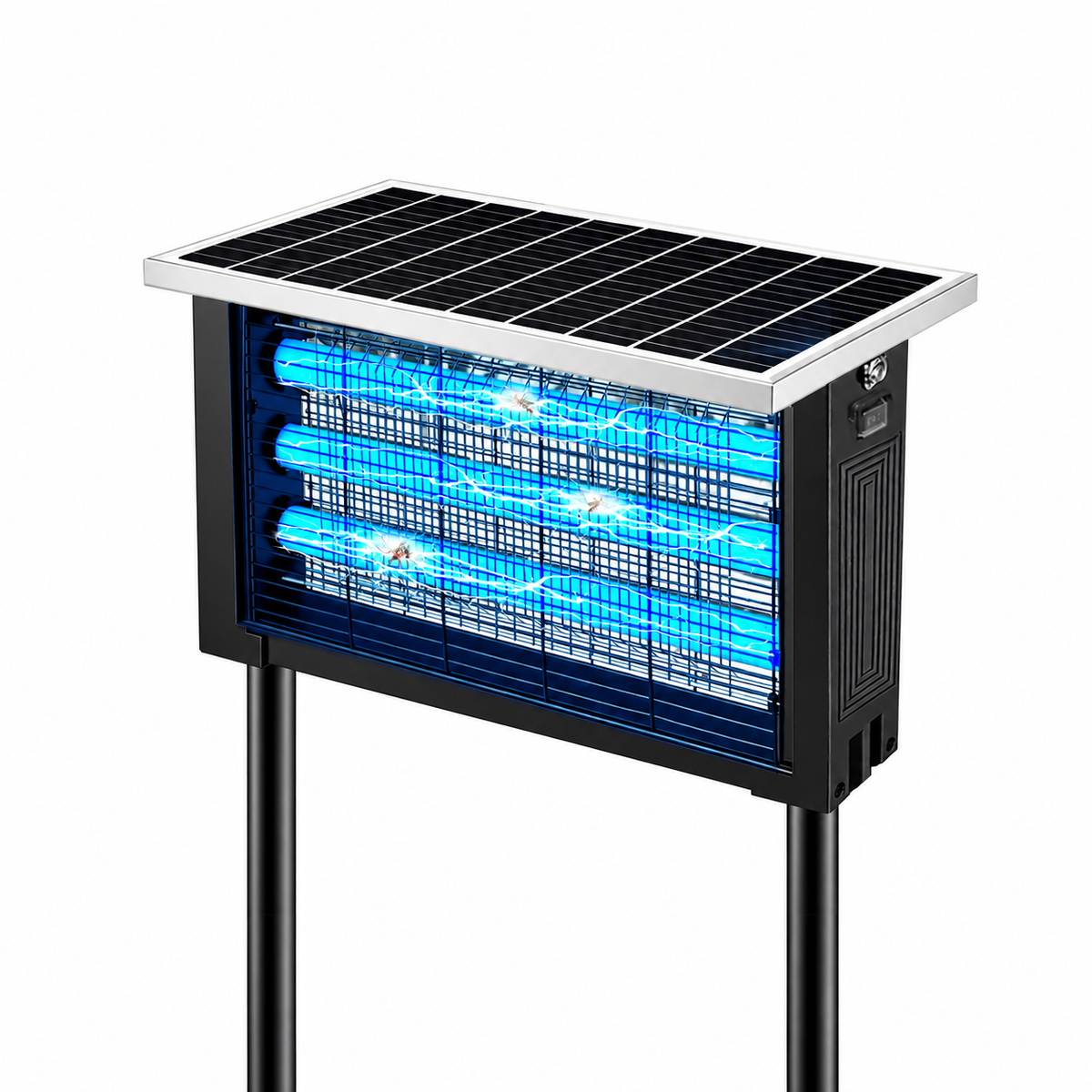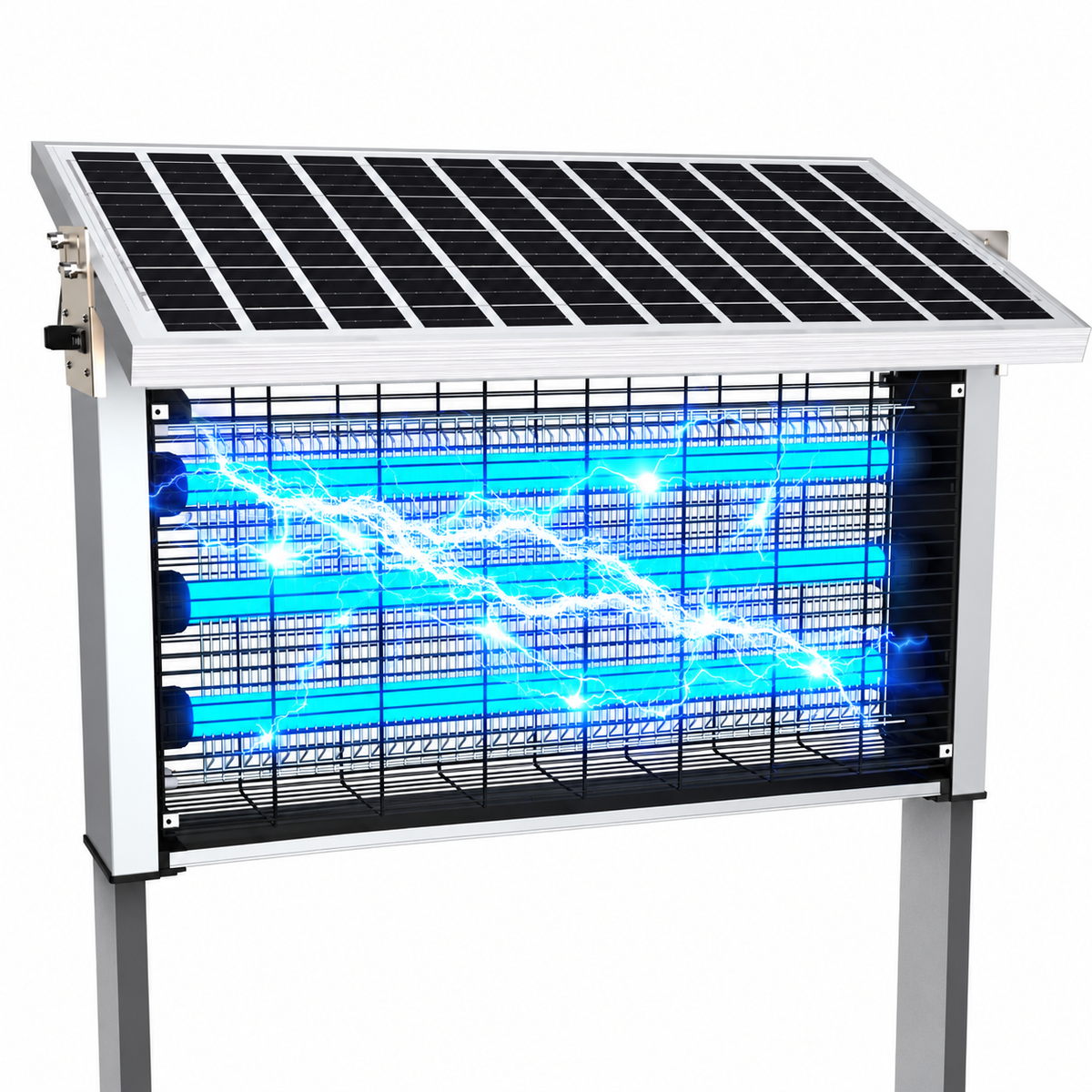

Let’s be real for a second. Most portable bug zappers and outdoor mosquito lanterns are treated like disposable fast fashion. You buy one at a big-box store in May, leave it out in a thunderstorm in July, and by September, it’s a plastic paperweight headed for the landfill.
I used to be that guy. But five years ago, I invested in a high-end electronic insect killer, and it is still humming along like it’s day one. In the world of rugged camping and backyard BBQs, that’s practically an ancient relic.
How did I do it? It’s not magic—it’s a specific maintenance ritual that most people ignore. If you want to stop wasting money and start winning the war against mosquitoes, here is my "secret stash" of maintenance wisdom.
1. The "Golden Rule" of Placement (Protecting the Internals)
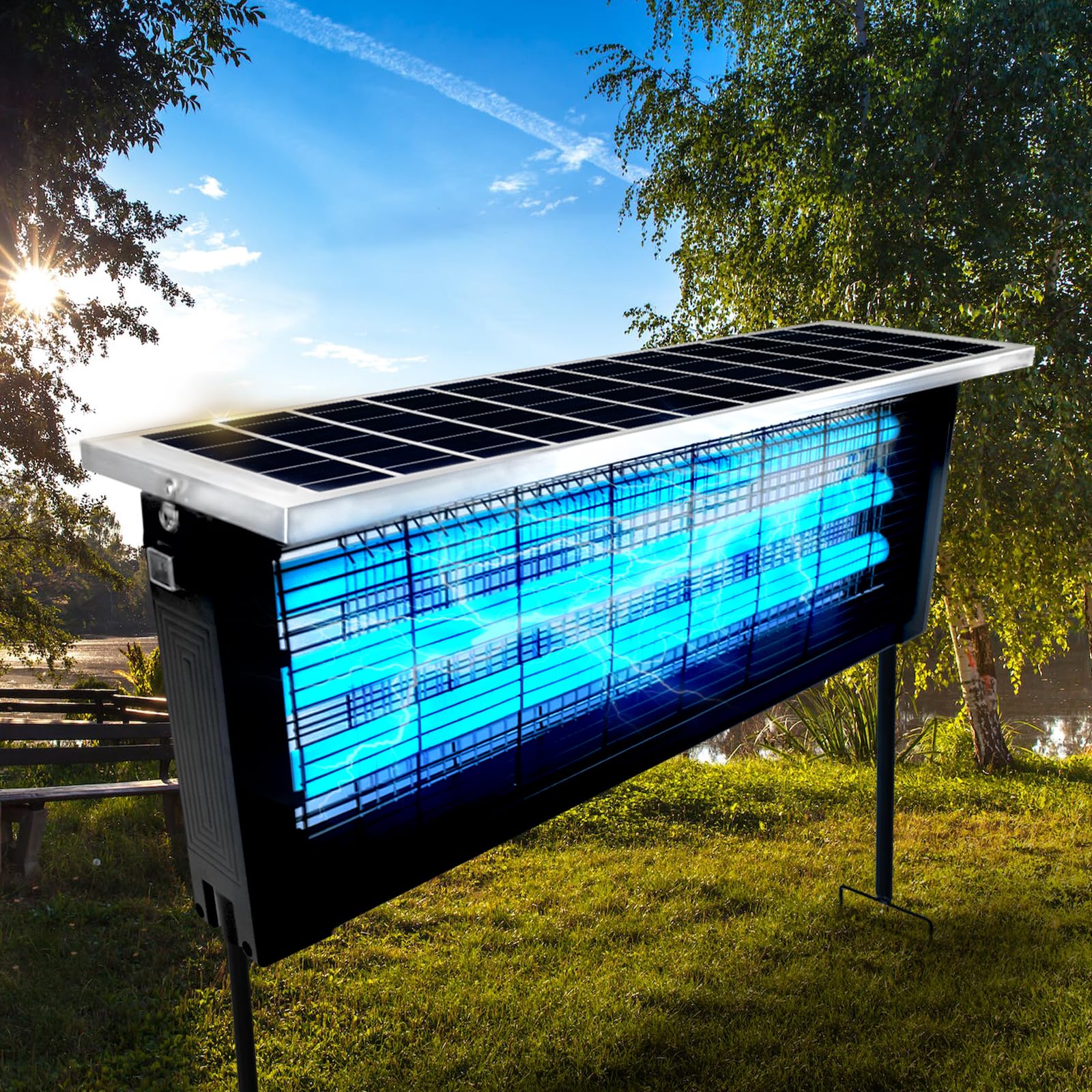
Most people hang their zapper where it’s convenient, not where it’s safe. Even "weatherproof" models have limits.
-
Avoid the "Splash Zone": I never hang my zapper directly under a tree drip line or a leaky gutter. Constant heavy dripping can bypass even the best rubber gaskets over time.
-
The 20-Foot Rule: To maximize the lifespan of the transformer, I place the unit about 20 feet away from where people gather. This draws the bugs away and prevents the unit from getting knocked over by a stray football or a gust of wind in high-traffic areas.
-
Elevation Matters: I keep mine at least 6 feet off the ground. This keeps it away from ground-level moisture and curious critters that might try to chew on the base.
2. Deep Cleaning: The "Death to Carbon" Ritual
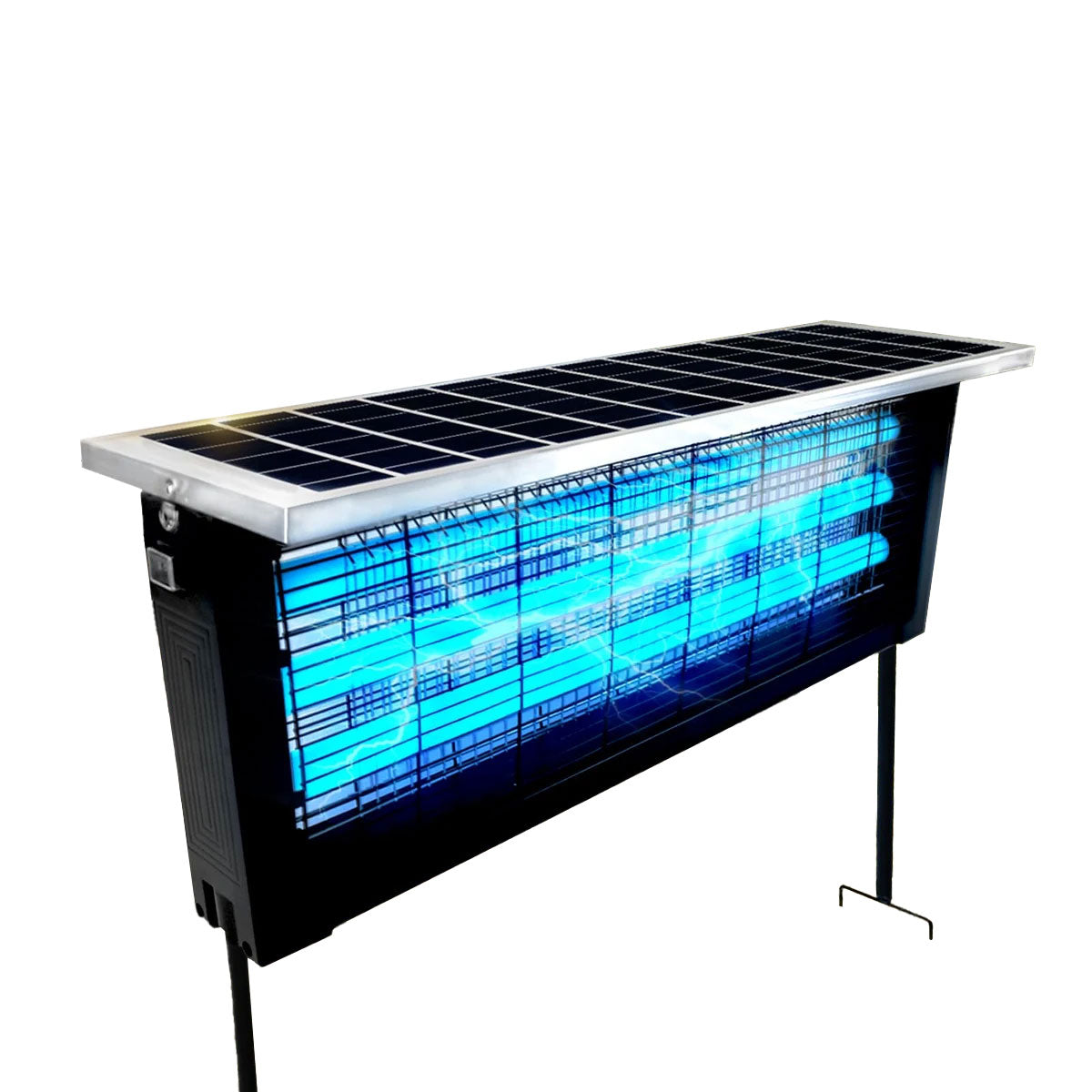
The #1 reason zappers fail? Carbon buildup. When a bug hits the grid, it doesn't just disappear; it leaves behind a microscopic layer of organic matter. Over time, this creates a "bridge" between the grids, causing that annoying constant buzzing or a total short circuit.
My Monthly Deep-Clean Steps:
-
The Power Down: Unplug the unit. Safety first: Use a screwdriver with an insulated handle to touch the inner grids and discharge any stored electricity.
-
The Compressed Air Blast: I use a can of compressed air (the kind for keyboards) to blow out the "ghosts of mosquitoes past" from the hard-to-reach corners.
-
The Soft Brush Technique: I use a dedicated 1-inch paintbrush to gently scrub the metal grids. Do not use wire brushes; you’ll scratch the protective coating and invite rust.
-
Isopropyl Alcohol: For stubborn, charred remains, a Q-tip dipped in 90% isopropyl alcohol works wonders. Just make sure it’s bone-dry before you plug it back in.
3. Bulb Management: Efficiency vs. Burnout
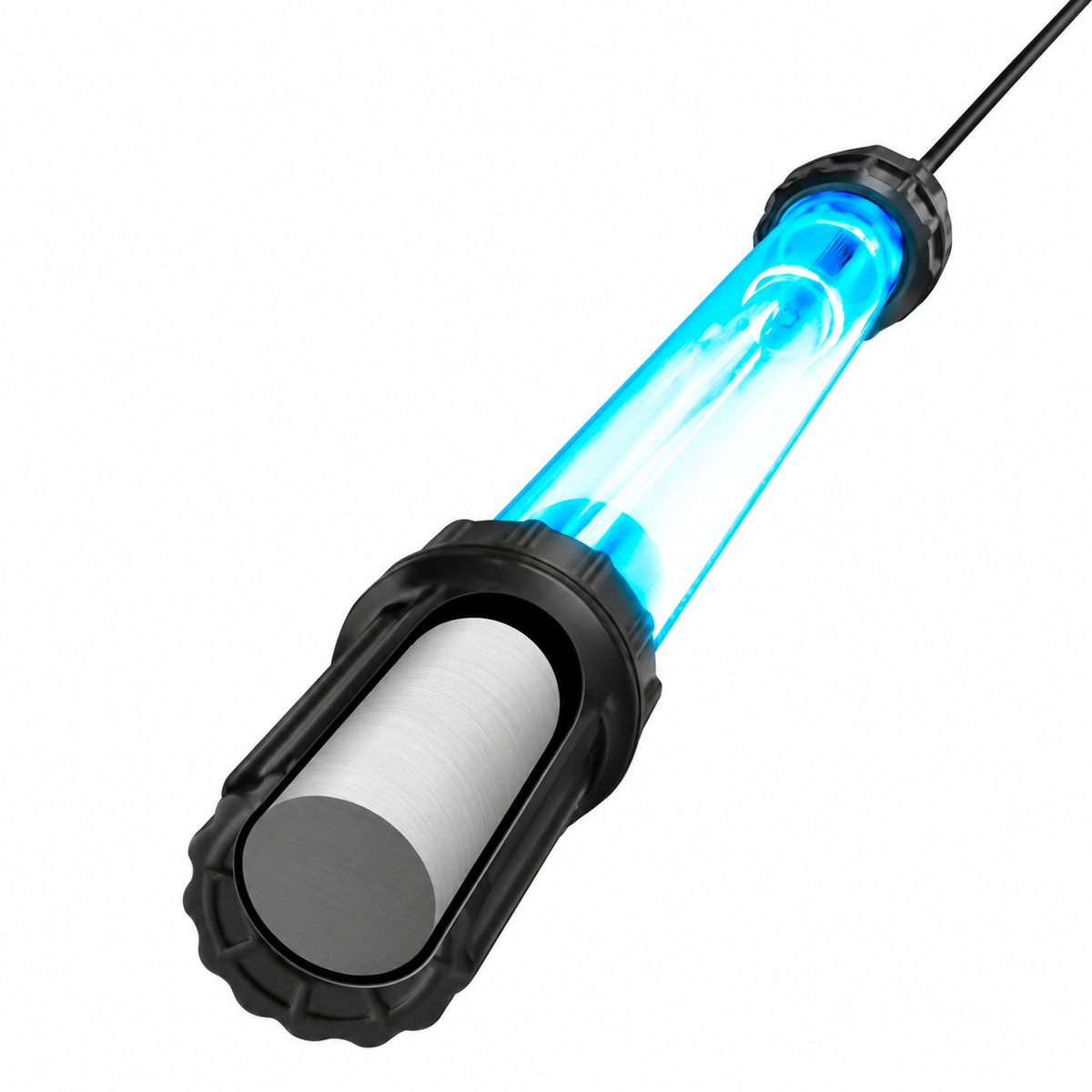
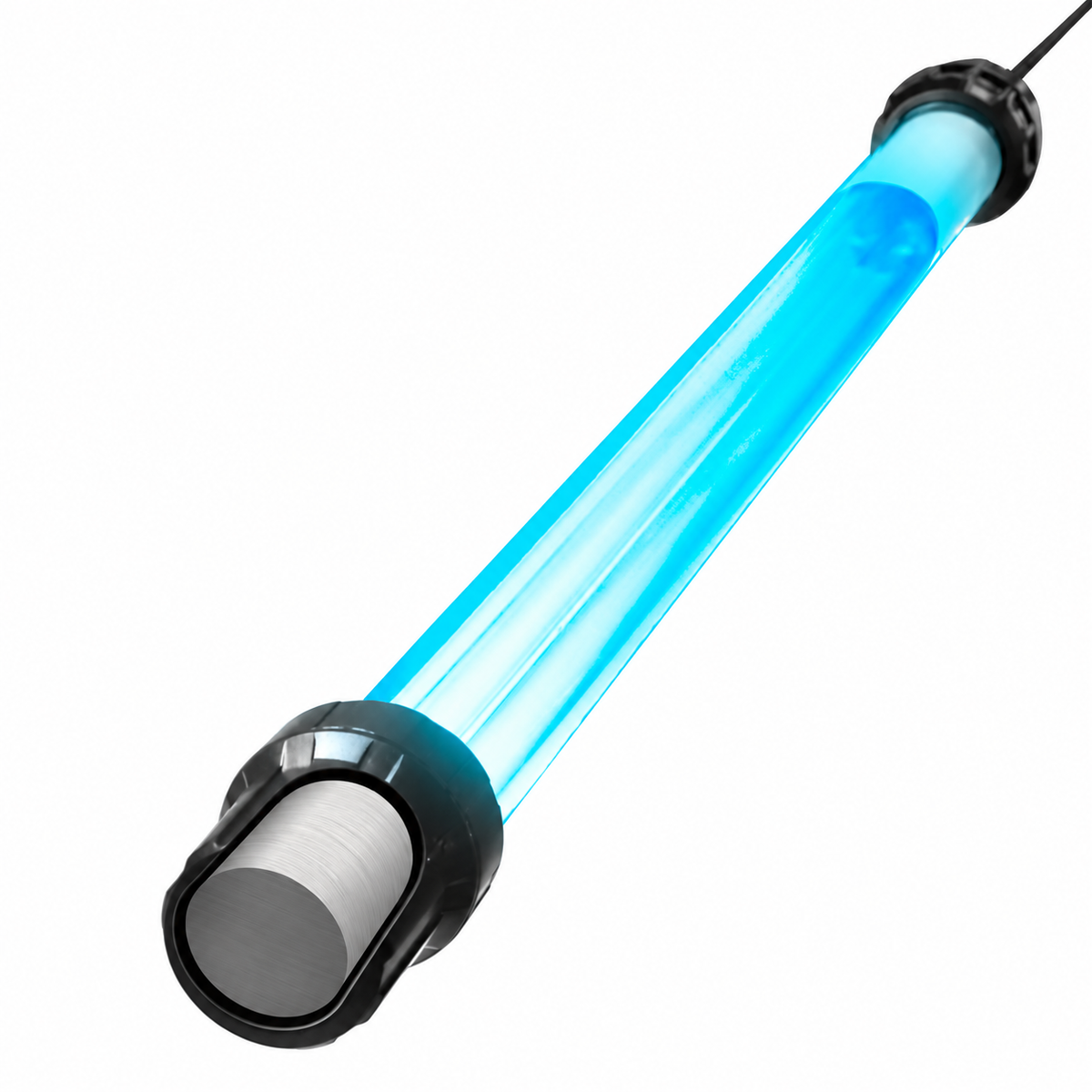
Your UV bulb (the blacklight) is the heart of the machine. Most campers think "if it's glowing, it's working." Wrong.
-
The UV Decay: After about 3,000 hours, the invisible UV frequency that attracts mosquitoes starts to fade, even if the bulb looks bright blue to your eyes. I replace my bulbs every spring, regardless of how they look.
-
Handle with Care: Never touch the new bulb with bare hands. The oils from your skin can create "hot spots" on the glass, leading to a premature pop. Use a paper towel or gloves.
-
Check the Socket: Every time I swap a bulb, I check for corrosion in the socket. A little bit of dielectric grease (the stuff you use on car spark plugs) can prevent moisture from ruining the connection.
4. Off-Season Storage (The "Winterization" Phase)
This is where 90% of zappers die. They get left in the garage or, worse, outside in the snow.
-
The "Bone Dry" Rule: Before storing it for winter, I bring the unit inside for 48 hours to ensure every ounce of humidity is gone.
-
The Airtight Bag: I store my zapper in a heavy-duty vacuum-sealed bag or a lidded plastic bin with a couple of silica gel packets. This prevents spiders from building nests inside the circuitry—a common cause of spring-time "dead" units.
-
Battery Care: If yours is a rechargeable lithium-ion model, never store it at 0%. I charge mine to about 60% before tucking it away for the winter to preserve the battery chemistry.
5. Troubleshooting Like a Pro
If your zapper stops "zapping" but the light is still on, don't throw it away.
| Symptom | Likely Cause | Fix |
| Constant humming/sparking | Debris bridge | Clean the grid with compressed air. |
| Dim light | Bulb nearing end of life | Replace the UV lamp. |
| No power at all | Blown fuse or tripped GFCI | Check the internal fuse (usually a small glass tube). |
| Intermittent zapping | Loose grid wire | Gently bend the grid back into alignment (while unplugged!). |
Why Maintenance is the Ultimate Camping Hack
We spend hundreds of dollars on ultralight tents and high-tech stoves. Why treat our pest control like garbage? A well-maintained bug zapper doesn't just save you $50 every year; it ensures that when you're 50 miles into the backcountry or hosting a backyard wedding, you aren't the main course for the local insect population.