Outdoor family adventures create some of the most meaningful childhood memories. Whether it is a summer camping trip, a beach vacation, a weekend picnic, a backyard barbecue, a hiking excursion, or an evening stroll through the park, spending time outside allows children to explore nature, develop sensory awareness, and enjoy healthy fresh air.
However, outdoor travel with babies and toddlers also introduces a major concern for many parents: mosquito protection.
Mosquitoes are more than just irritating insects. For infants and young children, mosquito bites may lead to:
-
Severe itching
-
Skin inflammation
-
Allergic reactions
-
Sleep disruption
-
Secondary skin infections from scratching
-
Increased discomfort during travel
In some regions, mosquitoes may also carry dangerous illnesses such as:
-
West Nile virus
-
Dengue fever
-
Zika virus
-
Malaria
-
Chikungunya
Because babies and toddlers have delicate skin, developing immune systems, and increased sensitivity to chemicals, choosing the right mosquito protection products requires extra caution.
Parents today face countless options, including:
-
Mosquito sprays
-
Mosquito patches
-
Wristbands
-
Mosquito nets
-
UV mosquito lamps
-
Electric mosquito repellents
-
Essential oil products
-
Protective clothing
-
Stroller covers
-
Portable mosquito traps
But not all mosquito products are equally safe for infants and young children.
This guide explores how parents can safely protect babies and toddlers from mosquitoes during outdoor activities while minimizing unnecessary chemical exposure and maximizing comfort, safety, and effectiveness.
Why Mosquito Protection Matters More for Babies and Toddlers
Young children are particularly vulnerable to mosquito-related problems.
Delicate Skin Increases Bite Reactions
Babies and toddlers often experience stronger skin reactions because their skin is thinner and more sensitive.
Mosquito bites may cause:
-
Swelling
-
Redness
-
Intense itching
-
Irritation
-
Scratching-related skin damage
Children Scratch More Frequently
Young children may scratch bites aggressively, increasing the risk of:
-
Skin infections
-
Scarring
-
Bleeding
-
Sleep disruption
Developing Immune Systems
Infants and toddlers have developing immune systems that may respond differently to both mosquito bites and mosquito repellent chemicals.
This is why parents should prioritize gentle, low-risk protection methods whenever possible.
The Biggest Mistake Parents Make With Mosquito Protection
Many parents focus only on preventing bites while overlooking product safety.
More Protection Is Not Always Better
Using multiple repellents simultaneously may increase exposure risks unnecessarily.
Examples include combining:
-
Aerosol sprays
-
Essential oil patches
-
Chemical lotions
-
Plug-in repellents
-
Mosquito coils
Excessive exposure may irritate sensitive children.
Babies Require Different Safety Standards
Products considered safe for adults are not automatically appropriate for infants or toddlers.
Young children require age-appropriate protection strategies.
Understanding Different Types of Mosquito Protection
Mosquito protection products generally fall into two categories:
-
Physical protection methods
-
Chemical repellent methods
Both have advantages and limitations.
Physical Mosquito Protection: The Safest Foundation
For babies and toddlers, physical mosquito prevention is often the safest first line of defense.
What Is Physical Mosquito Protection?
Physical protection blocks mosquitoes without relying heavily on chemical exposure.
Examples include:
-
Mosquito nets
-
Stroller covers
-
Protective clothing
-
Fans
-
Window screens
-
UV mosquito traps
Why Physical Protection Is Safer
These methods typically avoid:
-
Skin absorption
-
Strong odors
-
Airborne chemicals
-
Fragrance irritation
This makes them ideal for infants.
Mosquito Nets: One of the Best Options for Babies
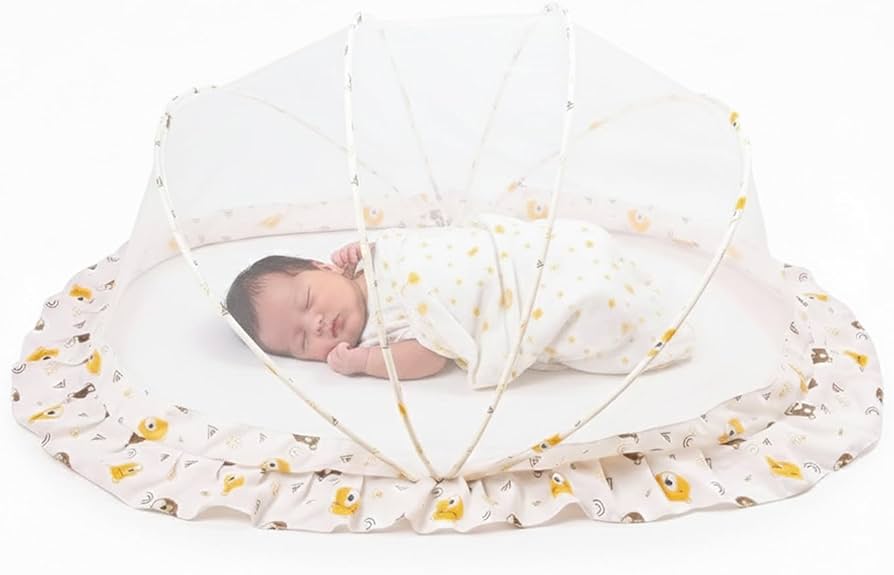
Mosquito nets remain one of the safest and most effective tools for infant protection.
Why Nets Work So Well
Mosquito nets create a direct physical barrier between mosquitoes and children.
Benefits include:
-
No chemical exposure
-
Continuous protection
-
Excellent airflow
-
Quiet operation
-
Full-body coverage
Best Uses for Baby Mosquito Nets
Nets work especially well for:
-
Strollers
-
Cribs
-
Playpens
-
Carriers
-
Outdoor naps
Choosing the Right Net
Parents should look for:
-
Fine mesh openings
-
Breathable fabric
-
Secure fit
-
Tear resistance
Poor-quality nets may allow mosquitoes through small gaps.
Protective Clothing for Babies and Toddlers
Clothing is one of the simplest mosquito prevention tools available.
Best Clothing Features
Ideal mosquito-protective clothing should be:
-
Lightweight
-
Breathable
-
Loose-fitting
-
Light-colored
Why Loose Clothing Matters
Mosquitoes can bite through tight fabric more easily.
Loose clothing creates additional distance from skin.
Long Sleeves and Pants
Covering exposed skin reduces bite opportunities significantly.
Even thin breathable layers provide meaningful protection.
Stroller Covers and Outdoor Carriers
Outdoor stroller walks often expose babies directly to mosquitoes.
Why Stroller Protection Matters
Mosquitoes are attracted to:
-
Body heat
-
Carbon dioxide
-
Moisture
Babies sitting quietly in strollers become easy targets.
Mesh Stroller Covers
Mesh covers provide:
-
Airflow
-
Visibility
-
Shade
-
Mosquito protection
Safety Tips
Parents should ensure covers:
-
Do not restrict airflow
-
Do not overheat the stroller interior
-
Fit securely without gaps
Overheating risks must always be monitored carefully.
Are Mosquito Sprays Safe for Babies?
Mosquito sprays are among the most controversial mosquito products for children.
Understanding Chemical Repellents
Common active ingredients include:
-
DEET
-
Picaridin
-
Oil of lemon eucalyptus
Age Matters
Very young infants require special caution.
Parents should always follow pediatric guidance and product labeling carefully.
Risks of Overapplication
Improper use may increase risks of:
-
Skin irritation
-
Eye exposure
-
Inhalation
-
Accidental ingestion
Safe Application Practices
When using sprays:
-
Avoid hands and face
-
Apply lightly
-
Avoid broken skin
-
Wash treated skin after returning indoors
DEET: Effective but Often Misunderstood
DEET remains one of the most studied mosquito repellents.
Benefits of DEET
DEET offers strong mosquito protection in high-risk areas.
Common Parent Concerns
Parents often worry about:
-
Chemical exposure
-
Skin sensitivity
-
Neurological effects
-
Long-term safety
Appropriate Use Matters
Most safety concerns involve misuse or excessive application rather than proper occasional use.
Still, many parents prefer minimizing chemical exposure whenever possible.
Picaridin: A Popular Alternative
Picaridin has gained popularity among families seeking a gentler alternative.
Advantages of Picaridin
Compared to DEET, picaridin often has:
-
Less odor
-
Lower skin irritation
-
Better cosmetic feel
Family Appeal
Many parents prefer picaridin because it tends to feel lighter and less greasy.
Essential Oil Mosquito Products: Are They Truly Safer?
Many “natural” mosquito products target parents.
However, natural does not automatically mean safer.
Common Essential Oils Used
Popular oils include:
-
Citronella
-
Lavender
-
Eucalyptus
-
Peppermint
-
Lemongrass
Potential Risks for Babies
Essential oils may still cause:
-
Skin irritation
-
Allergic reactions
-
Respiratory sensitivity
-
Eye irritation
Infants are especially sensitive to concentrated oils.
Strong Fragrance Concerns
Babies have developing respiratory systems that may react strongly to powerful scents.
Why Mosquito Coils Are Usually a Poor Choice for Babies
Mosquito coils are common globally but often unsuitable for infants.
Problems With Mosquito Coil Smoke
Burning coils release:
-
Smoke particles
-
Airborne chemicals
-
Combustion pollutants
Potential Risks
Exposure may contribute to:
-
Respiratory irritation
-
Coughing
-
Eye discomfort
-
Indoor air quality problems
Babies are particularly vulnerable to airborne irritants.
Plug-In Mosquito Repellents and Indoor Air Concerns
Electric vaporizer repellents are widely used indoors.
How Plug-In Repellents Work
These devices slowly release insecticide vapor into the air.
Potential Concerns for Infants
Continuous exposure may raise concerns about:
-
Indoor air quality
-
Long-term inhalation
-
Chemical sensitivity
Well-ventilated use is extremely important.
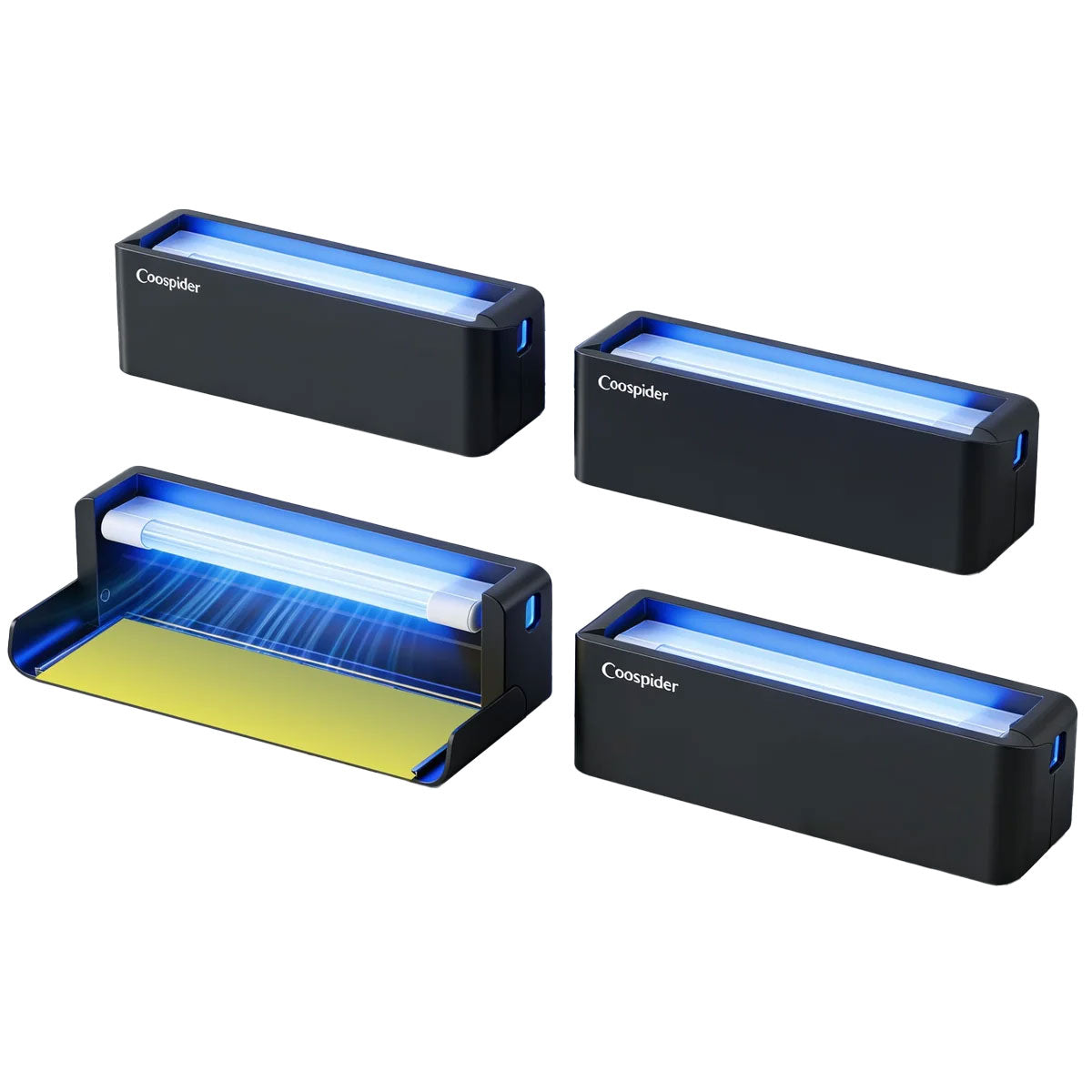
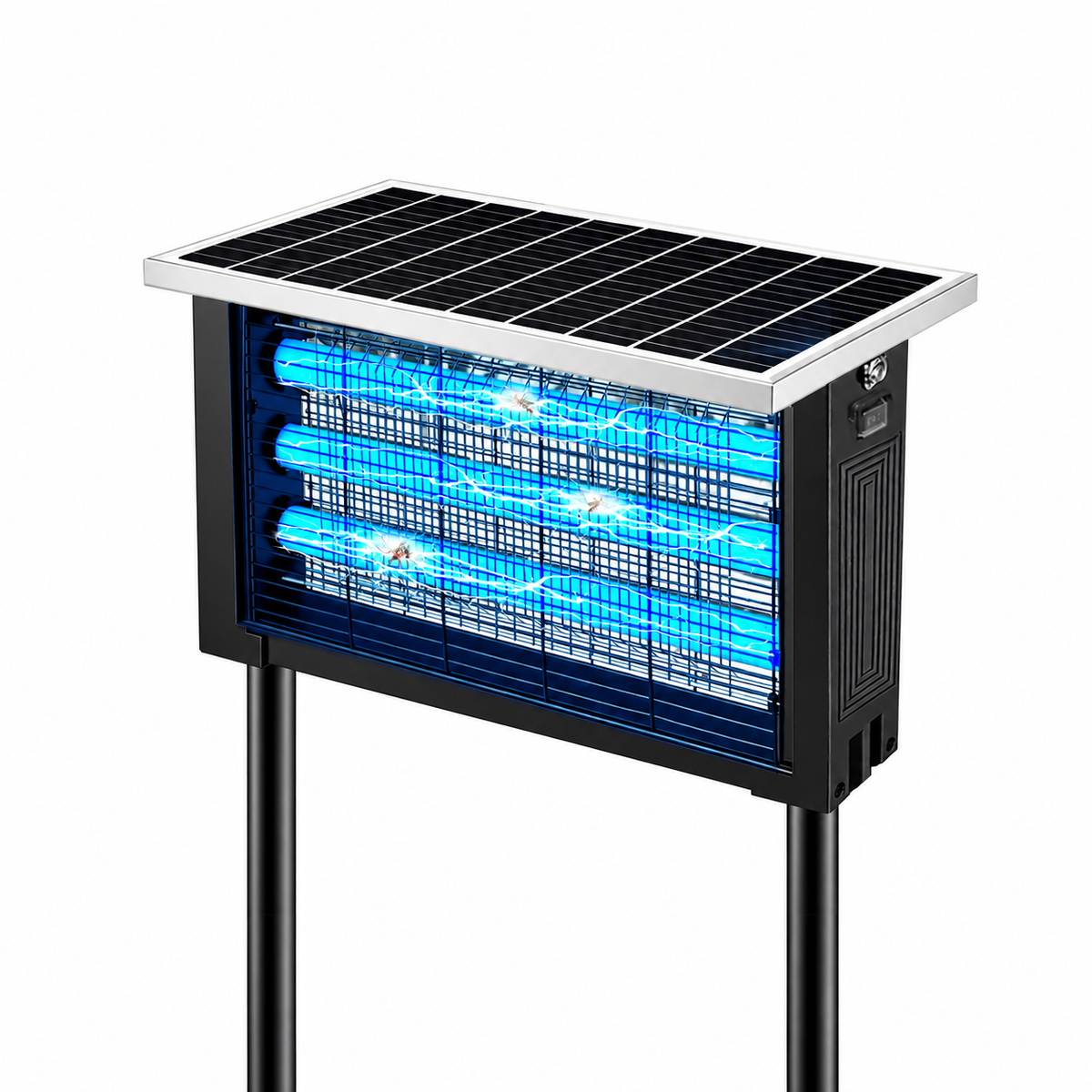
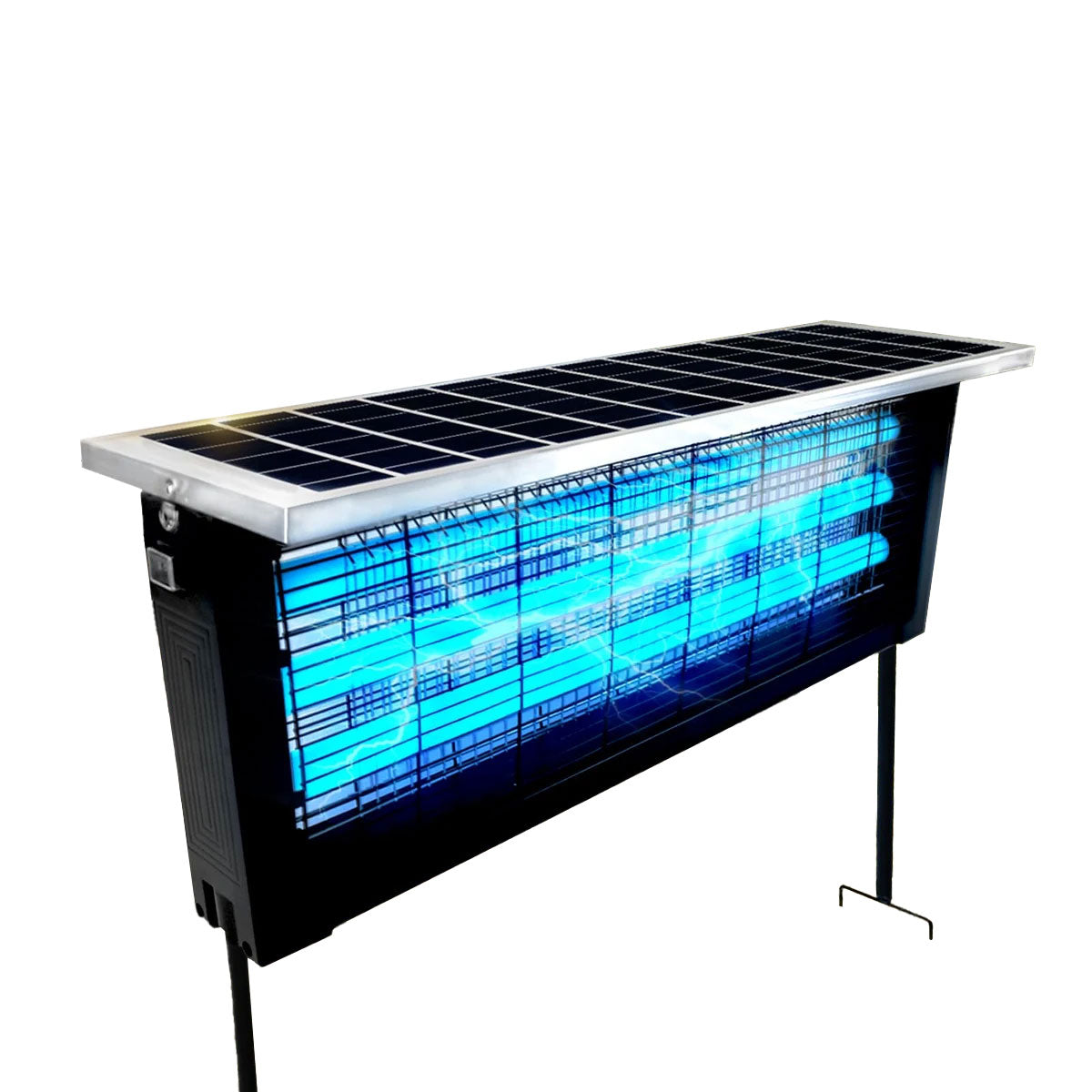
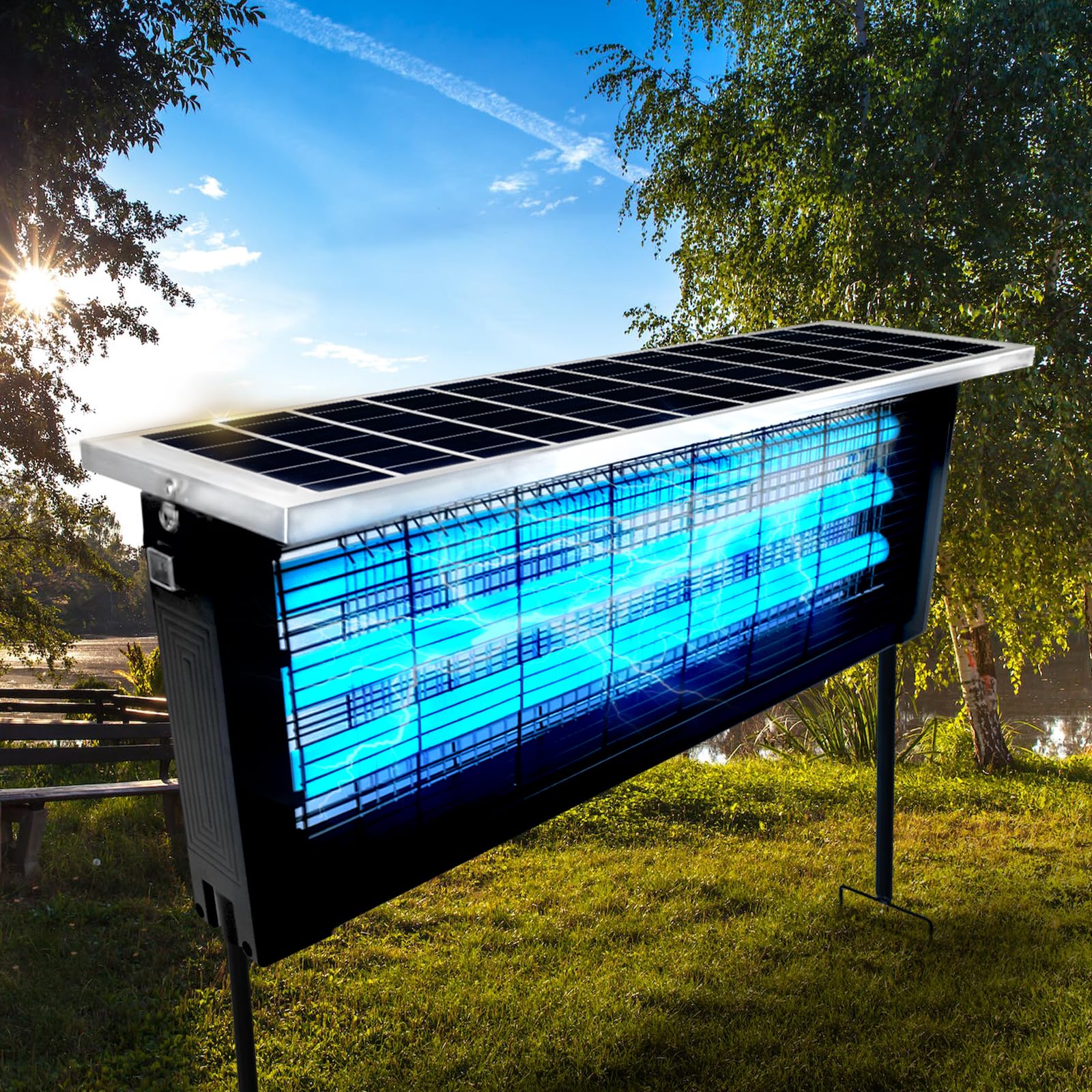
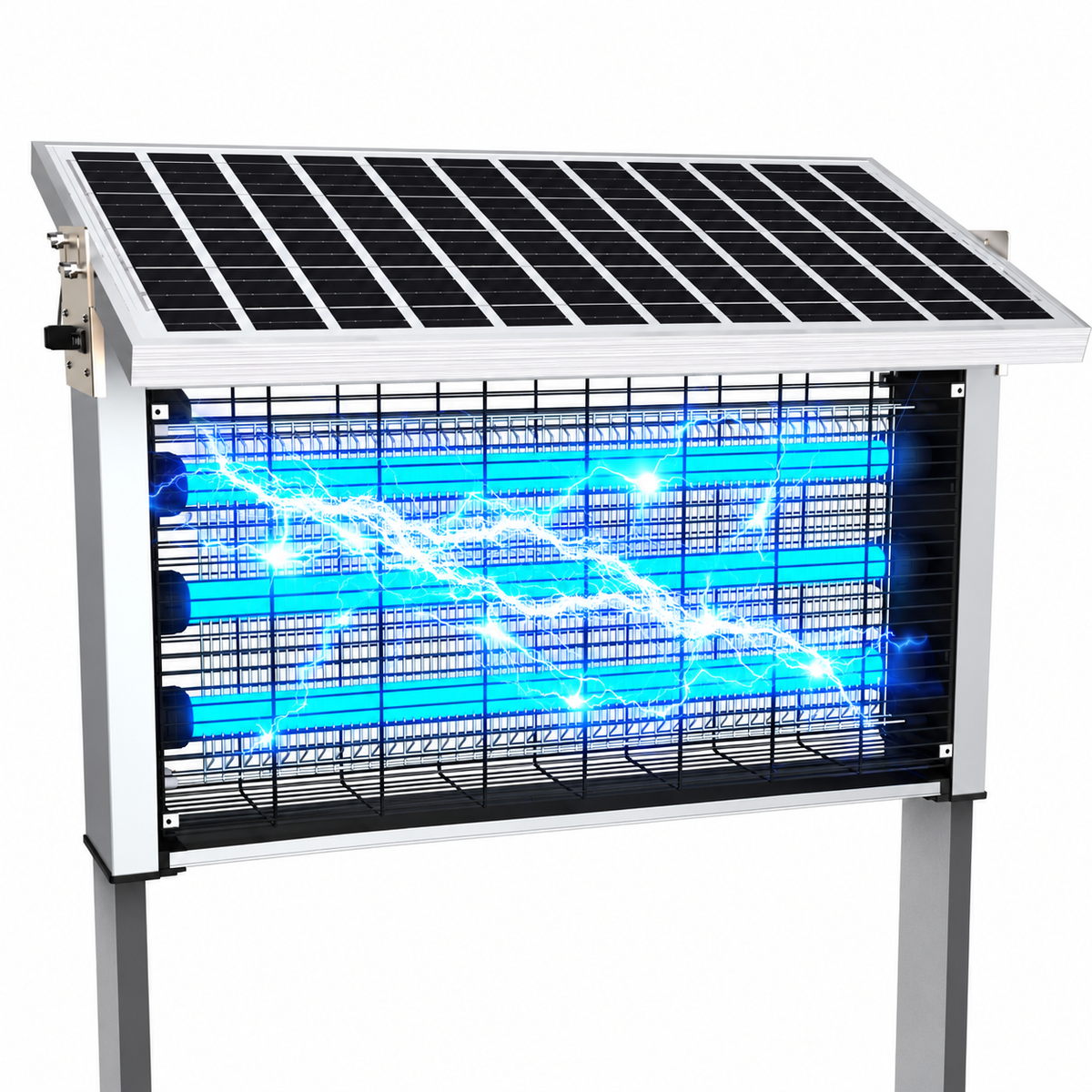
UV Mosquito Traps: A Low-Chemical Alternative
UV mosquito traps are increasingly popular among families.
How UV Traps Work
These devices attract mosquitoes using:
-
UV light
-
Heat
-
Airflow suction
Mosquitoes become trapped without heavy chemical spraying.
Advantages for Family Travel
Portable UV traps offer:
-
Quiet operation
-
Reduced chemical use
-
Odor-free performance
-
Continuous mosquito reduction
Best Usage Situations
UV traps work well in:
-
Campsites
-
Hotel rooms
-
RVs
-
Covered patios
Fans: The Most Overlooked Baby Mosquito Defense
Fans are surprisingly effective against mosquitoes.
Why Fans Work
Mosquitoes are weak fliers.
Airflow disrupts their ability to:
-
Fly accurately
-
Detect carbon dioxide
-
Land on skin
Advantages for Babies
Fans provide:
-
Cooling comfort
-
Better ventilation
-
Mosquito disruption
-
No chemical exposure
Outdoor Fan Use
Portable rechargeable fans work especially well near strollers or picnic areas.
Choosing Baby-Safe Outdoor Locations
Mosquito prevention begins before products are even used.
Avoid High-Mosquito Areas
Mosquito populations increase near:
-
Standing water
-
Wet grass
-
Marshes
-
Dense vegetation
-
Shaded humid areas
Timing Matters
Mosquitoes are often most active during:
-
Dawn
-
Dusk
-
Humid evenings
Adjusting activity timing can reduce exposure naturally.
Travel-Friendly Mosquito Protection for Families
Travel introduces additional mosquito challenges.
Hotel and Vacation Rentals
Parents should inspect accommodations for:
-
Window screens
-
Air conditioning
-
Standing water nearby
Camping With Babies
Camping requires layered protection strategies.
Recommended tools include:
-
Mosquito nets
-
Portable fans
-
Protective clothing
-
UV mosquito traps
International Travel Considerations
Some regions carry higher mosquito-borne disease risk.
Parents traveling internationally should research destination-specific health recommendations carefully.
Mosquito Bite Relief for Babies and Toddlers
Even with strong prevention, bites may still happen.
Safe Relief Strategies
Parents may use:
-
Cool compresses
-
Gentle anti-itch products
-
Pediatric-approved creams
Preventing Scratching
Keeping nails trimmed reduces skin damage risk.
Soft sleepwear may also help reduce nighttime scratching.
Building a Layered Mosquito Protection Strategy
No single mosquito product offers perfect protection.
Why Layered Protection Works Best
Combining multiple low-risk methods improves safety and effectiveness.
A balanced approach may include:
-
Protective clothing
-
Mosquito nets
-
Fans
-
UV traps
-
Limited targeted repellent use
Minimizing Chemical Dependency
Physical prevention should remain the foundation whenever possible.
What Parents Should Avoid
Certain practices increase unnecessary risk.
Avoid Overusing Repellents
More product does not always equal more protection.
Avoid Applying Repellent to Hands
Babies frequently place hands in their mouths.
Avoid Strong Indoor Sprays
Indoor aerosol use around babies increases inhalation exposure.
Avoid Untested Homemade Repellents
DIY mixtures may cause unpredictable skin reactions.
Pet Safety During Family Travel
Many families travel with pets as well as children.
Why Pet Safety Matters
Some mosquito products safe for humans may be toxic to pets.
Cats are especially sensitive to certain chemicals and essential oils.
Shared Air Quality Concerns
Babies and pets both benefit from:
-
Low-odor environments
-
Better ventilation
-
Reduced airborne irritants
The Growing Shift Toward Low-Toxicity Family Mosquito Control
Modern parents increasingly prioritize wellness-focused mosquito prevention.
Why Consumer Preferences Are Changing
Families now care more about:
-
Indoor air quality
-
Chemical exposure
-
Fragrance sensitivity
-
Environmental health
Technology Is Improving
Modern mosquito solutions increasingly focus on:
-
Non-toxic trapping
-
Silent operation
-
Smart airflow systems
-
Low-energy UV attraction
This trend supports healthier family environments.
Psychological Comfort for Parents
Safe mosquito prevention improves more than physical comfort.
Reduced Parent Anxiety
Reliable protection allows families to enjoy outdoor experiences with greater peace of mind.
Better Sleep During Travel
Mosquito-free sleeping environments improve rest for both parents and children.
Creating Healthy Outdoor Memories
Children benefit enormously from outdoor experiences.
Safe mosquito prevention helps families enjoy:
-
Camping trips
-
Nature walks
-
Backyard playtime
-
Beach vacations
-
Evening gatherings
without unnecessary stress or exposure risks.
Final Thoughts
Protecting babies and toddlers from mosquitoes requires balancing effectiveness, comfort, safety, and practicality. While mosquito bites can cause irritation and potential health concerns, overly aggressive mosquito control methods may also introduce unnecessary exposure risks for young children.\n\nFor most families, the safest approach starts with physical mosquito prevention strategies such as mosquito nets, stroller covers, protective clothing, airflow management, and environmental awareness. These methods reduce mosquito exposure while minimizing contact with harsh chemicals, strong fragrances, smoke, and airborne irritants.\n\nChemical repellents may still play a role in certain high-risk environments, but they should be used carefully, selectively, and according to age-appropriate guidelines.\n\nUltimately, the best mosquito protection strategy for babies and toddlers is one that combines thoughtful prevention, healthy indoor air quality, proper outdoor planning, and gentle low-risk solutions that support both safety and comfort.\n\nWith the right preparation, families can confidently enjoy outdoor adventures, travel experiences, and warm-weather activities while helping children stay protected, comfortable, and happy throughout mosquito season.