From home sanitizers and air purifiers to laboratory equipment, HVAC systems, and medical devices, UV technology has become a popular solution for killing germs. But when it comes time to actually buy a UV lamp, many consumers run into a confusing wall of terminology:
-
UV-A
-
UV-B
-
UV-C
-
Far-UV
-
Germicidal UV
Manufacturers often highlight different wavelengths, sometimes using scientific language that sounds convincing—but doesn’t always tell the full truth.
So here’s the real question:
Which UV wavelength actually kills germs effectively—and which ones don’t?
This guide will break down the science, clear up common misconceptions, and help you choose the right UV lamp for real-world disinfection—not just marketing promises.
1. What Is Ultraviolet Light, Really?
Ultraviolet light is a form of electromagnetic radiation with wavelengths shorter than visible light but longer than X-rays.
Humans can’t see UV light, but its effects are everywhere—from sunburns to vitamin D production to microbial inactivation.
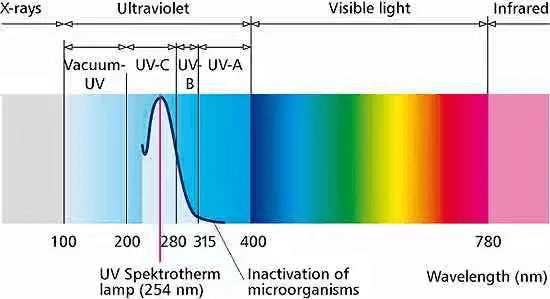
UV light is typically divided into three main categories based on wavelength:
-
UV-A: 315–400 nm
-
UV-B: 280–315 nm
-
UV-C: 200–280 nm
Each band behaves very differently when it comes to energy, penetration, and biological impact.
2. Why Wavelength Matters More Than Power or Brightness
One of the biggest mistakes buyers make is assuming that:
“If the light looks bright, it must be effective.”
In UV disinfection, wavelength matters far more than brightness.
Only certain wavelengths can damage the DNA or RNA of microorganisms in a way that prevents them from reproducing. Without that damage, bacteria and viruses may survive—even if exposed to light for a long time.
This is why understanding UV wavelength is critical.
3. UV-A: The Most Common, Least Effective for Disinfection
3.1 What Is UV-A?
UV-A makes up about 95% of the UV radiation that reaches the Earth’s surface. It’s the type of UV you’re exposed to most in daily life.
You’ll find UV-A used in:
-
Tanning beds
-
Nail curing lamps
-
Black lights
-
Some insect traps
3.2 Does UV-A Kill Germs?
Technically yes—but practically no.
UV-A has:
-
Low energy
-
Weak DNA disruption capability
It can damage microorganisms only with extremely long exposure times or very high intensities—conditions that are not practical for disinfection.
In real-world applications, UV-A:
-
Is not reliable for sterilization
-
Is not recognized as germicidal by most standards
3.3 Why UV-A Is Often Misused in Marketing
UV-A lamps are:
-
Cheap to produce
-
Safer to handle
-
Easier to sell to consumers
Some products label UV-A devices as “sterilizing” without explaining their limited effectiveness.
Bottom line:
UV-A is useful for curing and visualization—not for serious disinfection.
4. UV-B: A Middle Ground with Limited Practical Use
4.1 What Is UV-B?
UV-B sits between UV-A and UV-C in the spectrum. It’s responsible for:
-
Sunburns
-
Skin damage
-
Vitamin D synthesis
UV-B is partially filtered by Earth’s atmosphere but still reaches the surface.
4.2 Can UV-B Kill Microorganisms?
Yes—UV-B can damage DNA and RNA more effectively than UV-A.
However:
-
It is less efficient than UV-C
-
Requires longer exposure times
-
Is harder to control safely
Because of these limitations, UV-B is rarely used as a primary disinfection tool.
4.3 Where UV-B Is Sometimes Used
UV-B may appear in:
-
Specialized medical or dermatological equipment
-
Certain research applications
But for everyday disinfection, it is not the preferred choice.
5. UV-C: The Gold Standard for Germicidal Action
5.1 What Is UV-C?
UV-C occupies the 200–280 nm range and is almost completely absorbed by Earth’s atmosphere. That means natural exposure is extremely limited.
This also means:
-
Microorganisms have not evolved defenses against it
-
Its biological impact is extremely strong
5.2 Why UV-C Is So Effective at Killing Germs
UV-C works by:
-
Breaking DNA and RNA molecular bonds
-
Creating thymine dimers in DNA
-
Preventing replication and transcription
Once a microorganism can’t reproduce, it is effectively inactivated.
UV-C is proven effective against:
-
Bacteria
-
Viruses
-
Mold spores
-
Fungi
Including many pathogens of concern.
5.3 The Most Effective Germicidal Wavelength
The peak germicidal effectiveness occurs at approximately:
253.7 nm
This is why many traditional germicidal lamps are designed around this wavelength.
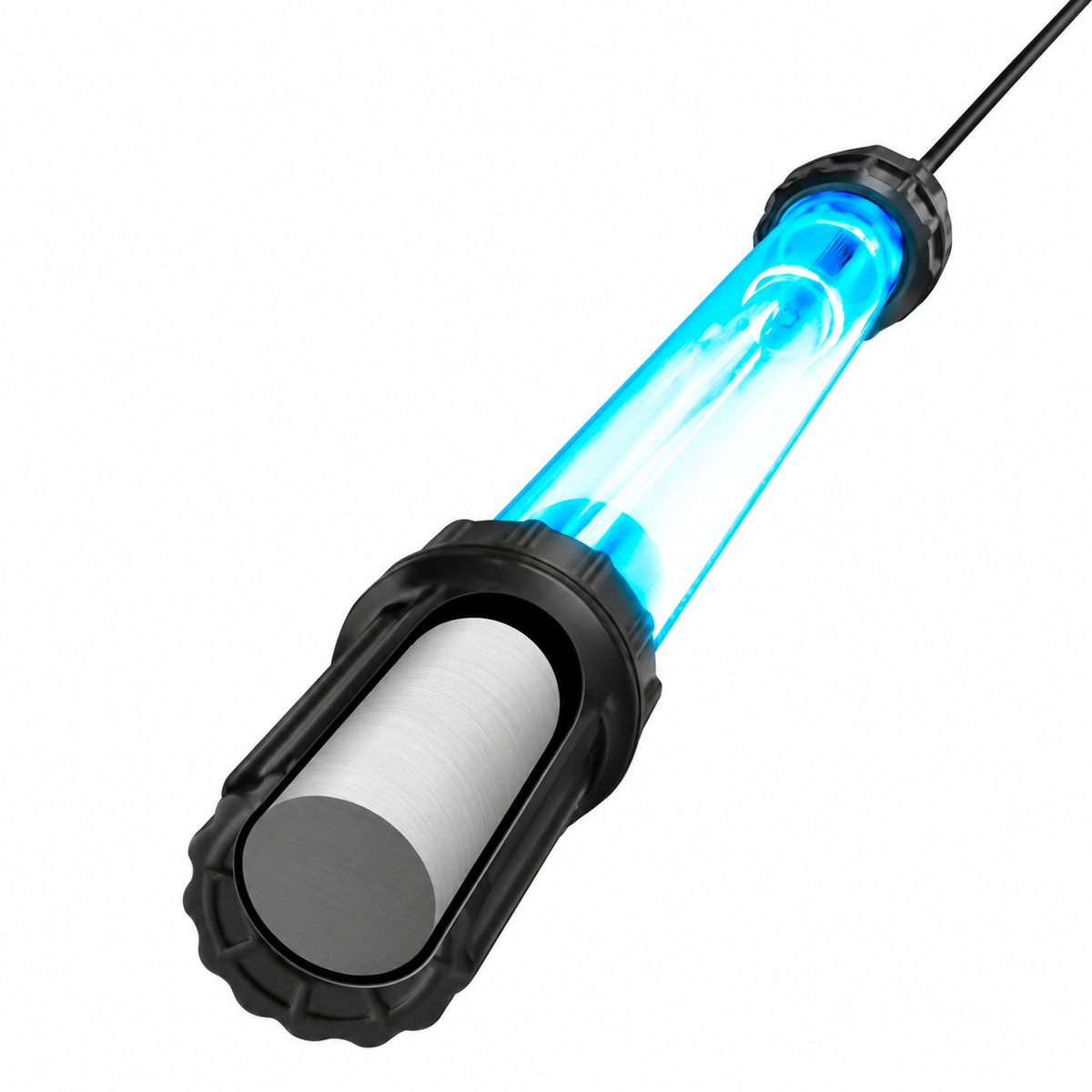
6. Common UV-C Light Sources
6.1 Low-Pressure Mercury Lamps
These lamps:
-
Emit UV-C at ~254 nm
-
Have been used for decades
-
Are widely validated
Pros:
-
High output
-
Proven performance
-
Cost-effective
Cons:
-
Contain mercury
-
Fragile
-
Require careful disposal
6.2 UV-C LEDs
UV-C LED technology is rapidly developing.
Pros:
-
Mercury-free
-
Compact
-
Instant on/off
-
Precise wavelength control
Cons:
-
Higher cost
-
Lower output (currently)
-
Shorter effective lifespan
LEDs are ideal for small, enclosed devices and portable systems.
7. What About “Far-UV” (222 nm)?
7.1 Understanding Far-UV
Far-UV typically refers to wavelengths around 207–222 nm, often generated by excimer lamps.
Research suggests far-UV:
-
Can inactivate microorganisms
-
Has limited penetration into human skin and eyes
This makes it promising for occupied-space disinfection, though adoption is still emerging.
7.2 Is Far-UV Ready for Consumers?
At present:
-
Most far-UV systems are expensive
-
Long-term safety standards are still developing
-
Mostly used in controlled or professional environments
It’s promising—but not yet mainstream for home buyers.
8. UV Wavelength vs Safety: A Critical Tradeoff
8.1 Why UV-C Is Dangerous to Humans
UV-C can:
-
Damage skin
-
Injure eyes
-
Cause long-term health risks
This is why proper UV-C systems include:
-
Enclosures
-
Interlocks
-
Timers
-
Motion sensors
Effectiveness and safety must go together.
8.2 Safer Does Not Mean More Effective
Many consumer products choose UV-A because it’s safer—but that safety often comes at the cost of disinfection effectiveness.
Understanding this tradeoff helps buyers avoid disappointment.
9. Common Myths About UV Disinfection
Myth 1: Any UV Light Kills Germs
Reality: Only UV-C is reliably germicidal.
Myth 2: Longer Exposure Always Means Better Results
Reality: Wavelength and intensity matter more.
Myth 3: UV Can Replace Cleaning
Reality: Dirt and organic matter block UV light.
10. Choosing the Right UV Lamp for Your Application
10.1 Home Surface Disinfection
Best choice:
-
Enclosed UV-C systems
-
Box-style or cabinet designs
Avoid:
-
Open UV-A wands
10.2 Air and HVAC Systems
Best choice:
-
Fixed UV-C lamps
-
Designed for airflow disinfection
UV-A has minimal impact in air systems.
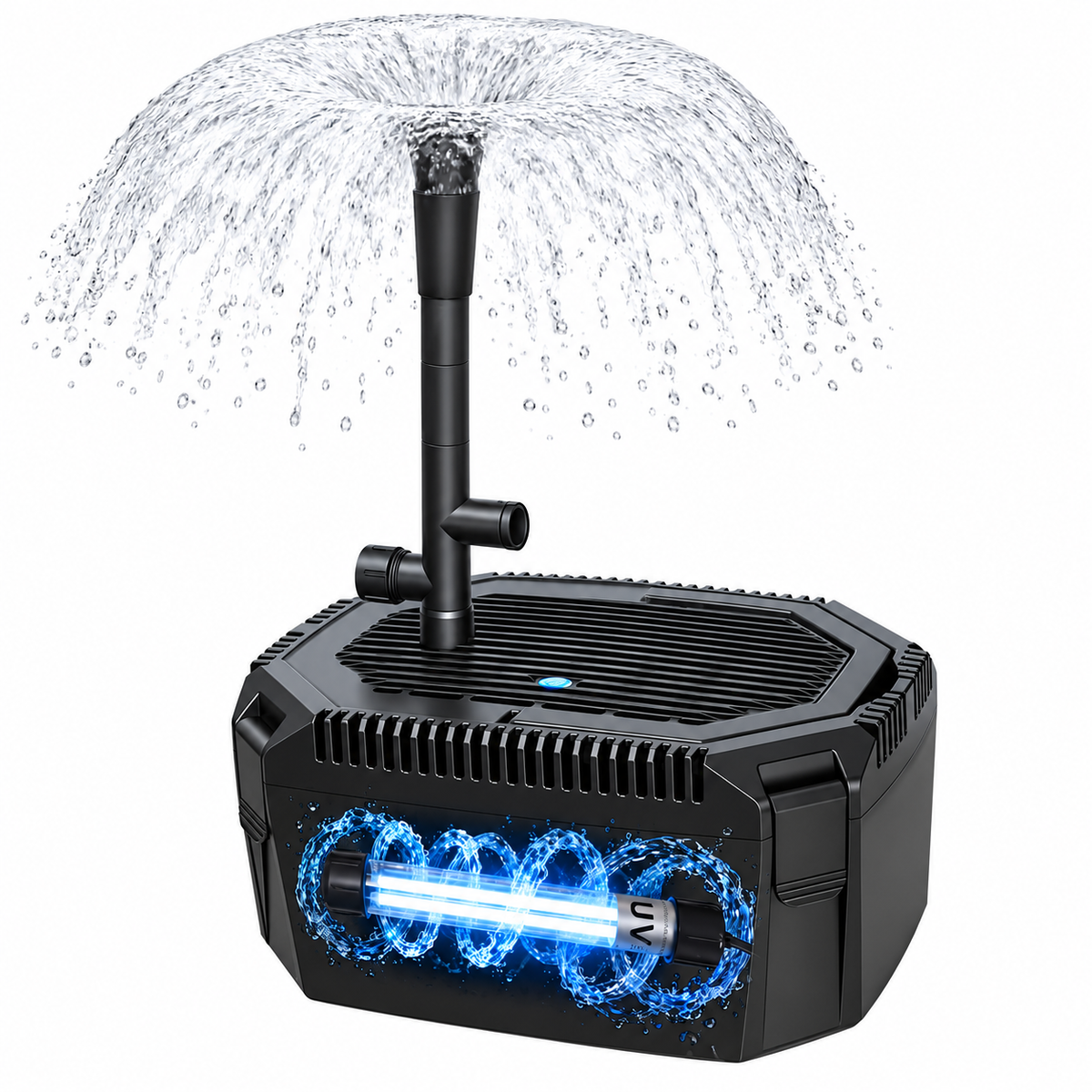
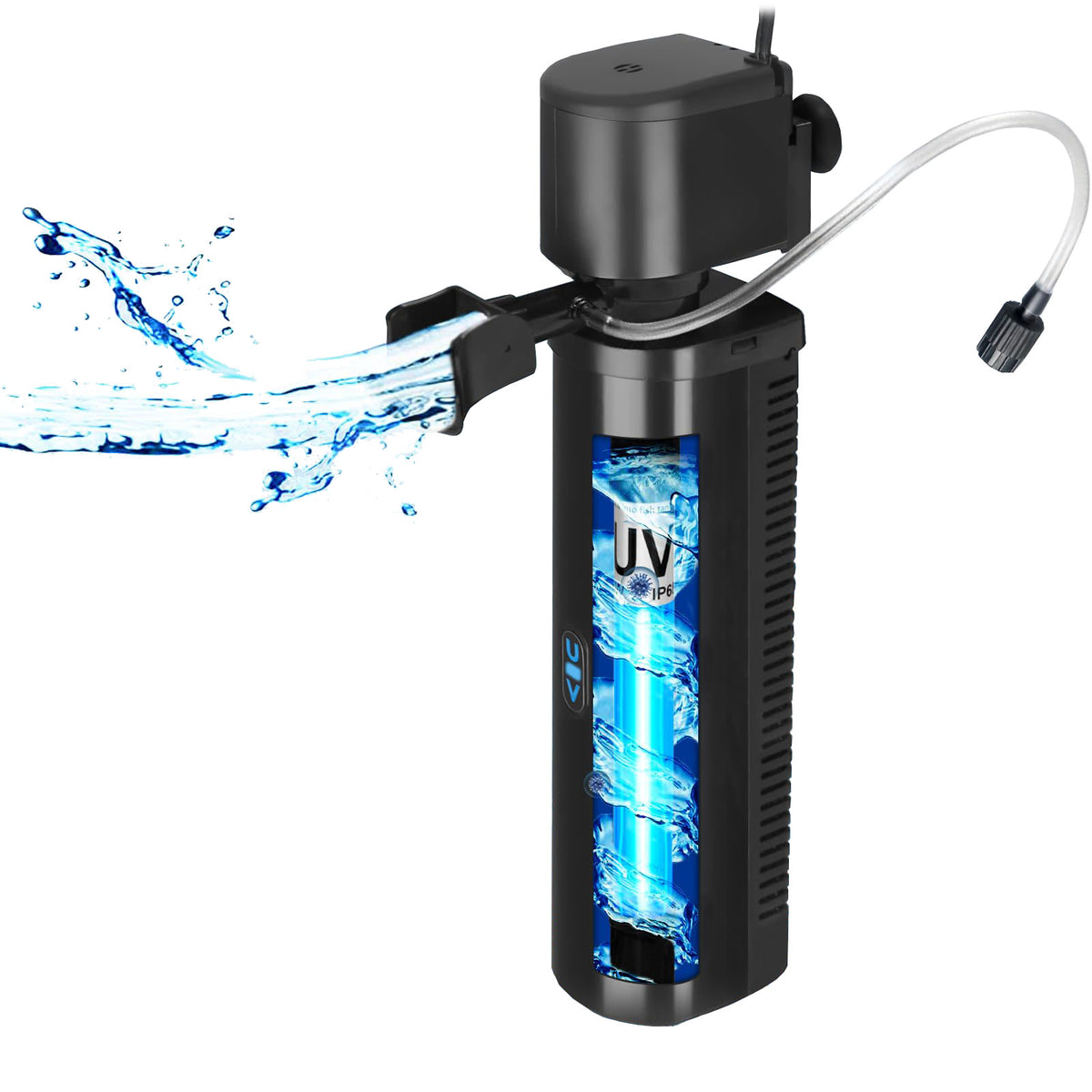
10.3 Water Purification
Best choice:
-
UV-C lamps at ~254 nm
-
Proper dose and flow control
UV-A and UV-B are ineffective here.
10.4 Professional and Laboratory Use
Best choice:
-
Certified UV-C systems
-
Validated exposure times
-
Documented output
Compliance matters.
11. How to Spot Misleading UV Product Claims
Be cautious if a product:
-
Doesn’t specify wavelength
-
Avoids mentioning UV-C
-
Uses vague terms like “UV sterilizing”
-
Emphasizes brightness instead of output
Transparency is a strong indicator of quality.
12. Understanding UV Dose: Time × Intensity
Disinfection depends on UV dose, which is a combination of:
-
Light intensity
-
Exposure time
Even UV-C needs sufficient dose to be effective.
This is why professional systems provide:
-
Exposure guidelines
-
Automatic timers
13. Certifications and Standards to Look For
Depending on application, look for:
-
EPA or FDA references (where applicable)
-
ISO testing data
-
Third-party validation
Claims without testing are just claims.
14. Cost vs Performance: What Are You Really Paying For?
Higher-quality UV-C systems cost more because of:
-
Better materials
-
Safer design
-
Verified output
-
Longer lifespan
Cheap UV products often compromise on one or more of these.
15. The Future of UV Disinfection Technology
Trends include:
-
More efficient UV-C LEDs
-
Smart UV monitoring
-
Hybrid filtration + UV systems
-
Safer far-UV deployment
UV technology is evolving—but wavelength fundamentals remain the same.
Conclusion: Which UV Wavelength Is the Real Germ-Killing Tool?
Let’s make it simple:
-
UV-A: Not suitable for serious disinfection
-
UV-B: Limited and rarely practical
-
UV-C: The proven, effective germicidal standard
If your goal is real microbial inactivation, UV-C is the wavelength that matters.
Understanding this distinction protects you from marketing hype, helps you choose the right product, and ensures that your investment actually delivers the hygiene benefits you expect.
In UV disinfection, knowledge is the most powerful filter.