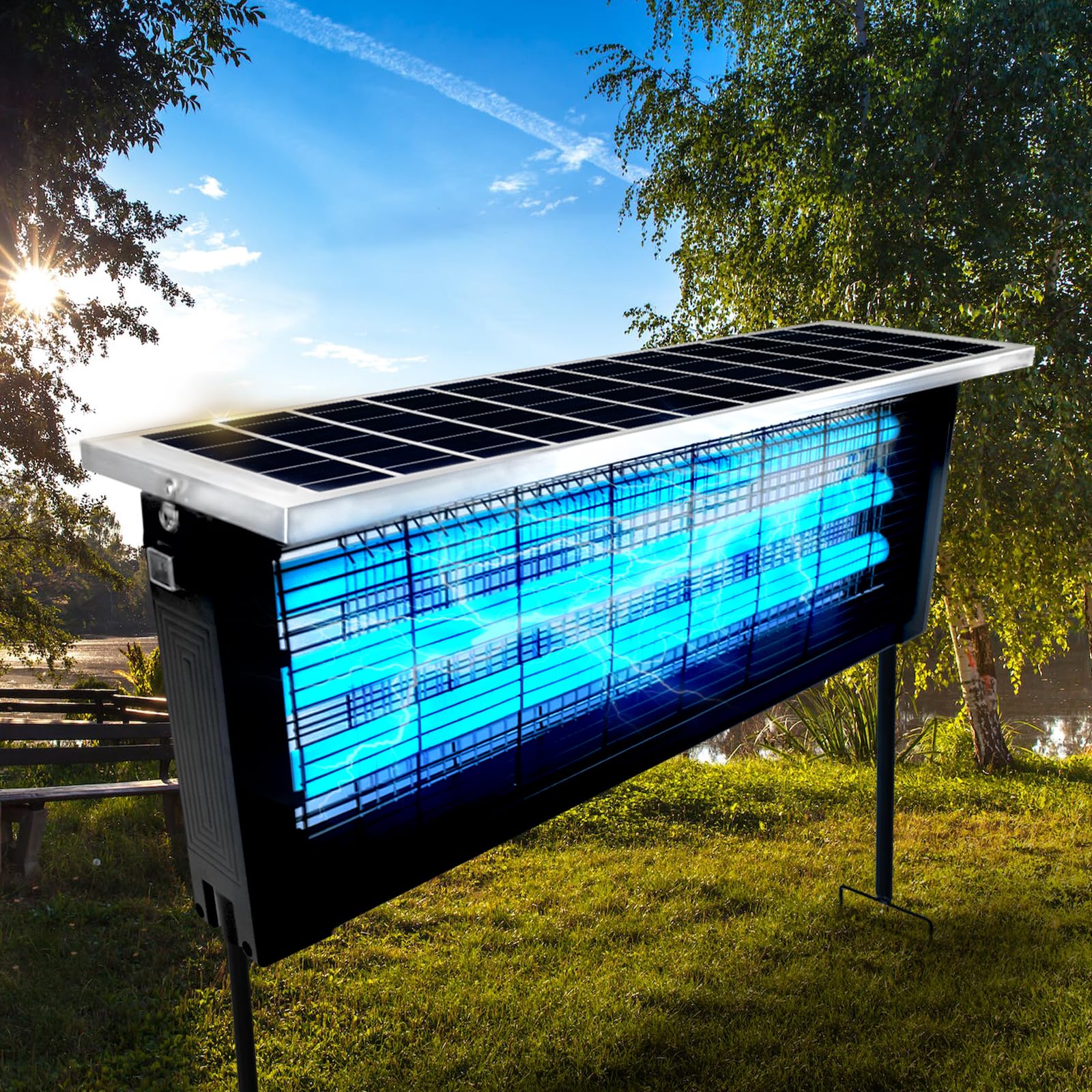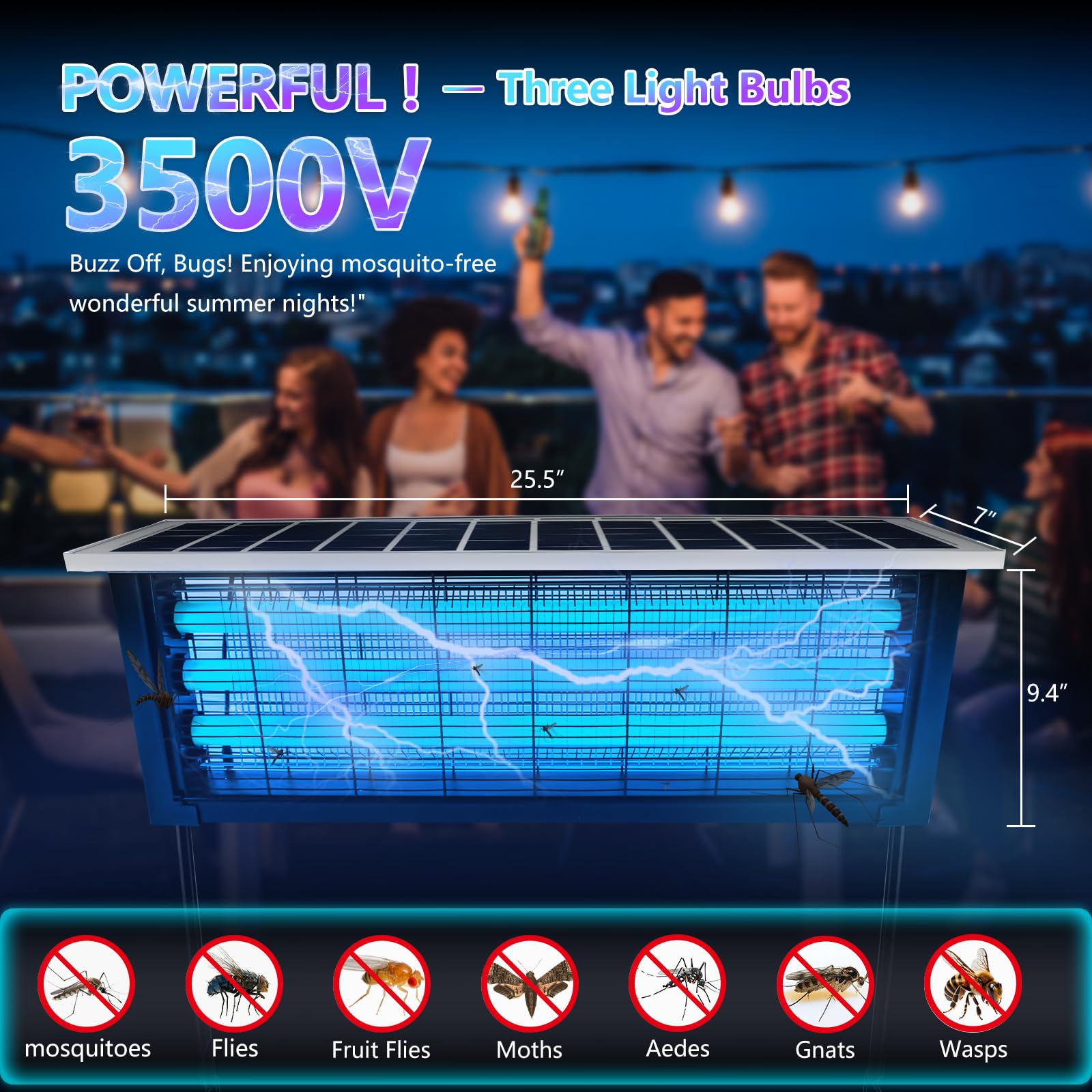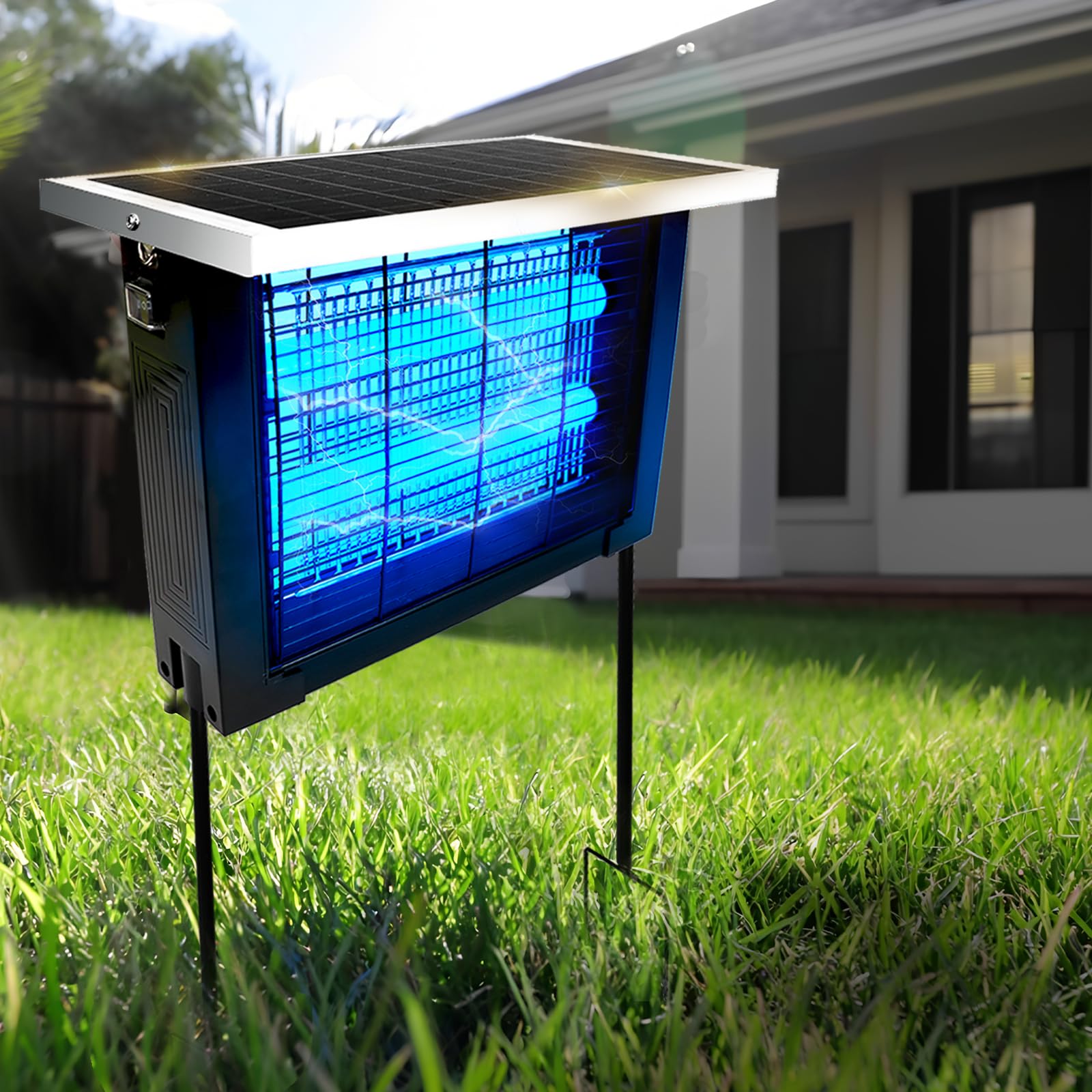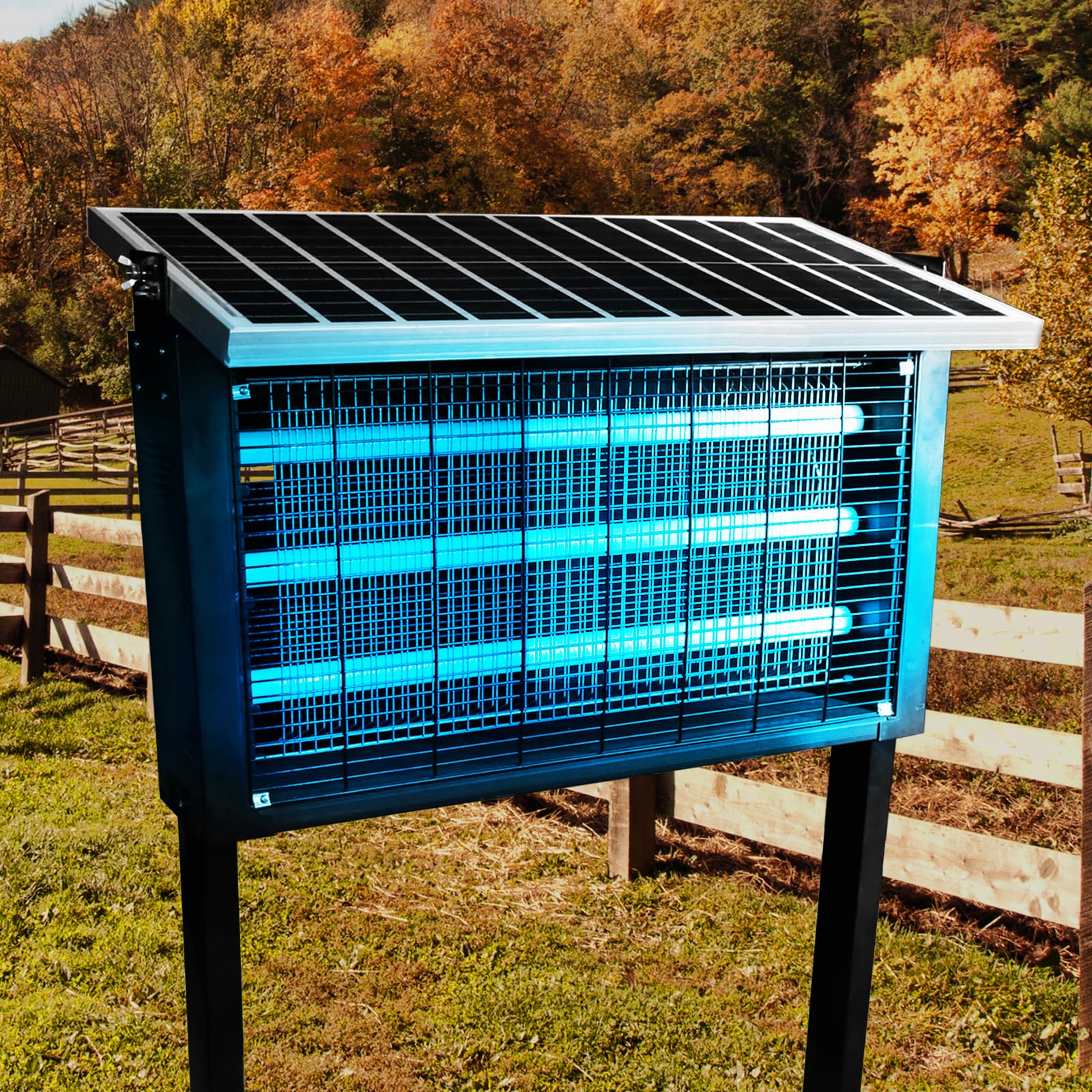
For anglers, few experiences compare to the calm rhythm of standing beside the water before sunrise, casting into still currents while the world slowly wakes up. Fishing offers peace, focus, and a deep connection with nature. Yet hidden within that peaceful environment is an enemy every fisherman knows too well: mosquitoes.
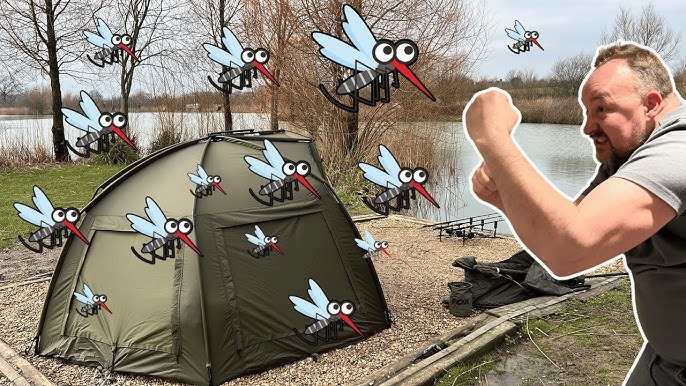
Whether you are freshwater fishing at a quiet lake, fly fishing near a mountain stream, or spending long nights on a riverbank chasing catfish, mosquitoes can quickly transform a relaxing trip into a miserable battle. Swarms of biting insects distract your focus, interrupt your timing, reduce comfort, and in some regions even pose serious health concerns.
Many anglers underestimate how much mosquito management affects fishing success. Constant swatting, irritation, and discomfort reduce patience and concentration—two essential qualities for effective fishing.
This comprehensive guide explores practical, field-tested methods anglers use to minimize mosquito problems in waterside environments. From clothing selection and campsite strategy to advanced repellents and environmental awareness, these techniques help fishermen stay focused on the water instead of fighting insects all day.
Why Mosquitoes Love Fishing Environments
Understanding why mosquitoes thrive around fishing locations is the first step toward controlling them effectively.
Mosquitoes require moisture to reproduce, and most fishing areas naturally provide ideal breeding conditions.
Common mosquito-friendly fishing environments include:
-
Marshes
-
Slow-moving rivers
-
Lake shorelines
-
Wetlands
-
Flooded grass areas
-
Swamps
-
Shallow coves
-
Backwater channels
-
Mangrove coastlines
Mosquitoes are especially active in places with:
-
Standing water
-
Dense vegetation
-
Warm temperatures
-
Low wind conditions
-
High humidity
Unfortunately, these are often the same conditions that attract fish.
Why Anglers Suffer More Mosquito Bites Than Other Outdoor Enthusiasts
Fishing creates a perfect scenario for mosquito activity.
Unlike hikers or runners who constantly move, anglers often remain stationary for extended periods. Mosquitoes easily detect:
-
Body heat
-
Carbon dioxide
-
Sweat
-
Skin odor
Night fishing can make the problem even worse because many mosquito species become most active during:
-
Dawn
-
Dusk
-
Overnight hours
Additionally, fishermen frequently wear:
-
Short sleeves
-
Breathable fabrics
-
Sandals
-
Fingerless gloves
These leave skin exposed precisely when mosquitoes are most aggressive.
Timing Your Fishing Sessions Strategically
One of the most effective mosquito-control methods is simply choosing better fishing times.
Peak Mosquito Activity Hours
Mosquitoes are typically most aggressive:
-
One hour before sunrise
-
Around sunset
-
Shortly after dark
If your fishing schedule allows, mid-morning and early afternoon often provide reduced mosquito pressure.
Weather Conditions Matter
Mosquitoes dislike:
-
Strong wind
-
Direct sunlight
-
Dry conditions
Fishing during breezy conditions naturally reduces insect activity near the shoreline.
After rainfall, however, mosquito populations often explode due to new standing water.
Choosing the Right Fishing Clothing for Mosquito Protection
Clothing is your first and most reliable defensive barrier.
Many anglers focus only on chemical repellents while ignoring proper apparel.
Wear Lightweight Long Sleeves
Modern fishing shirts are designed to provide:
-
UV protection
-
Breathability
-
Moisture management
-
Insect coverage
Lightweight long sleeves dramatically reduce exposed skin without causing overheating.
Use Tight-Weave Fabrics
Mosquitoes can bite through thin, loose fabrics.
Choose:
-
Dense synthetic blends
-
Ripstop fishing pants
-
Technical outdoor fabrics
Avoid:
-
Thin cotton shirts
-
Loose mesh fabrics
Light-Colored Clothing Works Better
Mosquitoes are more attracted to dark colors.
Best colors for fishing mosquito defense:
-
Light gray
-
Khaki
-
Pale green
-
Beige
-
White
Dark clothing absorbs heat and increases visibility to insects.
Protect Ankles and Wrists
Mosquitoes commonly target:
-
Ankles
-
Wrists
-
Neck areas
Use:
-
Adjustable cuffs
-
Long socks
-
Neck gaiters
These vulnerable areas are often overlooked.
The Best Mosquito Repellents for Fishing
Repellents remain essential for serious anglers.
However, not all repellents perform equally in humid waterside environments.
DEET-Based Repellents
DEET remains one of the most effective mosquito repellents available.
Advantages:
-
Long-lasting protection
-
Strong effectiveness in dense mosquito areas
-
Reliable performance in humid environments
Best for:
-
Swamp fishing
-
Night fishing
-
Tropical fishing trips
Potential downside:
-
May damage certain plastics and fishing gear coatings
Avoid spraying directly onto:
-
Sunglasses
-
Rod handles
-
Reels
-
Electronics
Picaridin Repellents
Many anglers now prefer picaridin because it:
-
Feels less greasy
-
Has minimal odor
-
Does not damage plastics
-
Provides strong mosquito defense
Picaridin works especially well for:
-
Kayak anglers
-
Bass fishermen
-
Fly fishermen using expensive gear
Natural Repellents
Natural options include:
-
Lemon eucalyptus oil
-
Citronella
-
Cedar oil
-
Peppermint blends
Advantages:
-
Mild scent
-
Skin-friendly
-
Lower chemical exposure
Limitations:
-
Shorter protection time
-
Reduced effectiveness in heavy mosquito conditions
For serious mosquito environments, natural repellents usually work best as supplemental protection.
Treating Fishing Clothing With Permethrin
One of the most effective long-term solutions for anglers is permethrin-treated clothing.
Permethrin is applied to:
-
Shirts
-
Pants
-
Hats
-
Socks
-
Buffs
-
Outer gear
Unlike topical repellents, permethrin works by repelling or disabling insects that land on treated fabric.
Benefits include:
-
Long-lasting effectiveness
-
Excellent tick protection
-
Reduced need for constant spray application
This is especially useful for:
-
Bank fishing
-
Shoreline hiking
-
Backcountry fishing trips
Mosquito-Proof Hats and Face Protection
Mosquitoes targeting the face create major distraction while fishing.
Wide-Brim Fishing Hats
Wide-brim hats help:
-
Reduce exposed skin
-
Improve airflow
-
Keep insects farther from the face
Bug Nets for Severe Conditions
In extreme mosquito zones, head nets can become essential.
While not always fashionable, they are highly effective during:
-
Alaskan fishing trips
-
Marsh fishing
-
Wetland expeditions
Modern ultralight nets minimally interfere with visibility.
How Sweat Increases Mosquito Attraction
Fishing in hot weather creates sweat, which significantly increases mosquito attraction.
Mosquitoes are drawn to:
-
Lactic acid
-
Salt
-
Skin bacteria
-
Carbon dioxide
Sweat Reduction Tips
Use:
-
Moisture-wicking clothing
-
Cooling towels
-
Breathable fabrics
-
Hydration strategies
Staying cooler reduces mosquito interest.
Boat Fishing vs Shore Fishing: Mosquito Differences
Boat anglers generally experience fewer mosquitoes than shoreline fishermen.
Why?
Mosquitoes struggle against:
-
Open wind exposure
-
Water movement
-
Lack of vegetation
Meanwhile, shore fishermen near brush and reeds face much heavier mosquito activity.
Best Campsite Positioning for Fishing Trips
For overnight fishing trips, campsite placement matters enormously.
Avoid Stagnant Water
Do not camp near:
-
Small ponds
-
Flooded grass
-
Marsh edges
-
Still backwaters
These areas produce massive mosquito populations.
Seek Wind Exposure
Even mild airflow dramatically reduces mosquito concentration.
Ideal campsites:
-
Elevated banks
-
Open shorelines
-
Breezy points
Minimize Dense Vegetation
Tall grass and brush create mosquito resting zones.
Clear small vegetation around camp when permitted.
Mosquito Control for Kayak Anglers
Kayak fishing creates unique insect challenges because anglers remain close to the water surface.
Keep Repellents Accessible
Store repellents within immediate reach rather than inside dry storage.
Quick reapplication matters during changing conditions.
Use Lightweight Leg Coverings
Kayak seating exposes legs to constant mosquito attack near shorelines.
Lightweight sun pants work better than shorts in buggy environments.
Night Fishing and Mosquito Survival
Night fishing often delivers excellent catches—but also peak mosquito activity.
Use Red or Warm Lights
Bright white lights attract:
-
Mosquitoes
-
Gnats
-
Flying insects
Warm-colored LEDs reduce insect concentration around fishing stations.
Portable Fans Work Surprisingly Well
Mosquitoes are weak flyers.
Small battery-powered fans help create airflow around:
-
Chairs
-
Tackle stations
-
Bivvy shelters
This can dramatically reduce bites.
Mosquito Coils and Thermacell Devices
Many anglers rely on portable mosquito-control devices.
Mosquito Coils
Advantages:
-
Affordable
-
Simple
-
Effective in calm conditions
Limitations:
-
Smoke sensitivity
-
Reduced effectiveness in wind
Thermacell-Style Repellent Systems
Portable spatial repellents create protective zones around fishing areas.
Advantages:
-
No skin application needed
-
Excellent for stationary fishing
-
Low odor
Especially useful for:
-
Dock fishing
-
Carp fishing
-
Bank fishing camps
Keeping Your Fishing Gear Mosquito-Free
Mosquitoes often gather around damp gear.
Dry Equipment Thoroughly
After trips:
-
Dry tackle bags
-
Air out boots
-
Clean coolers
-
Remove standing moisture
Wet gear creates attractive insect environments.
Avoid Sweet-Smelling Products
Strong fragrances attract insects.
Avoid:
-
Scented sunscreen
-
Perfumed soaps
-
Strong colognes
Unscented products work best for anglers.
Food and Drinks That Influence Mosquito Attraction
Research suggests some dietary factors may affect mosquito attraction.
Potential triggers include:
-
Alcohol
-
Sugary beverages
-
Heavy sweating after spicy food
Hydration and balanced electrolyte intake may help reduce excessive perspiration.
Understanding Regional Mosquito Challenges
Different fishing regions produce different mosquito intensity levels.
Southern Wetlands
High humidity and warm temperatures create extremely aggressive mosquito populations.
Northern Forest Lakes
Mosquitoes often surge during:
-
Late spring
-
Early summer
-
Snowmelt periods
Coastal Mangroves
Salt marsh mosquitoes can be particularly persistent and aggressive.
Psychological Effects of Mosquito Fatigue
Many anglers underestimate how mosquitoes affect performance mentally.
Constant bites can reduce:
-
Patience
-
Concentration
-
Observation skills
-
Casting precision
This impacts:
-
Lure presentation
-
Hook timing
-
Fish detection
Comfort directly improves fishing effectiveness.
Building a Complete Mosquito Defense System
The most successful anglers rarely rely on a single solution.
Instead, they combine:
-
Protective clothing
-
Repellents
-
Smart timing
-
Campsite strategy
-
Environmental awareness
-
Portable defense tools
Layered defense provides far better results.
Common Mosquito Mistakes Anglers Make
Wearing Shorts at Dusk
Even experienced fishermen underestimate evening mosquito surges.
Forgetting Reapplication
Sweat and water reduce repellent effectiveness over time.
Ignoring Wind Direction
Mosquitoes gather in sheltered areas with limited airflow.
Using Fragranced Hygiene Products
These unintentionally attract insects.
Leaving Skin Damp
Wet clothing and sweat increase mosquito activity around the body.
Emergency Bite Relief for Anglers
Even with preparation, bites still happen.
Useful bite-relief options include:
-
Hydrocortisone cream
-
Antihistamine gels
-
Cooling wipes
-
Aloe vera
-
Ice packs
Avoid excessive scratching to prevent infection.
Fishing Comfort Improves Fishing Success
Mosquito control is not just about comfort.
When anglers remain:
-
Calm
-
Focused
-
Patient
-
Undistracted
They make better decisions on the water.
Improved concentration leads to:
-
Better lure control
-
Sharper strike detection
-
More accurate casting
-
Greater endurance
Advanced Strategies Used by Experienced Anglers
Seasoned fishermen often develop personal mosquito-control systems.
These may include:
-
Dedicated bug-proof outerwear
-
Portable shelter systems
-
Treated clothing rotation
-
Wind-oriented positioning
-
Minimal scent routines
Experienced anglers understand that insect management is part of successful fishing preparation.
Preparing for Extreme Mosquito Conditions
Some fishing destinations require more aggressive planning.
Examples include:
-
Remote Canadian lakes
-
Tropical river systems
-
Marshland fisheries
-
Floodplain environments
In these regions:
-
Full coverage clothing becomes essential
-
Head nets may be necessary
-
Multiple repellent layers work best
Preparation determines comfort.
The Future of Mosquito Protection for Anglers
Modern outdoor gear continues evolving.
Emerging technologies include:
-
Insect-shield fabrics
-
Advanced breathable barrier materials
-
Rechargeable repellent systems
-
Smart cooling apparel
-
Lightweight bug shelters
These innovations help anglers spend longer hours comfortably near the water.
Final Thoughts
For anglers, mosquitoes are more than a minor annoyance—they are part of an ongoing silent battle fought beside rivers, lakes, marshes, and shorelines around the world.
Successful mosquito defense requires more than simply spraying repellent. The most effective approach combines smart clothing choices, environmental awareness, strategic timing, proper campsite positioning, and layered protection methods tailored to fishing conditions.
By reducing insect distractions, anglers can focus fully on what matters most:
-
Reading the water
-
Understanding fish behavior
-
Perfecting presentations
-
Enjoying time outdoors
Whether you fish from a bass boat, a kayak, a remote riverbank, or a quiet dock at sunset, mastering mosquito control transforms the entire fishing experience.
The fewer mosquitoes you fight, the more attention you can devote to the water—and that often makes the difference between a frustrating outing and a memorable catch.