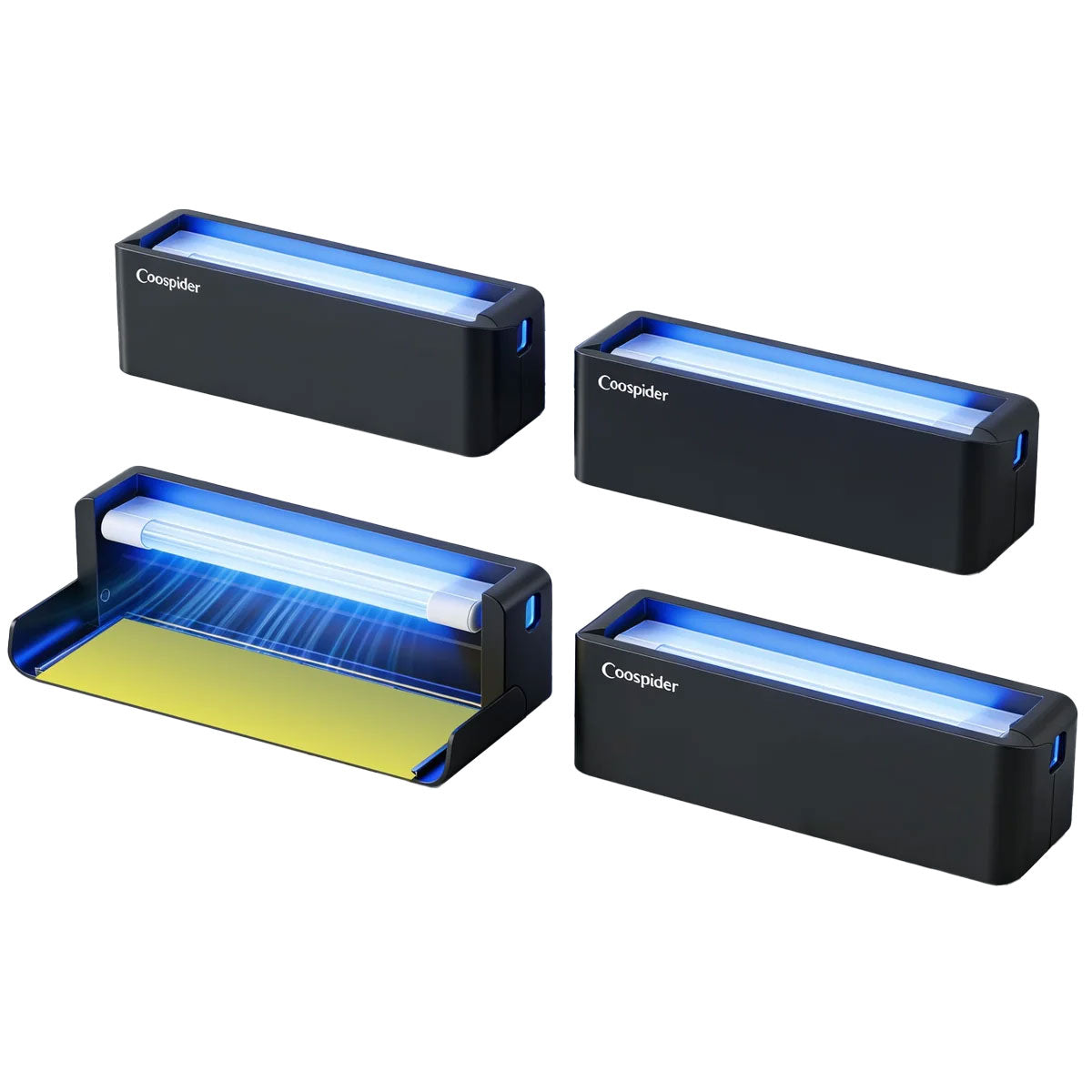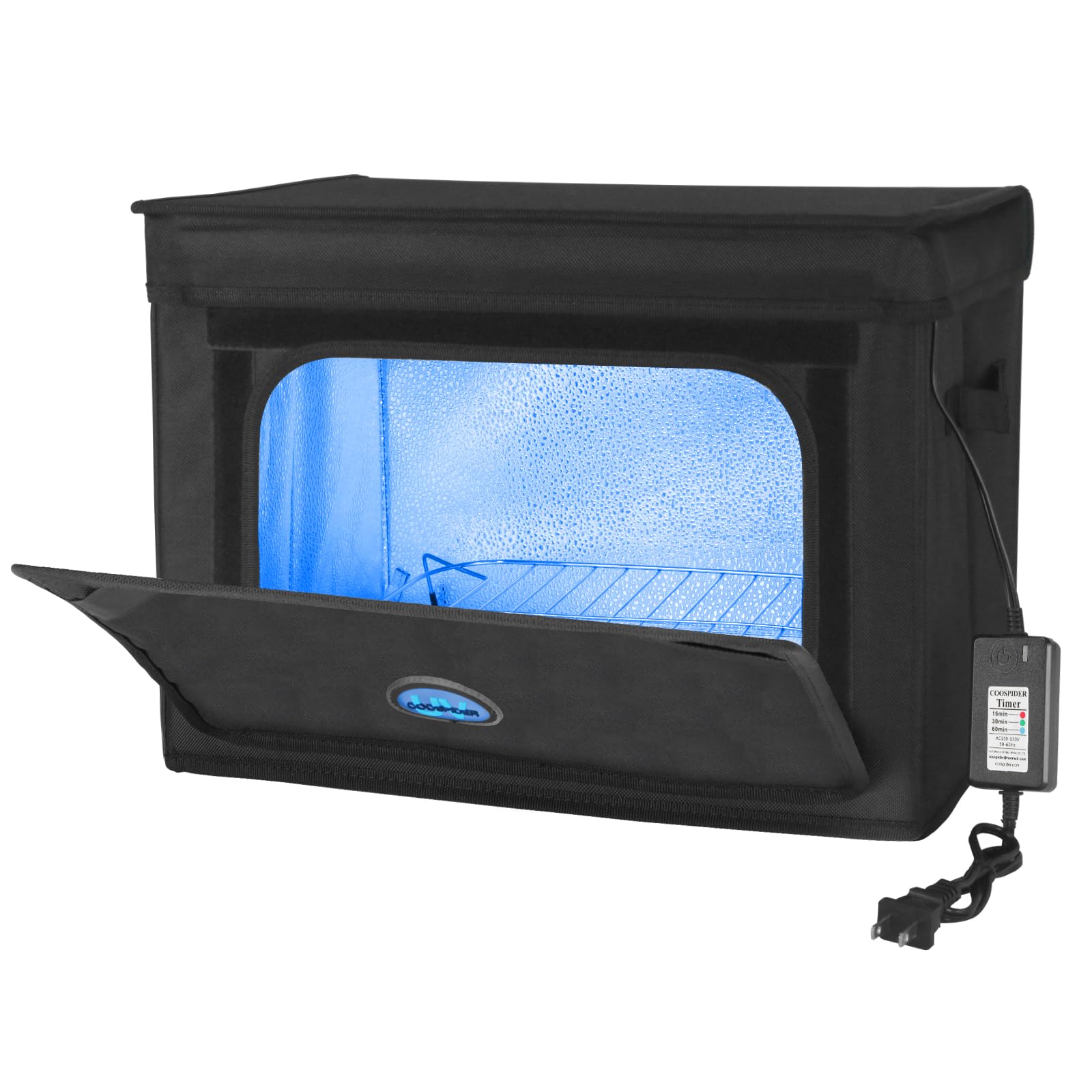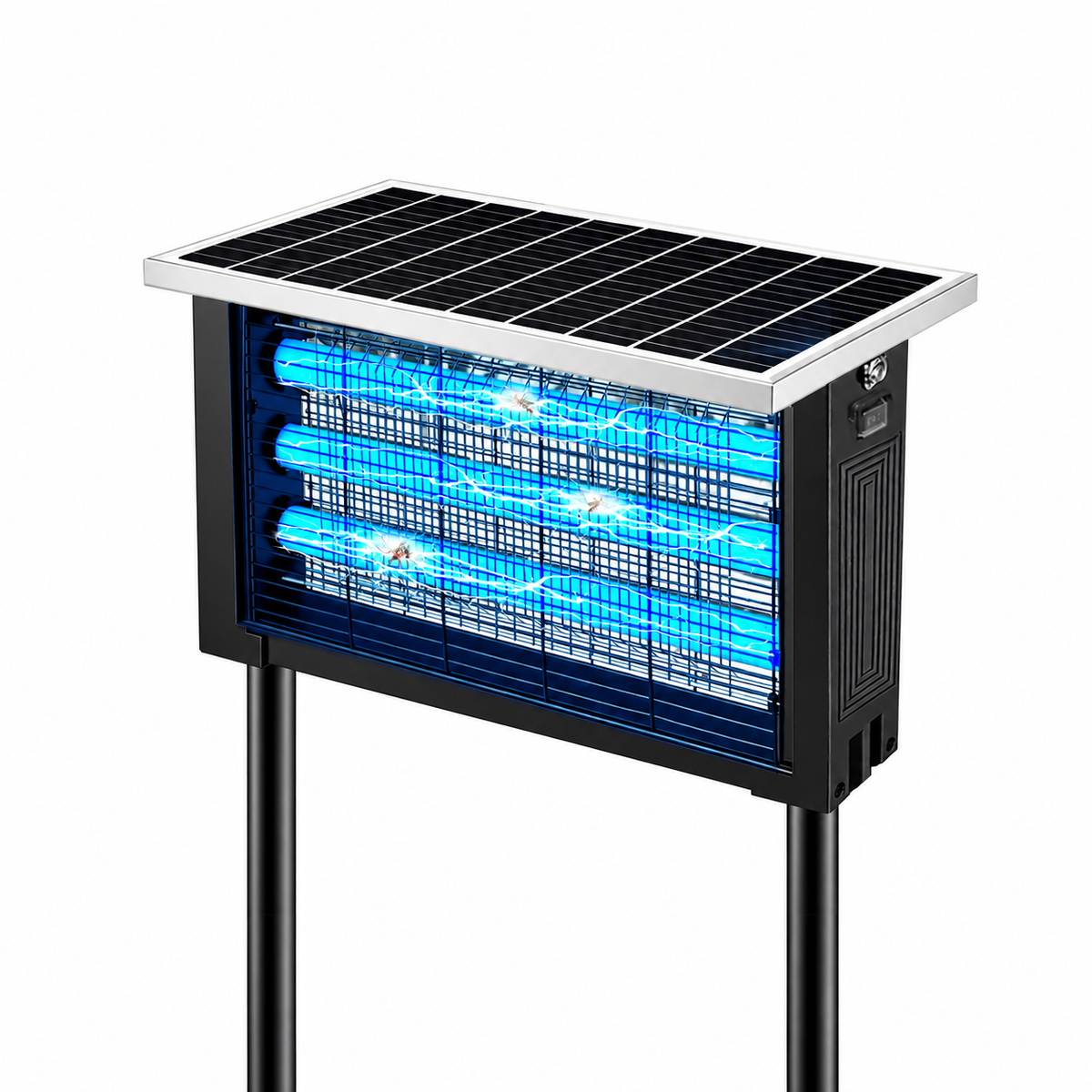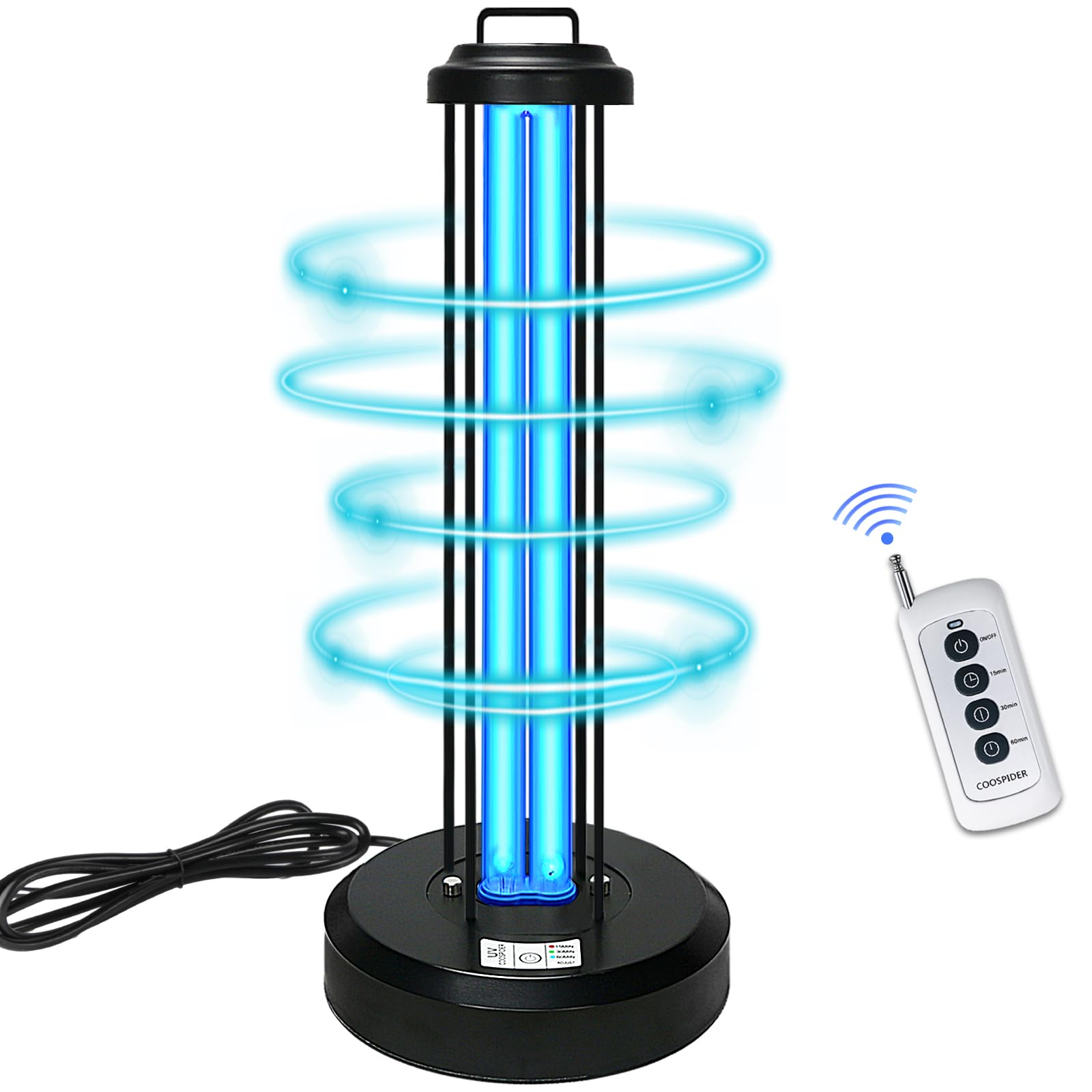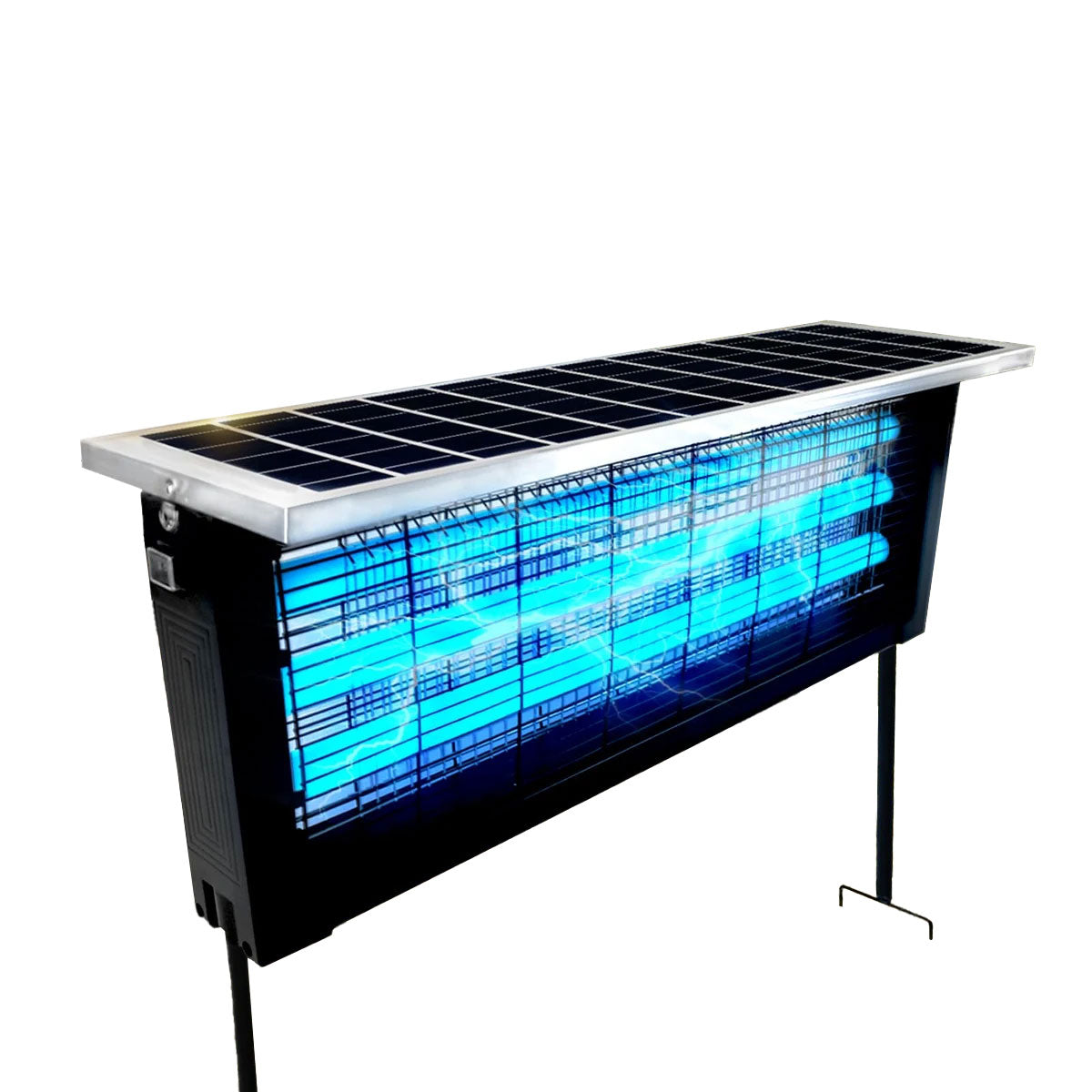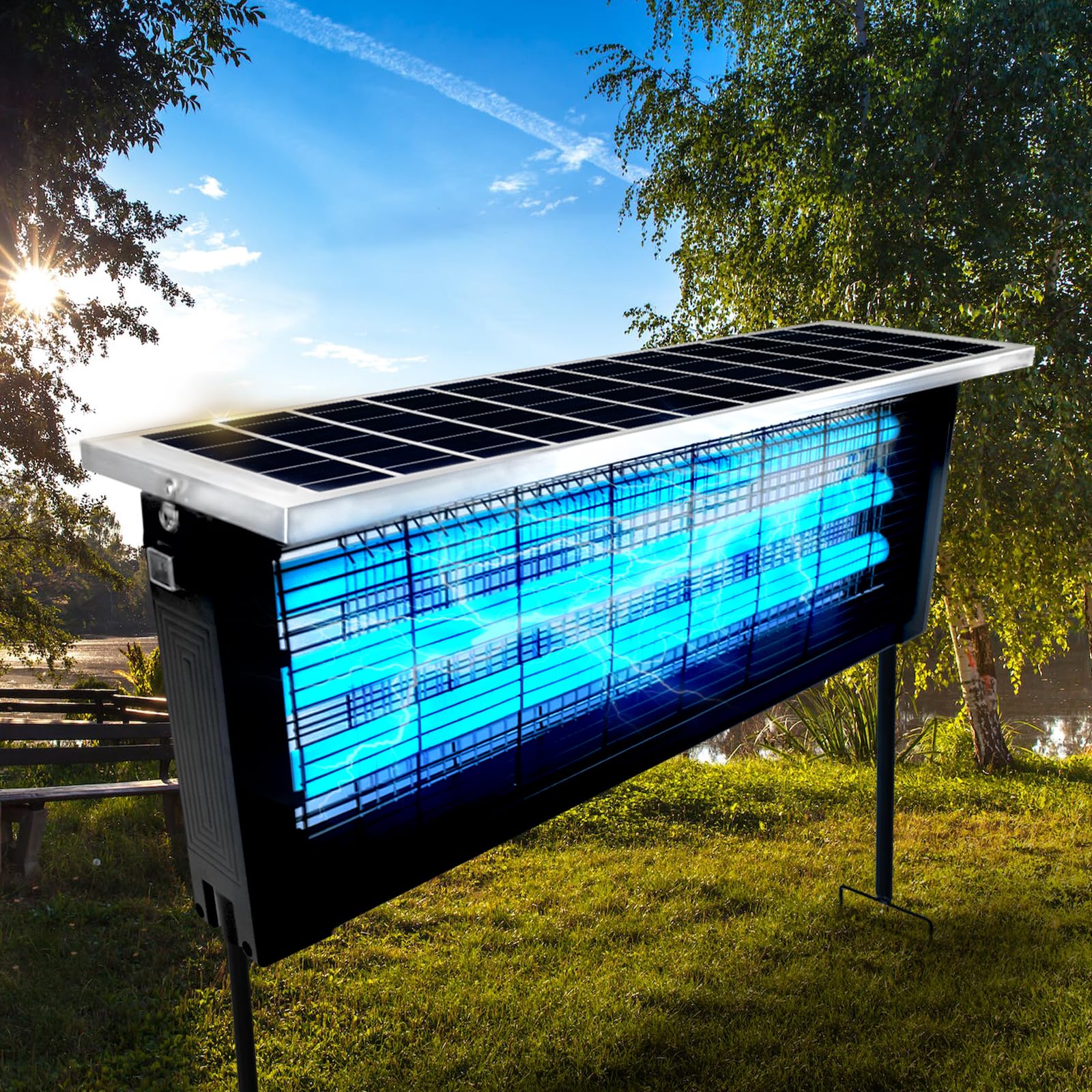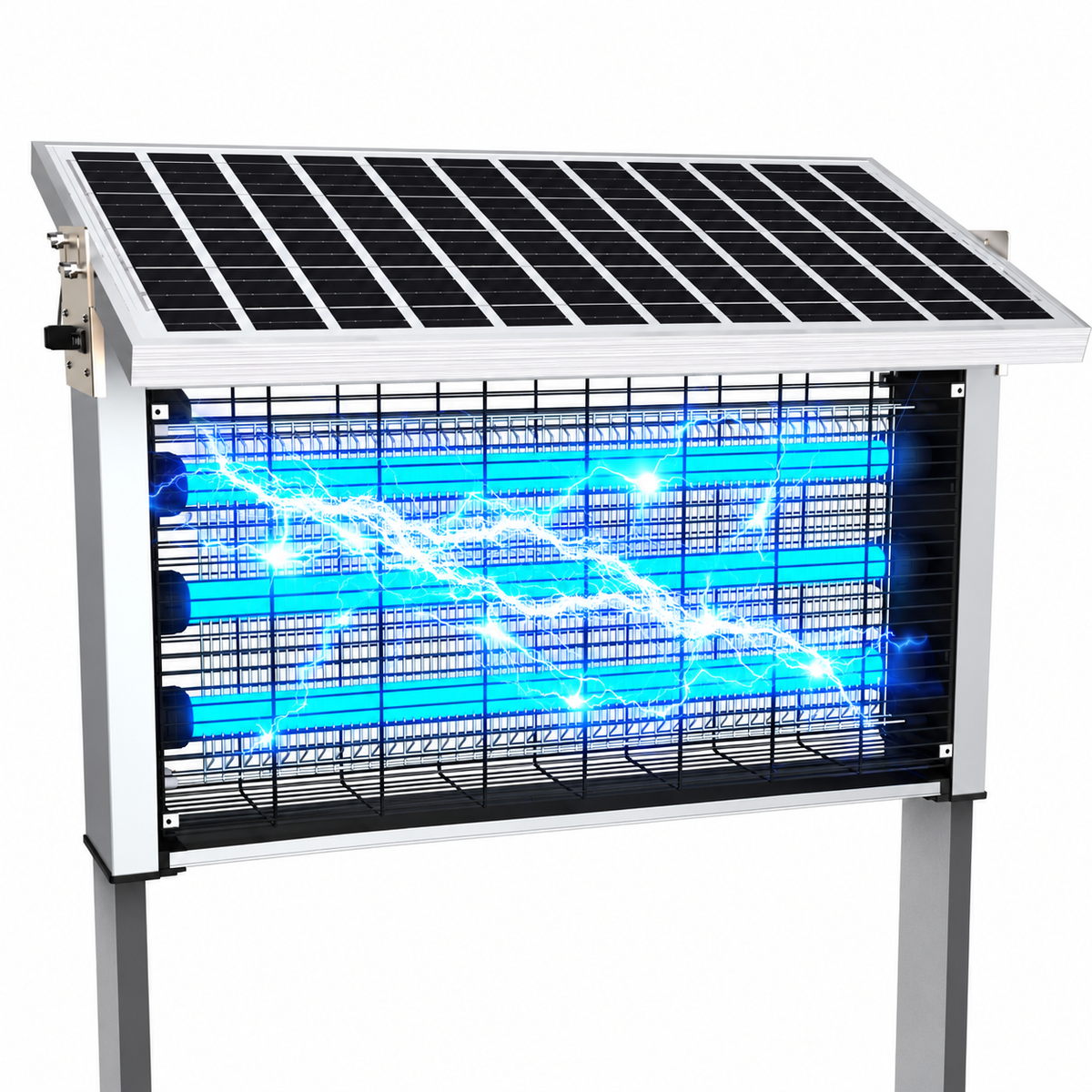

Mosquito traps and bug zappers have become essential tools for modern homes, especially for patios, backyards, balconies, and outdoor living spaces. Whether you enjoy summer barbecues, evening relaxation, or simply want to protect your family from bites, a reliable mosquito lamp can make a dramatic difference.
Yet many users unknowingly shorten the life of their devices through simple maintenance mistakes. Some units fail after just one season—not because of poor manufacturing, but because of neglect, improper cleaning, or preventable wear.
The good news? With proper daily care and a few smart habits, you can extend the lifespan of your mosquito lamp by two times or more, maintain peak performance, and avoid unnecessary replacements.
This comprehensive guide explains exactly how.
Why Maintenance Matters More Than Most People Think
A mosquito lamp is not just a light. It is a combination of electrical, optical, airflow, and sometimes chemical systems working together continuously.
Inside a typical unit you’ll find:
- UV or LED attractant lights
- High-voltage grids or suction fans
- Circuit boards and sensors
- Collection trays or sticky surfaces
- Ventilation channels
Each component experiences stress during operation:
- Heat buildup
- Dust accumulation
- Insect residue
- Moisture exposure
- Electrical aging
Without maintenance, performance gradually declines. You may notice:
- Fewer mosquitoes captured
- Reduced brightness
- Strange noises
- Overheating
- Sudden shutdowns
Most failures are gradual — not sudden — meaning they are preventable.
The #1 Rule: Clean Before Performance Drops
The single biggest mistake users make is waiting until the lamp stops working before cleaning it.
Mosquito traps lose efficiency long before they fail completely.
Why Dirt Is the Silent Killer
Dead insects create multiple problems:
- Block airflow in fan-based traps
- Reduce UV light output
- Cause overheating
- Increase electrical resistance
- Attract moisture and bacteria
Even a thin layer of insect debris can reduce capture efficiency by 30–50%.
Ideal Cleaning Schedule
| Usage Level | Cleaning Frequency |
|---|---|
| Indoor occasional use | Every 2–3 weeks |
| Backyard nightly use | Weekly |
| Humid environments | Every 5–7 days |
| Heavy mosquito regions | Twice weekly |
Consistency matters more than deep cleaning.
Step-by-Step Daily Maintenance Routine
You don’t need tools or technical knowledge for basic upkeep.
Step 1: Power Off and Unplug
Always disconnect power before maintenance.
Even low-power mosquito lamps may contain high-voltage grids capable of delivering shocks.
Wait at least 5 minutes after unplugging to allow capacitors to discharge.
Step 2: Empty the Collection Tray
Most devices include a removable tray or compartment.
What to do:
- Remove carefully to avoid scattering debris
- Dispose of insects outdoors
- Rinse with warm water if needed
- Dry completely before reinstalling
Never reinstall a wet tray — moisture is a major cause of circuit corrosion.
Step 3: Brush Internal Surfaces
Use:
- Soft paintbrush
- Makeup brush
- Small cleaning brush
Avoid:
- Metal tools
- Sharp objects
- Excess pressure
Focus on:
- Fan blades
- Grid spacing
- Air vents
Gentle brushing restores airflow immediately.
Step 4: Wipe Exterior Housing
Dust accumulation reduces heat dissipation.
Use a microfiber cloth slightly dampened with water.
Avoid chemical cleaners unless manufacturer-approved.
Weekly Deep Cleaning: The Lifespan Multiplier
Weekly maintenance dramatically extends device longevity.
Tools You’ll Need
- Soft brush
- Compressed air (optional)
- Cotton swabs
- Isopropyl alcohol (70%)
- Dry cloth
Cleaning the UV Light Area
Dust on UV bulbs reduces attraction power.
Steps:
- Remove protective cover.
- Wipe bulb gently with dry cloth.
- Use alcohol wipe for stubborn residue.
- Allow full drying.
A clean bulb can increase mosquito attraction noticeably.
Cleaning Fan-Based Systems
Fans often fail due to imbalance caused by debris.
Use compressed air to:
- Clear motor vents
- Remove dust buildup
- Restore smooth rotation
Never spin the fan forcefully with your hand.
Moisture Control: The Hidden Lifespan Factor
Moisture is the leading cause of electronic failure in outdoor mosquito lamps.
Common Moisture Sources
- Nighttime condensation
- Rain splashes
- Lawn sprinklers
- Humid climates
- Improper storage
Prevention Tips
- Place lamp under partial cover
- Elevate at least 12 inches above ground
- Avoid direct exposure to irrigation systems
- Bring indoors during storms
If moisture enters the device:
- Unplug immediately.
- Open accessible panels.
- Air dry for 24–48 hours.
- Do NOT power on early.
Proper Placement Reduces Wear
Maintenance begins with positioning.
Best Placement Practices
Place mosquito lamps:
- 15–30 feet away from seating areas
- 3–6 feet above ground
- Away from competing light sources
- Near mosquito activity zones
Incorrect placement forces the lamp to work harder, shortening component life.
Bulb Care: Extending Light Efficiency
UV bulbs degrade gradually even when still glowing.
Average UV Bulb Lifespan
- 3,000–8,000 operating hours
- Typically one season of nightly use
Signs replacement is needed:
- Dim purple glow
- Reduced catch rate
- Flickering startup
Replacing bulbs annually can restore near-new performance.
Electrical Connection Maintenance
Power issues often mimic device failure.
Check Monthly:
- Power cords for cracks
- Plug corrosion
- Loose connections
- Outdoor extension safety rating
Avoid cheap extension cords—they cause voltage drops and overheating.
Seasonal Maintenance Strategy
Different seasons require different care approaches.
Spring Startup Checklist
- Full cleaning
- Inspect wiring
- Replace UV bulb if needed
- Test airflow
- Verify stable placement
Summer Peak Maintenance
During heavy use:
- Clean more frequently
- Monitor overheating
- Ensure airflow remains unobstructed
Fall Shutdown Procedure
Before storage:
- Deep clean thoroughly.
- Remove all insect residue.
- Dry completely.
- Wrap cord loosely.
- Store in dry indoor location.
Never store a dirty mosquito lamp.
Residue hardens over winter and damages components.
Storage Mistakes That Destroy Devices
Many lamps fail at the start of the next season because of improper storage.
Avoid:
- Garages with humidity
- Outdoor sheds
- Plastic bags trapping moisture
- Leaving batteries installed
Ideal storage:
- Climate-controlled indoor space
- Dust cover or breathable fabric wrap
Grid Maintenance for Electric Zappers
If your unit uses an electric grid:
Cleaning Burn Residue
Carbon buildup reduces electrical efficiency.
Use:
- Dry toothbrush
- Wooden toothpick for tight spaces
Never use water directly on the grid.
Why Sparks Increase Over Time
Large sparks often indicate debris buildup, not stronger performance.
Cleaning restores normal operation and prevents overheating.
Fan Motor Preservation Tips
Fan motors are often the first mechanical component to fail.
Extend life by:
- Keeping vents dust-free
- Avoiding continuous 24/7 operation
- Turning off during low mosquito activity hours
Giving motors periodic rest reduces wear.
Smart Usage Habits That Double Lifespan
Small behavioral changes make a huge difference.
Turn On at the Right Time
Mosquitoes are most active:
- Dusk
- Early evening
- Dawn
Running the lamp all day wastes bulb life.
Use timers when possible.
Avoid Competing Lights
Bright patio lighting reduces trap effectiveness.
Lower surrounding light levels so mosquitoes focus on the lamp.
Less runtime = longer lifespan.
Recognizing Early Warning Signs
Address problems early to avoid permanent damage.
Watch for:
- Reduced suction
- Strange vibration sounds
- Burning smell
- Flickering lights
- Random shutdowns
Early cleaning or part replacement often solves these issues.
Safe DIY Maintenance vs. Professional Repair
You can safely handle:
- Cleaning
- Bulb replacement
- Tray washing
- Exterior maintenance
Avoid attempting:
- Circuit board repair
- High-voltage capacitor work
- Internal rewiring
If electrical burning occurs, replacement may be safer than repair.
Common Maintenance Myths
Myth 1: More Power Means Better Results
Efficiency depends more on placement and cleanliness than wattage.
Myth 2: Rainproof Means Maintenance-Free
Weather resistance does not equal waterproof electronics.
Myth 3: If It Lights Up, It Works Fine
UV intensity may decline long before visible failure.
Eco-Friendly Benefits of Proper Maintenance
Maintaining your mosquito lamp also benefits the environment.
You reduce:
- Electronic waste
- Battery disposal
- Manufacturing demand
- Packaging waste
A well-maintained unit lasting five years instead of two significantly lowers environmental impact.
Cost Savings Over Time
Let’s compare:
| Scenario | Replacement Cycle | 5-Year Cost |
|---|---|---|
| No maintenance | Every 1–2 years | High |
| Proper maintenance | Every 4–5 years | Low |
Maintenance takes minutes but saves hundreds of dollars.
Creating a Maintenance Habit
The easiest way to stay consistent:
- Clean every Sunday evening
- Pair cleaning with another routine task
- Set phone reminders
- Keep cleaning tools nearby
Routine prevents neglect.
Quick Maintenance Checklist
Daily / Weekly
- Empty tray
- Brush debris
- Wipe housing
Monthly
- Inspect cord
- Clean fan vents
- Check bulb brightness
Seasonally
- Deep clean
- Replace bulb if needed
- Proper storage
The Long-Term Payoff
A mosquito lamp that receives regular care delivers:
- Stronger mosquito control
- Quieter operation
- Lower energy consumption
- Fewer breakdowns
- Longer product lifespan
Instead of viewing maintenance as a chore, think of it as performance optimization.
Final Thoughts
Most mosquito lamps are designed to last far longer than people expect. The difference between a device that fails after one summer and one that runs reliably for years often comes down to simple, consistent care.
Clean airflow keeps motors healthy. Dry interiors protect electronics. Proper timing preserves bulbs. Smart placement reduces strain.
By following the practices outlined in this guide—regular cleaning, moisture prevention, seasonal preparation, and mindful usage—you can realistically double the lifespan of your mosquito trap while maintaining peak effectiveness.
A few minutes of maintenance each week turns your mosquito lamp from a disposable gadget into a long-term outdoor essential, keeping your evenings comfortable, bite-free, and worry-free season after season.