A Deep Technical Guide to Electric Grid Failures Inside Bug Zappers
Few things are more frustrating than turning on your mosquito killer lamp at night, hearing the familiar “zzzzt” sound, and still waking up covered in bites the next morning.
The device seems alive. It crackles. It buzzes. Sometimes it even sparks.
Yet somehow, mosquitoes keep flying freely around your room.
If your bug zapper produces noise but fails to eliminate insects, the problem is rarely random. In most cases, the root cause lies inside the electric grid system—the high-voltage component responsible for actually killing mosquitoes.
This article dives deep into how mosquito killer lamps work, why buzzing alone does not mean effective operation, and how electric grid failures silently reduce performance. By understanding the internal physics and electronics, you’ll be able to diagnose problems accurately, extend device lifespan, and restore real mosquito-killing power.
How a Mosquito Killer Lamp Actually Works
Before diagnosing failure, it’s essential to understand what should be happening inside a properly functioning unit.
A mosquito killer lamp typically combines three core systems:
- Attraction System – UV light or wavelength-specific LEDs attract insects.
- High-Voltage Electric Grid – Electrified metal mesh kills insects instantly.
- Power Conversion Circuit – Converts low household voltage into high-voltage pulses.
Most users focus on the light, but the real work happens in the grid.
The Attraction Phase
Mosquitoes are drawn to:
- Ultraviolet wavelengths (usually 365–395 nm)
- Heat signatures
- Carbon dioxide simulation (in advanced models)
- Certain light contrasts in dark environments
When insects approach the lamp, they collide with the electric grid.
The Killing Phase
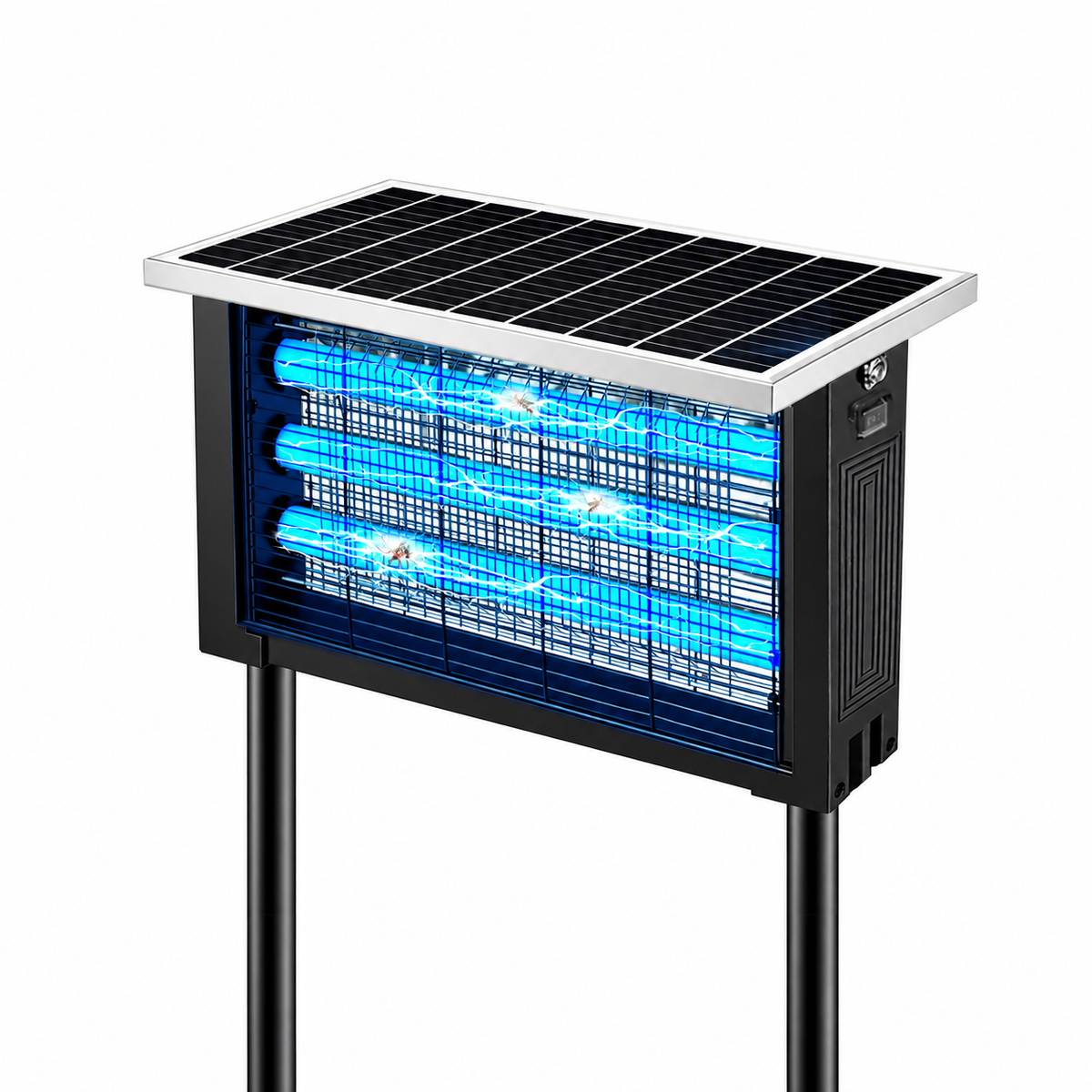
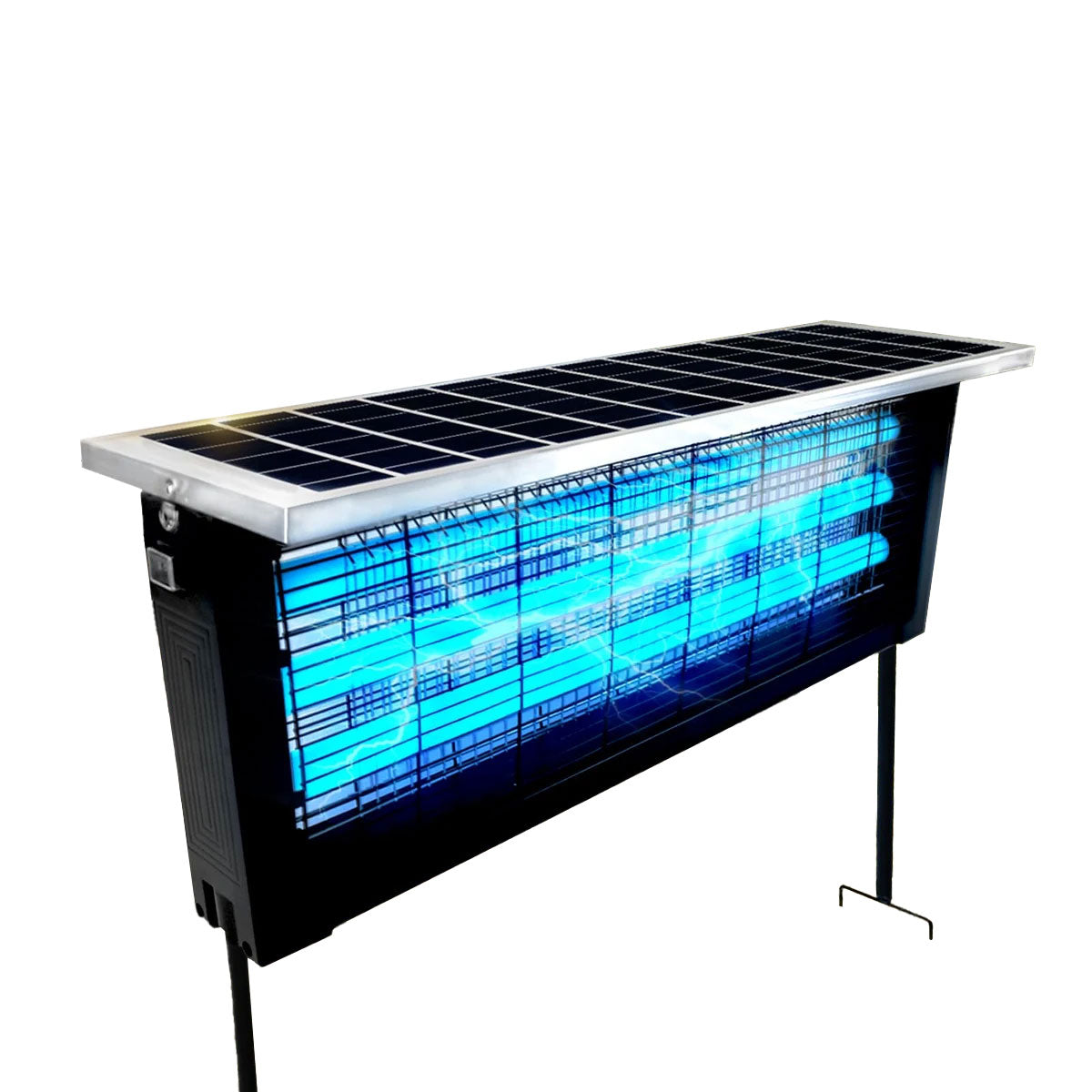
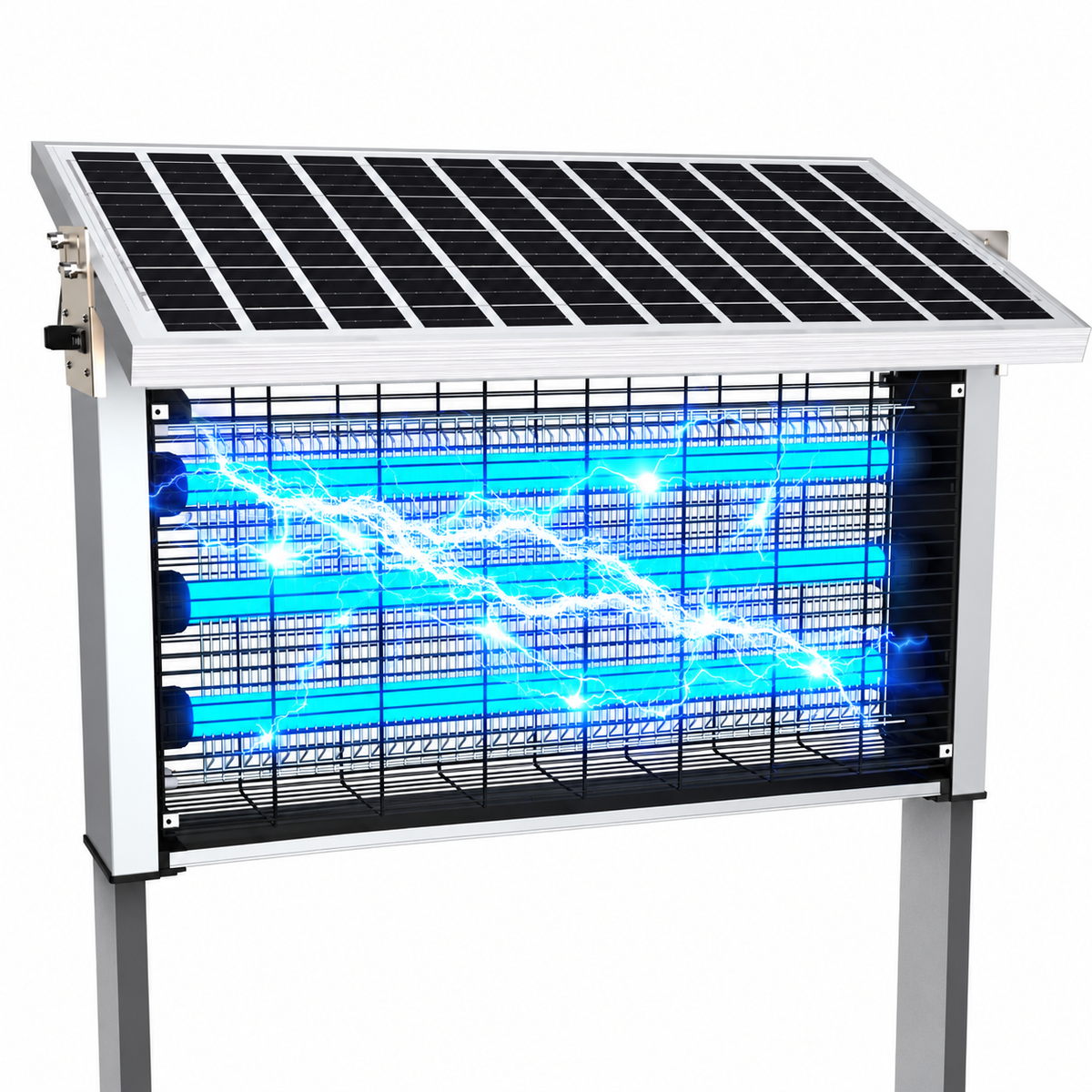
The grid consists of parallel conductive wires separated by insulating gaps. A high voltage—typically 800V to 4000V depending on design—is applied between alternating wires.
When a mosquito bridges two wires:
- Electrical current flows through its body
- Instant energy discharge occurs
- The insect is electrocuted
The signature “zap” sound comes from this electrical arc.
But here’s the key point:
Sound alone does not indicate sufficient killing voltage.
Why Buzzing Happens Even When Mosquitoes Survive
Many users assume any buzzing means success. In reality, buzzing can occur under several failure conditions.
Common scenarios include:
- Voltage too low to kill insects
- Partial short circuits
- Carbon buildup on grids
- Capacitor degradation
- Transformer inefficiency
In these cases, electricity flows—but not enough energy reaches the mosquito.
Think of it like a weak electric fence: it crackles but doesn’t stop anything.
Inside the Electric Grid: The Most Critical Component
The electric grid is essentially a controlled high-voltage trap.
Structure of the Grid
Typical configuration:
- Outer safety mesh (grounded)
- Inner high-voltage mesh
- Insulated spacers maintaining distance
The spacing is carefully engineered:
- Too wide → insects pass through
- Too narrow → constant short circuit
Manufacturers design spacing around mosquito body size to maximize lethal contact.
Required Electrical Conditions
For effective killing:
- High voltage must be stable
- Current must discharge instantly
- Arc duration must be sufficient
If any parameter drops, mosquitoes may escape stunned—or completely unharmed.
The Physics Behind the “Zap”
When a mosquito touches two energized wires, the air gap breaks down electrically.
This creates an arc discharge.
Energy released depends on:
- Voltage level
- Stored capacitor energy
- Resistance of insect body
- Grid cleanliness
A loud snap usually indicates high energy transfer.
A soft buzzing sound often signals weak discharge.
Electric Grid Failure Type #1: Voltage Drop
The most common hidden problem is insufficient voltage.
Causes of Voltage Drop
- Aging transformer coils
- Cheap power adapters
- Damaged inverter circuits
- Low-quality internal wiring
- Overheated components
Over time, transformers lose efficiency due to insulation degradation.
The lamp still powers on—but output voltage may fall from 2500V to under 600V.
At this level:
- Mosquitoes feel shock
- Wings twitch
- Insects fly away seconds later
Users hear buzzing but see no results.
Electric Grid Failure Type #2: Carbon and Debris Accumulation
Every successful zap leaves residue.
Burned insects create:
- Carbon particles
- Oils
- Ash
- Protein residue
These deposits gradually coat the wires.
Why Carbon Is Dangerous
Carbon conducts electricity.
When buildup forms bridges between wires:
- Voltage leaks continuously
- Energy dissipates before impact
- Arcs weaken dramatically
Instead of a strong pulse, the grid produces constant low-level buzzing.
This is one of the biggest reasons older lamps stop working.
Electric Grid Failure Type #3: Micro Short Circuits
Micro shorts occur when conductive debris connects adjacent wires intermittently.
Symptoms include:
- Continuous buzzing sound
- Reduced sparks
- Warmer-than-normal device
- Fewer dead insects collected
The system wastes energy internally rather than delivering lethal discharge.
Electric Grid Failure Type #4: Capacitor Degradation
Inside most mosquito lamps is a high-voltage capacitor.
Its job:
- Store electrical energy
- Release it instantly during contact
Over time, capacitors suffer:
- Electrolyte drying
- Heat damage
- Voltage stress
When capacity drops:
- Discharge energy weakens
- Sound becomes softer
- Killing efficiency collapses
The lamp appears functional but loses effectiveness.
Electric Grid Failure Type #5: Incorrect Wire Spacing
Physical deformation can occur due to:
- Shipping vibration
- Drops
- Heat expansion
- Cleaning damage
Even tiny shifts change electric field distribution.
Results:
- Arcing occurs prematurely
- Voltage disperses unevenly
- Mosquitoes avoid lethal zones
You may hear constant sizzling without successful kills.
Electric Grid Failure Type #6: Oxidation and Corrosion
Humidity accelerates oxidation on metal grids.
Corrosion increases electrical resistance.
Higher resistance means:
- Lower current flow
- Reduced discharge energy
- Weak arcs
Coastal or humid environments accelerate this failure dramatically.
Electric Grid Failure Type #7: Power Supply Instability
Modern bug zappers rely on switching power supplies.
Cheap designs lack voltage regulation.
Fluctuations cause:
- Irregular arcs
- Audible buzzing cycles
- Inconsistent performance
Mosquitoes may survive during low-voltage intervals.
Signs Your Electric Grid Is Failing
Watch for these indicators:
- Buzzing without visible sparks
- Fewer dead insects than before
- Lamp feels warmer than usual
- Continuous humming sound
- Mosquitoes flying near grid unharmed
These symptoms almost always point to internal electrical inefficiency.
Step-by-Step Diagnosis Guide
Step 1: Visual Inspection
Unplug device first.
Check for:
- Dead insect buildup
- Burn marks
- Bent wires
- Dust accumulation
Cleaning alone restores many lamps.
Step 2: Darkness Test
Turn lights off and observe:
- Strong units produce bright flashes.
- Weak units produce dim glow or none.
Flash intensity correlates with discharge energy.
Step 3: Sound Analysis
Different sounds reveal different faults:
| Sound Type | Likely Issue |
|---|---|
| Loud snap | Normal operation |
| Soft buzz | Low voltage |
| Constant sizzling | Carbon short |
| No sound | Power failure |
Step 4: Cleaning Procedure
Use:
- Dry brush
- Compressed air
- Soft toothbrush
Never use water directly on energized grids.
Cleaning removes conductive residue and restores voltage efficiency.
Why Cheap Mosquito Lamps Fail Faster
Low-cost devices often reduce manufacturing expenses by using:
- Thin transformers
- Low-grade capacitors
- Weak insulation
- Poor spacing tolerances
These shortcuts accelerate grid failure within months.
Higher-quality units maintain stable high voltage longer.
Environmental Factors That Reduce Killing Efficiency
Even perfect electric grids struggle under certain conditions.
Competing Light Sources
Mosquitoes prefer darker contrast environments.
Bright room lighting reduces attraction effectiveness.
Airflow
Fans disrupt mosquito flight paths, preventing grid contact.
Placement Errors
Ideal placement:
- 3–5 feet above ground
- Away from competing lights
- Near mosquito flight zones
Poor placement mimics equipment failure.
Maintenance Routine for Maximum Performance
Experts recommend:
Weekly
- Brush grid lightly
Monthly
- Deep clean interior
Every 6 months
- Inspect wiring and spacing
Yearly
- Replace aging unit or power module if performance declines
Preventive care dramatically improves kill rates.
When Repair Is Worth It vs Replacement
Repair makes sense when:
- Device is high quality
- Grid intact
- Only dirty or slightly degraded
Replacement is better when:
- Transformer weakened
- Severe corrosion exists
- Plastic insulation cracked
Electrical aging is often irreversible.
Future Improvements in Mosquito Killer Technology
Newer designs address grid failure through:
- Pulse-modulated high voltage
- Self-cleaning grids
- Anti-carbon coatings
- Smart voltage regulation
- Brushless airflow attraction systems
These innovations aim to maintain lethal discharge levels longer.
Common Myths About Buzzing Bug Zappers
Myth 1: More Noise Means Better Performance
False. Constant buzzing often indicates energy leakage.
Myth 2: UV Brightness Equals Killing Power
Brightness attracts insects but does not determine kill strength.
Myth 3: Mosquito Resistance Develops
Mosquitoes do not evolve electrical resistance; failures are mechanical or electrical.
The Real Reason Your Lamp Buzzes but Doesn’t Kill
In nearly all cases, the issue boils down to one principle:
The electric grid is energized but not delivering sufficient discharge energy.
Buzzing is simply electricity moving—not electricity working effectively.
The difference between noise and performance lies in voltage stability, clean conductive paths, and efficient energy storage.
Final Thoughts
A mosquito killer lamp that only buzzes is not necessarily broken—it’s often suffering from gradual electric grid degradation.
Understanding the internal electrical system transforms troubleshooting from guesswork into science.
When voltage is strong, grids are clean, and components function properly, mosquito killer lamps remain one of the most efficient chemical-free pest control solutions available.
So the next time your device hums endlessly while mosquitoes continue to bite, remember:
The sound you hear may not be victory.
It may be a warning that the electric grid inside your lamp is quietly losing its power.