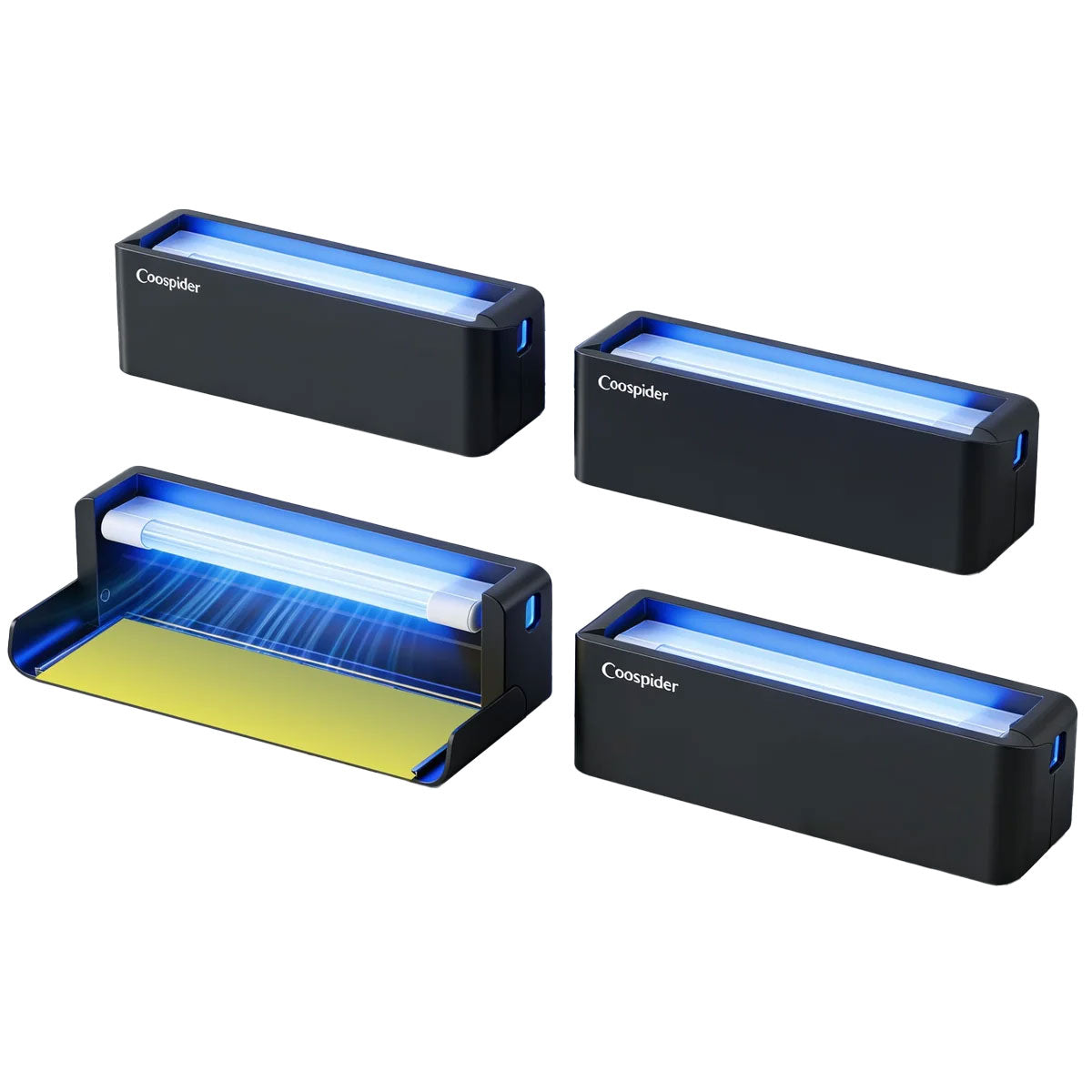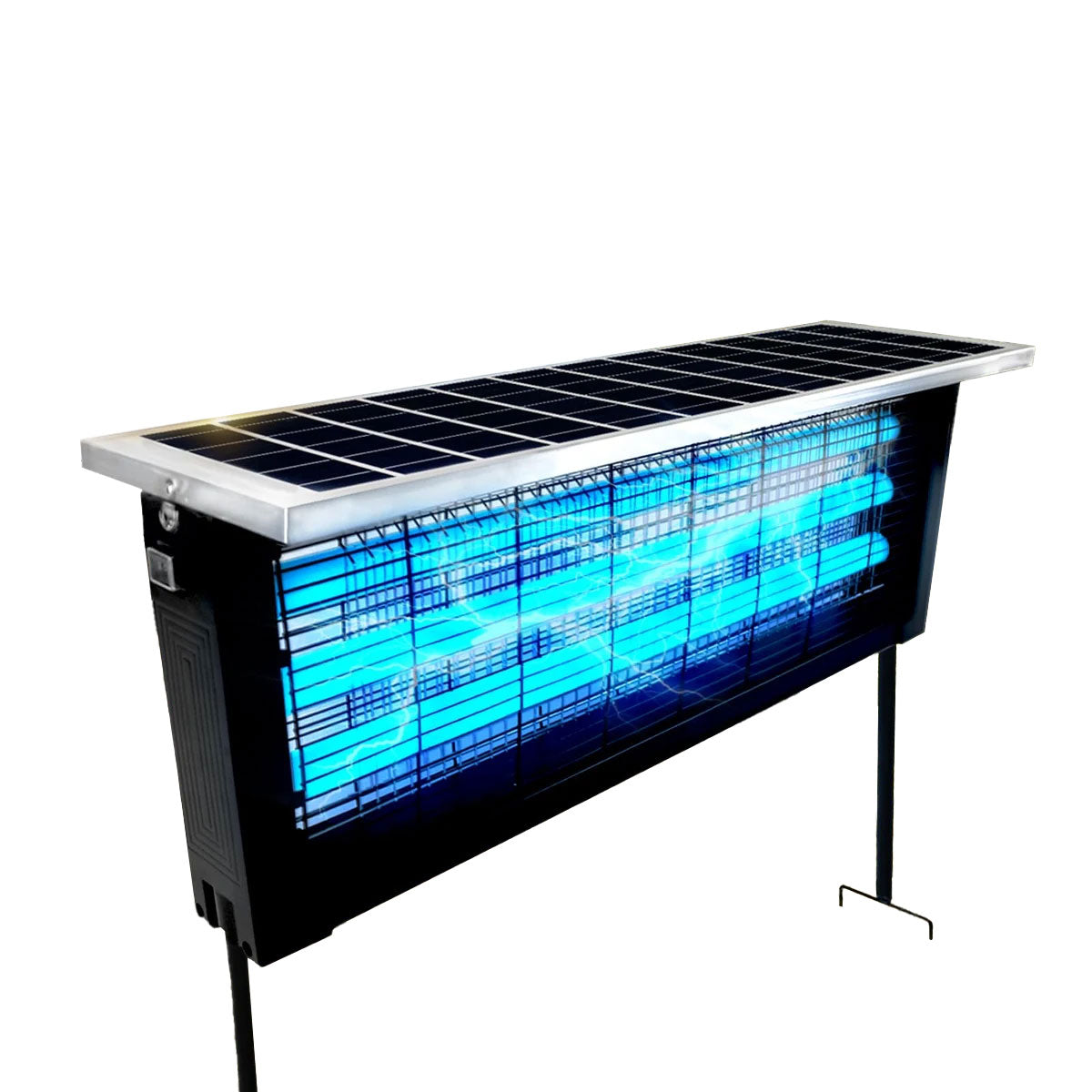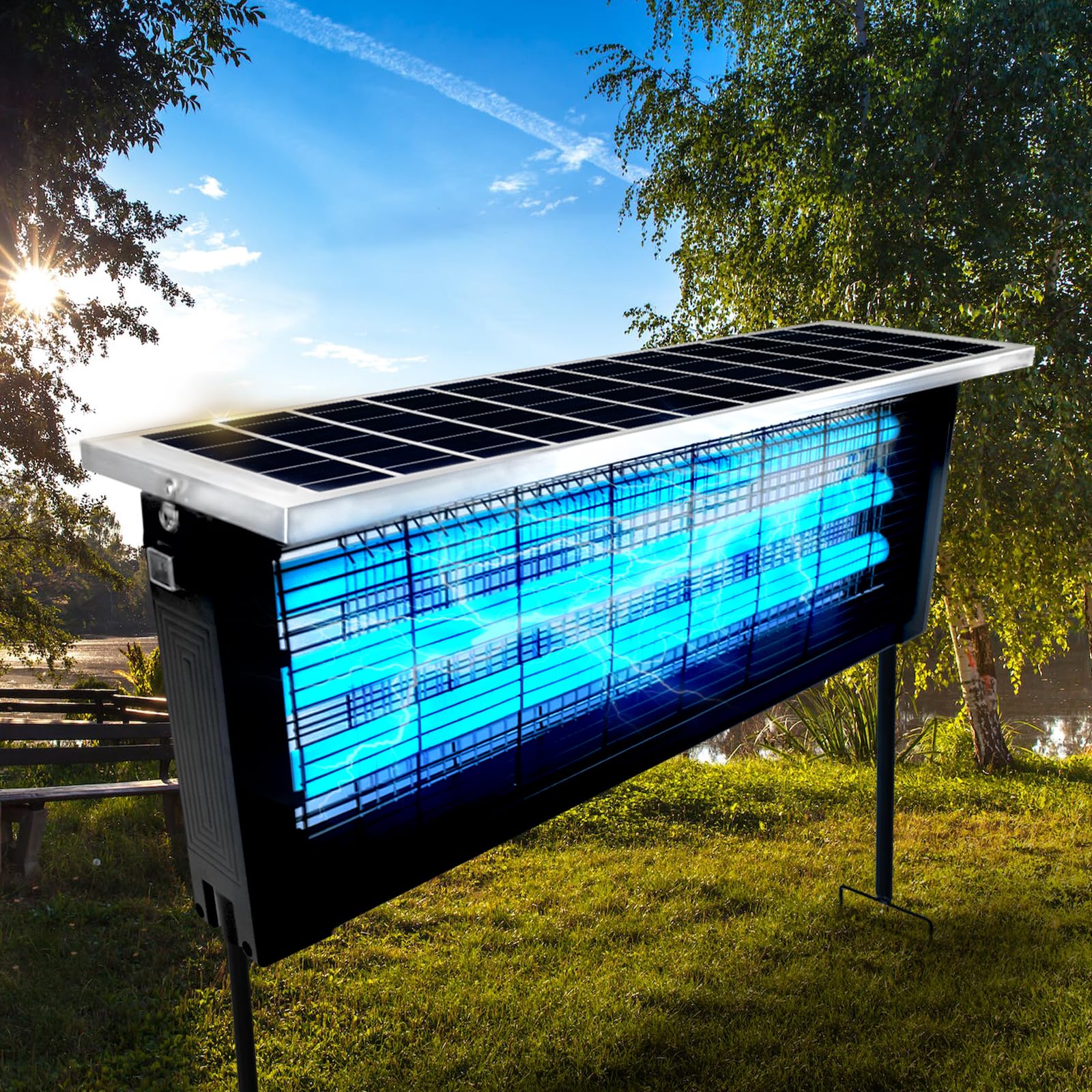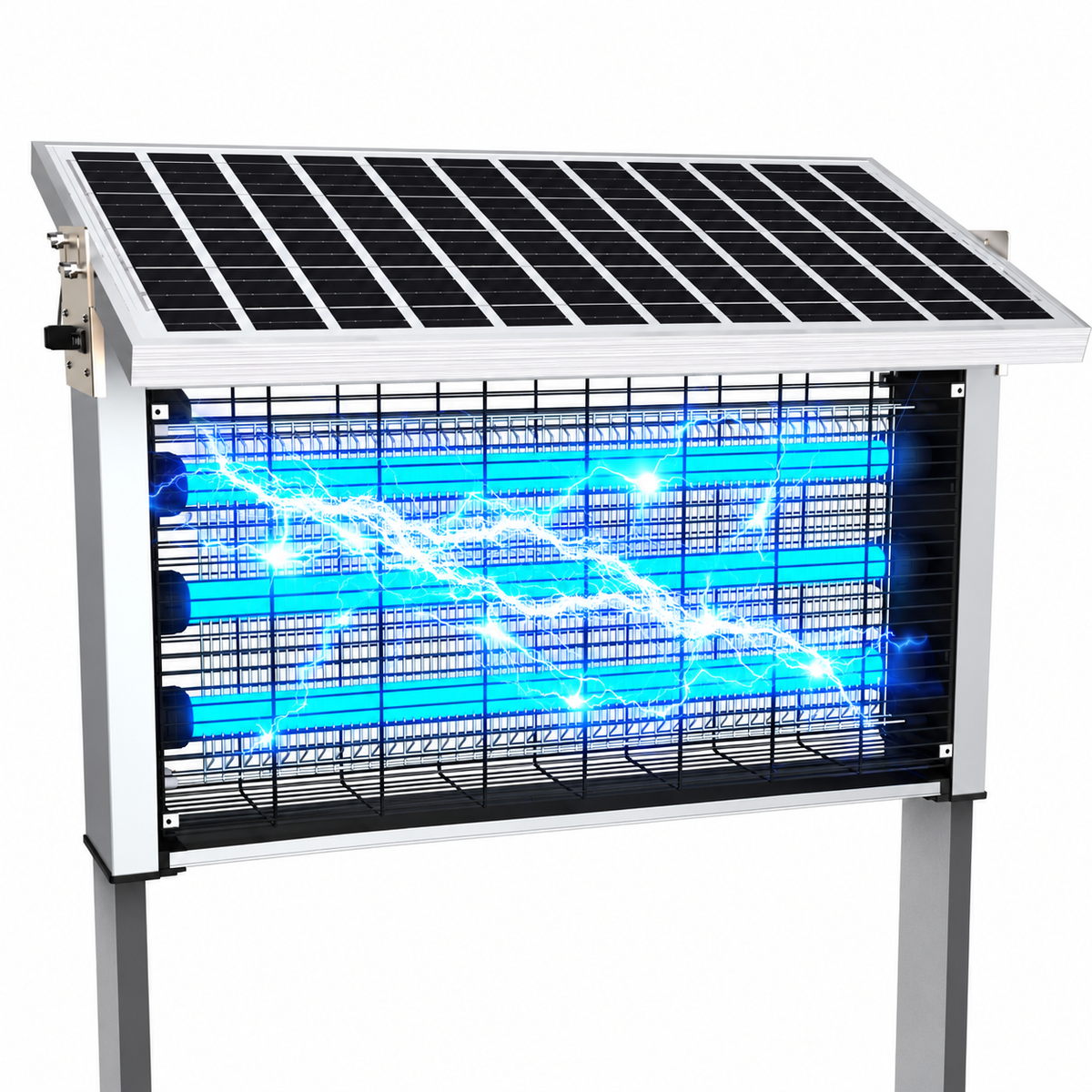
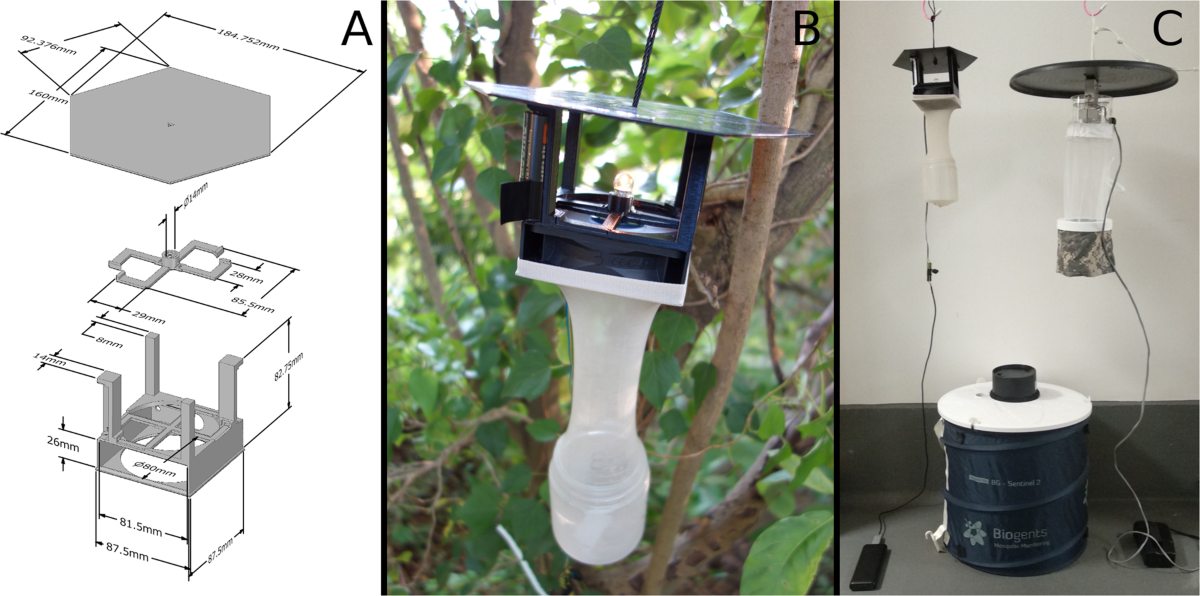
Mosquito control has come a long way—from smoky coils and sticky sprays to sleek, plug-and-play devices that promise quiet, chemical-free protection. Among the newest entries is the photocatalytic mosquito trap, often marketed as a high-tech solution that mimics human presence to lure and capture mosquitoes.
If you’ve browsed outdoor gear or home improvement stores recently, you’ve probably seen these devices described as “smart,” “eco-friendly,” and “high-efficiency.” But do they really live up to the hype? Or are they just another product riding the wave of modern marketing?
This in-depth guide breaks down how photocatalytic mosquito traps work, what science says about their effectiveness, and whether they’re worth adding to your outdoor setup.
What Is a Photocatalytic Mosquito Trap?
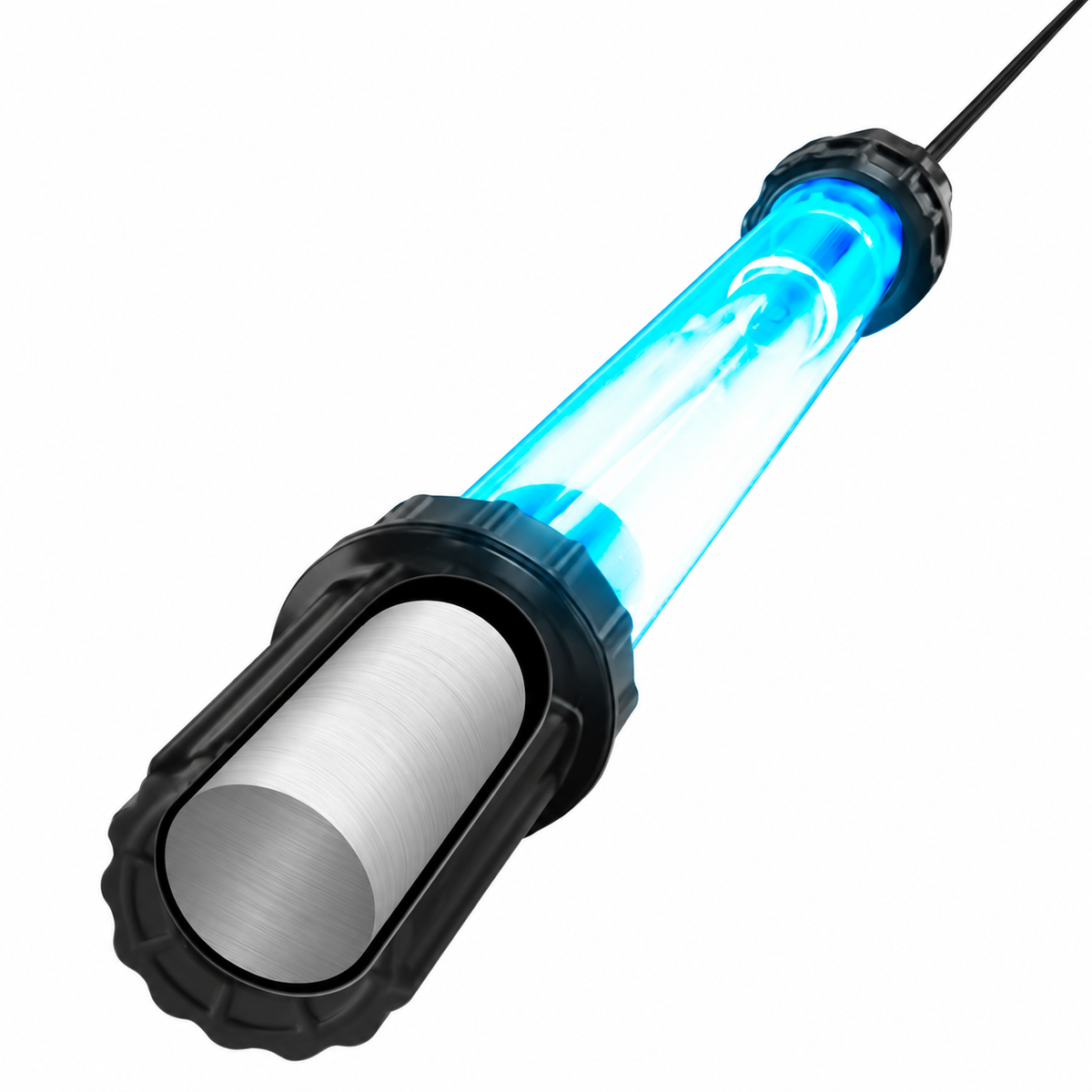
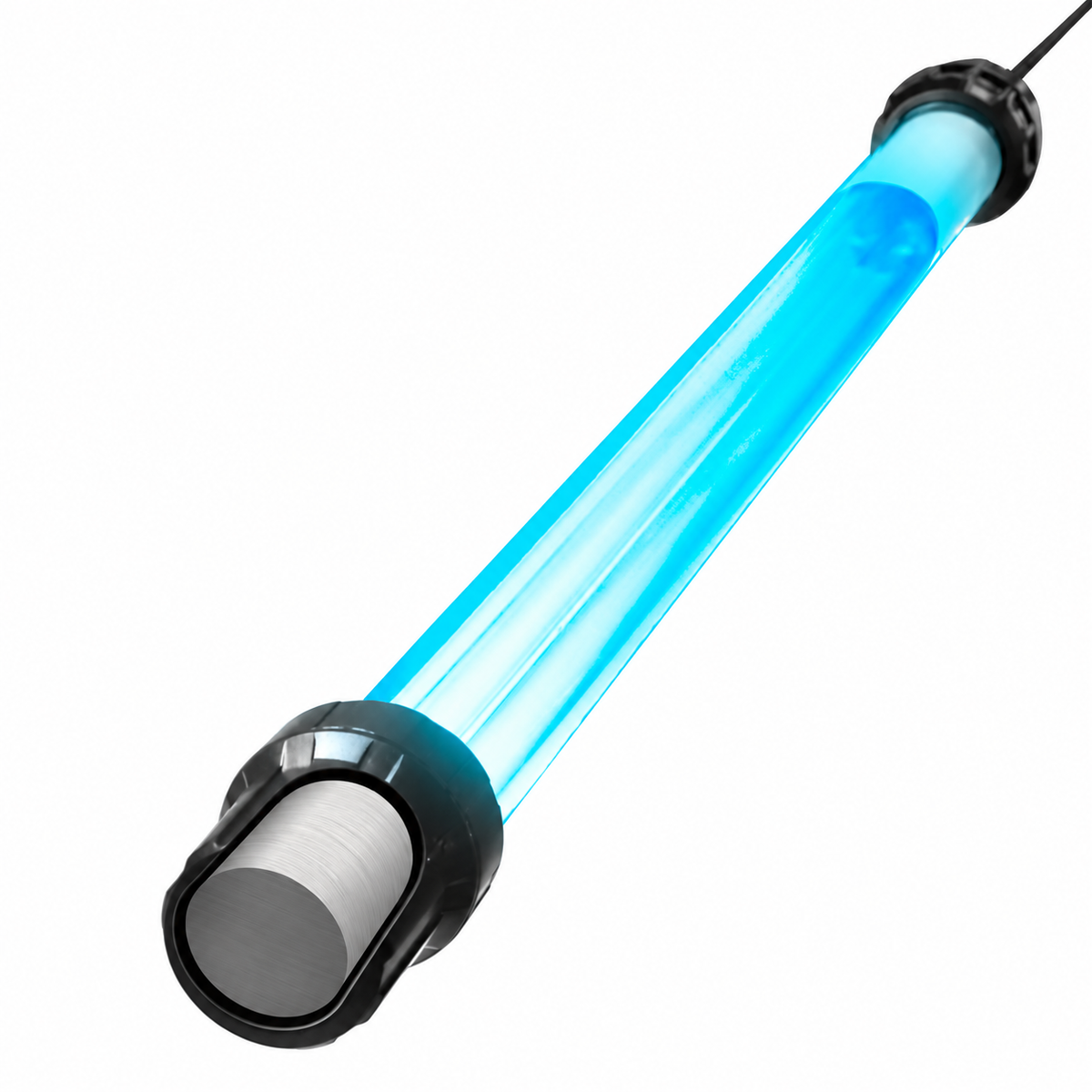
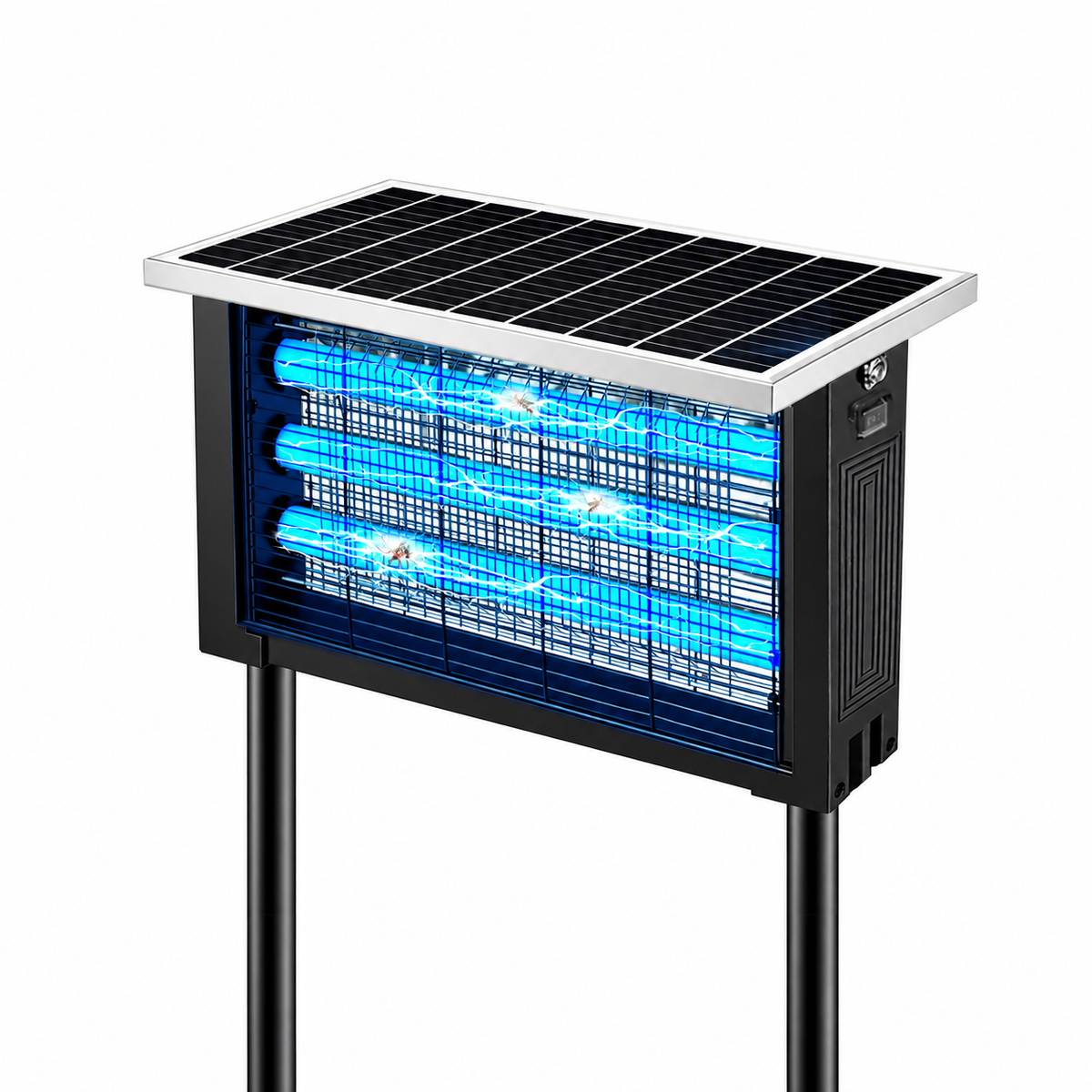
At its core, a photocatalytic mosquito trap is designed to attract mosquitoes using a combination of light, airflow, and chemical simulation, then capture them using a fan-powered system.
Unlike traditional bug zappers that kill insects with electric grids, these devices focus on luring mosquitoes in a more targeted and less disruptive way.
The term “photocatalytic” refers to a chemical reaction triggered by light, usually involving a material like titanium dioxide (TiO₂).
How the Technology Works
To understand whether this is truly “high-tech,” let’s break down the key components.
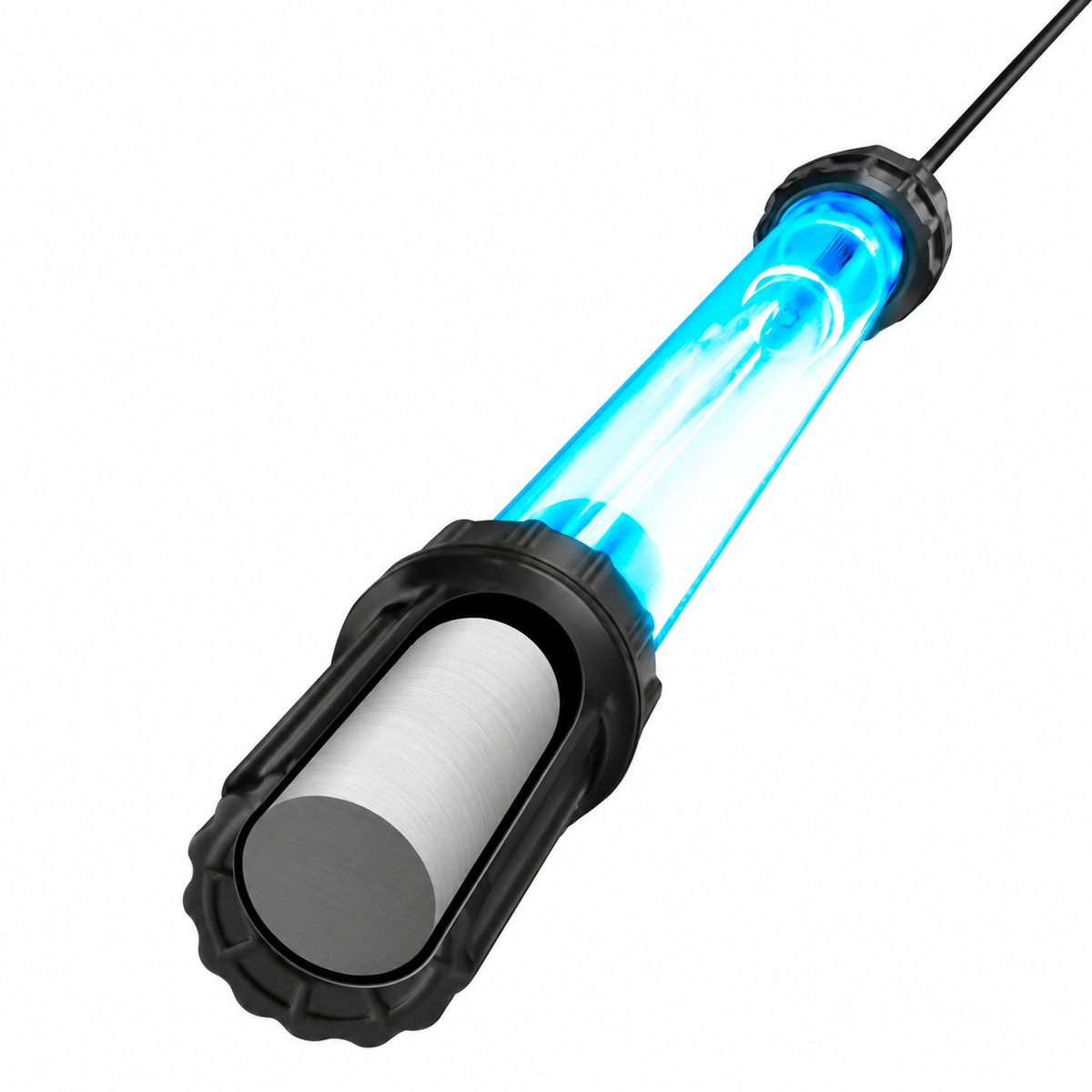
1. UV Light Source
The device emits ultraviolet (UV) light, which attracts certain insects. While mosquitoes are not as strongly drawn to UV light as some bugs, it still plays a role in guiding them toward the trap.
2. Photocatalyst Reaction
The UV light activates the photocatalyst (typically TiO₂), triggering a reaction that produces small amounts of carbon dioxide (CO₂).
Why does this matter?
Mosquitoes rely heavily on CO₂ to locate hosts. Humans and animals naturally exhale CO₂, making it one of the strongest attractants.
3. Heat and Airflow Simulation
Some devices also generate slight warmth and airflow, mimicking the presence of a living host.
4. Fan-Based Capture System
Once mosquitoes get close, a built-in fan pulls them into a collection chamber where they eventually dehydrate and die.
The Big Promise: Why These Devices Sound Impressive
Photocatalytic mosquito traps are often marketed with several appealing claims:
-
Chemical-free operation
-
Silent performance
-
Safe for pets and humans
-
Continuous, passive protection
-
Energy efficiency
On paper, this sounds like the perfect solution—especially for people who want to avoid sprays or electric zappers.
But real-world performance is where things get more complicated.
Do Photocatalytic Mosquito Traps Actually Work?
The honest answer: they can work—but their effectiveness depends heavily on conditions.
Let’s examine the key factors.
1. CO₂ Output Is Limited
While these devices do produce CO₂, the amount is typically very small compared to a human.
A person exhales a continuous and significant stream of CO₂, which is difficult for a compact device to replicate.
Implication:
The trap may struggle to compete with real human presence in the same area.
2. Placement Is Critical
These traps are not designed to sit right next to you.
For best results, they should be placed:
-
Away from seating areas
-
Along mosquito flight paths
-
Near breeding zones
Incorrect placement can drastically reduce effectiveness.
3. Time Matters
Unlike instant solutions, photocatalytic traps work gradually.
They aim to:
-
Reduce mosquito populations over time
-
Interrupt breeding cycles
This means you won’t see immediate results after turning one on.
4. Environmental Conditions Play a Role
Wind, temperature, humidity, and competing light sources can all affect performance.
Outdoor environments are unpredictable, which makes consistent results challenging.
Advantages of Photocatalytic Mosquito Traps
Despite limitations, these devices do offer real benefits.
1. Chemical-Free Protection
No sprays, no fumes, no residue—ideal for families, pets, and sensitive environments.
2. Quiet Operation
Unlike zappers that crackle loudly, these traps operate almost silently.
3. Low Maintenance
Most models require only occasional cleaning of the collection chamber.
4. Continuous Operation
They can run for hours or days, providing ongoing mosquito control.
Limitations You Should Know
To determine whether this is “black tech” or not, you need to understand the trade-offs.
1. Not a Standalone Solution
These traps work best as part of a broader mosquito control strategy.
2. Slower Results
They are designed for gradual population reduction, not immediate relief.
3. Limited Attraction Range
Their effective range is often smaller than advertised.
4. Competing Attractants
Humans, pets, and outdoor lighting can distract mosquitoes away from the trap.
Comparing Photocatalytic Traps to Other Methods
vs. Bug Zappers
-
Zappers: Immediate kill, but non-selective and noisy
-
Photocatalytic traps: Targeted, quiet, but slower
vs. Chemical Sprays
-
Sprays: Fast and effective, but temporary and chemical-based
-
Photocatalytic traps: Safer, but less immediate
vs. CO₂ Tank Traps
-
CO₂ traps: Highly effective, but expensive and bulky
-
Photocatalytic traps: Affordable, but less powerful
How to Maximize Effectiveness
If you decide to use a photocatalytic mosquito trap, proper setup is essential.
1. Place It Strategically
Position the device:
-
10–20 feet away from where people gather
-
Near shaded, humid areas
-
Close to potential breeding sites
2. Turn It On Early
Run the trap before peak mosquito activity (usually dusk).
3. Keep It Running
Consistency is key. Continuous operation yields better results.
4. Reduce Competing Factors
Minimize other light sources and eliminate standing water nearby.
Is It Worth the Investment?
So, is a photocatalytic mosquito trap a breakthrough—or just hype?
It’s neither extreme.
It’s a useful tool with specific strengths and limitations.
It’s Worth It If You:
-
Prefer chemical-free solutions
-
Want a quiet, low-maintenance option
-
Are willing to use it as part of a broader strategy
It May Disappoint If You:
-
Expect instant mosquito elimination
-
Use it as your only defense
-
Place it incorrectly
The Bigger Picture: Integrated Mosquito Control
No single solution can fully eliminate mosquitoes.
The most effective approach combines:
-
Removing standing water
-
Using physical barriers (screens, nets)
-
Adding airflow (fans)
-
Incorporating traps and repellents
Photocatalytic traps fit into this system as a supporting tool, not a standalone fix.
Future Potential of the Technology
The concept behind photocatalytic mosquito traps is promising.
As technology improves, we may see:
-
Stronger CO₂ generation
-
Smarter sensors and automation
-
Enhanced attraction mechanisms
These advancements could significantly boost effectiveness in the future.
Final Thoughts
Photocatalytic mosquito traps are often marketed as cutting-edge solutions—and while they do incorporate interesting technology, their real-world performance depends on how they’re used.
They’re not magic devices that instantly clear your yard of mosquitoes. But they’re also not useless gimmicks.
When used correctly and combined with other control methods, they can play a meaningful role in reducing mosquito activity—quietly, safely, and consistently.
In the end, the question isn’t whether they’re “black tech” or a waste of money. It’s whether they fit your needs, expectations, and overall strategy.
If you approach them with realistic expectations and proper setup, you may find they’re a valuable addition to your outdoor mosquito control toolkit.