For millions of people, mosquitoes are more than a seasonal annoyance. Beyond itchy bites and disrupted sleep, mosquito control itself can become a major source of discomfort—especially for individuals with allergies, asthma, chemical sensitivities, respiratory conditions, skin reactivity, or fragrance intolerance.
Traditional mosquito repellents often rely on strong chemicals, synthetic fragrances, smoke, aerosols, or essential oils that may trigger allergic reactions or worsen indoor air quality. While these products may help reduce mosquito activity, they can also create entirely new health concerns for sensitive individuals.
As awareness around indoor wellness, air purity, and low-toxicity living continues to grow, more households are turning toward physical mosquito control solutions that avoid harsh chemicals, artificial odors, and airborne irritants.
Today, modern non-toxic mosquito prevention systems offer safer alternatives that focus on:
-
Physical barriers
-
Airflow disruption
-
Mosquito trapping
-
Light attraction
-
Environmental management
-
Smart prevention strategies
These approaches can significantly reduce mosquito exposure without introducing strong fumes, sprays, or chemical residue into living spaces.
This guide explores the best odor-free and low-irritation mosquito control methods for allergy-sensitive individuals, including how they work, why they are safer, their limitations, and how to build a healthier mosquito defense strategy at home.
Why Allergy-Sensitive People Need Special Mosquito Solutions
Not all mosquito control products affect people equally.
For allergy-sensitive individuals, common mosquito repellents may trigger:
-
Sneezing
-
Coughing
-
Headaches
-
Skin irritation
-
Eye irritation
-
Respiratory discomfort
-
Asthma flare-ups
-
Dizziness
-
Nausea
-
Sleep disruption
In some cases, reactions may be caused not only by active insecticides, but also by:
-
Artificial fragrance
-
Smoke particles
-
Aerosol propellants
-
Essential oils
-
Solvents
-
Preservatives
This makes low-irritation mosquito prevention especially important.
The Hidden Problem with Strong-Smelling Mosquito Products
Many consumers mistakenly associate strong smells with effectiveness.
In reality, powerful odors often come from ingredients that sensitive individuals may struggle to tolerate.
Common Sources of Irritation
Potential triggers include:
-
Mosquito coil smoke
-
Aerosol sprays
-
Scented candles
-
Essential oil vapors
-
Synthetic fragrance compounds
-
Chemical evaporators
These products release particles or vapors directly into the air people breathe.
Indoor Air Quality Concerns
Poorly ventilated spaces may accumulate:
-
Fine particulate matter
-
Volatile organic compounds (VOCs)
-
Residual chemical vapors
This can worsen symptoms for people with:
-
Asthma
-
Allergic rhinitis
-
Chemical sensitivity
-
Chronic respiratory conditions
What Is Physical Mosquito Control?
Physical mosquito control refers to methods that reduce mosquito activity without relying primarily on airborne chemicals or toxic substances.
Main Types of Physical Mosquito Prevention
Popular options include:
-
Window screens
-
Mosquito nets
-
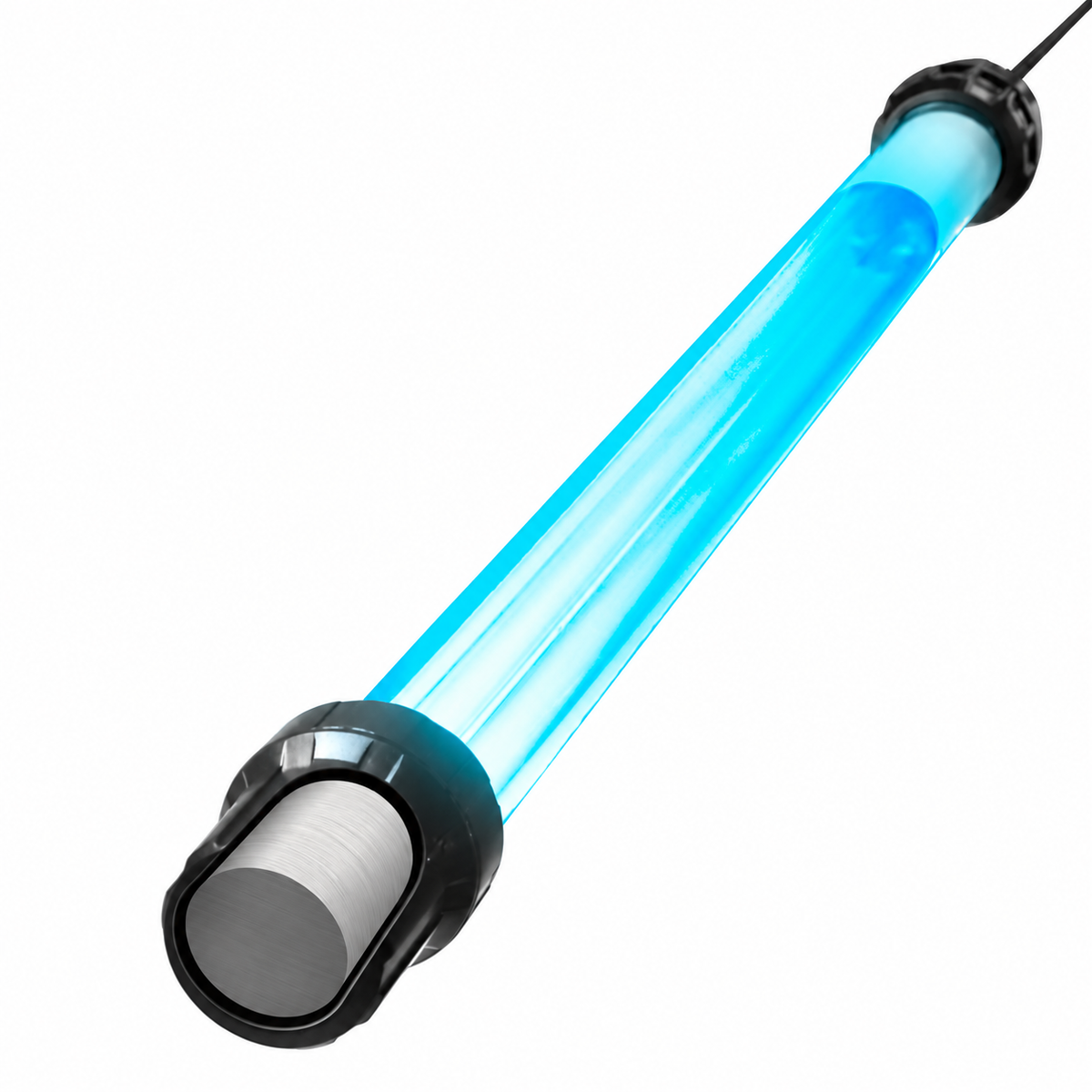
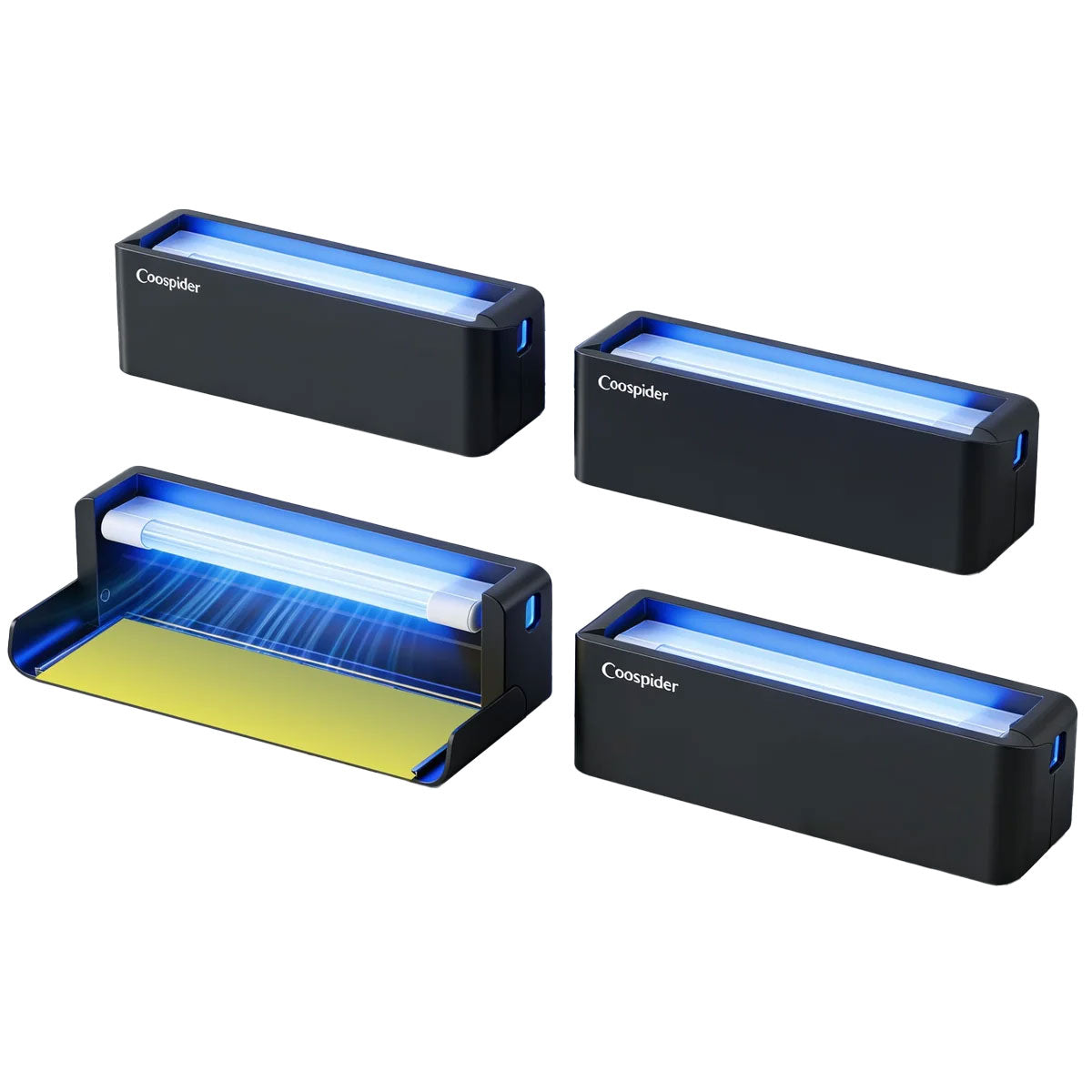
UV mosquito traps
-
Electric mosquito lamps
-
Air circulation systems
-
Sticky traps
-
Protective clothing
-
Water management strategies
-
Sealed entry systems
The goal is to:
-
Block mosquitoes
-
Trap mosquitoes
-
Prevent breeding
-
Interrupt mosquito movement
without contaminating indoor environments.
Why Physical Mosquito Control Is Better for Sensitive Individuals
Physical solutions are increasingly preferred because they avoid many common triggers associated with chemical repellents.
Benefits of Non-Toxic Mosquito Prevention
Physical control methods often provide:
-
No strong odor
-
Reduced airborne particles
-
Lower skin exposure risk
-
Minimal chemical residue
-
Better indoor air quality
-
Continuous passive protection
For allergy-sensitive households, these advantages are significant.
Window Screens: The Foundation of Chemical-Free Protection
Window screens remain one of the safest and most effective mosquito prevention tools available.
How Screens Work
Screens create a physical barrier that prevents mosquitoes from entering indoor spaces.
Unlike sprays or coils, screens work continuously without releasing any substances into the air.
Why Screens Are Ideal for Sensitive People
Benefits include:
-
Completely odor-free operation
-
No airborne chemicals
-
No skin contact risks
-
No inhalation exposure
-
Long-term reliability
Choosing High-Quality Screens
Effective mosquito screens should feature:
-
Fine mesh openings
-
Durable materials
-
Tight installation
-
Tear resistance
Even tiny gaps may allow mosquitoes inside.
Mosquito Nets: Low-Risk Protection During Sleep
Mosquito nets are among the oldest and safest mosquito prevention methods in the world.
Why Sleep Protection Matters
Mosquitoes often bite during periods of inactivity or nighttime rest.
Sensitive individuals may experience stronger reactions to bites due to:
-
Histamine sensitivity
-
Skin inflammation
-
Allergic responses
Benefits of Mosquito Nets
Mosquito nets provide:
-
Completely fragrance-free protection
-
No chemical exposure
-
Quiet operation
-
Full-night coverage
Best Uses
Nets work especially well for:
-
Bedrooms
-
Baby cribs
-
Children’s sleeping areas
-
Travel accommodations
-
Pet sleeping spaces
UV Mosquito Traps: Modern Non-Chemical Mosquito Control
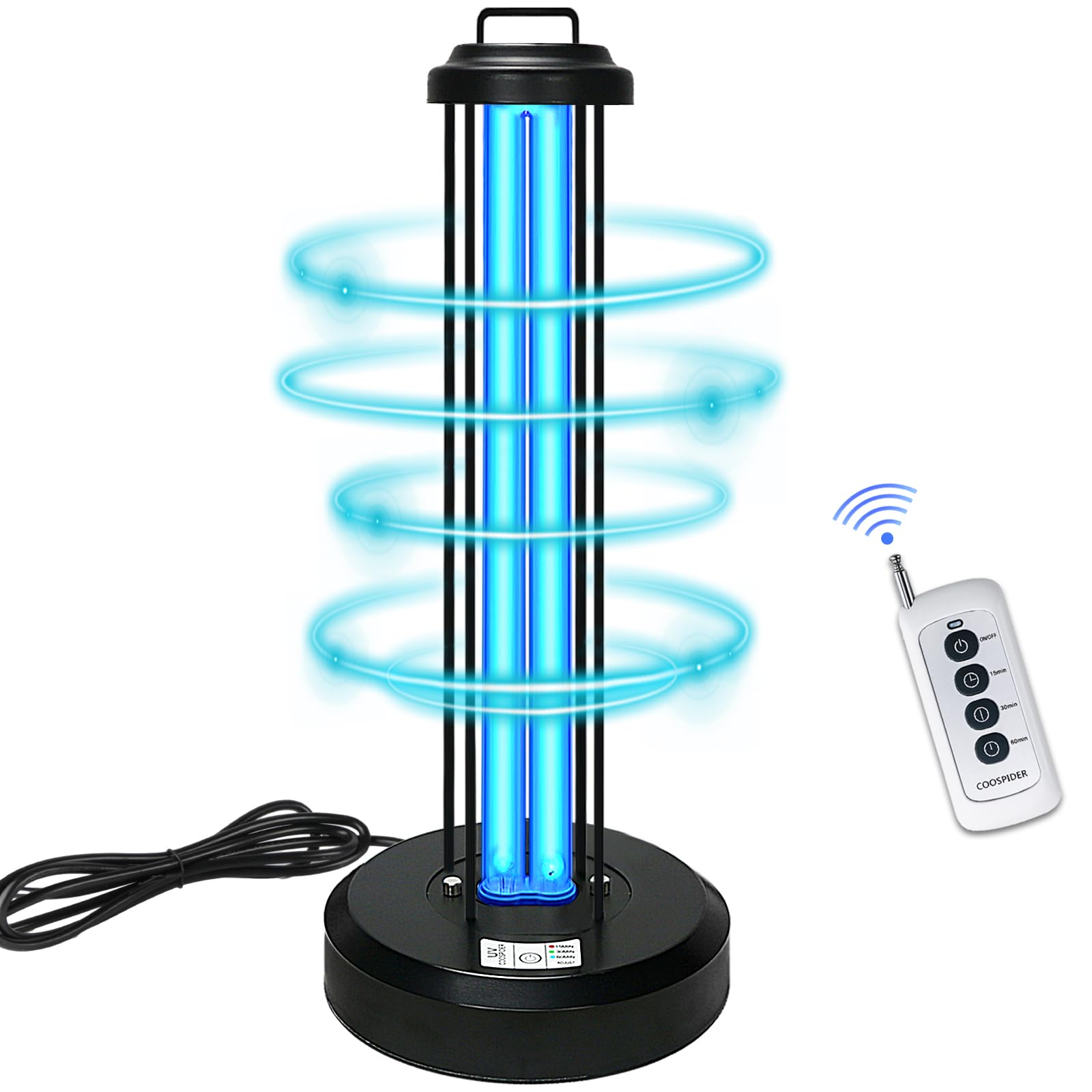
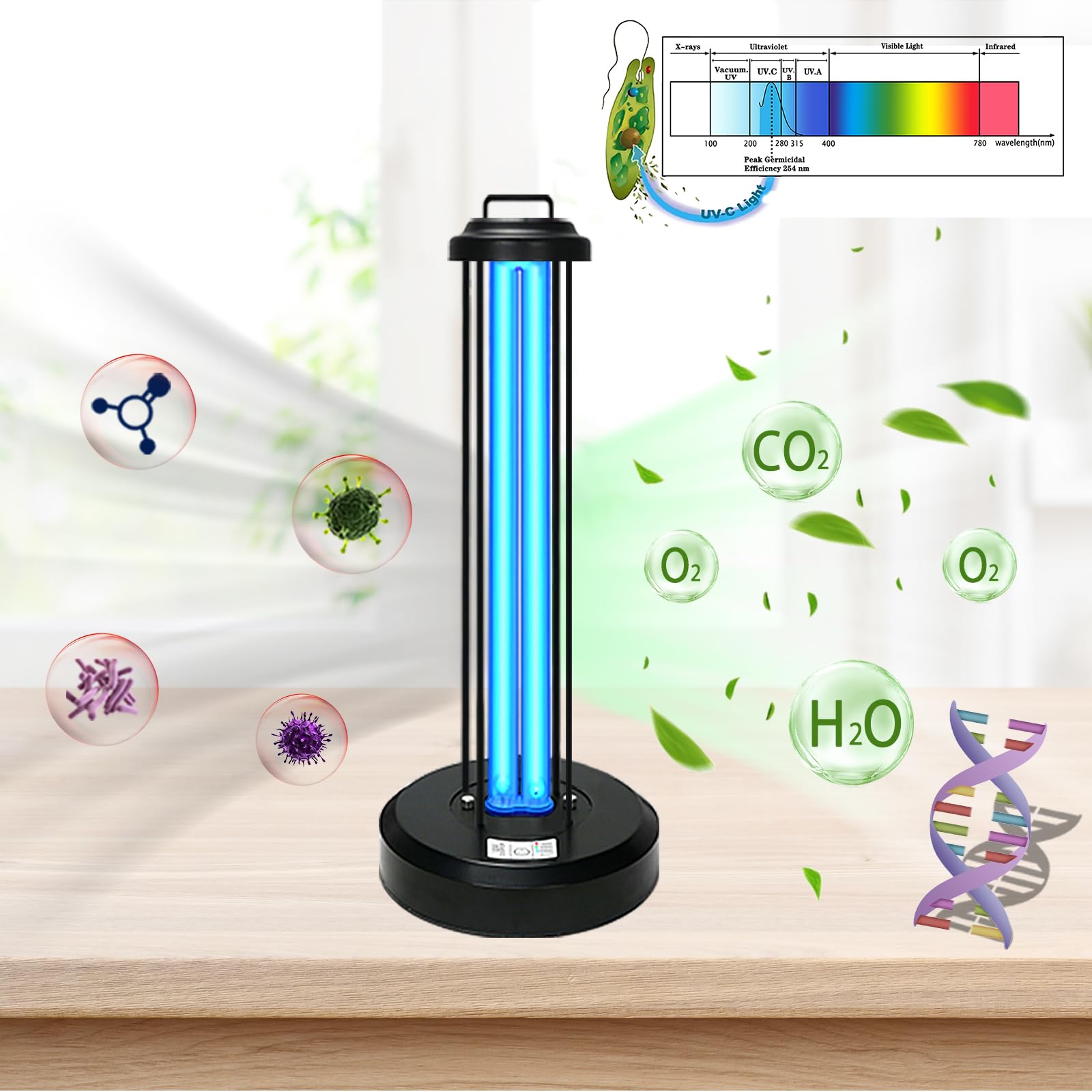
UV mosquito traps have become increasingly popular for people seeking odor-free indoor mosquito solutions.
How UV Traps Work
Most UV mosquito traps attract mosquitoes using combinations of:
-
Ultraviolet light
-
Heat simulation
-
Airflow suction
-
Carbon dioxide mimicry
Mosquitoes are then trapped inside collection chambers.
Why UV Traps Appeal to Sensitive Users
Unlike sprays or coils, UV traps generally:
-
Produce no smoke
-
Release no fragrance
-
Avoid aerosol chemicals
-
Operate quietly
Continuous Indoor Protection
Many traps work 24 hours a day with minimal maintenance.
This creates passive mosquito reduction without repeated chemical application.
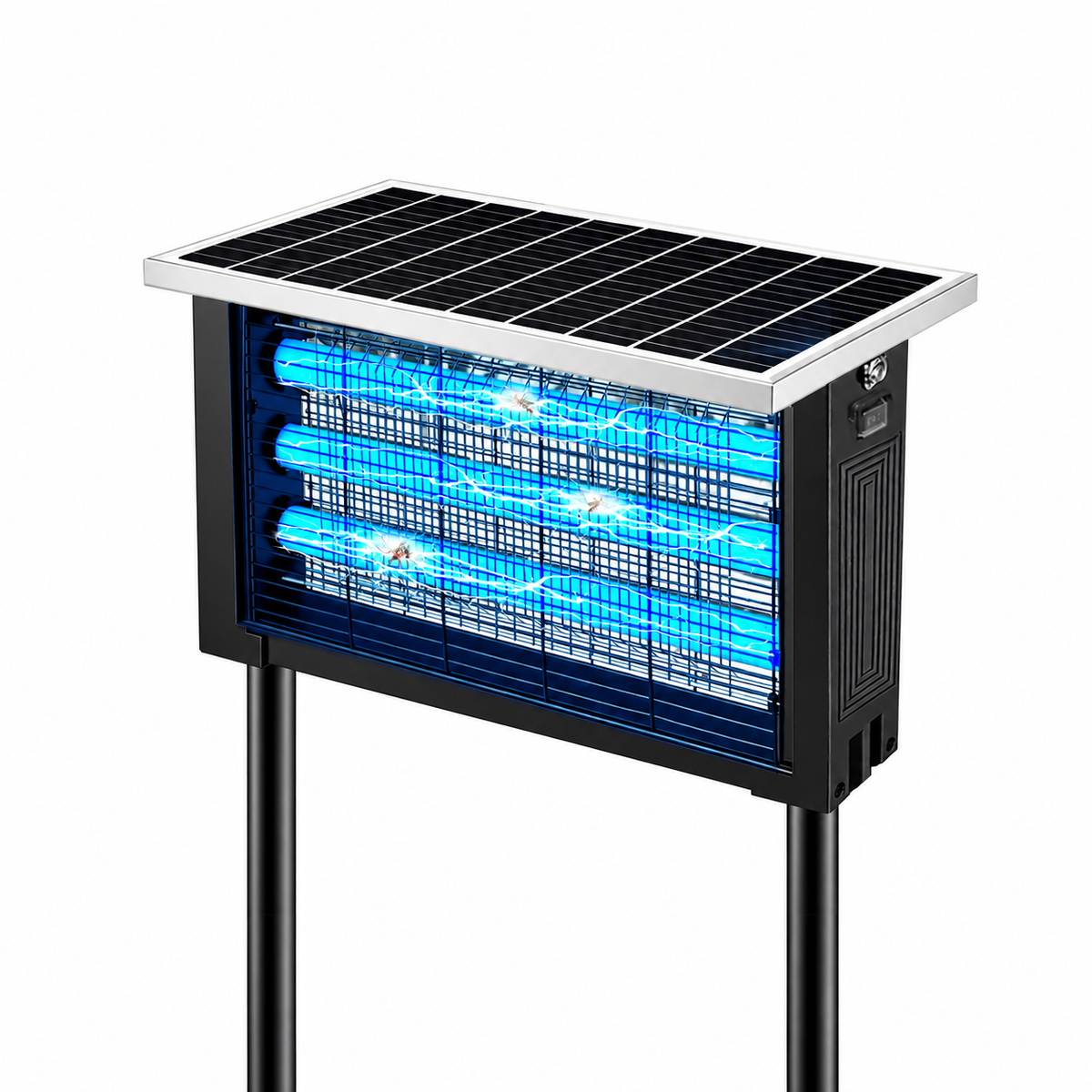
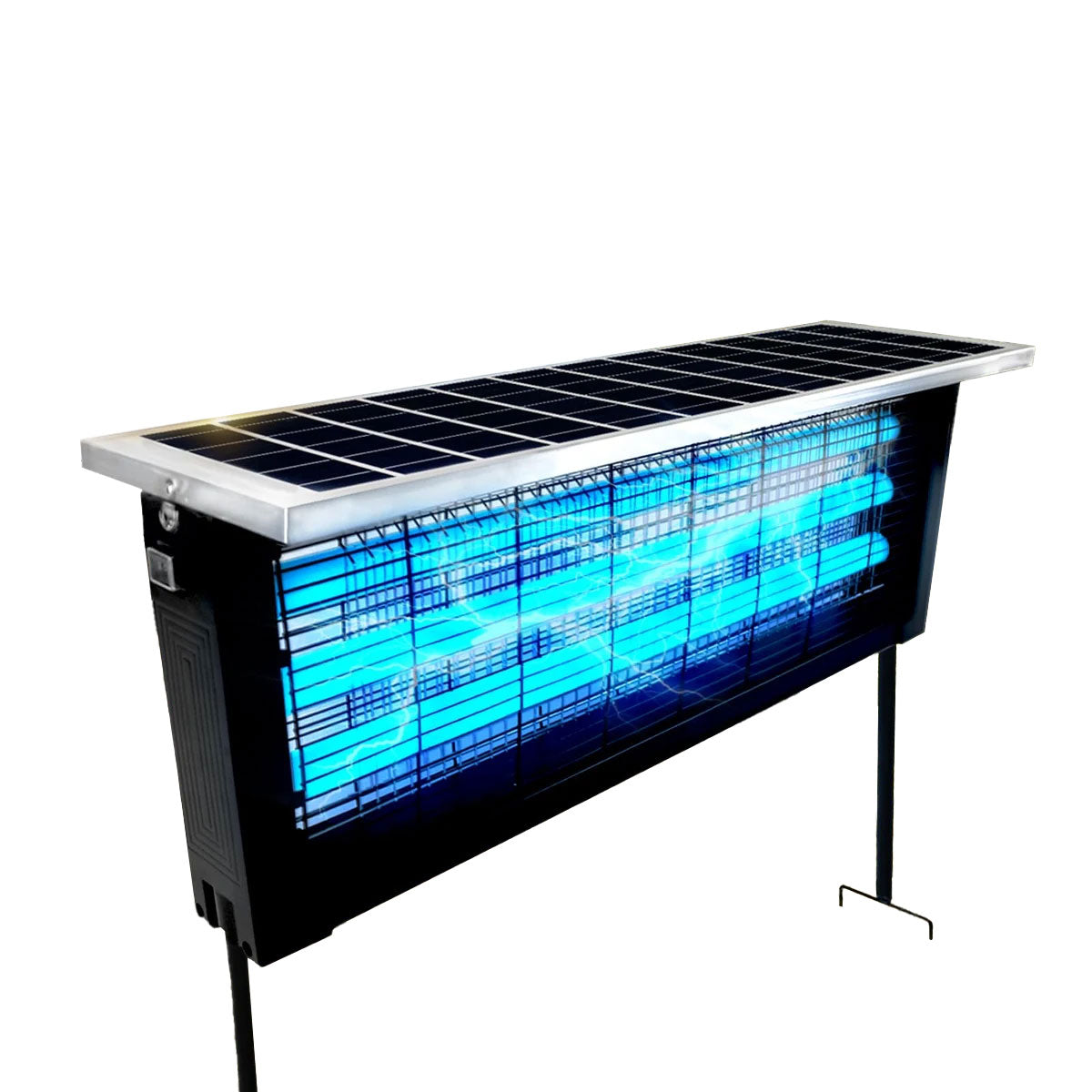
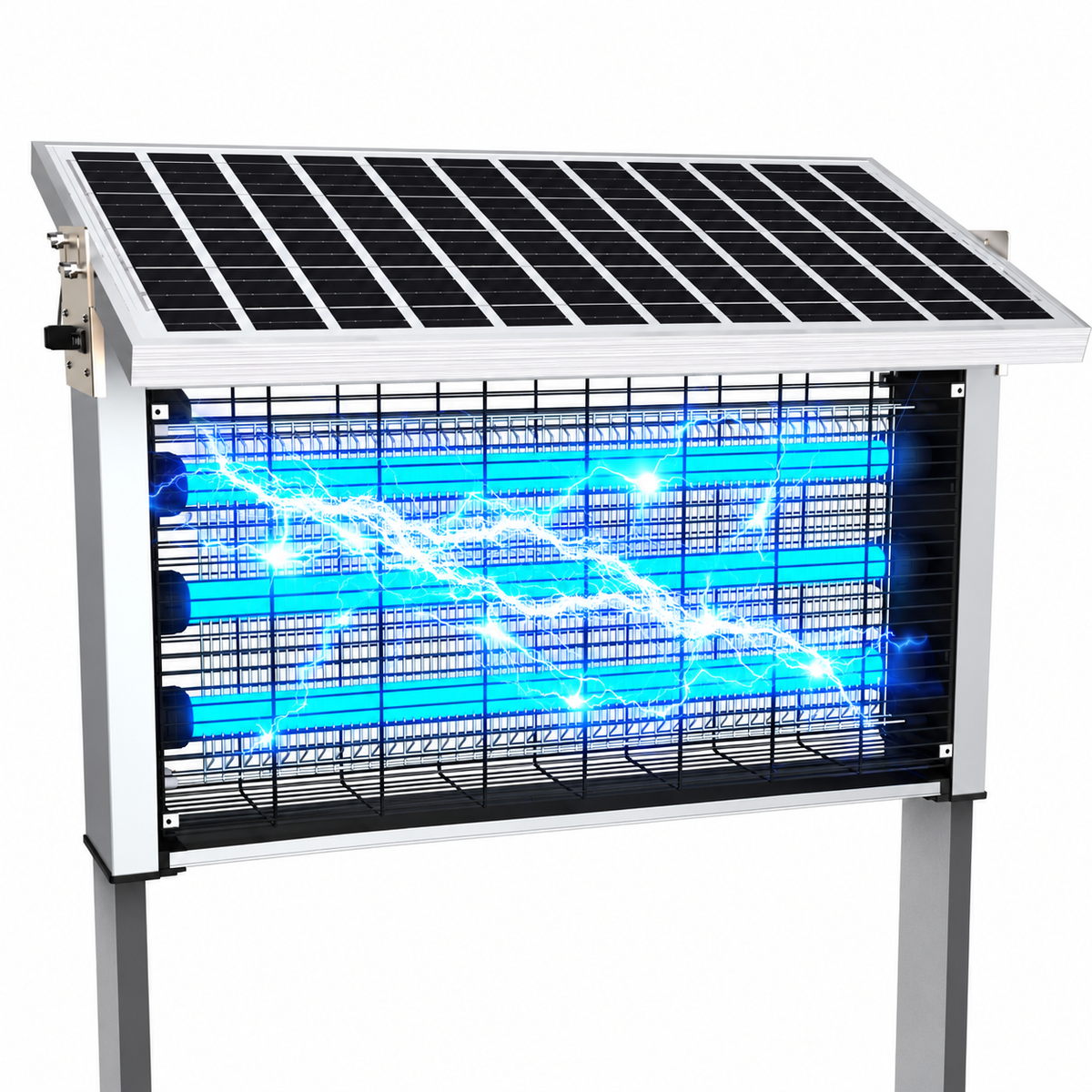
Electric Mosquito Lamps and Zappers
Electric mosquito lamps are another popular physical control option.
How They Work
These devices attract insects toward an electric grid using:
-
UV light
-
Heat
-
Visual attraction
When mosquitoes contact the grid, they are eliminated electrically.
Advantages for Allergy-Prone Homes
Benefits include:
-
No chemical residue
-
No fragrance release
-
Minimal indoor contamination
-
Reusable operation
Important Placement Tips
For best results:
-
Place away from sleeping areas
-
Avoid positioning directly near people
-
Use in darker areas for stronger attraction
Airflow: The Most Overlooked Mosquito Defense
One of the simplest non-toxic mosquito strategies is airflow management.
Why Mosquitoes Struggle in Moving Air
Mosquitoes are weak fliers.
Fans disrupt their ability to:
-
Navigate
-
Land
-
Track carbon dioxide
-
Detect body heat
Benefits of Fans
Fans provide mosquito reduction while also improving:
-
Indoor comfort
-
Ventilation
-
Air circulation
-
Humidity control
Why Fans Are Excellent for Allergy Sufferers
Fans create mosquito resistance without:
-
Fragrance
-
Smoke
-
Aerosols
-
Residue
This makes them extremely low-risk.
Eliminating Standing Water: The Most Important Long-Term Solution
Preventing mosquito breeding is often more effective than killing adult mosquitoes later.
Why Standing Water Matters
Mosquitoes lay eggs in stagnant water sources.
Common breeding locations include:
-
Flower pots
-
Buckets
-
Gutters
-
Bird baths
-
Pet bowls
-
Outdoor toys
-
Plant trays
Benefits of Prevention-Based Control
Reducing breeding grounds:
-
Lowers mosquito populations naturally
-
Reduces dependence on repellents
-
Minimizes indoor mosquito entry
This is one of the safest mosquito control strategies available.
Sticky Traps and Passive Capture Systems
Sticky traps use adhesive surfaces to capture mosquitoes physically.
Advantages
Sticky traps are:
-
Silent
-
Odor-free
-
Low-maintenance
-
Chemical-free
Best Uses
They work well in:
-
Indoor corners
-
Window areas
-
Enclosed patios
-
Greenhouses
While not sufficient alone for heavy infestations, they can support broader prevention strategies.
Protective Clothing as Physical Mosquito Defense
Clothing remains one of the simplest ways to reduce mosquito bites.
Best Clothing Strategies
Effective mosquito-resistant clothing includes:
-
Long sleeves
-
Lightweight breathable fabrics
-
Loose-fitting garments
-
Light-colored clothing
Why Loose Clothing Helps
Mosquitoes can bite through tight fabrics more easily.
Loose layers create extra distance from skin.
Fabric Considerations for Sensitive Individuals
People with allergies should avoid heavily treated fabrics if sensitive to chemical coatings.
Untreated breathable materials may be preferable.
Why Essential Oils Are Not Always Safe for Allergy Sufferers
Many consumers assume natural products are automatically gentle.
This is not always true.
Common Essential Oil Mosquito Repellents
Popular oils include:
-
Citronella
-
Eucalyptus
-
Peppermint
-
Tea tree oil
-
Lavender
-
Lemongrass
Potential Problems
Essential oils may still trigger:
-
Skin irritation
-
Respiratory discomfort
-
Allergic reactions
-
Headaches
-
Pet sensitivity
Strong natural aromas can still irritate sensitive individuals.
The Problem with Mosquito Coils for Sensitive Households
Mosquito coils remain widely used globally, but they may be problematic for allergy-prone homes.
Why Coils Cause Irritation
Burning coils release:
-
Smoke particles
-
Combustion byproducts
-
Inhalable irritants
-
Chemical insecticides
Potential Symptoms
Sensitive individuals may experience:
-
Coughing
-
Eye irritation
-
Breathing discomfort
-
Sinus irritation
Poor ventilation increases these risks.
Indoor Air Purity and Mosquito Control
Mosquito prevention should not compromise indoor wellness.
The Importance of Clean Indoor Air
Healthy indoor air supports:
-
Better sleep
-
Respiratory health
-
Reduced allergic symptoms
-
Improved comfort
Physical Control Supports Cleaner Air
Unlike sprays or burning products, physical methods maintain:
-
Stable indoor air quality
-
Lower particulate levels
-
Reduced chemical exposure
This is especially important for long-term daily living environments.
Pet-Friendly Mosquito Prevention
Pets often react differently to mosquito products than humans.
Why Pets Are More Vulnerable
Animals may experience greater exposure because they:
-
Groom themselves
-
Stay near floors
-
Inhale close to treated surfaces
-
Have smaller body sizes
Cats and Chemical Sensitivity
Cats are particularly sensitive to:
-
Certain insecticides
-
Some essential oils
-
Strong fragrance compounds
Physical Mosquito Control for Pet Homes
Pet-safe strategies include:
-
Screens
-
Nets
-
Fans
-
UV traps
-
Water management
These minimize poisoning risks.
Best Mosquito Prevention for Babies and Young Children
Children require especially careful mosquito protection.
Why Children Are More Sensitive
Children have:
-
Developing respiratory systems
-
More delicate skin
-
Higher breathing rates
-
Increased sensitivity to airborne irritants
Safer Prevention Priorities
For children, experts often prioritize:
-
Nets
-
Screens
-
Physical barriers
-
Environmental control
before stronger chemical approaches.
Combining Multiple Physical Methods for Better Results
No single mosquito solution works perfectly alone.
Layered Protection Is Most Effective
Combining methods improves overall control.
An effective setup may include:
-
Window screens
-
UV traps
-
Ceiling fans
-
Standing water removal
-
Mosquito nets
Why Layering Works
Each system targets mosquitoes differently.
Together, they create stronger prevention with minimal toxicity.
Smart Mosquito Technology and the Future of Non-Toxic Control
Modern mosquito control technology is evolving rapidly.
Smart Traps
Advanced traps may include:
-
Motion sensors
-
AI mosquito detection
-
Automated capture systems
-
Low-energy operation
Eco-Friendly Innovations
Future systems may focus increasingly on:
-
Non-toxic attraction methods
-
Silent operation
-
Sustainable materials
-
Reduced environmental impact
This aligns with growing demand for healthier indoor living.
Common Mistakes Allergy-Sensitive Households Should Avoid
Many people unintentionally increase exposure risks.
Overusing Multiple Repellents
Combining sprays, candles, coils, and oils may overwhelm indoor air quality.
Poor Ventilation
Even mild repellents may become irritating in enclosed spaces.
Ignoring Breeding Sources
Killing adult mosquitoes without eliminating breeding sites creates endless cycles.
Assuming “Natural” Means Safe
Natural substances can still trigger allergic responses.
Building the Ideal Low-Irritation Mosquito Control Plan
The best strategy focuses on prevention first.
Recommended Non-Toxic Mosquito Strategy
A balanced low-irritation plan may include:
-
Install high-quality window screens
-
Remove standing water weekly
-
Use fans for airflow disruption
-
Add UV mosquito traps indoors
-
Use mosquito nets during sleep
-
Improve home sealing and ventilation
-
Avoid strong fragrance products whenever possible
This approach minimizes both mosquito exposure and chemical sensitivity risks.
Environmental Benefits of Physical Mosquito Control
Physical mosquito methods are often more environmentally responsible.
Reduced Chemical Pollution
Non-toxic methods help reduce:
-
Air contamination
-
Water pollution
-
Harm to beneficial insects
-
Chemical accumulation indoors
Sustainability Advantages
Reusable physical systems often produce less waste over time.
The Psychological Benefits of Odor-Free Living
Strong odors affect more than physical comfort.
Why Smell Matters
Artificial fragrance and chemical smells may contribute to:
-
Stress
-
Headaches
-
Sleep disruption
-
Mental fatigue
Cleaner Indoor Environments Improve Comfort
Odor-free mosquito prevention supports:
-
Relaxation
-
Better sleep quality
-
Reduced sensory irritation
-
Healthier living spaces
Final Thoughts
For allergy-sensitive individuals, mosquito control is not just about eliminating insects. It is also about protecting respiratory health, reducing chemical exposure, maintaining indoor air quality, and creating a comfortable living environment.\n\nTraditional mosquito repellents, coils, sprays, and heavily scented products may provide fast mosquito reduction, but they can also introduce airborne irritants, strong odors, and unnecessary exposure risks for sensitive people, children, and pets.\n\nPhysical mosquito control methods—including screens, mosquito nets, UV traps, electric mosquito lamps, airflow systems, and standing water management—offer safer and lower-irritation alternatives that support long-term indoor wellness.\n\nThe most effective strategy is usually a layered approach that combines prevention, physical barriers, airflow management, and targeted trapping systems while minimizing dependence on strong chemicals.\n\nUltimately, the goal is not simply living with fewer mosquitoes. It is creating a healthier, cleaner, quieter, and more comfortable home environment where families, pets, and sensitive individuals can breathe easier and sleep more peacefully throughout mosquito season.