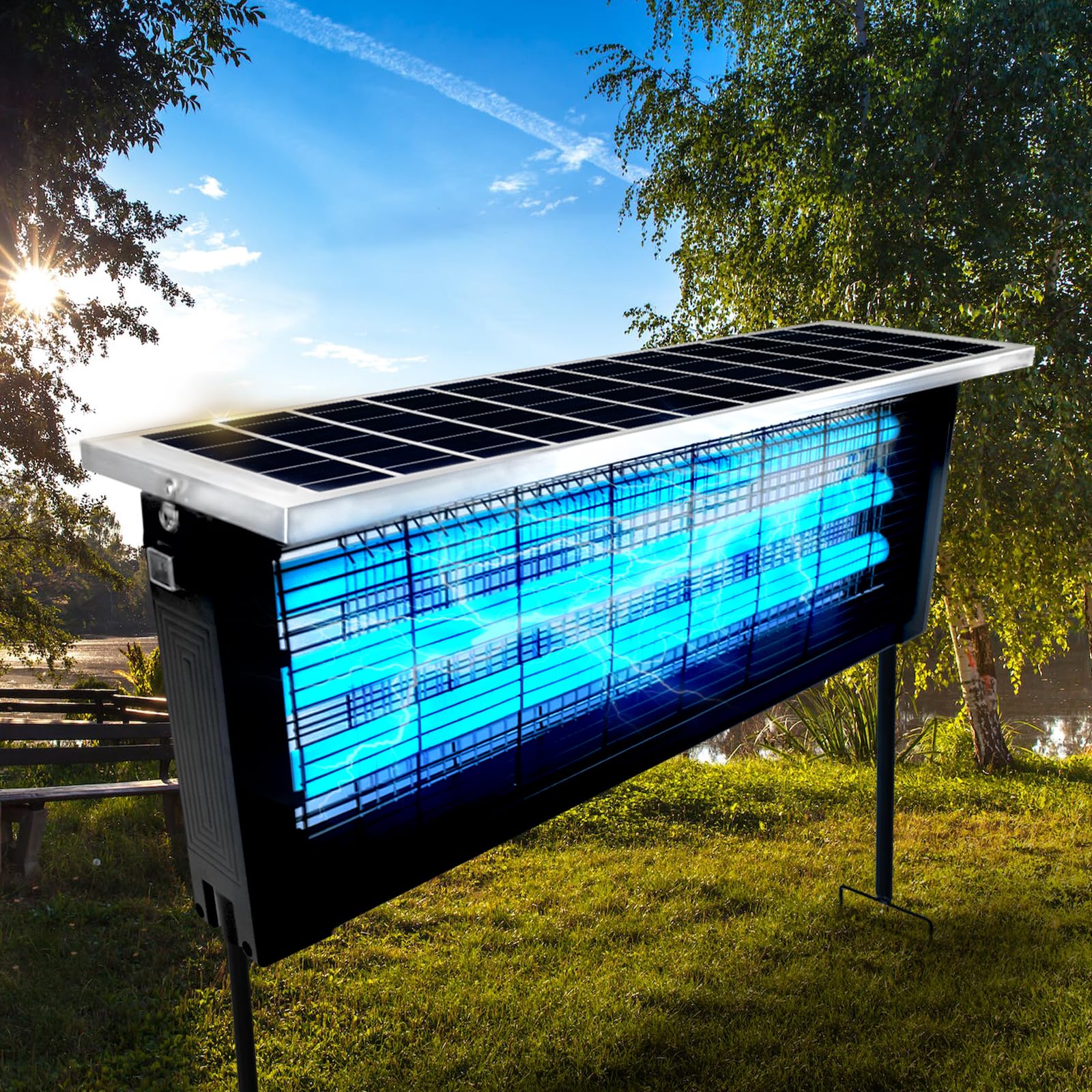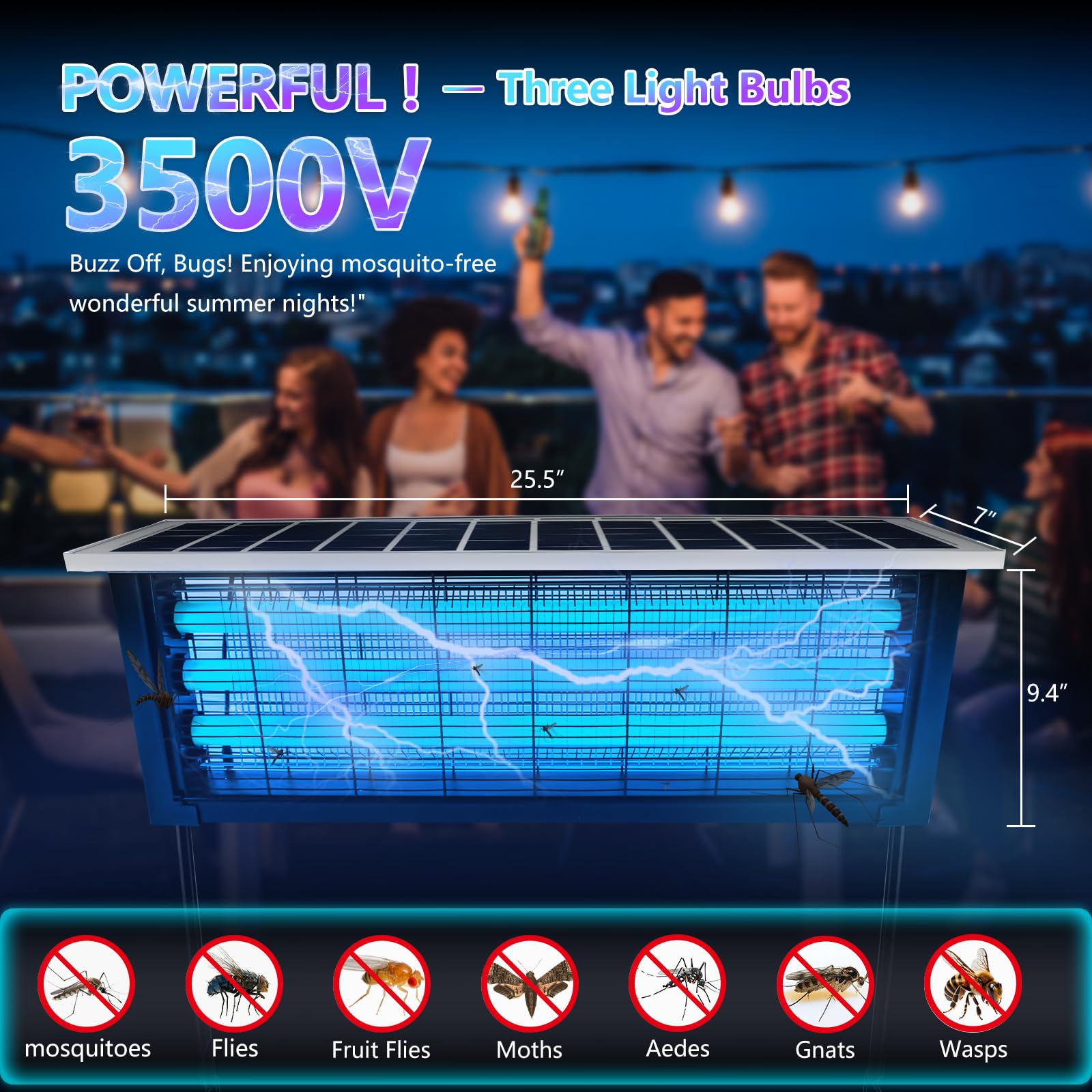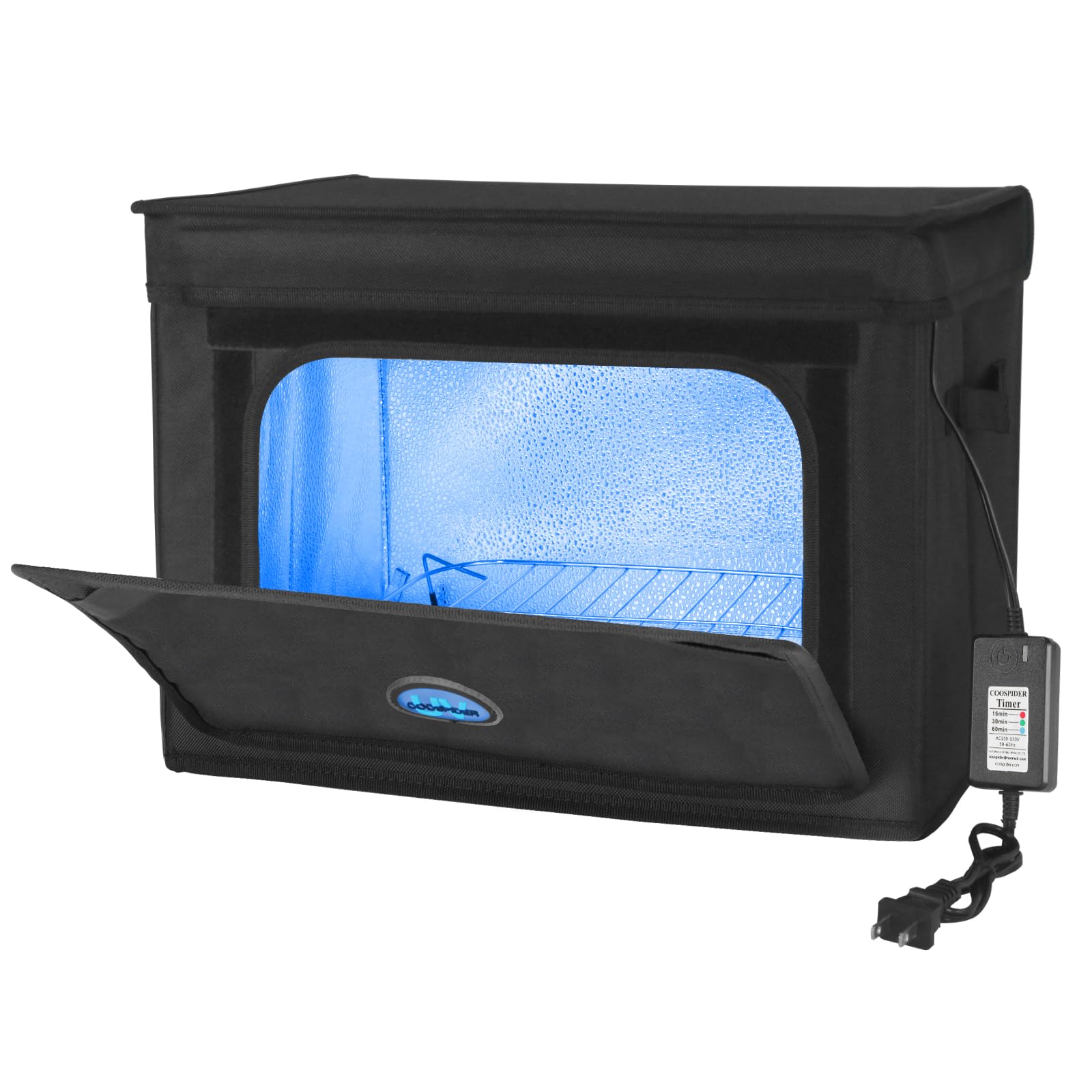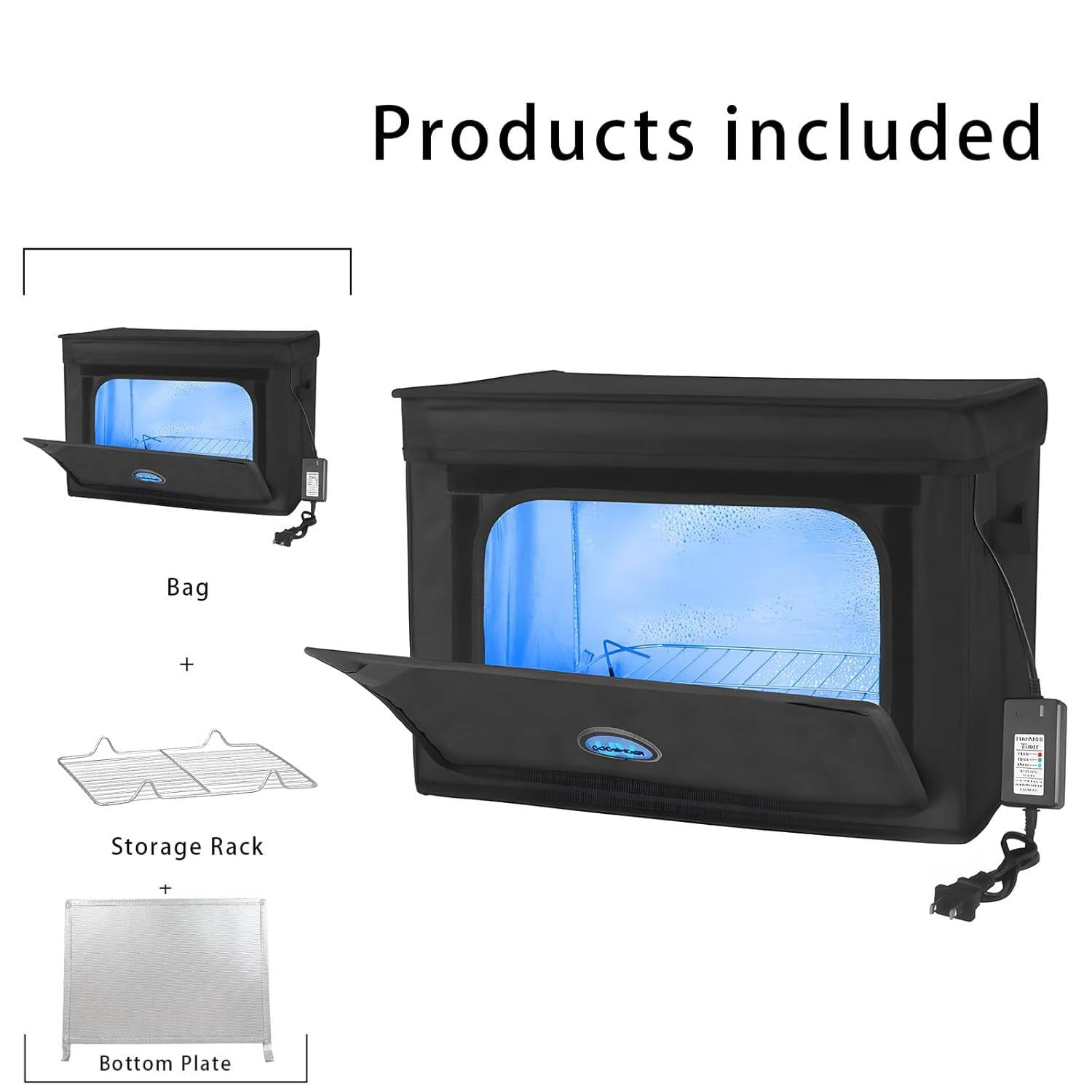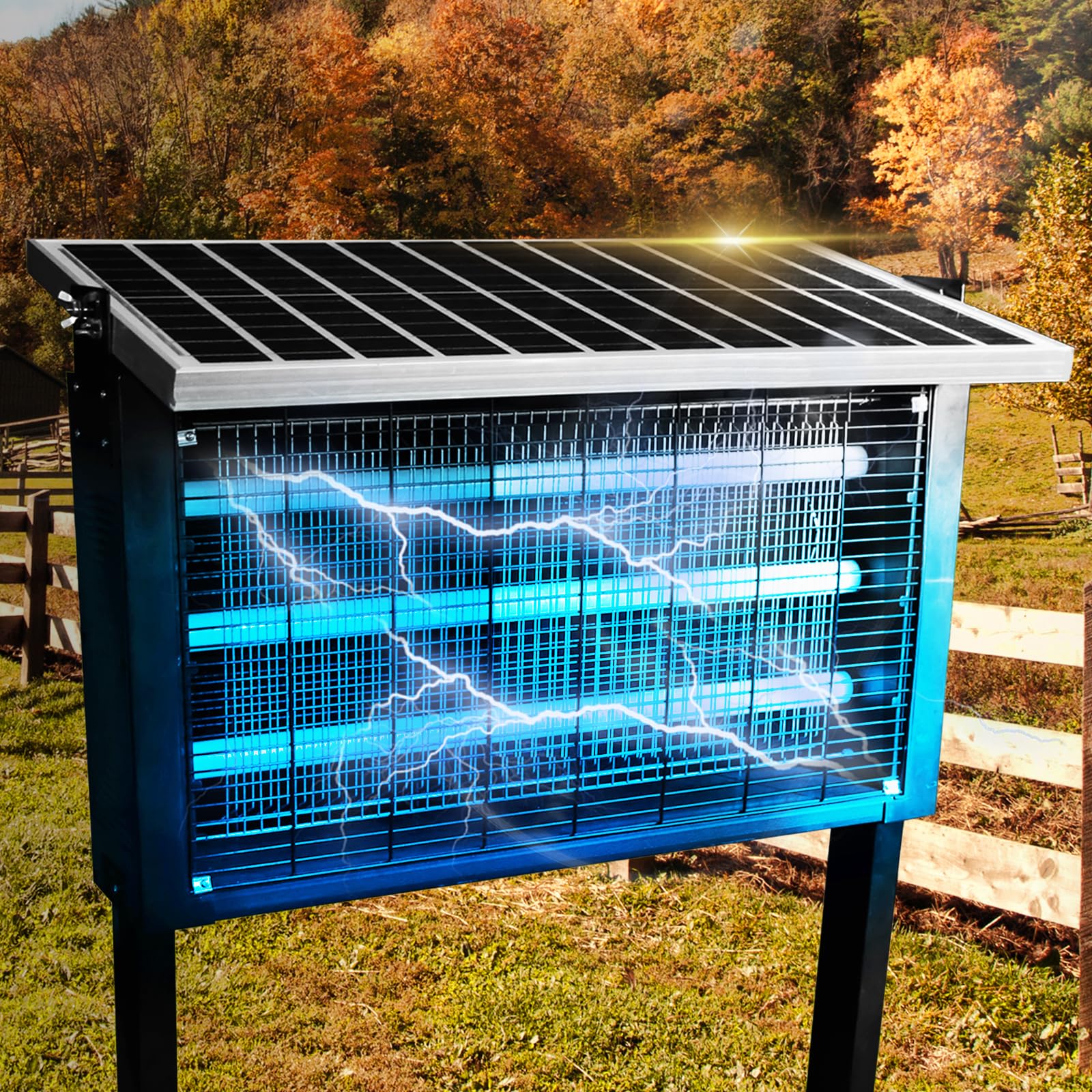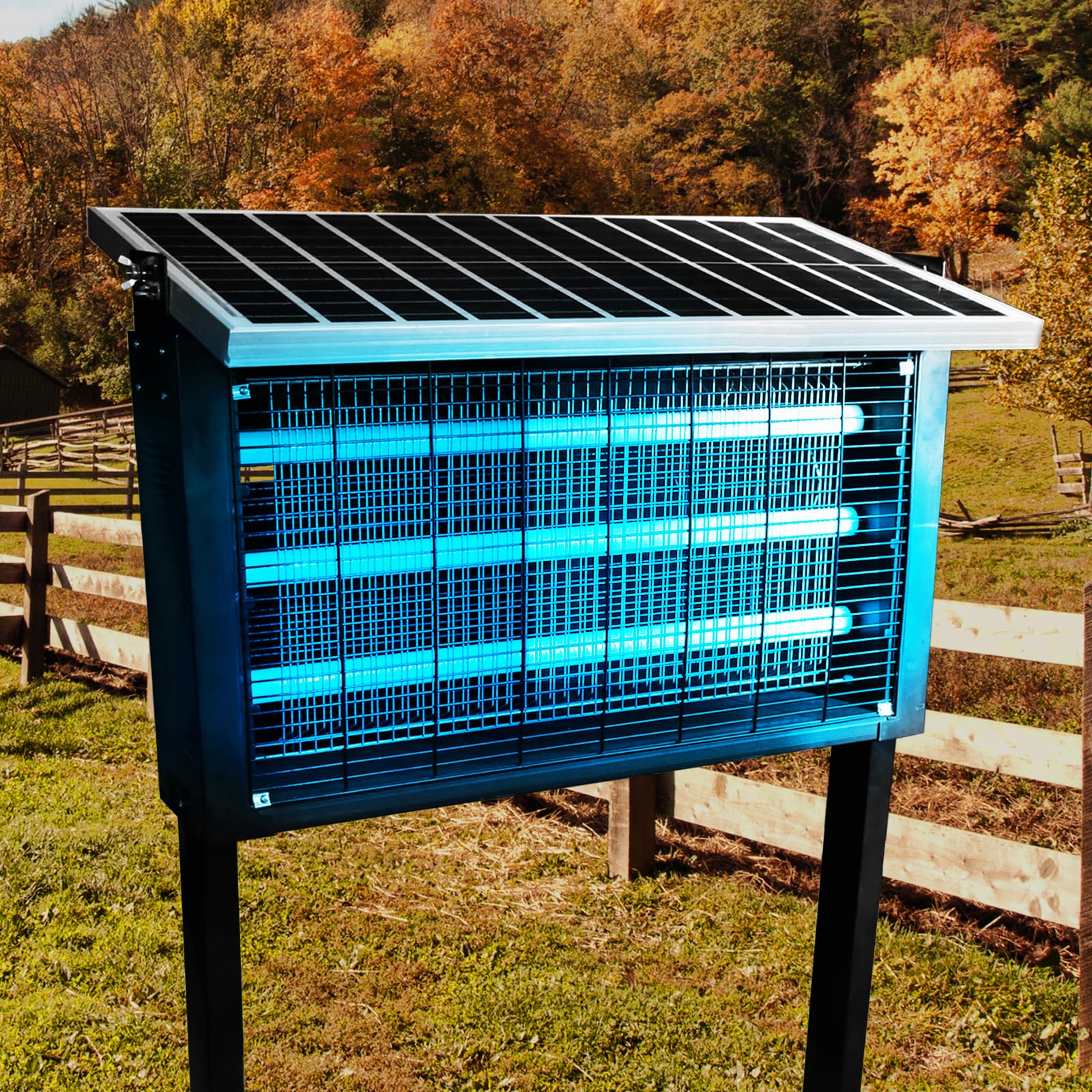

If you rely on a mosquito trap to keep your yard, patio, or outdoor living space comfortable, you already know how effective these devices can be. But many people make one critical mistake: they treat maintenance as an afterthought.
A quick brush-off or occasional emptying of the catch net might seem enough—but over the course of an entire mosquito season, your device accumulates far more than visible debris. Dust, pollen, insect residue, moisture, and even fuel byproducts can build up inside, quietly reducing performance.
That’s why a full-season deep clean is essential.
In this guide, you’ll learn exactly when to perform a deep clean on your mosquito trap and how to do it properly—without damaging sensitive components or reducing efficiency. Whether you're a new user or a seasoned pro, this comprehensive approach will help you get the most out of your device.
If you rely on a mosquito trap to keep your yard, patio, or outdoor living space comfortable, yo
Why Seasonal Deep Cleaning Matters
Mosquito traps work by mimicking human attractants—such as carbon dioxide, heat, and scent—to lure insects in. Once inside, mosquitoes are captured and contained. Over time, this process leads to buildup in multiple areas:
- Catch nets fill with insect remains
- Intake fans collect dust and debris
- Internal pathways become obstructed
- External surfaces accumulate dirt and weather residue
If left unaddressed, these issues can lead to:
- Reduced capture rates
- Increased power or fuel consumption
- Overheating or airflow problems
- Shortened device lifespan
A full-season deep clean restores optimal performance and ensures your device operates at peak efficiency.
Signs Your Mosquito Trap Needs a Deep Clean
Not sure if it’s time for a full cleaning? Look for these warning signs:
Declining Effectiveness
If you notice more mosquitoes despite your device running normally, buildup may be interfering with airflow or attractant distribution.
Unusual Noise
Dust or debris in the fan can cause rattling, buzzing, or grinding sounds.
Visible Blockages
Check vents, intake areas, and catch nets for signs of clogging.
Strong Odors
Accumulated insect remains can produce unpleasant smells over time.
Overheating
If the unit feels hotter than usual, airflow may be restricted.
When to Perform a Full-Season Clean
Timing is key. Here’s a recommended schedule:
Early Season (Before First Use)
Start the season with a clean device to ensure maximum effectiveness from day one.
Mid-Season (Every 4–6 Weeks)
During peak mosquito activity, perform a thorough cleaning to maintain performance.
End of Season (Before Storage)
Before putting your device away, clean it completely to prevent corrosion, mold, or lingering odors.
Tools and Supplies You’ll Need
To safely deep clean your mosquito trap, gather the following:
- Soft microfiber cloths
- Mild soap and warm water
- Soft-bristle brush
- Cotton swabs
- Compressed air
- Screwdriver (if disassembly is required)
- Dry towel
- Protective gloves
Avoid harsh chemicals, abrasive tools, or excessive water, as these can damage internal components.
Step-by-Step Full-Season Deep Cleaning Guide
Step 1: Power Down and Disconnect
Safety always comes first.
- Turn off the device
- Unplug it from the power source or remove batteries
- Allow it to cool completely
Never attempt to clean while the unit is powered.
Step 2: Disassemble Key Components
Most mosquito traps are designed with removable parts for maintenance. These may include:
- Catch net or collection bag
- Outer housing
- Intake cover
Carefully remove these components and place them on a clean surface.
Step 3: Empty and Clean the Catch Net
The catch net is one of the most important parts to clean thoroughly.
- Dispose of all contents into a sealed trash bag
- Shake out loose debris
- Wash the net with warm soapy water
- Rinse lightly and allow it to air dry completely
A clean net improves airflow and capture efficiency.
Step 4: Dry Cleaning Internal Areas
Before using any moisture, remove dry debris from internal components.
Use a Brush
Gently clean:
- Fan blades
- Intake vents
- Internal surfaces
Use Compressed Air
Blow out fine dust from hard-to-reach areas.
This step prevents dirt from turning into stubborn grime when wet cleaning begins.
Step 5: Clean the Exterior Housing
Mix mild soap with warm water and dampen a microfiber cloth.
- Wipe down all exterior surfaces
- Pay attention to corners and seams
- Remove dirt, pollen, and residue
Dry immediately with a clean towel.
Step 6: Carefully Clean the Fan System
The fan is critical for drawing mosquitoes into the trap.
- Use a dry or slightly damp cloth to clean blades
- Rotate the fan gently to access all sides
- Avoid applying pressure that could misalign the motor
Never allow water to enter the motor housing.
Step 7: Inspect and Clean Air Pathways
Airflow is essential for proper operation.
- Check intake and exhaust areas
- Remove any obstructions
- Use cotton swabs for tight spaces
Clear pathways ensure strong suction and effective trapping.
Step 8: Check Fuel or Attractant Systems (If Applicable)
Some mosquito traps use propane or other attractants.
- Inspect connections for residue or buildup
- Clean external surfaces carefully
- Do not tamper with internal fuel lines unless instructed by the manufacturer
Proper maintenance ensures consistent attractant output.
Step 9: Ensure Complete Drying
Before reassembling:
- Let all components air dry for at least 30–60 minutes
- Double-check for hidden moisture
Even small amounts of water can damage circuitry or cause corrosion.
Step 10: Reassemble and Test
Once everything is dry:
- Reattach all components
- Secure screws and fittings
- Plug in or power on the device
Test for:
- Smooth fan operation
- Normal sound levels
- Proper airflow
Maintenance Between Deep Cleans
To reduce the need for frequent deep cleaning, adopt these simple habits:
Weekly Quick Clean
- Empty the catch net
- Brush off visible debris
- Wipe exterior surfaces
Biweekly Inspection
- Check for blockages
- Listen for unusual sounds
- Ensure proper airflow
Consistent upkeep keeps your device running efficiently all season long.
Common Mistakes to Avoid
Using Excess Water
Too much moisture can seep into electrical components and cause damage.
Ignoring Internal Areas
Surface cleaning alone isn’t enough—internal airflow pathways must be maintained.
Skipping Drying Time
Reassembling while parts are damp can lead to short circuits or mold growth.
Using Harsh Cleaners
Strong chemicals can degrade plastic and internal components.
Extending the Life of Your Mosquito Trap
A well-maintained device can last for years. Follow these tips:
Store Properly
At the end of the season, store your device in a dry, covered area.
Protect from Weather
Use a cover when the device is not in use to reduce exposure to rain and debris.
Replace Worn Parts
Fans, nets, and attractant components may need periodic replacement.
How Weather Affects Cleaning Needs
Environmental conditions play a big role in how often you should clean your device.
Humid Climates
Higher moisture levels can lead to faster buildup and potential mold.
Dusty Areas
Frequent dust accumulation requires more regular cleaning.
Heavy Insect Activity
More captures mean faster clogging of nets and internal pathways.
Adjust your cleaning schedule based on your local environment.
Eco-Friendly Cleaning Tips
You can maintain your device while minimizing environmental impact:
- Use biodegradable soap
- Limit water usage
- Reuse cloths instead of disposable wipes
These practices are both effective and sustainable.
Troubleshooting After a Deep Clean
If your device doesn’t perform as expected after cleaning:
Reduced Suction
- Check for blockages
- Ensure fan is properly aligned
Unusual Sounds
- Inspect for loose parts
- Confirm proper reassembly
No Power
- Verify connections
- Ensure components are completely dry
Final Thoughts
A mosquito trap is a powerful tool for maintaining a comfortable outdoor environment—but only if it’s properly maintained. Brushing off visible debris isn’t enough to keep it performing at its best.
By committing to a full-season deep cleaning routine, you ensure that your device operates efficiently, lasts longer, and continues to protect your space from mosquitoes.
Think of it as an investment in both your equipment and your comfort. With just a little time and care, you can enjoy a cleaner, more effective mosquito control system all season long.
Don’t wait until performance drops—make deep cleaning a regular part of your routine, and your mosquito trap will reward you with consistent, reliable results.