Office environments have changed dramatically over the past decade. Open floor plans, shared workstations, centralized HVAC systems, and hybrid work models have all reshaped how people interact indoors. But one challenge has remained constant—and became even more visible in recent years: air quality and airborne pathogen transmission.
As organizations rethink workplace safety, one technology has gained increasing attention for its ability to reduce microbial load in indoor air: UVGI (Ultraviolet Germicidal Irradiation) systems.
Far from being a niche engineering solution, UVGI is now becoming a core component of modern HVAC design strategies, especially in offices where occupant density and recirculated air can increase transmission risks.
This guide explores how UVGI systems work, why they matter for office air quality, and how they can be implemented effectively to create healthier, more resilient workplaces.
1. Why Office Air Quality Matters More Than Ever
Indoor air quality (IAQ) is not just a comfort factor—it directly impacts:
-
Employee health
-
Cognitive performance
-
Absenteeism rates
-
Workplace satisfaction
-
Long-term organizational productivity
Most office workers spend 6–10 hours per day indoors, often in sealed environments with limited fresh air exchange. In such settings, airborne particles—including viruses, bacteria, and aerosols—can accumulate quickly.
Common indoor air quality challenges include:
-
Insufficient ventilation rates
-
Recirculated air systems
-
High occupant density during peak hours
-
Shared surfaces and enclosed meeting rooms
-
Seasonal respiratory illness spikes
While filtration systems help, they are not always sufficient on their own. This is where UVGI technology adds an additional layer of protection.
2. What Is UVGI? A Practical Explanation
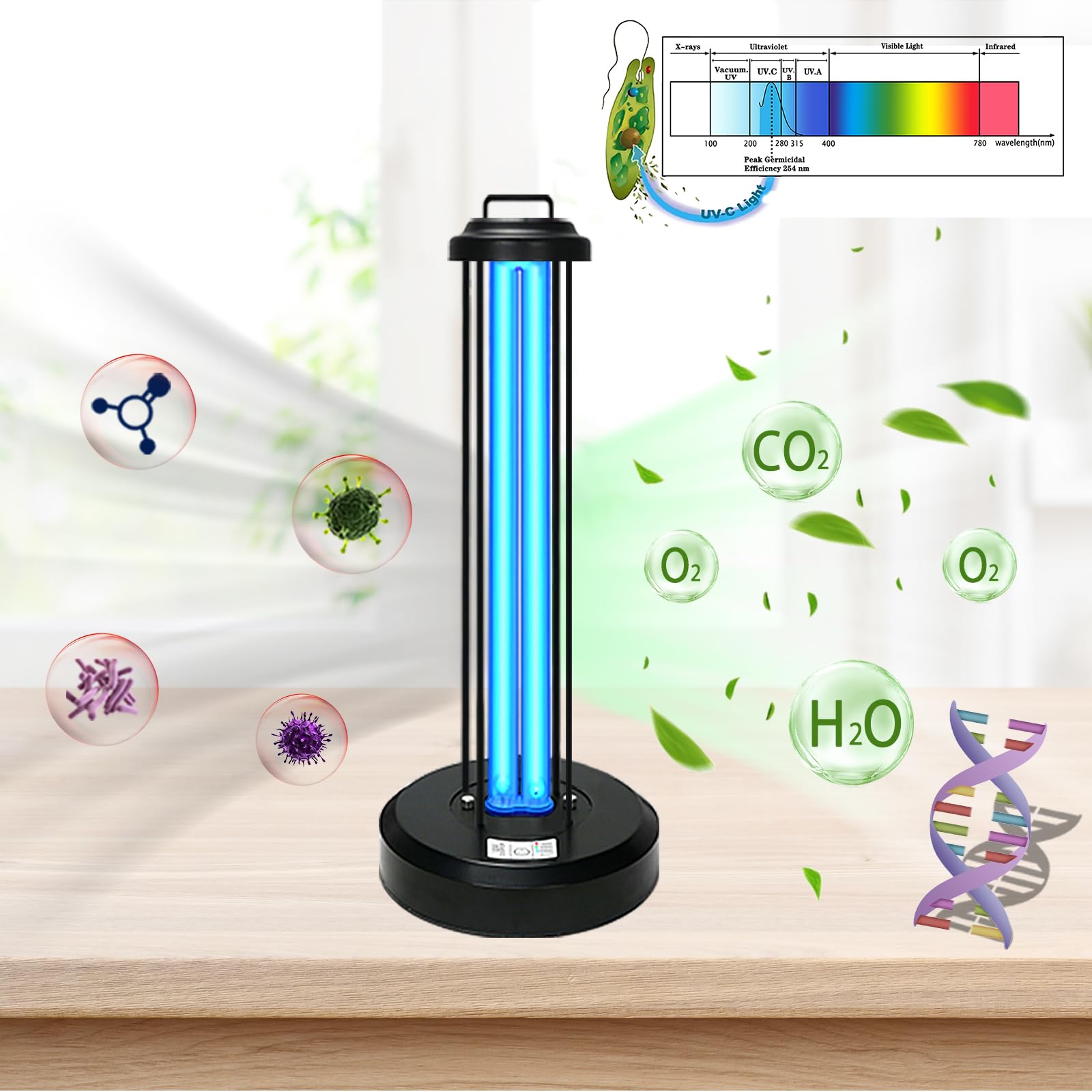
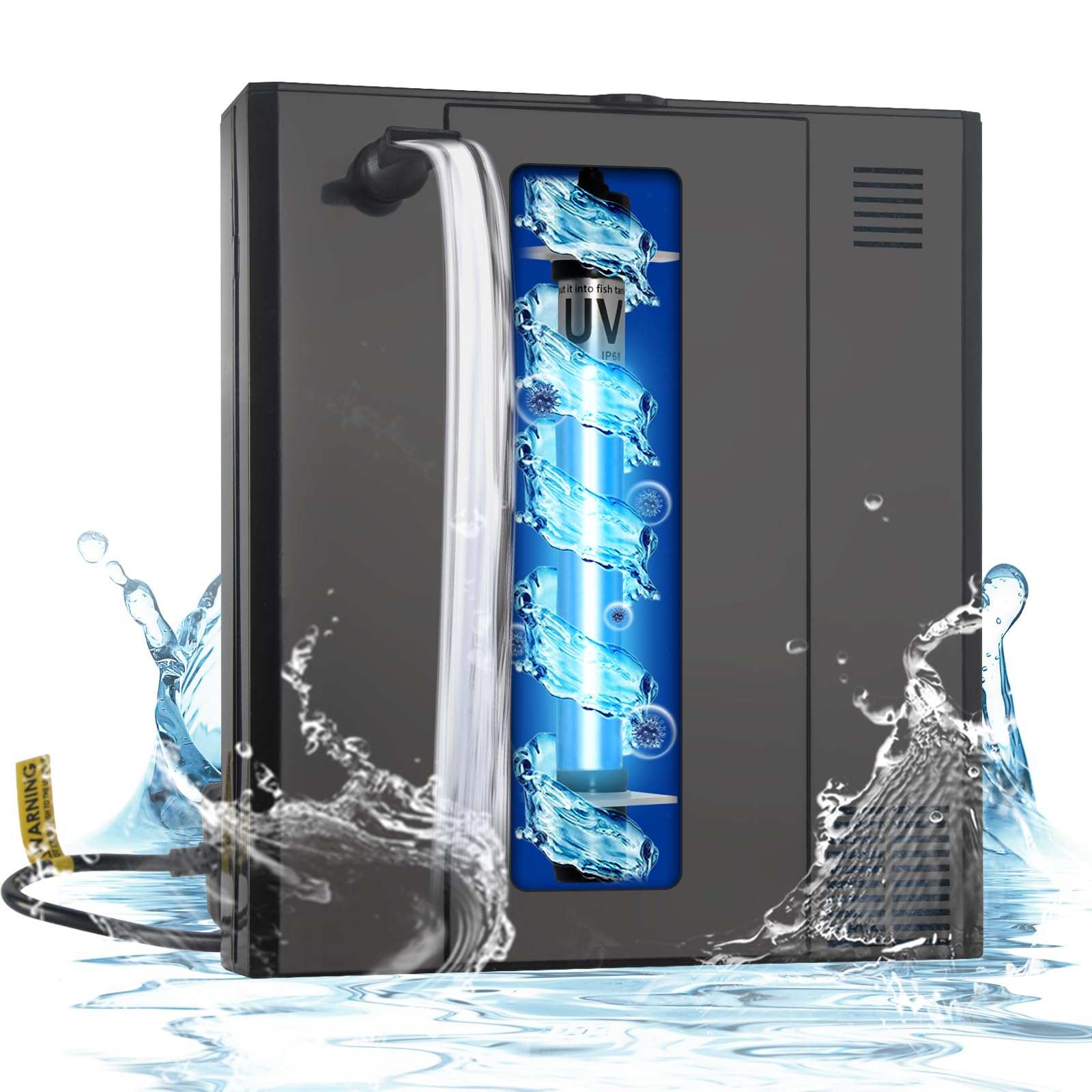
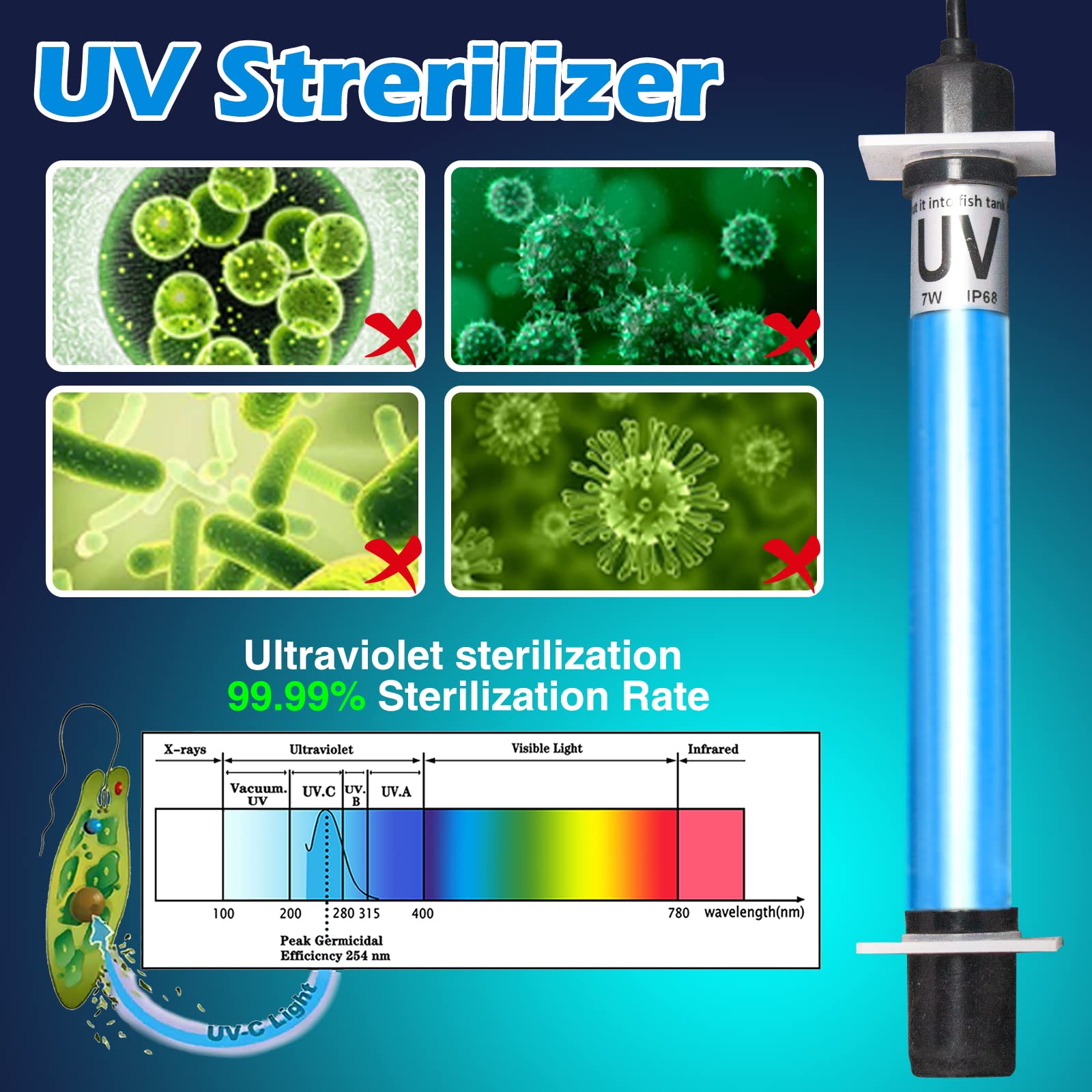
UVGI stands for Ultraviolet Germicidal Irradiation, a disinfection method that uses short-wavelength ultraviolet light (typically UV-C, around 254 nm or 222 nm in newer systems) to inactivate microorganisms.
Instead of filtering particles out of the air, UVGI works by:
Damaging the DNA or RNA of pathogens, rendering them unable to replicate.
This means that even if microorganisms remain physically present in the air, they are no longer infectious.
UVGI systems are commonly installed in:
-
HVAC ductwork
-
Air handling units (AHUs)
-
Upper-room air disinfection systems
-
Standalone air circulation units
3. The Science Behind UVGI Disinfection
UVGI works through photobiological damage.
When microorganisms are exposed to UV-C light:
-
UV photons penetrate the cell structure
-
Nucleic acids absorb UV energy
-
Molecular bonds break or become chemically altered
-
Replication ability is destroyed
The effectiveness depends on:
-
Exposure time
-
UV intensity
-
Airflow patterns
-
Distance from UV source
-
Humidity and environmental conditions
Different pathogens require different UV doses for inactivation, but most common airborne viruses and bacteria are highly susceptible to UV-C exposure under properly designed systems.
4. Why HVAC Alone Is Not Enough
Modern office HVAC systems are designed primarily for:
-
Temperature control
-
Humidity regulation
-
Basic particulate filtration
However, traditional systems often fall short in addressing airborne biological contamination.
Typical limitations include:
1. Limited filtration efficiency for micro-aerosols
Standard filters may not capture the smallest airborne particles effectively.
2. Recirculation of indoor air
Many systems reuse indoor air to improve energy efficiency, which can also recirculate contaminants.
3. Uneven airflow distribution
Some areas receive more ventilation than others, creating “dead zones.”
UVGI complements HVAC systems by neutralizing pathogens regardless of airflow imbalance or filtration limits.
5. Types of UVGI Systems Used in Offices
UVGI is not a one-size-fits-all solution. Different configurations are used depending on building design and risk level.
5.1 In-Duct UVGI Systems
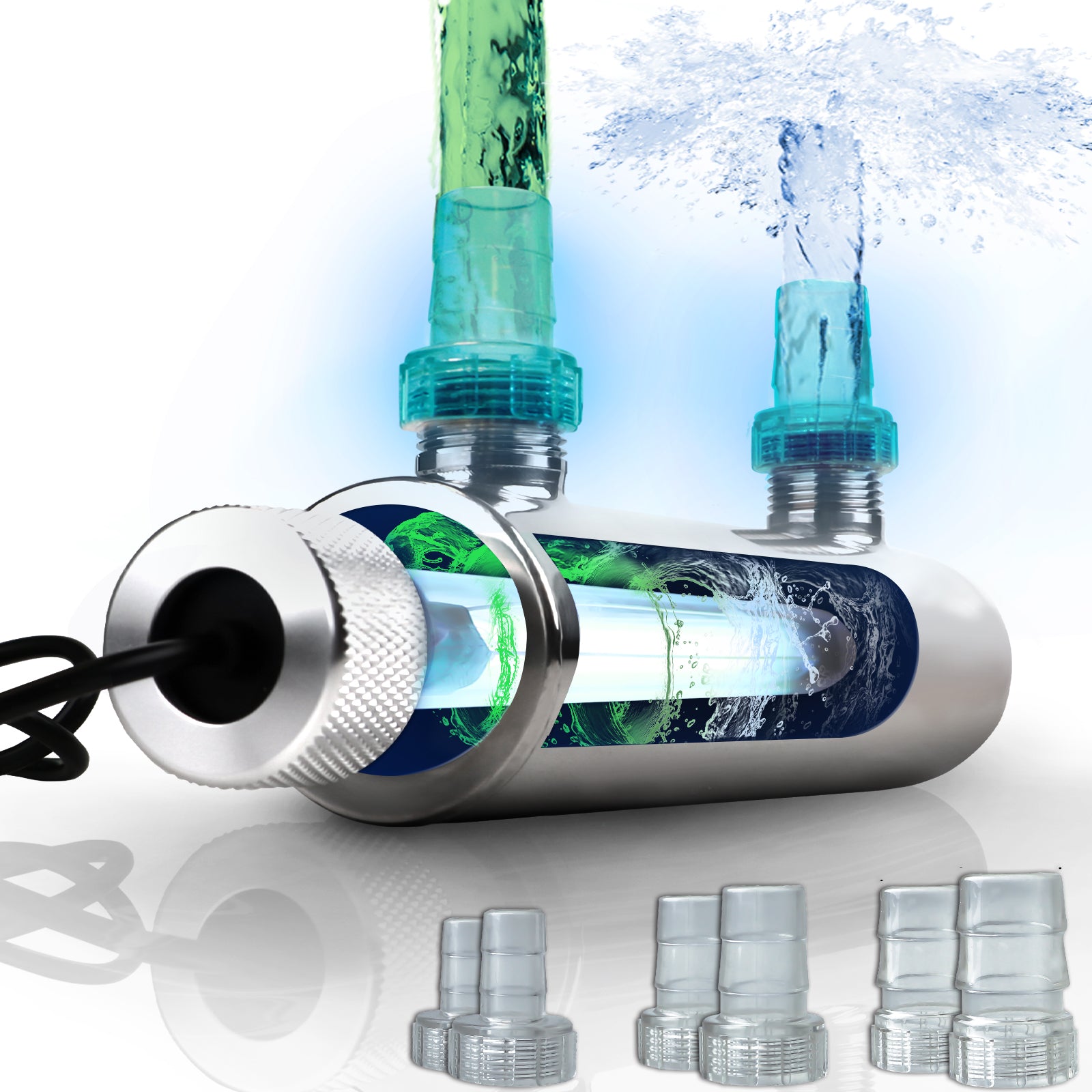
Installed inside HVAC ducts, these systems disinfect air as it moves through the ventilation system.
Advantages:
-
Hidden from occupants
-
Continuous air treatment
-
No direct exposure risk
Best for:
-
Large commercial buildings
-
Centralized HVAC systems
5.2 Upper-Room UVGI Systems
These systems create a UV zone in the upper portion of a room, above occupant level.
Air circulation naturally moves contaminated air upward, where it is disinfected.
Advantages:
-
Effective in occupied spaces
-
Continuous in-room disinfection
-
Works even with variable ventilation
Best for:
-
Conference rooms
-
Open office areas
-
Healthcare-adjacent workplaces
5.3 Standalone UV-C Air Purifiers
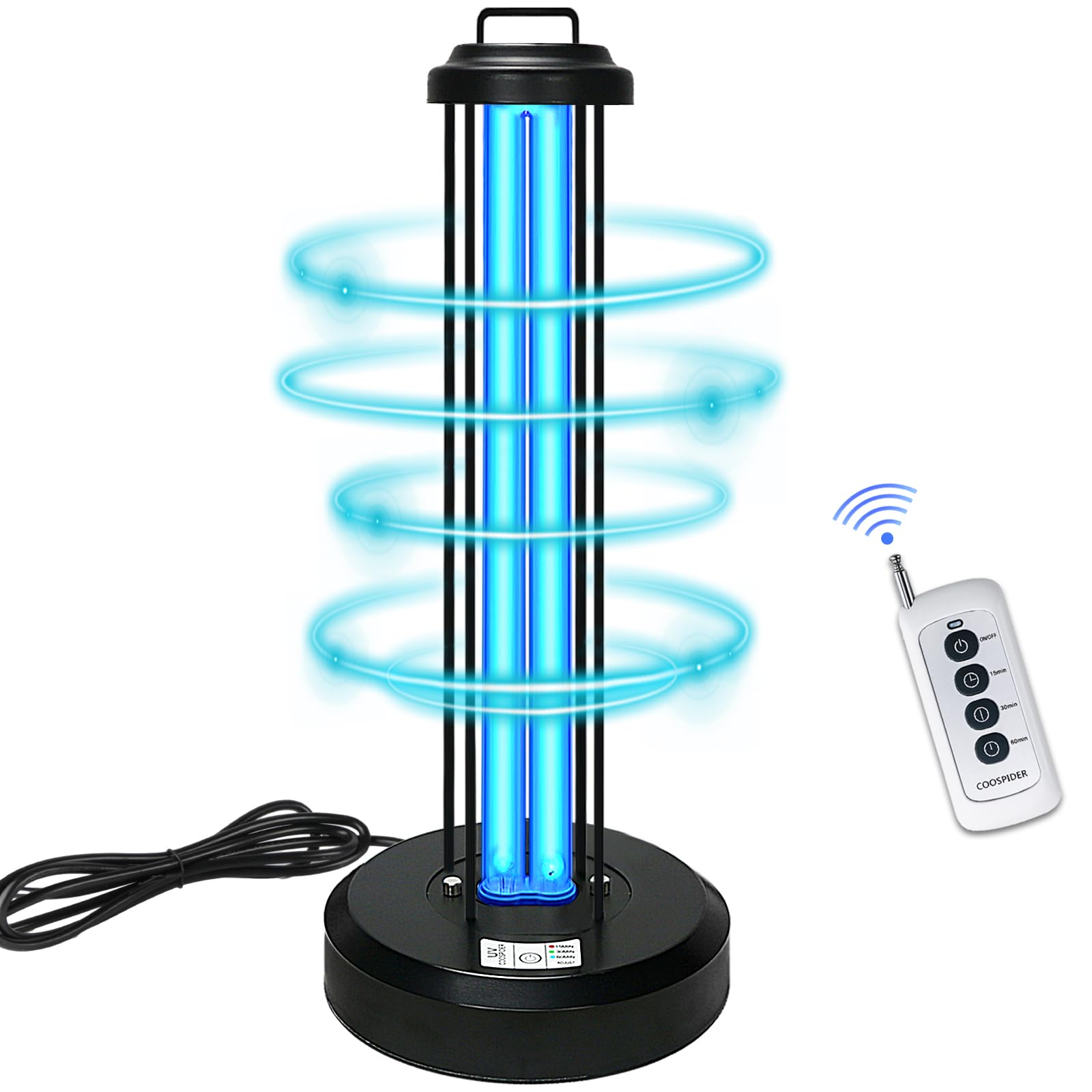
Portable or semi-permanent units that combine filtration and UV-C disinfection.
Advantages:
-
Flexible deployment
-
Easy installation
-
Targeted room coverage
Best for:
-
Small offices
-
Meeting rooms
-
Temporary workspaces
6. UVGI vs Traditional Filtration: Understanding the Difference
Filtration and UVGI are often confused, but they solve different problems.
Filtration (e.g., HEPA systems)
-
Physically removes particles from air
-
Effective for dust, pollen, and many aerosols
-
Requires regular filter replacement
-
Does not neutralize pathogens already captured unless contained
UVGI systems
-
Neutralize microorganisms at a biological level
-
Do not rely on particle capture
-
Effective even for very small airborne pathogens
-
Work continuously without clogging
The most effective strategy is not choosing one over the other, but combining both.
7. Key Design Principles for Effective UVGI Implementation
Installing UVGI is not just about placing UV lamps in a system. Performance depends heavily on engineering design.
7.1 Proper Airflow Exposure Time
Air must remain within the UV field long enough for effective disinfection.
Too fast → insufficient exposure
Too slow → reduced system throughput
7.2 UV Dose Optimization
UV dose is a function of intensity × exposure time.
System designers must balance:
-
Germicidal effectiveness
-
Energy consumption
-
Equipment lifespan
7.3 Reflective Surface Engineering
Highly reflective duct interiors can enhance UV distribution, improving efficiency without increasing energy input.
7.4 Safety Shielding and Containment
UV-C light can be harmful to skin and eyes. Office systems must ensure:
-
No direct occupant exposure
-
Proper shielding in duct systems
-
Controlled installation zones
Modern far-UV technologies (e.g., 222 nm systems) are also being developed with improved safety profiles.
8. The Role of UVGI in Reducing Workplace Transmission Risk
Airborne transmission of respiratory pathogens occurs primarily through:
-
Aerosolized droplets
-
Fine particulate suspension
-
Shared indoor air circulation
UVGI reduces risk by:
-
Inactivating pathogens in airflow streams
-
Reducing overall microbial concentration in indoor air
-
Interrupting transmission chains before exposure occurs
This makes it particularly valuable in:
-
Flu season
-
High-density office environments
-
Enclosed meeting spaces
-
Buildings with limited natural ventilation
9. Energy Efficiency and Sustainability Benefits
UVGI systems also contribute to sustainability goals.
Benefits include:
-
Reduced need for excessive outdoor air exchange (which increases HVAC energy use)
-
Lower reliance on high-grade filtration replacements
-
Improved HVAC efficiency by maintaining cleaner coils and ducts
-
Extended system lifespan due to reduced biological buildup
In modern green building design, UVGI is increasingly considered part of energy-optimized ventilation strategies.
10. Maintenance Requirements: Keeping UVGI Systems Effective
Like any engineering system, UVGI requires maintenance to remain effective.
Key maintenance tasks include:
-
Regular lamp replacement (UV output degrades over time)
-
Cleaning dust from UV surfaces
-
Monitoring system output intensity
-
Inspecting ballast and electrical components
-
Verifying airflow consistency in duct systems
Without maintenance, UVGI performance can decline significantly, reducing its disinfection capability.
11. Common Misconceptions About UVGI Systems
Despite growing adoption, several misconceptions persist.
Misconception 1: UVGI replaces ventilation
False. UVGI complements ventilation; it does not replace fresh air exchange.
Misconception 2: UVGI is only for hospitals
False. It is widely used in offices, schools, airports, and commercial buildings.
Misconception 3: UVGI is unsafe in all forms
Partially false. While direct UV-C exposure is harmful, properly engineered systems are safe for occupied environments.
Misconception 4: One UV lamp solves everything
False. System design, airflow, and placement are equally important.
12. Integration With Smart Building Systems
Modern office buildings increasingly use smart infrastructure, and UVGI systems can integrate with:
-
Building management systems (BMS)
-
Air quality sensors (CO₂, VOC, particulate levels)
-
Occupancy tracking systems
-
HVAC automation platforms
This enables dynamic UVGI operation based on:
-
Real-time occupancy
-
Air quality fluctuations
-
Peak usage hours
The result is more efficient and adaptive pathogen control.
13. Economic Considerations: Cost vs Long-Term Value
UVGI systems require upfront investment, but their long-term value includes:
-
Reduced sick leave and absenteeism
-
Lower HVAC maintenance costs
-
Extended equipment lifespan
-
Improved workplace productivity
-
Reduced outbreak-related disruptions
When evaluated over a multi-year lifecycle, UVGI often delivers strong return on investment through operational stability rather than direct cost savings alone.
14. The Future of UVGI in Office Design
UVGI is evolving rapidly. Future developments include:
-
Far-UV (222 nm) continuous occupancy-safe systems
-
AI-driven adaptive disinfection control
-
Integrated multi-layer air purification ecosystems
-
Self-monitoring UV output systems
-
Hybrid filtration + UV + ionization platforms
As indoor environmental quality becomes a core design priority, UVGI will likely shift from optional enhancement to standard infrastructure.
Final Thoughts: Clean Air as a Foundation of Modern Workplaces
Office air quality is no longer a background concern—it is a fundamental part of building design, employee well-being, and operational resilience.
UVGI systems provide a scientifically grounded method to reduce airborne pathogen transmission without disrupting daily operations. When properly designed and maintained, they add a powerful invisible layer of protection within the HVAC ecosystem.
The modern office is no longer defined only by desks, lighting, or layout. It is also defined by the quality of the air people breathe every day.
And in that equation, UVGI has become one of the most important tools shaping healthier, more resilient workplaces for the future.