Introduction: The Hidden Challenge of Outdoor Adventures
There’s something magical about the great outdoors—fresh air, sprawling landscapes, and the thrill of adventure. Yet, even the most prepared hikers, campers, and backpackers encounter an unwelcome companion: bugs. From mosquitoes and ticks to biting ants and flies, these tiny critters can turn an enjoyable outing into an itchy, uncomfortable experience.
While insect bites are often minor, some can lead to serious reactions if left untreated. Knowing how to respond immediately and manage discomfort is a vital skill for anyone who spends time in nature. Experienced outdoor enthusiasts develop strategies not only to relieve itching but also to prevent infections and minimize complications.
This comprehensive guide explores emergency treatments, soothing techniques, prevention strategies, and real-life tips to help adventurers handle insect bites safely and effectively.
Understanding Bug Bites: Why They Itch and Swell
Before diving into treatment, it’s important to understand what happens when a bug bites.
How Bites Trigger Reactions
When insects bite or sting, they inject saliva, venom, or other compounds into your skin. Your body reacts by releasing histamines, chemicals that trigger swelling, redness, and itching. The severity of the reaction depends on several factors:
- Type of insect
- Number of bites
- Individual sensitivity
- Pre-existing allergies or skin conditions
Common signs of bug bites include:
- Red or pink bumps
- Swelling around the bite
- Intense itching
- Pain or warmth in some cases
While most bites are harmless, some, like those from ticks or mosquitoes carrying disease, require medical attention.
Immediate Steps to Take After a Bug Bite
Prompt action can prevent bites from worsening or becoming infected.
1. Remove the Insect
If the bug is still attached:
- Use tweezers to gently remove ticks, making sure to grab close to the skin.
- Avoid crushing the insect to minimize toxin release.
- Wash hands before and after removal.
2. Clean the Area
Use clean water and mild soap to reduce the risk of infection.
- Gently rinse the bite site.
- Pat dry with a clean cloth or tissue.
3. Apply Cold Compress
Cold helps reduce swelling and itching.
- Use ice wrapped in a cloth or a cold pack.
- Apply for 10–15 minutes at a time.
- Repeat every few hours as needed.
Topical Treatments for Relief
Once the bite is cleaned, topical treatments help relieve discomfort.
Anti-Itch Creams
- Over-the-counter hydrocortisone creams reduce inflammation and itchiness.
- Calamine lotion provides cooling relief.
Natural Remedies
Some hikers prefer natural options:
- Aloe vera gel soothes irritated skin.
- Oatmeal paste can reduce itching and redness.
- Baking soda paste (baking soda mixed with water) neutralizes irritants in mosquito saliva.
Oral Medications for Severe Reactions
Sometimes topical treatments aren’t enough.
Antihistamines
Oral antihistamines help block histamine reactions in your body.
- Diphenhydramine (Benadryl) is effective for moderate itching.
- Loratadine or cetirizine provide longer-lasting relief without drowsiness.
Pain Relievers
If bites are painful:
- Acetaminophen or ibuprofen can reduce discomfort and inflammation.
Avoid Scratching: The Key to Faster Healing
Scratching may temporarily relieve itchiness but can:
- Break the skin
- Increase infection risk
- Cause scars or hyperpigmentation
Tips to prevent scratching:
- Cover bites with a bandage or gauze
- Keep nails short and clean
- Distract yourself with a cold compress or topical treatment
When to Seek Medical Attention
Most insect bites are minor, but certain symptoms require professional care:
- Rapid swelling or hives
- Difficulty breathing or swallowing
- Signs of infection: pus, warmth, red streaks
- Fever, headache, or body aches after a bite
- Persistent itching lasting more than a week
Ticks carrying Lyme disease, mosquitoes with West Nile virus, or spiders like brown recluse may need urgent evaluation.
Preventing Bug Bites in the First Place
The best strategy is prevention. Experienced outdoor enthusiasts know that a few simple habits drastically reduce bites.
Clothing Choices
- Wear long sleeves and pants, especially during dawn and dusk.
- Tuck pants into socks to prevent ticks from climbing up.
- Choose light-colored clothing to spot insects more easily.
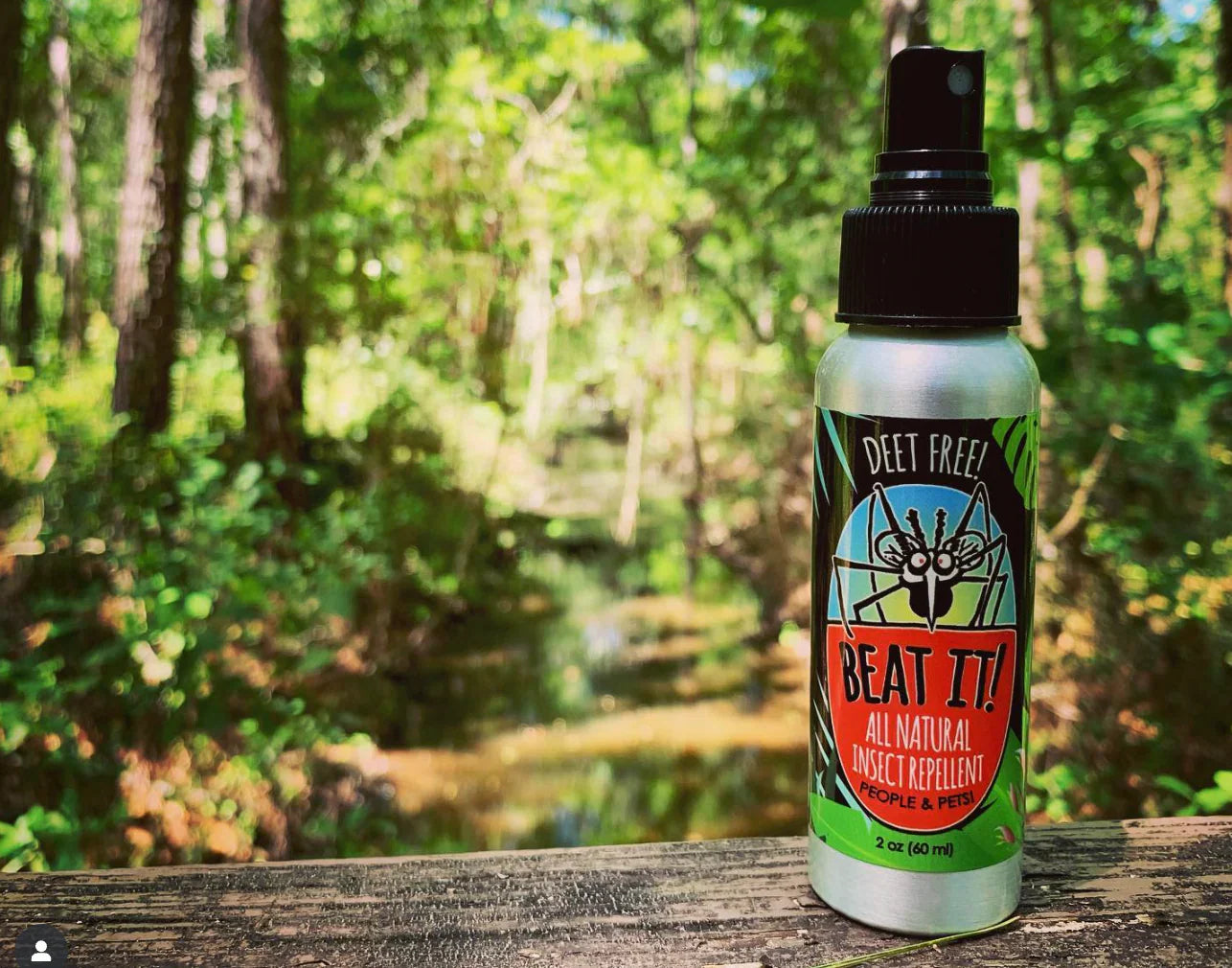
Insect Repellents
- DEET-based repellents provide strong protection.
- Picaridin and oil of lemon eucalyptus are effective alternatives.
- Apply to exposed skin and clothing, following instructions carefully.
Campsite Awareness
- Avoid standing water where mosquitoes breed.
- Keep tents zipped and use mesh screens.
- Remove food scraps and store items in sealed containers to avoid attracting flies or ants.
Timing Your Activities
- Bugs are most active during early morning and late evening.
- Plan hikes and activities outside peak insect hours when possible.
Handling Specific Outdoor Bites
Different insects require tailored responses.
Mosquitoes
- Small, itchy bumps.
- Usually harmless but can transmit diseases like West Nile or malaria in some regions.
- Cool compresses, anti-itch cream, or aloe vera works well.
Ticks
- May carry Lyme disease or other pathogens.
- Remove promptly with tweezers, clean the site, and monitor for symptoms.
- Seek medical evaluation if symptoms appear.
Biting Flies
- Painful, red welts.
- Apply cold compress and soothing lotion.
- Protective clothing reduces risk.
Ants or Wasps
- Red, raised bumps; sometimes stings burn.
- Remove stinger if applicable (for bees).
- Ice and topical anti-itch cream help relieve pain.
- Severe reactions require epinephrine if allergic.
First-Aid Kits for Bug Emergencies
Every hiker or camper should carry a well-equipped kit.
Essentials include:
- Tweezers for tick removal
- Antiseptic wipes or solution
- Hydrocortisone cream
- Antihistamines
- Aloe vera gel
- Bandages or gauze
- Cold pack or instant ice pack
A small kit can make the difference between minor discomfort and a disrupted trip.
Outdoor Hacks for Itch Relief
Seasoned hikers often use creative methods to ease discomfort:
- Rub a fresh plant leaf like plantain on bites (natural anti-inflammatory)
- Apply a drop of tea tree oil or lavender oil
- Place a clean spoon chilled in a cooler on bites
- Use a cloth dipped in black tea; tannins can reduce inflammation
These techniques are particularly useful when traveling light or far from medical supplies.
Dealing With Multiple Bites
In areas with heavy insect activity, multiple bites can be overwhelming.
Tips include:
- Take breaks indoors or in screened shelters
- Shower or wash off residual irritants
- Rotate topical treatments to manage extensive itching
- Elevate affected areas to reduce swelling
How to Minimize Infection Risk
Even minor scratches or bites can lead to infection.
Cleaning Routine
- Wash hands before touching bites
- Clean bite sites gently with soap and water
- Avoid picking at scabs
Monitor for Infection
- Redness spreading outward
- Pus or unusual discharge
- Warmth or throbbing pain
Seek medical care if infection develops.
Long-Term Outdoor Strategies
Frequent hikers adopt long-term strategies to avoid recurring problems:
- Use permethrin-treated clothing for ticks and mosquitoes
- Maintain campsite hygiene
- Rotate camping locations to reduce exposure
- Educate group members on bite prevention and response
Pediatric Considerations
Children are often more sensitive to bites.
- Apply child-safe insect repellents
- Dress children in protective clothing
- Monitor bites for allergic reactions
- Keep a child-friendly first-aid kit accessible
Debunking Common Myths
Outdoor enthusiasts often encounter misinformation.
- Scratching faster relieves itching (False: it worsens irritation)
- Only mosquitoes bite outdoors (False: many insects bite or sting)
- All ticks carry disease (False: not all ticks are infected, but removal and monitoring is crucial)
Being informed reduces panic and promotes safer experiences.
Integrating Outdoor Safety Into Adventure Planning
Planning ahead prevents bite-related disruptions.
- Research local insect species
- Check for disease risks
- Pack preventive and emergency supplies
- Include bite management in group safety protocols
Preparation allows more time to enjoy the outdoors rather than dealing with discomfort.
Conclusion: Enjoy the Outdoors, Itch-Free and Prepared
Bug bites are an inevitable part of outdoor adventures, but they don’t have to ruin your experience. With knowledge, preparation, and practical first-aid strategies, hikers and campers can reduce the discomfort, manage emergency situations, and continue exploring nature safely.
Field-tested tips from seasoned adventurers show that prevention, proper treatment, and smart camping habits make the difference between a miserable trip and a memorable one. From understanding the body’s response to bites and carrying the right supplies to applying soothing remedies and avoiding common mistakes, every outdoor enthusiast can be equipped to handle insect encounters with confidence.
Remember: the outdoors is meant to be enjoyed. By staying prepared, you can focus on the sights, sounds, and thrills of nature—without letting bugs take over your adventure.