Whether you're backpacking through dense forests, camping beside a quiet lake, hiking remote mountain trails, or simply enjoying a summer evening barbecue, one tiny enemy can quickly ruin the experience: mosquitoes and other biting insects.
For decades, outdoor enthusiasts have relied on insect repellents as an essential piece of gear, right alongside hiking boots and waterproof jackets. But today's market offers more options than ever before, and one debate has become increasingly common among campers, travelers, hunters, and hikers:
Should you choose Picaridin or DEET?
Both are highly effective against mosquitoes, ticks, biting flies, and other pests, yet they differ in chemical composition, skin feel, safety profile, material compatibility, and overall user experience. Modern outdoor adventurers are no longer asking whether they need insect protection—they're asking which active ingredient gives them the best balance of effectiveness, comfort, and practicality.
In this guide, we'll take an in-depth look at Picaridin vs. DEET, compare their strengths and weaknesses, and help you decide which one deserves a permanent spot in your outdoor kit.
Why Insect Protection Matters More Than Ever
Mosquito bites are more than just itchy annoyances. Around the world, insects can carry diseases such as West Nile virus, Lyme disease, dengue fever, Zika virus, malaria, and chikungunya. Even in regions where these illnesses are uncommon, ticks and mosquitoes can make outdoor activities uncomfortable enough to cut a trip short.
Climate change, warmer temperatures, and expanding insect habitats have increased the importance of reliable bug protection. Areas that once had relatively mild mosquito seasons are now experiencing longer periods of heavy insect activity. Outdoor recreation has also exploded in popularity, meaning more people are spending time where insects thrive.
A quality insect repellent is no longer optional gear—it is a key part of personal safety and comfort.
What Is DEET?
DEET, short for N,N-Diethyl-meta-toluamide, was developed by the U.S. Army in the 1940s and became available for civilian use in 1957. Since then, it has become the gold standard for insect repellents worldwide.
DEET works by interfering with the sensory receptors insects use to locate humans. Contrary to a common myth, DEET does not kill mosquitoes. Instead, it makes it difficult for them to detect body heat, carbon dioxide, and skin odors.
Today, DEET is found in a wide variety of products, including:
- Aerosol sprays
- Pump sprays
- Lotion formulations
- Wipes
- Roll-on applicators
- Combination sunscreen and insect repellent products (although many experts recommend using separate products)
DEET concentrations typically range from 5% to 100%, though products containing 20% to 30% are the most common for general outdoor use.
What Is Picaridin?
Picaridin, also known as Icaridin outside the United States, is a newer insect repellent developed in the 1980s and introduced commercially in the late 1990s. It was designed to mimic the protective properties of compounds naturally found in black pepper plants.
Like DEET, Picaridin does not kill insects. Instead, it disrupts their ability to recognize and land on humans.
Picaridin has rapidly gained popularity among outdoor enthusiasts because it offers protection comparable to DEET while avoiding some of DEET's most commonly reported drawbacks.
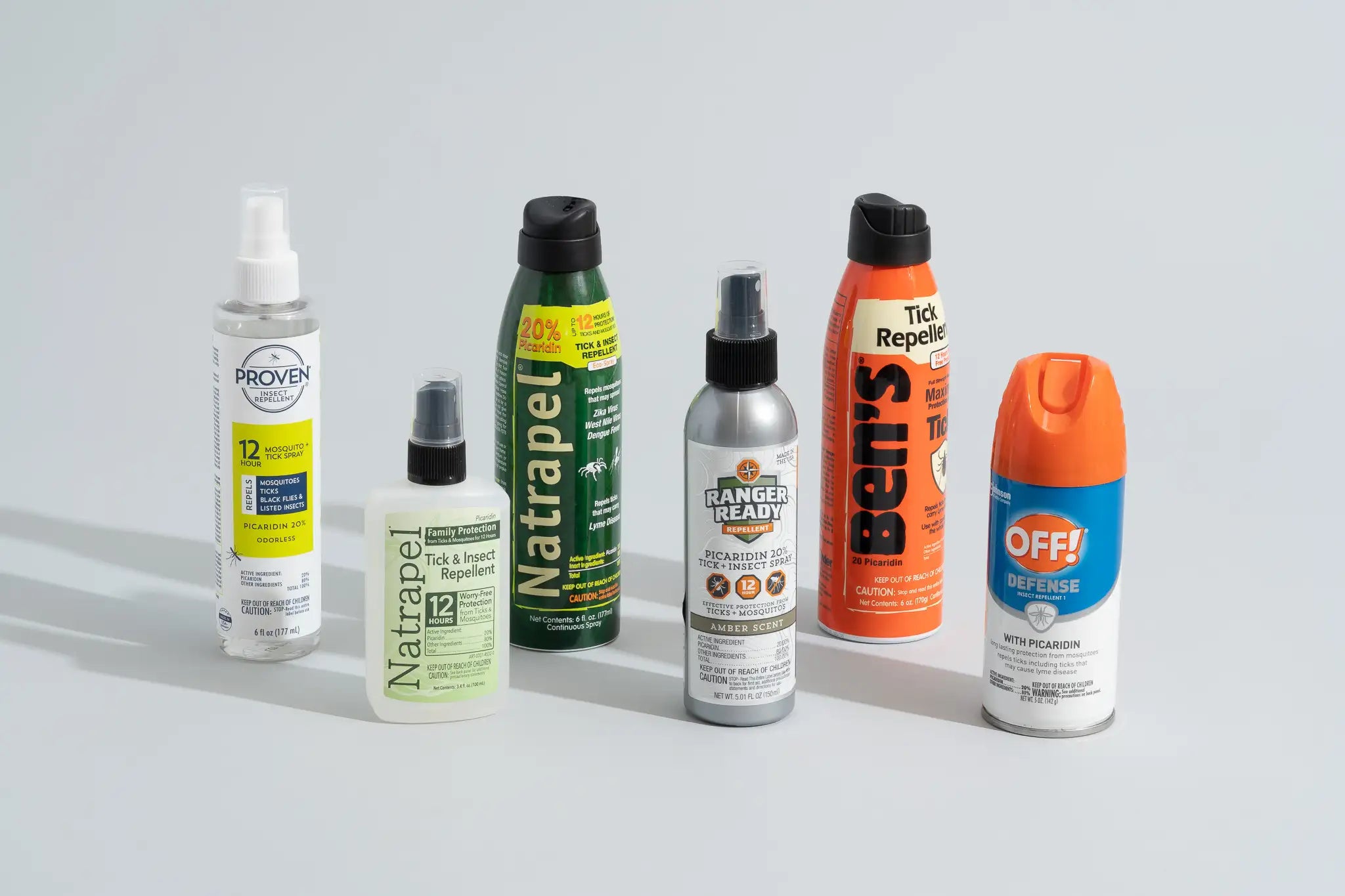
Most Picaridin products are available in concentrations of 10% or 20%, with 20% formulations generally providing the longest-lasting protection.
Picaridin vs. DEET: Head-to-Head Comparison
Before diving deeper, here's a quick overview of how these two leading repellents compare.
| Feature | Picaridin | DEET |
|---|---|---|
| Mosquito Protection | Excellent | Excellent |
| Tick Protection | Excellent | Excellent |
| Odor | Mild or nearly odorless | Distinct chemical smell |
| Skin Feel | Light, non-greasy | Can feel oily |
| Damage to Plastics and Gear | No | Can damage certain plastics and coatings |
| Duration of Protection | Up to 12 hours (20%) | Up to 12 hours (20-30%) |
| Safe for Synthetic Fabrics | Yes | May damage some materials |
| Popular Among Outdoor Athletes | Increasingly preferred | Long-standing standard |
| Years of Research | 25+ years | Over 70 years |
Both products work exceptionally well, but their differences become more noticeable during extended outdoor use.
Effectiveness Against Mosquitoes
When it comes to mosquito protection, both DEET and Picaridin consistently rank at the top of independent laboratory and field studies.
Research has shown that:
- 20% Picaridin can provide up to 12 hours of protection against mosquitoes.
- 20% to 30% DEET can offer a similar protection window.
- Increasing DEET concentration beyond 30% generally extends duration but does not significantly increase repellent strength.
For day hikes, family camping trips, fishing excursions, and backyard gatherings, most users will notice little difference in mosquito protection between the two.
In other words, if your only concern is avoiding mosquito bites, either option is a reliable choice.
Which Repellent Works Better Against Ticks?
Ticks present a unique challenge because they crawl rather than fly and often remain attached for long periods before biting.
Studies indicate that both Picaridin and DEET provide effective tick repellency when properly applied. However, many experienced hikers and backcountry travelers pair topical repellents with permethrin-treated clothing for maximum defense.
A common outdoor strategy includes:
- Applying 20% Picaridin or 20%–30% DEET to exposed skin.
- Wearing long sleeves and long pants.
- Treating clothing, socks, and backpacks with permethrin.
- Performing a thorough tick check after returning from the trail.
Neither Picaridin nor DEET completely replaces smart outdoor habits, but both significantly reduce the risk of tick attachment.
Comfort Matters: How They Feel on Your Skin
For many people, the biggest difference between Picaridin and DEET has nothing to do with effectiveness—it comes down to comfort.
DEET
Many DEET formulations have a noticeable chemical odor and may leave the skin feeling oily or sticky. While this isn't a major concern during rugged adventures, it can become annoying on multi-day trips or in hot, humid weather.
Some users also report that DEET leaves a residue on their hands or transfers onto gear.
Picaridin
Picaridin is often described as feeling similar to a light moisturizer. It dries quickly, leaves little residue, and has almost no scent. This makes it especially popular for:
- Trail runners
- Backpackers
- Cyclists
- Travelers
- Families with children
- Outdoor photographers handling expensive equipment
If you dislike the greasy feeling of traditional bug spray, Picaridin is likely to be the more pleasant option.
Will It Damage Your Outdoor Gear?
This is one category where Picaridin clearly stands out.
DEET has a well-documented tendency to damage or discolor certain synthetic materials. It may affect:
- Plastic sunglasses frames
- Watch crystals
- Camera bodies
- Smartphone cases
- Waterproof jacket coatings
- Backpack buckles
- Fishing gear
- Tent fabrics
- Synthetic furniture finishes
Anyone who has accidentally spilled DEET on a pair of sunglasses knows the frustration of seeing cloudy or melted surfaces.
Picaridin, on the other hand, is generally safe for plastics, rubber, synthetic fabrics, and outdoor equipment. This compatibility makes it particularly attractive for people who carry expensive electronics or technical gear into the wilderness.
For modern outdoor lifestyles, where GPS devices, action cameras, smartwatches, and lightweight synthetic fabrics are common, this advantage is difficult to ignore.
Which One Lasts Longer?
Duration depends largely on concentration rather than the active ingredient itself.
DEET Duration Guide
- 10% DEET: About 2–4 hours.
- 20% DEET: About 6–8 hours.
- 30% DEET: Up to 10–12 hours.
- Higher concentrations: Extended duration but often unnecessary for casual use.
Picaridin Duration Guide
- 10% Picaridin: Up to 6–8 hours.
- 20% Picaridin: Up to 12 hours.
For most outdoor activities, a single morning application of 20% Picaridin or 20%–30% DEET provides sufficient protection through much of the day.
If you're engaging in strenuous exercise, sweating heavily, or swimming, reapplication may be necessary regardless of the product you choose.
Safety Considerations
One of the most frequently asked questions is whether Picaridin is safer than DEET.
The good news is that both products have been extensively evaluated by health authorities and are considered safe when used according to label instructions.
DEET Safety
DEET has over 70 years of real-world use and an enormous body of scientific research supporting its effectiveness and safety. Reported adverse effects are rare and are usually associated with improper use, such as excessive application or accidental ingestion.
Basic guidelines include:
- Apply only to exposed skin or clothing.
- Avoid eyes and mouth.
- Wash treated skin after returning indoors.
- Do not apply under clothing unless instructed by the product label.
Picaridin Safety
Picaridin also has an excellent safety record. It is generally well tolerated, rarely causes skin irritation, and has low absorption through the skin.
Many users with sensitive skin find Picaridin more comfortable, although individual reactions vary.
Parents should always follow age recommendations and application instructions provided by the manufacturer, regardless of the active ingredient.
Picaridin vs. DEET for Kids and Families
Families often prioritize products that are effective, easy to apply, and comfortable for children to wear.
Picaridin's low odor and non-greasy feel make it a favorite among parents, particularly for children who dislike sticky sprays. Because it is less likely to damage plastics, it is also safer around toys, eyeglasses, and stroller components.
That said, pediatric experts generally agree that both DEET and Picaridin are appropriate choices for children when used correctly and according to product labeling.
Adults should apply the repellent to their own hands first and then spread it onto a child's skin, avoiding the eyes, mouth, and hands.
Which Is Better for Hiking and Backpacking?
Backpackers often prioritize lightweight gear, multifunctional products, and long-lasting performance.
Picaridin is increasingly becoming the preferred choice because:
- It won't damage technical fabrics.
- It won't harm trekking pole grips or backpack buckles.
- It has little scent.
- It feels better during long days on the trail.
- It protects against both mosquitoes and ticks.
However, many veteran hikers still trust DEET because of its decades-long track record, especially during expeditions into regions with severe insect pressure.
For multi-day backcountry travel, either repellent paired with permethrin-treated clothing creates a highly effective defense system.
What About Camping and Fishing?
Campgrounds, wetlands, rivers, and lakes are prime mosquito habitats. Anglers and campers often remain stationary for long periods, making them easy targets for biting insects.
Picaridin offers a practical advantage here because it won't accidentally damage:
- Fishing line coatings
- Tackle box plastics
- Boat electronics
- Binoculars
- Headlamp lenses
Meanwhile, DEET remains a dependable option for people who prioritize maximum familiarity and proven reliability.
If your camping setup includes expensive optics or electronics, Picaridin may reduce the risk of accidental equipment damage.
Travel and International Adventures
Travelers visiting tropical destinations frequently ask whether they should pack Picaridin or DEET.
The answer depends on personal preference, but many travel medicine specialists recommend carrying either:
- 20% Picaridin, or
- 20%–30% DEET.
In areas where mosquito-borne diseases are a concern, consistent use is far more important than the specific ingredient chosen. The best repellent is the one you are comfortable applying regularly.
A lightweight travel insect protection kit should include:
- Insect repellent.
- Long-sleeved clothing.
- Permethrin-treated travel garments.
- A mosquito net when appropriate.
- After-bite itch relief cream.
Common Myths About Picaridin and DEET
Myth 1: DEET Is Toxic and Unsafe
This misconception likely stems from DEET's chemical smell and long history. In reality, extensive research has shown that DEET is safe when used properly.
Myth 2: Natural Repellents Work Just as Well
Essential oils like citronella, eucalyptus, or lavender may provide brief relief, but they generally do not offer the long-lasting protection of Picaridin or DEET, especially in areas with high insect activity.
Myth 3: Higher DEET Percentages Mean Better Protection
Higher concentrations primarily increase duration, not repellent power. A 100% DEET product does not repel mosquitoes better than a 30% formula; it simply lasts longer.
Myth 4: Picaridin Is New and Untested
Although it entered the U.S. market later than DEET, Picaridin has been studied extensively and used internationally for decades.
How to Apply Insect Repellent Correctly
Even the best bug spray won't work well if applied incorrectly.
Follow these simple steps:
- Apply sunscreen first, if needed.
- Spray or spread insect repellent evenly on exposed skin.
- Apply lightly to clothing if permitted by the label.
- Avoid spraying directly onto the face. Instead, spray your hands and gently apply.
- Reapply according to the manufacturer's recommendations.
- Wash skin after the outdoor activity is finished.
Remember that insect repellent is only one part of a complete bug defense strategy. Wearing long sleeves, avoiding stagnant water during peak mosquito hours, and using treated clothing all contribute to better protection.
The Verdict: Which Is the Better Choice for Modern Outdoor Enthusiasts?
So, who wins the battle between Picaridin and DEET?
The truth is that both are outstanding insect repellents capable of protecting you from mosquitoes, ticks, and other biting insects. The better option depends on your priorities.
Choose Picaridin If:
- You dislike greasy or sticky products.
- You want little to no chemical odor.
- You carry expensive outdoor gear or electronics.
- You wear technical synthetic fabrics.
- You prefer a more comfortable everyday experience.
Choose DEET If:
- You trust decades of proven field use.
- You want a product with the longest historical track record.
- You need reliable protection in areas with intense insect activity.
- You don't mind the smell or texture.
For many modern hikers, campers, travelers, and outdoor athletes, Picaridin represents the evolution of insect protection: highly effective, gear-friendly, comfortable, and easy to use. That's why it has become one of the fastest-growing choices in the outdoor community.
However, DEET remains a legendary performer that continues to earn its place in backpacks and first-aid kits around the world.
Final Thoughts
Choosing between Picaridin and DEET isn't about finding a universally "perfect" insect repellent. It's about matching the product to your style of adventure.
If you value comfort, compatibility with modern outdoor equipment, and a nearly invisible feel on the skin, Picaridin is hard to beat. If you prefer the confidence that comes with over half a century of widespread use and scientific validation, DEET remains an exceptional option.
Ultimately, the best insect repellent is the one you actually use consistently. Whether you're exploring rugged mountain trails, paddling through quiet wetlands, setting up camp under the stars, or embarking on an overseas adventure, reliable bug protection allows you to focus less on swatting mosquitoes and more on enjoying the outdoors.
Because the best memories are made outside—not scratching bug bites afterward.