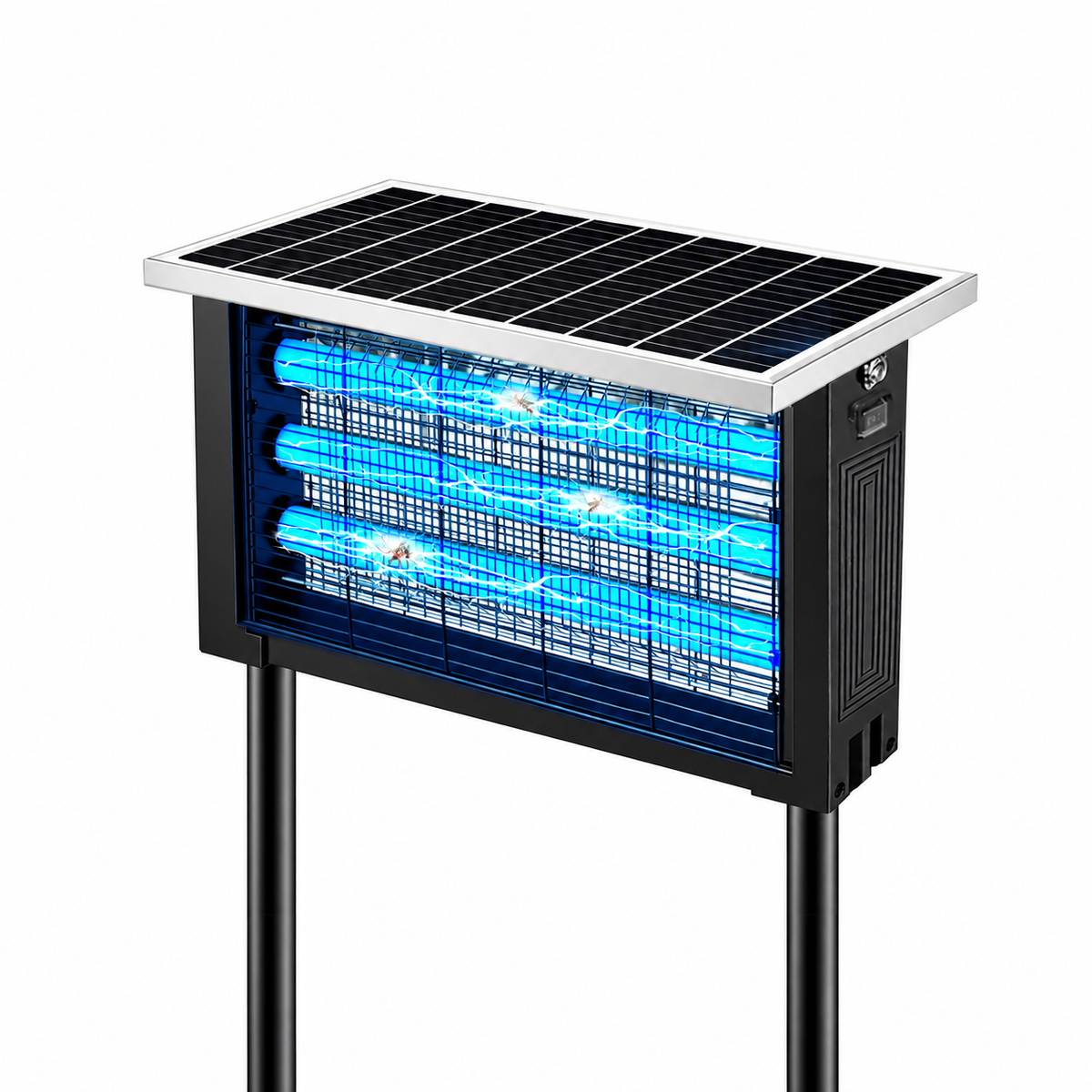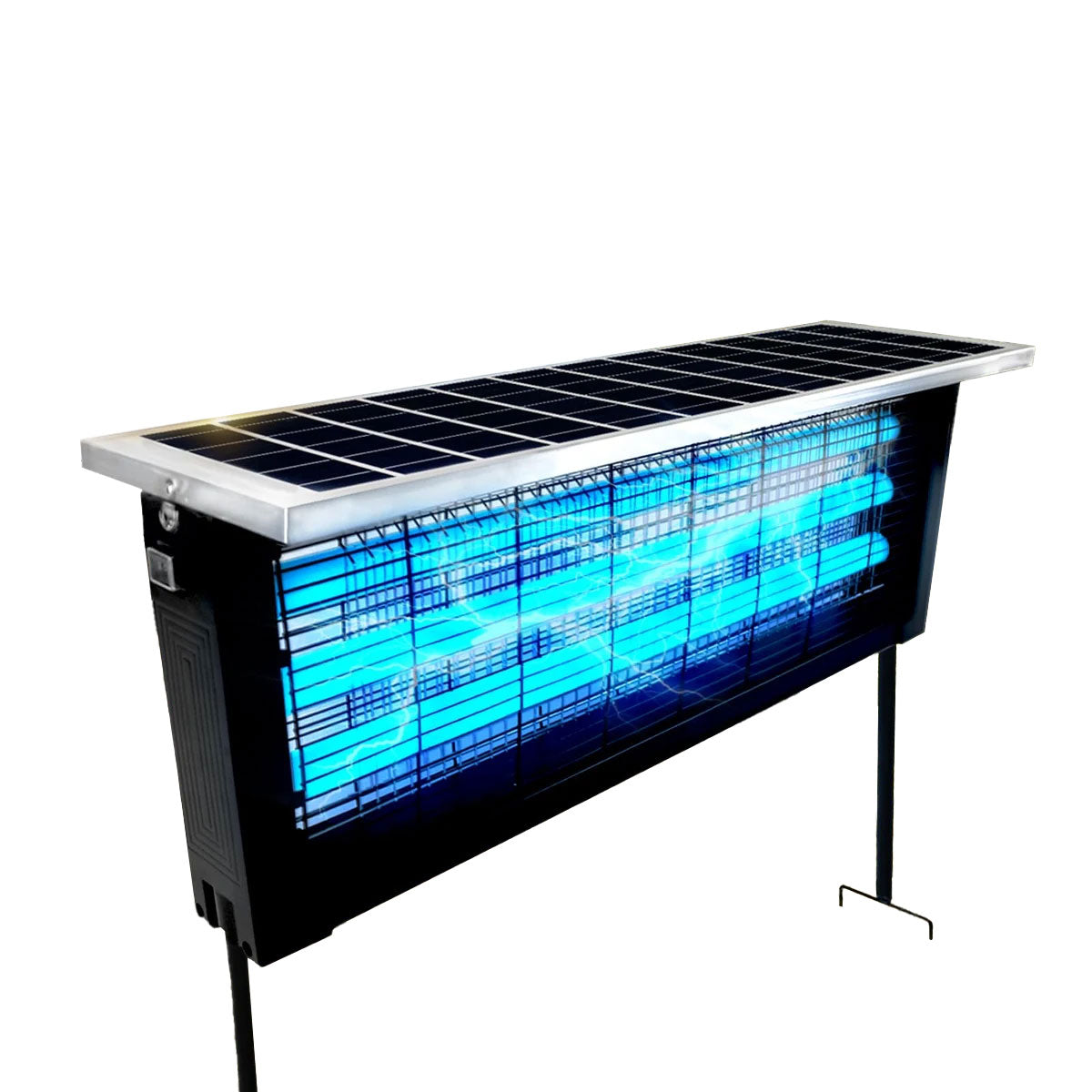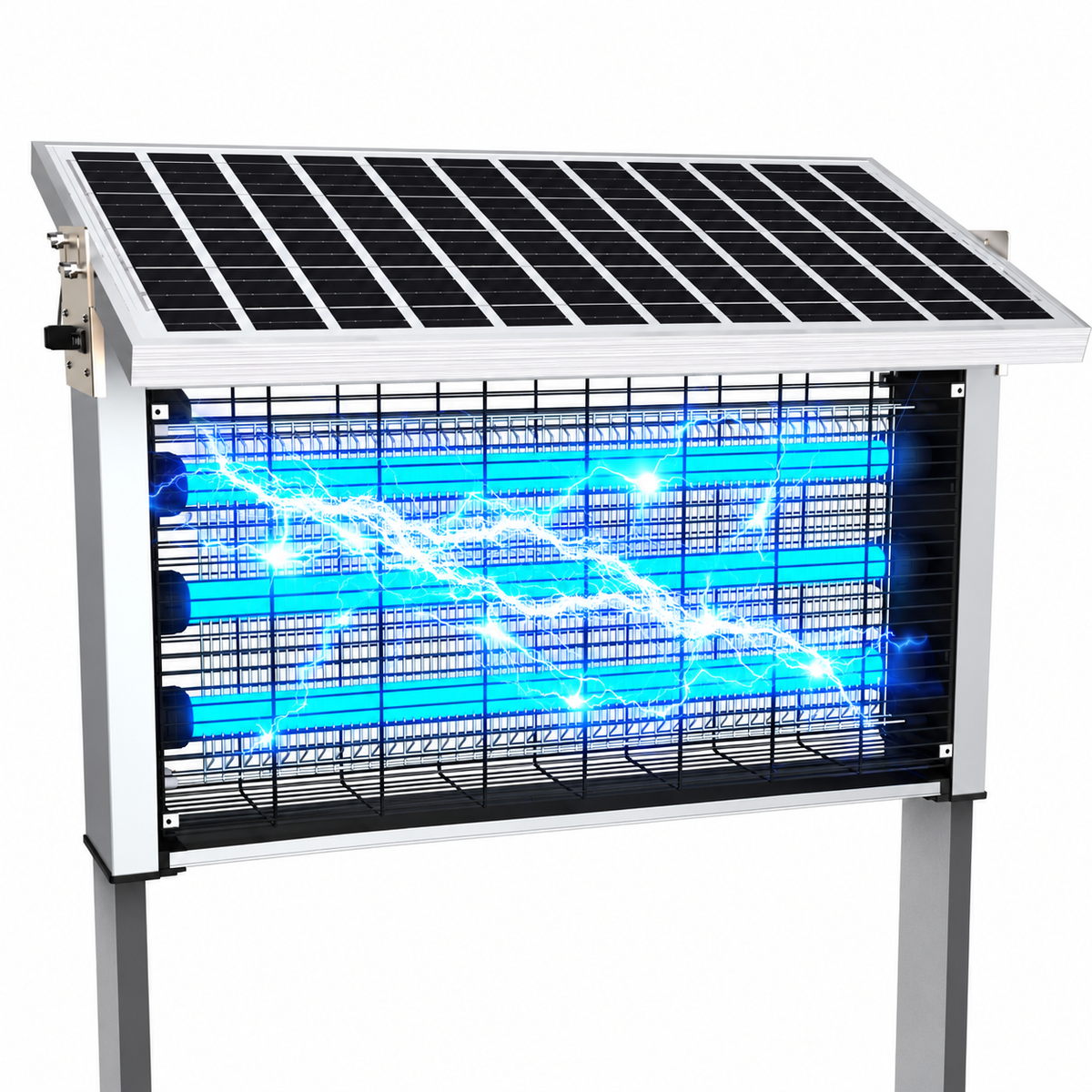

Outdoor living spaces have become an essential extension of modern homes. Patios, decks, balconies, and backyard seating areas allow people to relax, dine, and entertain outdoors — until mosquitoes arrive. Among the many solutions available today, outdoor fan mosquito repellers have gained popularity for their quiet operation, chemical-free protection, and energy efficiency.
Unlike sprays or candles that require constant replacement, fan-based mosquito repellers rely on airflow and circulation to disrupt mosquito flight patterns or pull insects into trapping systems. At the center of this process lies one critical component: the motor.
When the motor performs well, the device works effortlessly. When the motor weakens, airflow drops, noise increases, and mosquito control becomes ineffective.
Many users replace outdoor repellers prematurely, assuming the entire device has failed, when in reality the issue is simple — insufficient motor maintenance.
This guide explains how outdoor fan mosquito repellers work, why motor care matters most, and how proper maintenance can dramatically extend device lifespan while preserving performance season after season.
Understanding How Outdoor Fan Mosquito Repellers Work
Before discussing maintenance, it helps to understand the basic operating principle.
Outdoor fan mosquito repellers typically function using one or more of the following mechanisms:
- Airflow disruption – mosquitoes struggle to fly in consistent moving air.
- Suction trapping – insects are pulled into a collection chamber.
- Scent dispersion – airflow spreads repellents evenly.
- CO₂ or light attraction combined with airflow capture.
In every design, airflow consistency determines effectiveness.
And airflow depends entirely on the motor.
Why the Motor Is the Most Important Component
The motor converts electrical energy into rotational motion, spinning fan blades that create controlled airflow.
A healthy motor provides:
- Stable air velocity
- Quiet operation
- Efficient energy consumption
- Long operational hours
A neglected motor leads to:
- Weak airflow
- Increased noise
- Overheating
- Sudden shutdown
- Reduced mosquito protection
Most performance problems begin gradually and are preventable with routine care.
Outdoor Conditions: The Hidden Challenge
Indoor appliances operate in relatively stable environments. Outdoor devices face constant environmental stress.
Outdoor fan mosquito repellers encounter:
- Dust and pollen
- Humidity
- Temperature swings
- Insects and debris
- Rain splashes
- UV exposure
These factors slowly degrade motor components unless maintained properly.
Anatomy of a Fan Motor
Understanding parts helps you maintain them effectively.
Typical small outdoor fan motors include:
- Rotor (spinning element)
- Stator (electromagnetic core)
- Bearings or bushings
- Shaft
- Cooling vents
- Power circuit
Each part must remain clean and properly lubricated for smooth rotation.
Signs Your Motor Needs Maintenance
Many devices show warning signs long before failure.
Watch for these symptoms:
Reduced Airflow
If mosquitoes begin appearing again despite operation, airflow may have weakened.
Unusual Noise
Grinding, buzzing, or rattling often indicates bearing wear or debris buildup.
Slow Startup
A fan that hesitates before spinning suggests friction or voltage stress.
Overheating
Warm housing or automatic shutdown signals internal resistance.
Intermittent Operation
Stopping and restarting can indicate motor strain.
Addressing these early prevents costly repairs.
Core Principle: Clean Motor Equals Strong Airflow
The most important rule of maintenance is simple:
Airflow devices must stay clean to stay efficient.
Dust accumulation increases drag on fan blades and blocks cooling vents, forcing the motor to work harder.
Over time, this accelerates wear.
Monthly Maintenance Routine (5 Minutes)
A short routine once a month dramatically improves longevity.
Step 1: Disconnect Power
Always unplug or remove batteries before maintenance.
Safety comes first.
Step 2: Inspect Air Intake and Exhaust
Check vents for:
- Dust buildup
- Spider webs
- Leaves or pollen
- Dead insects
Use a soft brush or compressed air to remove debris.
Step 3: Clean Fan Blades
Dirty blades reduce airflow efficiency.
Wipe gently using:
- Dry microfiber cloth
- Slightly damp cloth if permitted
Avoid soaking components.
Step 4: Spin Test
Rotate blades manually.
They should spin freely without resistance or scraping sounds.
If movement feels stiff, lubrication may be needed.
Motor Lubrication: The Most Overlooked Step
Bearings allow smooth rotation. Over time, lubrication dries out due to heat and outdoor conditions.
Dry bearings create friction, forcing the motor to consume more power.
When to Lubricate
- Every 3–6 months during active seasons
- After storage periods
- When noise increases
How to Lubricate Properly
- Access motor shaft opening.
- Apply one small drop of electric motor oil.
- Rotate fan manually several times.
- Wipe excess oil.
Important: more oil is not better.
Excess lubricant attracts dust.
Oils to Use
Recommended:
- Sewing machine oil
- Electric motor oil
Avoid:
- Cooking oil
- Grease
- Heavy lubricants
These damage motor efficiency.
Protecting the Motor from Moisture
Moisture is one of the leading causes of outdoor motor failure.
Water leads to corrosion, electrical shorts, and bearing rust.
Prevention Tips
- Place device under covered areas.
- Avoid direct rain exposure.
- Elevate from ground surfaces.
- Store indoors during storms.
Even water-resistant devices benefit from extra protection.
Seasonal Deep Cleaning Guide
At least twice per year, perform a deeper inspection.
Disassembly Basics
Most units allow removal of:
- Front grille
- Fan blade assembly
- Collection chamber
Follow manufacturer instructions carefully.
Cleaning Procedure
- Remove loose debris.
- Use compressed air on motor vents.
- Clean blade edges thoroughly.
- Inspect wiring connections.
Never spray water directly onto motor housing.
Electrical Care and Power Stability
Motors depend on stable voltage.
Common problems include:
- Weak adapters
- Long extension cords
- Low battery output
Insufficient voltage causes overheating and slow rotation.
Best Practices
- Use original adapters.
- Avoid overloaded outlets.
- Replace aging batteries promptly.
Stable power reduces motor stress.
Storage Maintenance: Off-Season Care
Many outdoor devices fail after winter storage due to neglect.
Before storing:
- Clean thoroughly.
- Dry completely.
- Lubricate motor lightly.
- Store in cool, dry location.
- Cover with breathable fabric.
Avoid sealed plastic bags that trap moisture.
Extending Motor Lifespan Through Placement
Where you place your mosquito repeller affects maintenance needs.
Ideal Placement
- Elevated surfaces
- Covered patios
- Open airflow zones
Avoid
- Ground-level dust areas
- Near sprinklers
- Direct sunlight all day
- Tight corners restricting airflow
Proper placement reduces contamination and heat buildup.
Noise Troubleshooting Guide
Different sounds indicate different issues.
| Noise Type | Likely Cause |
|---|---|
| Grinding | Dry bearings |
| Clicking | Debris contact |
| Buzzing | Electrical issue |
| Rattling | Loose blade |
Identifying sound type speeds diagnosis.
Motor Cooling: Why Ventilation Matters
Motors generate heat during operation.
Blocked vents trap heat, accelerating insulation breakdown.
Ensure:
- At least several inches of clearance around vents.
- No fabric or décor obstructs airflow.
Cooling efficiency directly affects lifespan.
Common Maintenance Mistakes
Using Water Pressure Cleaning
Water forced into motor housing causes corrosion.
Ignoring Small Noises
Minor friction becomes major damage over time.
Over-Lubricating
Too much oil attracts dust and slows rotation.
Running Continuously Without Breaks
Periodic rest allows cooling and reduces wear.
Battery-Powered vs Plug-In Motor Care
Battery Units
- Monitor battery health.
- Recharge before full depletion.
- Replace aging batteries annually.
Plug-In Units
- Inspect cables regularly.
- Avoid outdoor-rated extension cord misuse.
Both require clean airflow for optimal performance.
Environmental Factors Affecting Motor Health
Dusty Regions
Require more frequent cleaning.
Coastal Areas
Salt air accelerates corrosion — wipe surfaces regularly.
Humid Climates
Increase lubrication frequency.
When to Replace the Motor
Replacement may be necessary if:
- Burning smell persists.
- Motor no longer spins freely.
- Electrical damage is visible.
- Repair cost exceeds replacement value.
Fortunately, small DC motors are inexpensive and widely available.
Maintenance Schedule Summary
| Task | Frequency |
|---|---|
| Surface cleaning | Weekly |
| Blade cleaning | Monthly |
| Lubrication | Every 3–6 months |
| Deep cleaning | Twice yearly |
| Storage prep | End of season |
Consistency matters more than complexity.
Benefits of Proper Motor Maintenance
Routine care delivers noticeable advantages:
- Stronger mosquito protection
- Quieter operation
- Lower energy consumption
- Longer device lifespan
- Reduced replacement costs
Most importantly, your outdoor comfort remains uninterrupted.
The Psychology of Preventive Maintenance
People often repair devices only after failure. However, motors degrade gradually, not suddenly.
Small maintenance habits prevent frustration during peak mosquito season — when you need protection most.
Think of motor care as seasonal preparation, similar to cleaning grills or maintaining patio furniture.
Future Trends in Outdoor Mosquito Repellers
New designs increasingly focus on motor efficiency, including:
- Brushless motors
- Energy-saving airflow systems
- Weather-resistant coatings
- Smart airflow control
Even advanced motors still require cleaning and lubrication to perform optimally.
Final Thoughts
Outdoor fan mosquito repellers offer an effective and comfortable way to enjoy fresh air without relying heavily on chemicals. Yet their performance depends almost entirely on one component: the motor.
A clean, lubricated, and well-protected motor ensures consistent airflow — the foundation of effective mosquito control.
Instead of replacing your device when performance declines, a few minutes of regular maintenance can restore efficiency and extend lifespan dramatically.
By understanding how environmental exposure affects motors and adopting simple care routines, you transform your mosquito repeller from a seasonal gadget into a reliable long-term outdoor companion.
Take care of the motor, and the motor will take care of your outdoor comfort — quietly, efficiently, and night after night.