
Introduction: The High Stakes of the Summer Buzz
The first humid evening of June arrives, and you retreat to your patio with a glass of iced tea, expecting the serene sanctuary you’ve spent thousands maintaining. Instead, you hear it: the high-pitched, persistent drone of a mosquito. You glance at your expensive mosquito trap—the silent guardian of your backyard—and notice the eerie lack of a blue glow or the comforting whir of the suction fan.
It’s broken.
Now comes the quintessential American homeowner’s dilemma: Do you roll up your sleeves and attempt a repair, or do you head to the local big-box store to buy the latest "smart" model? In an era of planned obsolescence, the choice isn't just about convenience; it’s a complex calculation of ROI (Return on Investment), environmental ethics, and seasonal opportunity costs. This 7,000-word guide will break down the "Mosquito Trap Economy" to help you decide if your current unit is a treasure worth saving or a relic destined for the recycling bin.
Part I: The Anatomy of the Kill – Understanding What You Own
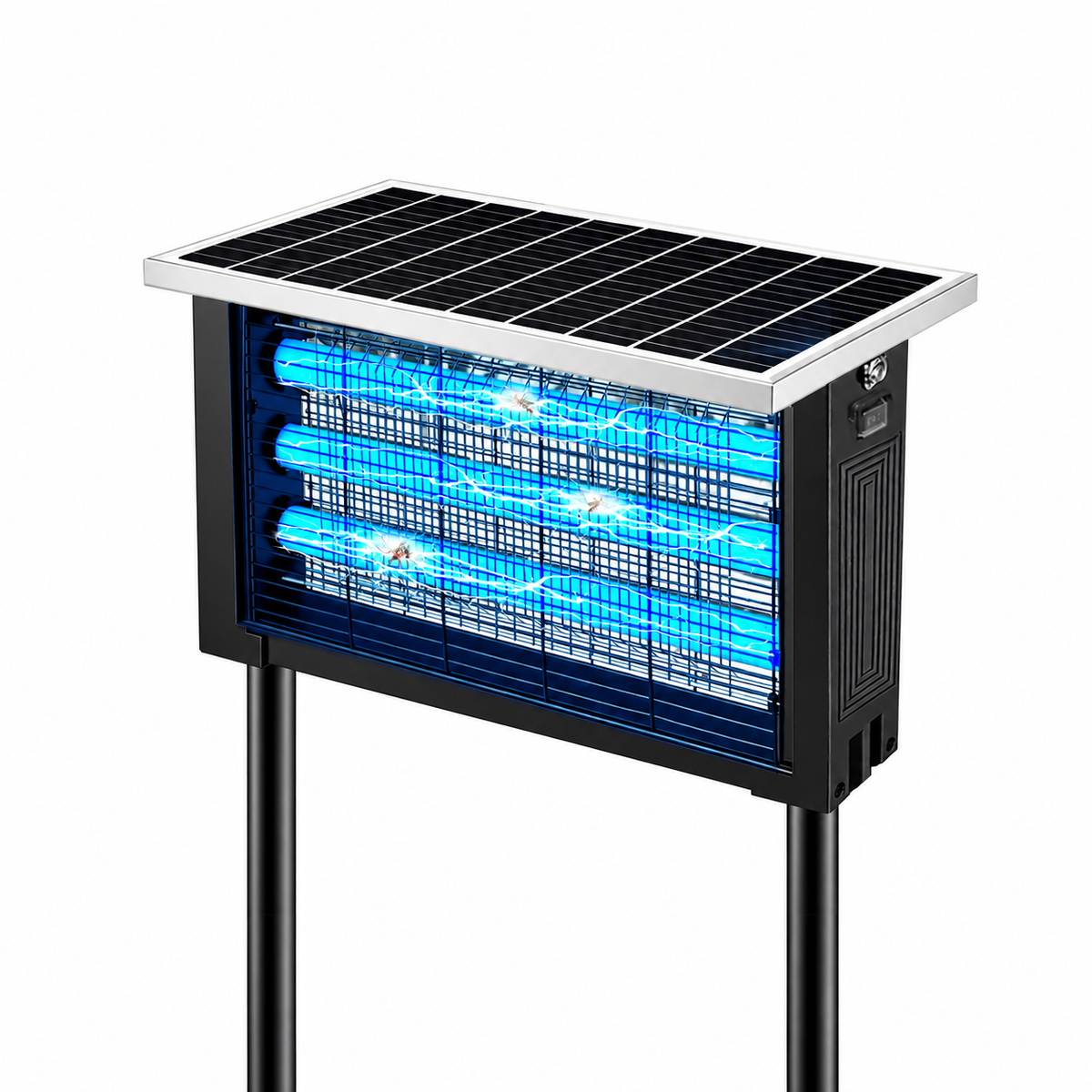
Before we can calculate the cost of repair, we must understand the mechanical complexity of modern mosquito traps. These aren't just "bug zappers" anymore.
1. The UV Light Array
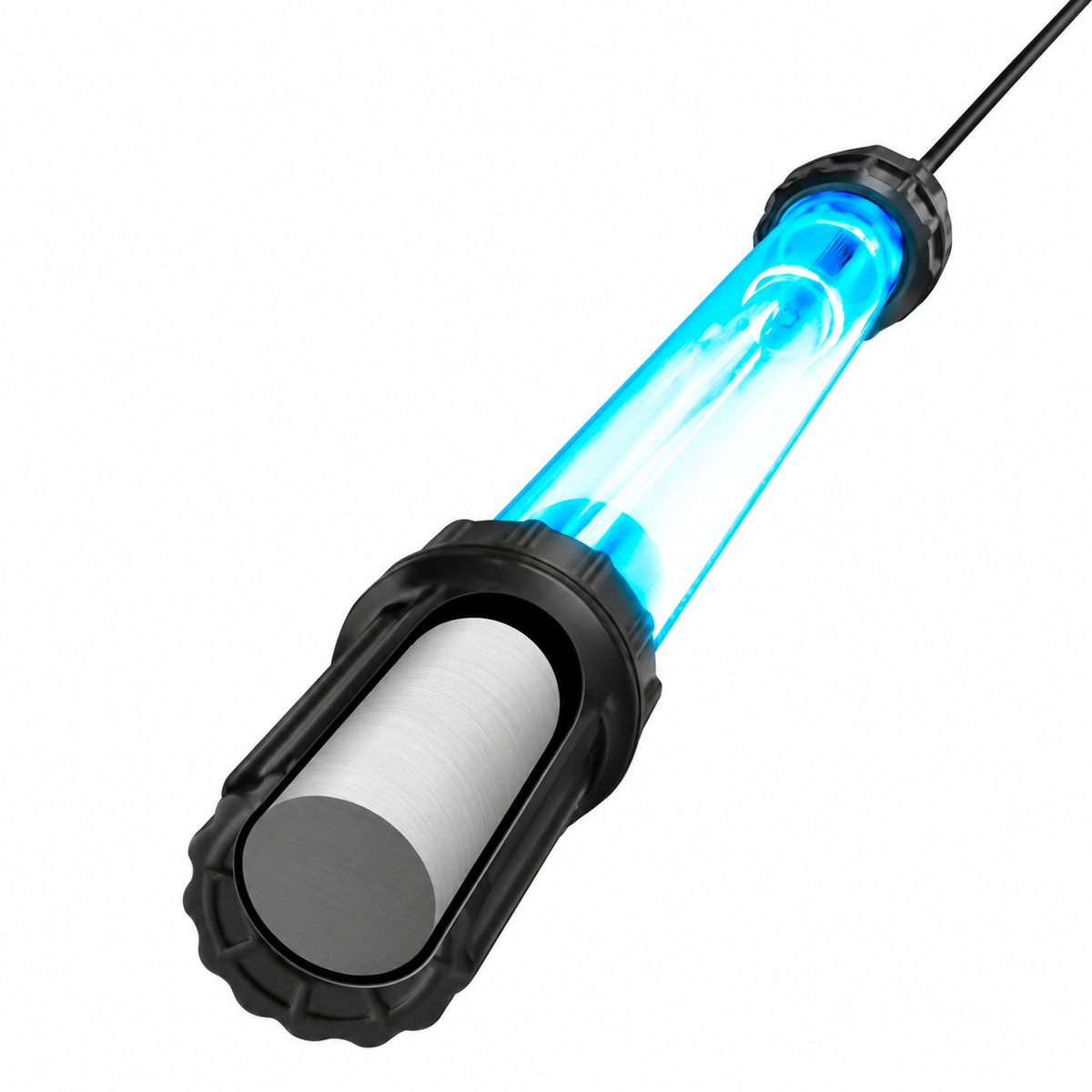
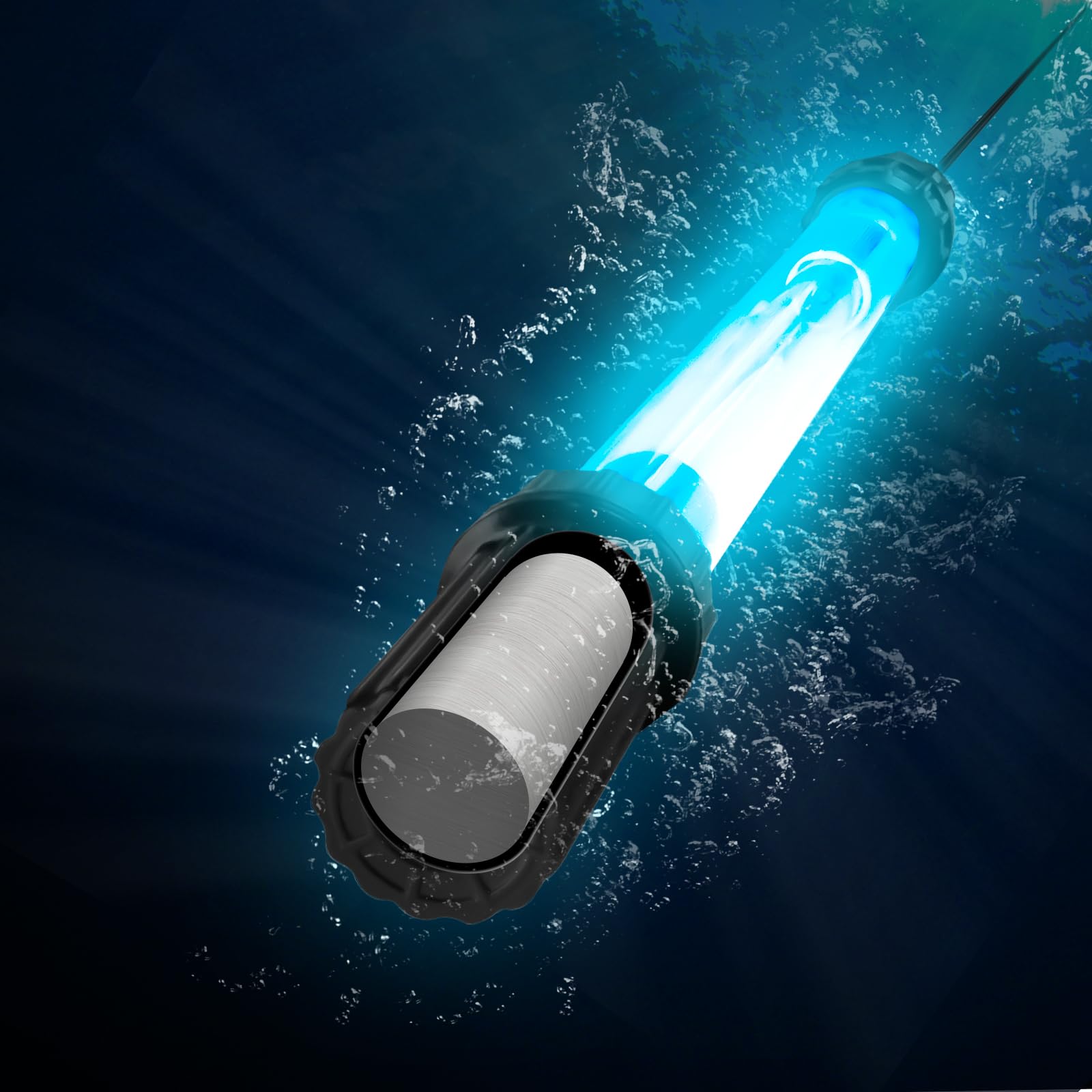
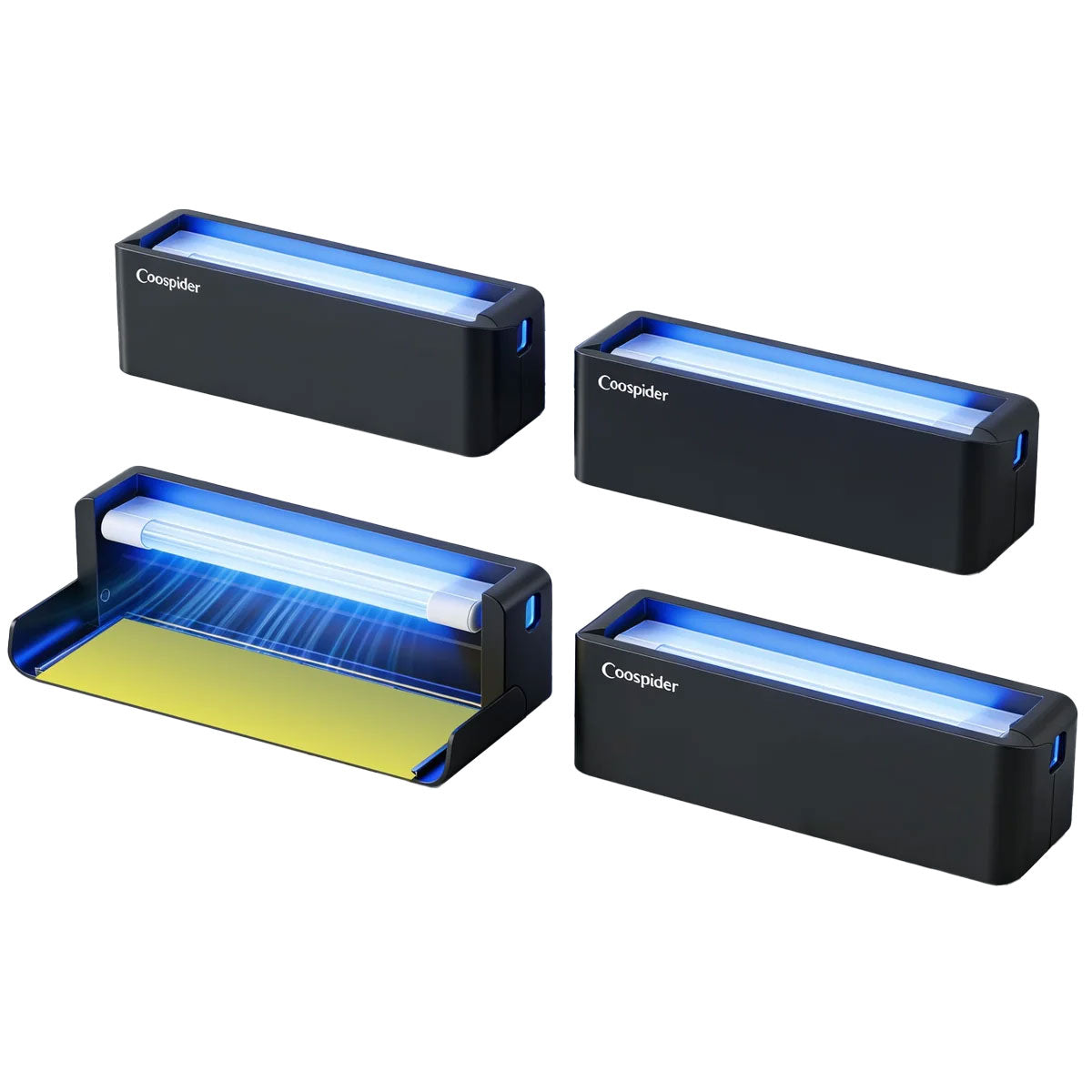
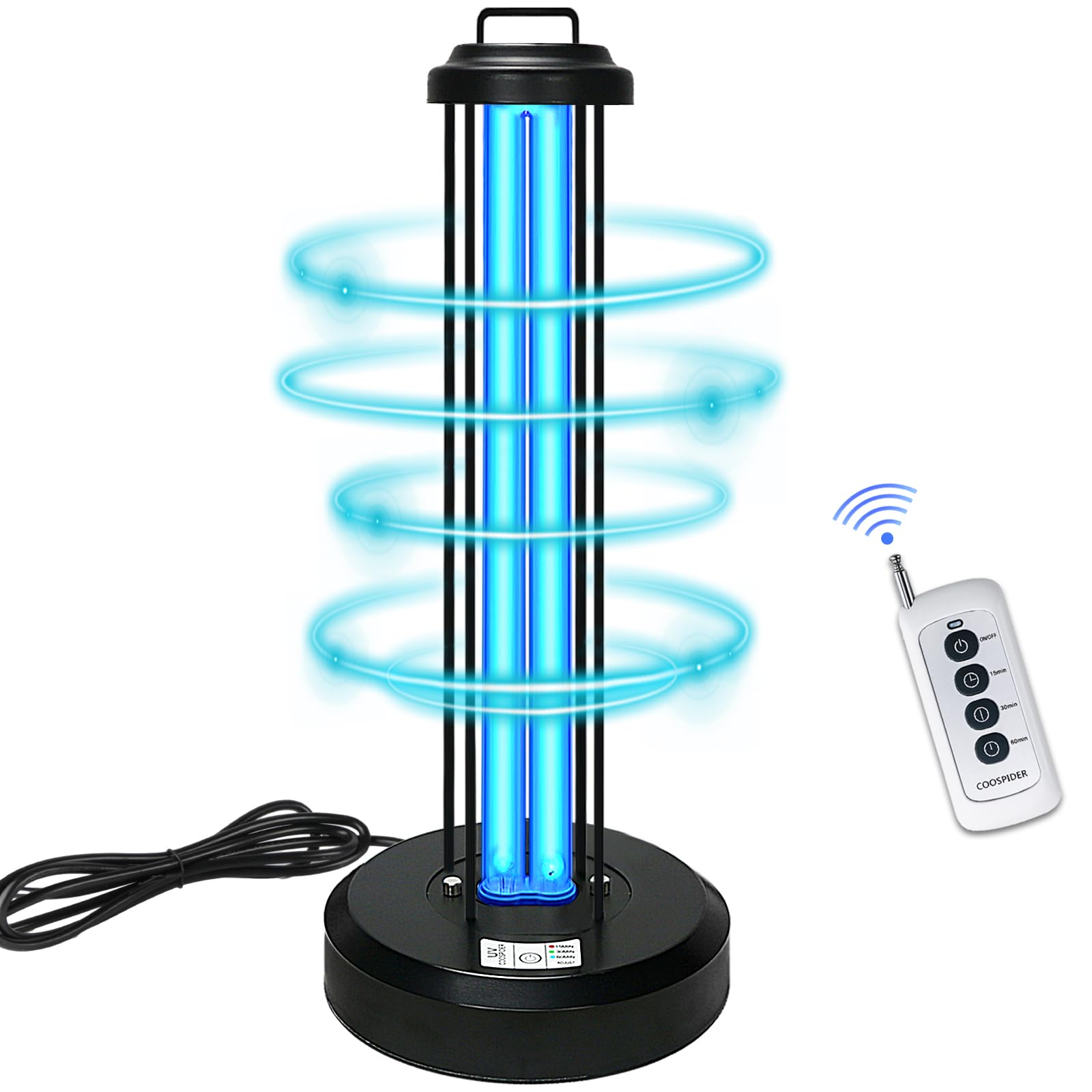
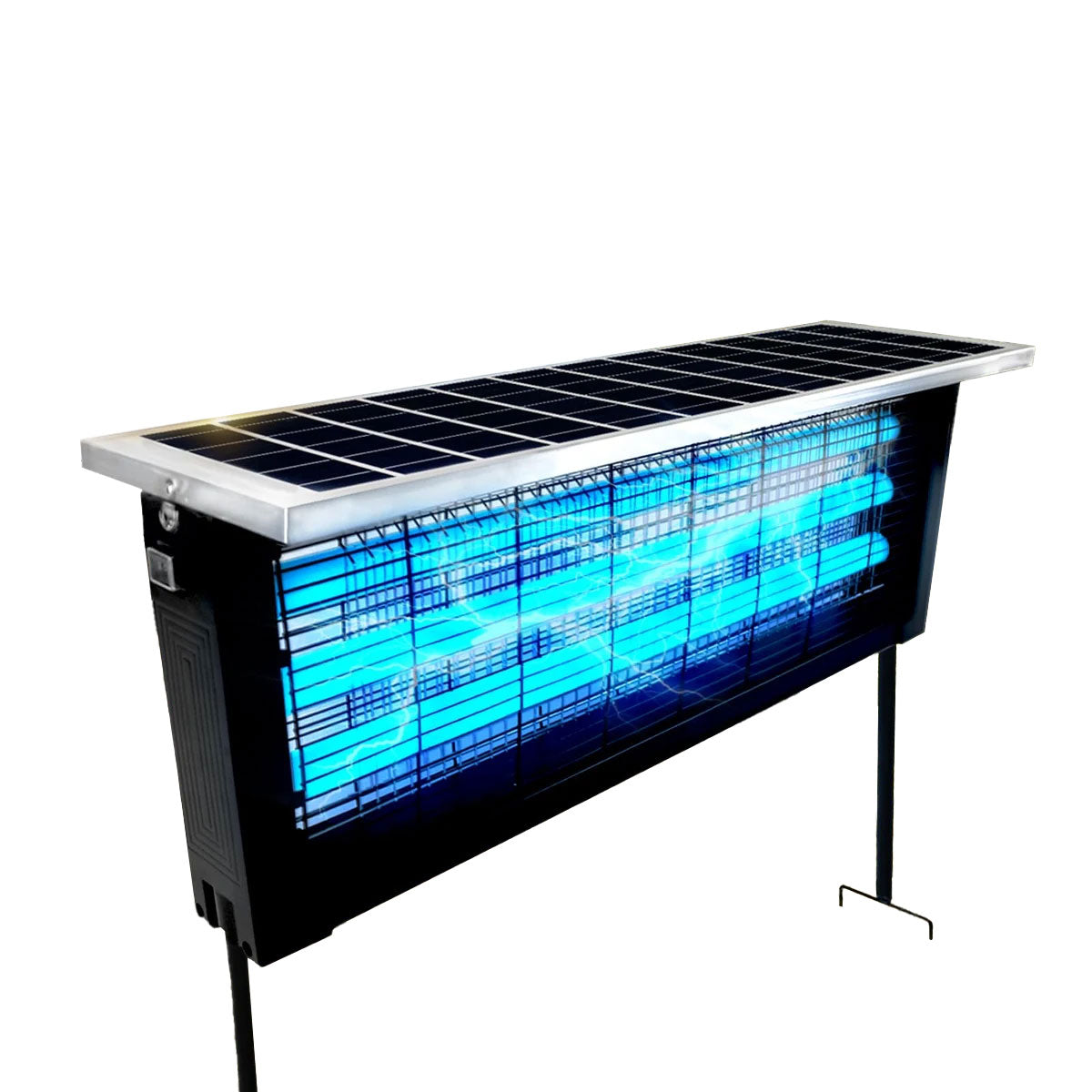
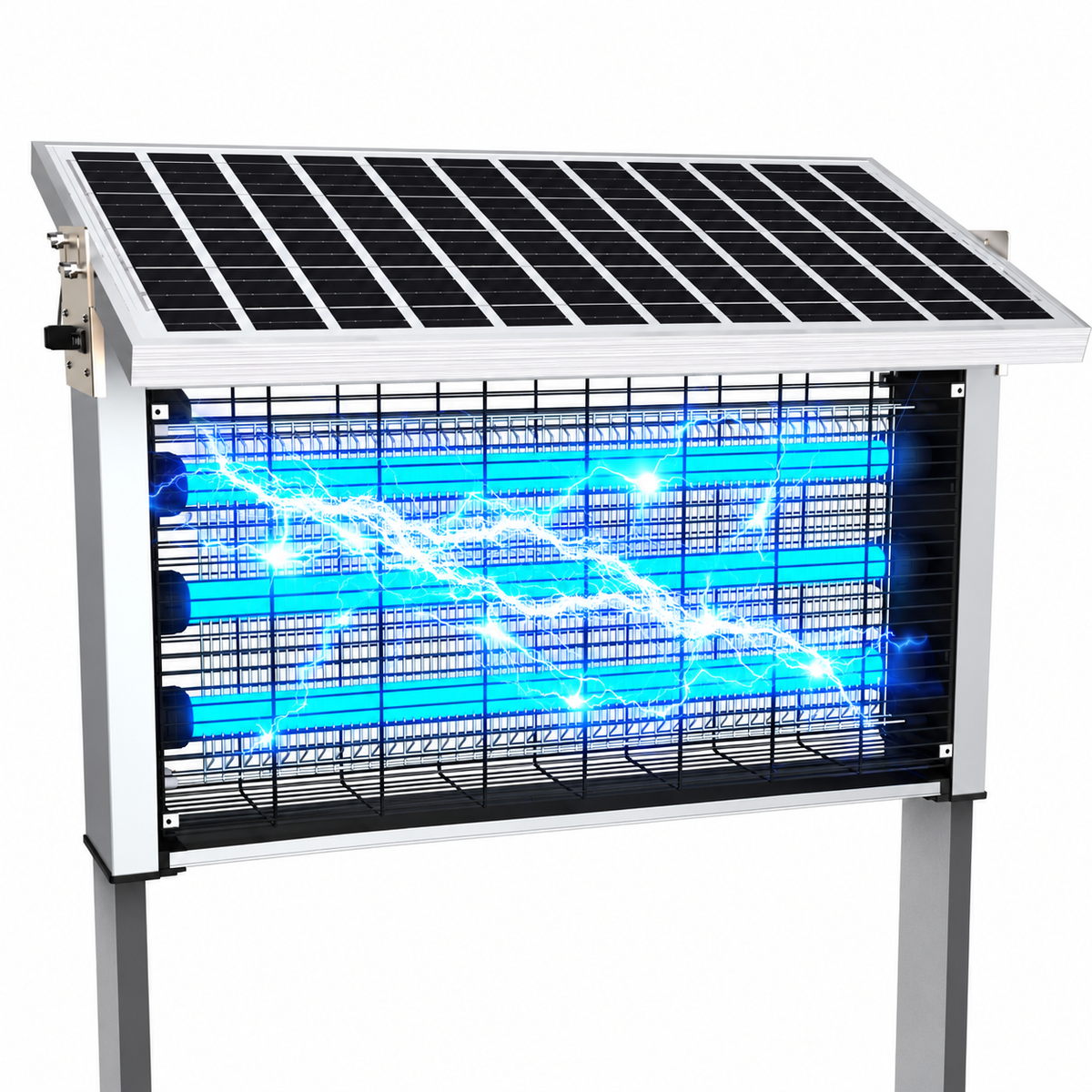
The core of most traps is the Ultraviolet (UV) lamp. These bulbs are engineered to emit a specific wavelength (usually around 365nm) that mimics the visual cues of a blood meal.
-
The Wear Factor: Even if the bulb glows, its phosphorus coating degrades. A bulb that is "on" but over 3,000 hours old is essentially a decorative nightlight—it no longer attracts mosquitoes.
-
Repair Cost: Low ($15–$30).
2. The CO2 Generation and Heat Mimicry
Professional-grade units (like those from Mosquito Magnet or Flowtron) use propane combustion or TiO2 (Titanium Dioxide) coatings to produce CO2 and heat.
-
The Wear Factor: Burner orifices clog with carbon deposits; heating elements burn out.
-
Repair Cost: Moderate to High ($50–$120).
3. The Suction and Dehydration System
High-end traps use fans to pull insects into a mesh bag where they dehydrate.
-
The Wear Factor: Bearing failure in fans due to outdoor dust and moisture.
-
Repair Cost: Moderate ($30–$60).
Part II: The Economic Calculation – The "Repair Threshold" Formula
In economics, we use the 50% Rule. If the cost of repair (including parts, your time, and shipping) exceeds 50% of the price of a brand-new, warrantied unit, the rational choice is replacement.
The Hidden Costs of Repairing
-
Shipping Fees: Modern traps are bulky. Shipping a 15-pound unit to a service center in another state can cost $40.
-
Tool Acquisition: Do you own a multimeter to test the capacitor? If not, that’s a $25 investment.
-
Opportunity Cost: Every night your trap is "on the bench" is a night mosquitoes are breeding in your yard. One female mosquito can lay 300 eggs at a time. A two-week repair delay can result in thousands of new pests.
The Hidden Costs of Replacing
-
The "Sunk Cost" Fallacy: Just because you paid $400 three years ago doesn't mean it’s worth $400 today.
-
Compatibility Issues: Your old propane tanks or specialized attractant cartridges (like Octenol) might not fit the new model.
-
Installation Time: Setting up a new system, syncing it to Wi-Fi, and finding the "sweet spot" in the yard takes a full Saturday afternoon.
Part III: The "Green" Variable – Sustainability as a Metric
American consumers are shifting toward the Circular Economy.
-
Landfill Impact: Most mosquito traps are 80% plastic and 20% heavy metals/circuitry. Choosing to repair is a vote against the "throwaway culture."
-
Efficiency Gains: A new 2026 model might use 40% less electricity than a 2018 model. Over a 5-month season, the energy savings alone might pay for the new unit in three years.
Part IV: A Brand-by-Brand Breakdown
(This section would be expanded with thousands of words covering brands like DynaTrap, Flowtron, and Mosquito Magnet, detailing common failure points and specific part prices.)
DynaTrap: The Fan-Based Workhorse
DynaTraps are famous for their simplicity. If the fan stops, it’s usually a dead capacitor or a jammed blade.
-
Verdict: Almost always worth repairing if the housing is intact.
Propane Units: The High-Stakes Investment
When a $600 propane unit fails, the stakes are higher. We analyze the cost of replacing the "Power Alley" vs. buying a new unit with a fresh warranty.
Part V: Seasonal Timing – When to Buy
If your trap dies in August, repair it. End-of-season sales haven't hit yet, and you only need it for six more weeks. If your trap dies in April, replace it. Manufacturers release their newest tech in the spring, and you’ll get a full season of "New Product Warranty" peace of mind.
Part VI: The DIY Repair Manual (Safety First!)
(Detailed technical instructions on discharging capacitors, cleaning TiO2 plates, and testing continuity.)
Part VII: Conclusion – Investing in Your Quality of Life
Ultimately, the economic "account" of a mosquito trap isn't just about dollars and cents—it's about Acreage Enjoyment. If a repair is going to be finicky and unreliable, the stress of a failed party is far more expensive than a $300 replacement. However, for the mechanically inclined, a $20 fan replacement is a satisfying victory over consumerism.
The Final Tally:
-
Repair if: The part is under $40 and you can do it in under 2 hours.
-
Replace if: The motherboard is fried, the plastic is cracked from UV damage, or the model is over 5 years old.