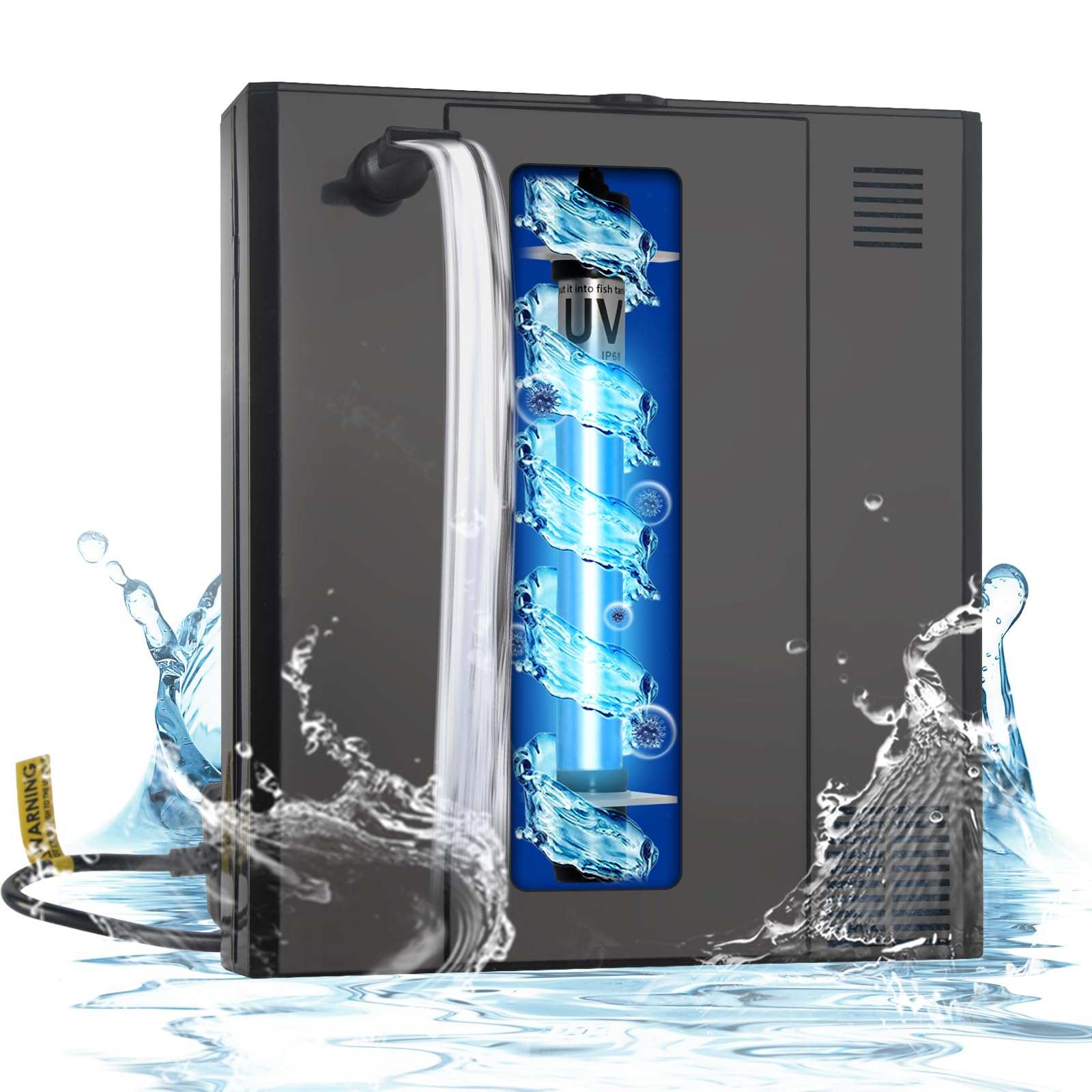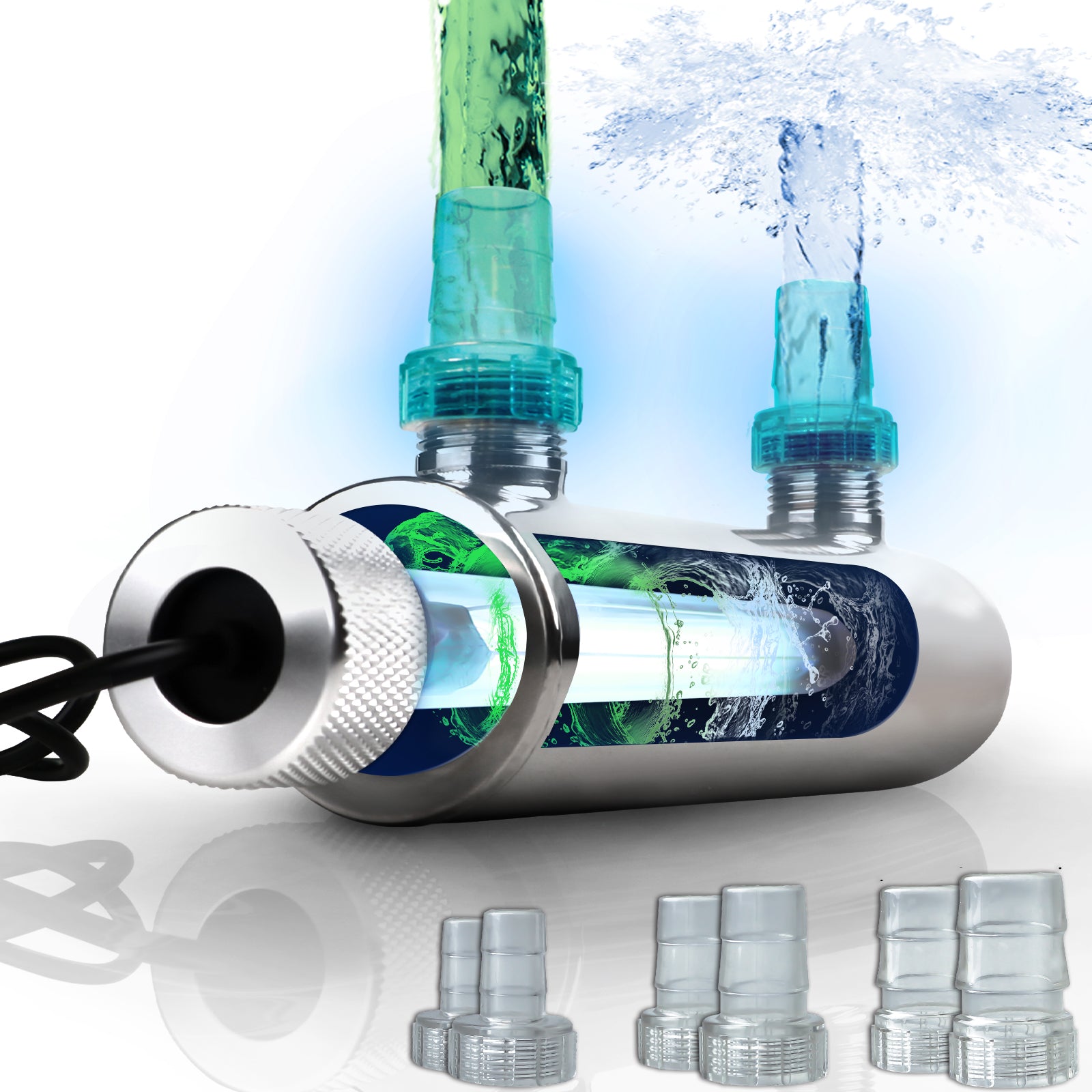
Indoor air quality has become one of the most important aspects of modern home design. Families today spend nearly 90% of their time indoors—working, sleeping, relaxing, and raising children inside enclosed environments where air continuously circulates. While dust and allergens have long been concerns, airborne viruses have introduced a new level of urgency to how we think about air purification.
Many homeowners assume that buying a single air purifier solves the problem. Others rely only on ventilation or occasional cleaning. But scientific research and real-world applications—from hospitals to laboratories—show that the most effective strategy combines mechanical filtration with active sterilization.
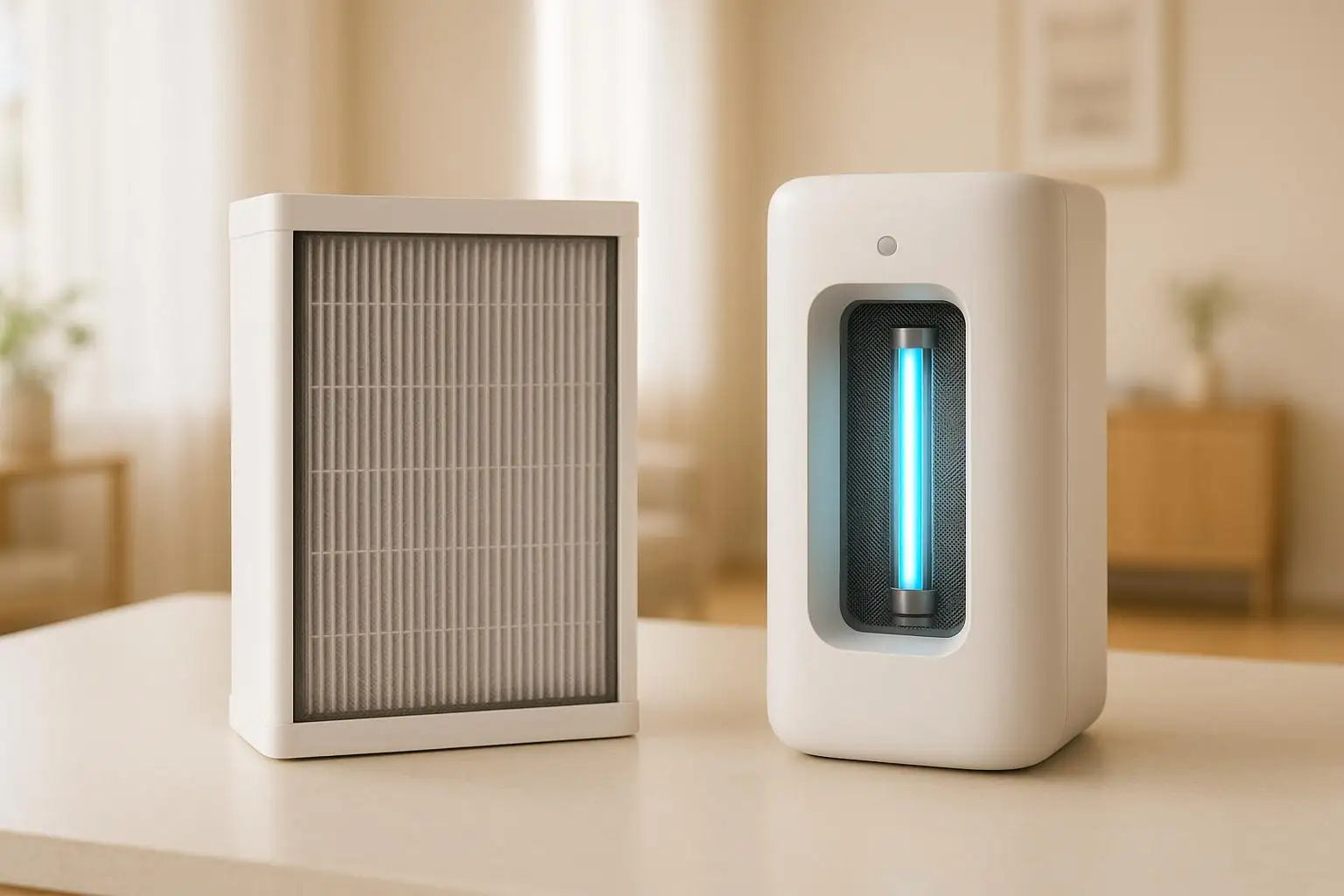
This is where HEPA filters and UV lights form what professionals often call the golden duo of air purification.
Together, they don’t just clean the air—they fundamentally change how contaminants are captured, neutralized, and prevented from recirculating throughout an entire home.
This article explores how these technologies work, why they complement each other so effectively, and how homeowners can build a safer, healthier indoor environment using both.
Understanding the Invisible Problem: Airborne Viruses Indoors
Airborne transmission occurs when microscopic particles carrying viruses remain suspended in the air. Unlike larger droplets that quickly fall to surfaces, aerosols can float for extended periods, traveling through HVAC systems and shared indoor spaces.
Common sources include:
- Coughing or sneezing
- Talking or breathing in enclosed rooms
- Poorly ventilated living areas
- Central heating and cooling circulation
- High-occupancy households
Because viruses are extremely small—often between 0.02 and 0.3 microns—they cannot be removed effectively by basic filters or simple airflow solutions alone.
A comprehensive purification system must address two challenges simultaneously:
- Capture particles efficiently
- Deactivate microorganisms permanently
HEPA filtration solves the first challenge. UV technology addresses the second.
What Is a HEPA Filter and Why Is It So Effective?
HEPA stands for High-Efficiency Particulate Air. A true HEPA filter is engineered to remove at least 99.97% of airborne particles measuring 0.3 microns in diameter.
At first glance, this might seem insufficient for viruses smaller than 0.3 microns. However, the physics behind HEPA filtration is more complex—and more powerful—than simple sieving.
The Three Capture Mechanisms
HEPA filters trap particles through multiple mechanisms:
1. Interception
Particles following airflow paths collide with fibers and stick.
2. Impaction
Larger particles cannot maneuver around fibers and become embedded.
3. Diffusion
Ultra-small particles move erratically due to Brownian motion, increasing collision probability with filter fibers.
Ironically, particles smaller than 0.3 microns are often captured more efficiently because diffusion causes unpredictable motion.
Viruses rarely travel alone. They are typically attached to respiratory droplets, dust, or aerosols—making HEPA filtration highly effective in real environments.
The Limitation of Filtration Alone
Despite its remarkable efficiency, filtration has one important limitation:
A HEPA filter captures contaminants but does not destroy them.
Captured microorganisms may remain viable on filter surfaces for hours or even days under favorable conditions. If airflow changes, filters degrade, or maintenance is neglected, contaminants could potentially re-enter circulation.
This is where ultraviolet germicidal technology becomes essential.
How UV Light Neutralizes Airborne Viruses
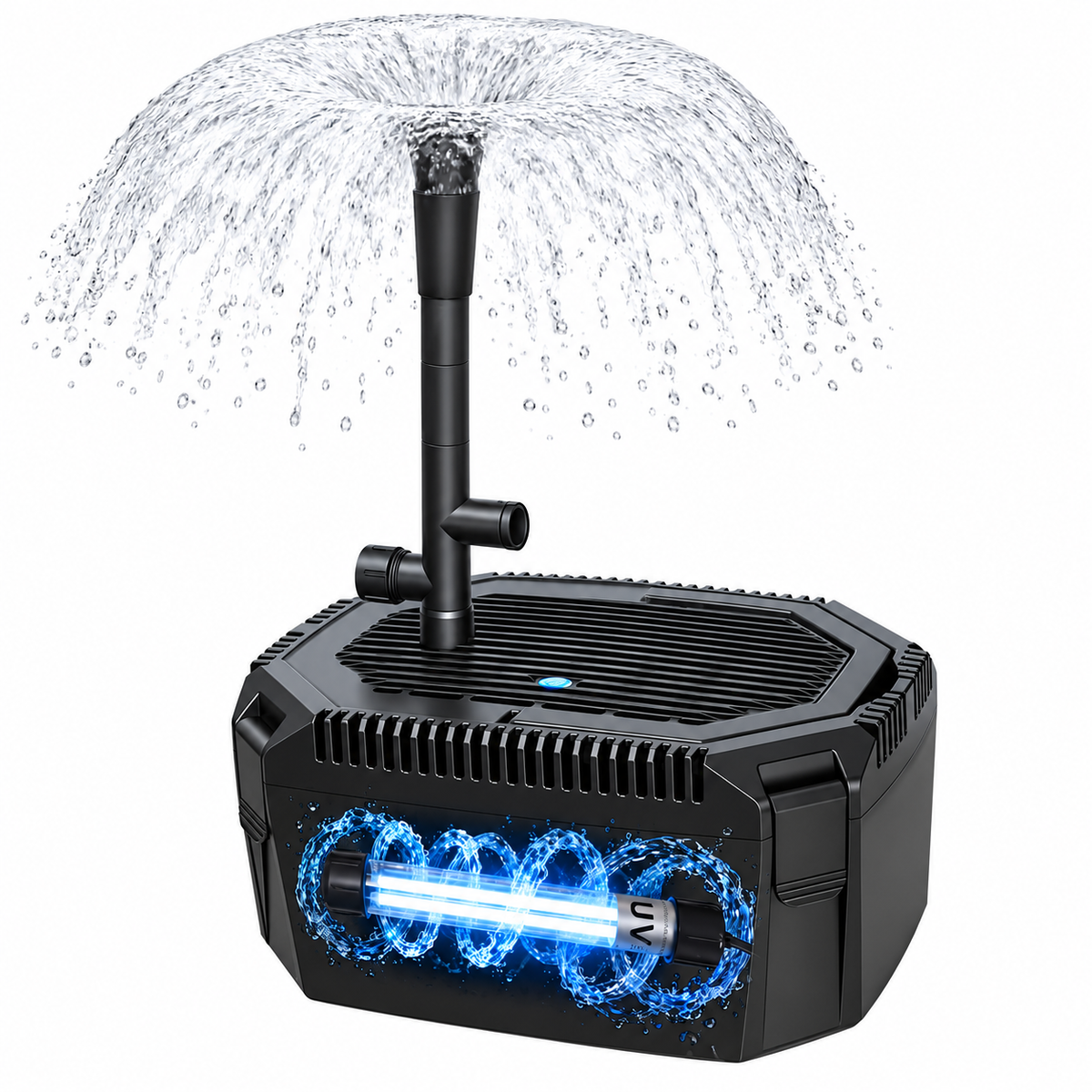
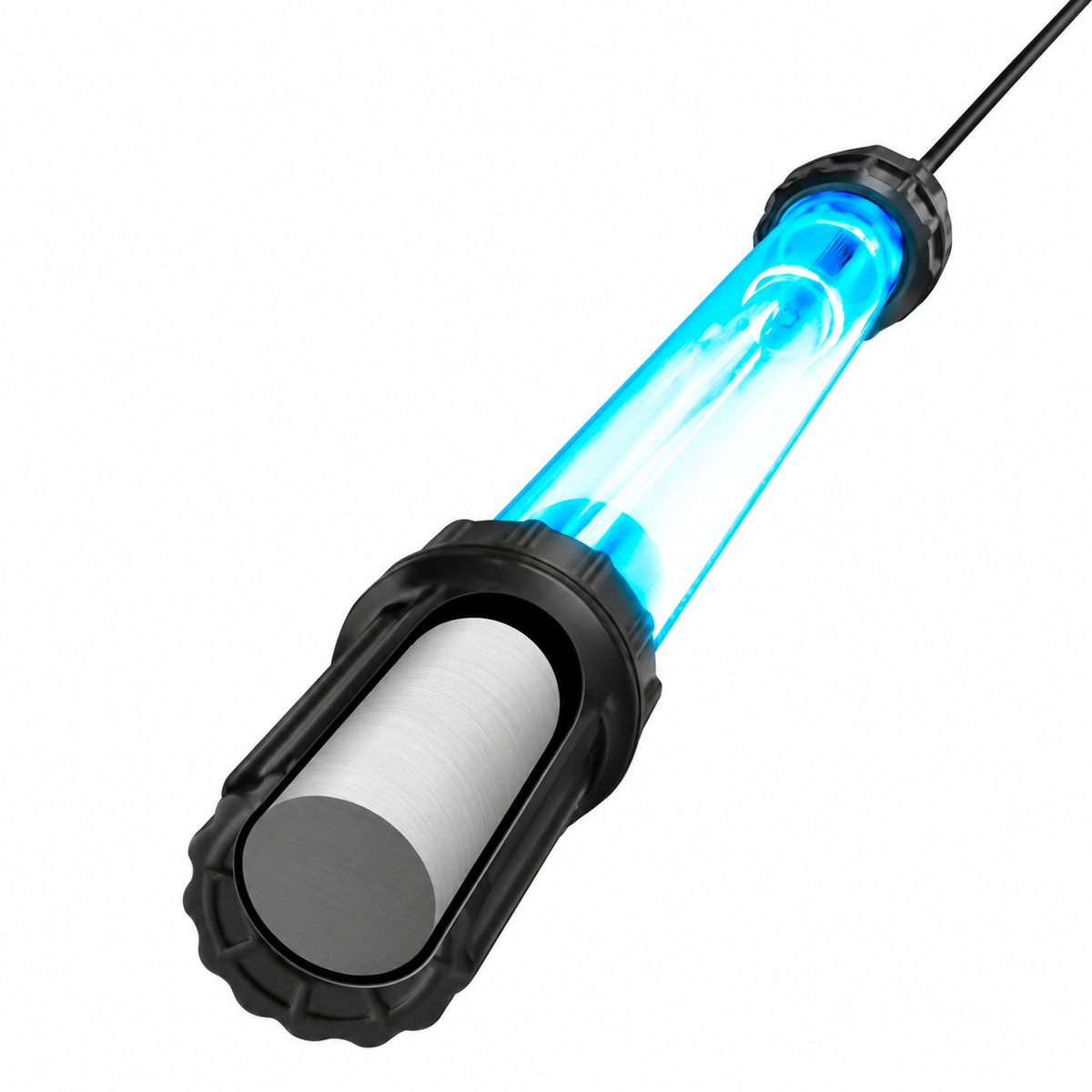
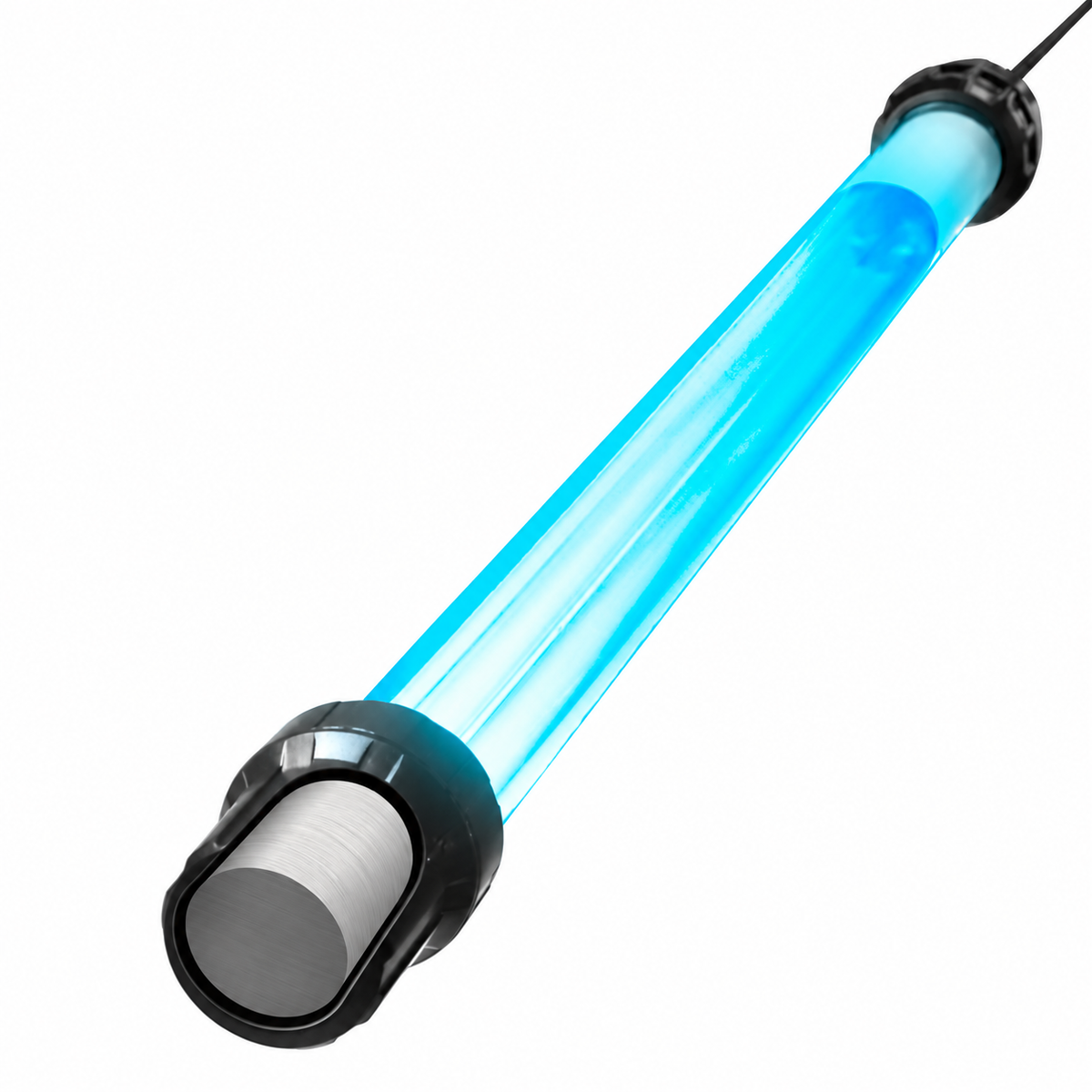
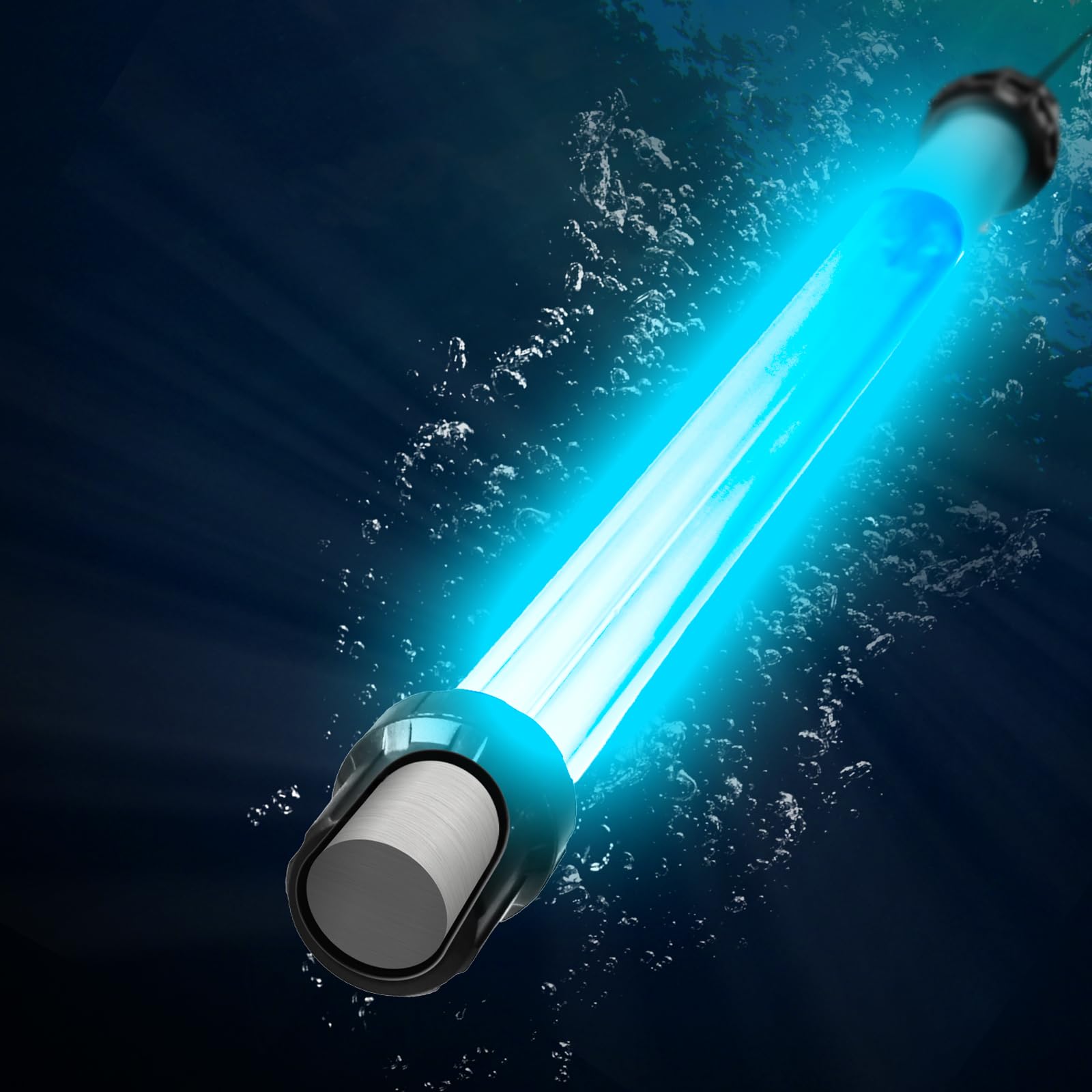
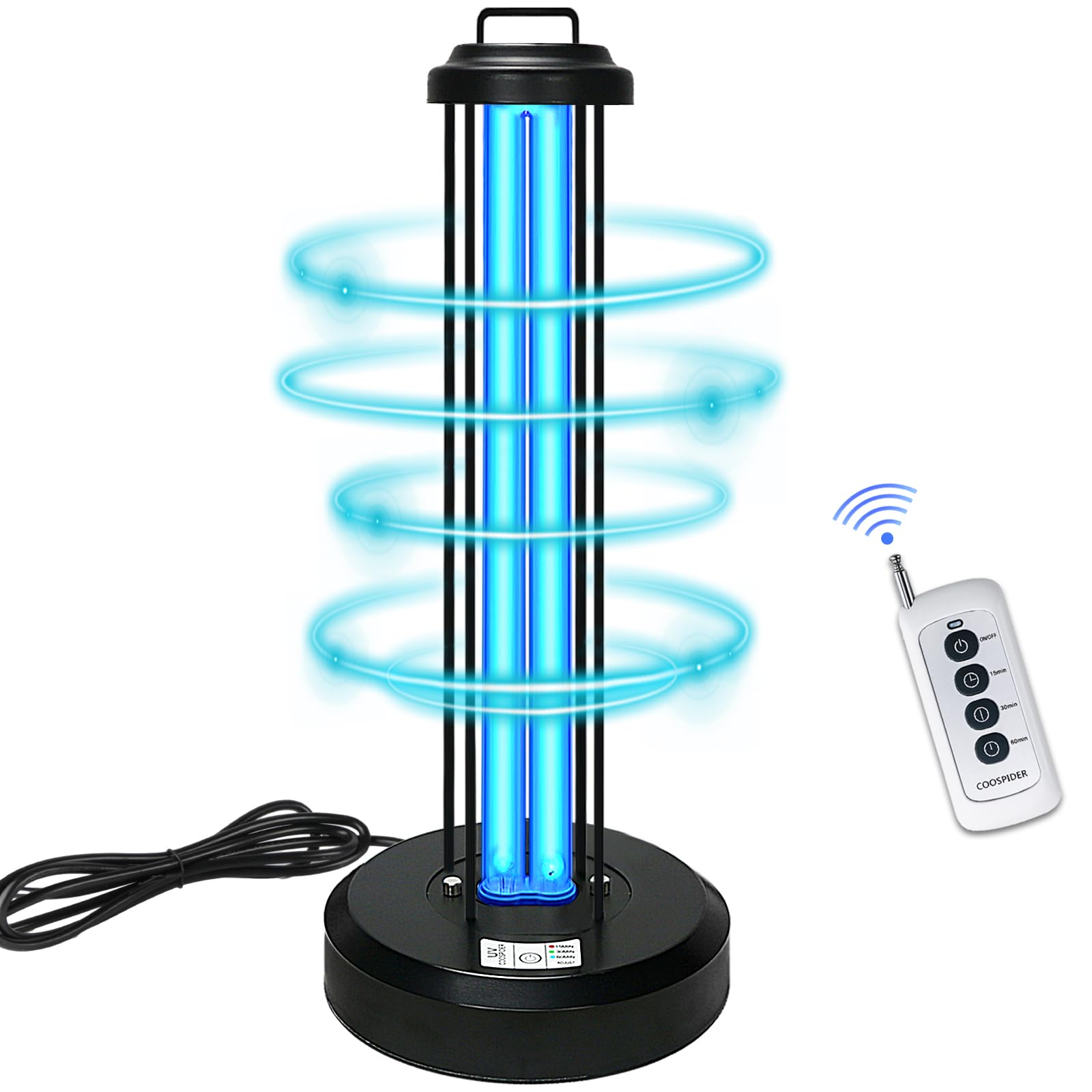
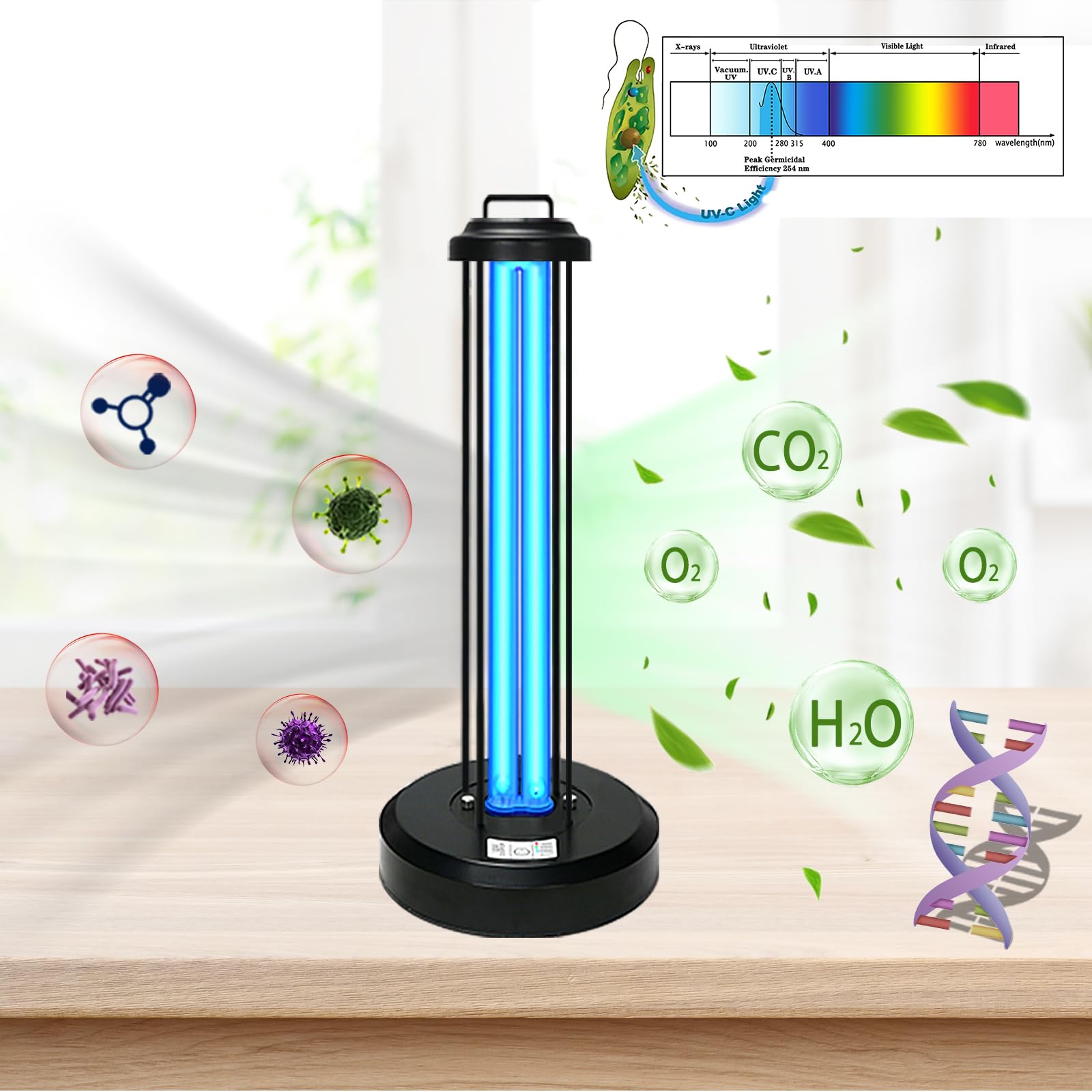
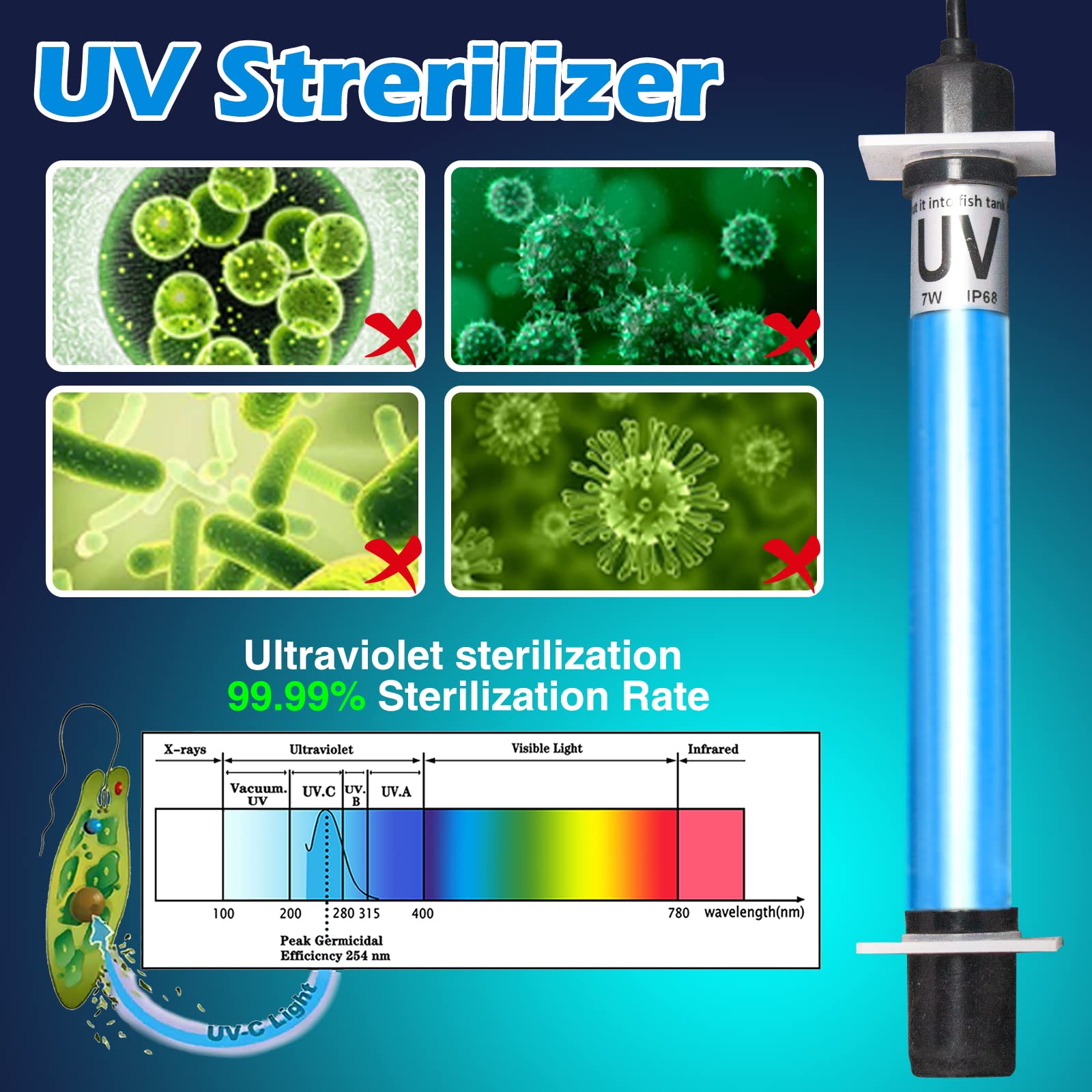
Ultraviolet germicidal irradiation (UVGI) uses short-wavelength UV-C light to damage the DNA or RNA of microorganisms.
When exposed to UV-C energy:
- Viral genetic material absorbs UV photons
- Molecular bonds break
- Replication becomes impossible
- The virus becomes inactive
Unlike chemical disinfectants, UV light works instantly and leaves no residue.
Why UV-C Works So Well in Air Systems
Airborne pathogens pass repeatedly through HVAC or purifier systems. Each pass exposes microorganisms to additional UV energy, increasing the probability of inactivation.
UV systems are commonly installed:
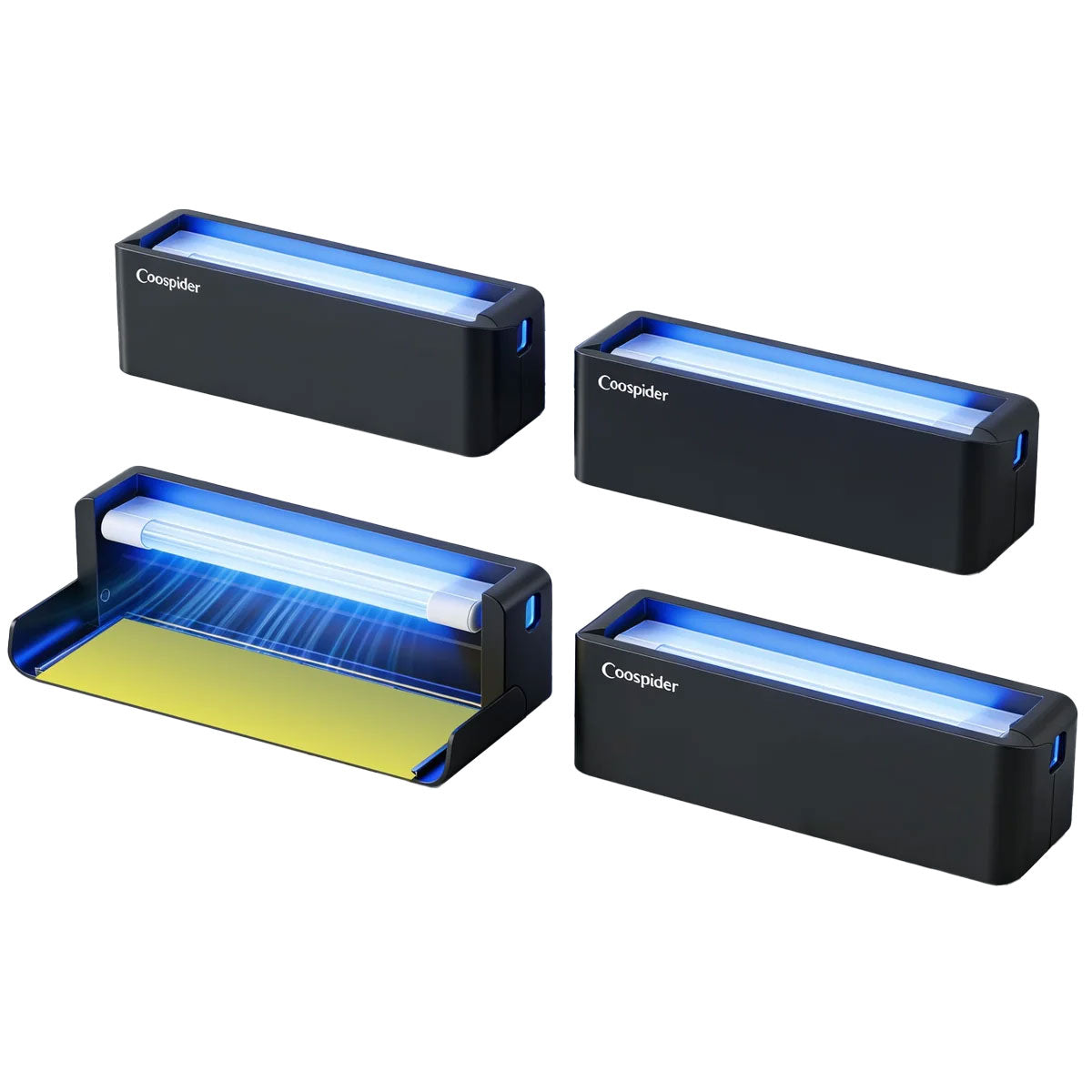
- Inside air purifiers
- Within HVAC ducts
- Near cooling coils
- In upper-room air treatment systems
Hospitals have relied on this technology for decades to reduce airborne infection risks.
Why HEPA and UV Work Better Together
Individually, each technology is powerful. Together, they create layered protection that addresses weaknesses in either system alone.
Step 1: HEPA Captures Contaminants
The HEPA filter removes particles from circulation, including:
- Dust
- Aerosols
- Pet dander
- Mold spores
- Virus-carrying droplets
This dramatically reduces airborne concentration.
Step 2: UV Light Neutralizes What HEPA Traps
UV exposure sterilizes microorganisms caught on filters or passing through airflow channels.
The result:
- Reduced microbial buildup
- Lower risk of filter contamination
- Continuous disinfection cycle
This dual action mirrors protocols used in medical isolation rooms.
The Science Behind the “Golden Duo” Concept
Air purification experts often describe indoor protection as a multi-barrier approach.
Think of it like security layers:
| Layer | Function | Technology |
|---|---|---|
| Capture | Remove particles | HEPA filtration |
| Neutralize | Destroy pathogens | UV-C irradiation |
| Circulate | Prevent stagnation | Airflow design |
Each layer strengthens the others.
Without HEPA filtration, UV light treats only passing air.
Without UV light, HEPA filters store live microbes.
Together, they create continuous purification.
Whole-Home vs Portable Solutions
Many homeowners start with portable air purifiers, but whole-home integration provides broader protection.
Portable Units
Best for:
- Bedrooms
- Offices
- Apartments
- Targeted purification
Advantages:
- Easy installation
- Immediate improvement
- Flexible placement
Limitations:
- Limited coverage area
- Multiple units required for large homes
Whole-Home HVAC Systems
Installed directly into central air systems, these solutions treat every room simultaneously.
Benefits include:
- Uniform air quality
- Continuous operation
- Reduced airborne spread between rooms
- Energy-efficient circulation
When HEPA and UV are integrated into HVAC systems, purification occurs every time air moves through ducts.
Key Factors That Determine Effectiveness
Not all systems perform equally. Several design factors influence real-world results.
1. Air Changes Per Hour (ACH)
Higher air circulation increases purification frequency.
A system processing indoor air 5–6 times per hour significantly reduces contaminant concentration compared to slower systems.
2. Proper UV Exposure Time
UV effectiveness depends on:
- Lamp intensity
- Distance from airflow
- Exposure duration
Poor placement dramatically reduces performance.
3. Filter Quality and Sealing
Even high-grade filters fail if air bypasses edges. Professional installation ensures airtight sealing.
4. Maintenance Schedule
- Replace HEPA filters regularly
- Clean UV lamp surfaces
- Replace UV bulbs annually (output declines over time)
Energy Efficiency and Modern System Design
A common myth is that advanced purification consumes excessive electricity. Modern designs are surprisingly efficient.
Reasons include:
- Low-wattage UV lamps
- Improved airflow engineering
- Smart sensors adjusting runtime
- Variable-speed fans
In many homes, purification systems add less energy consumption than a small household appliance.
Health Benefits Beyond Virus Control
While virus reduction often motivates installation, homeowners quickly notice broader improvements.
Reduced Allergies
HEPA filters remove pollen and dust mites, reducing seasonal symptoms.
Improved Sleep Quality
Cleaner air supports easier breathing and fewer nighttime irritations.
Odor Reduction
Airborne particles carrying odors are captured and neutralized.
Mold Prevention
UV systems inhibit microbial growth in damp HVAC components.
Common Misconceptions About UV and HEPA Systems
Myth 1: UV Light Alone Is Enough
UV without filtration allows particles to remain airborne longer. Filtration is essential.
Myth 2: Any Filter Works Like HEPA
Many products labeled “HEPA-type” do not meet true standards.
Myth 3: UV Is Dangerous in HVAC Systems
Properly installed UV systems are enclosed and shielded from occupants.
Myth 4: Opening Windows Replaces Purification
Outdoor air quality varies and may introduce pollutants, allergens, or smoke.
Choosing the Right System for Your Home
When evaluating options, consider:
- Home size and layout
- Existing HVAC capacity
- Occupant sensitivity (allergies, children, elderly)
- Pet ownership
- Local air quality conditions
Look for systems combining:
- True HEPA filtration
- UV-C germicidal lamps
- Adequate airflow ratings
- Certified safety standards
Professional assessment often delivers better long-term results than guesswork purchasing.
Installation Best Practices
For optimal performance:
- Install UV lamps downstream of filters.
- Ensure no light leaks from ducts.
- Maintain proper airflow speed.
- Schedule annual inspections.
- Use compatible replacement components.
Correct installation can double real-world effectiveness compared to improper setups.
The Future of Indoor Air Purification
Innovation continues to refine purification technology.
Emerging developments include:
- Smart air-quality monitoring
- Adaptive purification algorithms
- Hybrid filtration materials
- Energy-optimized UV LEDs
- Integrated home automation systems
As homes become more airtight for energy efficiency, advanced purification will become increasingly essential rather than optional.
Why the Golden Duo Matters More Than Ever
Modern living has changed indoor environments dramatically:
- Tighter building envelopes
- Increased indoor time
- Shared air circulation
- Urban pollution exposure
These factors make passive ventilation insufficient.
HEPA filtration removes the threat.
UV light neutralizes it permanently.
Together, they provide continuous protection—capturing contaminants before they spread and disabling pathogens before they multiply.
Final Thoughts: Building a Healthier Indoor Ecosystem
Whole-home air purification is no longer a luxury reserved for hospitals or laboratories. It is becoming a foundational element of healthy living spaces.
The combination of HEPA filters and UV technology represents one of the most scientifically validated approaches to reducing airborne viruses indoors. Rather than relying on a single solution, this layered strategy mirrors professional infection-control environments adapted for residential comfort.
Cleaner air means more than fewer particles—it supports better sleep, improved respiratory health, reduced allergens, and greater peace of mind.
As homeowners rethink wellness inside the home, integrating mechanical filtration with ultraviolet sterilization stands out as a practical, reliable path toward safer indoor air.
The golden duo works not because either technology is perfect alone, but because together they solve the complete problem: capturing what we cannot see and neutralizing what we cannot safely breathe.
And in a world where indoor air matters more than ever, that partnership makes all the difference.