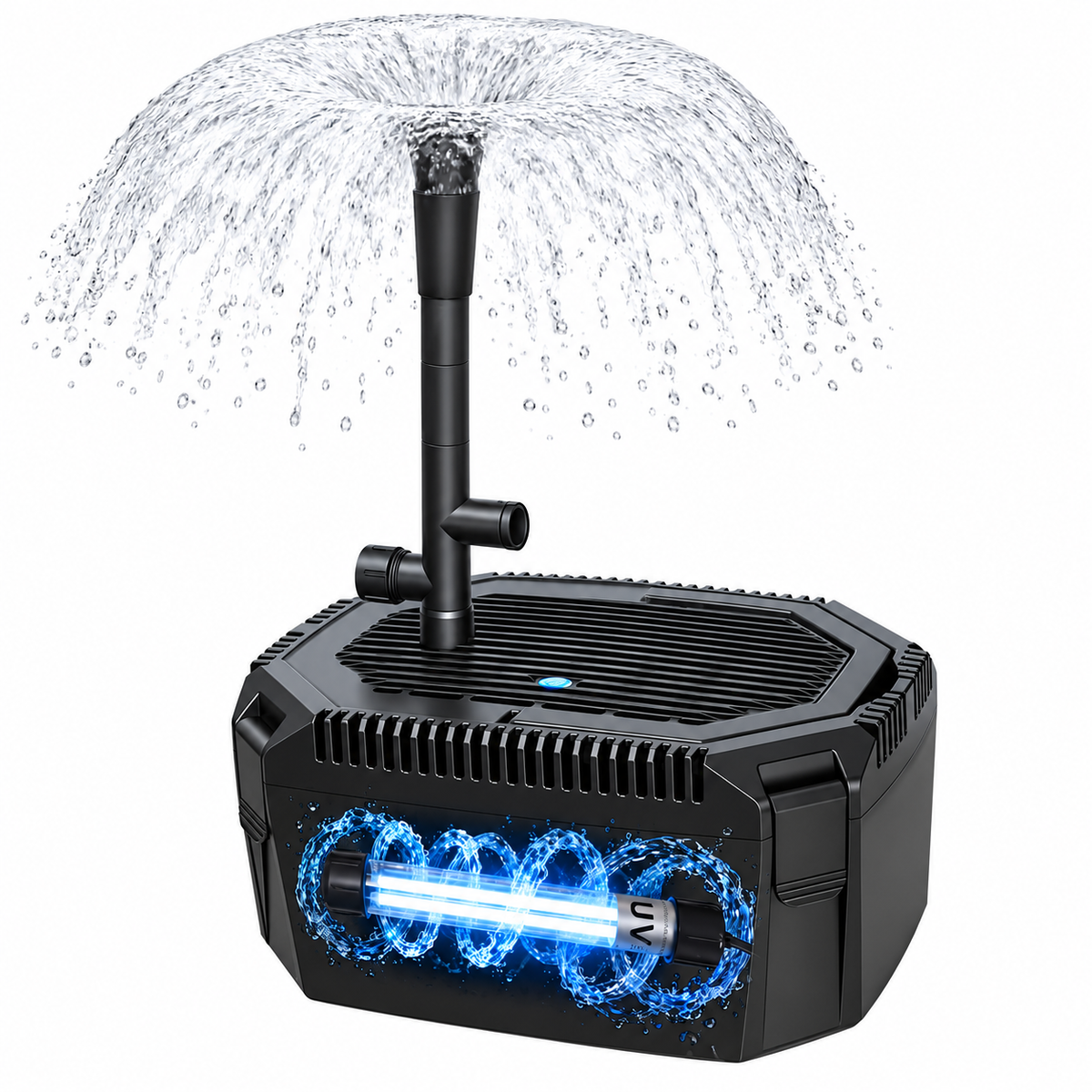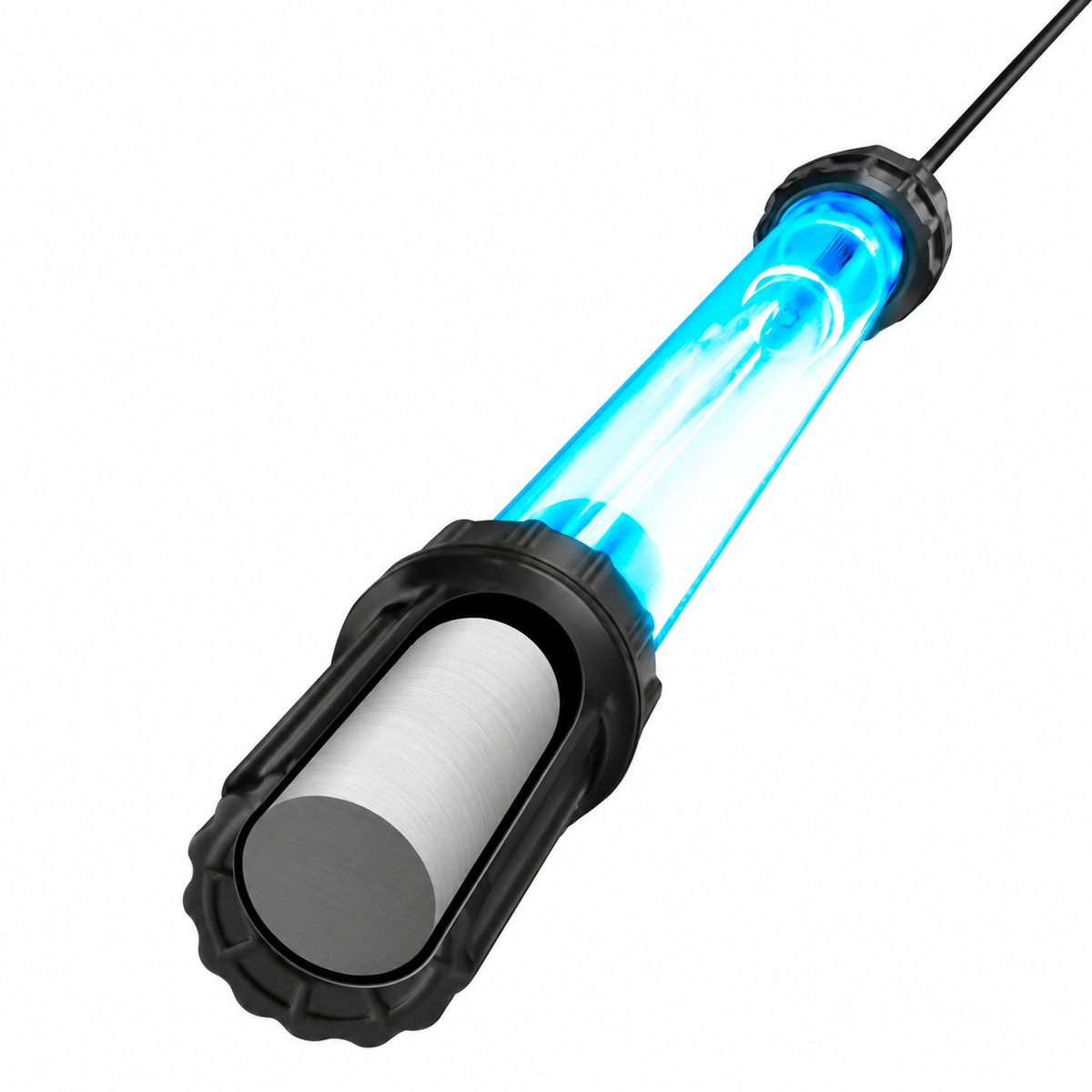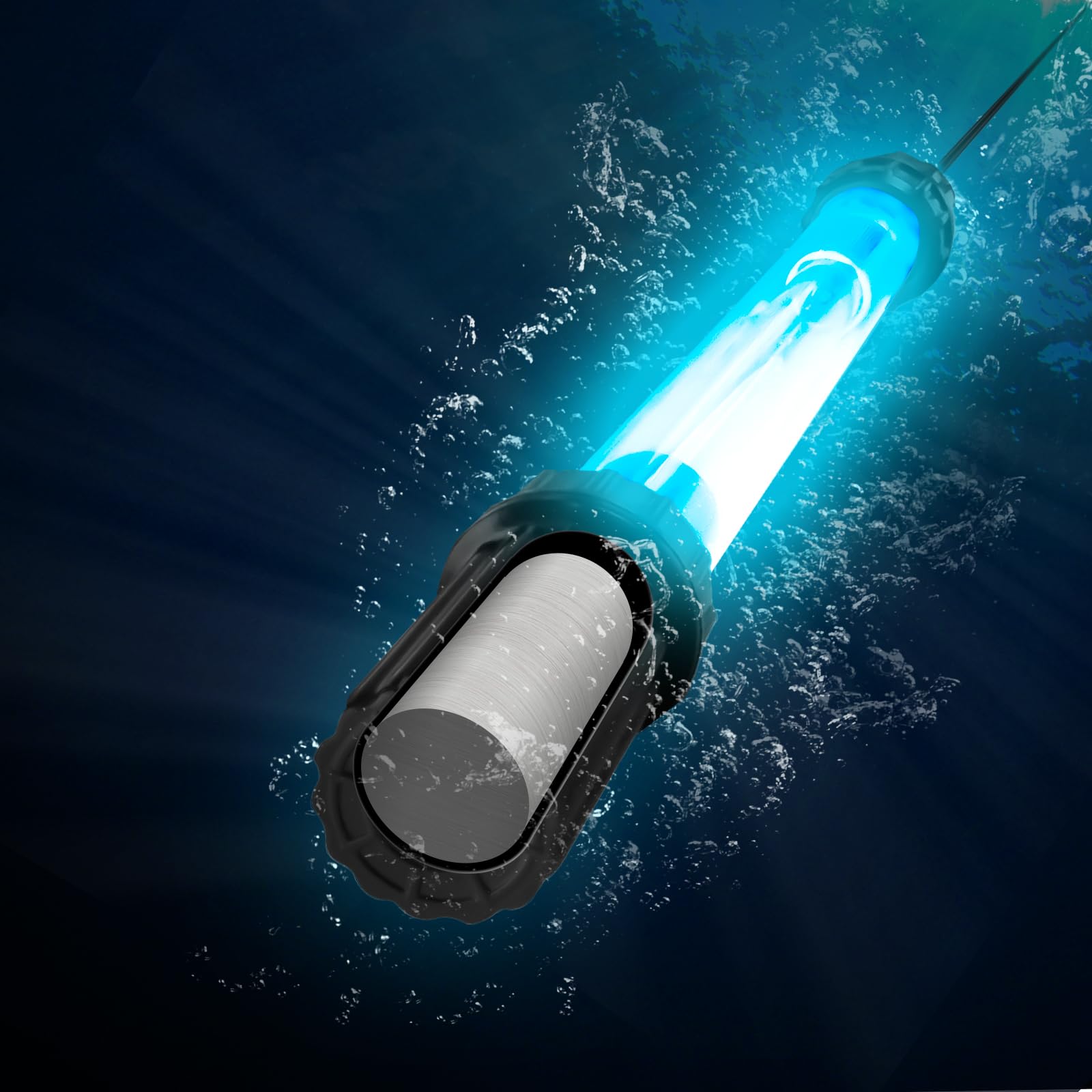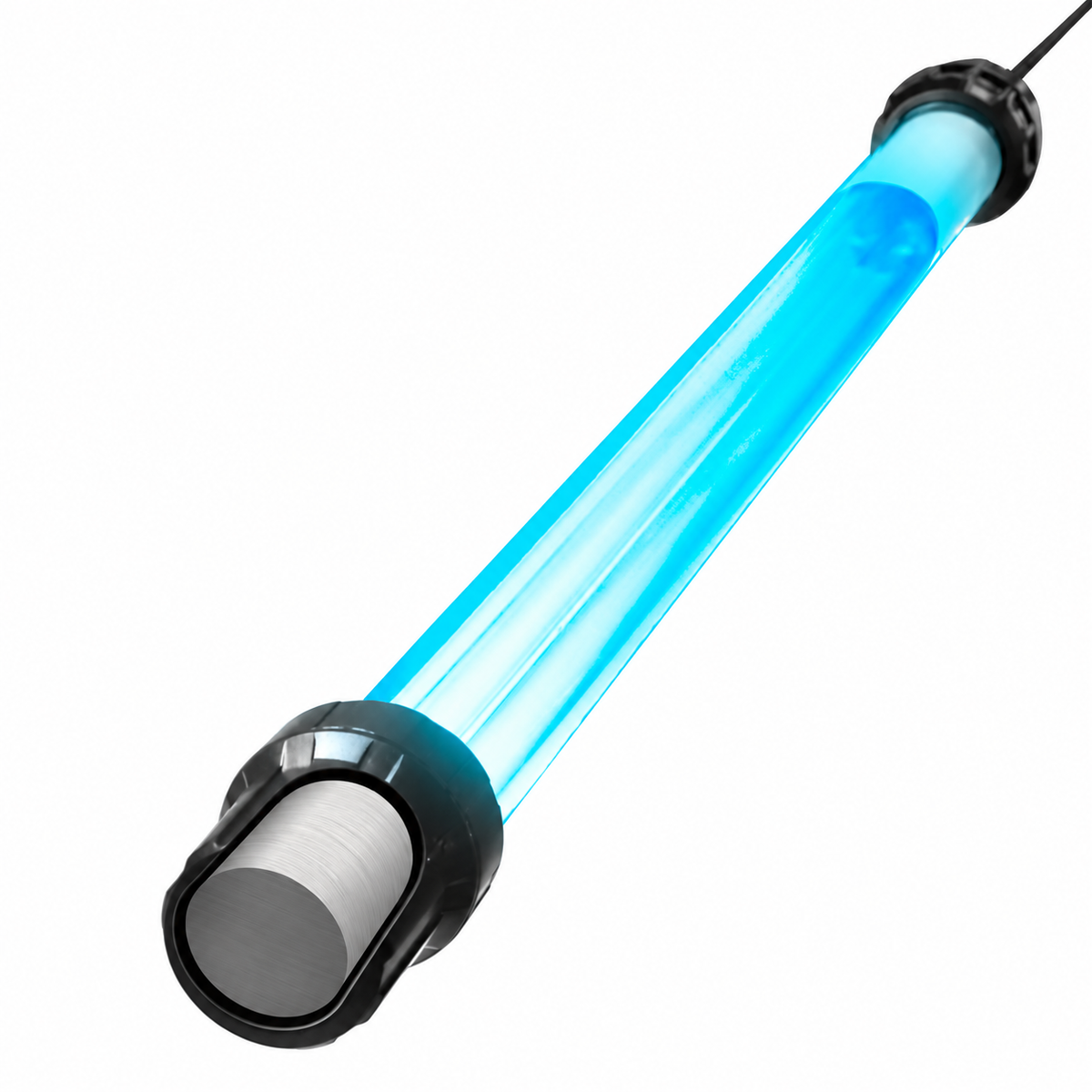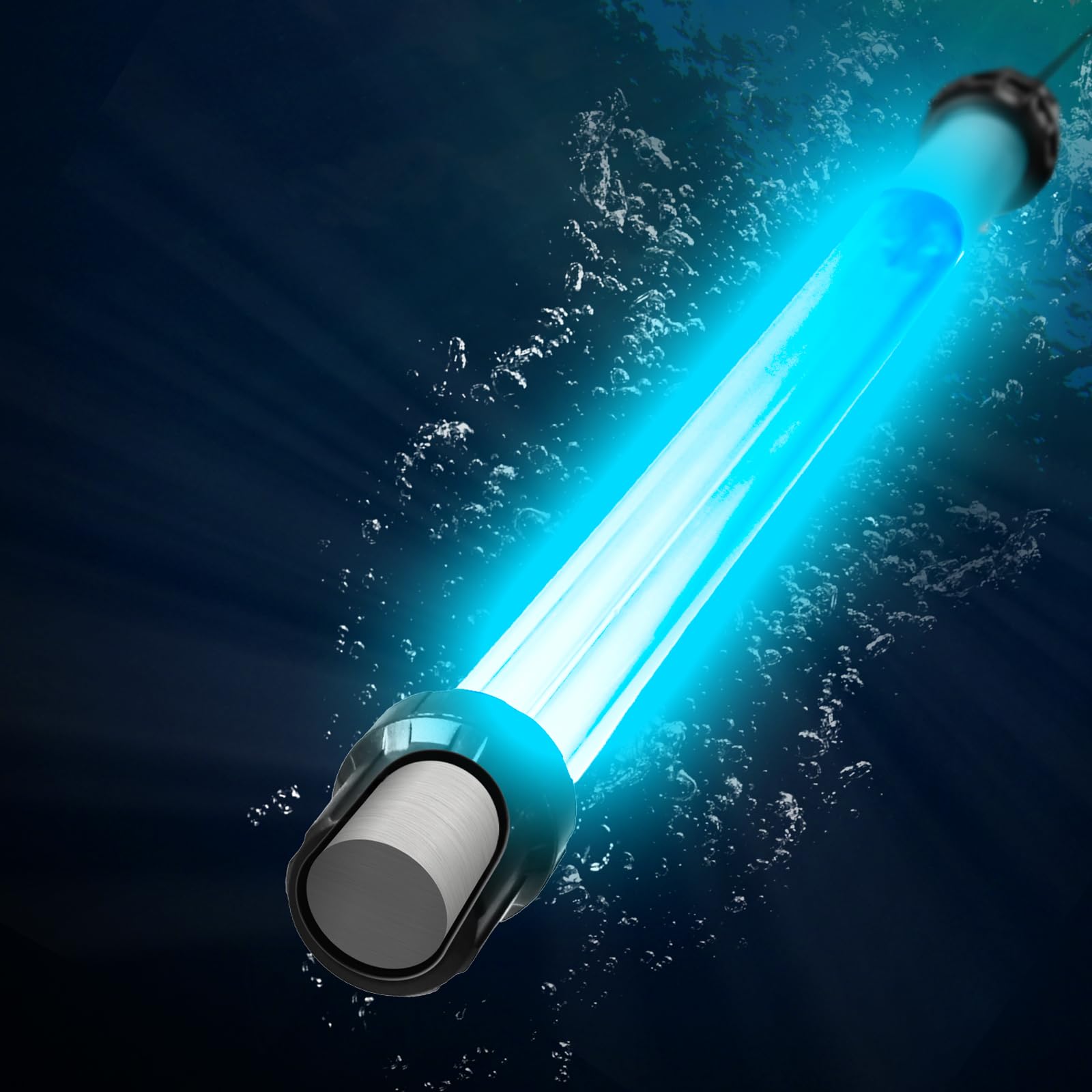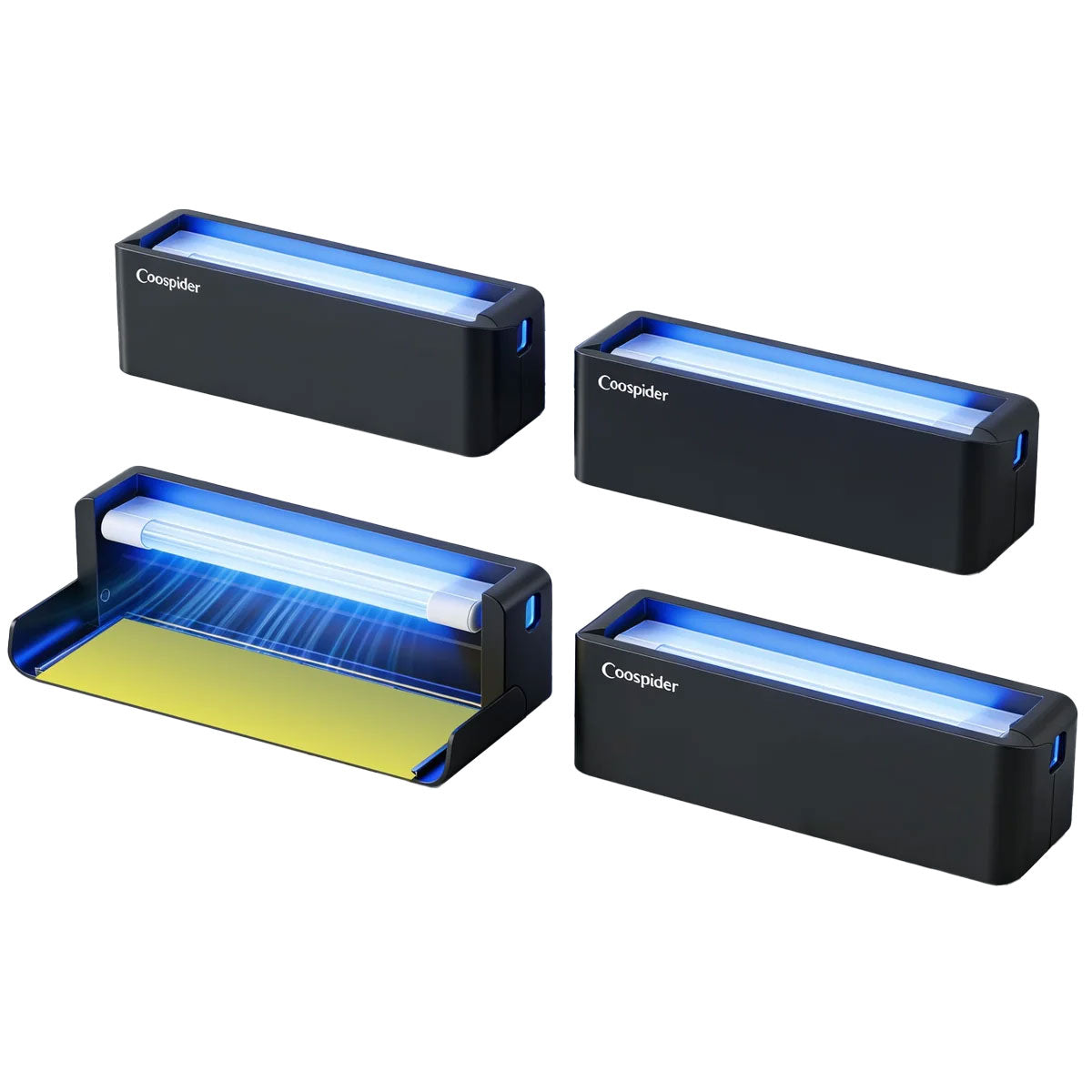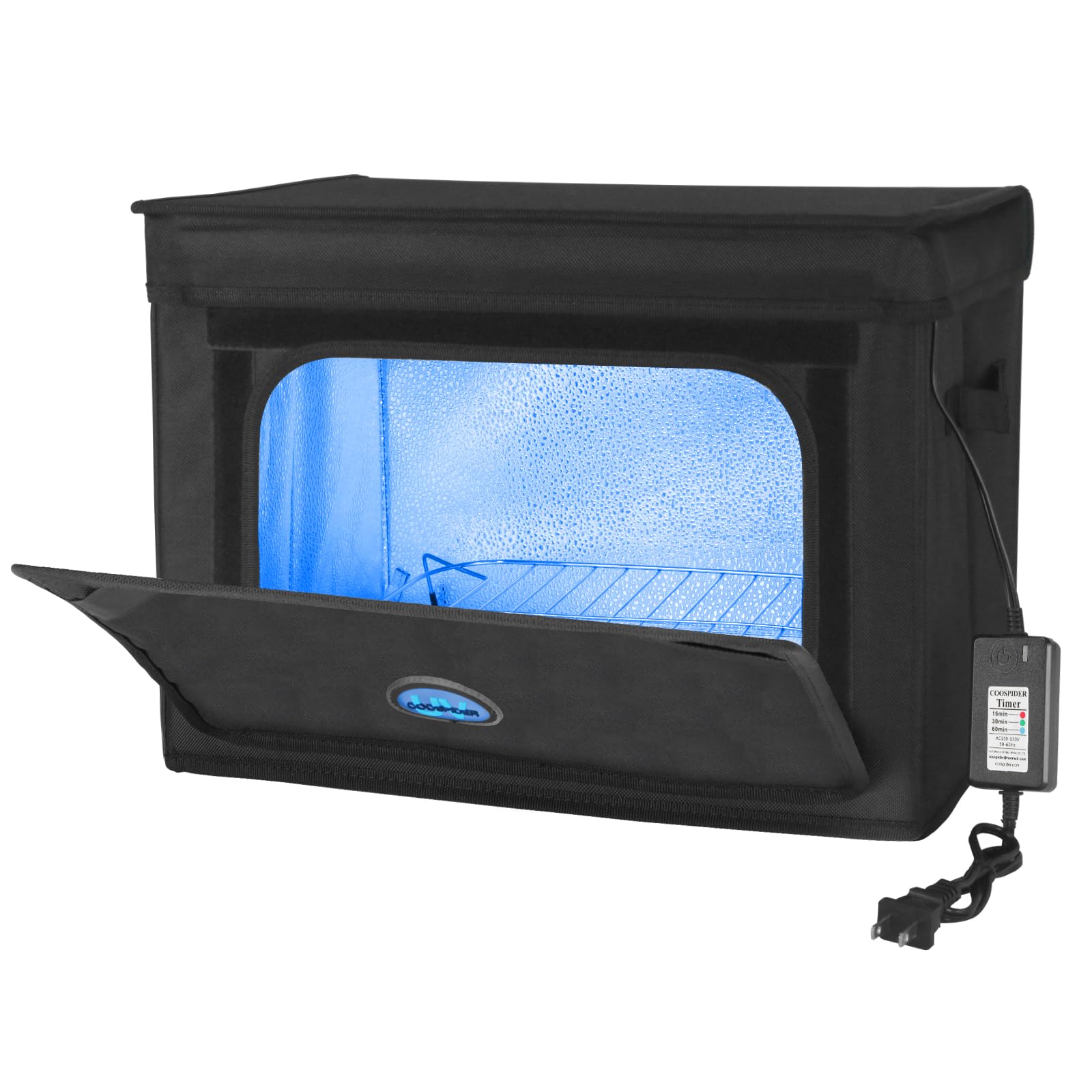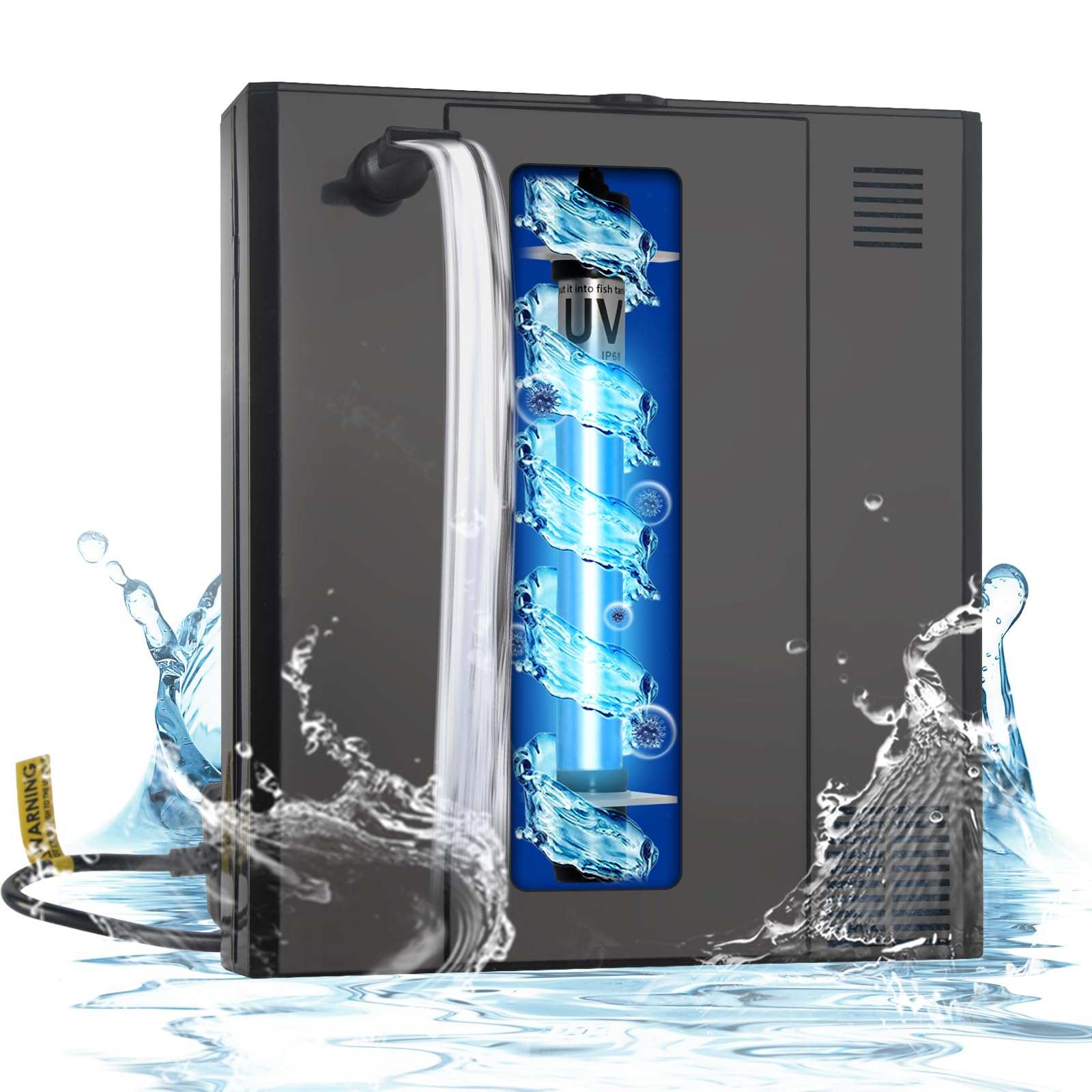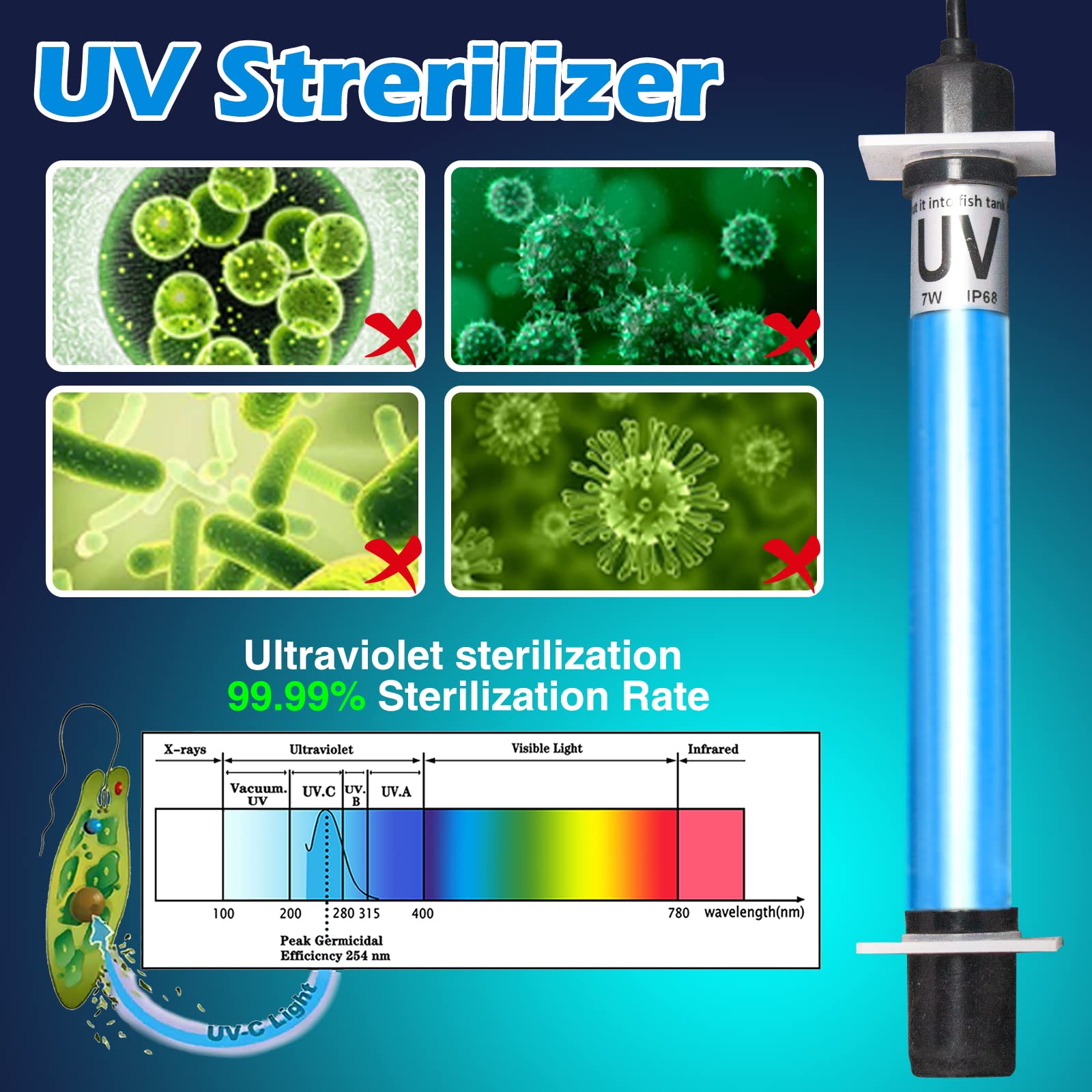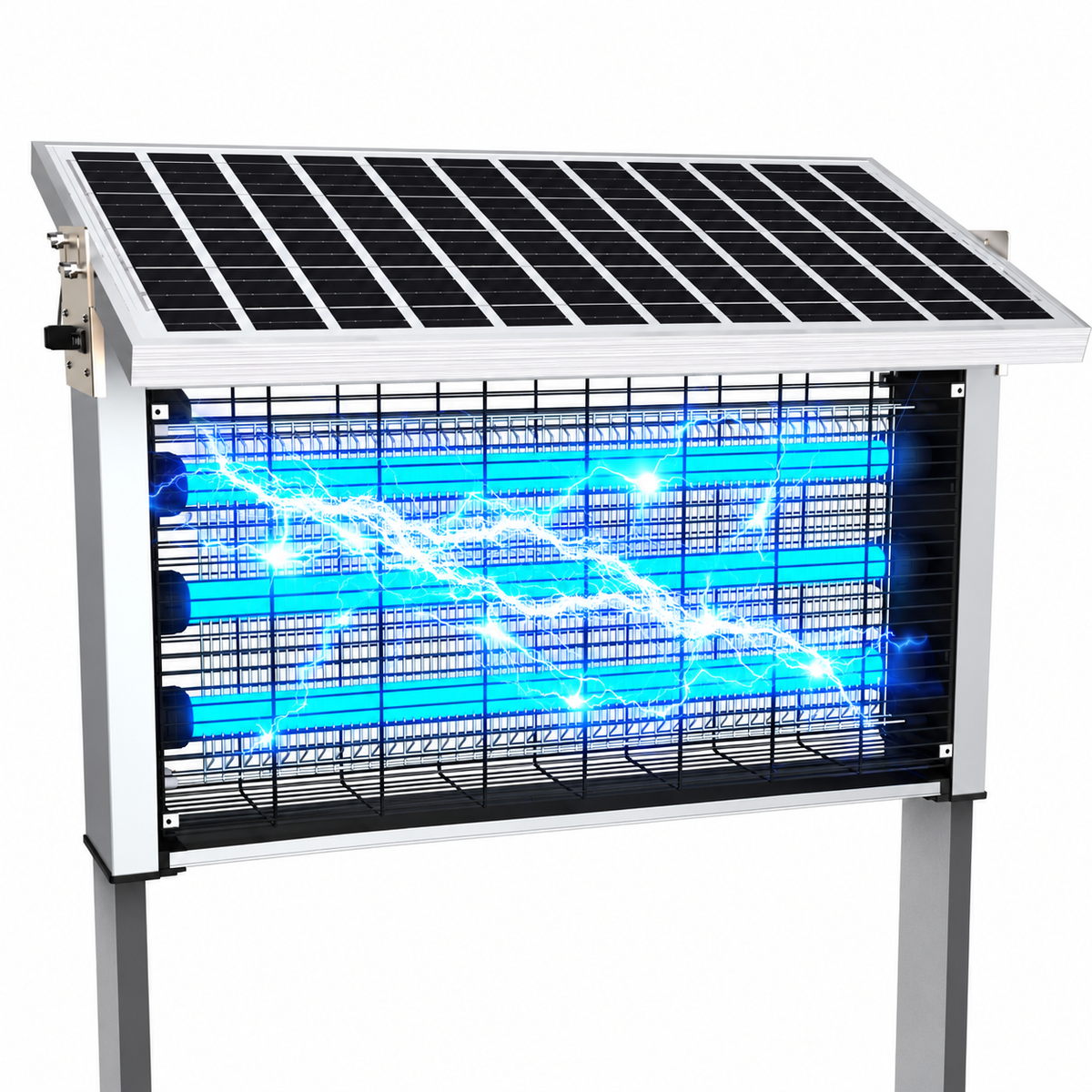
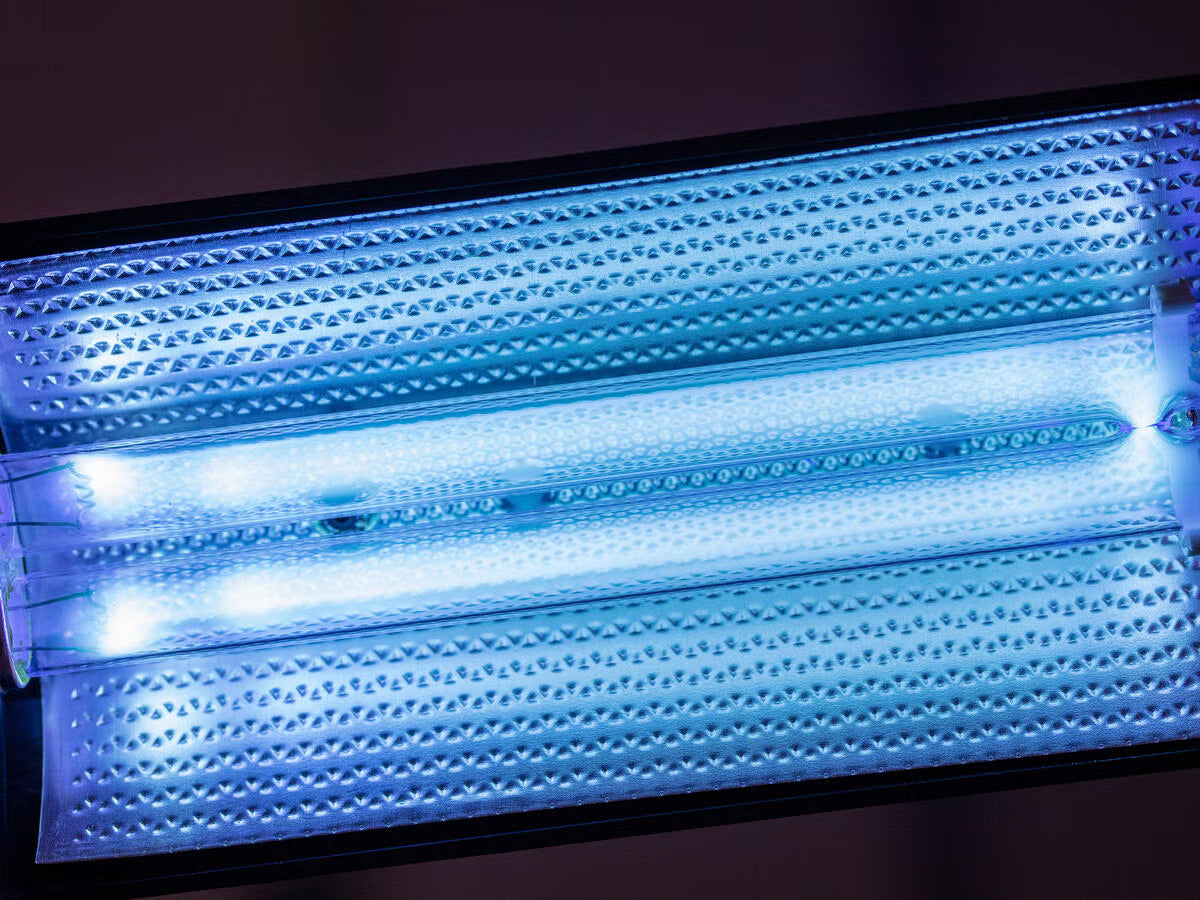
Ultraviolet (UV) lighting systems are widely used in industrial sterilization, water treatment, HVAC disinfection, laboratory environments, printing, and manufacturing processes. While these systems are highly effective at eliminating microorganisms and supporting critical operations, they also introduce serious safety hazards when serviced improperly.
UV radiation—especially UV-C—is invisible, powerful, and capable of causing immediate and long-term harm to human tissue. Unlike many other industrial hazards, UV exposure often goes unnoticed until symptoms appear, making preventive safety practices absolutely essential.
This guide provides a comprehensive, practical breakdown of UV protection standards and safe maintenance procedures that technicians, engineers, and facility managers should follow when working with UV lamp systems.
Understanding UV Radiation and Its Risks
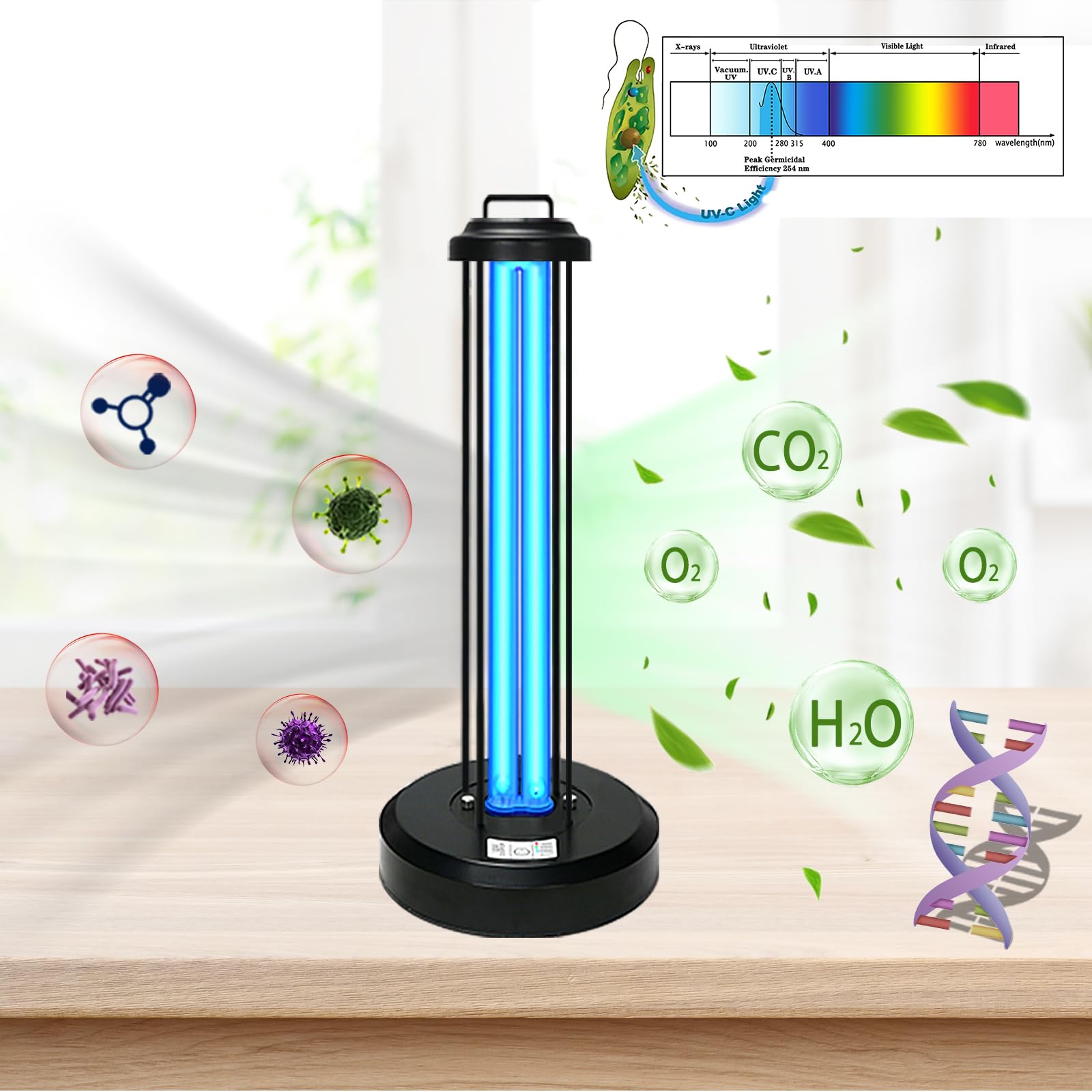
UV radiation is divided into three main categories:
-
UV-A (315–400 nm): Lower energy, but can still contribute to skin aging and eye damage.
-
UV-B (280–315 nm): More energetic, associated with sunburn and direct DNA damage.
-
UV-C (100–280 nm): The most dangerous, typically used in industrial UV lamps for disinfection and sterilization.
Most maintenance risks come from UV-C systems, which are intentionally designed to destroy microorganisms by damaging their genetic material. Unfortunately, the same mechanism affects human cells.
Primary Health Hazards
Eye damage
Exposure can lead to photokeratitis, sometimes called “welder’s flash,” which feels like sand in the eyes and may cause temporary blindness, extreme pain, and sensitivity to light.
Skin injury
UV-C can cause rapid skin burns similar to severe sunburn, even after short exposure periods.
Long-term risks
Repeated exposure increases the risk of premature aging and potentially contributes to long-term cellular damage.
Core Principle: Assume UV Is Always Active Until Verified Otherwise
One of the most important safety principles in UV system maintenance is this:
Never assume a UV lamp is off unless it has been physically locked out, verified, and tested.
UV systems may still emit radiation due to:
-
Faulty relays or switches
-
Delayed shutdown systems
-
Manual override settings
-
Sensor malfunctions
-
Maintenance bypass modes
This makes procedural discipline critical.
Lockout/Tagout (LOTO): The First Line of Defense
Before any maintenance work begins, a formal Lockout/Tagout (LOTO) procedure must be implemented.
Steps in a Proper LOTO Procedure
-
Identify all energy sources
-
Electrical power supply
-
Backup batteries or capacitors
-
Integrated control systems
-
-
Shut down the equipment
-
Use the system’s standard shutdown process
-
Confirm indicator lights are off (not sufficient alone)
-
-
Isolate the energy source
-
Turn off circuit breakers
-
Disconnect power plugs where applicable
-
-
Apply lockout devices
-
Use physical locks on breakers or disconnect switches
-
Each technician should apply their own lock
-
-
Attach warning tags
-
Clearly state maintenance in progress
-
Include name, date, and contact information
-
-
Verify zero energy state
-
Use a calibrated testing device
-
Confirm no electrical current is present
-
Skipping any of these steps significantly increases the risk of accidental UV exposure or electrical injury.
Personal Protective Equipment (PPE) Requirements
PPE is not optional when working with UV systems. It serves as the final barrier between the technician and harmful radiation.
Essential PPE for UV Lamp Maintenance
1. UV-Blocking Eye Protection
Standard safety glasses are not sufficient. Use:
-
UV-C rated goggles or face shields
-
ANSI Z87.1+ certified protective eyewear with UV filtration
2. Skin Protection
-
Long-sleeve, tightly woven industrial clothing
-
UV-resistant gloves (nitrile or specialized polymer gloves)
-
Face shields when exposure risk is elevated
3. Respiratory Protection (when applicable)
Some UV systems, especially in air treatment applications, may generate ozone. In such cases:
-
Use respirators approved for ozone or relevant chemical exposure
4. Electrical Safety Gear
-
Insulated gloves for electrical isolation
-
Non-conductive footwear
-
Arc-rated clothing if working near high-voltage UV systems
Engineering Controls: Designing Safety Into the System
The safest UV systems rely on engineering controls rather than human behavior alone.
Protective Enclosures
UV lamps should be fully enclosed in:
-
Metal housings
-
Opaque polymer shielding
-
Interlocked cabinets that shut off UV when opened
Interlock Systems
Interlocks automatically disable UV lamps when:
-
Doors or panels are opened
-
Filters or cartridges are removed
-
Maintenance access points are triggered
These must never be bypassed without formal authorization.
Shielding Materials
Materials used must block UV-C effectively:
-
Polycarbonate sheets (UV-rated)
-
Aluminum enclosures
-
Special UV-resistant glass
Regular inspection is required because UV exposure can degrade some plastics over time.
Administrative Controls and Training
Even the best equipment is unsafe without proper training and procedures.
Required Training Topics
Technicians should be trained in:
-
UV radiation hazards and biological effects
-
Equipment-specific operating procedures
-
Emergency response protocols
-
Proper use of PPE
-
LOTO procedures
-
Hazard communication standards
Standard Operating Procedures (SOPs)
Every facility should maintain detailed SOPs covering:
-
Lamp replacement procedures
-
Cleaning and maintenance steps
-
Emergency shutdown processes
-
Incident reporting requirements
Consistency reduces human error, which is the leading cause of UV-related injuries.
Safe Maintenance Procedures for UV Lamps
Below is a structured workflow for servicing UV lamps safely.
Step 1: Pre-Maintenance Risk Assessment
Before touching any equipment:
-
Identify UV intensity levels
-
Determine exposure zones
-
Evaluate surrounding reflective surfaces
-
Confirm ventilation status (for ozone-producing systems)
Step 2: System Shutdown and Isolation
Follow full LOTO procedures as previously described.
Step 3: Allow Cooling Time
UV lamps can become extremely hot during operation.
-
Wait recommended cooldown period (typically 10–30 minutes)
-
Verify temperature before handling
Step 4: Controlled Access
Only authorized personnel should enter the maintenance area.
-
Post warning signage
-
Restrict access zones if possible
Step 5: Lamp Removal and Replacement
When replacing UV lamps:
-
Handle lamps with gloves to avoid contamination and skin exposure
-
Avoid direct eye contact with lamp surfaces
-
Do not touch glass with bare hands (can reduce lamp lifespan)
Step 6: Inspection of Components
Check for:
-
Cracked lamp housings
-
Discolored reflectors
-
Damaged wiring
-
Faulty seals or gaskets
-
Degraded shielding materials
Step 7: Reassembly and System Check
After maintenance:
-
Reinstall all protective covers
-
Verify interlock functionality
-
Ensure all tools are removed from the system
Step 8: Controlled Restart
-
Restore power only after confirming safety clearance
-
Start system in test mode if available
-
Monitor initial operation for anomalies
Reflected UV Radiation: A Hidden Danger
Many technicians underestimate reflected UV exposure. UV-C can bounce off surfaces such as:
-
Stainless steel
-
Polished aluminum
-
Glass surfaces
-
Light-colored painted walls
Even if the lamp is not directly visible, reflection can still cause exposure. This is why full PPE and enclosure integrity are critical.
Common Mistakes in UV Lamp Maintenance
1. Relying Only on System Indicators
Indicator lights can fail. Always verify with proper testing procedures.
2. Bypassing Interlocks
This is one of the most dangerous shortcuts and should never be permitted outside controlled diagnostics.
3. Inadequate PPE
Using standard safety glasses instead of UV-rated protection is a common error.
4. Improper Handling of Lamps
Touching UV lamps with bare hands can reduce efficiency and increase failure risk.
5. Skipping Documentation
Failure to record maintenance activities leads to inconsistent safety practices and repeat errors.
Regulatory and Industry Standards (General Overview)
While requirements vary by country and industry, UV systems are often governed by:
-
Occupational electrical safety regulations
-
Workplace hazard communication standards
-
Machine safety directives
-
Radiation exposure guidelines
-
Industry-specific sanitation and sterilization codes
Facilities should always consult local compliance requirements and manufacturer documentation before performing maintenance.
Emergency Response Procedures
Despite precautions, incidents can still occur. A clear response plan is essential.
Eye or Skin Exposure
If UV exposure occurs:
-
Immediately leave the exposure area
-
Do not rub affected eyes
-
Seek medical evaluation as soon as possible
-
Report incident to safety officer
Equipment Failure
If UV containment fails:
-
Shut down power immediately if safe to do so
-
Evacuate area if exposure is ongoing
-
Secure access to prevent further exposure
Building a Culture of UV Safety
Technical procedures alone are not enough. Long-term safety depends on organizational culture.
A strong safety culture includes:
-
Encouraging reporting of near-misses
-
Regular refresher training
-
Visible leadership commitment to safety protocols
-
Continuous equipment upgrades
-
Routine audits of safety compliance
When safety becomes routine rather than reactive, incident rates drop significantly.
Maintenance Checklist Summary
Before concluding any UV lamp service, confirm:
-
Lockout/Tagout fully applied
-
Power verified off
-
UV exposure eliminated
-
PPE properly worn
-
Interlocks tested
-
Lamps installed correctly
-
Protective housing secured
-
Area cleared of tools and debris
-
System restart verified safe
Final Thoughts
UV lamp systems are powerful tools that support critical industrial and environmental processes. However, their effectiveness comes with serious safety responsibilities. Proper maintenance is not just about keeping equipment operational—it is about ensuring that invisible, high-energy radiation is fully contained and controlled at all times.
By consistently applying lockout procedures, using appropriate protective equipment, respecting engineering controls, and maintaining rigorous training standards, organizations can significantly reduce risk while maintaining system performance.
Safety in UV maintenance is not optional, and it is never situational. It must be systematic, disciplined, and non-negotiable every time.