When it comes to winning the suburban mosquito war, homeowners often face one big question: Should you choose a propane-powered mosquito trap or an electric heavy-duty mosquito killer?
In neighborhoods with large backyards, tree lines, irrigation systems, ponds, and humid summer nights, lightweight bug zappers simply won’t cut it. You need something designed for serious coverage. Two industry leaders often discussed in this category are propane-powered traps like the Mosquito Magnet Patriot Plus and high-voltage electric systems such as the Flowtron BK-80D.
Both are marketed as heavy-duty mosquito solutions. Both promise large-area protection. But they operate on entirely different technologies — and they perform very differently depending on your environment.
This in-depth guide breaks down propane vs. electric mosquito traps across performance, cost, coverage, maintenance, safety, environmental impact, and real-world suburban usability.
If you’re preparing for peak mosquito season, this is the comparison you need.
Understanding the Suburban Mosquito Problem
Before comparing equipment, it’s important to understand what makes suburban mosquito control challenging.
Suburban environments typically include:
-
Lawns with irrigation systems
-
Shrubs and hedges (mosquito resting zones)
-
Decorative ponds or water features
-
Storm drains
-
Nearby wooded areas
-
Humid microclimates
-
Moderate human and pet traffic
Unlike urban balconies or rural open fields, suburban yards create ideal breeding and resting conditions.
The dominant species in many U.S. suburbs include:
-
Aedes (aggressive daytime biters)
-
Culex (nighttime biters, disease vectors)
-
Anopheles (malaria vector in some regions)
These species are attracted primarily by:
-
Carbon dioxide (CO₂)
-
Body heat
-
Lactic acid
-
Moisture
-
Movement
A heavy-duty mosquito trap must mimic these cues or physically intercept them effectively.
That’s where propane and electric technologies diverge.
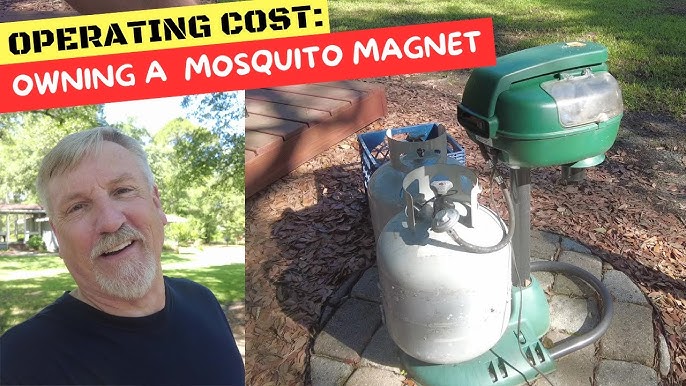
How Propane Mosquito Traps Work
Propane mosquito traps are designed to replicate human breath.
Core Mechanism
-
Propane burns inside a catalytic converter.
-
The combustion produces carbon dioxide (CO₂).
-
The trap releases CO₂ into the air.
-
Mosquitoes detect the CO₂ plume and fly toward the source.
-
A vacuum fan pulls them into a capture net.
-
They dehydrate and die.
The system mimics a breathing mammal — essentially acting as a 24/7 artificial host.
The Mosquito Magnet Patriot Plus is a common suburban example rated for up to one acre of coverage.
Why CO₂ Matters
Mosquitoes can detect carbon dioxide from up to 100 feet away. It’s their primary long-range host detection mechanism.
Electric zappers don’t produce CO₂.
That’s the critical difference.
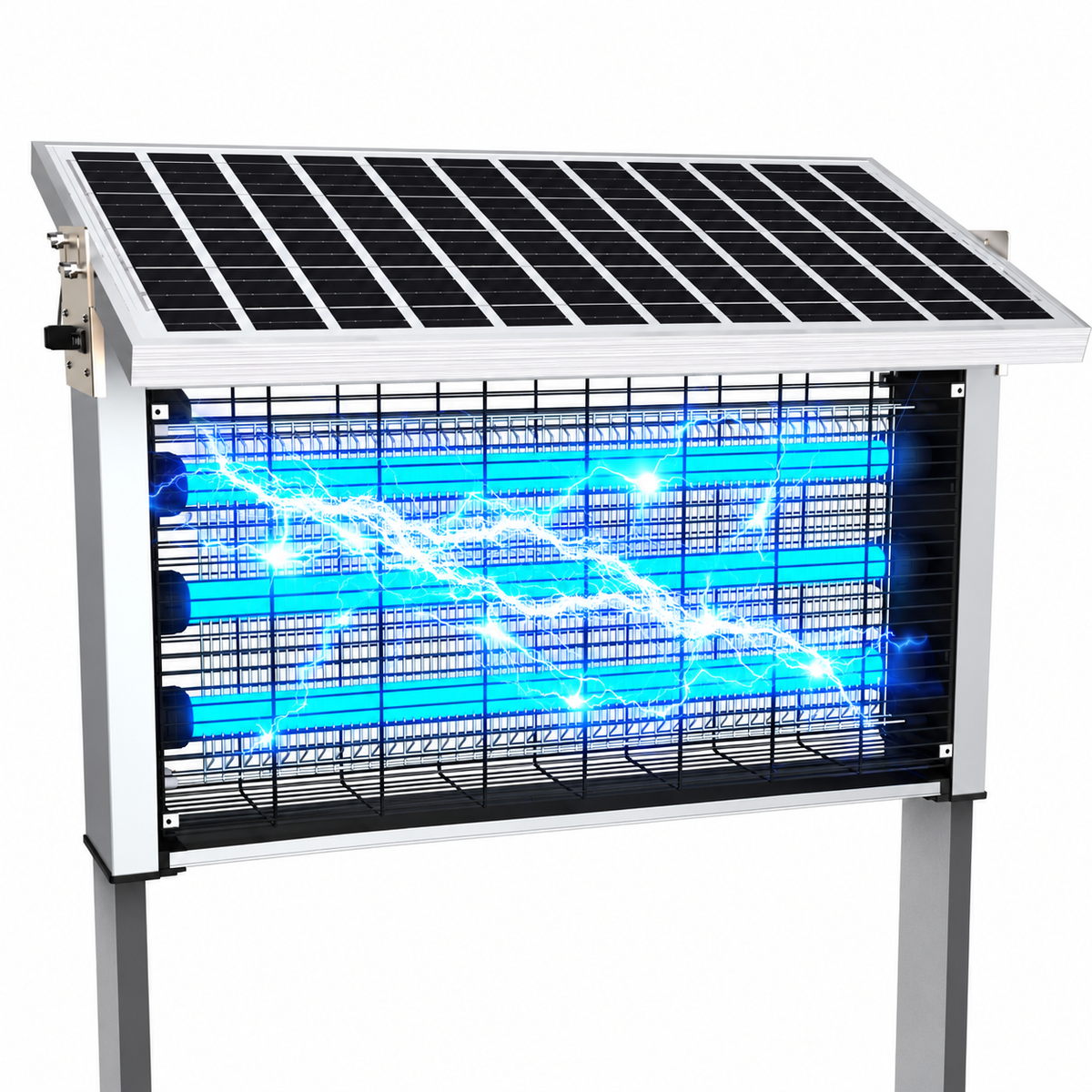
How Electric Heavy-Duty Mosquito Killers Work
Electric mosquito killers fall into two main categories:
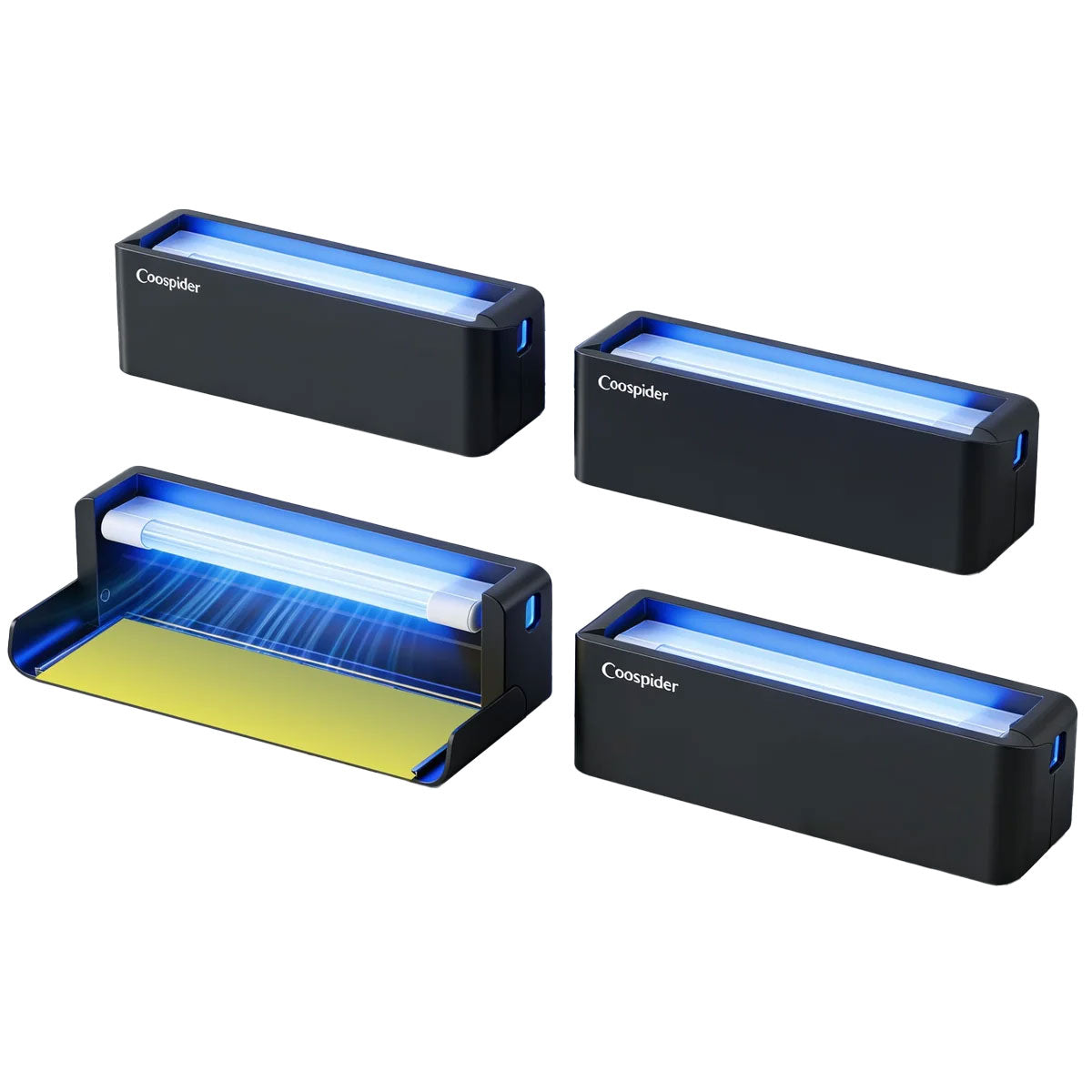
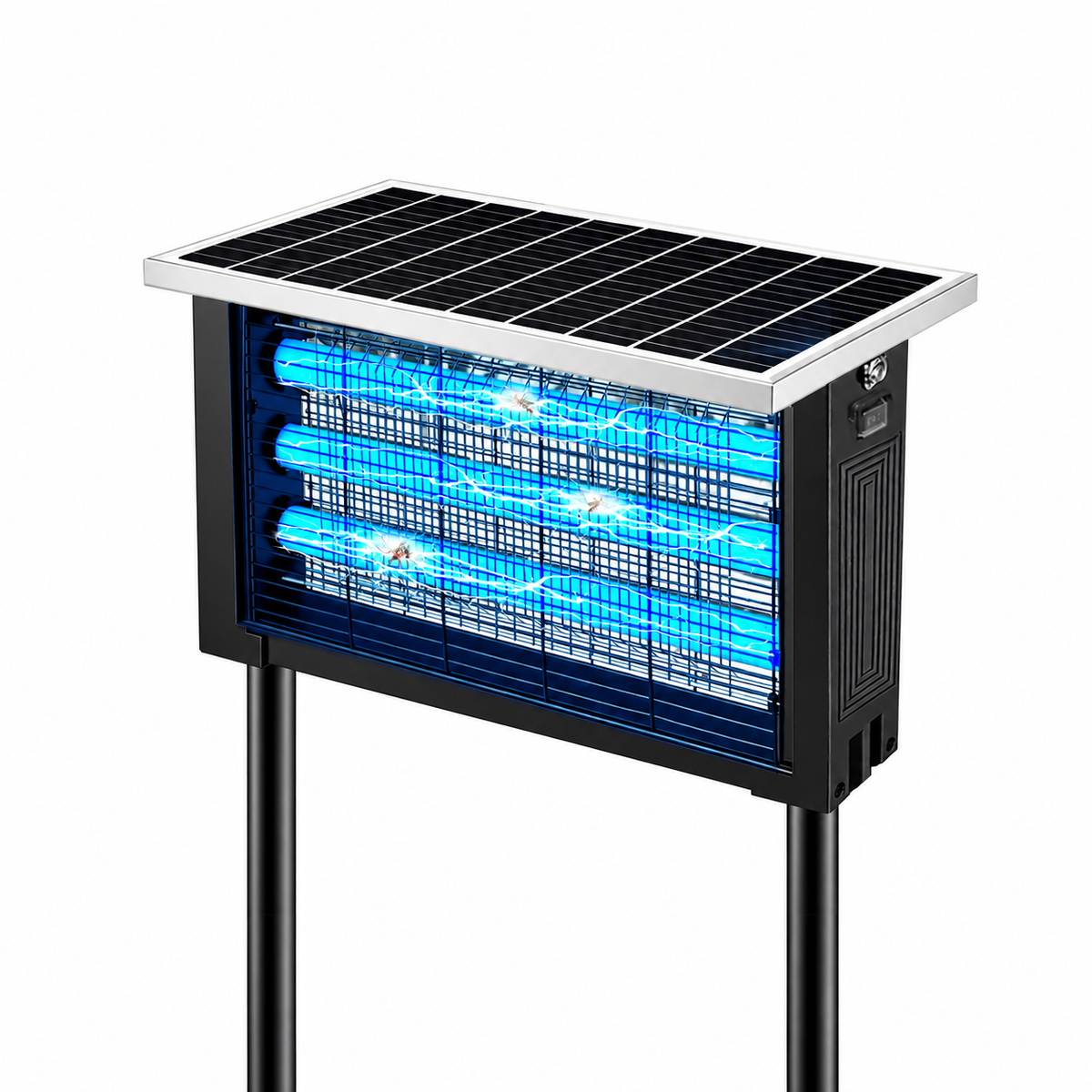
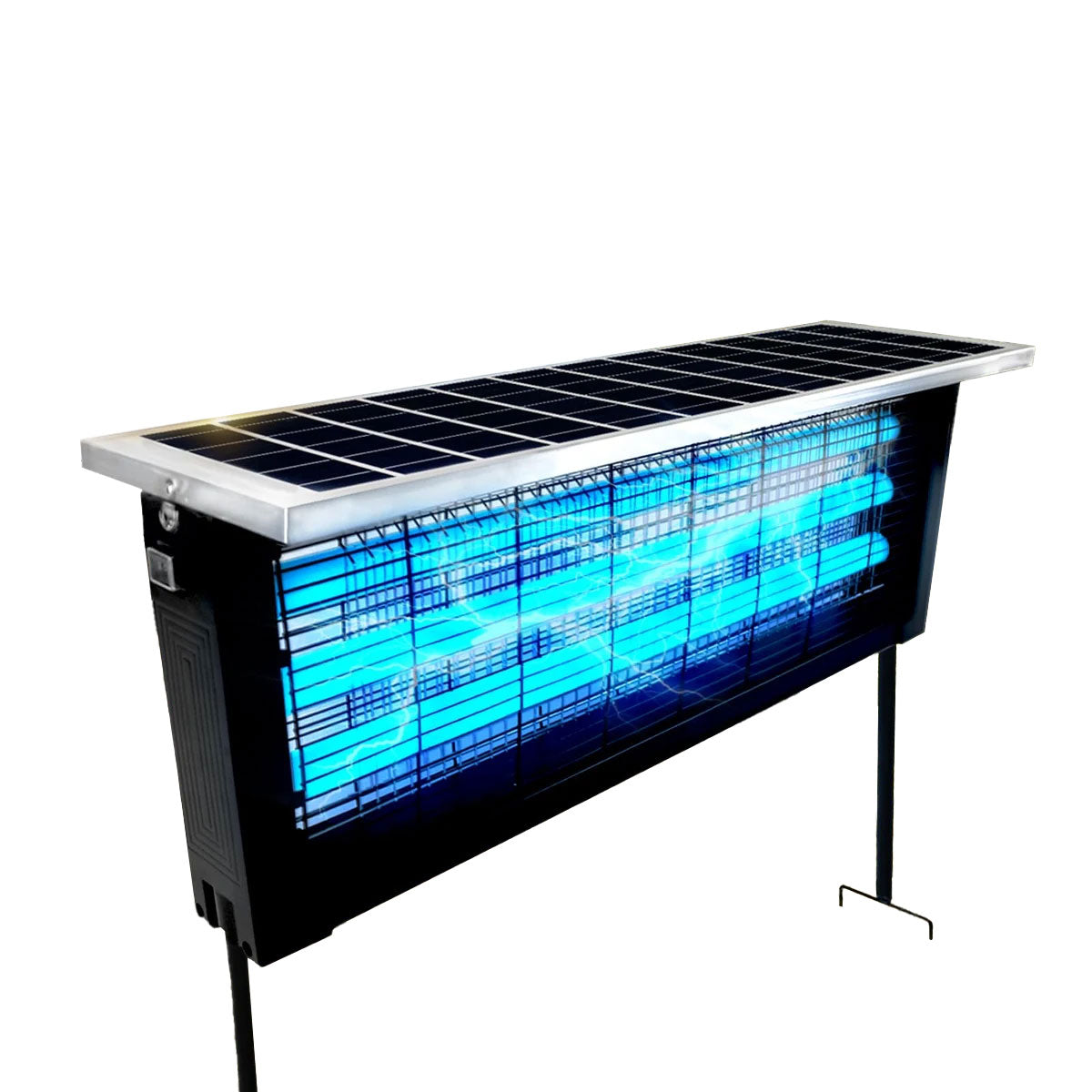
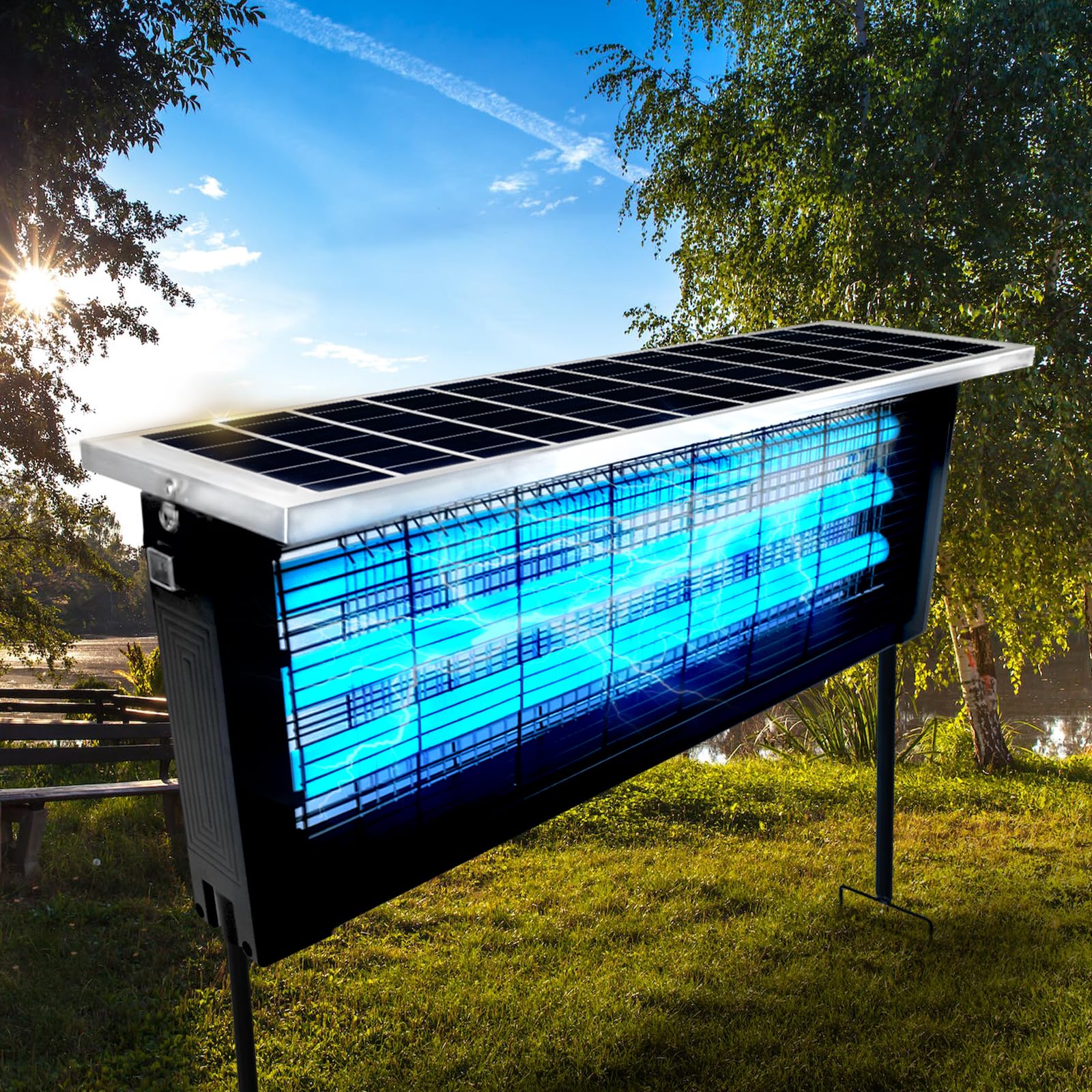
1. UV Light Bug Zappers
These attract insects using ultraviolet light.
Example: Flowtron BK-80D
How it works:
-
UV bulb attracts insects
-
Insects hit a high-voltage grid
-
Instant electrocution
2. Electric CO₂-Enhanced Traps
Some electric traps attempt to replicate propane systems but require CO₂ tanks or separate generators.
Example: DynaTrap DT2000XL
How it works:
-
UV light attraction
-
Titanium dioxide coating produces trace CO₂ when heated
-
Fan pulls insects into basket
However, electric models that rely only on UV light tend to attract more moths and beetles than mosquitoes.
This is where suburban performance becomes controversial.
Effectiveness: Which Actually Reduces Mosquito Populations?
Propane Systems: Population Suppression
Propane traps work by:
-
Constant CO₂ emission
-
Long-range attraction
-
Continuous capture
Over 3–6 weeks, they can significantly reduce breeding populations in contained areas.
They are designed for suppression, not just killing.
Best for:
-
Large suburban yards
-
Wooded property edges
-
Homes near water
-
Long mosquito seasons
Electric Zappers: Immediate Kill, Limited Targeting
Electric zappers:
-
Kill insects instantly
-
Cover large square footage
-
Require visible light attraction
But research consistently shows that most insects killed in UV zappers are not mosquitoes.
They’re general insect control devices, not mosquito specialists.
Coverage Area Comparison
| Feature | Propane Trap | Electric Zapper |
|---|---|---|
| Typical Coverage | 0.5–1 acre | 0.5–1.5 acre (advertised) |
| Effective Mosquito Attraction | High | Moderate to Low |
| Works in Dense Shrubs | Yes | Limited |
| Works in Windy Conditions | Moderate | Low |
Electric units depend heavily on placement and light visibility.
Propane traps depend on airflow patterns and CO₂ dispersion.
Operating Cost Breakdown (One Season)
Propane Trap Costs
-
Propane tank refills (20 lb): $15–$25 each
-
Avg usage: 1 tank every 3–4 weeks
-
Season (5 months): 4–5 tanks
-
Total propane cost: $80–$125
-
Attractant cartridges: $40–$80
Estimated seasonal cost: $120–$200
Electric Trap Costs
-
Electricity consumption: 15–80 watts
-
24/7 usage: $10–$35 per season
-
Replacement bulbs: $15–$30
Estimated seasonal cost: $25–$65
Electric systems are clearly cheaper to operate.
But lower cost doesn’t automatically mean better mosquito control.
Maintenance Comparison
Propane Traps
-
Replace propane tank
-
Replace attractant cartridge
-
Empty catch net
-
Clean intake fan
-
Seasonal storage
Maintenance level: Moderate
Electric Zappers
-
Clean dead insects from grid
-
Replace UV bulb annually
-
Clean collection tray
Maintenance level: Low to Moderate
Electric units are simpler.
Safety Considerations
Propane
-
Requires outdoor use only
-
Must be placed away from structures
-
Fire-safe but involves fuel storage
-
Safe when installed correctly
Electric
-
High-voltage grid
-
Must avoid water exposure
-
Keep away from children’s reach
Both are safe if used properly.
Electric models are generally simpler for families.
Environmental Impact
Propane traps:
-
Produce CO₂
-
Kill mostly mosquitoes
-
Lower non-target insect mortality
Electric zappers:
-
Kill large numbers of beneficial insects
-
Light pollution impact
-
No combustion emissions
For biodiversity-conscious homeowners, propane traps are often more selective.
Performance in Common Suburban Scenarios
Scenario 1: Backyard With Pond
Winner: Propane
Reason: Mosquito breeding nearby requires CO₂ attraction and suppression.
Scenario 2: Small Patio Only
Winner: Electric
Reason: Immediate reduction of flying insects near seating area.
Scenario 3: Wooded Property Line
Winner: Propane
Reason: Can intercept mosquitoes before they reach patio.
Scenario 4: HOA Community With Restrictions
Winner: Electric
Reason: No propane tank visibility.
Noise Levels
Propane traps use a continuous fan.
Electric zappers:
-
Fan noise (some models)
-
Loud “zap” sound
If quiet evenings matter, propane systems are typically less disruptive.
Long-Term Population Control
This is where propane systems excel.
By continuously capturing female mosquitoes seeking blood meals, they reduce egg-laying cycles.
Electric zappers primarily reduce visible insect presence.
Population suppression requires consistency and coverage — which propane systems provide more effectively.
Climate Performance
Hot, humid climates:
-
Propane works extremely well.
Dry climates:
-
Performance depends on mosquito density.
Windy regions:
-
Both systems lose effectiveness.
Initial Investment
Propane systems:
$300–$600
Electric heavy-duty:
$120–$350
Upfront cost favors electric.
The Verdict: Which Wins the Suburban Mosquito War?
If your goal is:
-
Long-term mosquito population reduction
-
Protection across large yards
-
Defense near wooded or water-adjacent properties
-
Serious suburban mosquito pressure
Propane-powered traps win.
If your goal is:
-
Lower cost
-
Easy setup
-
Immediate visible insect reduction near patio
-
Supplemental control
Electric systems are sufficient.
Hybrid Strategy: The Smartest Approach
Many experienced homeowners use:
-
1 propane trap near yard perimeter
-
1 electric zapper near patio
-
Larvicide in standing water
-
Yard maintenance
This layered approach delivers the strongest defense.
Final Thoughts
In suburban mosquito warfare, technology matters.
Propane traps simulate a human host and suppress populations over time.
Electric traps offer quick kills and lower operating costs.
Neither is universally superior — but for large suburban properties battling consistent mosquito pressure, propane systems generally deliver more meaningful long-term results.
Choosing the right heavy-duty mosquito killer depends on your yard size, climate, budget, and tolerance for maintenance.
But if mosquitoes are ruining your summer evenings, investing in the right system can transform your backyard from battleground to sanctuary.
And that’s a victory worth having.