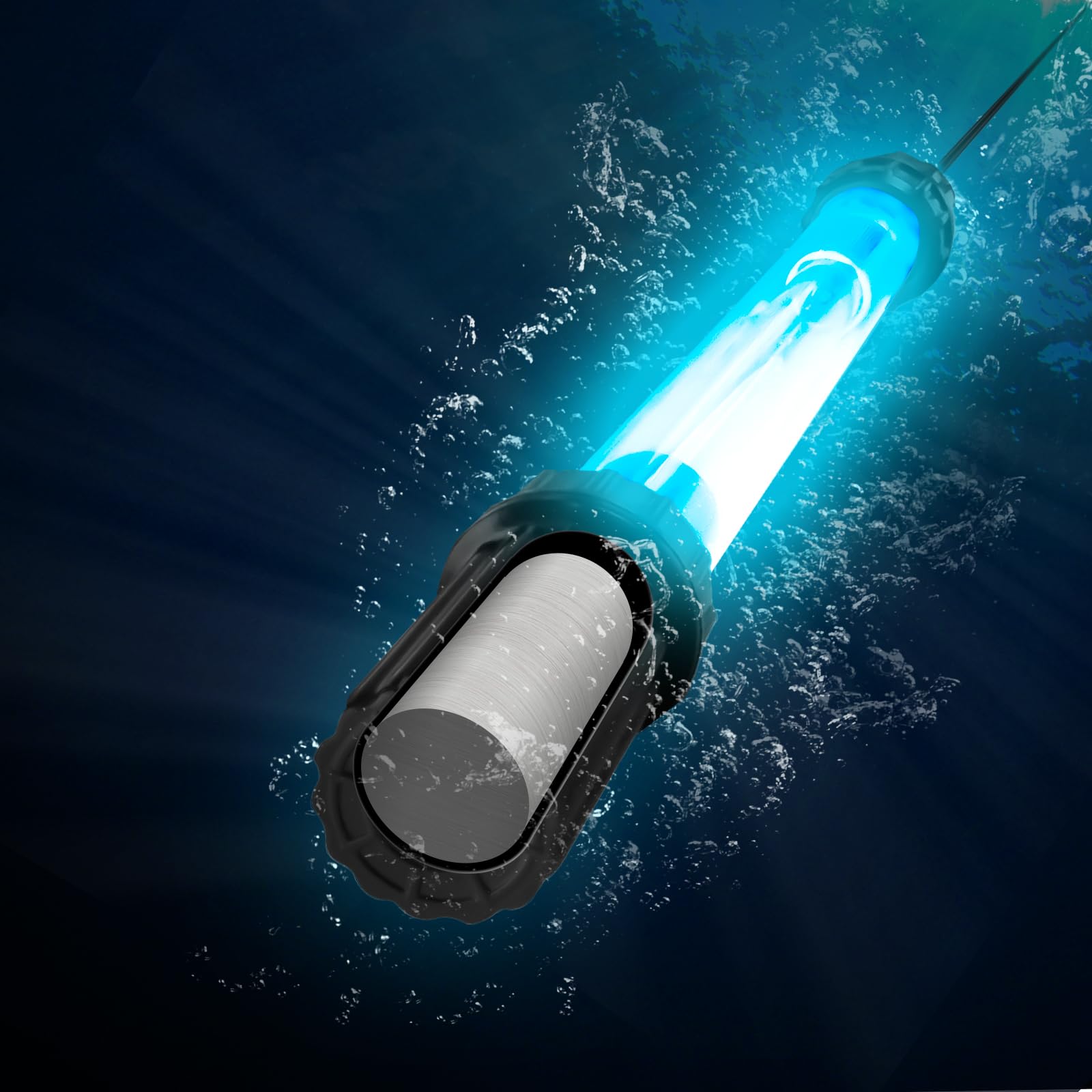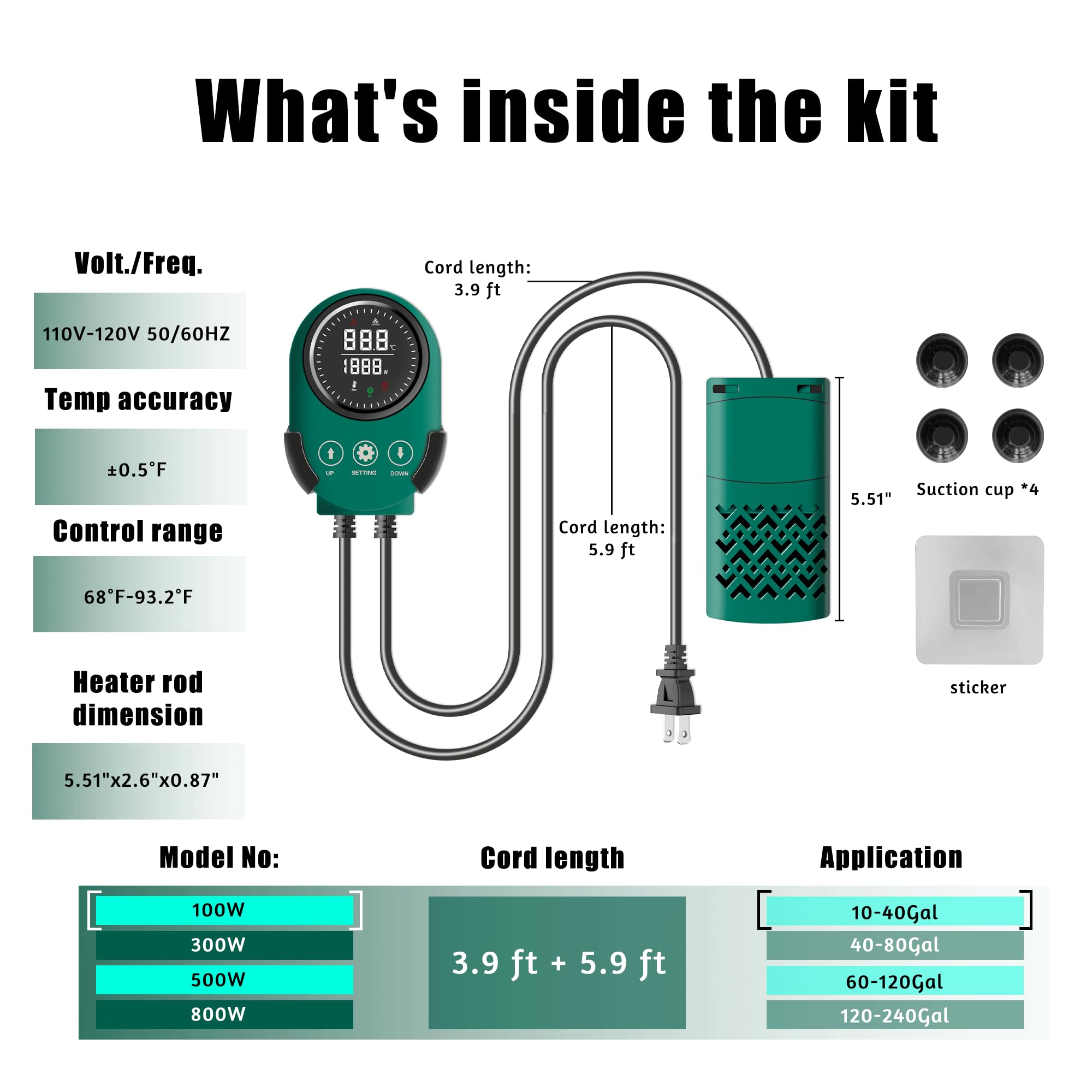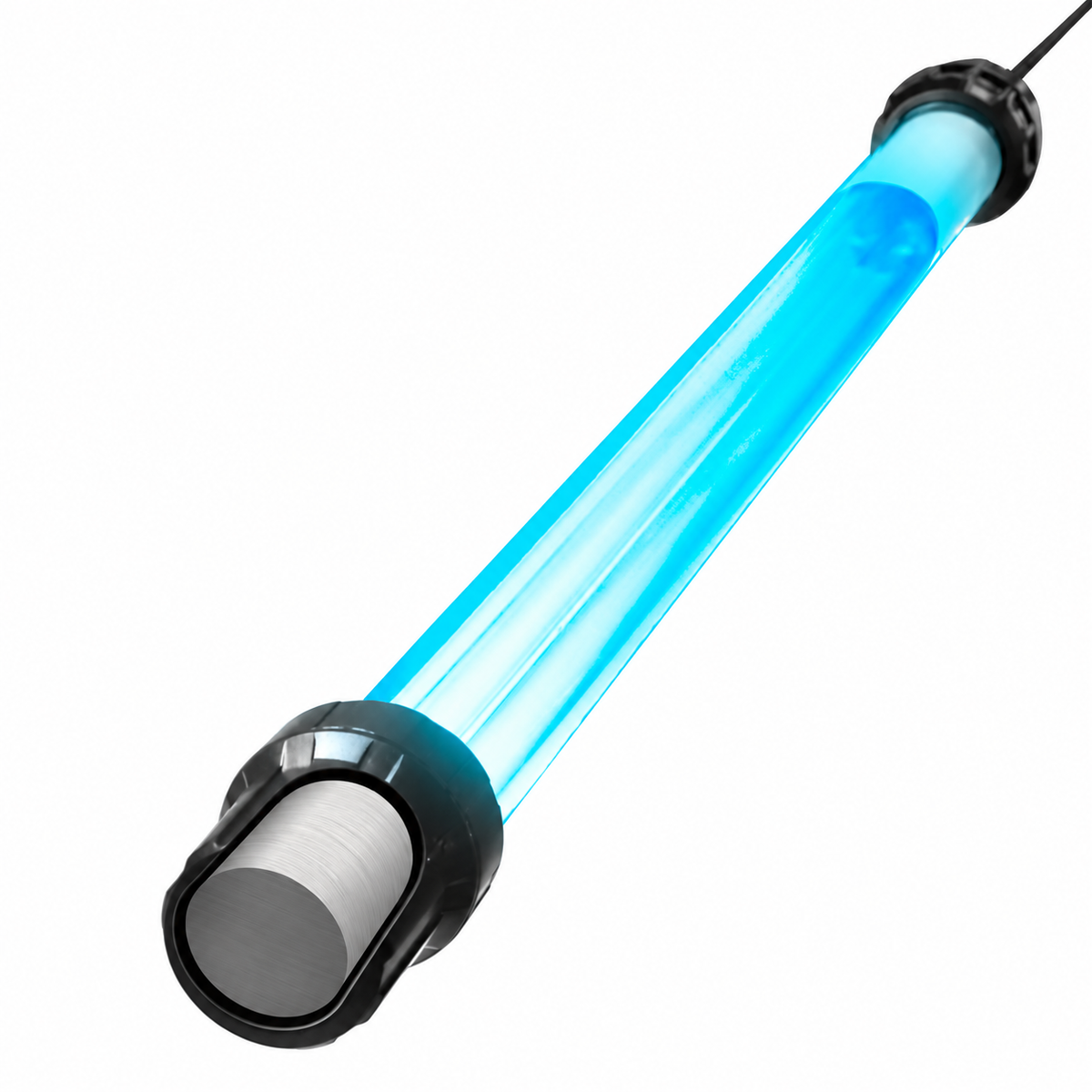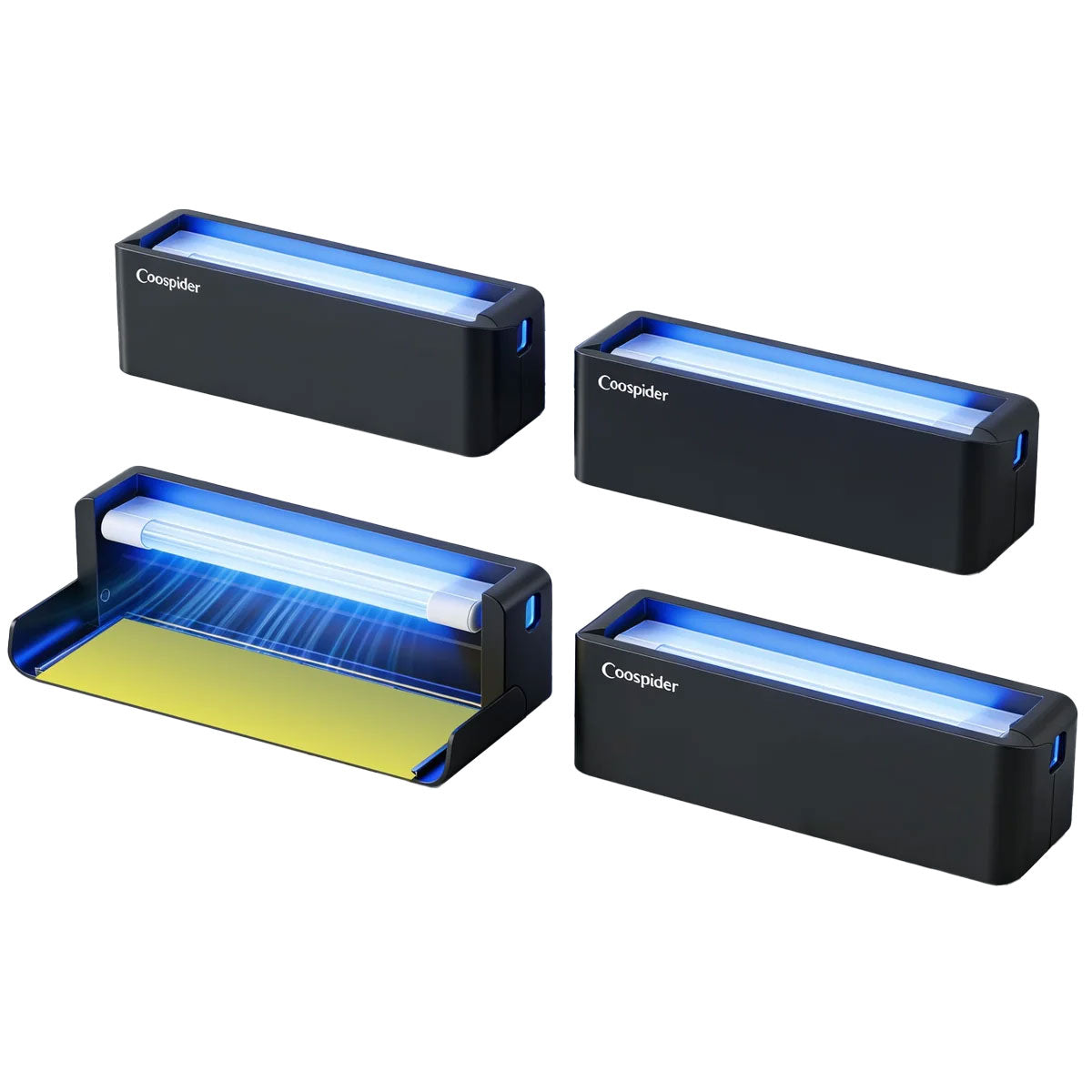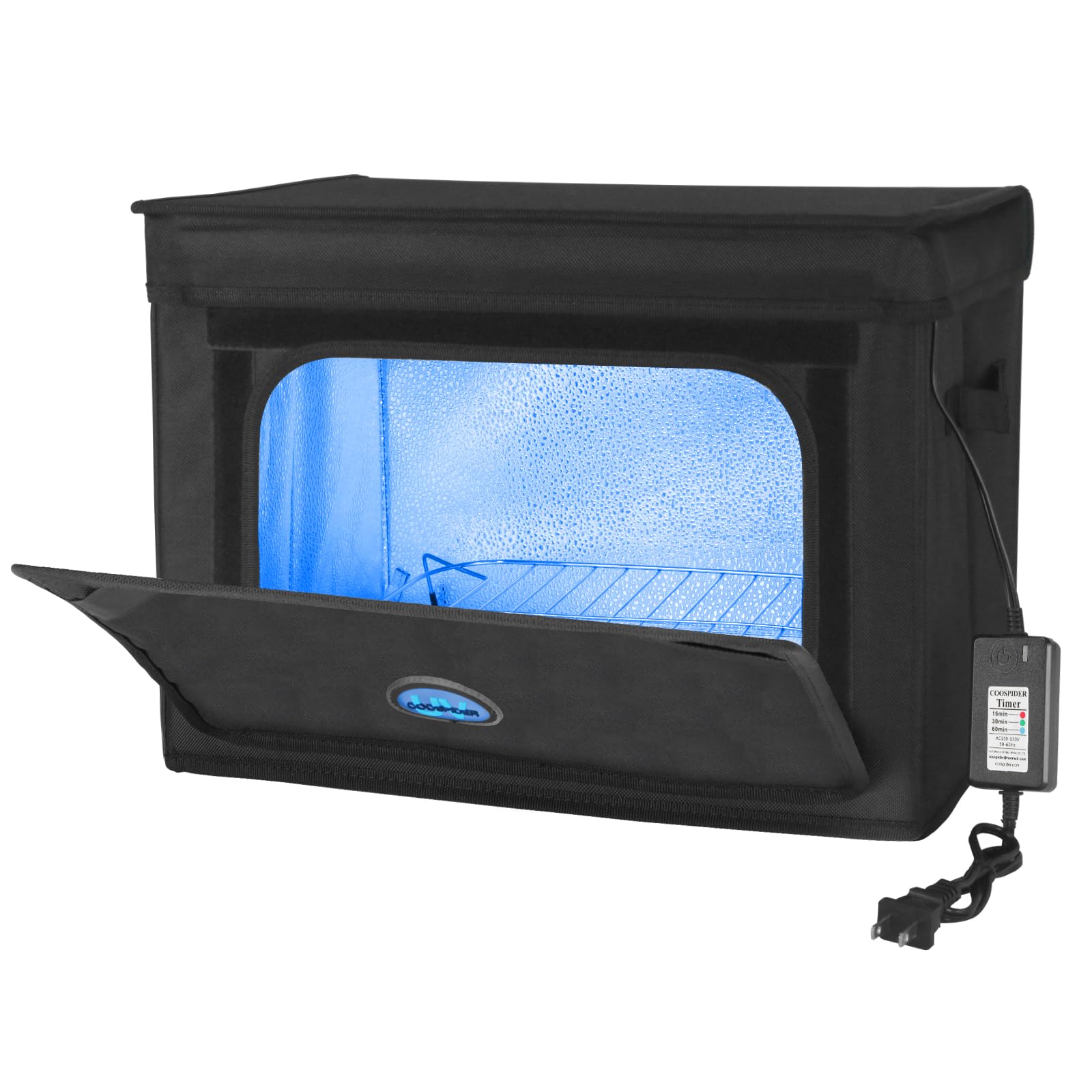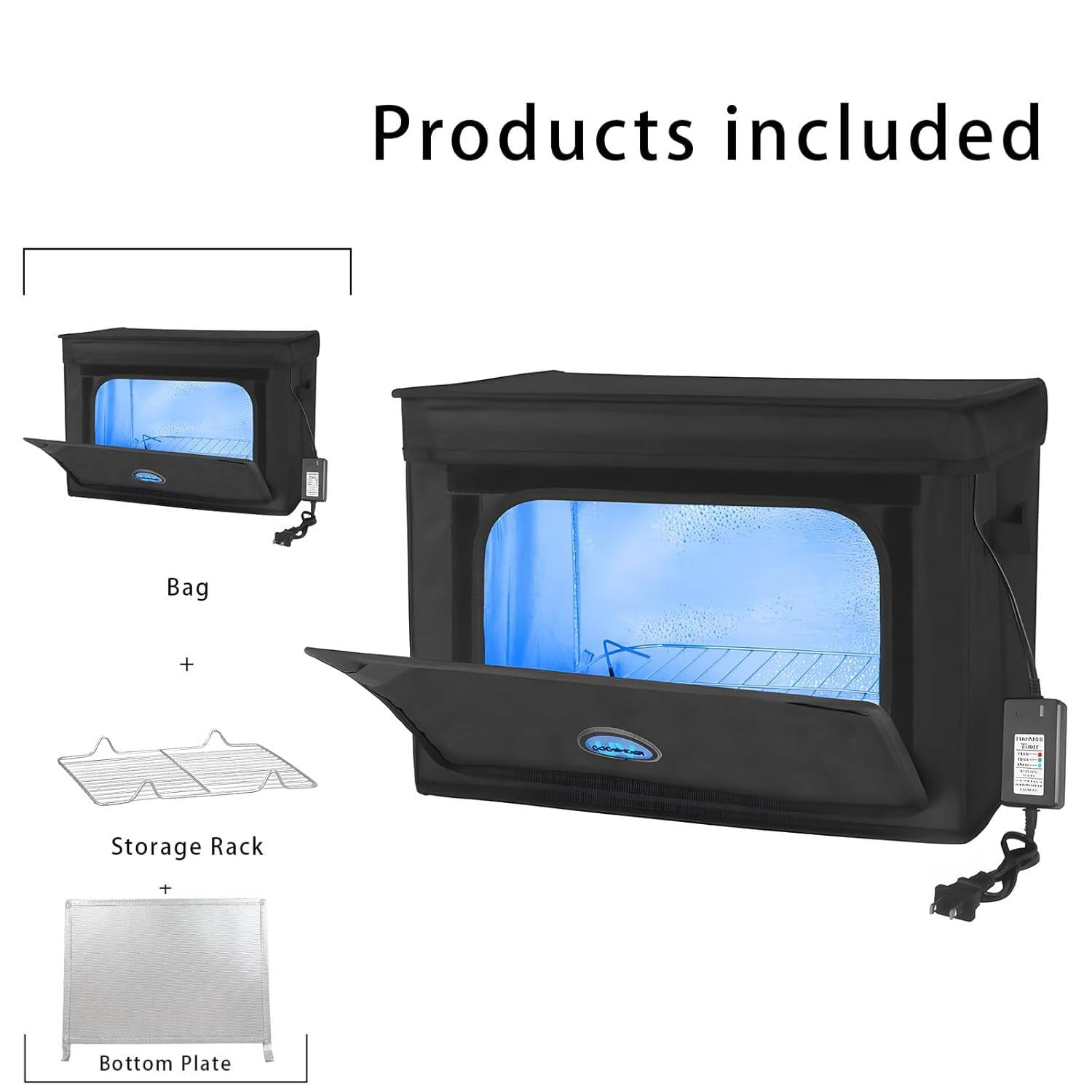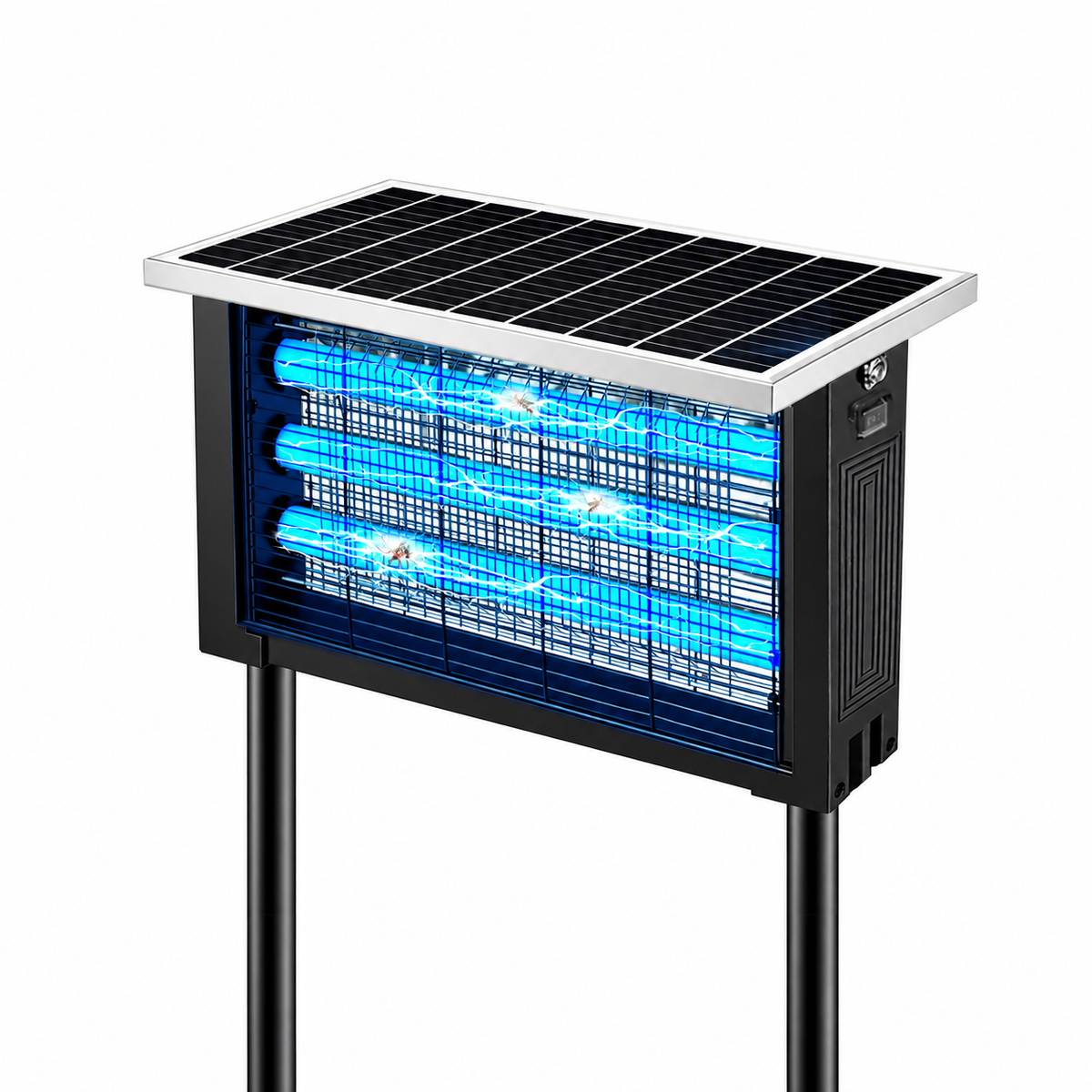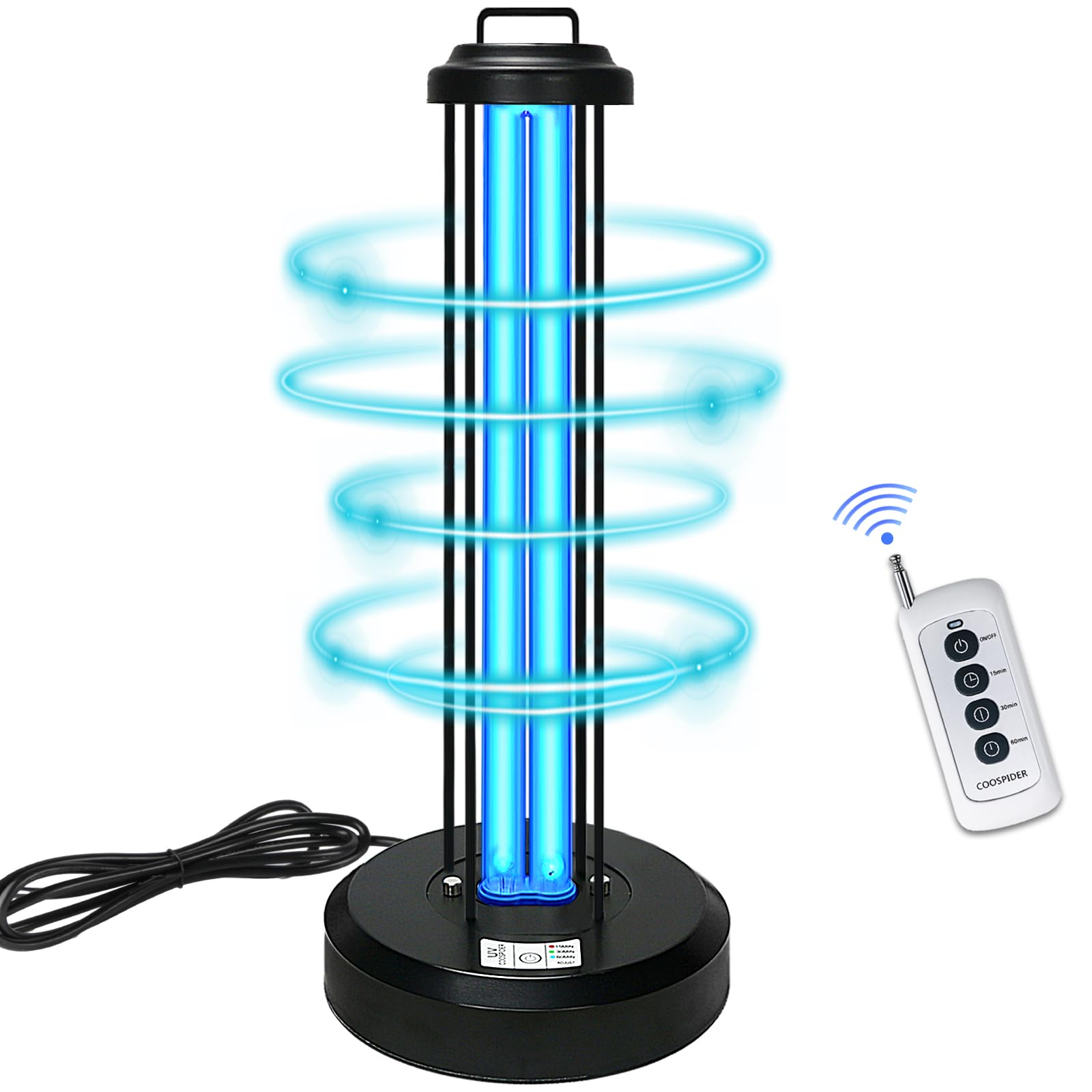
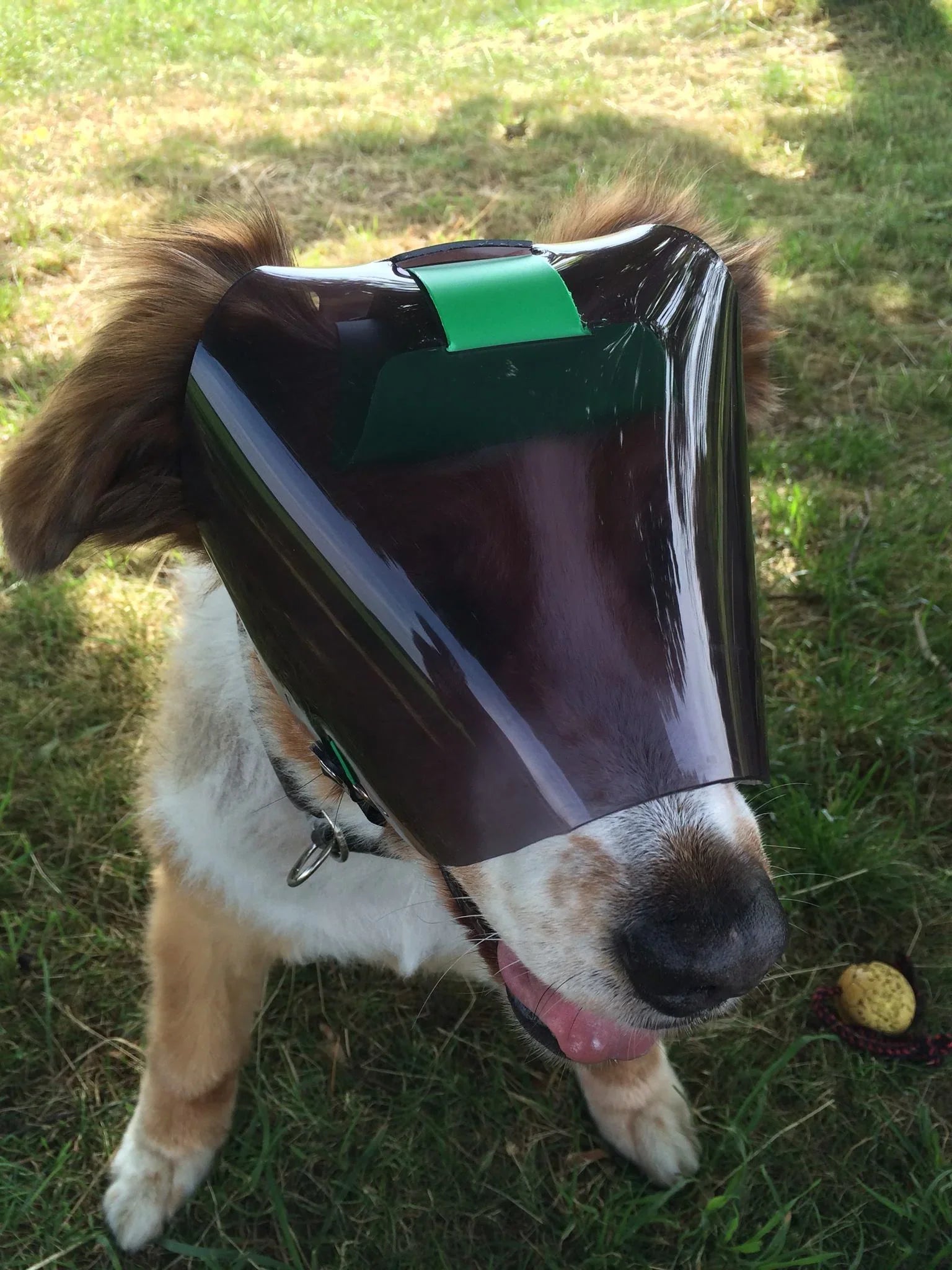
UV disinfection lamps have become increasingly popular in homes for sanitizing surfaces, air, and everyday items. From cleaning living spaces to disinfecting personal belongings, these devices promise convenience and efficiency. However, while UV sterilization can be effective when used properly, improper use can pose serious risks — especially for pets.
Unlike humans, pets cannot understand or avoid harmful UV exposure. Their sensitive eyes and skin make them particularly vulnerable to ultraviolet radiation, and even brief exposure to certain types of UV light can cause injury.
This comprehensive guide explains how UV disinfection lamps affect pets, why their eyes are at risk, and how to safely use UV devices without harming your furry companions.
What Is UV Disinfection and How Does It Work?
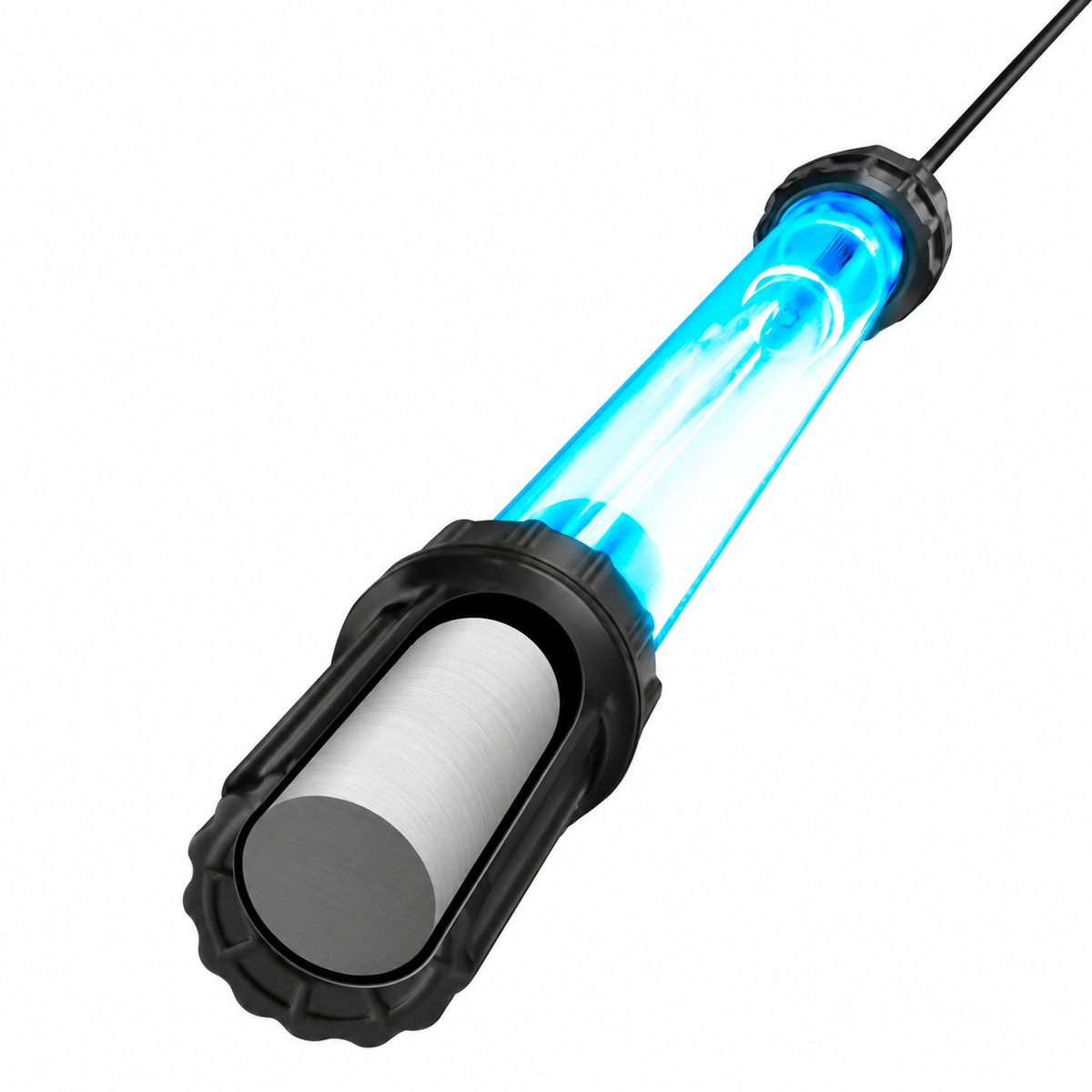
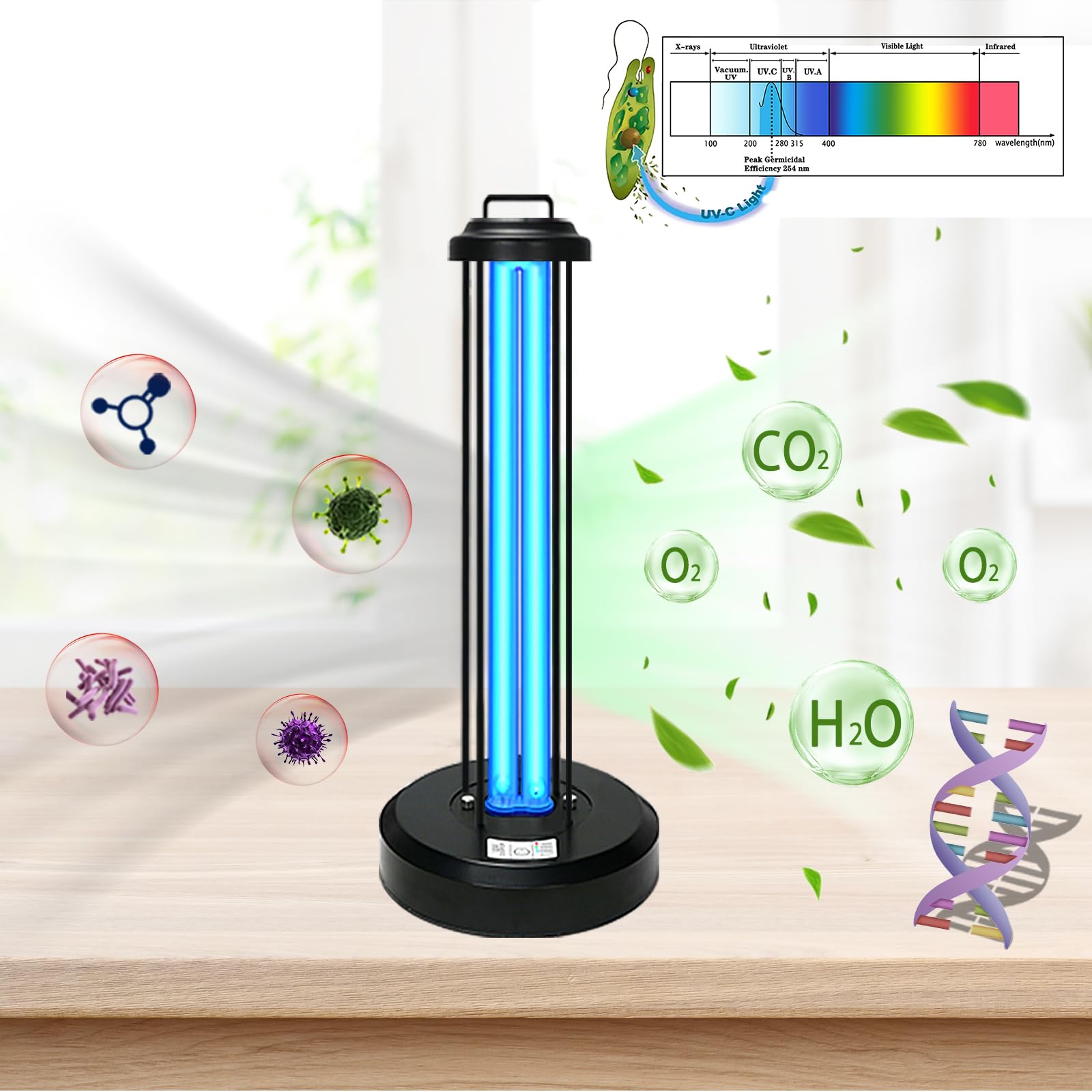
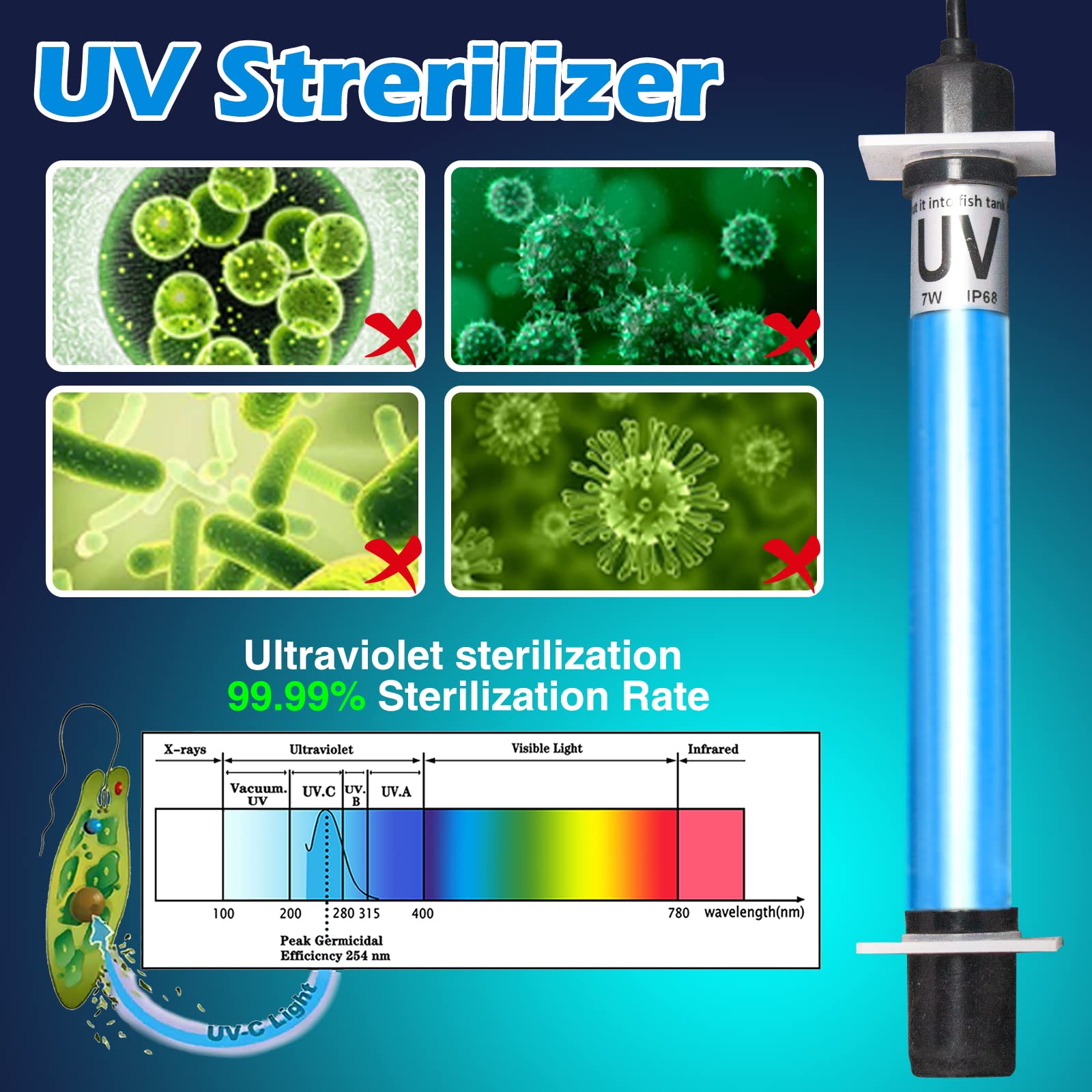
Ultraviolet (UV) light is a form of electromagnetic radiation that can destroy microorganisms by damaging their DNA or RNA. UV disinfection lamps typically emit UV-C light, which has strong germicidal properties.
UV disinfection is commonly used to:
-
Kill bacteria and viruses on surfaces
-
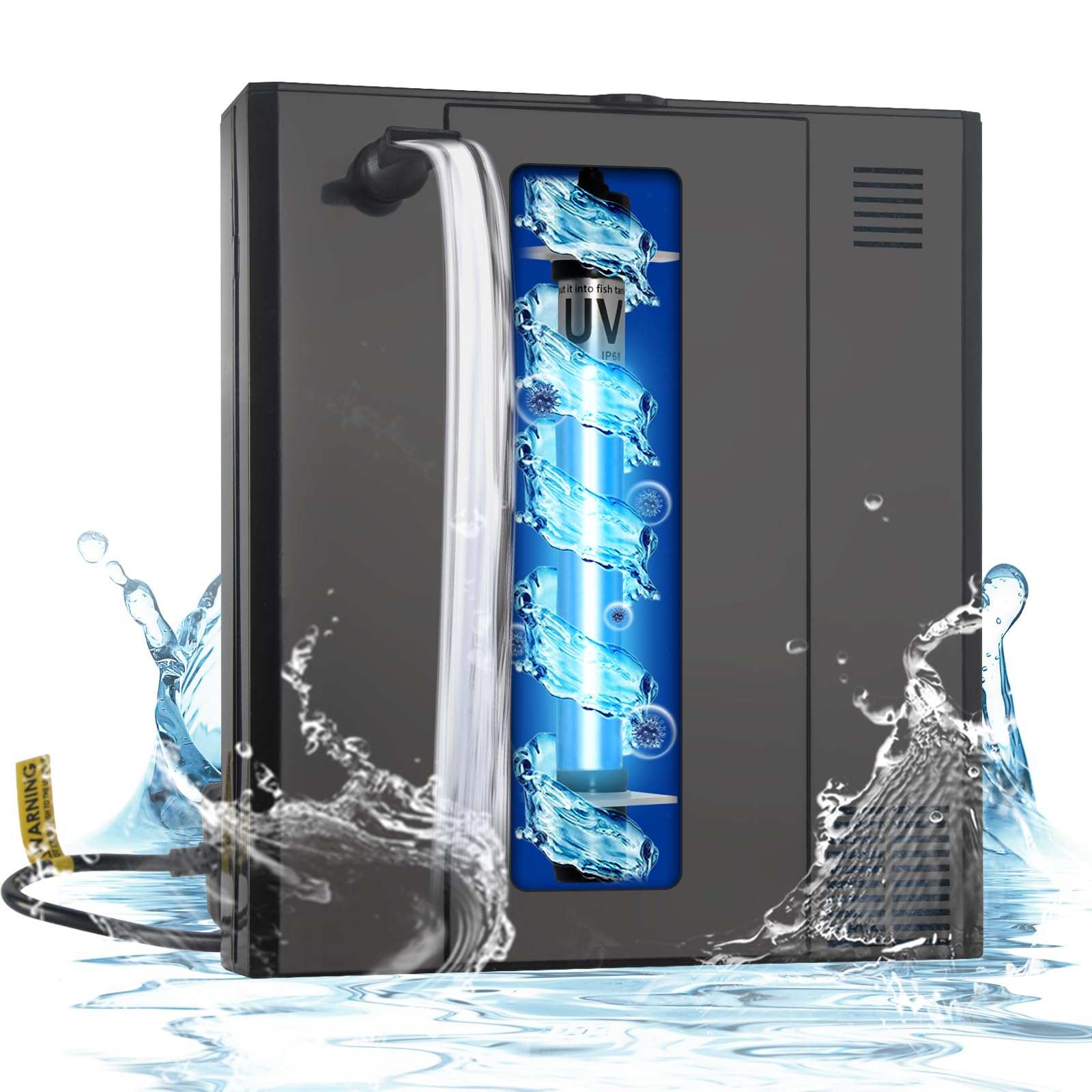
Reduce microbial contamination in air and water
-
Sterilize household items
-
Disinfect personal products
While effective against pathogens, UV-C radiation can also damage living tissue — including eyes and skin.
Why Pets Are More Vulnerable to UV Exposure
Pets experience UV exposure differently than humans for several reasons.
Limited Ability to Avoid Exposure
Animals cannot understand warnings or follow safety instructions. A pet may stare directly at a glowing UV lamp out of curiosity, increasing the risk of eye injury.
More Sensitive Eye Structures
Many pets have highly sensitive visual systems designed for low-light environments. This makes their eyes particularly vulnerable to intense ultraviolet radiation.
Behavioral Risk Factors
Pets often:
-
Roam freely indoors
-
Investigate unfamiliar objects
-
Remain in rooms during disinfection
-
Rest on floors where UV intensity may be stronger
These behaviors increase accidental exposure.
How UV Light Can Damage Pet Eyes
UV radiation can cause serious ocular damage even with short exposure times.
Photokeratitis (Corneal Burn)
Often described as a “sunburn of the eye,” photokeratitis occurs when UV radiation damages the cornea.
Symptoms may include:
-
Redness
-
Excessive tearing
-
Squinting
-
Sensitivity to light
-
Eye rubbing
-
Temporary vision impairment
This condition can develop within hours of exposure.
Corneal Ulcers
Severe UV exposure may damage surface eye tissue, leading to painful ulcers that require veterinary treatment.
Retinal Damage
Direct exposure to strong UV sources can potentially affect deeper eye structures, leading to long-term vision problems.
Chronic Eye Irritation
Repeated low-level exposure may contribute to ongoing discomfort or inflammation.
Types of UV Lamps and Their Risk Levels
Not all UV lamps pose the same level of risk.
UV-C Germicidal Lamps (Highest Risk)
These are commonly used for disinfection and emit high-energy radiation that can quickly damage eyes and skin.
They should never be used around pets or humans.
UV-A Lamps (Lower Risk but Still Hazardous)
UV-A is less energetic but prolonged exposure may still cause harm.
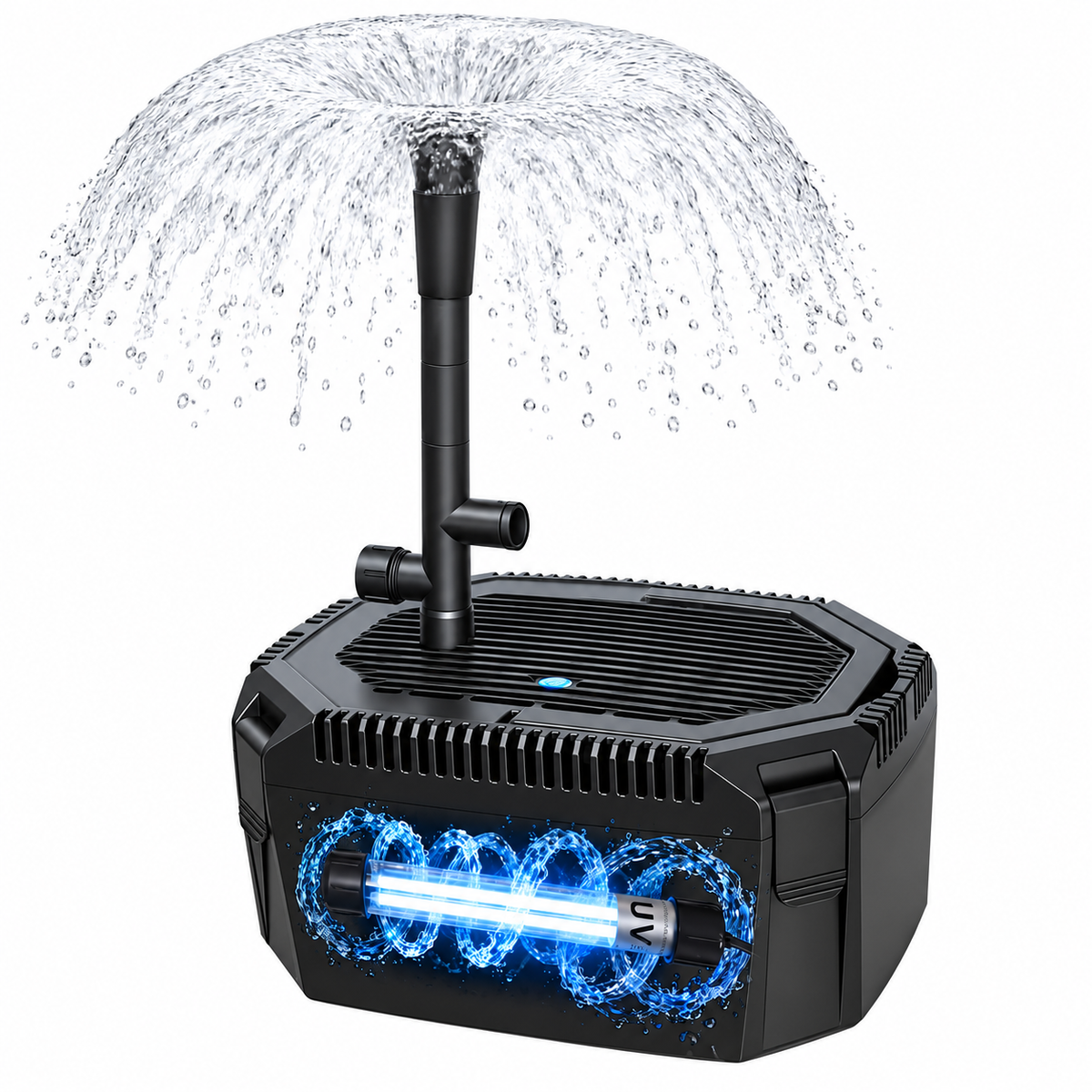
Enclosed UV Sterilization Devices (Safer Option)
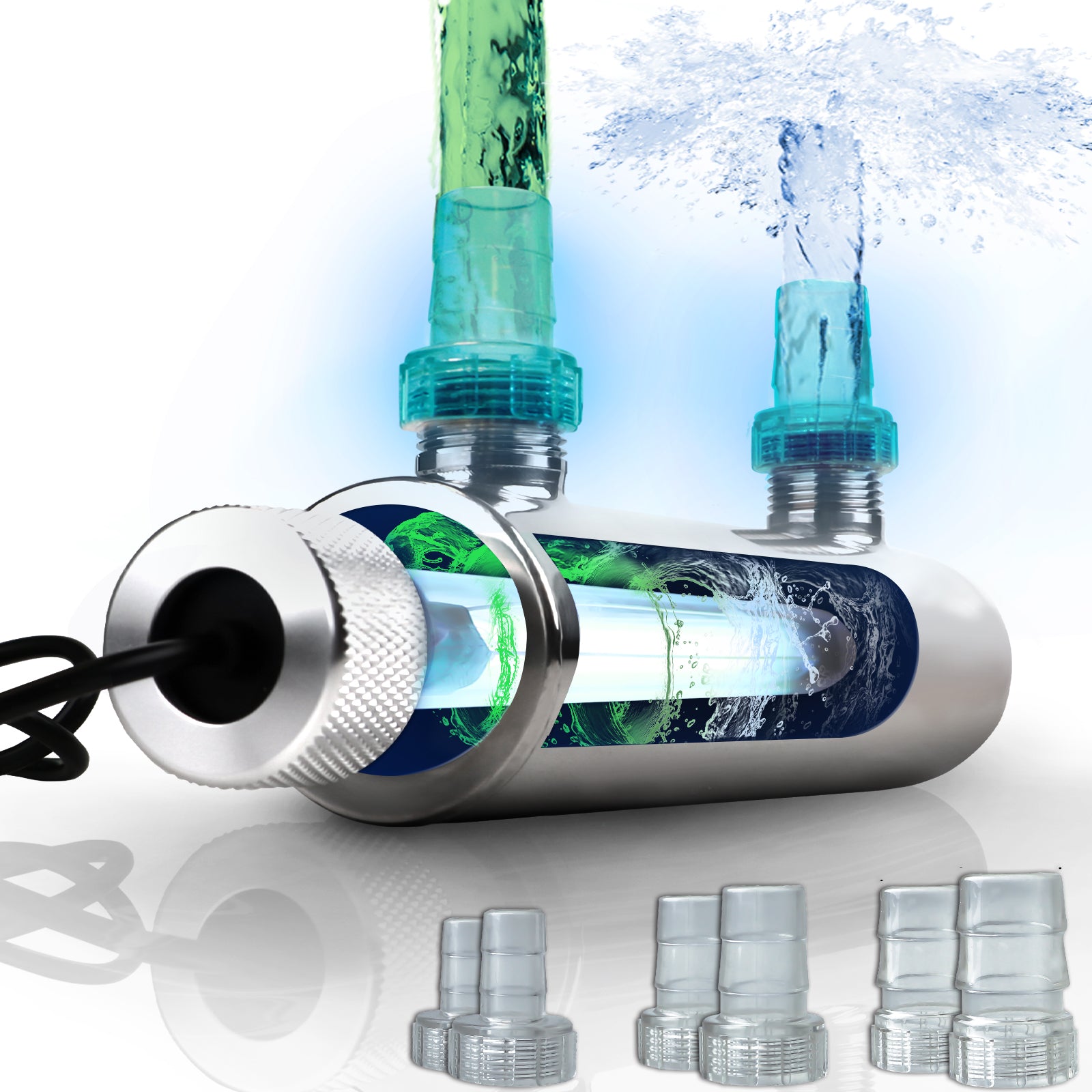
These devices operate inside sealed chambers that prevent light leakage, reducing exposure risk.
Warning Signs Your Pet May Have UV Eye Injury
After UV lamp use, monitor your pet for:
-
Excessive blinking or squinting
-
Red or watery eyes
-
Pawing at the face
-
Avoidance of light
-
Cloudy eye appearance
-
Behavioral changes
If symptoms appear, consult a veterinarian immediately.
Professional veterinary organizations such as the American Veterinary Medical Association emphasize the importance of rapid treatment for eye injuries to prevent permanent damage.
Safe Ways to Use UV Disinfection Lamps Around Pets
Responsible usage significantly reduces risk.
Remove Pets from the Room
Always relocate pets to another area before turning on a UV disinfection lamp.
Best practices include:
-
Closing doors securely
-
Confirming pets cannot re-enter
-
Keeping disinfection zones isolated
Never Use UV Lamps in Occupied Spaces
No person or animal should be present during active UV disinfection.
Even brief exposure can be harmful.
Use Timers or Remote Activation
Timers help prevent accidental exposure by allowing you to leave the room before activation.
Post Warning Signs
If others share the home, use visible reminders to prevent accidental entry during operation.
Follow Manufacturer Instructions Carefully
Different devices have different safety requirements.
Always follow:
-
Exposure time limits
-
Recommended distances
-
Operating conditions
Choosing Pet-Safe UV Disinfection Equipment
If you live with animals, equipment selection matters.
Prefer Enclosed Sterilization Devices
These include:
-
UV sterilization boxes
-
Sealed cabinet systems
-
Enclosed air purification units
They contain UV radiation within a protected chamber.
Check Safety Certifications
Regulatory agencies like the U.S. Food and Drug Administration provide guidance on UV device safety and usage standards.
Look for products that meet recognized safety requirements.
Avoid Open Bulb Systems in Shared Spaces
Open UV lamps increase the chance of accidental exposure.
Creating a Pet-Safe Disinfection Routine
Consistency helps prevent mistakes.
Step 1: Establish a Dedicated Disinfection Area
Choose a location pets cannot access.
Step 2: Schedule Disinfection Times
Run UV devices when pets are in separate rooms or outdoors.
Step 3: Ventilate After Use
Proper airflow reduces residual ozone or heat effects from some devices.
Step 4: Confirm Lamp Is Off Before Reentry
Always verify the device is powered down before allowing pets back.
Alternative Sanitization Methods for Pet Owners
If UV risks concern you, consider alternative methods.
Chemical Disinfectants
Pet-safe cleaning solutions can effectively sanitize surfaces when used properly.
Steam Cleaning
High-temperature steam kills many microorganisms without UV exposure.
Regular Cleaning Practices
Routine hygiene reduces reliance on strong disinfection methods.
UV Reflection: An Overlooked Risk
UV light can reflect off surfaces such as:
-
Mirrors
-
Glass
-
Metal
-
Light-colored floors
Reflection may expose pets even when they are not directly facing the lamp.
Proper room preparation reduces this risk.
Protecting Different Types of Pets
Different animals have different exposure risks.
Cats
Curious behavior and strong light sensitivity increase risk.
Dogs
May remain near owners or investigate glowing devices.
Birds
Extremely sensitive eyes make them particularly vulnerable.
Small Mammals
Rabbits and rodents often stay at ground level where UV intensity may be stronger.
Long-Term Health Considerations
Repeated UV exposure may contribute to:
-
Chronic eye irritation
-
Skin damage
-
Increased health complications
Preventive measures protect long-term wellbeing.
Common Misconceptions About UV Safety
“Short exposure is harmless.”
Even brief exposure can cause injury.
“Pets instinctively avoid harmful light.”
Animals may approach unfamiliar light sources.
“Low-power UV devices are always safe.”
Safety depends on exposure, not just power.
“UV lamps only affect skin.”
Eyes are often more sensitive than skin.
The Role of Responsible Technology Use
UV disinfection is a powerful tool when used correctly. However, technology must be balanced with safety awareness, especially in households with animals.
Responsible use includes:
-
Understanding risks
-
Following guidelines
-
Choosing appropriate equipment
-
Prioritizing pet safety
What to Do If Your Pet Is Exposed to UV Light
If accidental exposure occurs:
-
Turn off the UV device immediately.
-
Move your pet to a low-light environment.
-
Prevent further eye irritation.
-
Monitor symptoms closely.
-
Seek veterinary care if signs appear.
Early intervention improves recovery outcomes.
Future Trends in Safe UV Technology
Manufacturers are developing safer designs, including:
-
Motion sensors
-
Automatic shutoff systems
-
Enclosed sterilization chambers
-
Low-leakage UV technology
These innovations aim to reduce exposure risk in homes.
Balancing Hygiene and Pet Safety
Clean living spaces support health, but safety should always come first. Proper use of UV disinfection lamps allows households to benefit from sterilization technology while protecting pets from harm.
Final Thoughts: Smart UV Use Keeps Pets Safe
UV disinfection lamps can be useful tools for maintaining hygiene, but they must be used responsibly. Pets depend entirely on their owners to create safe environments, and preventing UV-related eye injury requires awareness, planning, and careful operation.
By removing pets from exposure areas, selecting safer equipment, and following proper procedures, you can enjoy the benefits of UV disinfection without putting your animals at risk.
A clean home and a healthy pet should always go hand in hand — and with informed choices, they can.