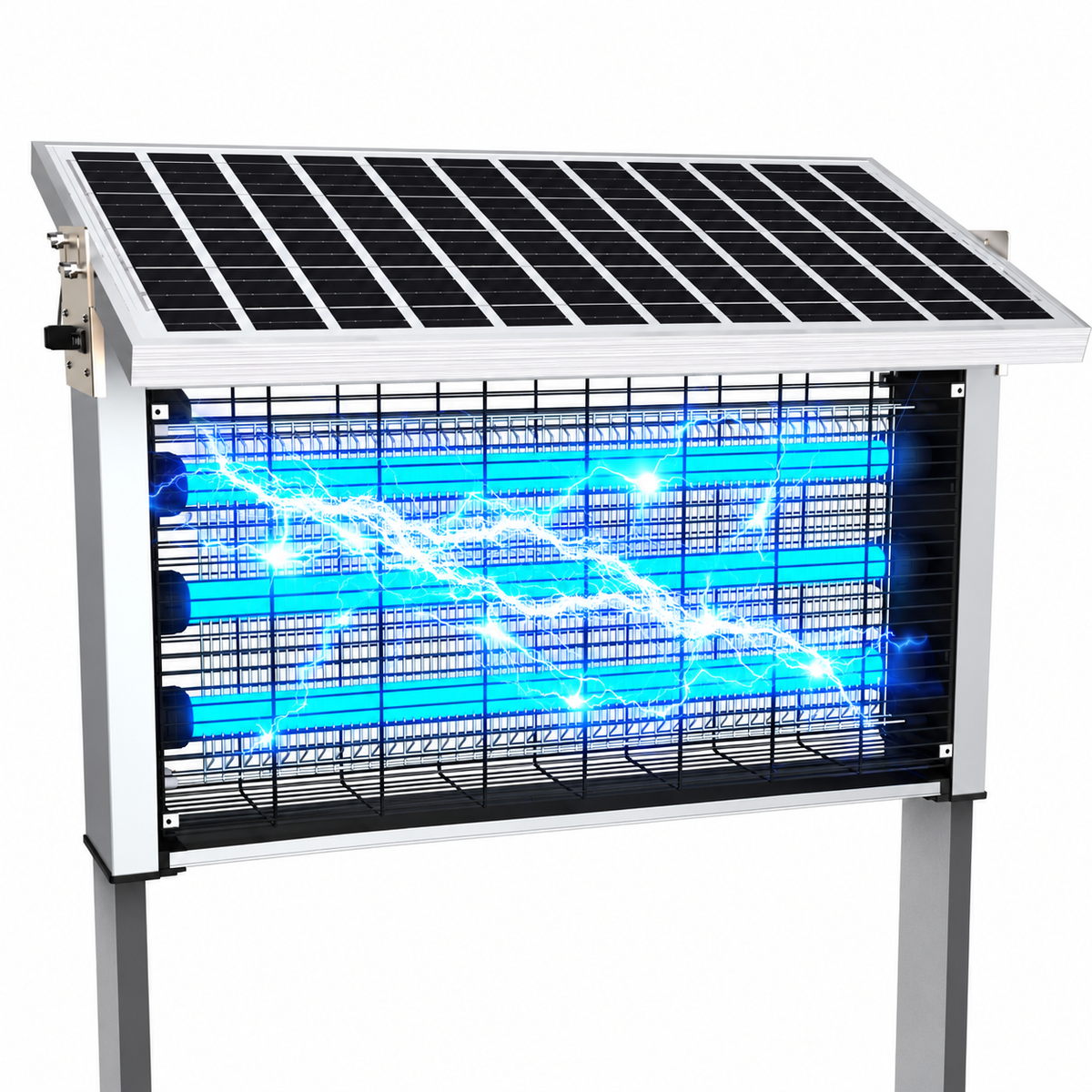

For as long as humans have walked the earth, we have been at war with the mosquito. It is a conflict defined by itchy welts, sleepless nights, and the somber reality that this tiny insect is the world’s deadliest animal. But while the mosquito’s tactics have remained largely unchanged for millennia, human ingenuity has evolved through a fascinating technological arc.
The history of the Mosquito Lamp is more than just a timeline of gadgets; it is a reflection of our advancing understanding of biology, physics, and "Black Tech" innovation. From the flickering tallow candles of the ancient world to the AI-driven, carbon-dioxide-mimicking smart traps of today, the quest to reclaim the night has been a brilliant journey of scientific discovery.
In this 4,000-word retrospective, we will explore how we moved from simple smoke and mirrors to the high-precision, eco-friendly sterilization and trapping systems that define modern pest control.
1. The Pre-Industrial Era: Smoke, Oil, and Sacrifice
Before we understood the electromagnetic spectrum or chemical attractants, our ancestors relied on the most basic elements of nature: Fire and Botany.
The Power of Smoke
Ancient civilizations in Egypt, Mesopotamia, and China noticed that mosquitoes were repelled by thick smoke. The earliest "mosquito lamps" were actually ceramic braziers. By burning specific resins, such as frankincense or dried neem leaves, humans created a chemical "no-fly zone." This was the birth of the Citronella concept—using aromatic oils to mask the human scent.
The Lantern Trap
In medieval Europe and Asia, the first "traps" appeared. These were simple oil lamps placed near windows. The heat and light would attract a small percentage of insects, which would eventually fall into the hot oil and perish. While inefficient, this established the foundational principle of Phototaxis—the attraction of organisms to light—which would dominate the industry for the next thousand years.
2. The Early 20th Century: The Electrification of the War
The true turning point in mosquito control arrived with the mastery of electricity. In the early 1900s, as cities began to glow with incandescent bulbs, scientists noticed that certain types of light were far more "attractive" to insects than others.
The Invention of the "Bug Zapper" (1934)
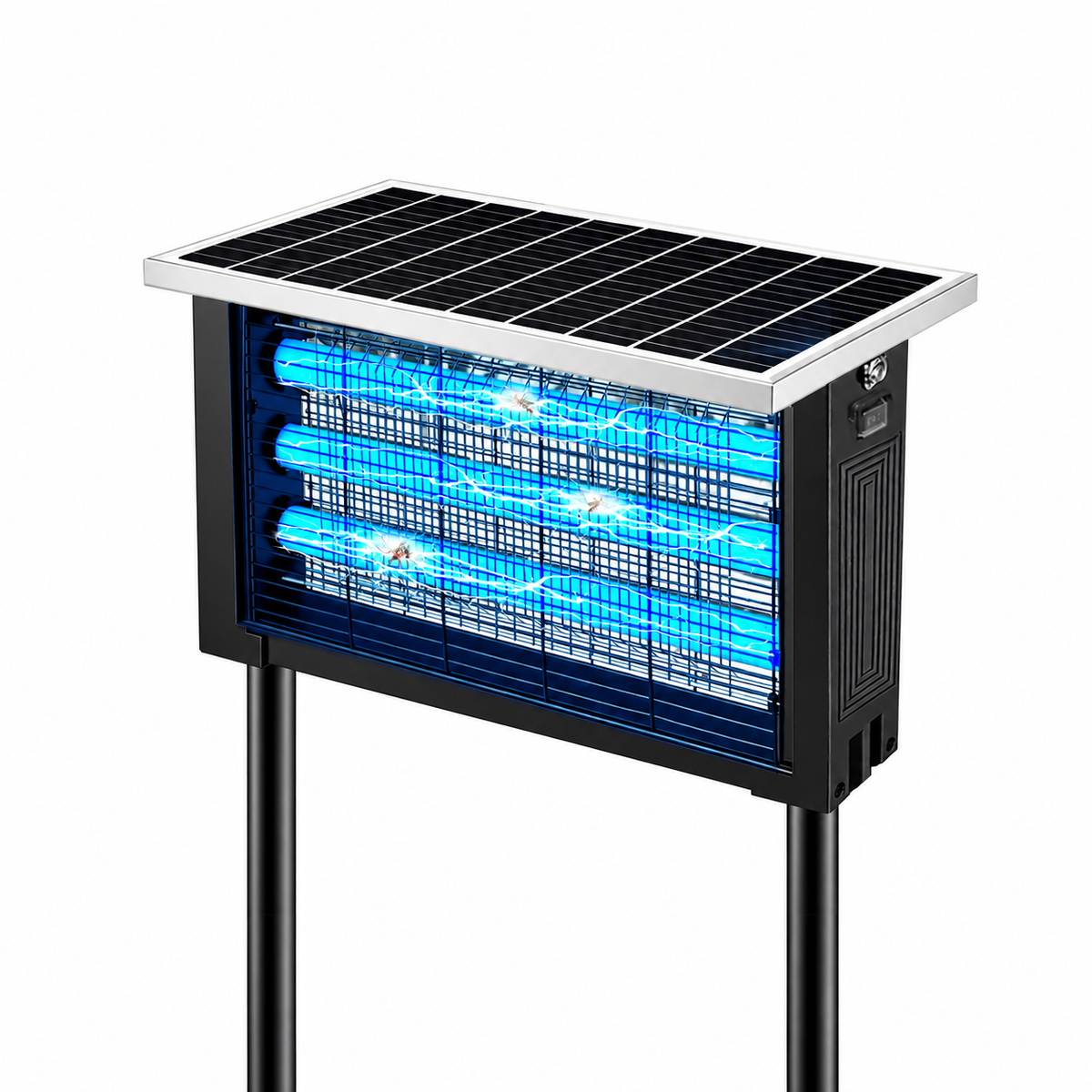
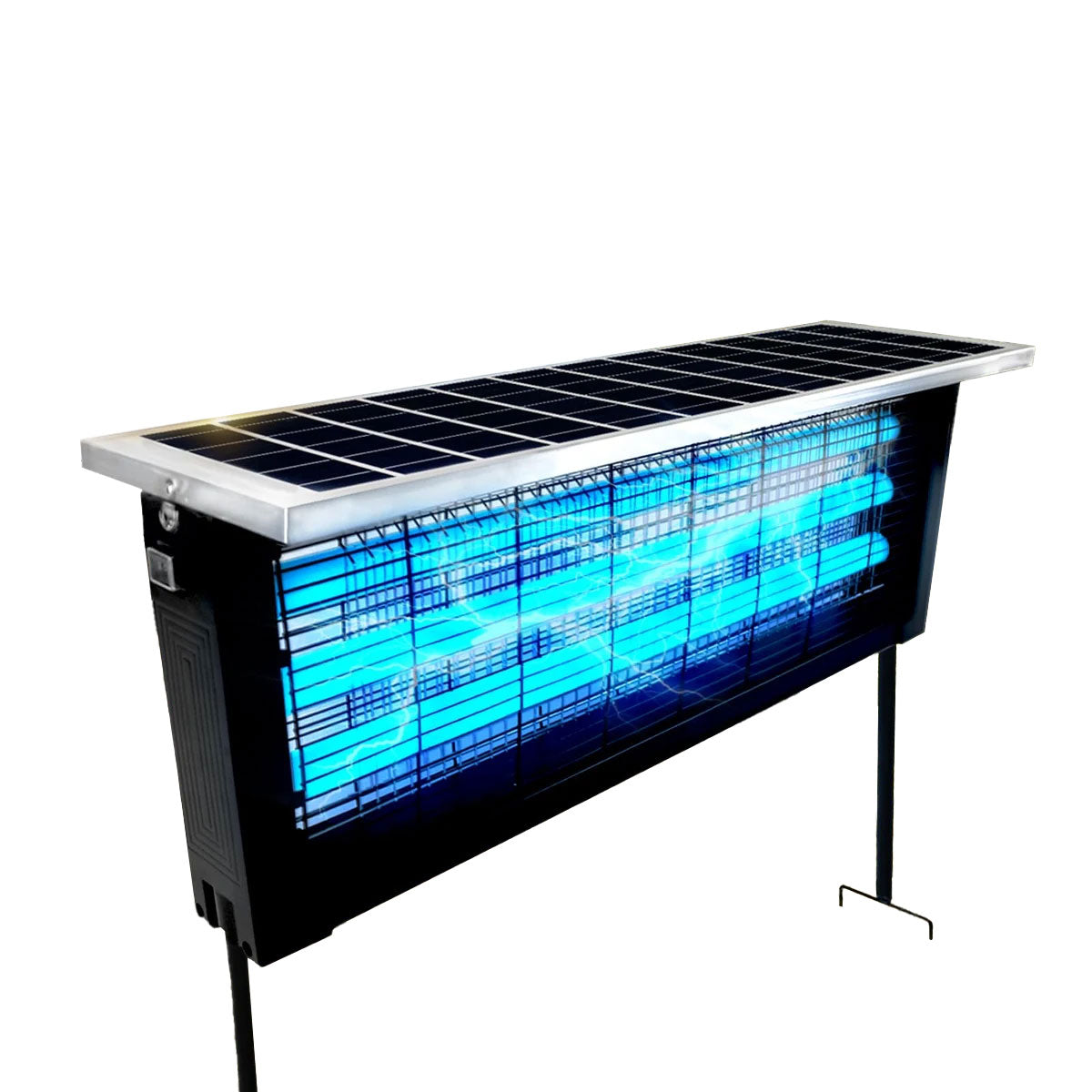
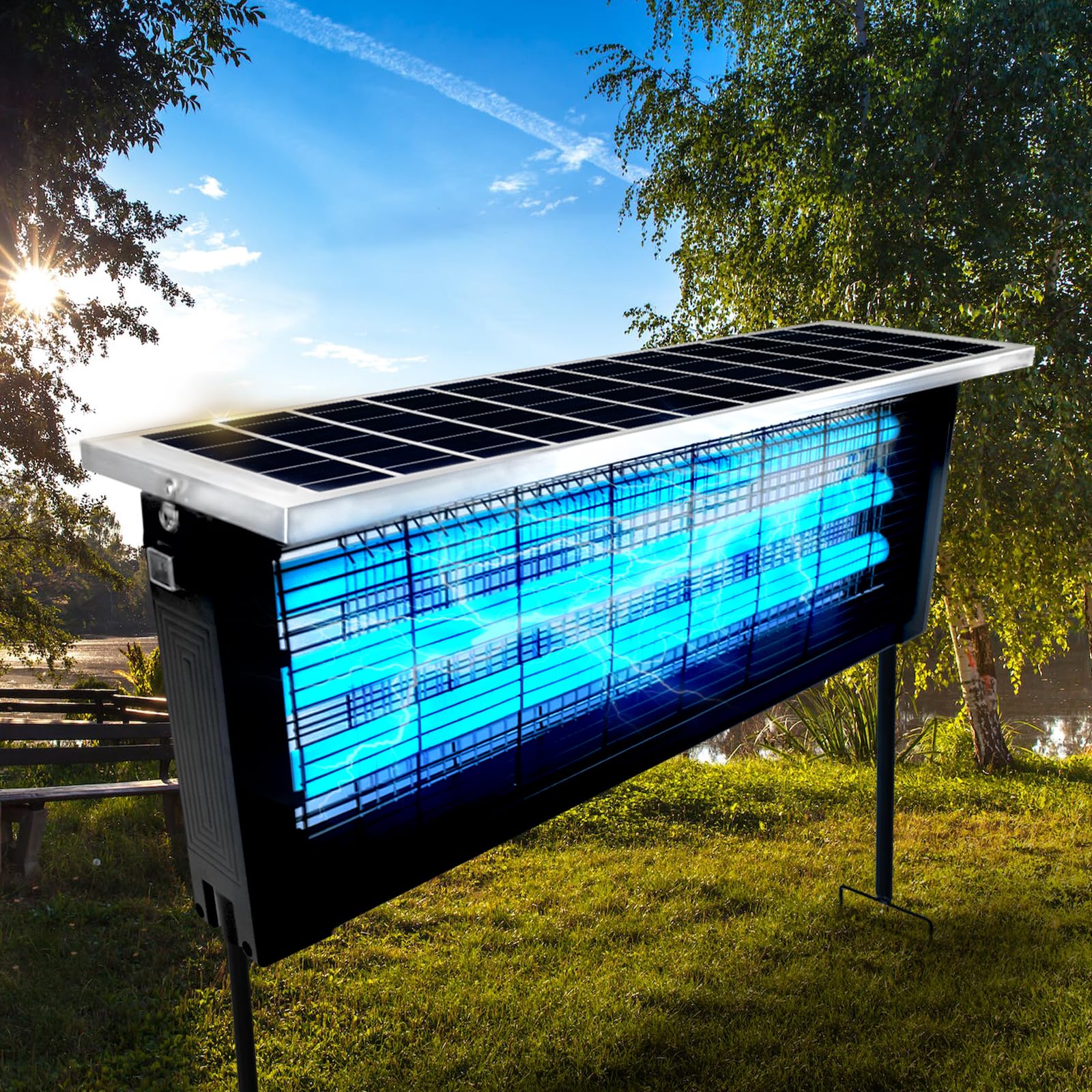
The world’s first patent for an electronic insect-killing device was granted to William Frost in 1934. His invention was the ancestor of the classic "Bug Zapper." By surrounding a high-intensity light source with an electrified wire grid, Frost created a device that promised to "cleanse" backyards across America.
-
The Problem: Early zappers were "indiscriminate killers." They utilized visible light that attracted moths and beetles but often ignored the female mosquito, which is more attracted to heat and CO2 than mere brightness.
-
The Legacy: This era taught us that to kill a mosquito, we needed to think less like an electrician and more like a biologist.
3. The "Black Light" Era: Harnessing UV Radiation
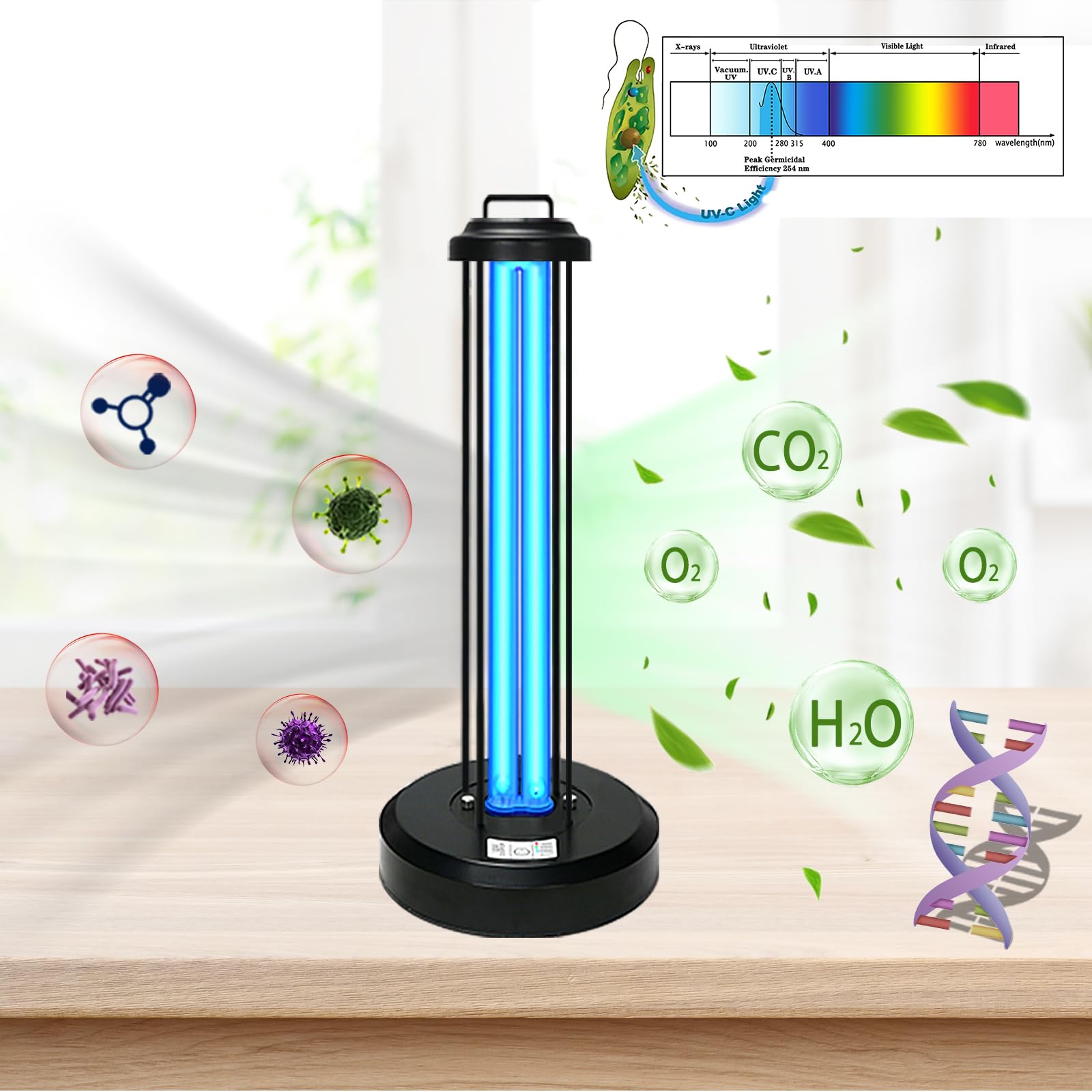
In the 1960s and 70s, the "Black Tech" of the era was the discovery of the impact of Ultraviolet (UV) Light on insect behavior. Researchers found that while humans see a limited spectrum, mosquitoes are highly sensitive to UV wavelengths.
The Blue Glow Revolution
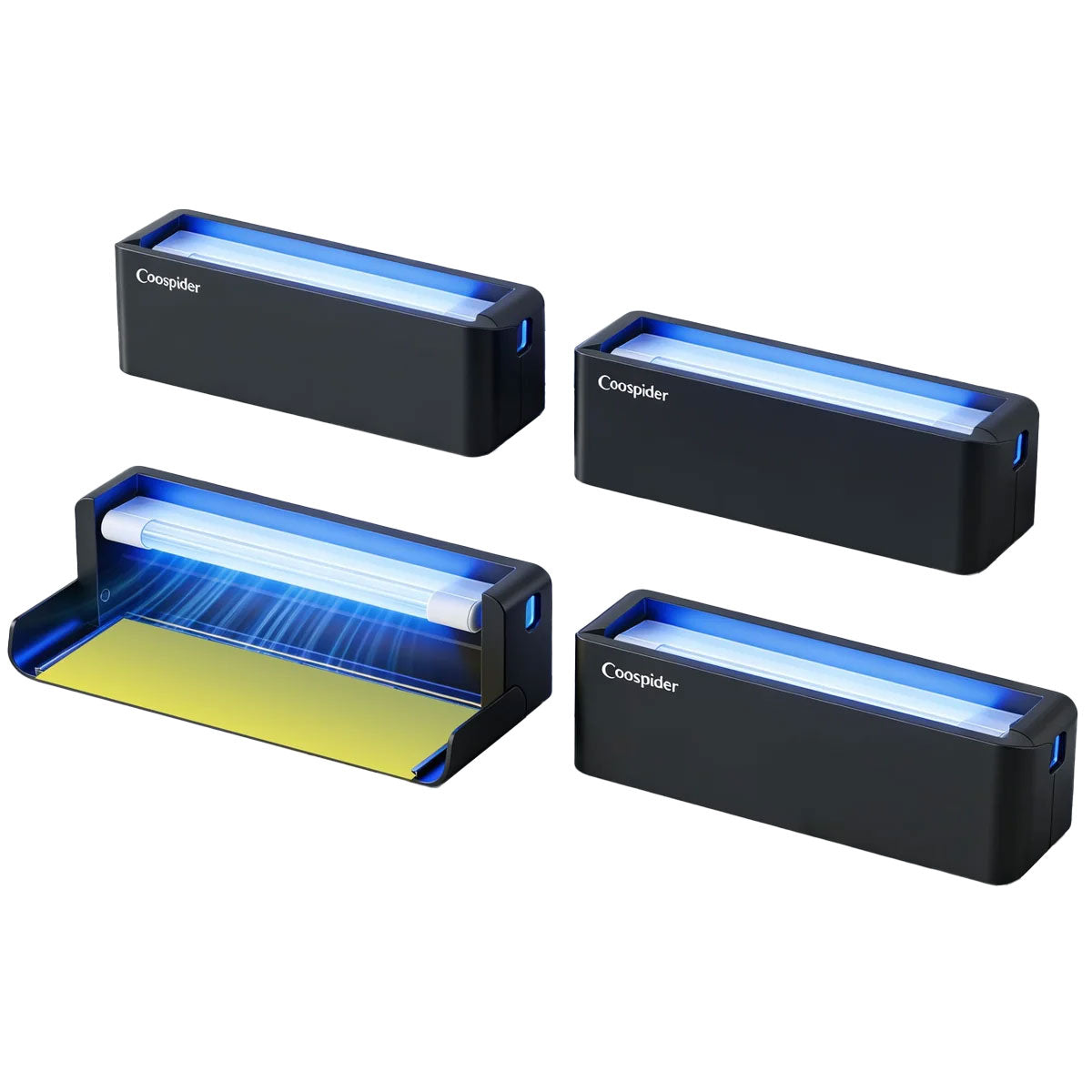
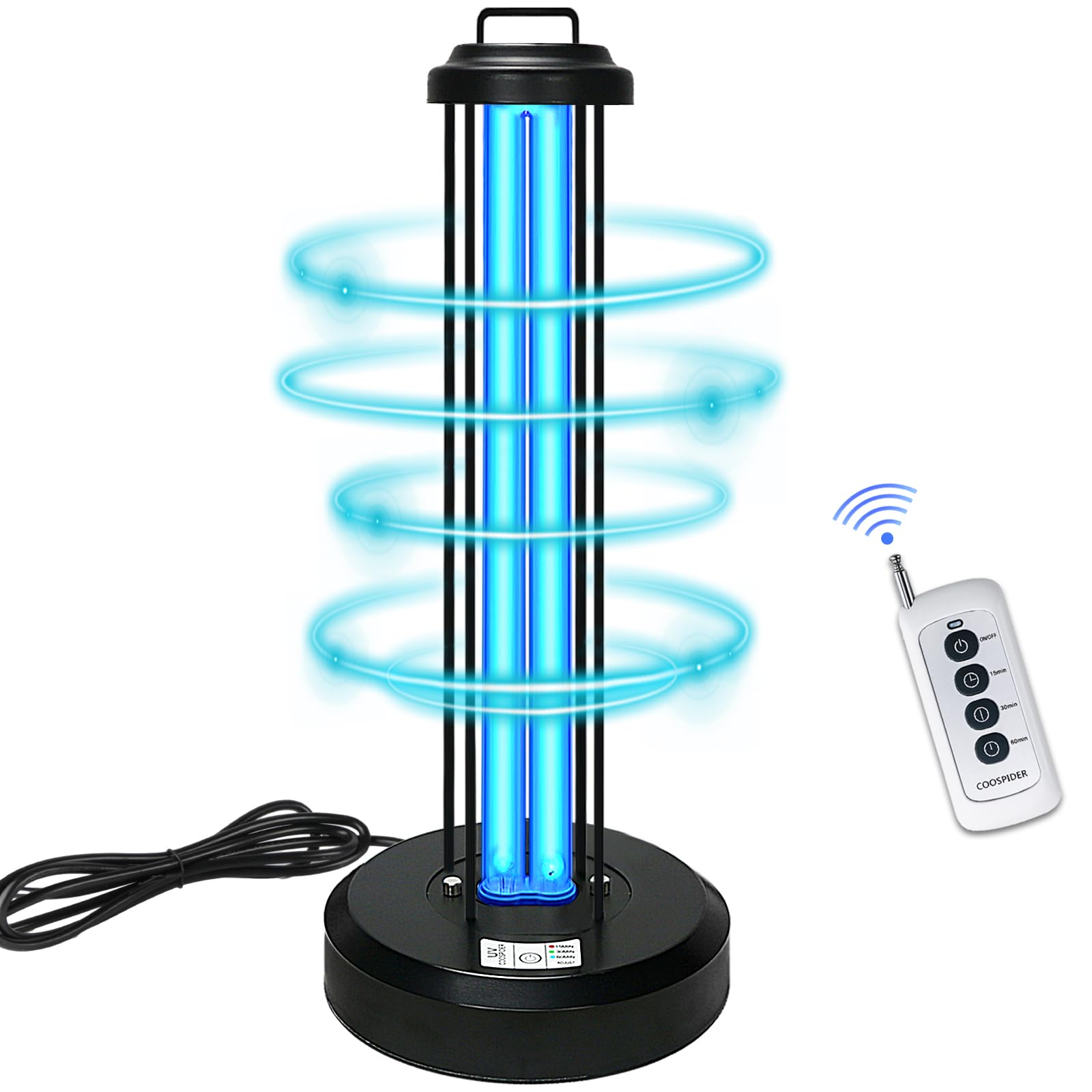
Manufacturers began replacing standard white bulbs with UV-A fluorescent tubes (operating in the 315–400 nm range). These lamps, known as "Black Light Blue" (BLB) lamps, significantly increased the "draw distance" of insect traps. This led to the golden age of the American backyard zapper—the ubiquitous humming blue light that defined suburban summer nights in the 1980s.
4. The Biological Pivot: Mimicking the Human "Signature"
By the late 1990s, the scientific community reached a startling conclusion: Light alone isn't enough. Female mosquitoes (the only ones that bite) are "blood hunters," and they locate their prey through a complex "Human Signature" involving Carbon Dioxide (CO2), Body Heat, and Lactic Acid.
The Rise of the Bio-Trap
This realization gave birth to a new generation of lamps that didn't just shine—they "breathed." Modern traps began to incorporate:
-
CO2 Catalysts: Using Titanium Dioxide ($TiO_2$) coated surfaces that, when hit by UV light, produce small amounts of CO2 through a photocatalytic reaction.
-
Thermal Heaters: Internal elements designed to mimic the 98.6°F (37°C) surface temperature of a mammal.
-
Chemical Lures: Cartridges containing Octenol or Lactic Acid to mimic human sweat.
5. Modern "Black Tech": Smart Sensors and AI Integration
We are currently living in the "Smart Era" of pest control. The modern mosquito lamp is no longer a "dumb" grid; it is a sophisticated piece of integrated technology.
The Frequency War: Sonic and Ultrasonic Tech
Modern high-end lamps now utilize Variable Frequency Sound Waves. By mimicking the wing-beat frequency of a male mosquito, these devices can repel pregnant females who have already mated and are looking for a blood meal to develop their eggs.
Smart Sensing and Automation
The latest evolution in the industry involves Light-Sensitive Automation and Motion Detection.
-
Optic Sensing: Modern lamps automatically ignite at dusk (when mosquitoes are most active) and deactivate at dawn to conserve energy.
-
AI-Driven Traps: Some experimental "Smart Traps" use laser sensors to identify the wing-beat pattern of an insect. If the sensor detects a mosquito, the trap activates a high-speed suction fan; if it’s a beneficial honeybee, the trap stays closed.
6. Comparing the Generations: A Tech Overview
| Era | Primary Tech | Attractant | Environmental Impact |
| Ancient | Braziers/Resins | Smoke/Smell | High smoke/Low efficiency |
| 1930s-50s | Incandescent Grid | Visible Light | High energy/Kills good insects |
| 1970s-90s | UV Fluorescent | UV-A Light | "Zapping" noise/Chemical lures |
| Modern Day | Bionic Tech | CO2/Heat/Light/Suction | Silent/Eco-friendly/Specific |
7. The Future: From Killing to Sterilization
As we look toward the horizon, the history of the mosquito lamp is moving toward Population Management. New technologies are being developed that use UV light not to "zap" the mosquito, but to disrupt its reproductive cycle through targeted radiation, ensuring that even if they bite, they cannot reproduce.
8. Conclusion: A Silent Victory
The journey from a smoky candle to a silent, bionic suction trap is a testament to the human refusal to be "prey." By mastering the physics of light, the chemistry of scent, and the precision of smart sensors, we have turned the tide in the longest war in history.
The modern mosquito lamp is no longer just a light; it is a sophisticated piece of Environmental Engineering that allows us to enjoy the beauty of a summer evening without the itch of a summer's bite.
Ready to choose your 21st-century defense?
Would you like me to help you compare the coverage area and suction power of the top-rated smart mosquito traps currently available for large backyard spaces?