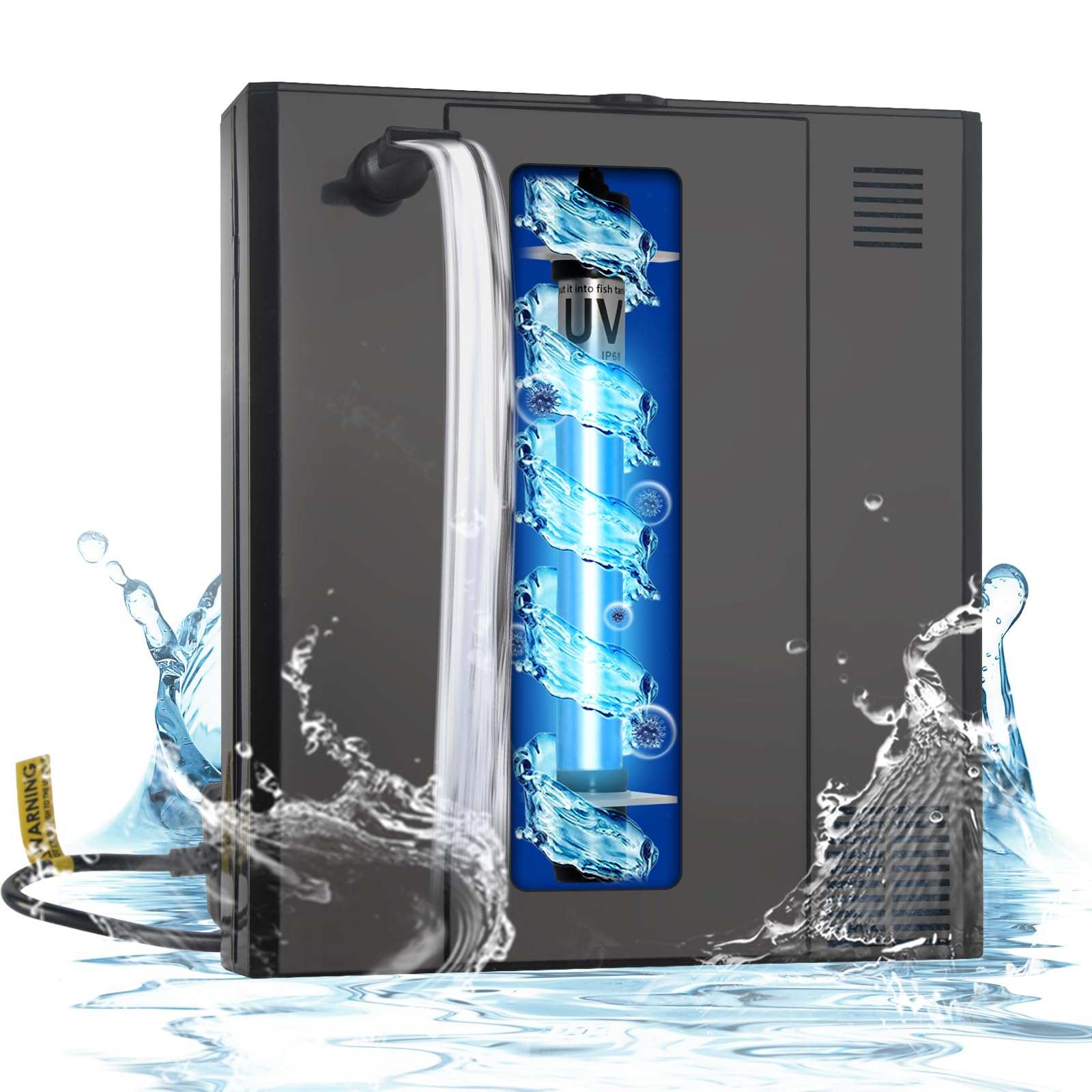
Every pet parent knows the silent trade-off of sharing a home with furry companions. On one hand, you have the unconditional love, the wagging tails, and the comforting purrs. On the other, you have the "stealth scents"—that lingering aroma of wet dog, the sharp tang of a litter box, and the microscopic reality of dander, bacteria, and seasonal pathogens.
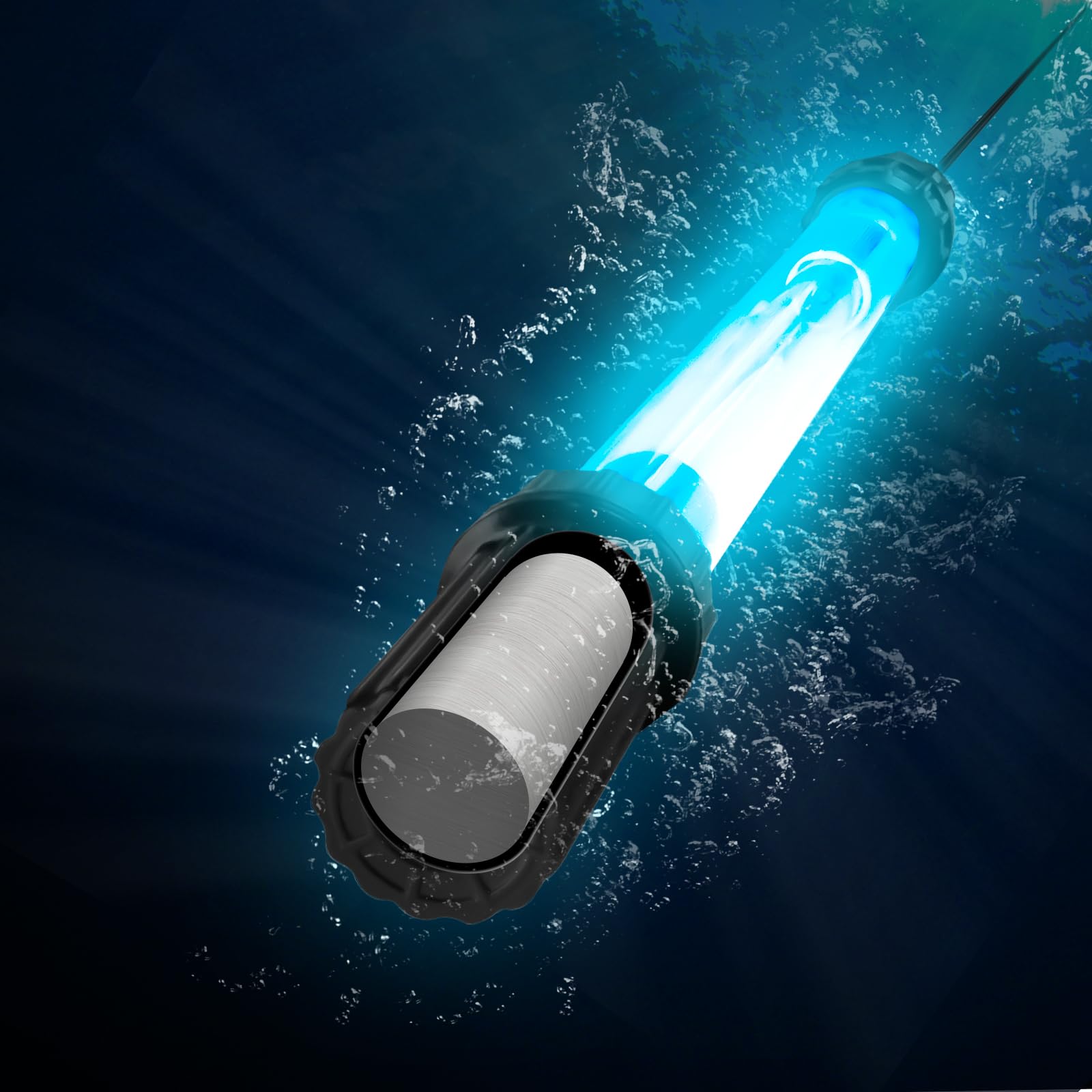
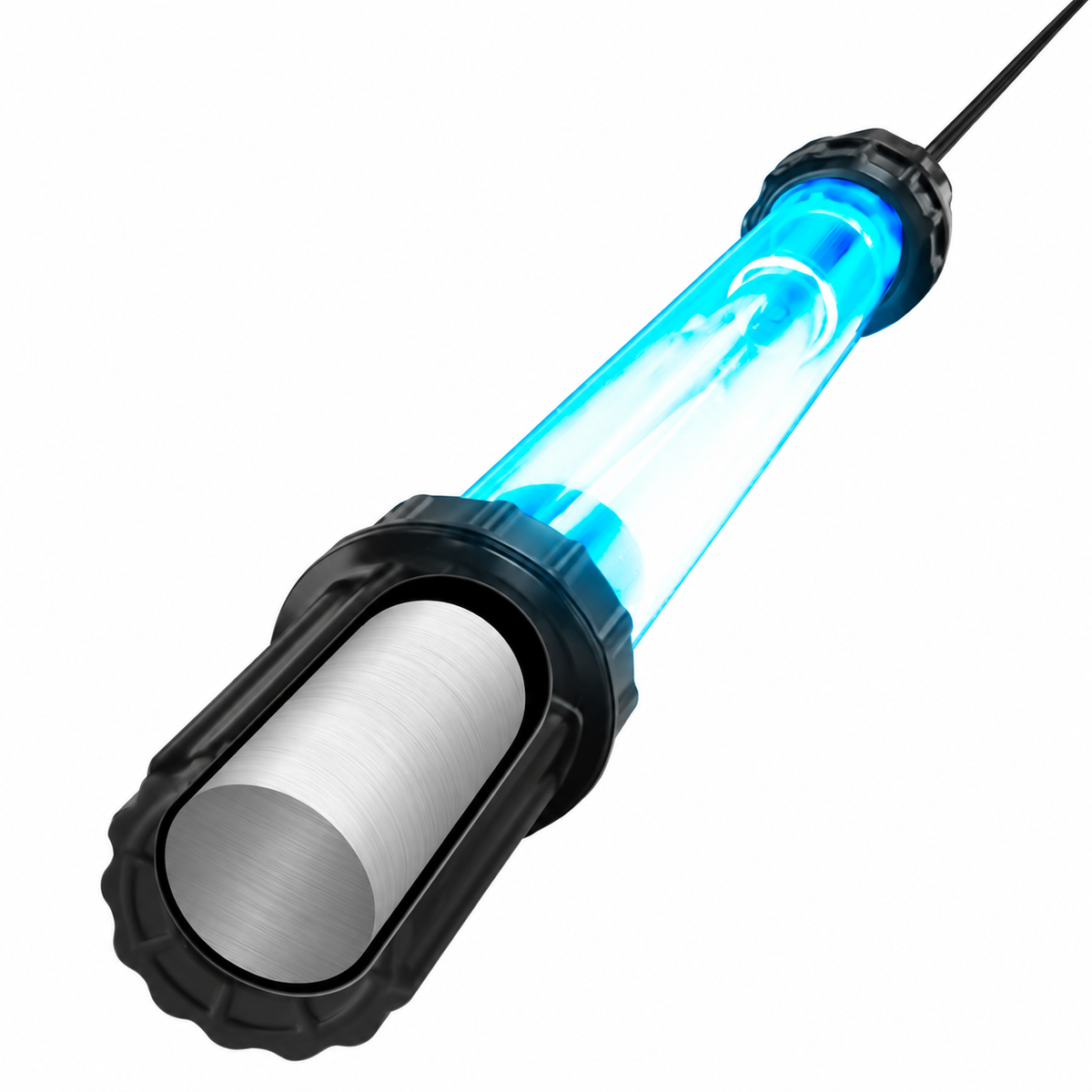
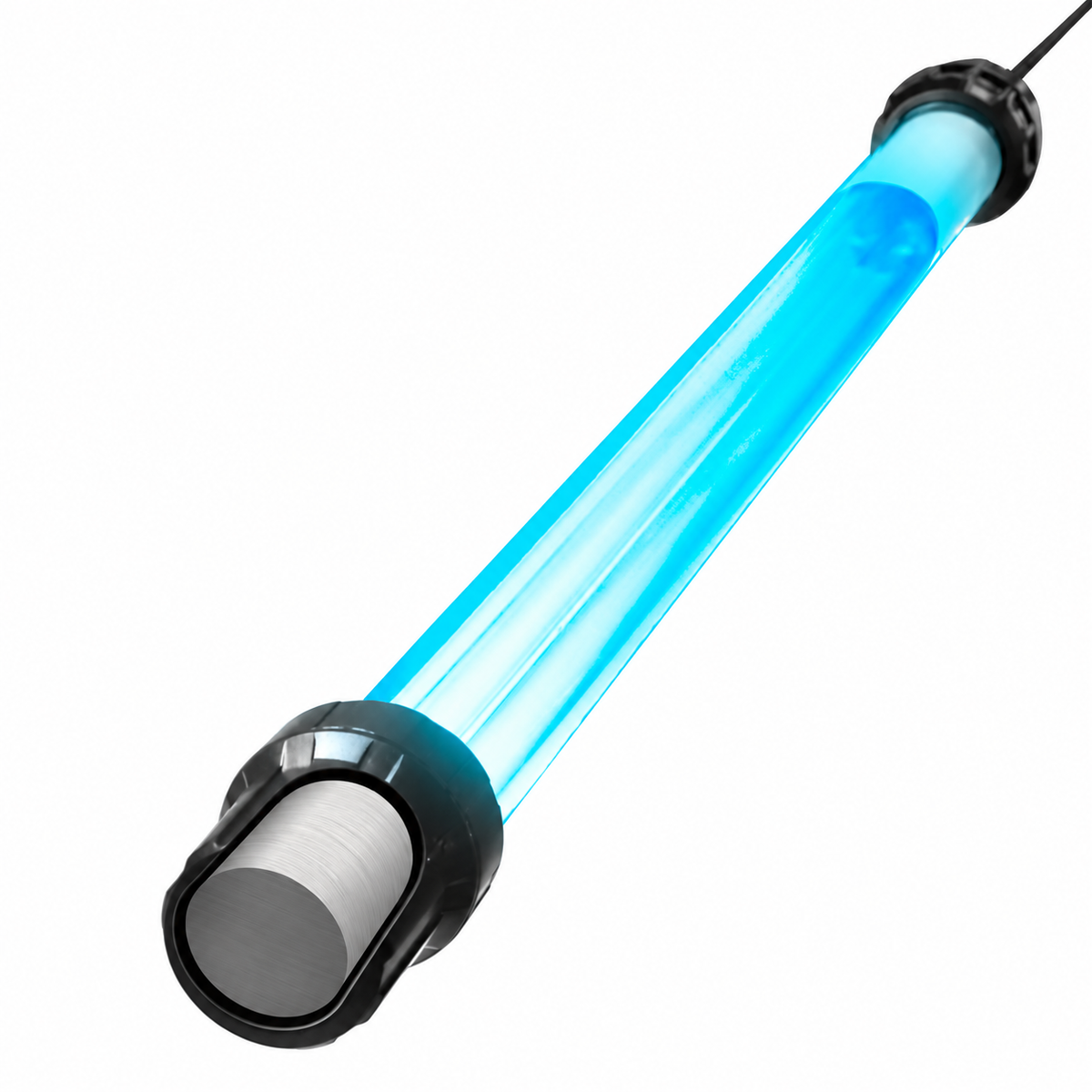
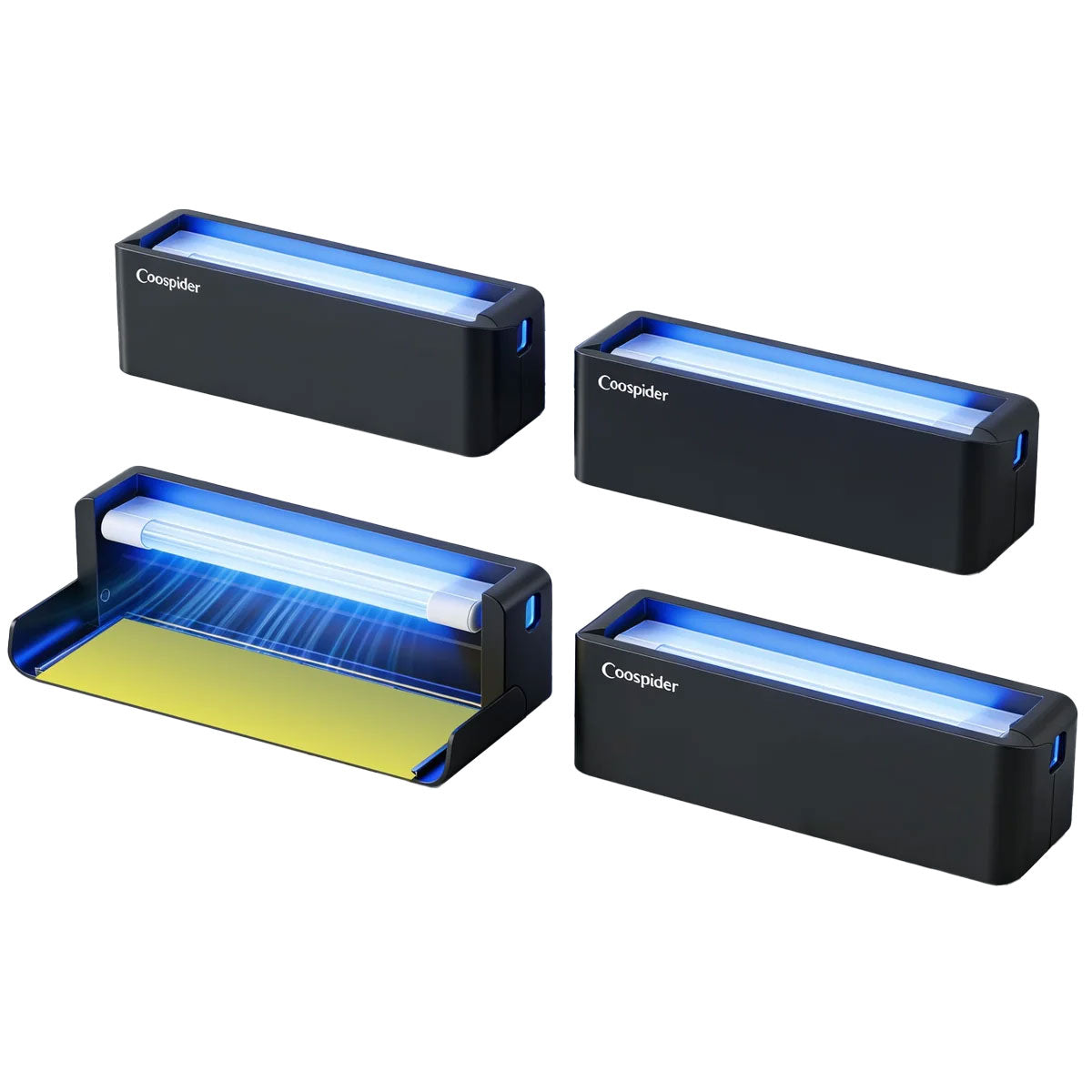
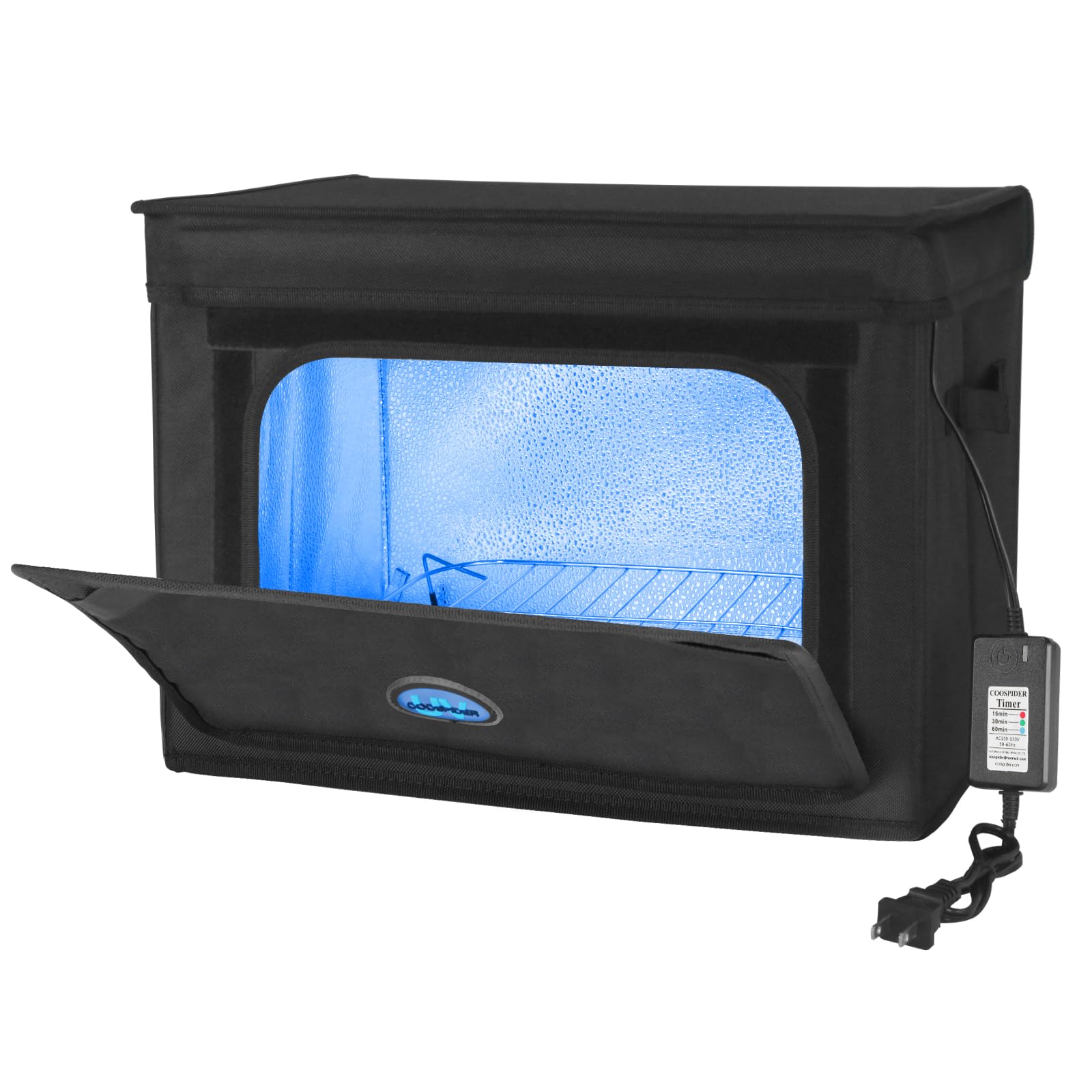
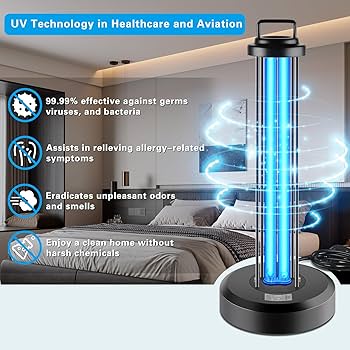
In recent years, the market for high-tech home hygiene has exploded. Among the most popular "Black Tech" gadgets hitting the shelves is the UV Sterilization Lamp. Often marketed as a medical-grade solution for the home, these devices promise to "zap" germs and "neutralize" odors instantly.
But can a lightbulb really replace a scrub brush? Is it safe for a household with curious cats and dogs? And most importantly, does it actually work on that stubborn urine smell? In this 4,000-word deep dive, we will peel back the layers of the electromagnetic spectrum to see if UV technology is the "magic wand" your pet-friendly home has been waiting for.
1. The Science of the "Zap": How UVC Works
To understand if UV light can solve your pet problems, we first need to distinguish between the types of light. Not all ultraviolet rays are created equal.
The UVC Factor
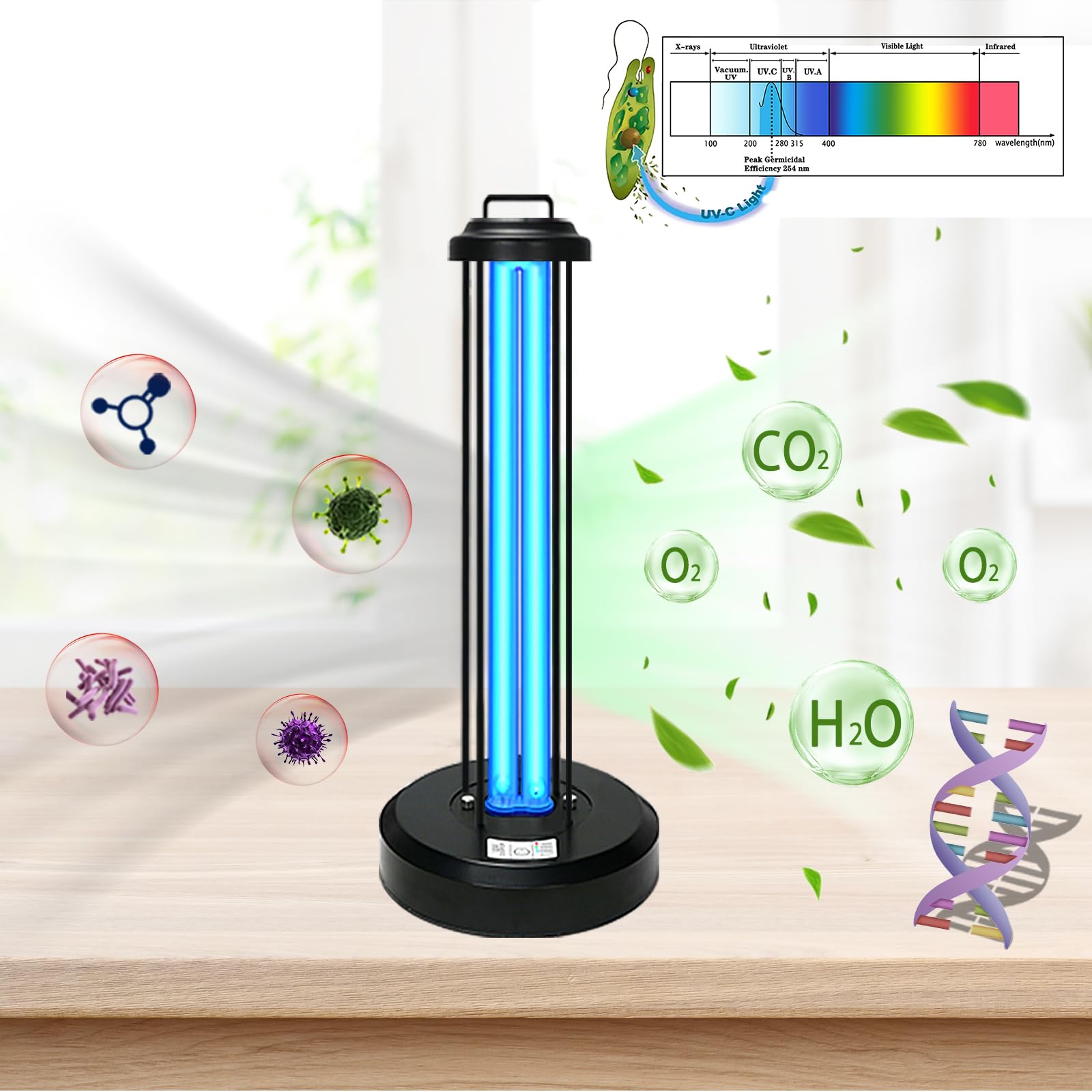
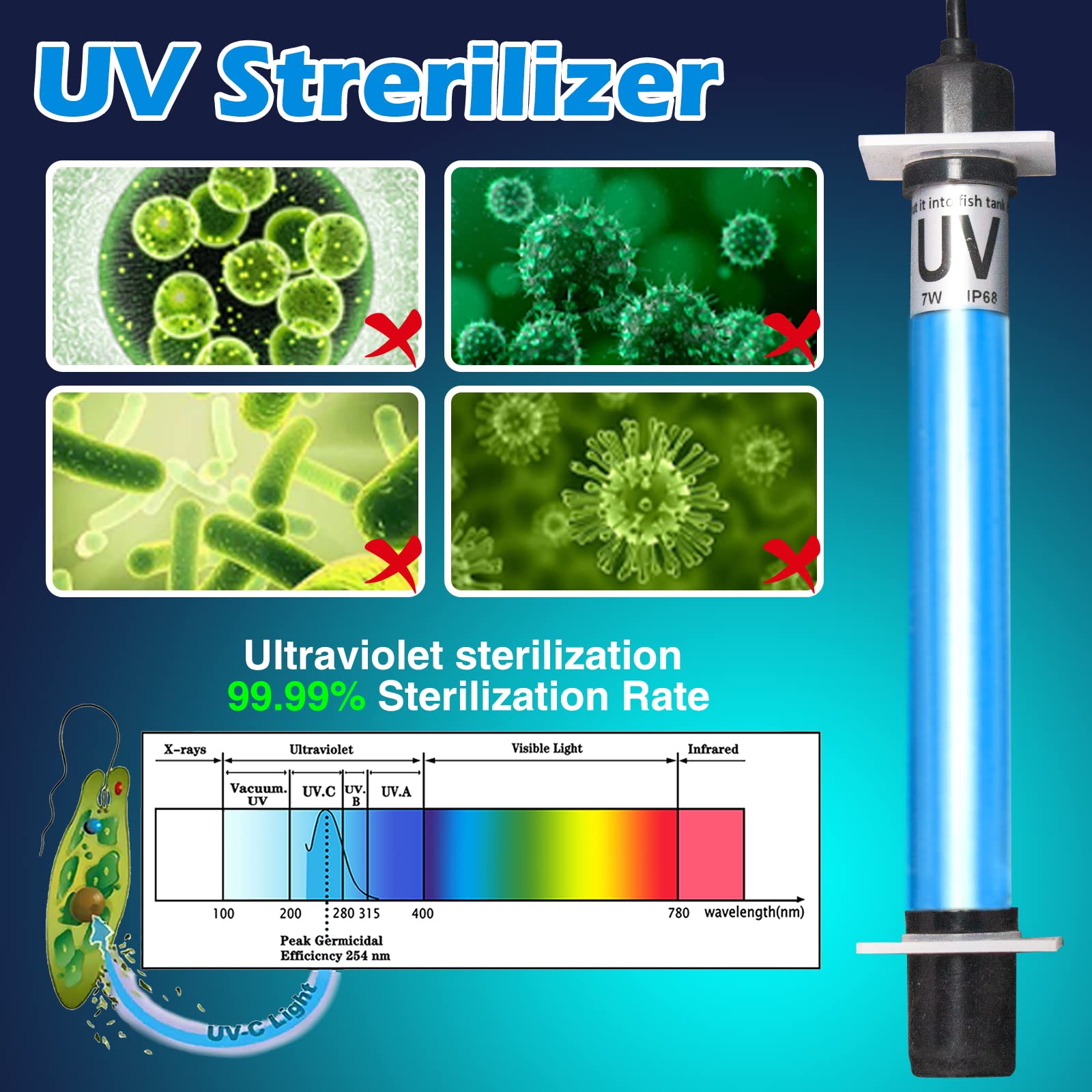
Sunlight contains UVA and UVB, which give us tans and help reptiles synthesize Vitamin D3. However, the "sterilizing" power lives in the UVC (100–280 nm) range.
-
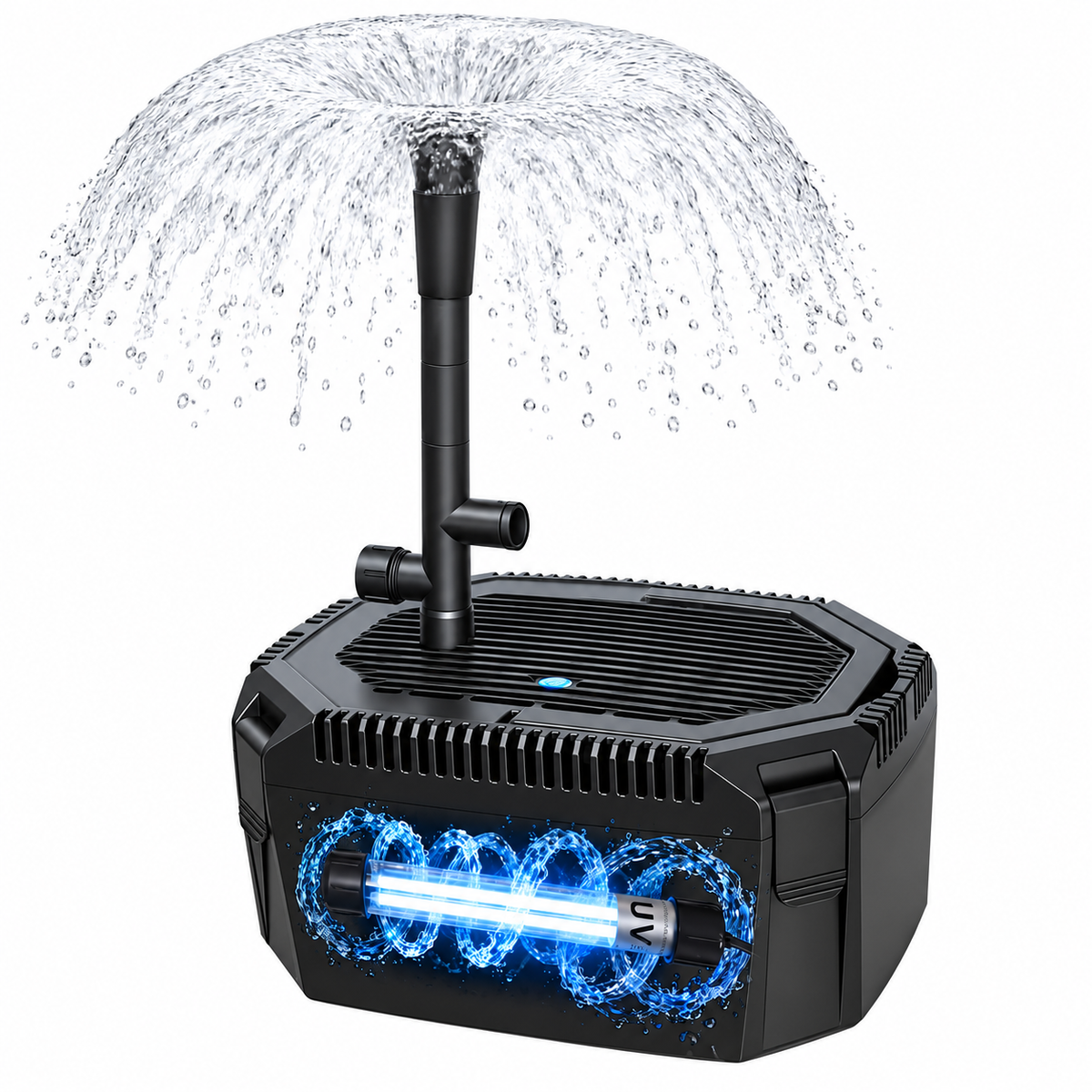
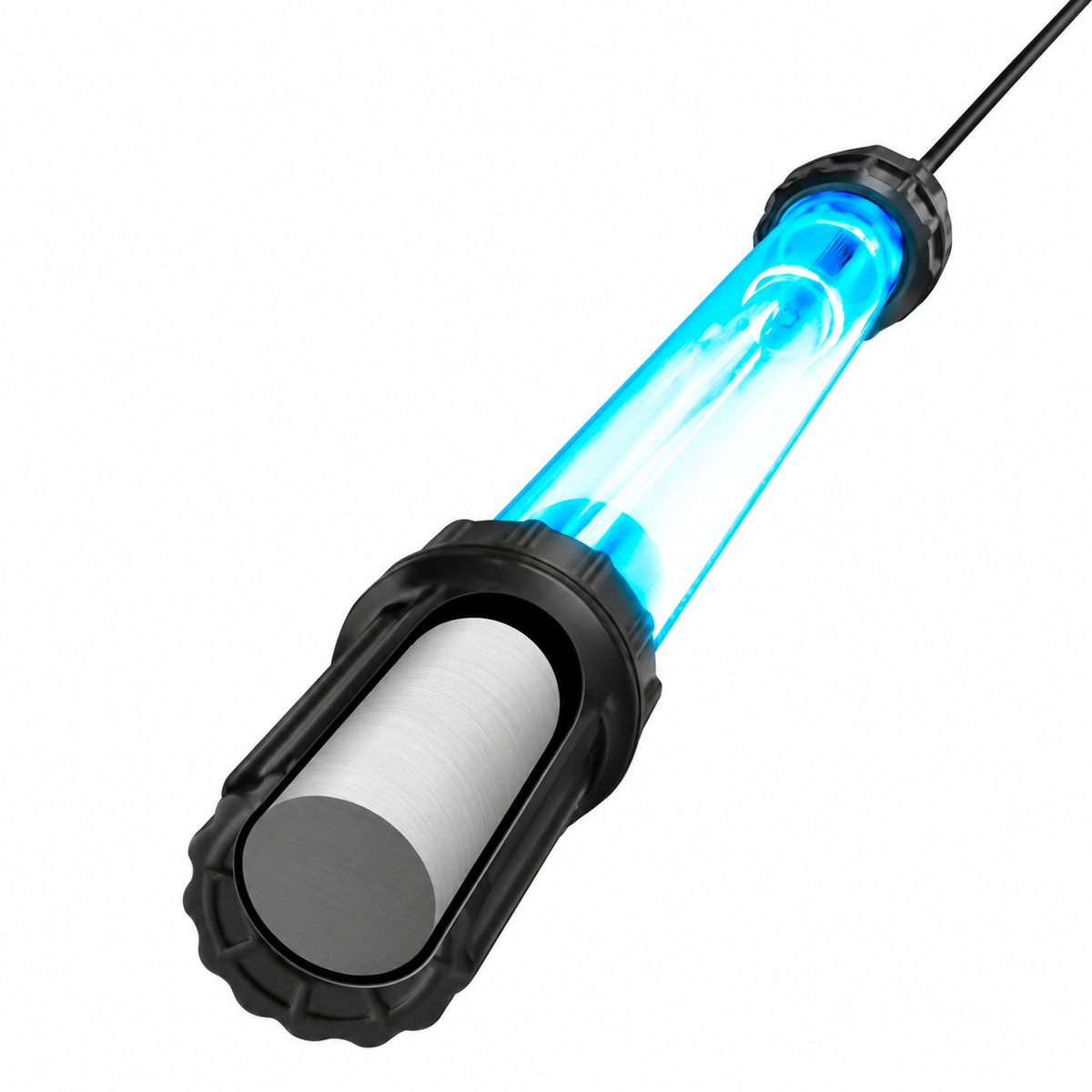
The Mechanism: UVC light is "germicidal." It penetrates the thin cell walls of bacteria, viruses, and mold spores. Once inside, it wreaks havoc on the organism’s DNA and RNA, essentially "scrambling" its genetic code.
-
The Result: The pathogen cannot replicate. A virus that cannot replicate is technically dead and cannot cause infection.
This is why UVC is used in hospitals to sterilize operating rooms and in water treatment plants to kill parasites. For a pet owner, this means the potential to eliminate airborne "Kennel Cough" (Bordetella) or surface-level E. coli tracked in from the backyard.
2. Can it Handle the Smell? UV vs. Pet Odors
This is the million-dollar question for most pet parents. To answer it, we have to look at what causes "pet smell."
Odor Source A: Bacteria
Much of the "doggy smell" comes from bacteria breaking down oils on your pet’s skin. UVC lamps are incredibly effective here. By killing the odor-producing bacteria on surfaces (like a pet bed), you stop the smell at the source.
Odor Source B: Volatile Organic Compounds (VOCs)
UVC lamps often produce Ozone ($O_3$) as a byproduct of interacting with oxygen molecules in the air. Ozone is a powerful oxidizer that can physically break down the molecules that cause odors, such as the ammonia in cat urine.
-
The Verdict: While the light itself doesn't "eat" smells, the combination of germ-killing and ozone production can significantly freshen the air in a room that feels "stuffy" or "animal-heavy."
3. The Safety Protocol: Protecting Your Pets (and Yourself)
Before you rush out to buy a lamp, we must address the "Invisible Danger." Because UVC is filtered out by Earth's atmosphere, no living creature has evolved a defense against it.
The Danger Zone
Direct exposure to UVC light can cause:
-
Photokeratitis: A "sunburn" on the eye that can lead to temporary or permanent blindness in both humans and pets.
-
Skin Erythema: Severe skin burns and potential DNA damage (cancer risk).
How to Use UV Safely in a Pet Home:
-
The "Empty Room" Rule: Professional-grade UV lamps should only be used in a room that is completely sealed. No humans, no cats, no dogs, and even no house plants.
-
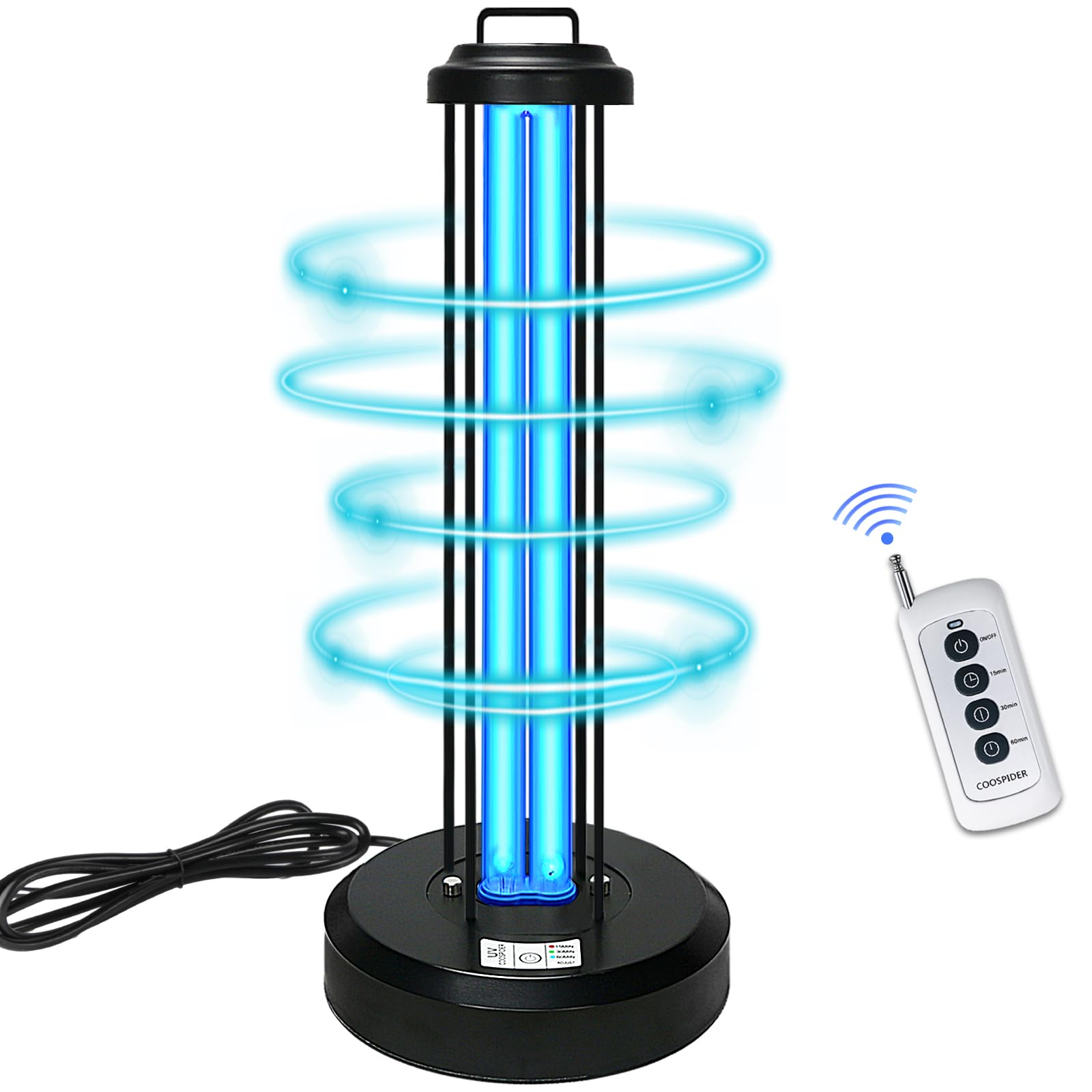
Occupancy Sensors: Look for "Black Tech" lamps equipped with 360-degree microwave radar sensors. These lamps will automatically shut off the moment they detect a pet’s movement within 15–20 feet.
-
Delayed Start: A 30-second "warning beep" allows you to leave the room and close the door before the bulb ignites.
4. Comparing Hygiene Tech: UV Lamps vs. Air Purifiers
Many pet owners wonder if they should get a standalone UV lamp or a HEPA air purifier with a built-in UV light.
The Strategy: For the ultimate pet home, use an enclosed UV Air Purifier for daily maintenance and a Portable UV Sterilization Lamp for weekly deep-cleaning of the "litter box room" or "dog crate area."
5. The Limitations: Why You Still Need a Mop
It is important to manage expectations. UV light is not a magical vacuum cleaner.
-
The Shadow Effect: UVC light only kills what it can "see." If there is bacteria hiding under a fold in the rug or behind a chair leg where the light doesn't reach, that bacteria will survive.
-
The "Dust" Barrier: If a surface is covered in a thick layer of pet hair or dust, the UV rays cannot penetrate to the germs underneath.
-
The "Organic Load": UV light cannot "remove" a urine puddle. You must still clean the physical mess with an enzymatic cleaner first; the UV lamp is the "final strike" to ensure no lingering bacteria remain.
6. Buying Guide: "Black Tech" Features to Look For
If you’re shopping for a UV lamp to level up your pet hygiene, don't settle for the cheapest option. Look for these high-performance specs:
-
Dual Wavelength (185nm + 254nm): The 254nm wavelength kills germs, while the 185nm creates ozone to reach the "shadowed" areas the light can't hit.
-
Remote Control through Walls: You should be able to turn the lamp on/off from outside the room.
-
Quartz Glass Bulbs: High-purity quartz allows for 90%+ UV transmission, whereas cheap glass blocks the very rays you’re paying for.
-
Ozone-Free Options: If you have respiratory issues or birds (who are extremely sensitive to air quality), look for "Ozone-Free" UVC lamps.
7. A Typical "Pet Home" UV Routine
How does this look in practice? Here is a pro-level hygiene schedule:
-
Monday: Place the UV lamp in the cat's "Litter Box Room" for 30 minutes. Close the door and keep the cat in the living room.
-
Wednesday: Move the lamp to the "Dog Entryway" where muddy paws and wet coats linger. Run for 15 minutes.
-
Saturday: While you take the dog for a walk, run the UV lamp in the main living area to neutralize airborne dander and freshen the sofa fabrics.
8. Conclusion: The Final Verdict on UV and Pets
Can a UV sterilization lamp "completely" solve pet odors and germs? No tool is 100% on its own. However, as a component of a "Total Hygiene System," UV technology is a game-changer.
It provides a level of microscopic cleanliness that chemicals simply cannot achieve. By integrating the "Black Tech" of UVC light into your routine, you aren't just masking the smell of your pets—you are creating a bio-secure environment where both you and your furry friends can breathe easier.
Ready to upgrade your home's "Bio-Security"?
Would you like me to help you create a safety checklist for your specific home layout, or recommend the best wattages based on your room square footage?