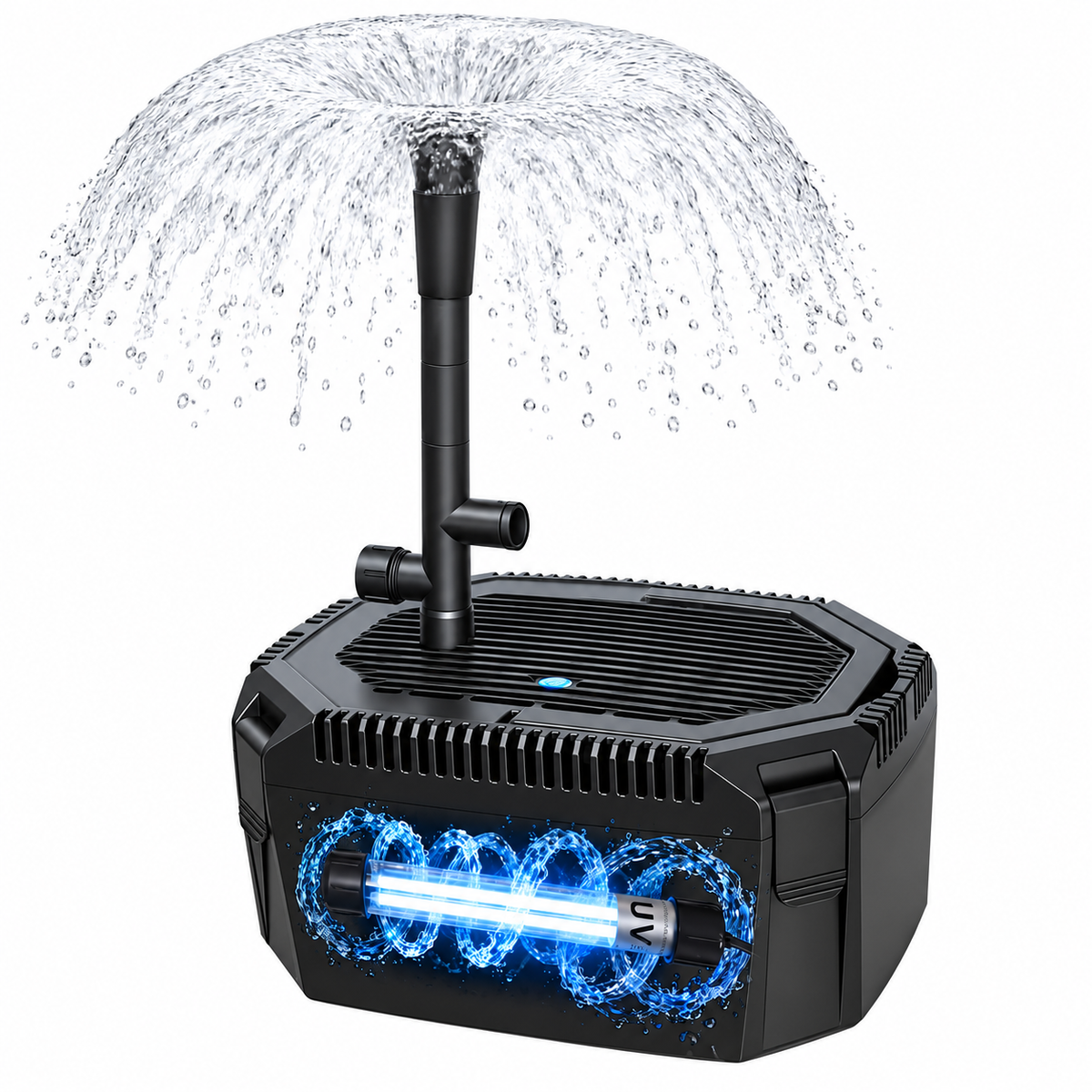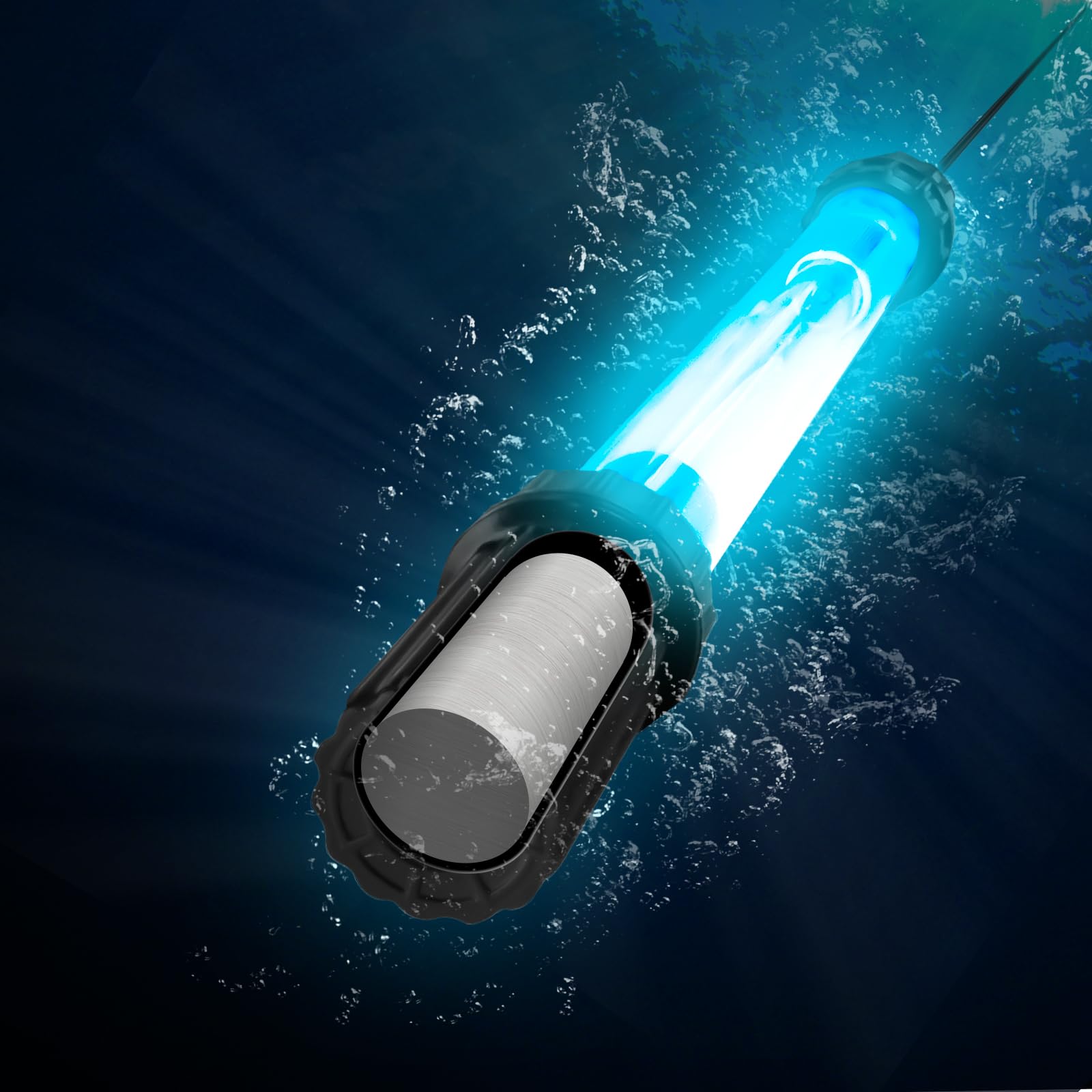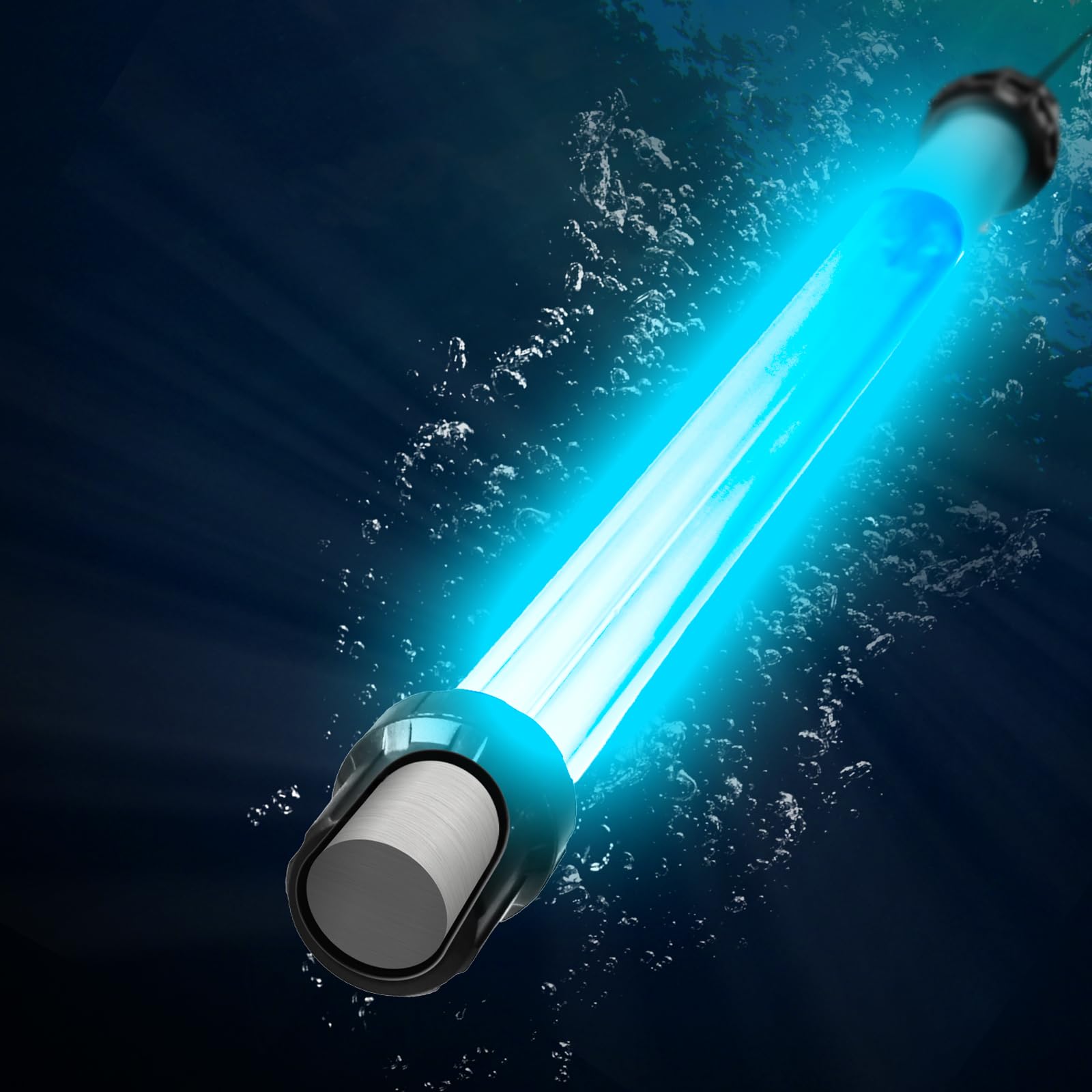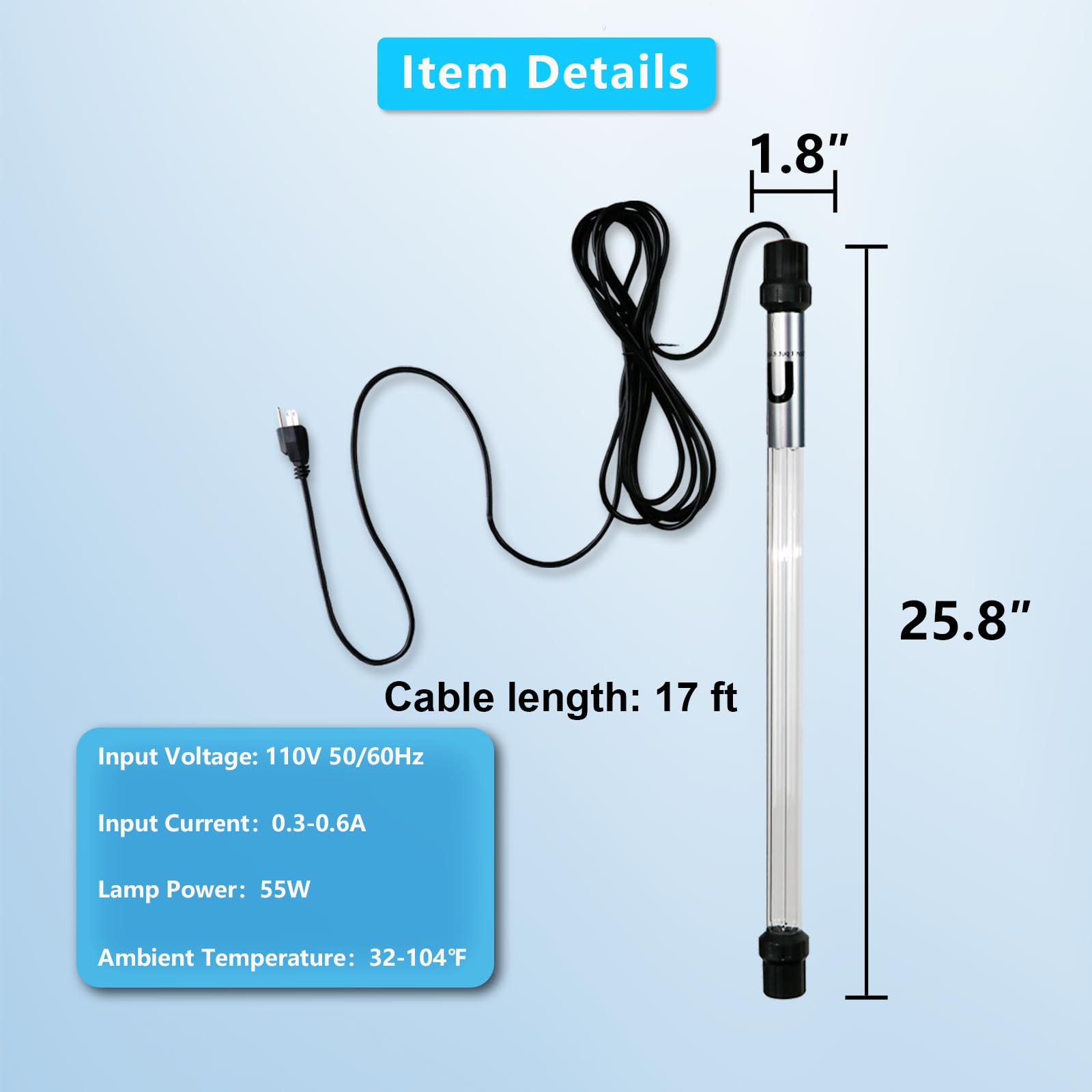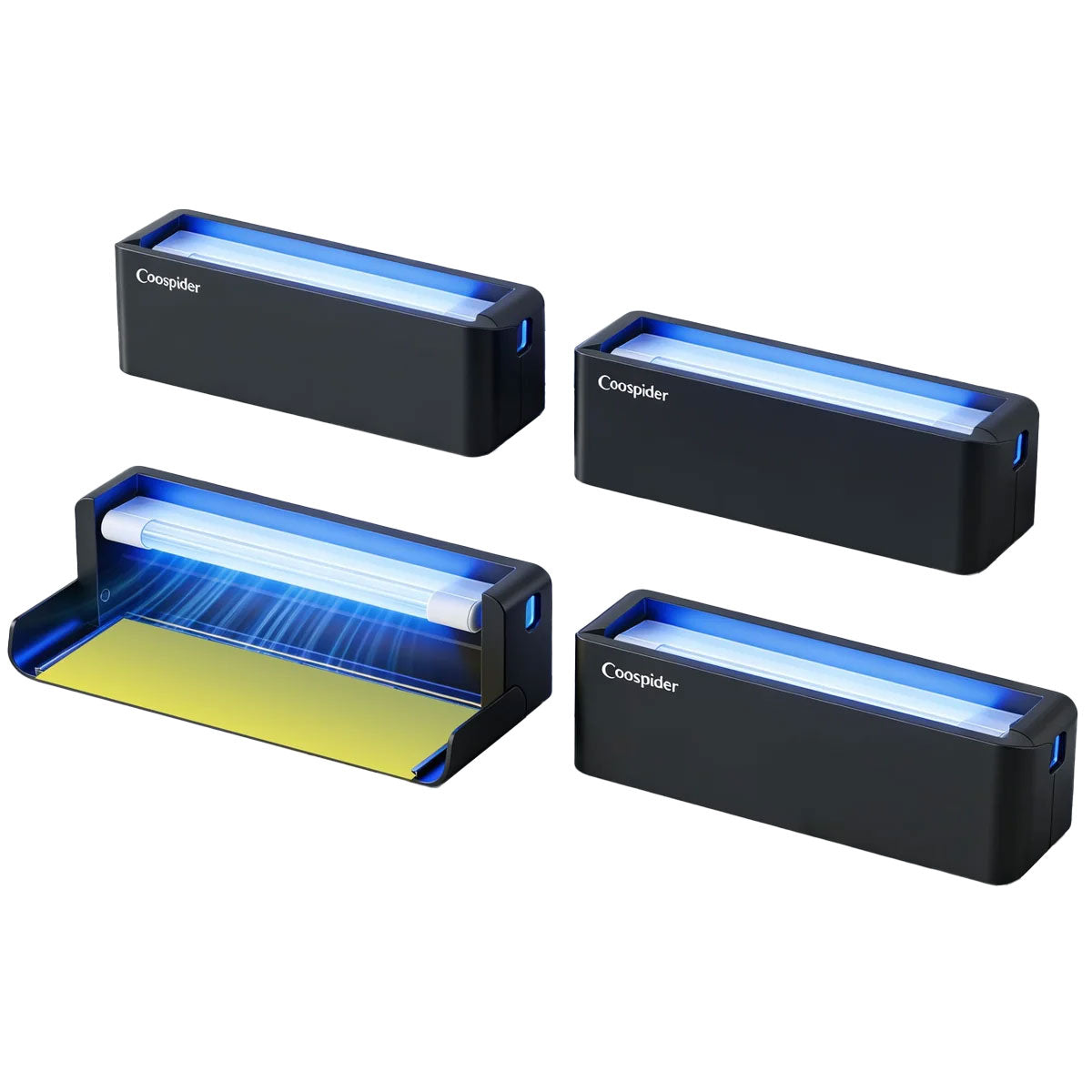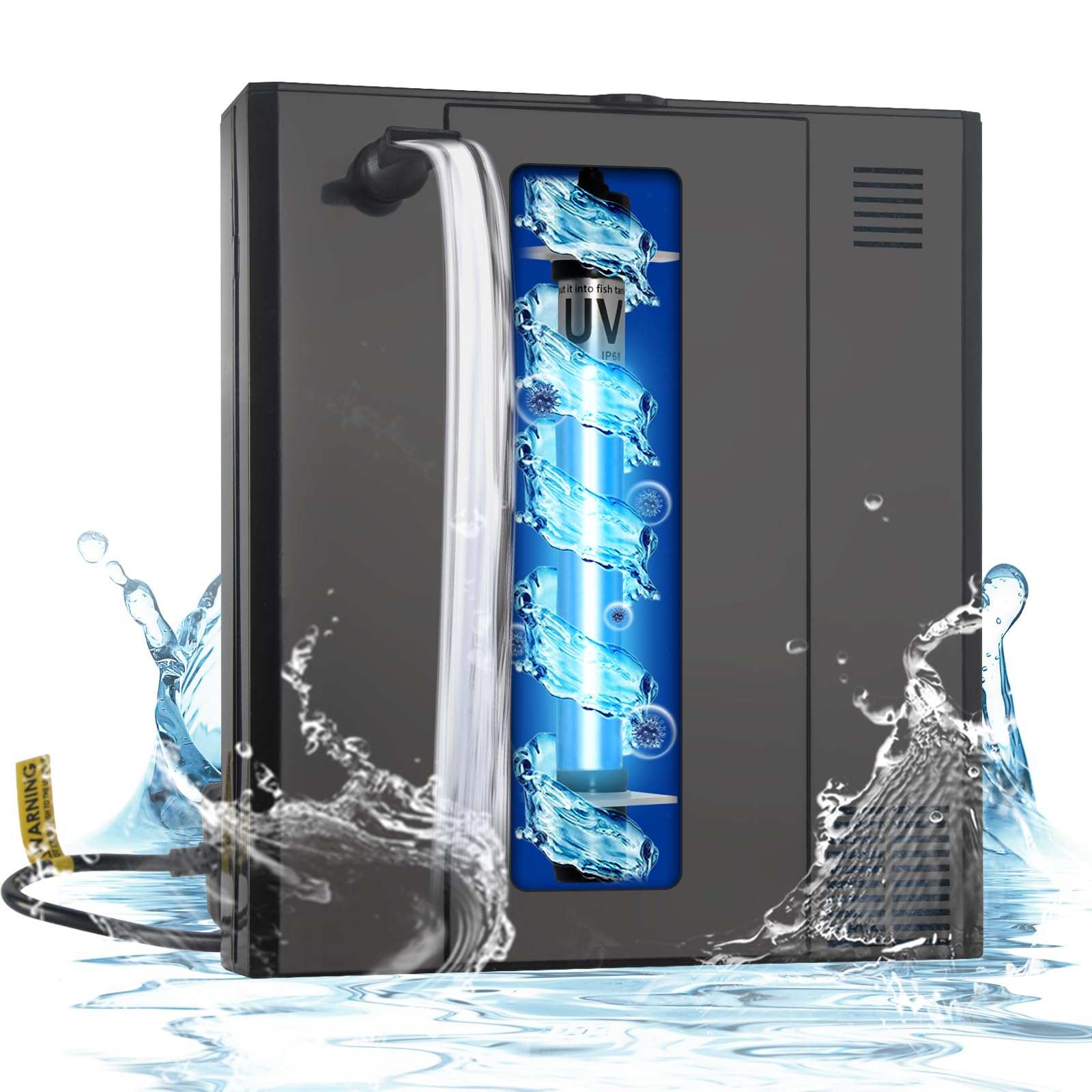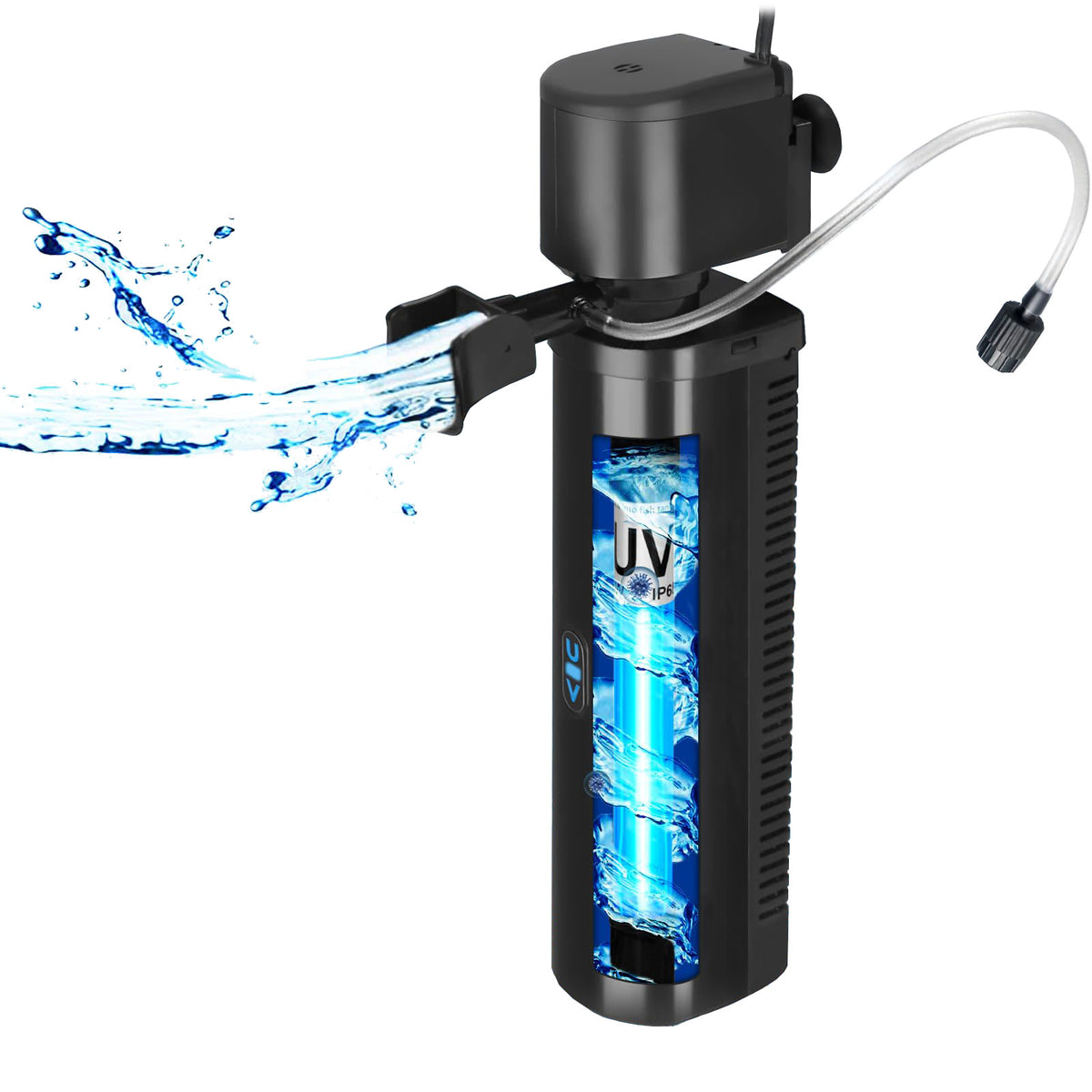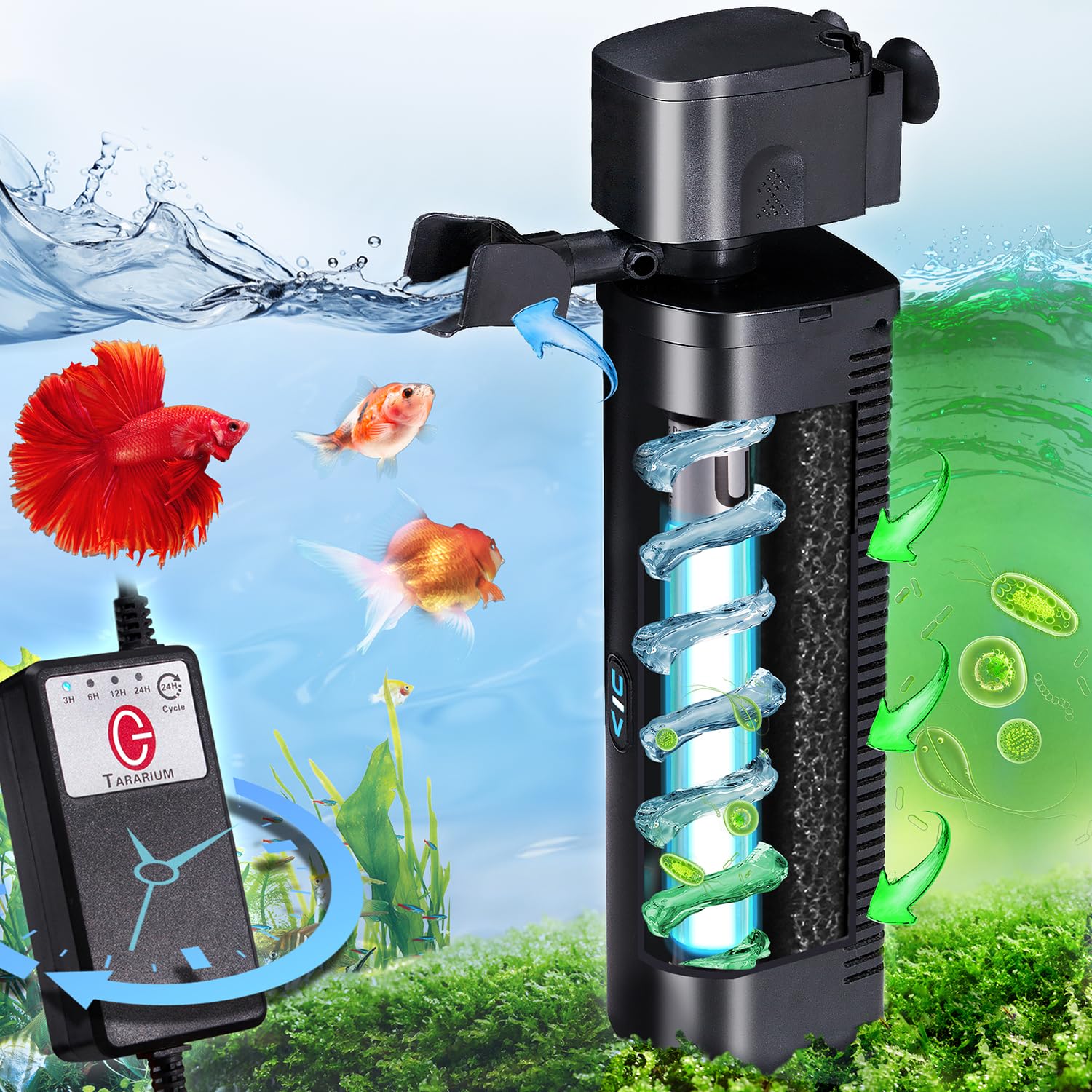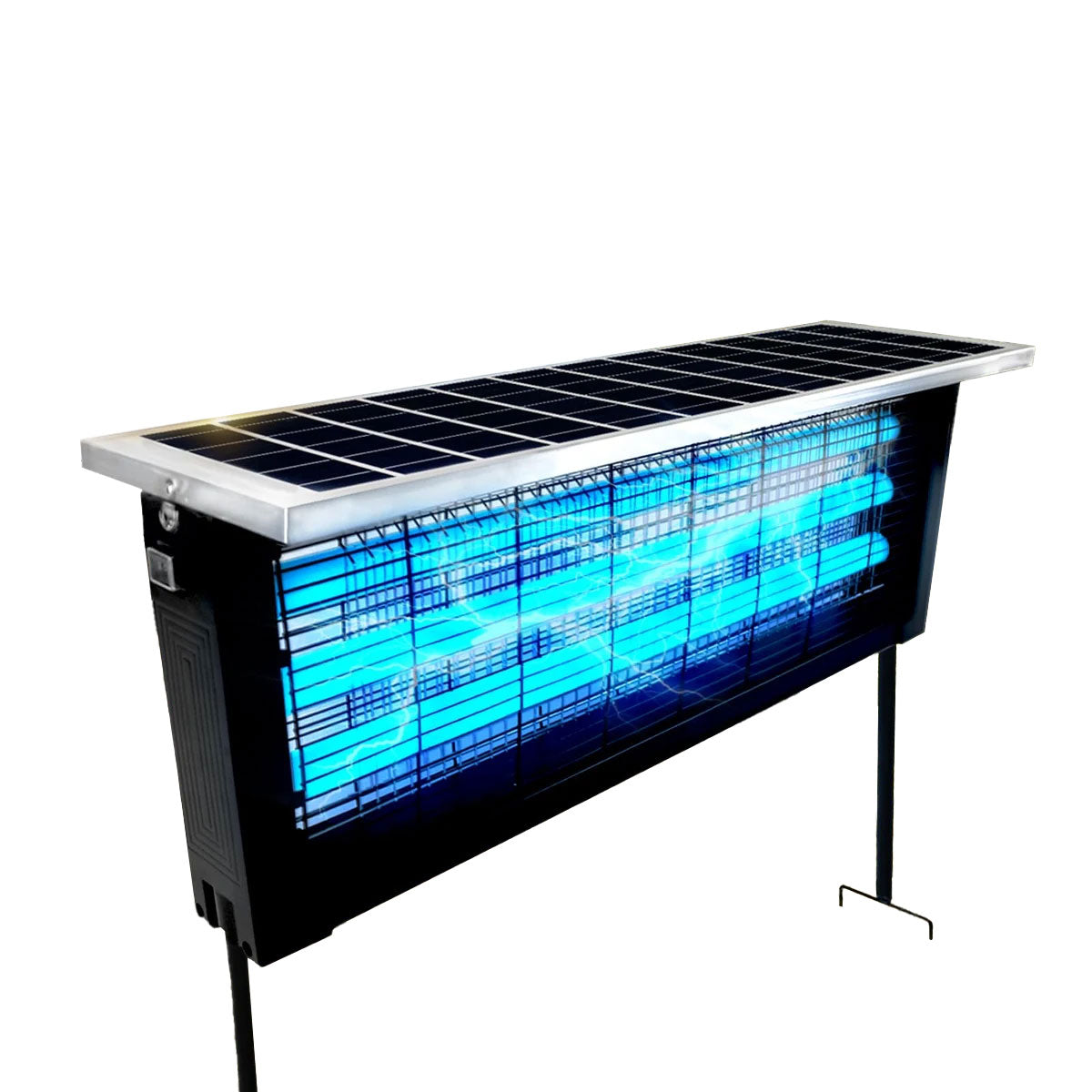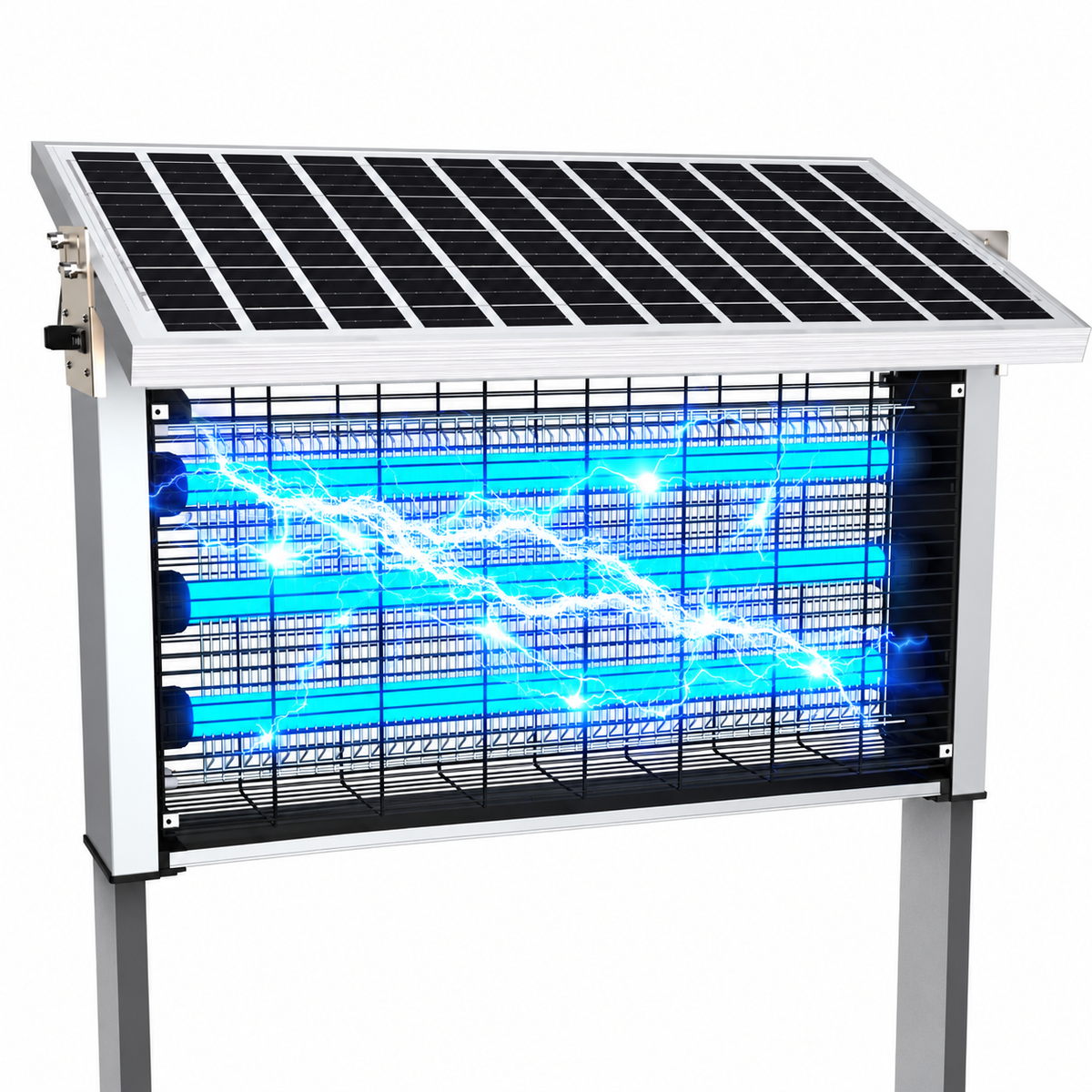
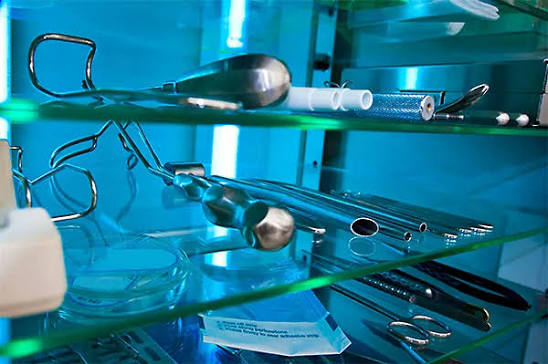
Ultraviolet (UV) disinfection technology has become increasingly common in hospitals, laboratories, food processing facilities, HVAC systems, water treatment plants, and even residential environments. Its ability to neutralize bacteria, viruses, and other pathogens without chemicals makes it extremely attractive in modern sanitation workflows.
But there is a critical truth that often gets overlooked in discussions about UV disinfection:
UV light does not distinguish between microorganisms and human tissue.
The same energy that destroys microbial DNA can also damage skin, eyes, and long-term cellular structures in humans. Improper handling of UV disinfection equipment can lead to what is commonly called “UV burns”—a painful and potentially serious form of radiation injury that often goes underestimated.
Unlike thermal burns, UV injuries may not be immediately obvious. Symptoms can appear hours later, and damage to the eyes in particular can become severe before a person realizes what has happened.
This is why UV disinfection systems must always be treated as industrial-grade radiation sources, not simple cleaning tools.
This guide breaks down the five essential safety rules that must be followed whenever UV disinfection equipment is in use. These are not optional guidelines—they are foundational practices designed to prevent injury, ensure compliance, and maintain safe operational environments.
Understanding the Risk: What “UV Burns” Actually Are
Before diving into safety rules, it’s important to understand what UV exposure does to the human body.
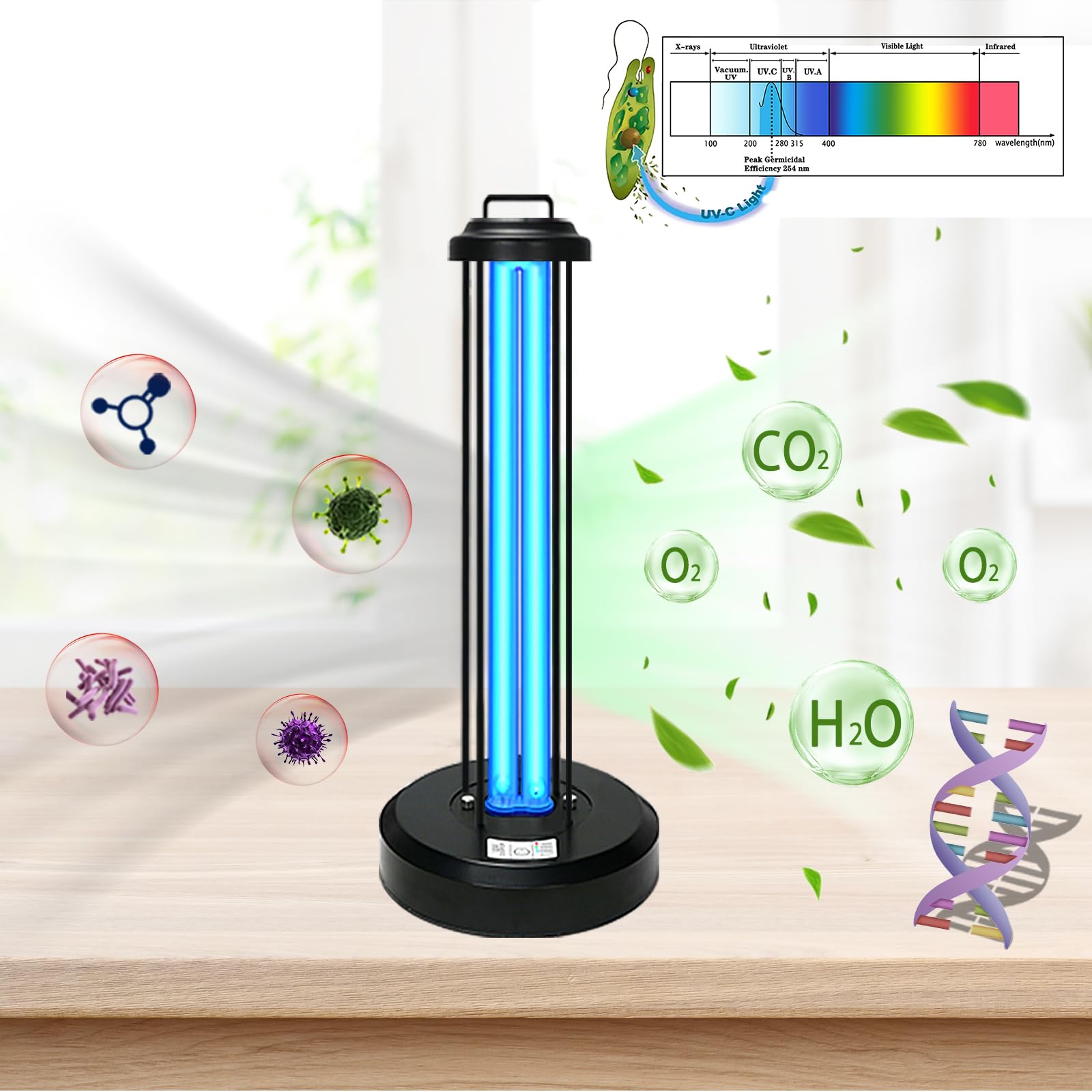
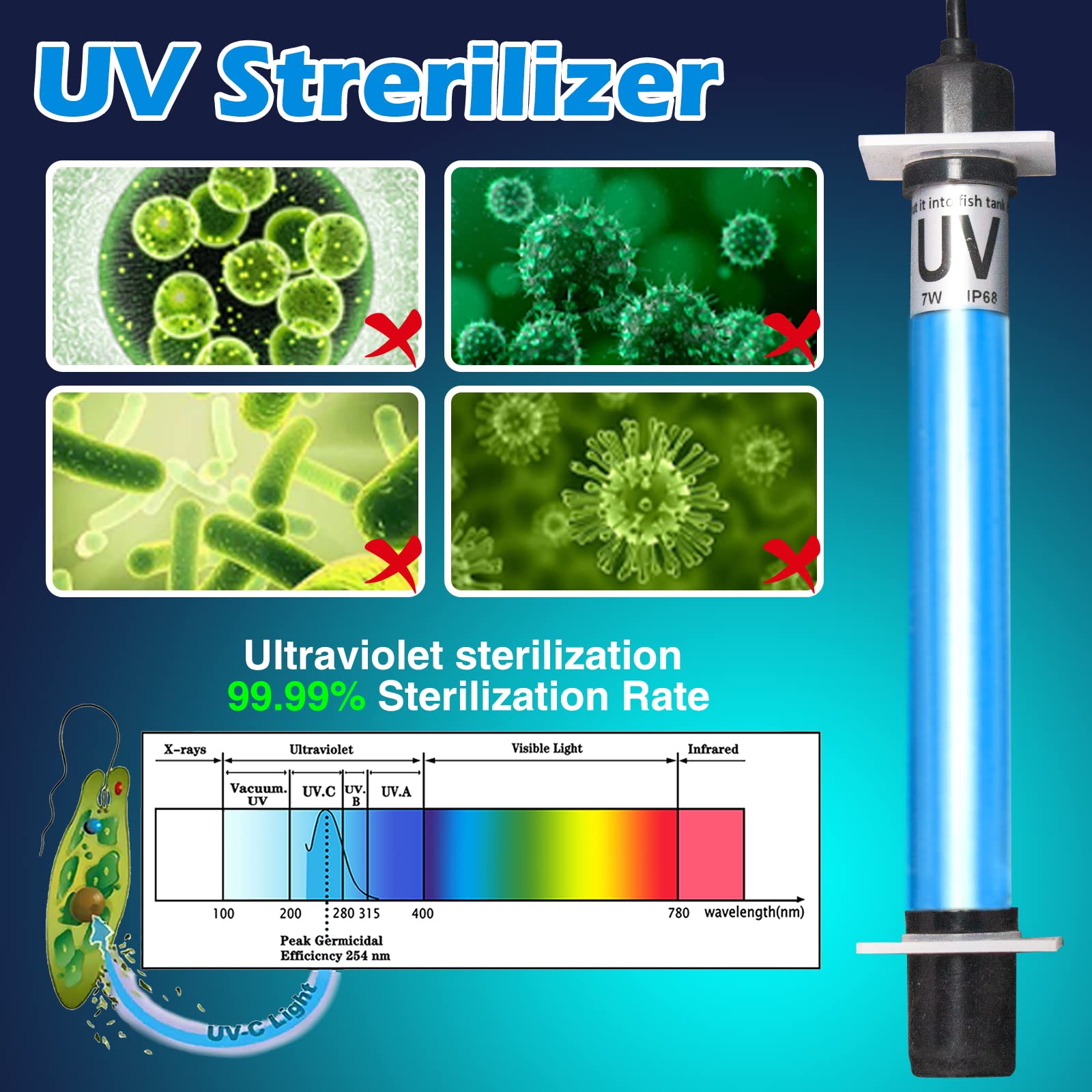
Ultraviolet radiation is divided into three categories:
-
UVA (315–400 nm) – Lower energy, can penetrate skin deeply, associated with long-term aging effects
-
UVB (280–315 nm) – Higher energy, responsible for sunburn and direct DNA damage
-
UVC (100–280 nm) – Most energetic, commonly used in disinfection systems, extremely damaging but mostly absorbed by the ozone layer in nature
Most UV disinfection devices use UVC light, which is highly effective at destroying pathogens—but also highly dangerous to humans.
Effects of accidental UV exposure include:
-
Skin redness and burns similar to severe sunburn
-
Eye inflammation (photokeratitis, sometimes called “welder’s flash”)
-
Painful tearing and sensitivity to light
-
Long-term risk of cataracts
-
Cellular DNA damage with repeated exposure
What makes UV injury especially dangerous is that symptoms are delayed. A person may feel fine during exposure, only to experience intense discomfort hours later.
This delayed reaction is exactly why strict safety protocols are non-negotiable.
Rule #1: Never Allow Direct Human Exposure to Active UV Sources
The most fundamental rule is also the simplest:
No person should ever be exposed directly to active UV disinfection light.
This applies to all UV disinfection systems, including:
-
Upper-room UV fixtures
-
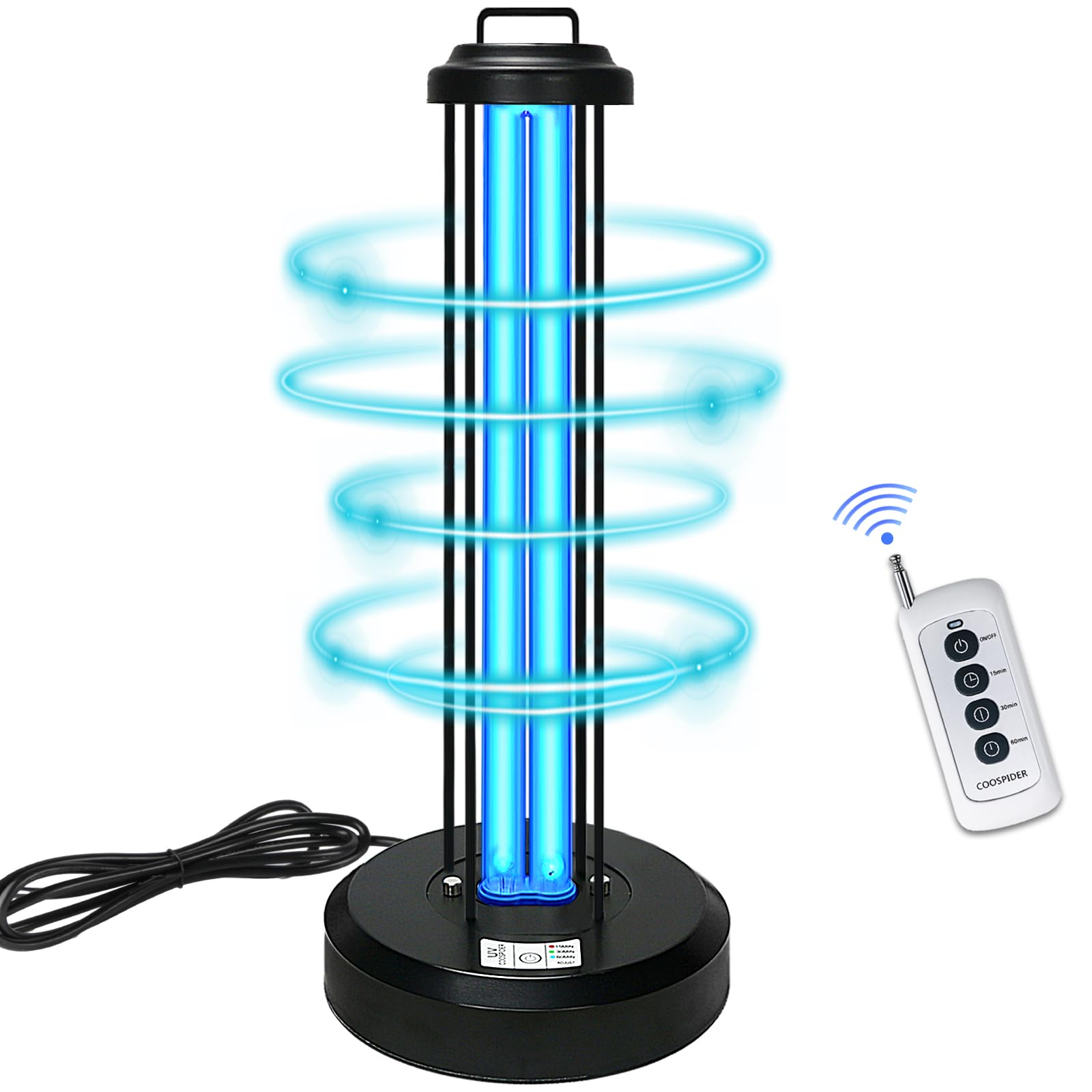
Portable UV disinfection towers
-
Conveyor or chamber-based UV sterilizers
-
HVAC-mounted UV lamps
-
Handheld UV sanitation devices
Why this rule is critical
UVC radiation does not require prolonged exposure to cause damage. Even brief exposure—seconds in some cases—can begin damaging epithelial cells in the cornea and skin.
Common violations include:
-
Walking into a room while UV cycle is running
-
Ignoring warning lights on equipment
-
Assuming “quick exposure is safe”
-
Attempting to “check if the light is working” visually
Proper implementation
To enforce this rule:
-
Ensure UV systems are only activated in fully unoccupied spaces
-
Install motion sensors that automatically shut off UV lamps
-
Use delayed-start timers with audible warnings
-
Physically lock access to UV-active zones when possible
Key mindset shift
UV disinfection zones should be treated like controlled industrial radiation areas—not cleaning spaces.
If someone would not enter a space with exposed electrical wiring or hazardous chemicals, they should not enter a space with active UVC radiation either.
Rule #2: Use Engineering Controls Before Relying on Human Behavior
One of the biggest mistakes in UV safety management is over-reliance on human caution. People forget. People get distracted. People make assumptions.
That is why the second rule is:
Safety must be built into the system—not dependent on user awareness alone.
What are engineering controls?
Engineering controls are physical or automated systems that reduce or eliminate exposure risk.
Examples include:
-
Door interlock systems that shut off UV lights when a door opens
-
Motion detection sensors that immediately disable UV emission
-
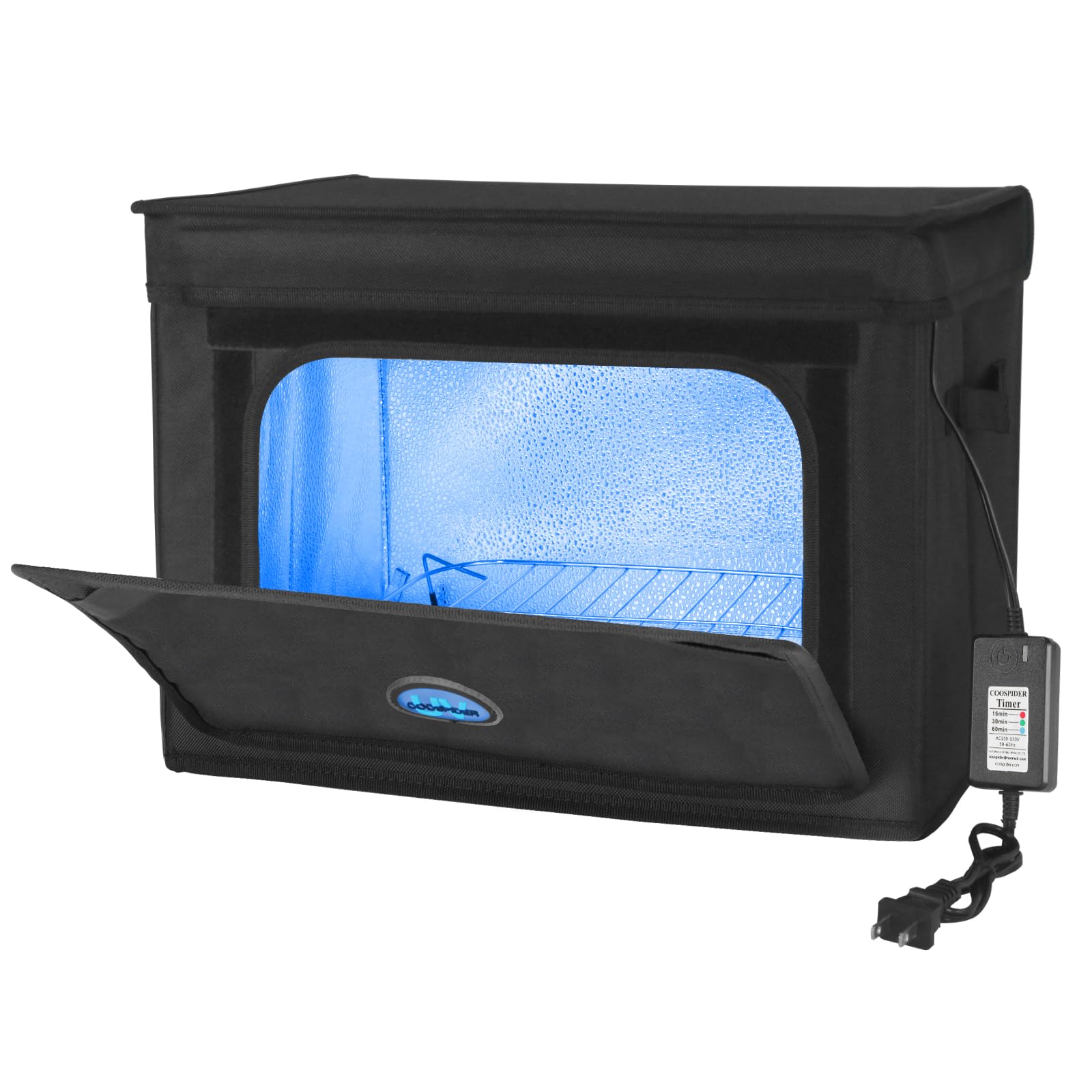
Shielded enclosures that contain UV light within sealed chambers
-
Remote operation systems that allow activation from outside the room
-
Automatic shutdown timers with fail-safe overrides
Why engineering controls matter more than training alone
Even well-trained personnel can make mistakes:
-
A technician may assume a cycle has ended
-
A cleaner may enter a room early
-
A supervisor may forget to disable a system after maintenance
Engineering controls eliminate “human error windows.”
Best practice design approach
A properly designed UV disinfection system should follow this hierarchy:
-
Physical containment (primary barrier)
-
Automatic interlocks (secondary barrier)
-
Visual and audio warnings (tertiary layer)
-
Training and procedures (final layer)
If safety depends only on step 4, the system is fundamentally unsafe.
Rule #3: Always Use Proper Personal Protective Equipment (PPE)
Even with engineering controls in place, certain maintenance or inspection tasks may require proximity to UV systems.
In these cases, proper PPE is mandatory.
Essential PPE for UV safety includes:
UV-blocking eye protection
-
Must filter both UVA and UVC wavelengths
-
Standard safety glasses are NOT sufficient
-
Wraparound protection is preferred
UV-resistant face shields
-
Provides additional barrier for facial exposure
-
Especially important during system servicing
Protective clothing
-
Long-sleeved, tightly woven fabrics
-
UV-resistant lab coats or industrial coveralls
-
No exposed skin during maintenance procedures
Gloves
-
Nitrile or UV-resistant gloves for handling components
-
Prevents accidental skin exposure during lamp replacement
Common mistakes with PPE
-
Wearing sunglasses instead of certified UV protection
-
Assuming regular lab coats provide UV shielding
-
Using damaged or scratched protective lenses
-
Leaving small skin areas exposed “for convenience”
PPE is not optional “extra protection”
It is important to understand:
PPE does not replace system safety—it complements it.
If PPE is the only barrier between a worker and UV exposure, the system design is inadequate.
Rule #4: Implement Clear Signage, Indicators, and Access Control
UV disinfection systems must communicate their status clearly at all times.
This is where signage and visual indicators become essential.
Why communication systems matter
In many UV exposure incidents, the problem is not malfunction—it is misunderstanding.
Someone enters a room thinking the system is off when it is actually active.
Required safety indicators
1. Visible warning lights
-
Red lights for active UV emission
-
Flashing indicators during startup and shutdown cycles
2. Audible alarms
-
Pre-operation warning sounds
-
Continuous alerts during UV operation in occupied-adjacent zones
3. Physical signage
Clear labels such as:
-
“UV DISINFECTION IN PROGRESS – DO NOT ENTER”
-
“UVC RADIATION HAZARD”
-
“AUTOMATED SYSTEM ACTIVE”
4. Access restriction systems
-
Locked doors during operation
-
Keycard or password access for activation zones
-
Restricted entry policies for non-trained personnel
Placement matters
Signage must be:
-
At eye level
-
At all entry points
-
Visible even in low light conditions
-
Durable and resistant to cleaning chemicals
Behavioral reinforcement
Consistent visual cues train users to associate certain signals with danger. Over time, this reduces accidental exposure risk significantly.
Rule #5: Establish Strict Maintenance, Training, and Operational Protocols
The final rule is the most comprehensive:
UV disinfection safety depends on disciplined operation and consistent maintenance practices.
Even the safest equipment becomes dangerous if misused or poorly maintained.
5.1 Regular maintenance schedules
UV systems degrade over time. Lamp intensity changes, sensors drift, and protective housings can fail.
Maintenance should include:
-
UV intensity output testing (periodic calibration)
-
Lamp replacement based on manufacturer lifespan
-
Cleaning of reflective surfaces and quartz sleeves
-
Inspection of wiring and control systems
-
Verification of interlock functionality
A weakened UV lamp may seem safer, but it can lead to incomplete disinfection—creating a false sense of cleanliness while still posing exposure risks.
5.2 Training requirements
Every operator should be trained in:
-
Basic UV radiation science
-
Equipment-specific safety procedures
-
Emergency shutdown protocols
-
PPE usage and limitations
-
Exposure response procedures
Training should not be a one-time event. Refresher sessions are essential, especially when equipment or procedures change.
5.3 Standard operating procedures (SOPs)
Every UV system should have documented SOPs covering:
-
Startup procedures
-
Shutdown procedures
-
Emergency override protocols
-
Maintenance lockout procedures
-
Room clearance verification steps
If procedures are not written down, they will eventually be inconsistently followed.
5.4 Emergency response planning
Despite precautions, incidents may still occur.
Facilities should have clear response plans:
-
Immediate removal from exposure area
-
Eye irrigation procedures (if applicable)
-
Medical evaluation protocols
-
Incident reporting systems
-
Equipment shutdown and isolation steps
Rapid response significantly reduces severity of UV-related injuries.
Real-World Scenario: How UV Exposure Accidents Happen
To understand how these rules work together, consider a typical incident pattern:
A maintenance worker assumes a UV chamber cycle has ended. The indicator light is malfunctioning, but no one notices. The worker opens the chamber door, triggering partial exposure to UVC radiation. They remain inside for less than 30 seconds.
At the time, nothing feels wrong.
Six hours later, symptoms begin:
-
Severe eye pain
-
Light sensitivity
-
Skin redness on exposed arms
The cause: a breakdown in multiple safety layers—faulty indicator, insufficient interlock verification, and lack of procedural confirmation.
This is not a rare scenario. It is exactly the kind of layered failure safety systems are designed to prevent.
Building a Culture of UV Safety
Technology alone does not guarantee safety. Culture plays a critical role.
A strong UV safety culture includes:
-
Encouraging reporting of near-misses
-
Treating safety violations seriously, not casually
-
Rewarding adherence to protocols
-
Regular safety audits
-
Open communication about risks
When users respect UV systems as hazardous energy sources rather than simple tools, safety compliance improves dramatically.
Final Thoughts: Respect the Light You Cannot See
UV disinfection technology is one of the most powerful tools in modern sanitation. It has transformed hospital hygiene, food safety, and environmental sterilization practices around the world.
But its effectiveness comes with an important responsibility:
Invisible does not mean harmless.
UVC radiation operates silently, without heat, sound, or immediate sensation. That invisibility is precisely what makes it dangerous.
By following these five core safety rules—avoiding direct exposure, prioritizing engineering controls, using proper PPE, implementing clear communication systems, and maintaining strict operational discipline—you dramatically reduce the risk of UV-related injury.
Safety is not about limiting technology. It is about ensuring that powerful tools remain controlled, predictable, and safe for the people who rely on them.
When UV systems are respected and properly managed, they are among the most effective disinfection technologies available.
When they are not, they become invisible hazards.
The difference lies entirely in discipline.