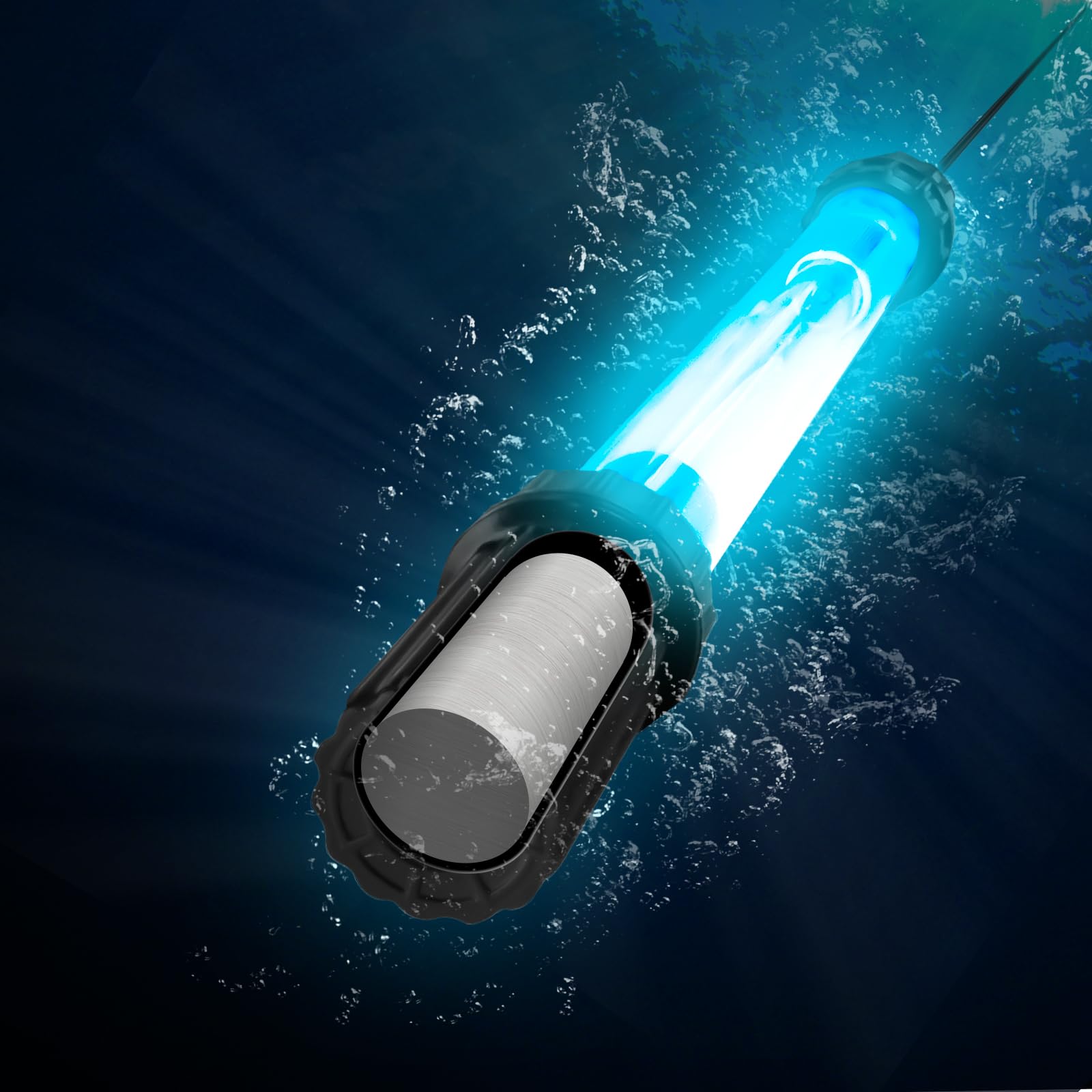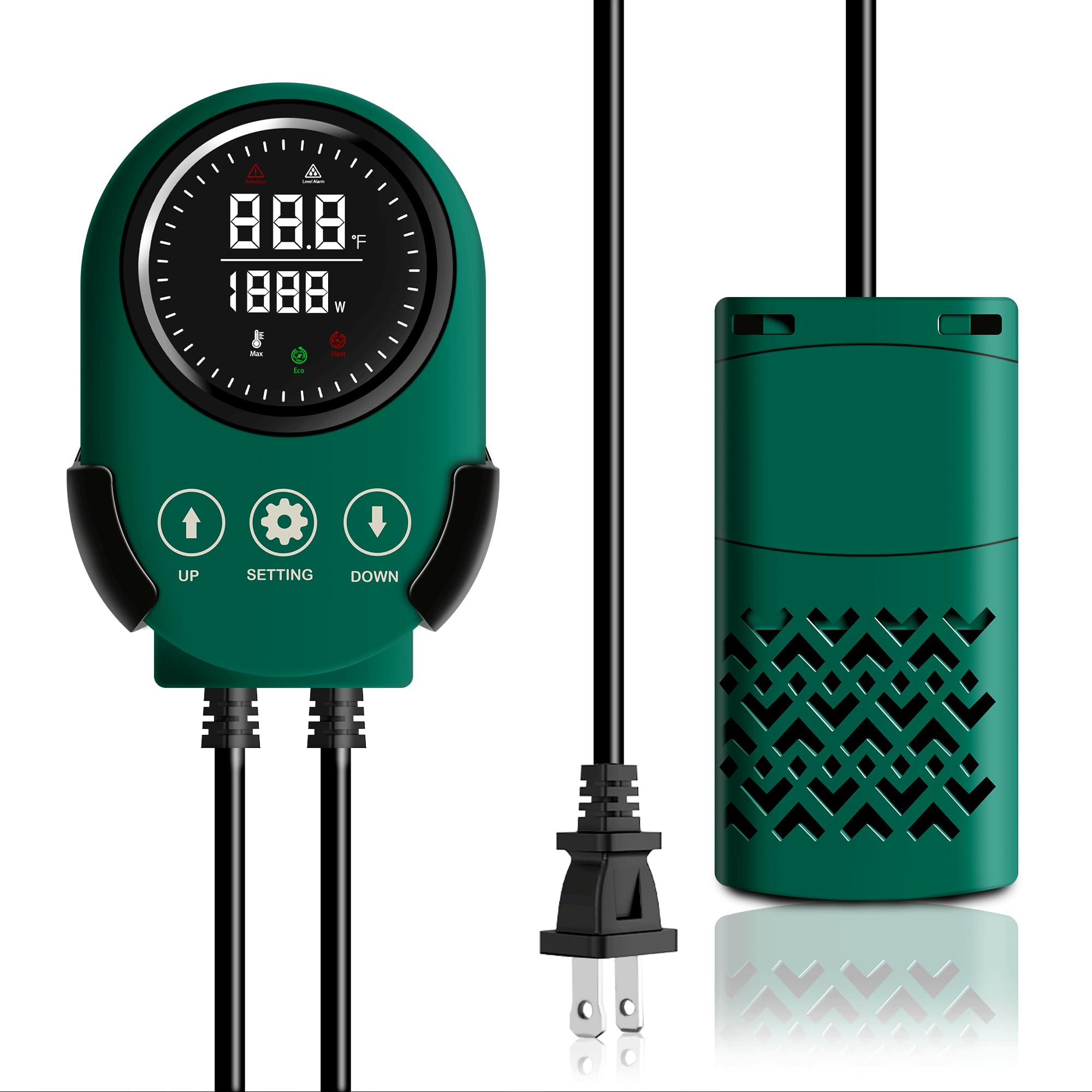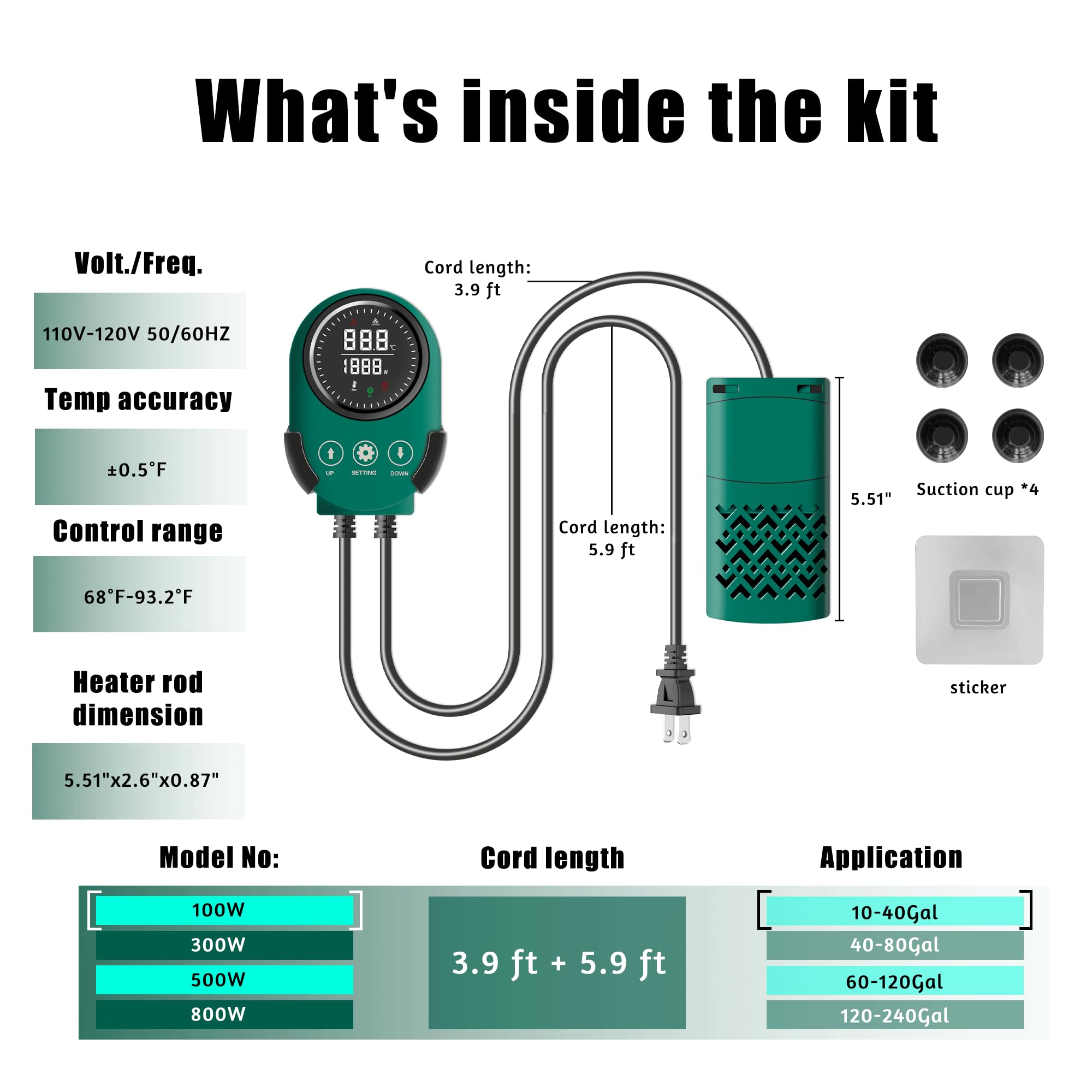

Aquarium heaters are among the most essential pieces of equipment in the fishkeeping world. They quietly maintain stable water temperatures, protect tropical fish from sudden cold snaps, and ensure that your aquatic ecosystem remains balanced. But when a heater starts rapid cycling—meaning it turns on and off far more frequently than normal—it's a sign that something isn’t right.
At first glance, a heater clicking on and off may not seem like a big deal. After all, isn’t temperature regulation the heater’s job? Yes—but frequent rapid cycling is not normal, and if ignored, it can shorten the heater’s lifespan, increase your electricity bill, cause unstable temperatures, or even put your fish at risk during cold seasons.
This comprehensive guide breaks down every possible reason your aquarium heater keeps rapidly switching on and off, how to diagnose each issue, how to fix it, and what to do to prevent the problem forever.
Let’s dive in.
1. Understanding Normal Heater Behavior vs. “Frequent Cycling”
Before jumping into troubleshooting, it’s important to know what normal heater operation looks like.
✔ Normal heater function
-
Turns on until it reaches within 0.3–0.5°C (0.5–0.9°F) of the target temperature
-
Turns off
-
Stays off for a reasonable amount of time
-
Turns back on when the water drops slightly
This slow on/off rhythm is healthy and expected.
✘ Abnormal heater cycling
When your heater:
-
Clicks on/off every few minutes
-
Turns off before reaching temperature
-
Turns on again immediately after turning off
-
Shows wildly fluctuating indicator lights
-
Produces unstable tank temperatures
…then you’re dealing with rapid cycling, indicating a malfunction or external influence affecting its performance.
2. Major Causes of Frequent Heater Cycling
Below are the top scientific, mechanical, and environmental reasons, from most common to most overlooked.
Cause #1: Poor Water Circulation Around the Heater
This is the #1 reason heaters rapidly switch on and off.
Why it happens
If the heater is placed in:
-
A corner
-
Behind decorations
-
Inside a dead zone
-
A section with low water movement
…then hot water stays trapped around the heater. The heater’s thermostat senses this “false heat” and shuts off early, thinking the tank is warm—when it's not.
Symptoms
-
The heater turns off quickly after activating
-
Temperature is not evenly distributed
-
Some areas of the tank feel warm while others feel cold
-
Heater is located near the filter output or an isolated spot
Fix
✔ Move the heater to a location with moderate, consistent flow
✔ Place near filter inlet/outlet
✔ Use a small circulation pump or air stone to improve mixing
✔ Avoid placing heaters behind rocks, driftwood, or plants
Result
Even distribution of heat → longer heating cycles → stable temperature.
Cause #2: Heater Too Strong (Overpowered for Tank Size)
Many fishkeepers buy the biggest heater thinking it’s safer. But oversized heaters heat too quickly, triggering rapid cycling.
Example
Using a 300W heater in a 40L (10-gallon) tank.
Why it causes rapid cycling
-
Water heats too fast
-
Thermostat shuts off almost immediately
-
Water cools quickly again
-
Heater switches back on
Repeat…
Fix
Follow the correct wattage guidelines:
| Tank Size | Recommended Wattage |
|---|---|
| 10 gal / 40L | 50–75W |
| 20 gal / 75L | 100–150W |
| 40 gal / 150L | 150–200W |
| 55 gal / 200L | 200–300W |
| 75 gal / 280L | 300W |
| 100 gal+ | Dual heaters recommended |
Result
Longer heating cycles without short bursts.
Cause #3: Heater Too Weak (Underpowered for Tank Size)
The opposite problem also causes frequent cycling.
A heater that’s too small will:
-
Struggle to reach temperature
-
Heat slowly → turn off → water quickly cools → turn on again
-
Overwork itself
Fix
Increase wattage or add a second heater to share the load, especially in winter.
Cause #4: Room Temperature Too Low
If the ambient temperature:
-
drops below 65°F (18°C), or
-
fluctuates drastically between day and night,
your heater has to work much harder.
Why it causes cycling
Repeated short bursts occur when the heater constantly fights cold air, especially when placed:
-
near windows
-
close to air conditioners
-
against cold exterior walls
-
in unheated rooms (garage, basement)
Fix
✔ Move tank away from cold drafts
✔ Use tank insulation (foam backing, thermal wrap)
✔ Raise room temperature slightly
✔ Add a secondary heater during winter months
Cause #5: Incorrect Heater Placement
Heaters should be positioned for ideal flow and heat distribution.
Bad placements
-
Horizontal at tank bottom with no flow
-
Completely vertical in a dead zone
-
Inside a sump chamber with inconsistent water levels
-
Buried behind rocks or artificial decorations
Best placement
✔ Vertical or 45° angle
✔ Near the filter’s water movement
✔ Inflow/outflow zone
✔ Mid-level depth
Cause #6: Thermostat Malfunction or Sensor Drift
Every heater has a built-in thermostat. Over time it can drift, causing:
-
Incorrect readings
-
Late or premature shutoff
-
Rapid on/off behavior
-
Temperature mismatches
Why thermostats drift
-
Aging of internal components
-
Corrosion inside the heater
-
Mineral buildup
-
Electronic failure (for digital heaters)
Fix
✔ Replace the heater—thermostats are not repairable
✔ Use an external temperature controller for accurate regulation
✔ Never trust old heaters (>2 years)
Cause #7: Water Level Fluctuations
Some heaters rely on full submersion or partial submersion.
If water level drops:
-
Heater tip is exposed
-
Heating element overheats
-
Thermostat shuts off quickly
-
Rapid cycling begins
Fix
✔ Maintain stable water level
✔ Use a lid to reduce evaporation
✔ Install an auto-top-off (ATO) system
Cause #8: Filter or Pump Causing Too Much Flow
Yes—both extremely weak and extremely strong flow can cause cycling.
High flow issues:
-
Water moves past the heater too quickly
-
Thermostat thinks tank is cold
-
Heater switches on
-
Minutes later, thermostat senses hot water
-
Heater switches off
Fix
✔ Adjust filter output
✔ Redirect nozzle away from the heater
✔ Choose moderate flow
Cause #9: Sunlight or External Heat Sources
If sunlight or room heaters warm one side of the tank:
-
Heater thermostat detects extra warmth
-
Heater shuts off early
-
Temperature dips later → heater restarts
-
Rapid cycling continues
Fix
✔ Keep tank out of direct sunlight
✔ Avoid placing tank near radiators
✔ Maintain consistent room temperature
Cause #10: Heater Defect or End-of-Life Failure
Most aquarium heaters last:
-
1–2 years for budget heaters
-
3–5 years for premium heaters
Signs of internal failure:
-
Unstable heating
-
Rapid clicking or flashing
-
Turning off at wrong temperatures
-
Heater feels extremely hot to touch
-
Water temperature always fluctuates
If your heater matches these signs:
👉 Replace it. Do not attempt repairs.
3. How to Diagnose Rapid Cycling Step-by-Step
A structured approach saves time and prevents guessing.
Step 1: Check Temperature with an Independent Thermometer
Never trust the heater dial.
✔ Use a digital thermometer
✔ Compare readings over 24 hours
✔ Note fluctuations
If temp varies by more than 1°F, cycling is an issue.
Step 2: Watch a Full Heating Cycle
Observe for:
-
How long heater stays ON
-
When it turns OFF
-
How fast it turns back ON
Normal cycle: 5–15 minutes ON, then off for longer
Frequent cycling: ON/OFF every 1–3 minutes
Step 3: Evaluate Heater Placement
✔ Is there flow?
✔ Any obstruction?
✔ Near filter outlet?
✔ Positioned diagonally?
Adjust if necessary.
Step 4: Check Room Temperature and Drafts
-
Windows
-
AC vents
-
Doors
-
Winter cold air pockets
Step 5: Compare Heater Wattage to Tank Size
Too large or too small → cycling problems.
Step 6: Inspect Heater Age and Condition
-
Cracks
-
Corrosion
-
Moisture inside glass
-
Discolored coils
-
Flickering display
Replace if questionable.
4. Long-Term Fixes: How to Prevent Frequent Cycling
These solutions eliminate 95% of problems.
Fix #1: Use an External Temperature Controller
This is the ultimate upgrade.
Controllers like Inkbird, Finnex, or AquaEL:
-
Override internal thermostats
-
Offer precise ±0.1°F accuracy
-
Reduce heater cycling
-
Prolong heater lifespan
-
Add overheat protection
If you want total stability:
👉 Heater + external controller = best combination
Fix #2: Use Two Lower-Wattage Heaters Instead of One Large Heater
Benefits:
-
Even heating
-
Fewer fluctuations
-
Heaters work less
-
Backup heater if one fails
Example:
Instead of 1×300W heater → use 2×150W heaters.
Fix #3: Improve Water Movement
Better circulation =
-
Stable temperature
-
Less false heat near heater
-
Fewer on/off cycles
Use:
-
Mini circulation pump
-
Air stone
-
Filter outlet adjustment
Fix #4: Insulate the Tank
This is extremely effective in winter.
Insulation options:
-
Foam board behind the tank
-
Thermal wrap around sides
-
Lid to trap heat
-
Room heater to stabilize environment
Your heater will cycle much less.
Fix #5: Keep Water Level Constant
✔ Use a lid
✔ Reduce evaporation
✔ Install auto-top-off system
Low water → heater overheats → rapid cycling.
Fix #6: Upgrade to a Higher-Quality Heater
Premium brands:
-
Eheim Jäger
-
Fluval E-series
-
Aqueon Pro
-
Hygger titanium heaters
These provide:
-
Accurate thermostats
-
Stable heating cycles
-
Durable components
-
Longer lifespan
5. When Should You Replace a Rapid-Cycling Heater?
Replace immediately if:
-
Cycling becomes increasingly frequent
-
Heater gets hotter than usual
-
Temperature drifts by >2°F daily
-
Glass fogging or condensation appears
-
Internal coil discoloration
-
Burn smell, buzzing sound, or crackling
-
Heater is older than 2 years (cheap models)
-
Heater refuses to stay ON long enough
Heater failures can shock fish or crash the tank during cold weather.
Don't gamble—replace early.
6. FAQ: Common Questions About Heater Cycling
Q1. Is it dangerous when a heater cycles too often?
Yes. It can:
-
Cause unstable temperature swings
-
Stress your fish
-
Burn out internal components
-
Increase electric consumption
-
Lead to heater failure
Q2. Can an aquarium heater “explode”?
Rare but possible if:
-
Water fluctuates sharply
-
Heater is partially exposed
-
Internal damage occurs
-
Cheap models malfunction
Replace suspect heaters immediately.
Q3. Should I unplug the heater during water changes?
Yes, always.
Running a heater in air causes overheating → thermostat damage → future rapid cycling.
Q4. Can a controller fix cycling even if heater is defective?
It helps, but a severely defective heater must be replaced.
7. Conclusion: Getting Your Heater Back to Healthy Operation
Frequent heater cycling is a warning sign you shouldn’t ignore. While it might seem like a small inconvenience, it reveals deeper issues affecting:
-
Heater performance
-
Energy efficiency
-
Temperature stability
-
Fish health
-
Equipment lifespan
By identifying the root cause—whether it’s placement, circulation, wattage mismatch, thermostat drift, or environmental factors—you can restore stable heating and protect your aquarium year-round.
For best results:
-
Pair your heater with a controller
-
Improve overall circulation
-
Keep the tank insulated
-
Replace aging heaters proactively
A healthy heating system means a healthier, happier aquatic environment and far fewer headaches for you as a fishkeeper.