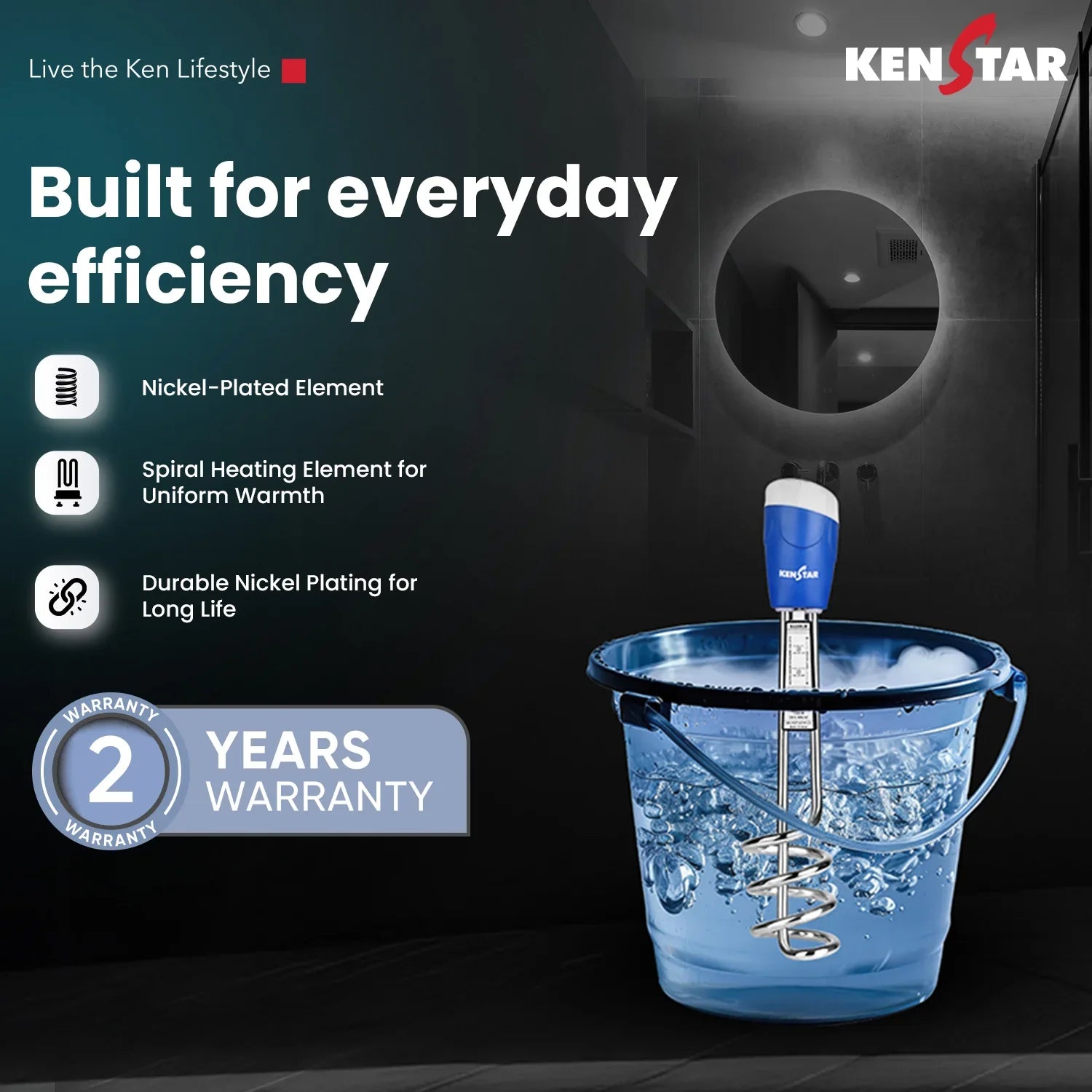
For decades, heating rods have been one of the most reliable and widely used components in both industrial and consumer heating systems. From water heaters and laboratory equipment to food processing machines, aquaculture systems, and household appliances, heating rods have quietly powered countless applications behind the scenes.
Yet for a long time, innovation in heating rods focused mainly on durability, output power, and cost control. Today, that approach is no longer enough.
As global industries move toward energy efficiency, carbon reduction, and intelligent automation, heating rods are undergoing a significant transformation. Sustainability and smart technology are no longer optional features—they are becoming defining characteristics of next-generation heating solutions.
This article explores where heating rod technology is headed, why these changes matter, and how environmental responsibility and digital intelligence are shaping the future of heating systems worldwide.
1. Why Heating Rods Still Matter in a High-Tech World
In an age of AI, robotics, and advanced materials, it may seem surprising that such a traditional component remains so important. However, heating rods continue to play a critical role because they offer:
-
Direct and efficient heat transfer
-
Simple mechanical structure
-
High adaptability across industries
-
Proven reliability under extreme conditions
Whether embedded in water tanks, air systems, molds, pipelines, or medical devices, heating rods remain one of the most efficient ways to convert electrical energy into usable heat.
What is changing is how they are designed, controlled, and integrated into broader systems.
2. The Environmental Pressure Driving Innovation
Global environmental regulations and consumer expectations are accelerating the demand for greener heating solutions.
Key drivers include:
-
Rising energy costs
-
Carbon neutrality targets
-
Stricter industrial efficiency standards
-
Demand for eco-friendly consumer products
Traditional heating rods, while effective, often operate continuously at fixed power levels, leading to:
-
Energy waste
-
Overheating
-
Shortened service life
Future-ready heating rods must deliver heat only when and where it is needed.
3. Energy Efficiency as the Core Design Principle
Energy efficiency is no longer a marketing slogan—it is a measurable requirement.
Modern heating rod development focuses on:
-
Optimized resistance wire design
-
Improved thermal conductivity
-
Reduced heat loss
-
Faster heat-up times
Advanced alloys and ceramic materials allow heating rods to reach target temperatures faster while consuming less power.
This shift benefits both industrial users and households by lowering:
-
Electricity consumption
-
Operational costs
-
Environmental impact
4. Eco-Friendly Materials and Manufacturing
Sustainability starts long before a heating rod is turned on.
Manufacturers are increasingly rethinking:
-
Raw material sourcing
-
Production processes
-
Waste reduction
-
Product recyclability
Key trends include:
-
Reduced use of hazardous coatings
-
Mercury-free and heavy-metal-free components
-
Longer product life cycles
-
Modular designs that allow partial replacement instead of full disposal
Heating rods designed for longevity are inherently more sustainable, reducing replacement frequency and material waste.
5. Smart Heating Rods: From Passive to Intelligent
One of the most significant shifts in heating rod technology is the integration of smart features.
Traditional heating rods operate in a simple on/off mode. Smart heating rods, however, are becoming responsive, adaptive, and data-driven.
Key intelligent features include:
-
Temperature sensors embedded in the rod
-
Real-time heat feedback
-
Automatic power adjustment
-
Overheat protection
-
Fault detection
This evolution transforms heating rods from passive components into active system participants.
6. The Role of Sensors and Real-Time Monitoring
Modern heating rods increasingly include:
-
Thermistors
-
RTD sensors
-
Digital temperature probes
These sensors allow:
-
Precise temperature control
-
Uniform heating
-
Reduced energy waste
In industrial settings, real-time monitoring helps prevent:
-
Equipment damage
-
Product defects
-
Safety hazards
In consumer products, it improves:
-
User comfort
-
Reliability
-
Peace of mind
7. Integration with IoT and Smart Systems
Heating rods are no longer isolated components. They are becoming part of interconnected systems.
Through IoT integration, smart heating rods can:
-
Communicate with central controllers
-
Adjust output based on environmental data
-
Enable remote monitoring and control
-
Support predictive maintenance
For example:
-
A water heating system can reduce output during off-peak usage
-
Industrial heaters can schedule heating cycles based on production demand
This connectivity reduces unnecessary energy consumption and extends equipment lifespan.
8. Predictive Maintenance: Preventing Failure Before It Happens
One of the biggest advantages of smart heating technology is predictive maintenance.
By analyzing data such as:
-
Operating temperature
-
Heating cycles
-
Power consumption patterns
Systems can identify early signs of wear or malfunction.
Benefits include:
-
Reduced downtime
-
Lower repair costs
-
Improved safety
-
Optimized inventory management
Instead of reacting to failures, users can plan maintenance proactively.
9. Smart Control for Variable Power Output
Future heating rods will increasingly support variable power levels instead of fixed wattage.
This allows:
-
Gentle heating for sensitive processes
-
High output when rapid heating is required
-
Automatic adjustment based on load conditions
Variable output significantly improves energy efficiency and process control, especially in industries such as:
-
Food processing
-
Medical equipment
-
Chemical manufacturing
10. Safety Improvements Through Intelligence
Heating systems carry inherent risks, including:
-
Overheating
-
Electrical faults
-
Material degradation
Smart heating rods enhance safety through:
-
Automatic shutdown mechanisms
-
Fault alerts
-
Temperature limits
-
Redundant safety layers
These features are especially critical in applications involving:
-
Water
-
Flammable materials
-
Human contact
11. Sustainability Meets Smart Design in Consumer Products
In household appliances, smart heating rods contribute to:
-
Energy-saving water heaters
-
Smart kettles
-
Coffee machines
-
Bathroom and kitchen systems
Consumers increasingly expect:
-
Lower energy bills
-
Smart temperature control
-
Long-lasting products
Heating rods that combine efficiency and intelligence help manufacturers meet these expectations.
12. Industrial Applications Leading the Change
Industrial sectors are often early adopters of advanced heating technology due to scale and cost sensitivity.
Industries driving innovation include:
-
Plastics and molding
-
Food and beverage
-
Pharmaceutical manufacturing
-
Aquaculture and water treatment
In these environments, precise heat control directly impacts product quality and operational efficiency.
13. Renewable Energy Compatibility
As renewable energy sources such as solar and wind become more common, heating systems must adapt to variable power availability.
Smart heating rods can:
-
Adjust output based on energy supply
-
Store heat efficiently
-
Operate during surplus energy periods
This compatibility makes them ideal for integration into sustainable energy systems.
14. Modular and Customizable Heating Solutions
Future heating rods are increasingly designed as modular components.
Advantages include:
-
Easier upgrades
-
Reduced waste
-
Flexible system configuration
Customization options allow users to select:
-
Length
-
Power range
-
Control interfaces
-
Sensor types
This flexibility supports a wide range of applications without redesigning entire systems.
15. Digital Control Interfaces and User Experience
User interaction with heating systems is also evolving.
Modern control interfaces offer:
-
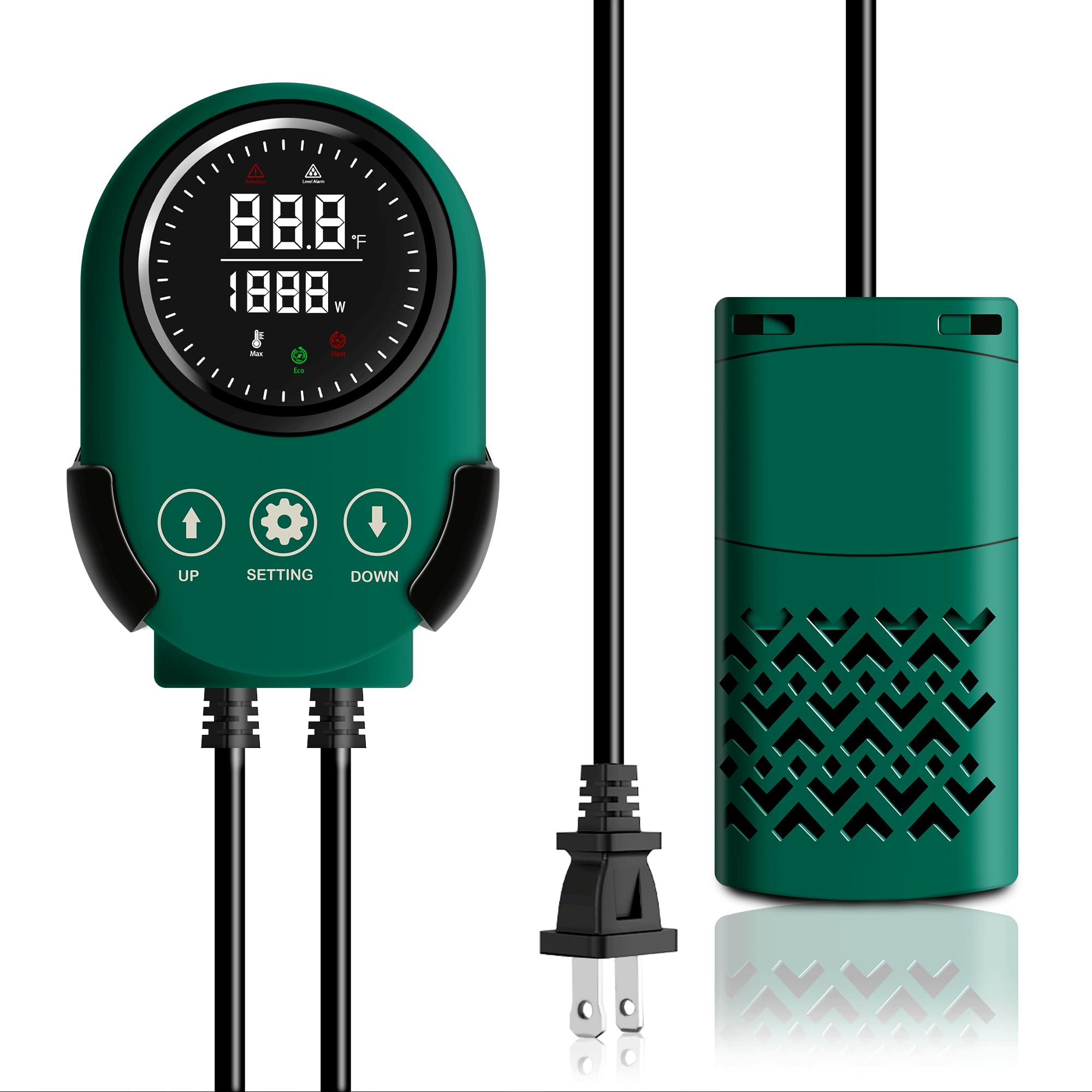
Touchscreen displays
-
Mobile app integration
-
Cloud-based dashboards
These tools allow users to:
-
Monitor performance
-
Adjust settings remotely
-
Receive alerts and insights
Heating rods become part of a broader digital experience rather than invisible components.
16. Regulatory Standards and Compliance
Environmental and safety regulations are influencing heating rod design worldwide.
Manufacturers must comply with:
-
Energy efficiency standards
-
Electrical safety certifications
-
Environmental compliance requirements
Smart and eco-friendly heating rods help meet these standards while maintaining competitive advantage.
17. Cost Considerations: Short-Term vs. Long-Term Value
While advanced heating rods may have higher upfront costs, they offer significant long-term benefits:
-
Reduced energy consumption
-
Lower maintenance costs
-
Longer service life
Businesses and consumers increasingly evaluate total cost of ownership rather than initial price alone.
18. Challenges in Adopting Smart and Sustainable Heating Rods
Despite the benefits, challenges remain:
-
Higher development costs
-
Need for technical expertise
-
Compatibility with legacy systems
However, as technology matures, these barriers are gradually decreasing.
19. The Competitive Advantage of Innovation
Companies that invest early in:
-
Sustainable materials
-
Intelligent control systems
-
Energy-efficient designs
Position themselves as industry leaders rather than commodity suppliers.
In a crowded market, innovation is no longer optional—it is essential.
20. The Road Ahead: What the Next Decade Will Bring
Looking ahead, heating rods will likely become:
-
More energy-efficient
-
Fully integrated into smart ecosystems
-
Designed for circular economies
-
Adaptable to diverse energy sources
They will evolve from simple heating elements into intelligent, sustainable components at the heart of modern systems.
Conclusion: Heating Rods at the Intersection of Technology and Responsibility
The future of heating rods is not just about generating heat—it is about doing so responsibly, efficiently, and intelligently.
By embracing:
-
Environmental sustainability
-
Smart technology
-
Data-driven control
Heating rods are redefining their role in both industrial and consumer applications.
In a world focused on energy efficiency and intelligent systems, the humble heating rod is proving that even the most traditional components can play a vital role in shaping a smarter, greener future.