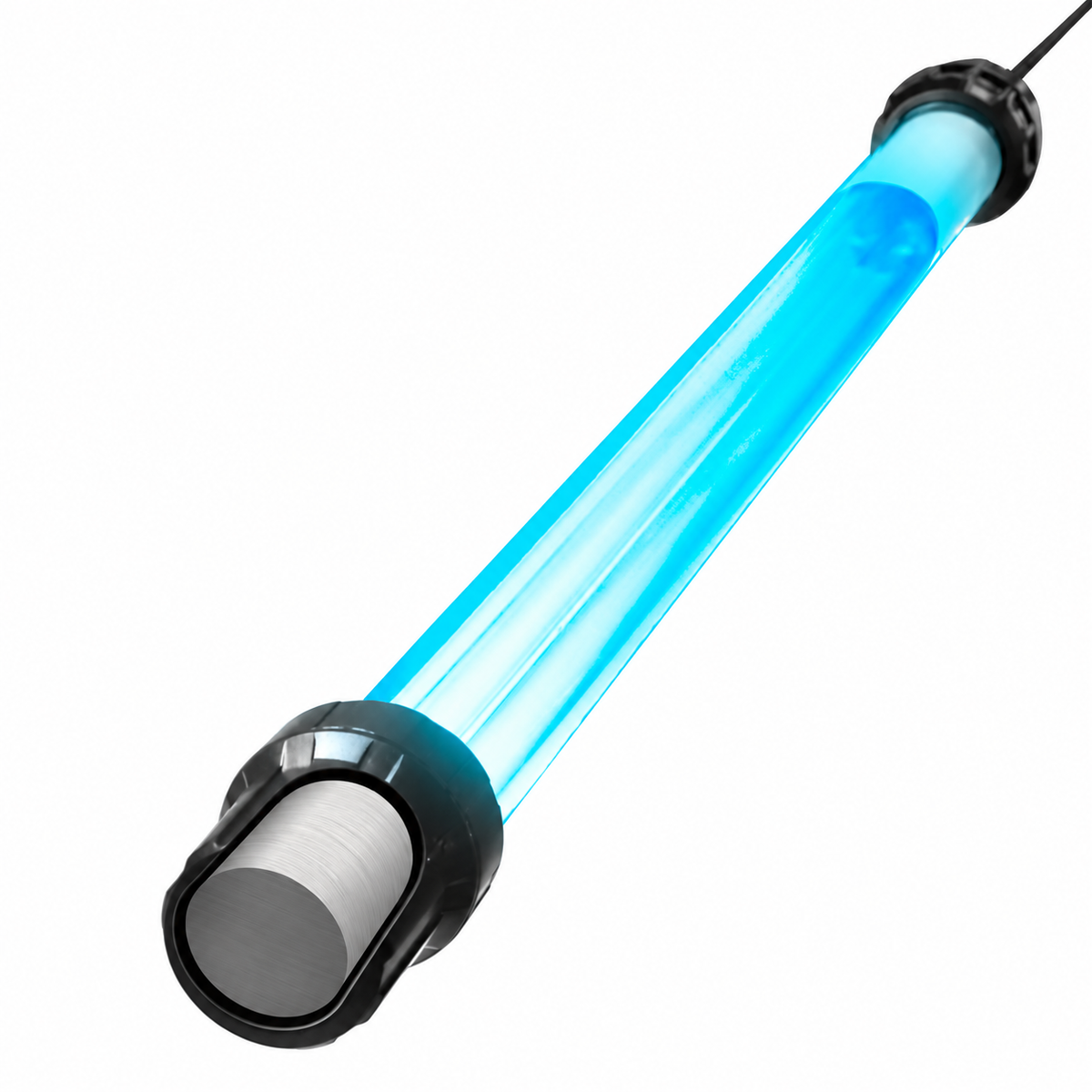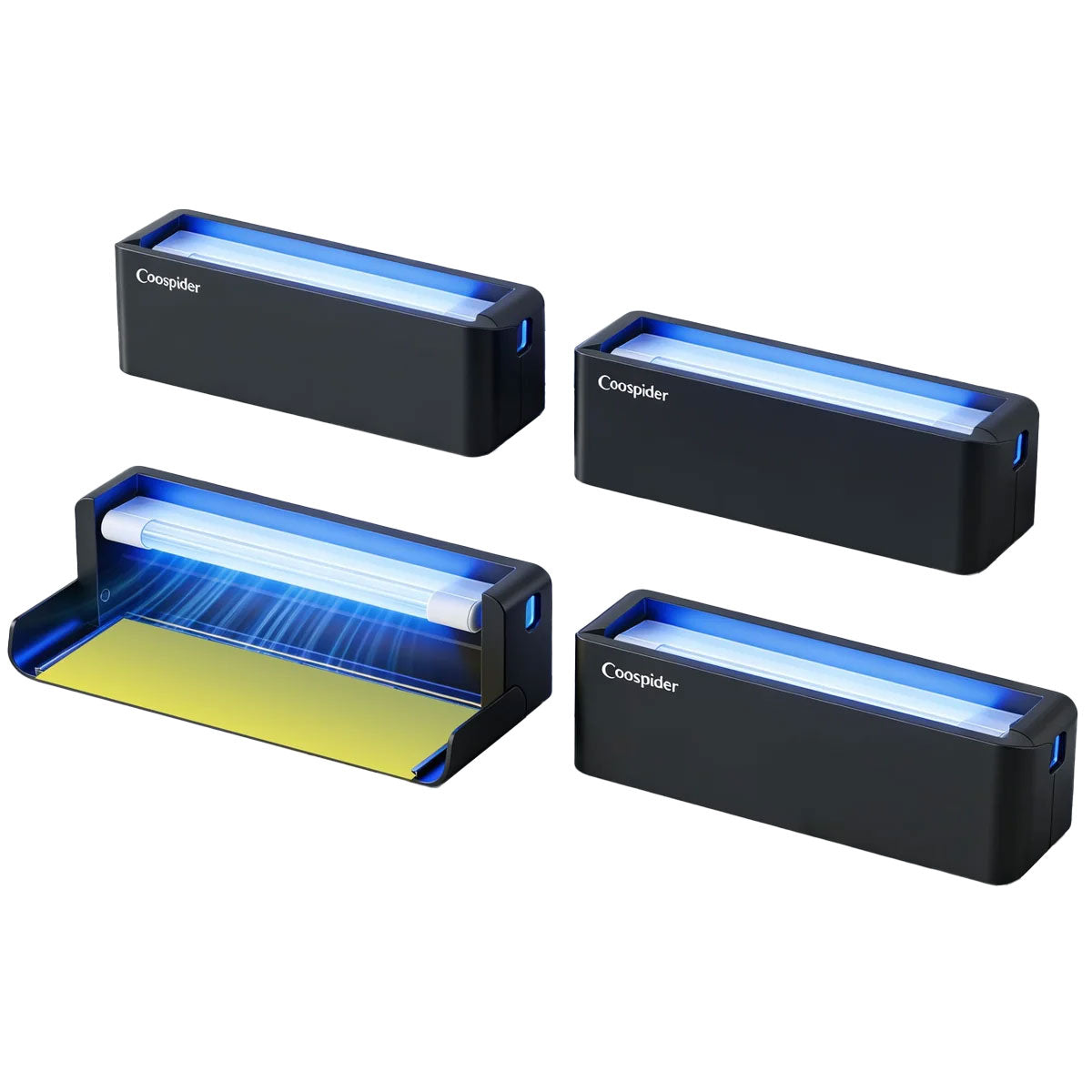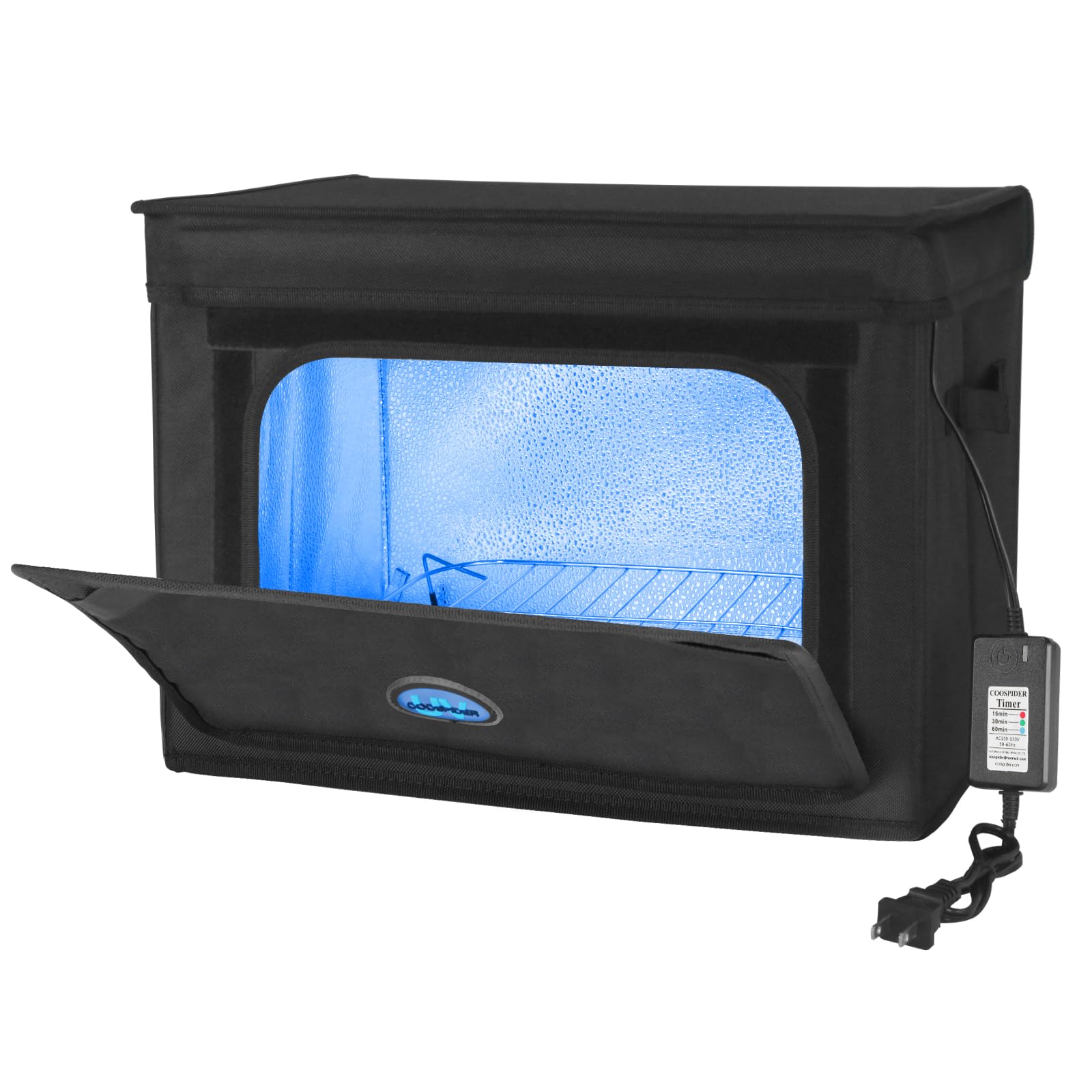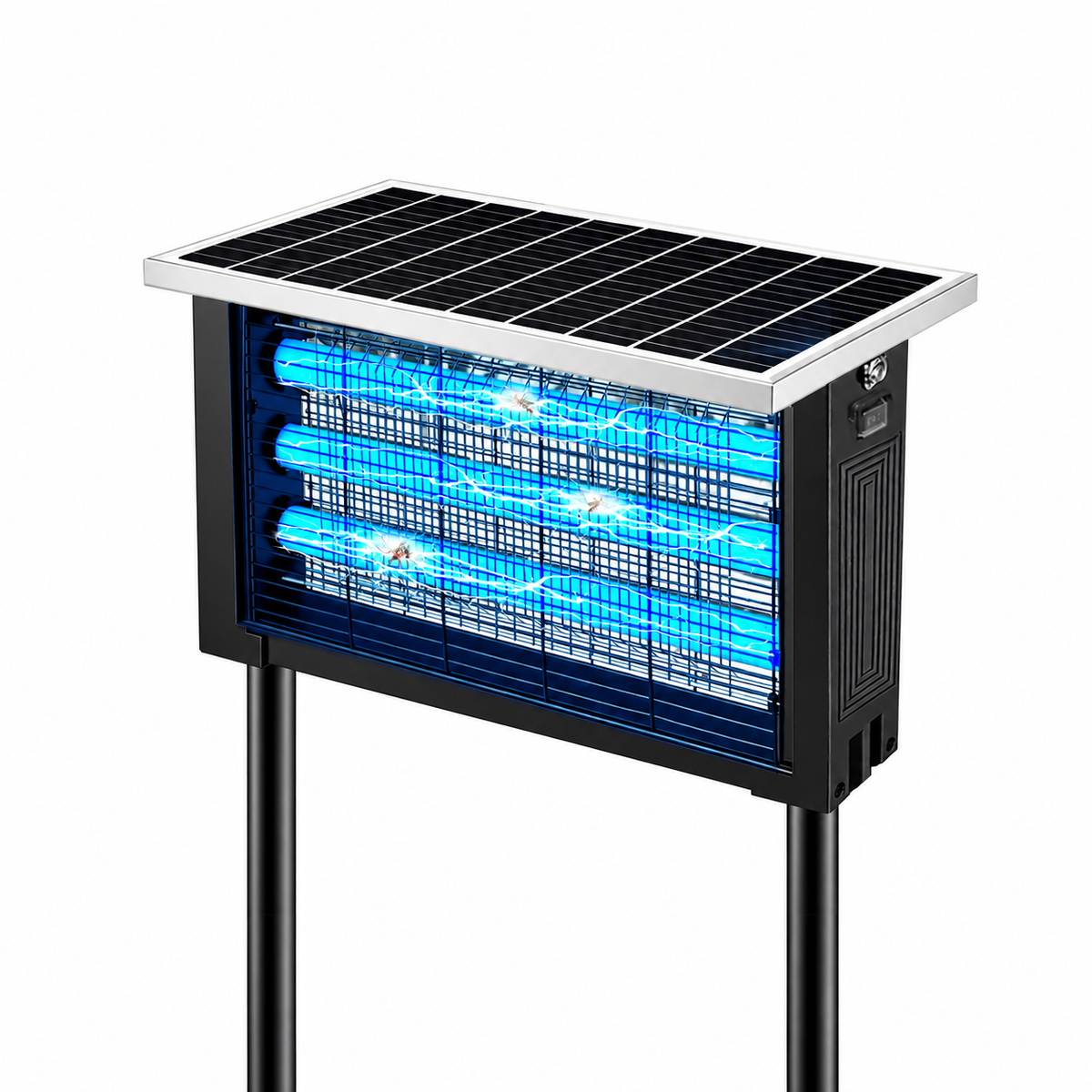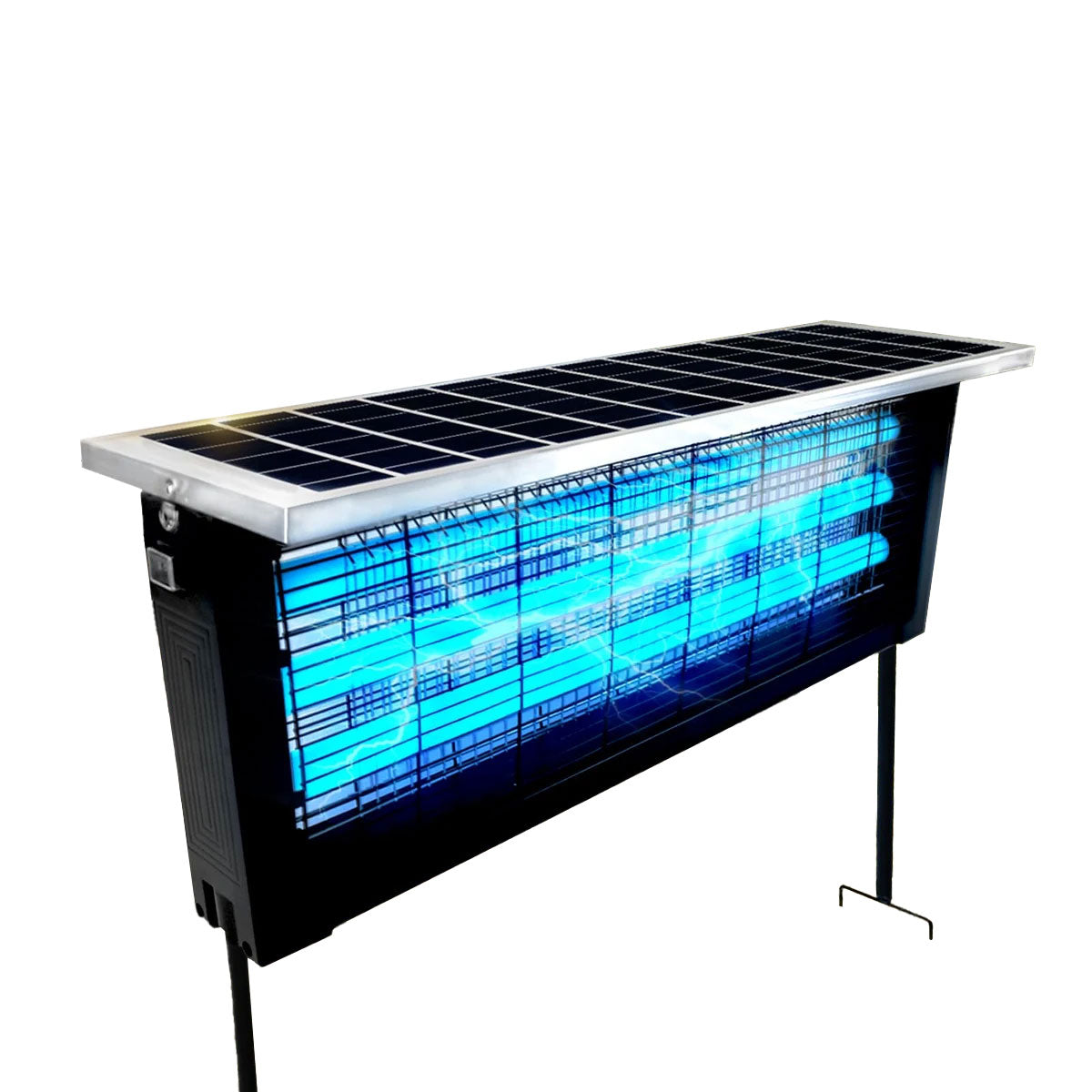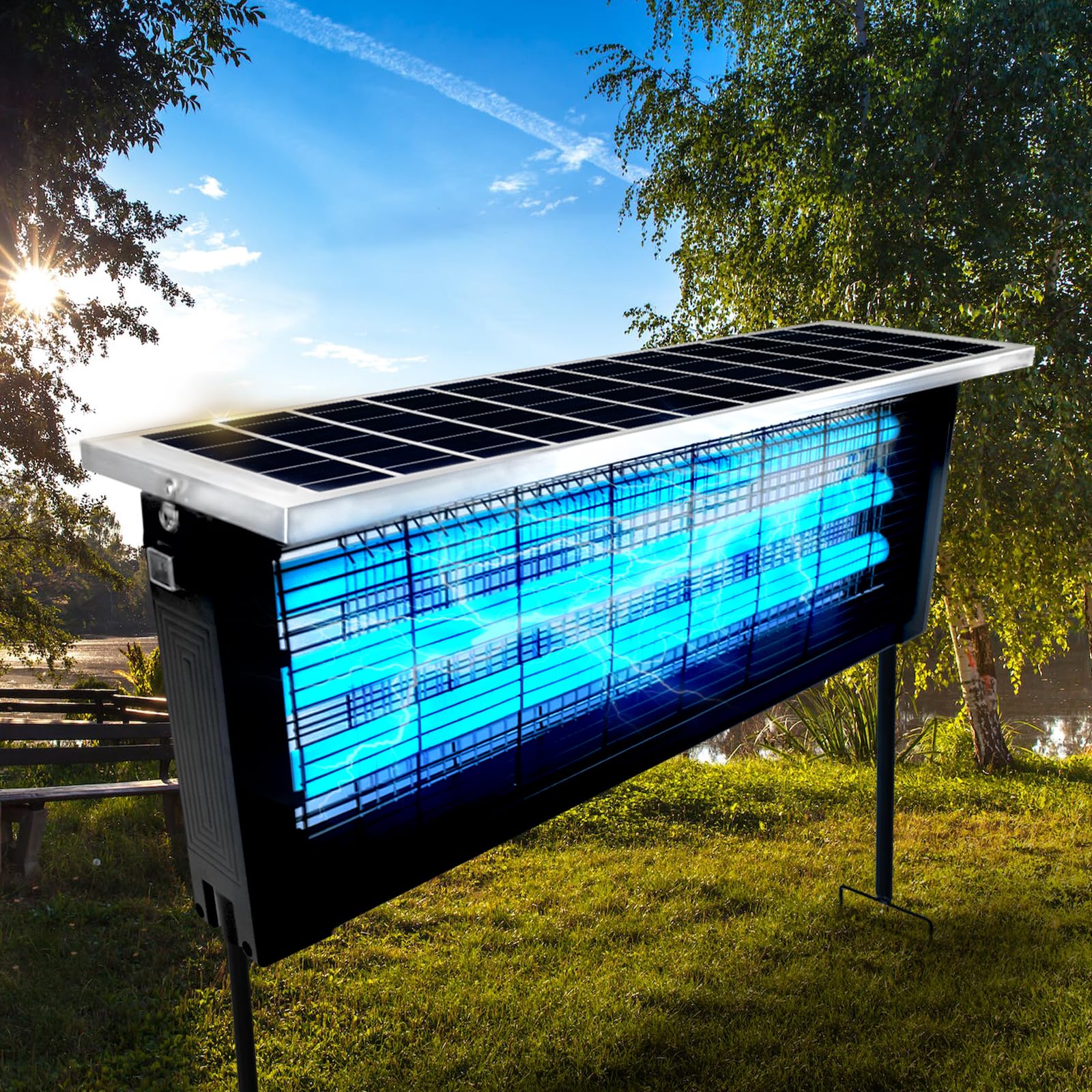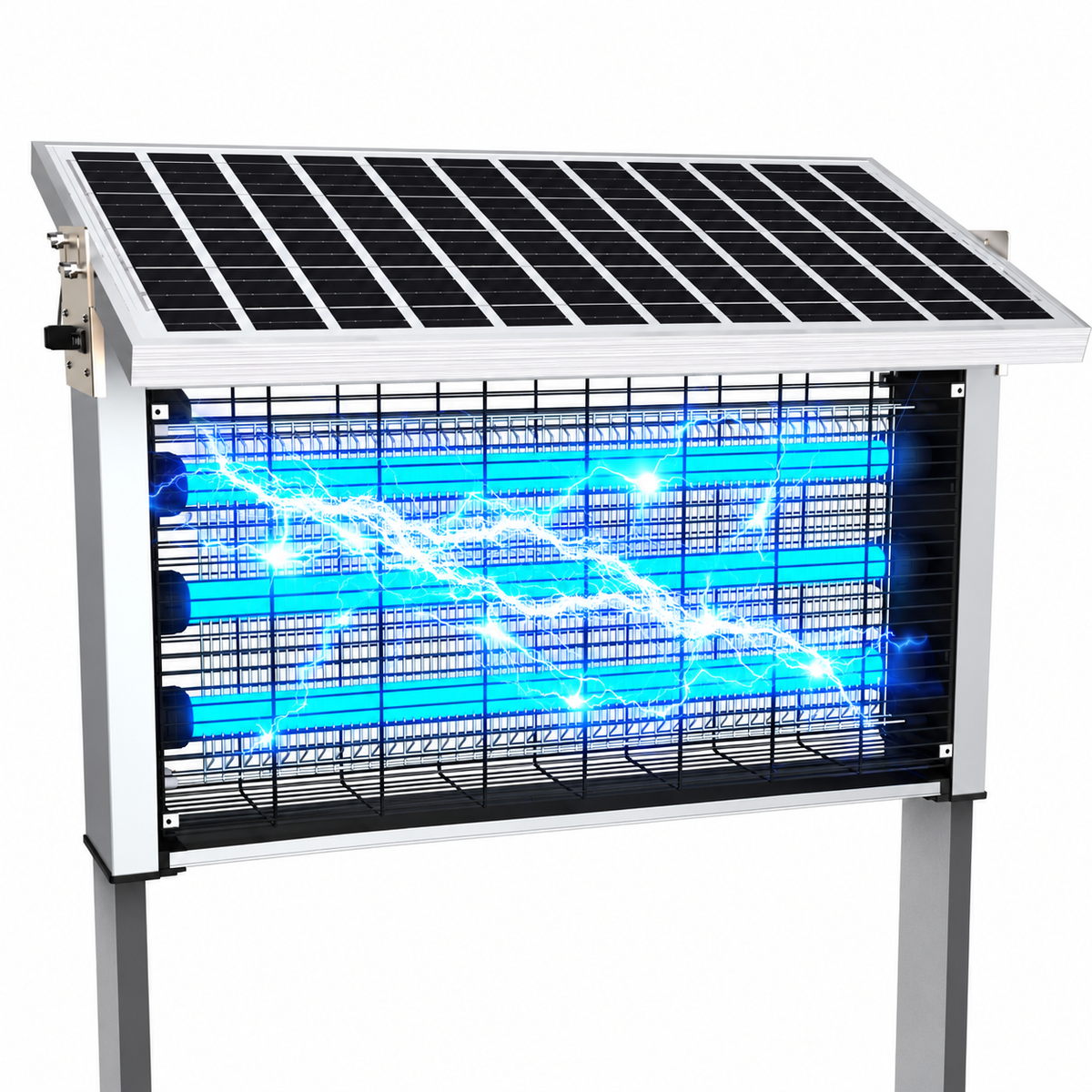
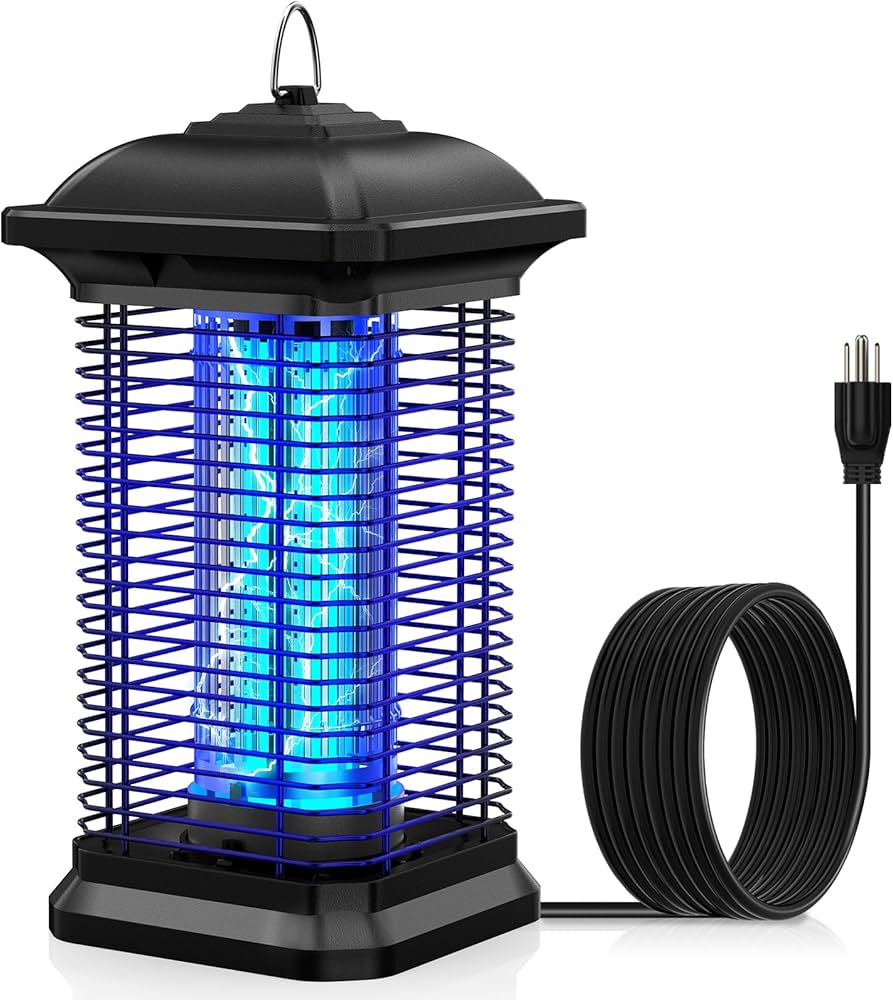
Mosquito killer lamps — often called bug zappers — promise simple and effective insect control. Plug them in, let ultraviolet light attract insects, and the electric grid handles the rest. When they work properly, they are convenient and satisfying devices.
But when a mosquito lamp stops killing insects, many users fall into a frustrating cycle of trial-and-error repairs, unnecessary part replacements, and misleading online advice. A surprising number of repair “solutions” circulating online are based on misunderstandings of how these devices actually work.
The result? People spend money fixing the wrong problems while the real issue remains unresolved.
This article breaks down the most common mosquito lamp repair misconceptions, explains the real technical causes behind failures, and helps you avoid wasting money on ineffective fixes. Understanding these myths can save both time and unnecessary expenses while extending the lifespan of your device.
Why Mosquito Lamp Repair Is Often Misunderstood
Bug zappers appear simple from the outside, but internally they combine several electrical systems:
- UV attraction system
- Power conversion circuit
- High-voltage transformer
- Energy storage capacitor
- Electric grid electrodes
- Safety protection components
Because multiple subsystems operate independently, symptoms can easily be misinterpreted.
For example, a glowing UV light does not mean the killing mechanism works. Likewise, a buzzing sound does not guarantee sufficient voltage output.
Misdiagnosis leads directly to wasted repair costs.
Myth #1: “If the Light Turns On, the Mosquito Lamp Is Working”
This is the most widespread misunderstanding.
Many users assume illumination equals functionality.
In reality, the lighting circuit and the high-voltage grid circuit are usually separate.
What Actually Happens
The UV lamp may receive power normally while the high-voltage section fails completely.
Possible hidden failures include:
- Dead transformer
- Failed capacitor
- Broken high-voltage diode
- Disconnected grid wiring
The device looks operational but cannot kill insects.
Replacing bulbs in this situation solves nothing.
Myth #2: Replacing the UV Bulb Fixes Most Problems
Retail advice often suggests replacing the UV tube first.
While bulbs do degrade over time, they rarely cause total killing failure.
When Bulb Replacement Helps
- Light flickers or does not turn on
- Attraction efficiency decreases gradually
When It Does Not Help
- No zapping sound
- No sparks
- Insects land safely on grid
The killing mechanism depends on voltage, not brightness alone.
Unnecessary bulb replacement is one of the most common money-wasting mistakes.
Myth #3: Louder Buzzing Means Better Performance
Some people judge effectiveness by sound intensity.
This belief leads users to modify devices or chase louder electrical noise.
However, buzzing only indicates electrical discharge frequency — not killing efficiency.
A poorly functioning unit may buzz loudly but deliver weak voltage pulses incapable of killing insects instantly.
Effective operation depends on:
- Voltage level
- Energy discharge strength
- Grid spacing design
Noise level is not a reliable diagnostic indicator.
Myth #4: Cleaning the Grid Always Restores Function
Cleaning is important, but it is not a universal fix.
Yes, accumulated insect debris can block electrical contact and reduce performance. However, many users overestimate how often dirt causes total failure.
Cleaning Helps When:
- Sparks appear weak or inconsistent
- Grid visibly clogged
- Device recently experienced heavy insect activity
Cleaning Does Not Help When:
- No voltage exists at all
- Internal components failed
- Transformer output is zero
Over-cleaning wastes effort and sometimes damages delicate grid wires.
Myth #5: More Voltage Automatically Means Better Mosquito Control
Online discussions often promote increasing voltage output through modification.
This is risky and usually unnecessary.
Higher voltage can cause:
- Transformer overheating
- Insulation breakdown
- Safety hazards
- Shortened device lifespan
Bug zappers are engineered to operate within specific electrical ranges. Increasing voltage rarely improves real-world results and often accelerates failure.
Myth #6: Any Replacement Capacitor Will Work
Capacitors look similar, leading many users to install incorrect replacements.
Critical specifications include:
- Capacitance value
- Voltage rating
- Temperature tolerance
- AC or DC application type
Using an incompatible capacitor may cause:
- Weak discharge
- Immediate failure
- Electrical instability
Correct matching is essential for safe operation.
Myth #7: The Device Is Broken Because It Stops Zapping Frequently
Users sometimes assume reduced zapping means malfunction.
In reality, mosquito populations fluctuate.
Factors affecting activity include:
- Weather conditions
- Humidity
- Seasonal insect cycles
- Competing light sources
A perfectly functioning device may appear inactive simply because fewer insects are present.
Misinterpreting environmental changes leads to unnecessary repairs.
Myth #8: Bug Zappers Require Constant Operation to Stay Effective
Running devices continuously is often recommended online.
However, nonstop operation increases wear on:
- Transformers
- Capacitors
- Electronic drivers
Using timers aligned with peak mosquito activity can extend component lifespan significantly.
More runtime does not equal better results.
Myth #9: Sparks Should Be Large and Visible
Movies and advertisements exaggerate electrical arcs.
In reality, effective zapping often produces small, quick sparks.
Large arcs may indicate:
- Excessive moisture
- Short circuits
- Incorrect grid spacing
Chasing dramatic sparks can lead users to damage properly functioning equipment.
Myth #10: Cheap Repairs Are Always Better Than Replacement
Repairing inexpensive bug zappers sometimes costs more in time and parts than replacement.
Low-cost units often use:
- Non-serviceable transformers
- Integrated circuits
- Thin insulation materials
Attempting repeated repairs may exceed the value of the device.
Understanding repair limits prevents wasted effort.
The Most Common Real Causes of Mosquito Lamp Failure
Instead of myths, actual failures typically fall into predictable categories.
Transformer Burnout
Heat and electrical stress gradually degrade internal windings.
Symptoms:
- No grid voltage
- Device lights normally
- Silent operation
Capacitor Degradation
Capacitance decreases over time, weakening discharge energy.
Symptoms:
- Weak or inconsistent zaps
- Gradual performance decline
High-Voltage Diode Failure
Blocks energy transfer entirely.
Symptoms:
- Complete loss of grid activity.
Wiring Fatigue
Vibration and thermal expansion loosen connections.
Symptoms:
- Intermittent operation.
Why Online Repair Advice Often Fails
Many guides rely on anecdotal experiences rather than electrical understanding.
Different mosquito lamp models vary widely in design.
Advice that works for one device may not apply to another.
Blindly following generic tips leads to unnecessary spending.
How to Diagnose Problems Correctly
A logical troubleshooting sequence prevents wasted repairs.
Step 1: Confirm Power Supply
Verify outlet and power cord functionality.
Step 2: Observe UV Lamp Behavior
Working light confirms partial power flow.
Step 3: Listen for Electrical Activity
Absence of sound suggests high-voltage failure.
Step 4: Inspect Grid Condition
Check for debris or damage.
Step 5: Test Internal Components
Focus on transformer and capacitor before replacing other parts.
Systematic diagnosis saves money.
Maintenance Practices That Actually Work
Instead of chasing myths, focus on proven care methods.
- Clean grid monthly during heavy use.
- Keep device dry.
- Ensure airflow around housing.
- Avoid placing near competing light sources.
- Use during peak insect hours.
Preventive maintenance reduces repair frequency.
When Professional Repair Makes Sense
Consider professional help when:
- Device is high-end or commercial-grade
- High-voltage testing equipment is required
- Electrical safety is uncertain
Safety should always outweigh cost savings.
When Replacement Is the Smarter Choice
Replace rather than repair when:
- Multiple components fail
- Housing insulation deteriorates
- Repair cost approaches replacement price
Electronics have practical lifespan limits.
Understanding Marketing Claims vs Reality
Some products promise unrealistic mosquito elimination.
No bug zapper can eliminate all insects instantly.
Performance depends on:
- Placement
- Environment
- Species behavior
Realistic expectations prevent unnecessary troubleshooting.
Smart Buying Decisions Reduce Future Repairs
Look for devices featuring:
- Replaceable components
- Ventilated housing
- Stable power circuits
- Quality transformers
Better design reduces long-term frustration.
The Psychology Behind Repair Myths
People often prefer simple explanations:
- Replace bulb.
- Clean grid.
- Increase voltage.
These actions feel productive but may ignore underlying electrical issues.
Understanding system design encourages smarter decisions.
Long-Term Cost Savings Through Knowledge
Avoiding repair myths leads to:
- Fewer unnecessary purchases
- Longer device lifespan
- Safer operation
- Better mosquito control performance
Knowledge becomes the most valuable repair tool.
Final Thoughts: Repair Smarter, Not Harder
Mosquito lamp failures are rarely mysterious. Most problems stem from predictable electrical causes, yet misinformation causes users to focus on the wrong solutions.
By rejecting common repair myths and understanding how bug zappers actually function, you can avoid wasting money on ineffective fixes and unnecessary replacements.
The key is simple: diagnose logically, replace parts selectively, and maintain realistic expectations about performance.
A mosquito lamp should be a practical household tool — not a recurring repair expense driven by misinformation.
When you understand the difference between real problems and popular myths, you take control of both your device and your budget.
And that’s the smartest way to keep mosquitoes — and unnecessary expenses — away for good.