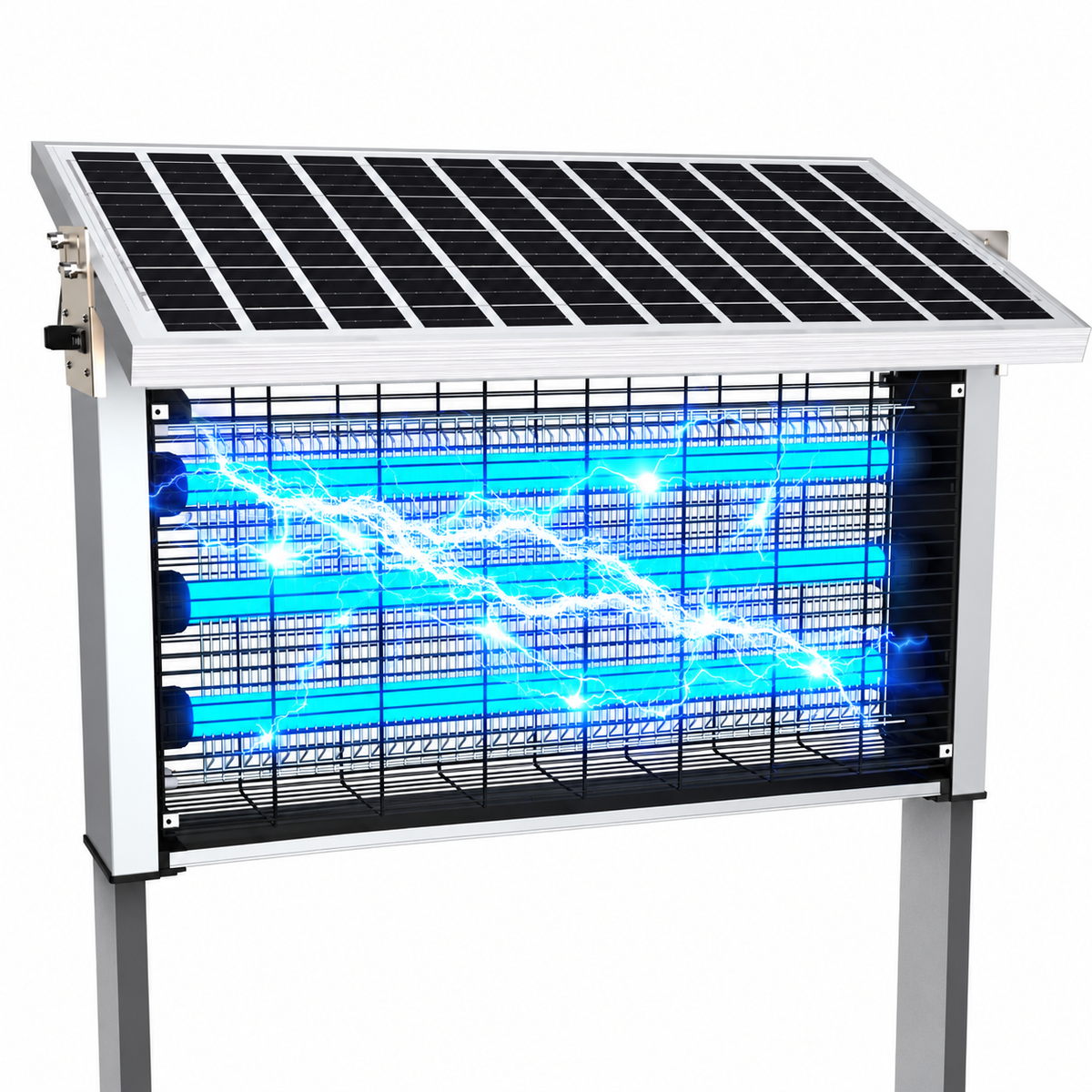
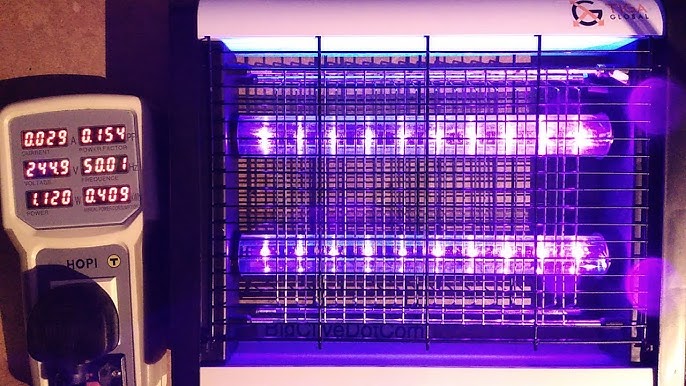
Introduction: Why Two Mosquito Lamps That Look Similar Perform Completely Differently
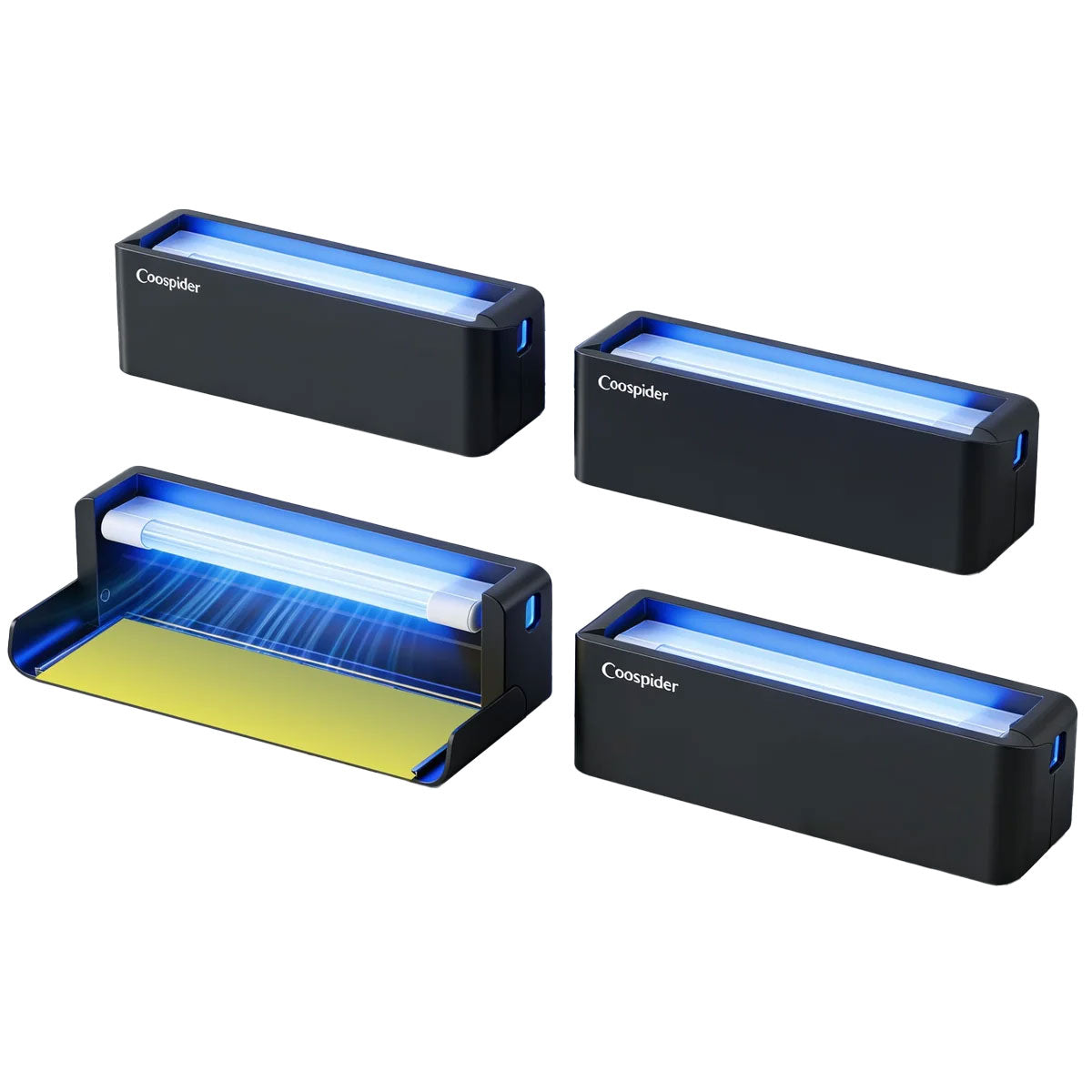
At first glance, most mosquito killer lamps appear nearly identical. They share familiar design elements — a protective outer shell, ultraviolet lighting, a fan or electric grid, and promises of quiet nighttime protection. Yet consumers often notice a surprising reality after purchase:
One device works reliably for years, while another fails within months.
The price gap between premium and budget mosquito lamps can be significant, sometimes ranging from $15 to over $120. Many buyers assume branding or marketing explains the difference. However, the real answer lies deeper — inside the device itself.
A teardown analysis reveals that mosquito lamps differ dramatically in engineering philosophy, component quality, safety design, and long-term durability. These hidden differences determine effectiveness, lifespan, safety, and energy efficiency.
This article presents a detailed internal comparison between high-end and low-cost mosquito killer lamps, explaining how internal structures influence real-world performance and how buyers can evaluate quality before making a purchase.
Part 1: How Mosquito Killer Lamps Actually Work
Before comparing construction differences, it is essential to understand the operating principle shared by most mosquito lamps.
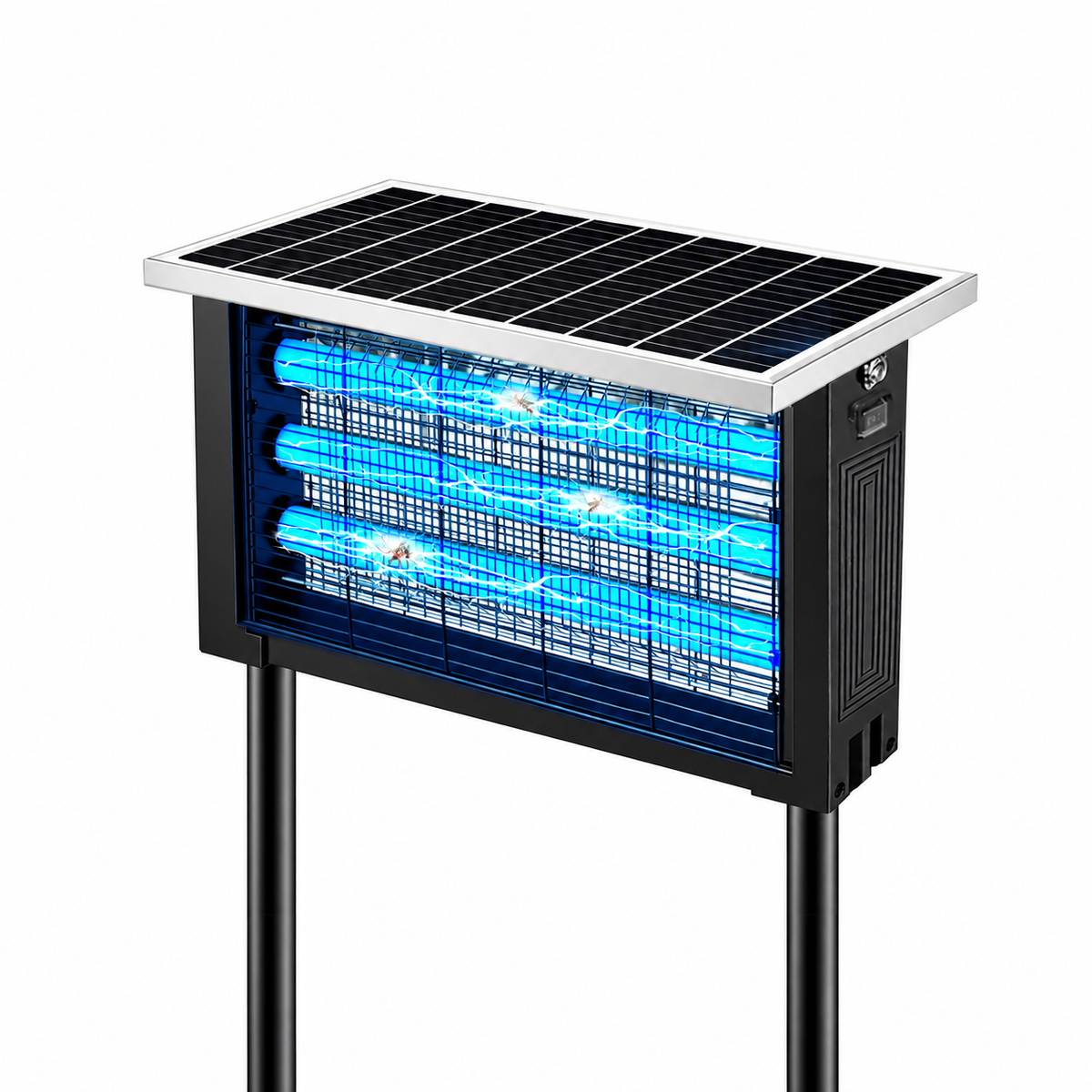
Modern mosquito killers generally rely on three coordinated systems:
- Attraction System — ultraviolet or specific wavelength light attracts insects.
- Capture System — a fan suction system or electric shock grid immobilizes mosquitoes.
- Containment System — insects are trapped in a chamber where dehydration or electric discharge eliminates them.
Although this sounds simple, effectiveness depends heavily on precision engineering within each subsystem.
Small component decisions produce large performance differences.
Part 2: External Similarity vs Internal Reality
Manufacturers often design products to appear premium externally:
- Matte plastic finishes
- Minimalist cylindrical shapes
- Blue or purple UV glow
- Compact footprints
However, internal inspection quickly exposes quality divergence.
A teardown typically reveals differences in:
- LED emitter quality
- Power supply architecture
- Fan motor construction
- Circuit protection design
- Heat management
- Material thickness
- Safety insulation
These elements determine whether a mosquito lamp operates efficiently or merely imitates functionality.
Part 3: UV Light Source — The Core Performance Difference
Cheap Mosquito Lamps
Budget devices frequently use low-cost violet LEDs around 395–405 nm.
Problems include:
- Incorrect wavelength targeting
- Weak insect attraction efficiency
- Rapid brightness degradation
- Uneven light distribution
These LEDs are often chosen for cost savings rather than biological effectiveness.
Many consumers assume brightness equals attraction power, but mosquitoes respond to specific wavelength bands, not visual intensity.
Premium Mosquito Lamps
Higher-priced models typically incorporate:
- Narrow-spectrum UV LEDs (around 365–385 nm)
- Multi-angle reflector chambers
- Stable current drivers
Advantages:
- Higher attraction efficiency
- Lower energy waste
- Longer emission stability
- Consistent nighttime performance
Premium LEDs also maintain spectral accuracy longer, ensuring performance does not degrade after months of use.
Part 4: Power Supply and Circuit Board Engineering
One of the most dramatic differences appears on the internal PCB (Printed Circuit Board).
Budget Circuit Design
Common characteristics:
- Minimal component count
- Thin copper traces
- Basic voltage regulation
- Lack of surge protection
- Inexpensive capacitors
Risks include:
- Voltage instability
- Short circuits after moisture exposure
- Flickering LEDs
- Reduced lifespan
Many failures blamed on “product defects” actually originate from insufficient power regulation.
Premium Circuit Architecture
High-quality mosquito lamps typically include:
- Dedicated constant-current drivers
- Over-voltage protection
- Temperature monitoring
- EMI filtering
- Higher-grade capacitors
Benefits:
- Stable illumination
- Reduced electrical noise
- Improved safety
- Longer component lifespan
Engineering investment here rarely appears in marketing materials but significantly affects reliability.
Part 5: Fan System — The Hidden Engineering Battle
In suction-based mosquito lamps, the fan is arguably the most critical mechanical component.
Cheap Fan Assemblies
Low-cost units often use:
- Sleeve-bearing motors
- Lightweight plastic blades
- Unbalanced rotation systems
Consequences:
- Increasing noise over time
- Reduced suction strength
- Dust accumulation
- Motor burnout
Sleeve bearings degrade quickly, especially in humid environments.
Premium Fan Systems
Higher-end models typically feature:
- Brushless DC motors
- Dual-ball bearings
- Optimized airflow channels
- Aerodynamic blade geometry
Results:
- Quiet operation (<30 dB)
- Stable airflow
- Extended lifespan
- Better insect capture success
A stronger airflow system ensures mosquitoes cannot escape after entering the lamp.
Part 6: Structural Materials and Housing Design
External plastic quality directly influences durability and safety.
Budget Housing
Common findings include:
- Thin injection-molded plastic
- Weak locking clips
- Poor heat resistance
- Minimal internal reinforcement
These housings may warp under heat or crack during minor drops.
Premium Housing Construction
Higher-grade lamps often use:
- Flame-retardant ABS or polycarbonate
- Reinforced internal ribs
- UV-resistant coatings
- Precision-fit assembly
Advantages:
- Better heat tolerance
- Improved safety certification compliance
- Longer aesthetic lifespan
Structural rigidity also reduces vibration noise.
Part 7: Heat Management — The Silent Killer of Electronics
Heat is the primary enemy of electronic longevity.
Cheap Designs
Typical issues:
- No airflow separation
- LEDs mounted directly on plastic
- Lack of heat sinks
Heat buildup causes:
- LED degradation
- Component stress
- Power instability
Premium Thermal Engineering
Higher-end lamps integrate:
- Aluminum heat sinks
- Air channel separation
- Thermal pads
- Strategic vent placement
This maintains stable internal temperatures even during overnight operation.
Better thermal control directly extends operational lifespan.
Part 8: Safety Mechanisms and Protection Layers
Safety differences are rarely visible externally but critically important.
Low-Cost Safety Design
Often missing:
- Child-safe grid spacing
- Overcurrent protection
- Water resistance sealing
- Fire-retardant materials
These omissions reduce manufacturing costs but increase risk.
Advanced Safety Systems
Premium devices may include:
- Auto shut-off mechanisms
- Insulated electric grids
- Waterproof sealing rings
- Certified power adapters
These features protect both users and internal electronics.
Part 9: Assembly Quality and Manufacturing Precision
Teardowns frequently reveal surprising inconsistencies.
Budget Assembly
Common observations:
- Uneven solder joints
- Loose wiring
- Excess glue
- Misaligned components
Manual assembly shortcuts reduce production time but increase failure rates.
Premium Manufacturing
Higher-end units display:
- Machine-precision soldering
- Cable routing channels
- Modular component layouts
- Quality inspection markings
Better assembly improves reliability and serviceability.
Part 10: Noise Engineering Differences
Noise perception strongly affects user satisfaction.
Cheap lamps often become louder over time due to:
- Fan imbalance
- Housing vibration
- Motor wear
Premium models invest in acoustic design:
- Anti-vibration mounts
- Balanced blades
- Airflow damping structures
The difference is especially noticeable in bedrooms or offices.
Part 11: Energy Efficiency and Long-Term Cost
While cheaper lamps cost less upfront, they often consume more energy relative to effectiveness.
Premium mosquito lamps achieve:
- Higher capture rates per watt
- Stable voltage efficiency
- Reduced energy waste
Over years of operation, energy savings partially offset higher purchase prices.
Part 12: Maintenance and Serviceability
Another hidden distinction is maintenance design.
Cheap Lamps
- Difficult disassembly
- Fragile clips
- Non-replaceable components
Users often discard the device after minor failure.
Premium Lamps
- Removable trays
- Washable filters
- Modular components
Maintenance extends usable lifespan significantly.
Part 13: Real-World Performance Outcomes
Internal engineering differences translate into observable user experiences:
| Feature | Cheap Lamp | Premium Lamp |
|---|---|---|
| Attraction strength | Weak | Strong |
| Noise level | Increases over time | Stable |
| Lifespan | Months | Years |
| Safety | Basic | Advanced |
| Energy efficiency | Lower | Higher |
| Maintenance | Difficult | Easy |
Performance consistency becomes the defining difference.
Part 14: How Consumers Can Identify Quality Without Opening the Device
Even without a teardown, buyers can look for clues:
- Weight — heavier often indicates better components.
- Noise rating — lower decibel claims usually reflect better motors.
- Adapter quality — certified adapters suggest stronger electronics.
- Vent design — purposeful airflow patterns indicate thermal planning.
- Warranty length — longer warranties imply manufacturer confidence.
These indicators correlate strongly with internal engineering quality.
Part 15: Why Premium Engineering Costs More
Higher prices reflect:
- Better electronic components
- Precision manufacturing
- Safety certification testing
- Engineering development
- Quality control procedures
The difference is not merely branding but cumulative design investment.
Conclusion: The Real Value Lies Where You Cannot See
Mosquito lamps may appear simple, but teardown analysis reveals sophisticated engineering differences between premium and budget models.
The most important components — power regulation, airflow systems, thermal management, and safety protections — remain invisible during purchase yet determine real-world performance.
Cheap devices focus on appearance and initial functionality.
High-quality mosquito lamps prioritize stability, efficiency, and longevity.
Understanding these internal distinctions allows consumers and product designers alike to evaluate mosquito lamps beyond surface aesthetics and price tags.
Ultimately, the best-performing mosquito lamp is not defined by brightness or size, but by thoughtful engineering hidden beneath the shell — where reliability, safety, and effectiveness are truly built.