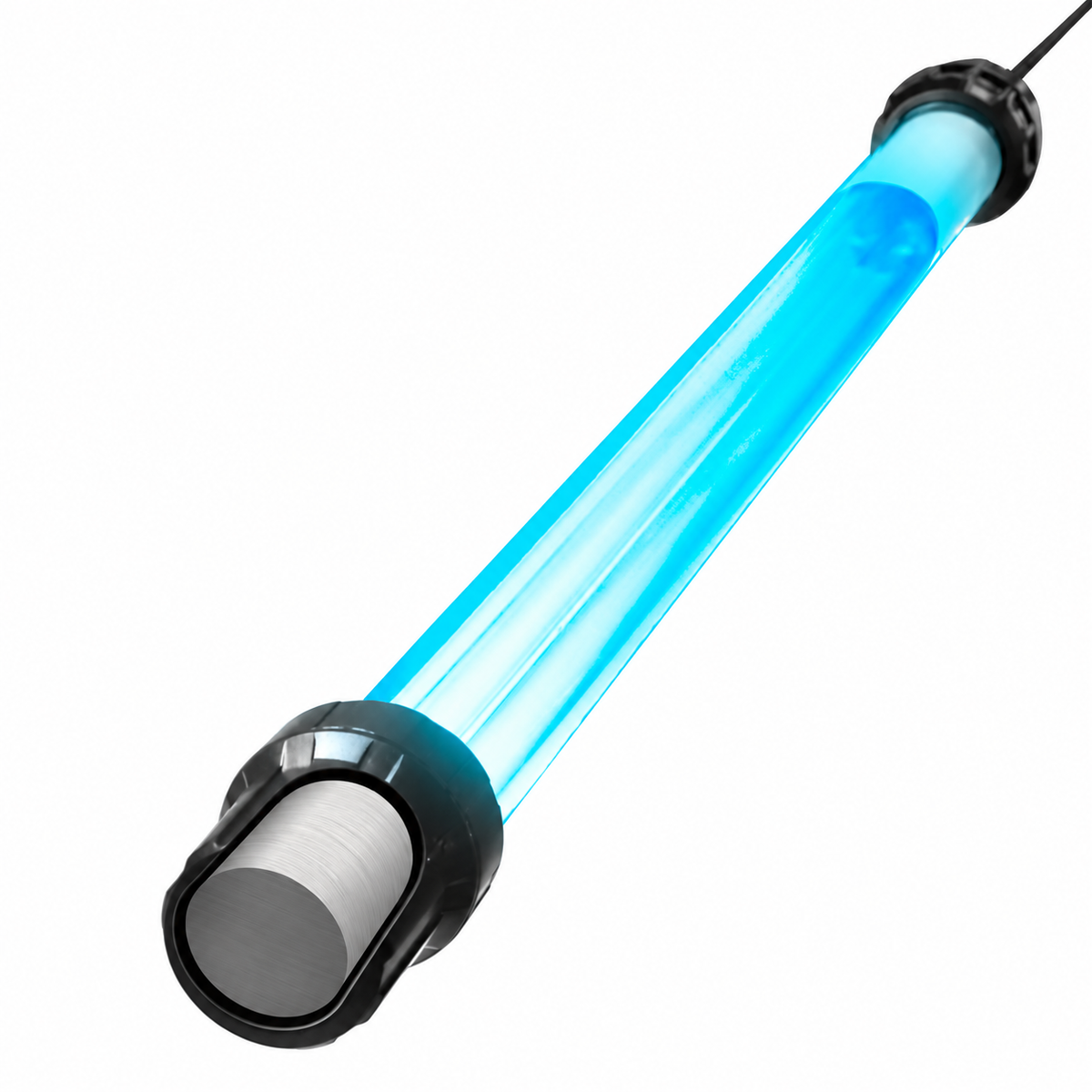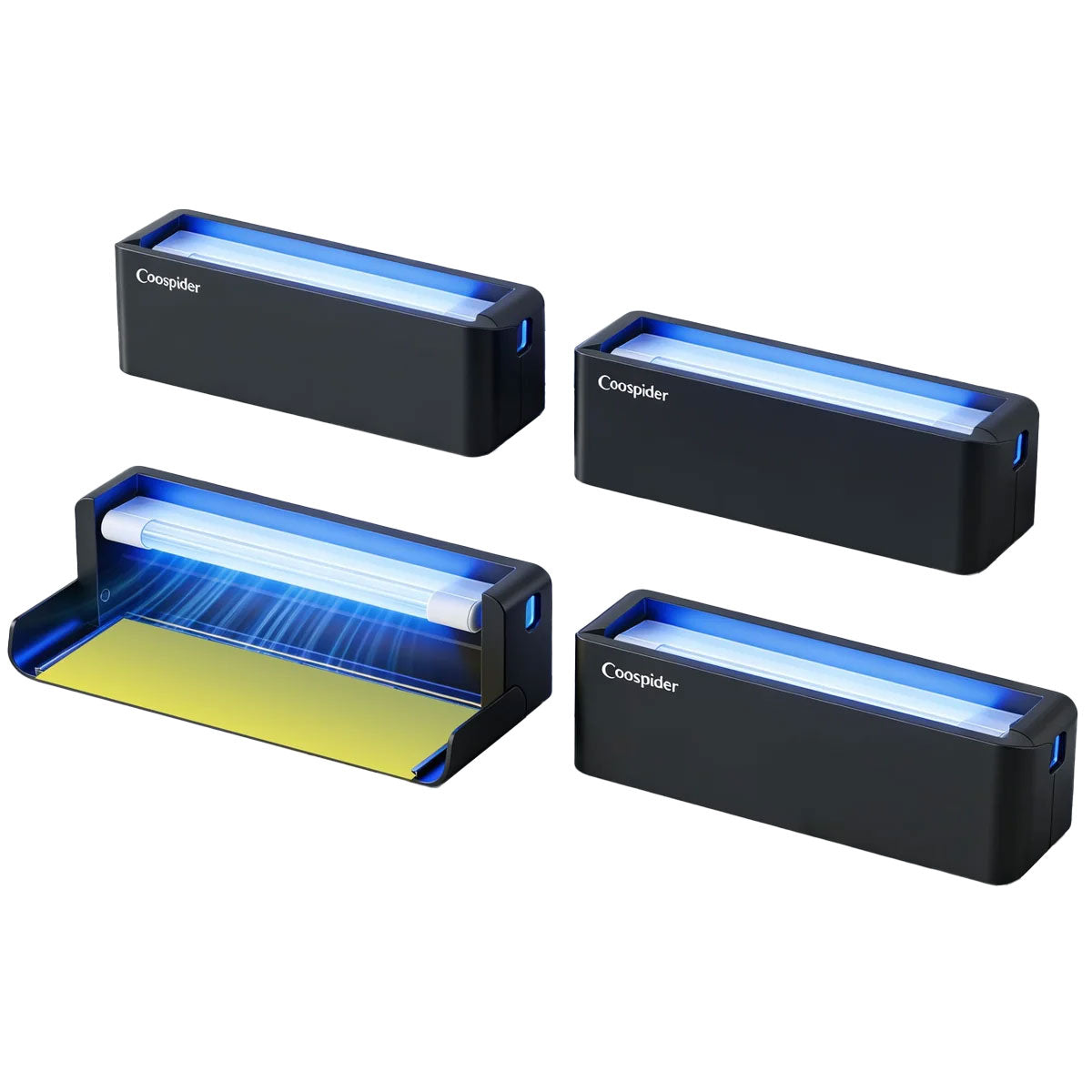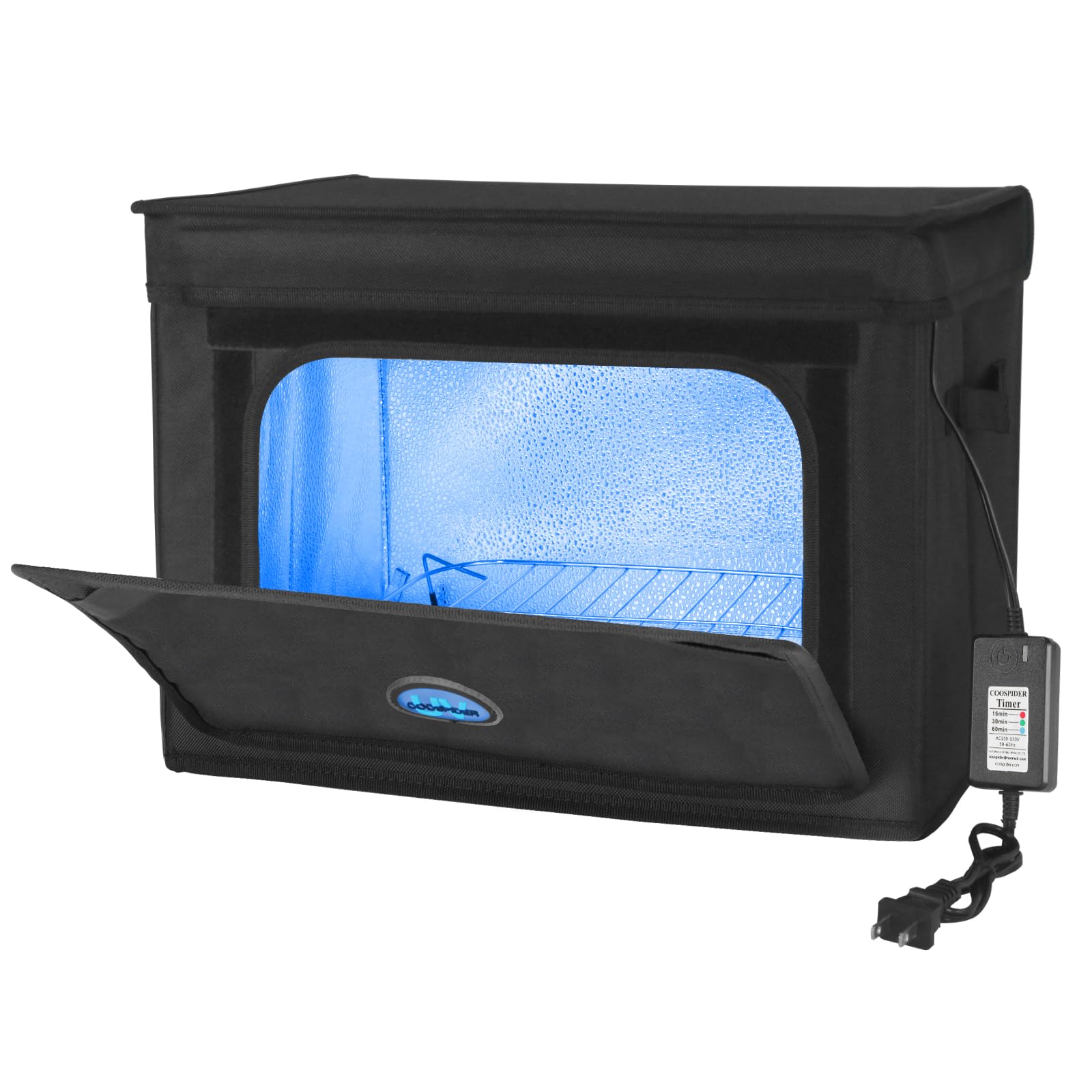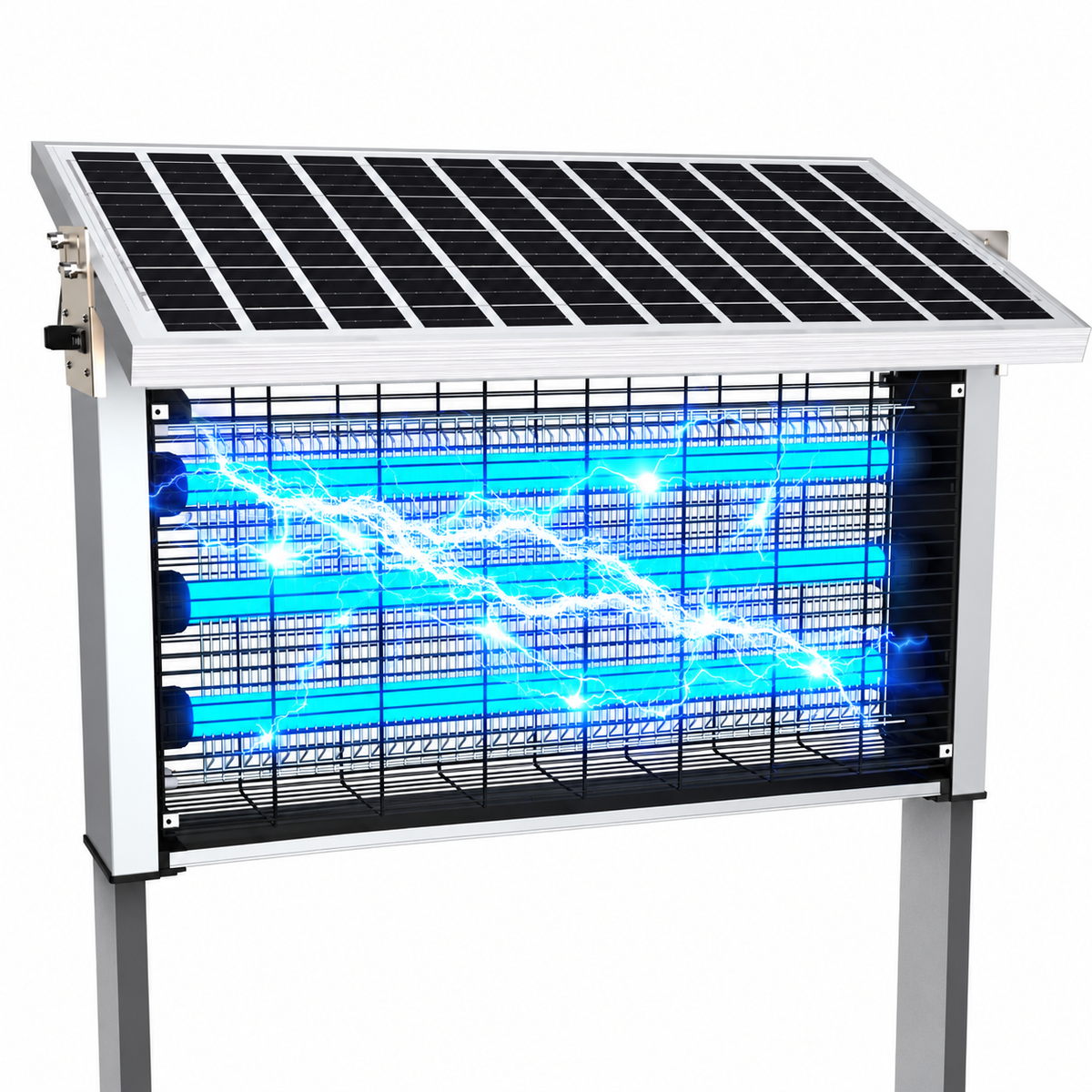
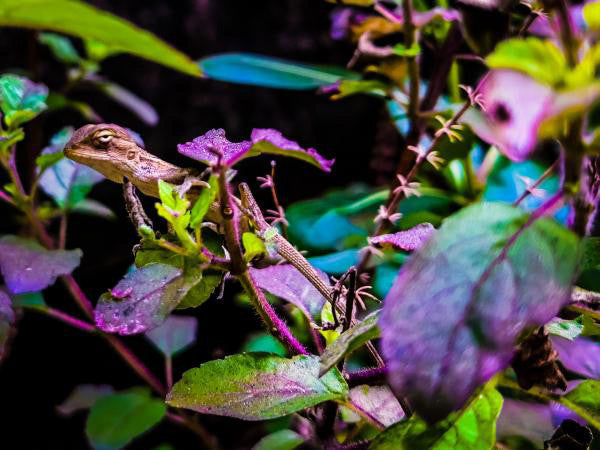
In the wild, a lizard basking on a sun-drenched rock isn't just "relaxing." It is performing a complex piece of biological alchemy. That animal is a living solar panel, absorbing specific wavelengths of light to power a chemical factory deep within its skin.
For indoor reptile keepers, the sun is replaced by a glass tube or a mercury vapor bulb. But how does a simple lamp prevent a tortoise’s shell from turning soft or a chameleon’s legs from breaking? The secret lies in the UVB-Vitamin D3 Synthesis Pathway.
In this 4,000-word masterclass, we will dive deep into the "Black Tech" of reptile lighting. We will explore the molecular journey from light to bone, the difference between dietary and photo-synthesized D3, and how to calibrate your "artificial sun" to ensure your scaly companion thrives for decades.
1. The Solar Engine: What is UVB?
To understand how reptiles make Vitamin D3, we first have to understand the light itself. The sun emits a wide spectrum of radiation, but for the "D3 factory" to start its engines, it requires a very specific window of energy: Ultraviolet B (UVB).
-
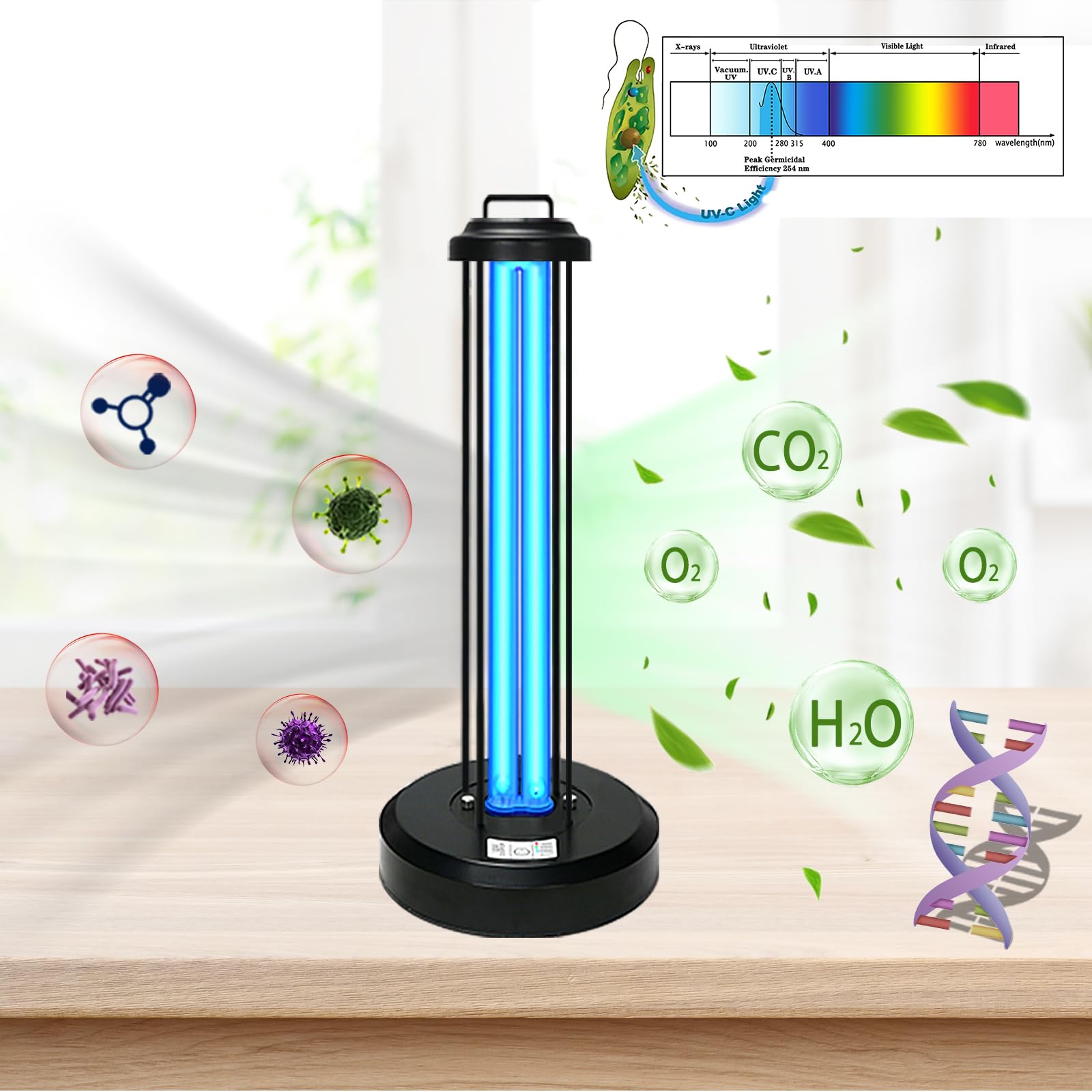
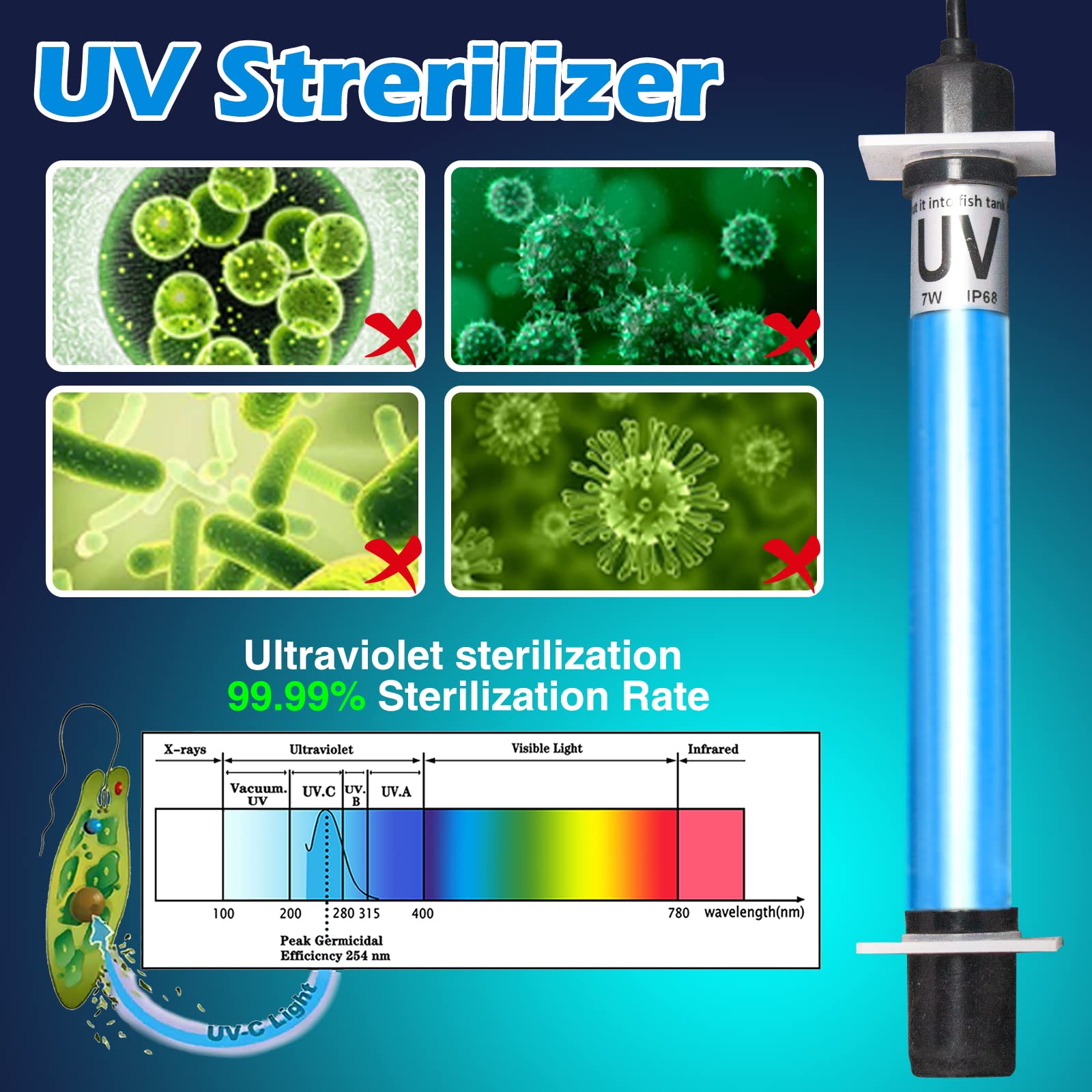
The Wavelength: UVB occupies the 280–315 nanometer (nm) range.
-
The Sweet Spot: Research shows that the most efficient "activation" for D3 synthesis occurs between 290nm and 305nm.
If your bulb emits light at 320nm, it’s just UVA—great for vision, but useless for bones. If it drops below 280nm, it becomes UVC—a dangerous radiation that destroys DNA. The precision of your UV lamp determines whether your pet is actually "photosynthesizing" or just sitting under a purple light.
2. From Photons to Flesh: The Chemical Roadmap
How does light become a vitamin? It’s a multi-stage process that involves the skin, the liver, and the kidneys.
Stage 1: The Precursor in the Skin
Deep within the epidermis of a reptile is a cholesterol-like molecule called 7-Dehydrocholesterol (7-DHC). When UVB photons (specifically those in the 290-305nm range) strike the skin, they break a chemical bond in the 7-DHC molecule, converting it into Pre-vitamin D3.
Stage 2: The Thermal Shift (Isomerization)
This is where many keepers get it wrong: Light isn't enough. The "Pre-vitamin D3" needs heat to transform into actual Vitamin D3. This is why reptiles "bask." By sitting under a heat lamp while simultaneously absorbing UVB, the animal uses its body temperature to "cook" the Pre-vitamin D3 into a stable form that can enter the bloodstream.
Stage 3: The Liver and Kidneys
Once the Vitamin D3 is in the blood, it travels to the liver, where it becomes Calcidiol (the storage form of D3), and finally to the kidneys, where it is converted into Calcitriol.
Calcitriol is the "Master Key." It travels to the intestines and tells the body, "Open the gates! Absorb the calcium from the food we just ate." Without this key, calcium simply passes through the digestive tract as waste.
3. Dietary D3 vs. Solar D3: Why the Lamp Wins
Many keepers ask, "Can't I just use a D3 supplement powder and skip the expensive UV lamp?"
While dietary D3 works for some nocturnal species (like leopard geckos), it is often insufficient and even dangerous for diurnal (day-active) reptiles.
-
Self-Regulation: When a reptile makes D3 through light, its body has a "shut-off" valve. If it has enough D3, the skin begins to produce inactive metabolites to prevent overdose.
-
Toxicity Risk: If you over-supplement with powder, the animal cannot turn it off. This can lead to Hypervitaminosis D, which causes calcium to deposit in the heart, lungs, and kidneys instead of the bones.
The Lesson: UVB lighting is the safest and most natural way to ensure your pet gets exactly what it needs—no more, no less.
4. Selecting the Right "Black Tech": T5, T8, or Mercury Vapor?
Not all UV lamps are created equal. The technology you choose depends on the "Ferguson Zone" of your pet (their specific UV requirement).
| Lamp Type | Technology | Best For | Pros/Cons |
| T8 Linear Tube | Older Fluorescent | Small, shallow tanks | Pros: Gentle. Cons: Very short range (6-8 inches). |
| T5 HO (High Output) | Modern Linear | Bearded Dragons, Chameleons | Pros: Deep penetration (12-18 inches), flicker-free. Cons: Requires T5 fixture. |
| Mercury Vapor (MVB) | Gas Discharge | Large Tortoises, Tegus | Pros: Heat + UV in one bulb. Cons: Cannot be used with a thermostat; inconsistent UV spread. |
| LED UV | Emerging Tech | Specialty setups | Pros: Energy efficient. Cons: Very narrow spectrum; still in "early adopter" phase. |
5. The "Golden Rules" of UV Installation
Even the best bulb in the world is useless if it’s installed incorrectly. To maximize D3 synthesis, follow these professional protocols:
Rule 1: Mind the Mesh
Standard screen tops can block 30% to 50% of UVB energy. If your lamp is sitting on top of a screen, you need a more powerful bulb (like a 12% or 14% T5) to ensure the usable light reaches the basking spot.
Rule 2: The "Burn-In" Period
New UV bulbs often emit a massive spike of energy in the first 50-100 hours. This is why some pets squint when you first change the bulb. Always "burn in" a bulb for a few days before placing it directly over a sensitive animal.
Rule 3: The Replacement Cycle
UVB is invisible. Just because the bulb is "blue" or "bright" doesn't mean it’s making D3.
-
T8 Tubes: Replace every 6 months.
-
T5 HO Tubes: Replace every 12 months.
-
Mercury Vapor: Replace every 12 months.
6. Case Study: The Bearded Dragon vs. The Crested Gecko
-
The Bearded Dragon (Zone 3/4): These are "Sun Worshippers." They require high-intensity UVB (UVI 3.0 to 7.0) to replicate the Australian Outback. Without a high-output T5 HO lamp, they will almost certainly develop Metabolic Bone Disease (MBD) within a year.
-
The Crested Gecko (Zone 1/2): These are "Partial Sun/Shade" dwellers. They only need low-level UVB (UVI 0.5 to 1.5). Too much UV can actually damage their sensitive eyes and skin.
7. Troubleshooting: Is Your Pet Synthesizing?
If your pet is showing these signs, your UV-D3 synthesis chain might be broken:
-
Muscle Tremors: A sign of low blood calcium (hypocalcemia).
-
Lethargy: D3 affects more than just bones; it affects muscle function and energy levels.
-
Picky Eating: Low D3 levels often lead to a total loss of appetite.
8. Conclusion: Respecting the Power of the Sun
When we keep reptiles, we are essentially trying to capture the power of a star in a glass box. The relationship between UVB light and Vitamin D3 is one of the most elegant systems in nature—a chemical dance that transforms light into structural strength.
By investing in high-quality UV "Black Tech" and understanding the science of the spectrum, you aren't just "keeping" a pet; you are providing the fuel for their very existence.
Ready to audit your lighting setup?
Would you like me to help you calculate the exact distance your UV lamp should be from your pet's basking spot based on your enclosure height and bulb type?