In the wild, the sun is the primary engine of life. It dictates migration, triggers reproductive cycles, and facilitates the synthesis of essential nutrients. However, when we bring animals into our homes—whether they are scaly, feathered, or furry—we often strip them of this natural radiation.
To compensate, the pet industry has introduced a massive array of UV lighting products. Some claim to cure skin diseases, others are marketed as essential for bone growth, and some are designed to sanitize the very air your pet breathes. But ultraviolet light is a powerful tool, and like any tool, it can be dangerous if mishandled.
In this 4,000-word deep dive, we will peel back the layers of the electromagnetic spectrum to explore the dual nature of UV lights. We’ll look at the life-saving benefits for reptiles, the sterilization power of UVC, and the potential optical risks for our canine and feline companions.
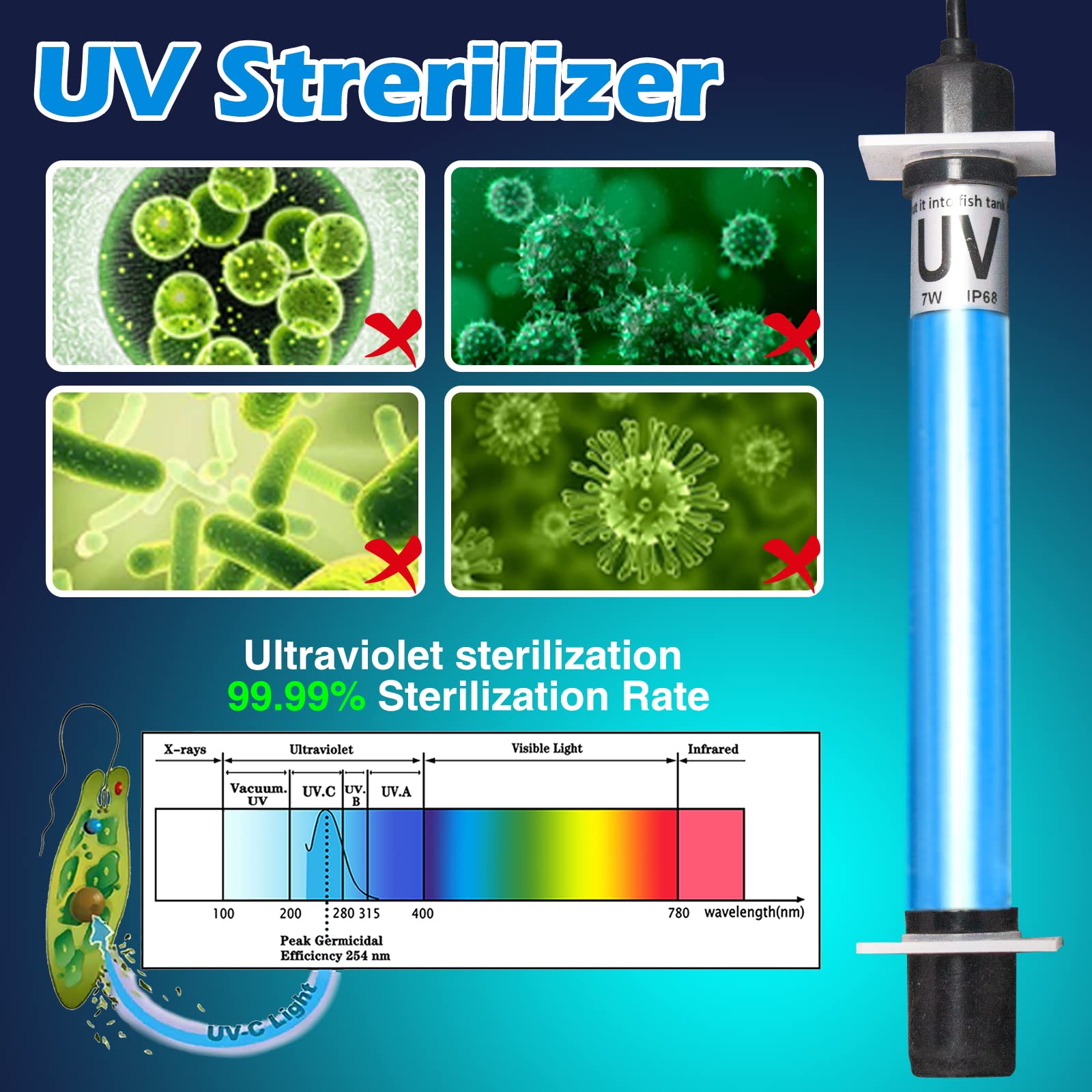
1. Understanding the Spectrum: UVA, UVB, and UVC
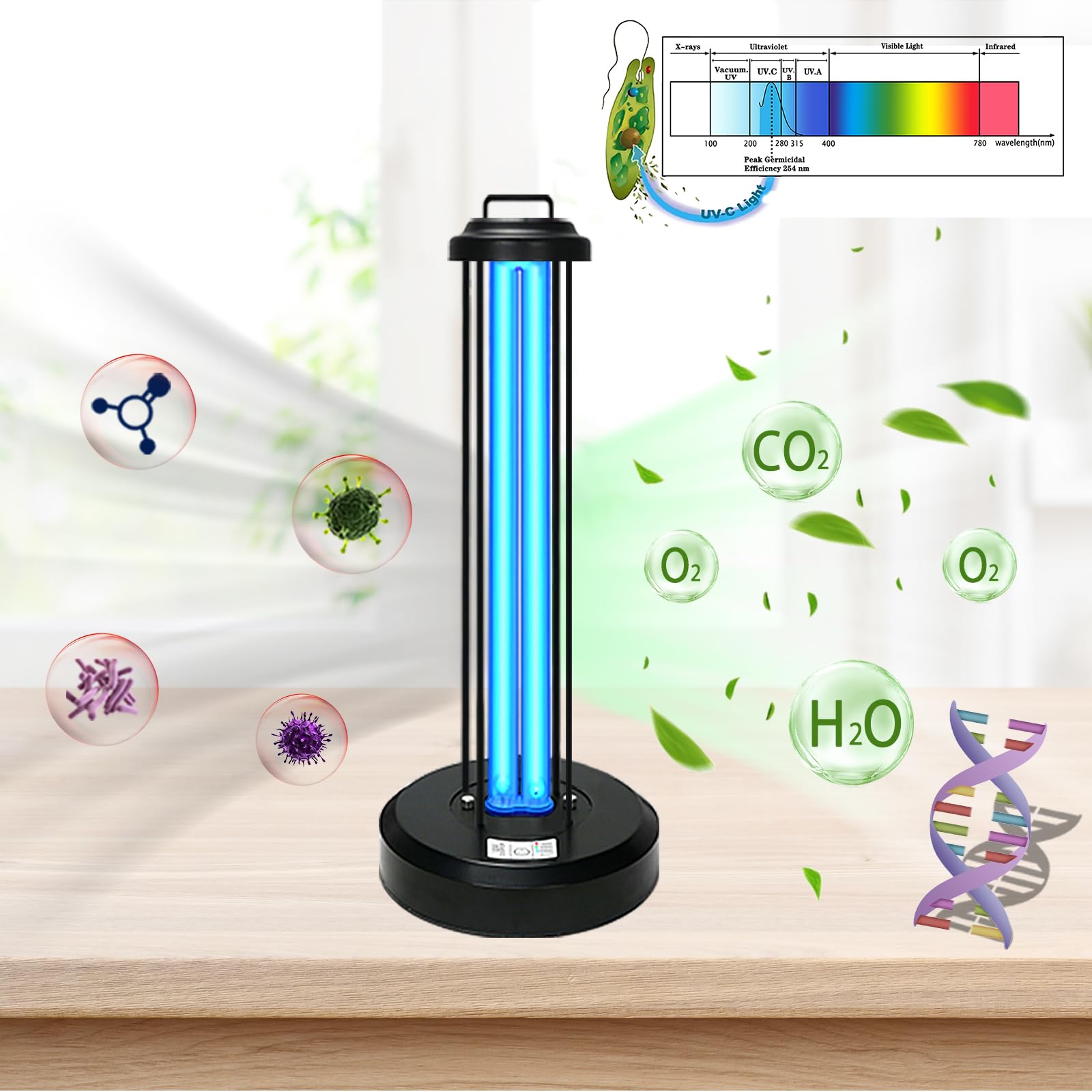
Before we can discuss "UV lamps," we must define what we are actually plugging into the wall. Not all ultraviolet light is created equal. The UV spectrum is divided into three distinct wavelengths, each with a vastly different impact on biological tissue.
UVA (315–400 nm): The "Vision" Light
UVA is the most abundant form of ultraviolet radiation reaching the Earth's surface.
-
The Benefit: Many animals, especially birds and reptiles, can see into the UVA spectrum. For them, UVA adds "color" to the world that humans can’t perceive. It stimulates appetite, social behaviors, and basking instincts.
-
The Risk: Excessive exposure can contribute to DNA damage and skin aging, though it is the least "aggressive" of the three.
UVB (280–315 nm): The "Nutrient" Light
This is the most critical wavelength for "specialty" pets.
-
The Benefit: UVB is the catalyst that allows the skin to synthesize Vitamin $D_3$. Without $D_3$, animals cannot absorb calcium, leading to Metabolic Bone Disease (MBD).
-
The Risk: Too much UVB causes "sunburn" of the skin and cornea (photokeratitis).
UVC (100–280 nm): The "Killer" Light
UVC is filtered out by the Earth’s atmosphere, so no living creature has evolved to handle it.
-
The Benefit: It is a powerful germicide. It destroys the DNA of bacteria, viruses, and mold.
-
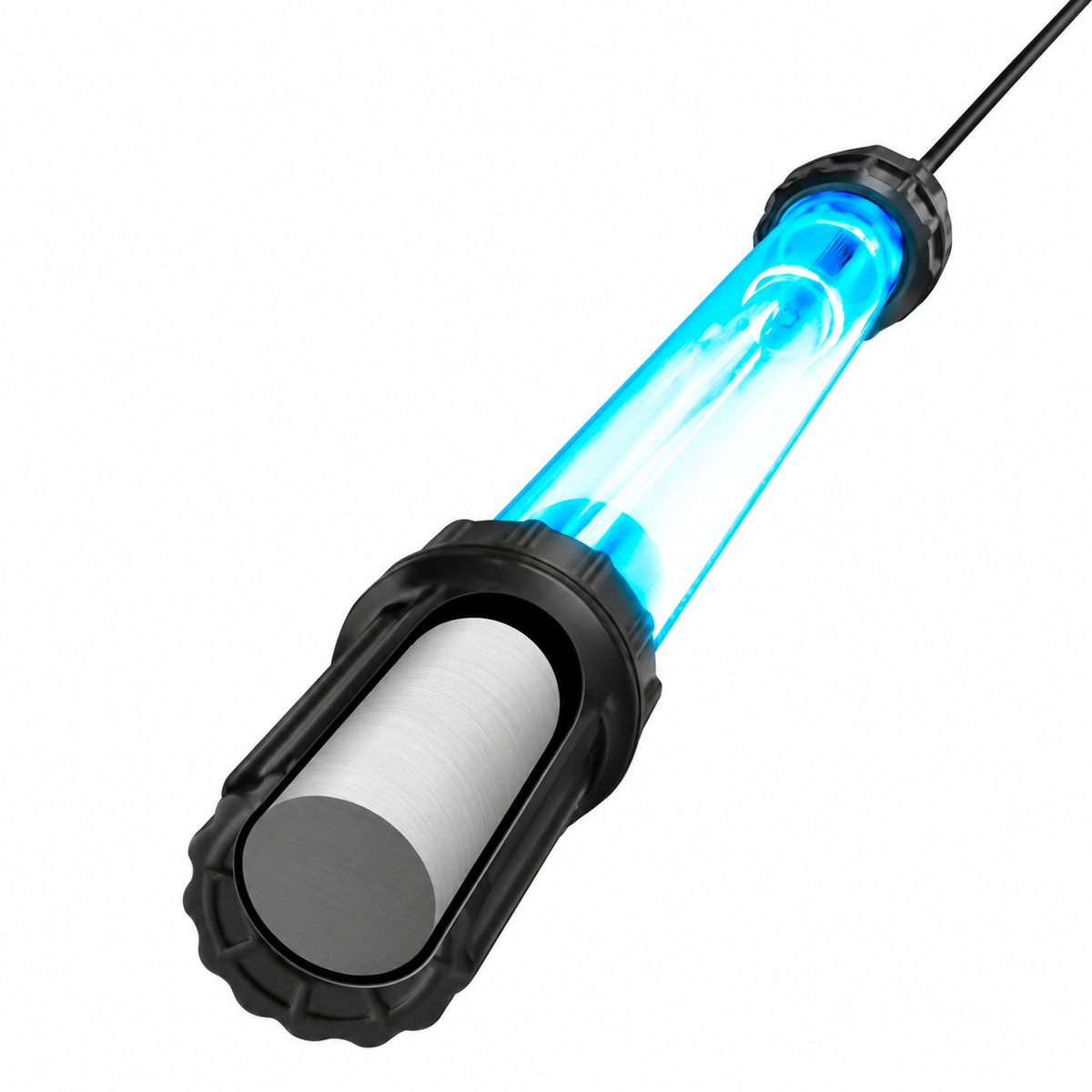
The Risk: Extreme Danger. Direct exposure to UVC can cause permanent blindness and severe skin burns in seconds. It should never be used in a way that allows a pet to see the bulb.
2. The Reptile's Lifeline: Why UVB is Non-Negotiable
For reptiles—specifically diurnal species like Bearded Dragons, Blue-Tongue Skinks, and Tortoises—a UV lamp isn't a luxury; it’s life support.
The Calcium Connection
When UVB photons hit the skin of a reptile, they convert pro-vitamin $D$ into pre-vitamin $D_3$. This is then processed by the liver and kidneys into active Calcitriol. Without this process, even if you feed your pet a mountain of calcium powder, their body will simply flush it out.
The Result of "UV Poverty": Metabolic Bone Disease
When a reptile is kept under standard household LED or incandescent bulbs, their body begins to "mine" calcium from its own skeleton to keep its heart beating. This leads to:
-
Soft, rubbery jaws.
-
Fractured limbs from simple movements.
-
Permanent spinal curvature.
-
Seizures and death.
Pro-Tip: UV output from bulbs decays long before the light actually burns out. Most professional herpetologists recommend replacing UVB bulbs every 6 to 12 months, even if they still look "on" to the human eye.
3. UV and the Furry Family: Do Cats and Dogs Need It?
Unlike reptiles, cats and dogs have evolved to get the vast majority of their Vitamin $D$ through their diet (meat and fortified fats). Therefore, they do not technically need a UV lamp for bone health. However, UV light still plays a role in their environment.
The Psychological Effect
Have you noticed your cat seeking out "sun puddles" on the floor? This isn't just for warmth. UVA exposure can stimulate the production of serotonin in mammals, helping to regulate mood and sleep-wake cycles.
The Sterilization Use Case
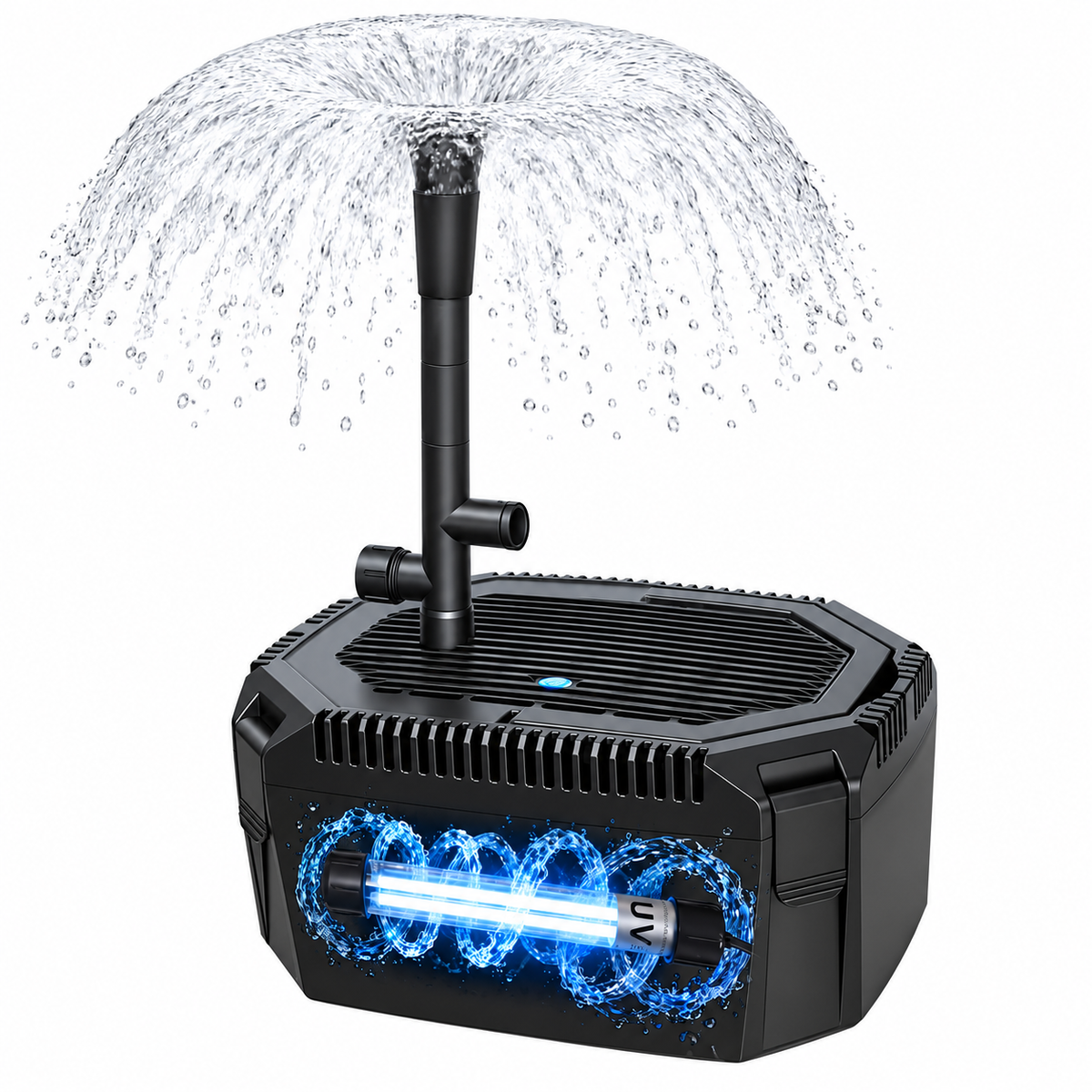
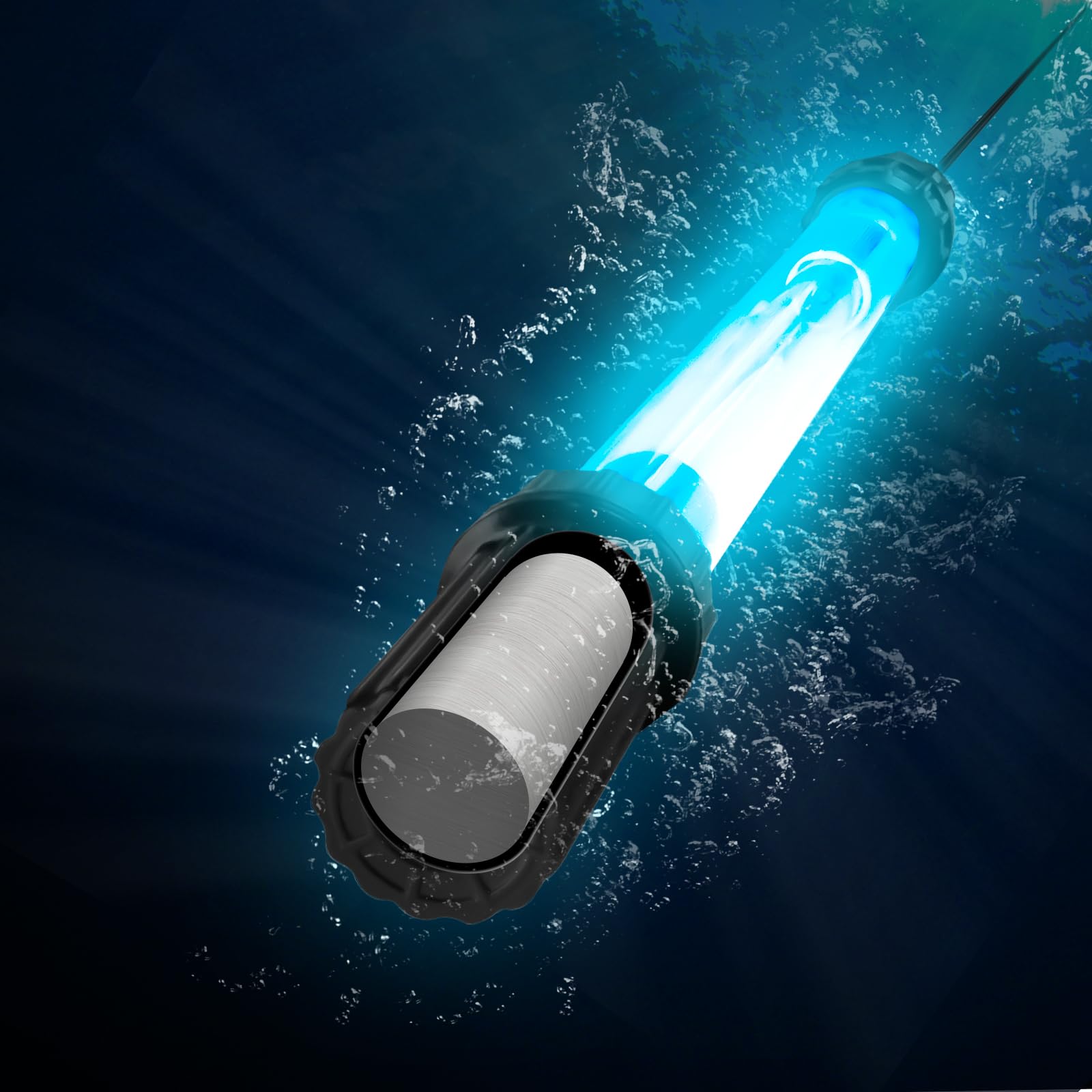
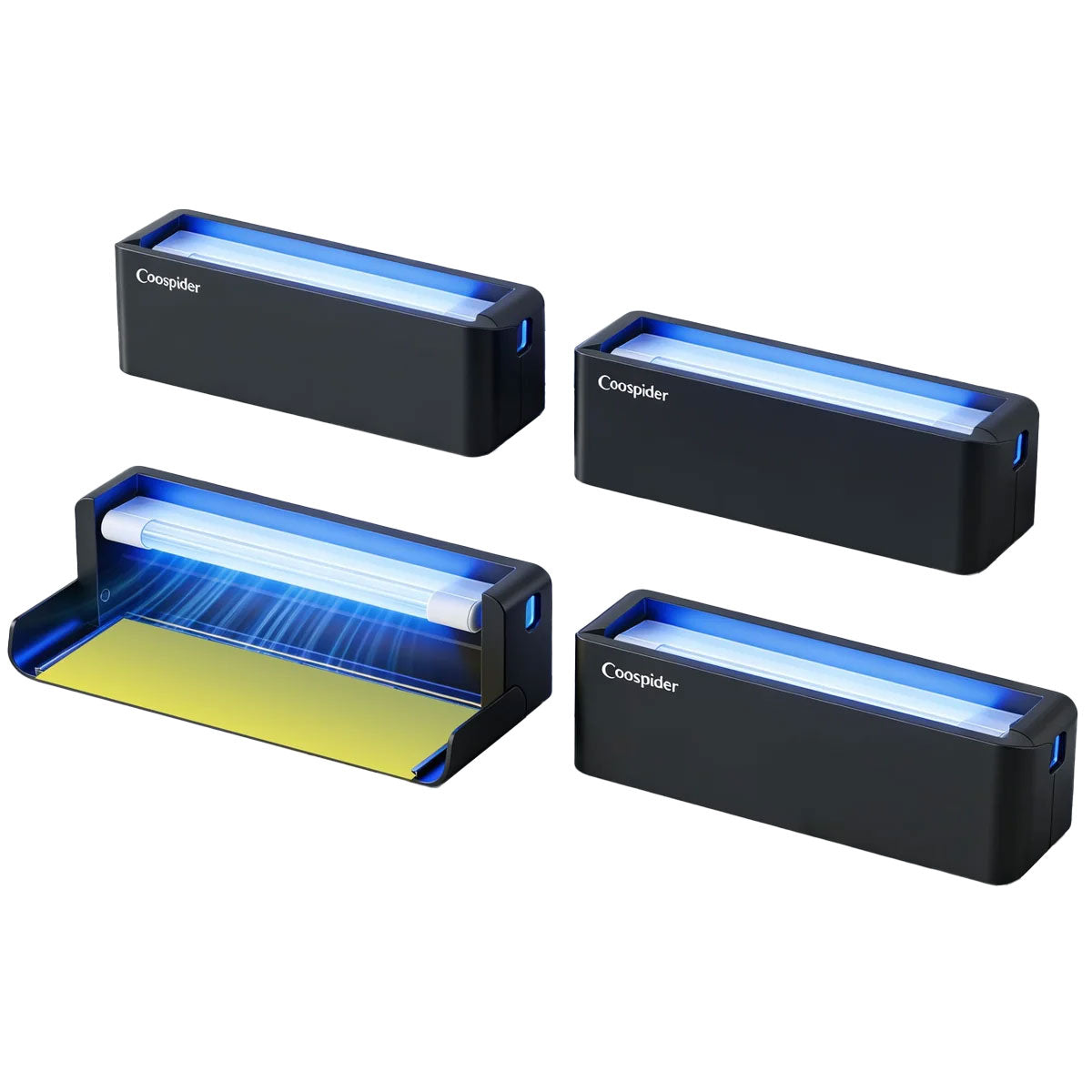
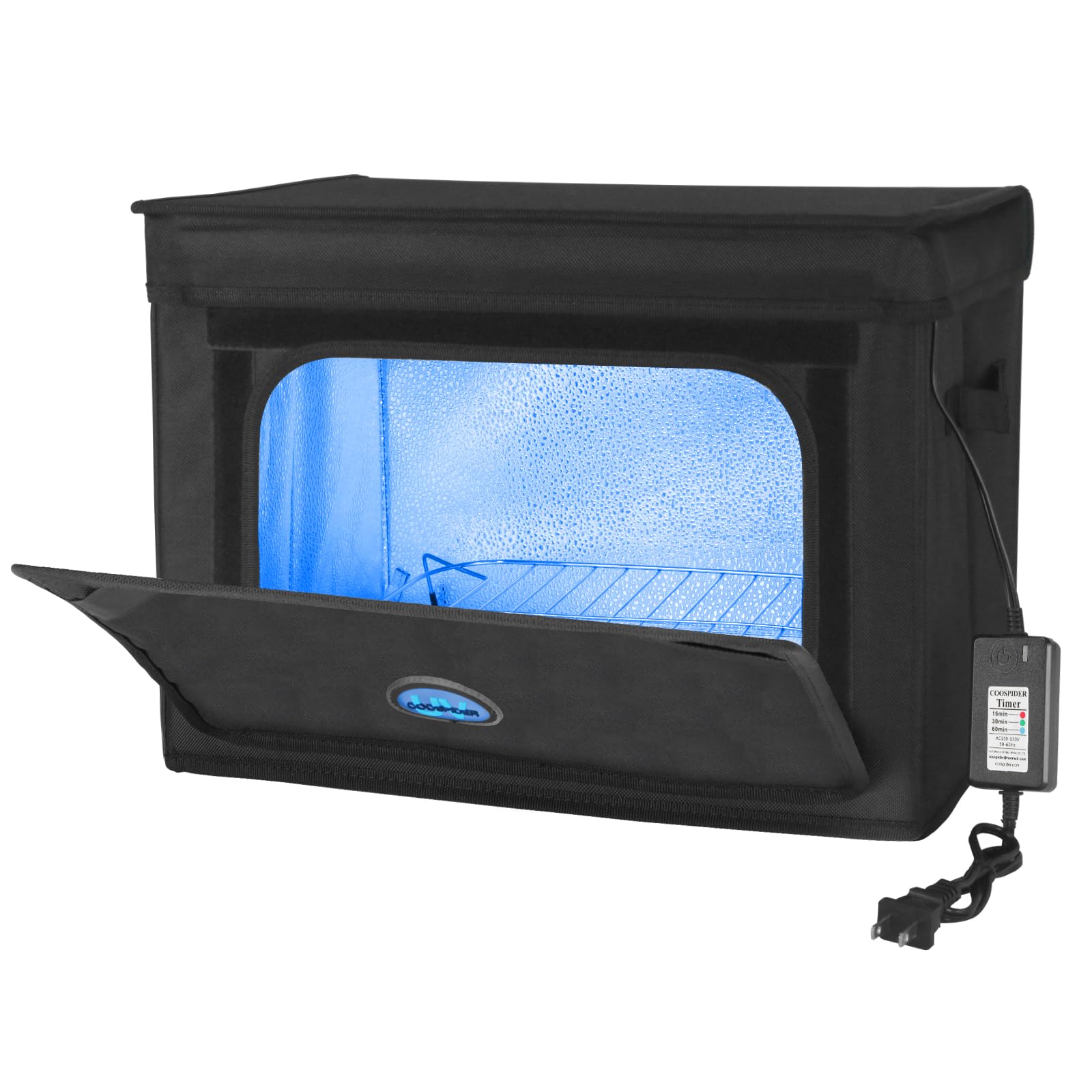
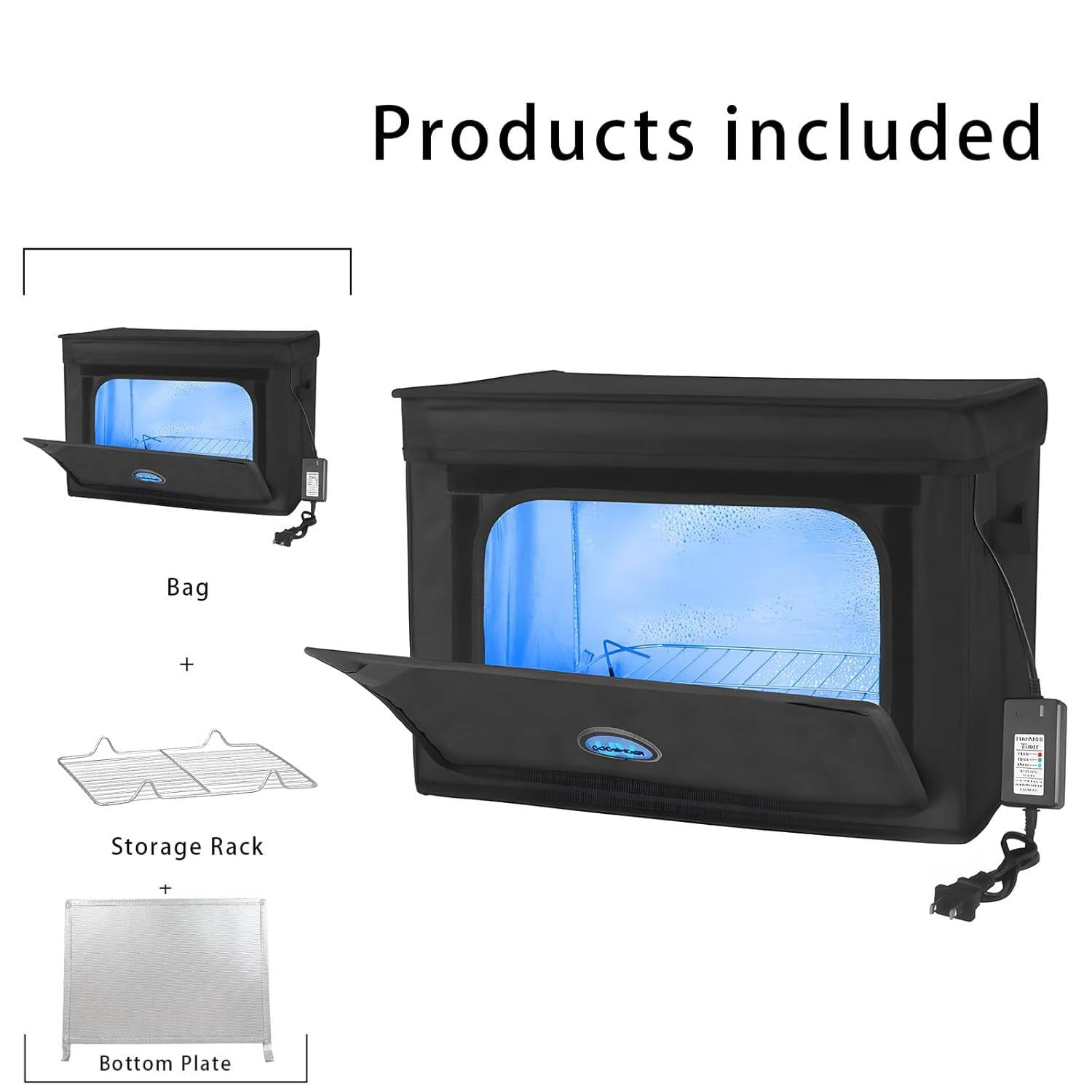
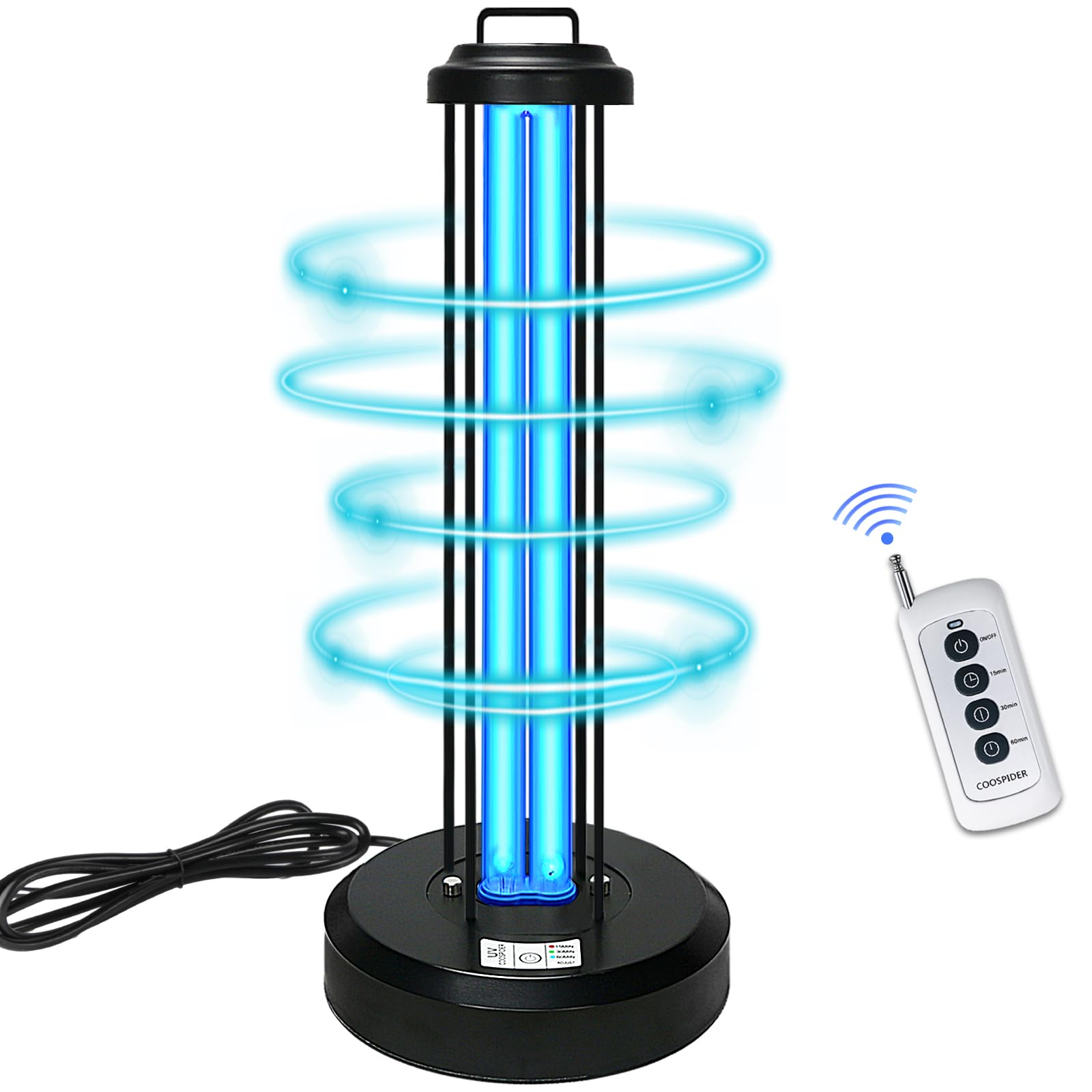
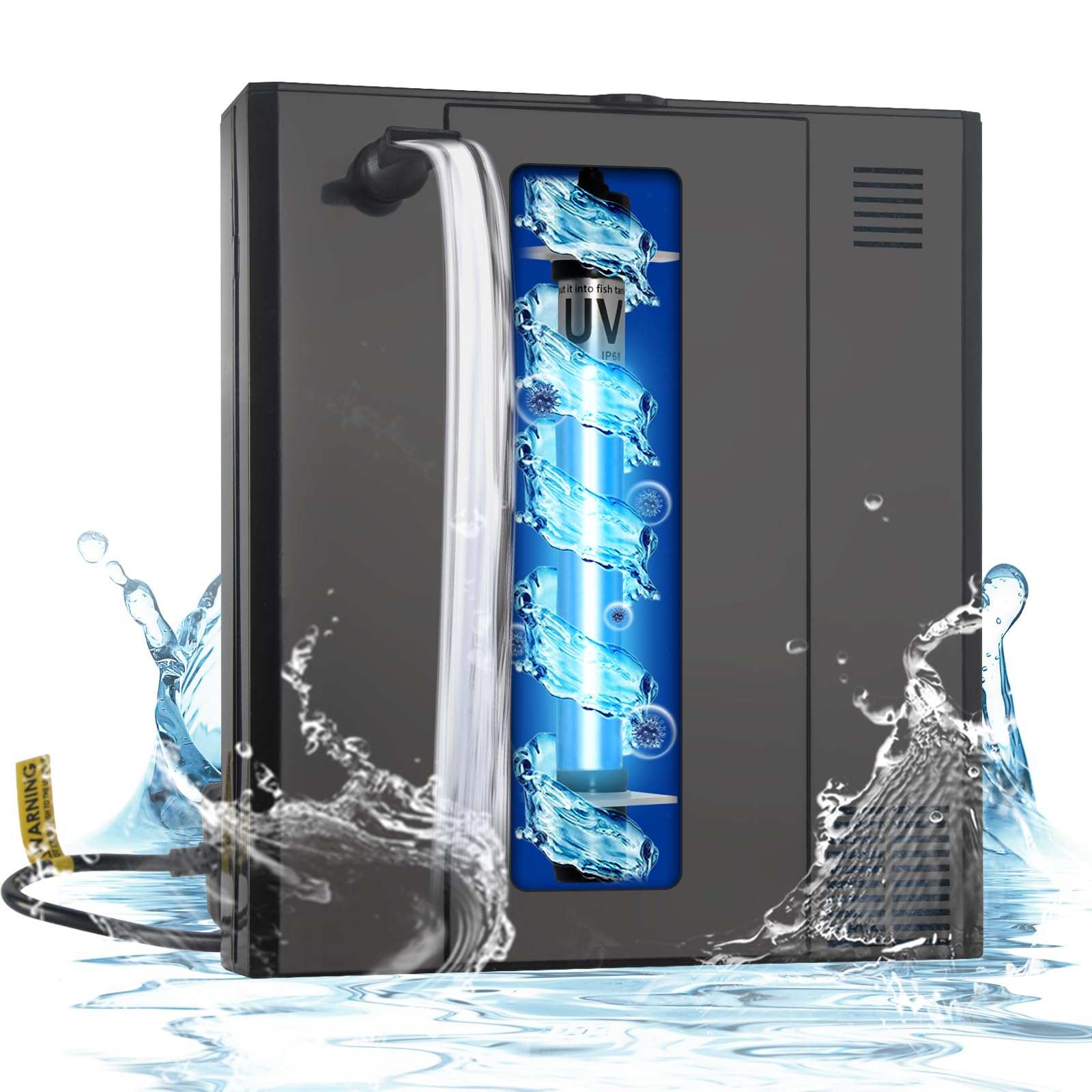
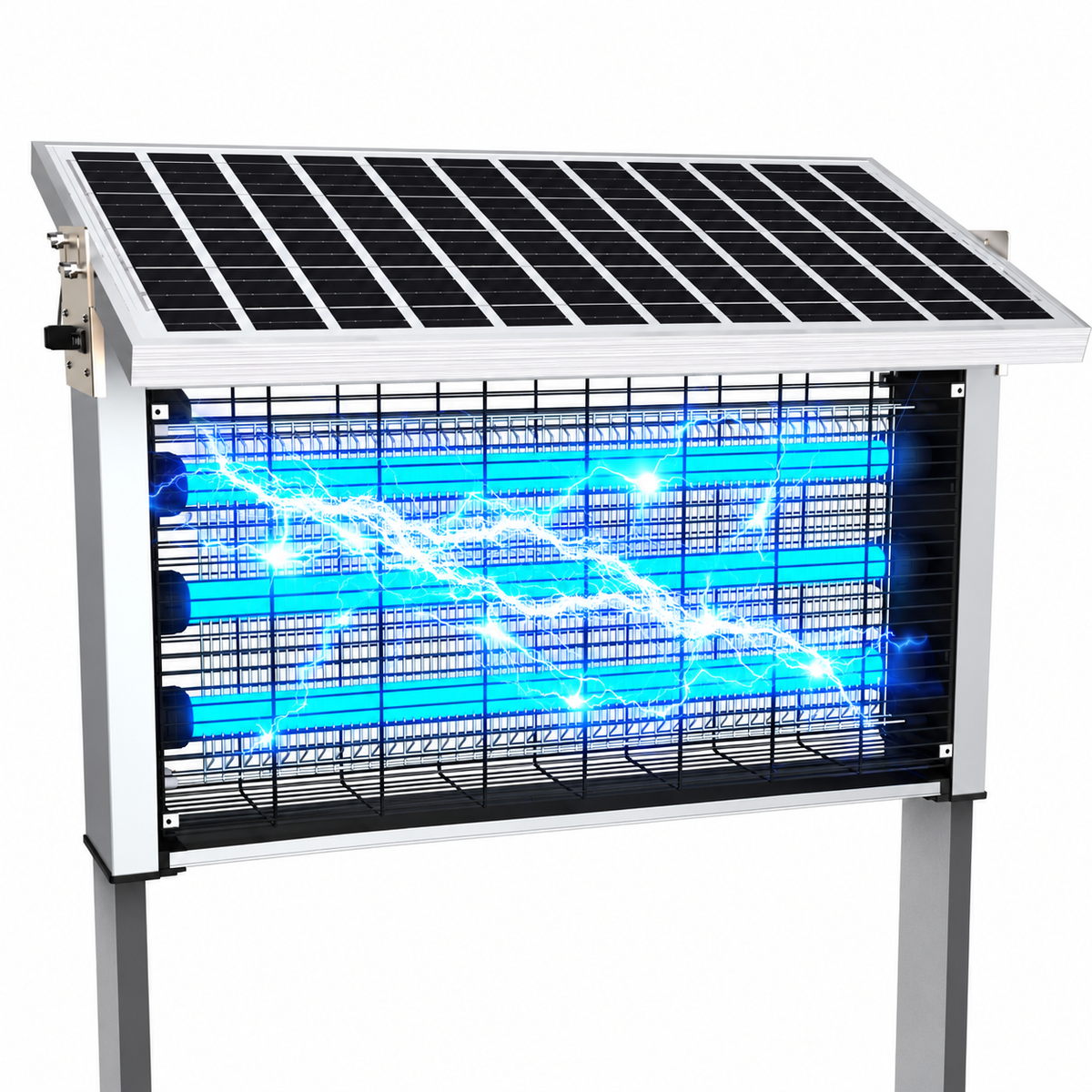
For multi-pet households or "rescue" environments, UVC Air Purifiers can be a godsend. These units use an enclosed UVC chamber to kill airborne pathogens like Kennel Cough or Feline Calicivirus.
-
The Rule: The light must be shielded. If you can see the blue glow of a UVC bulb, so can your pet, and their retinas are being damaged.
4. The Dark Side: When UV Becomes a Threat
"More is better" is a dangerous philosophy when it comes to radiation.
Photokeratitis (Snow Blindness)
If a UVB lamp is placed too close to a pet’s basking spot, or if the wattage is too high for the enclosure size, the pet can develop photokeratitis. This is essentially a sunburn on the clear surface of the eye.
-
Symptoms: Squinting, watery eyes, cloudy corneas, and the pet hiding in dark corners.
Skin Sensitivities and "Hairless" Breeds
Hairless cats (Sphynx) and dogs (Chinese Crested) are at extreme risk. Without a fur coat to scatter the radiation, these pets can develop literal sunburns, skin thickening, and even squamous cell carcinoma (skin cancer) from poorly placed or overly powerful UV lamps.
5. Buying Guide: How to Choose the Right UV Setup
| Pet Type | Required UV Type | Recommended Intensity | Key Feature |
| Bearded Dragon | UVB (High) | 10% - 12% T5 Linear | High-output linear tubes for even coverage |
| Tropical Turtle | UVB (Medium) | 5.0 - 6.0 UVB | Combined heat/UV mercury vapor bulbs |
| Cats/Dogs | UVA (Ambient) | Natural sunlight is best | UV-filtered windows for "safe" sunbathing |
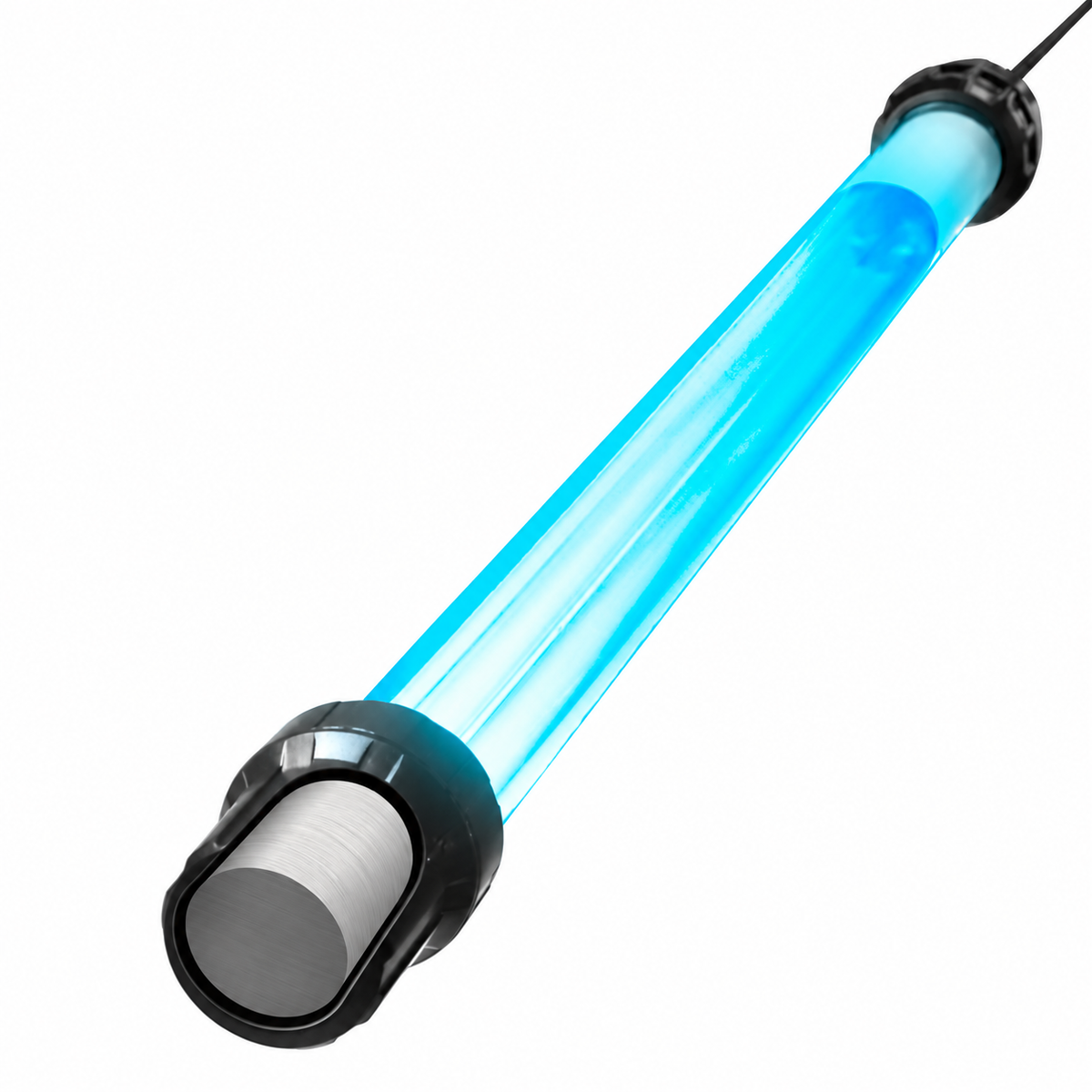
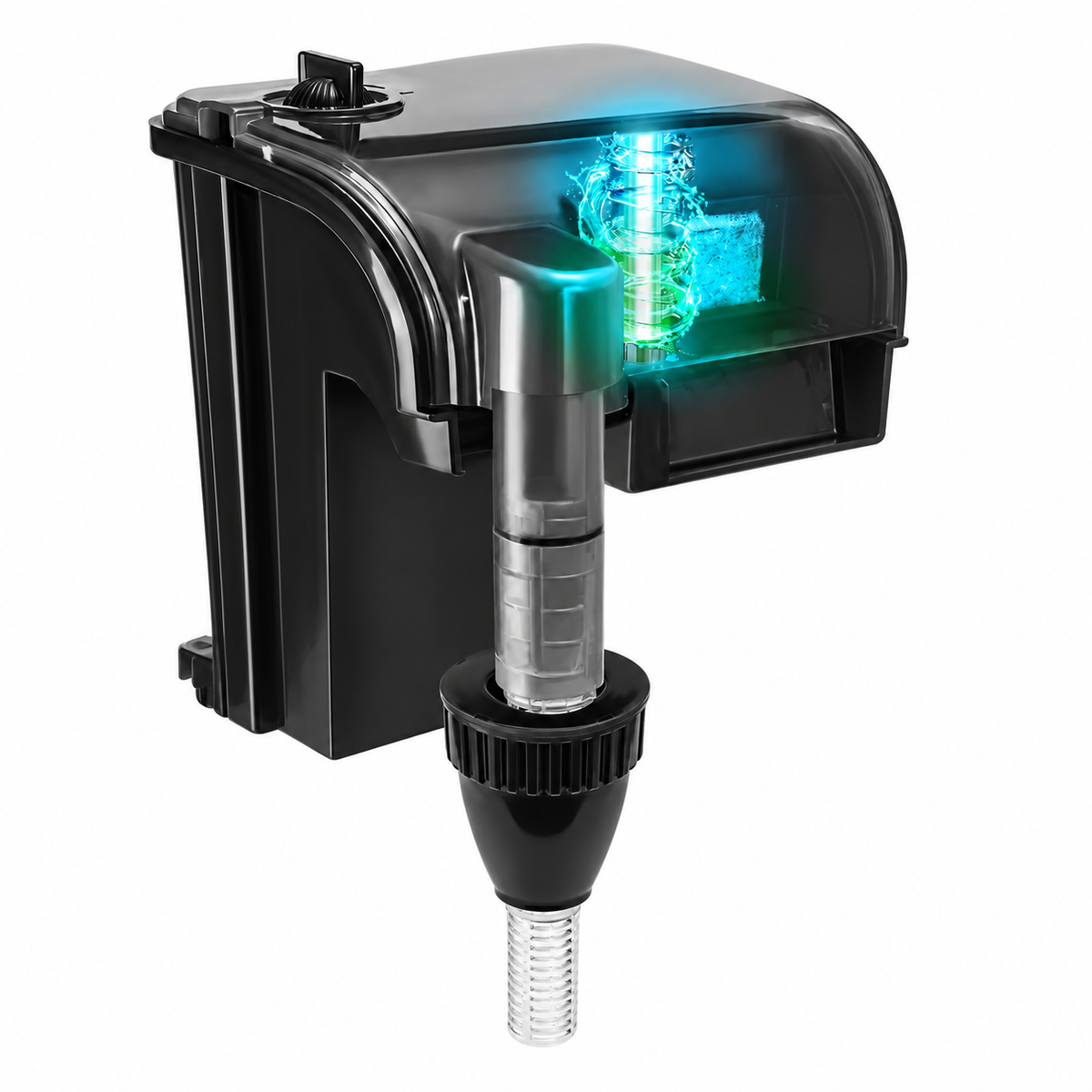
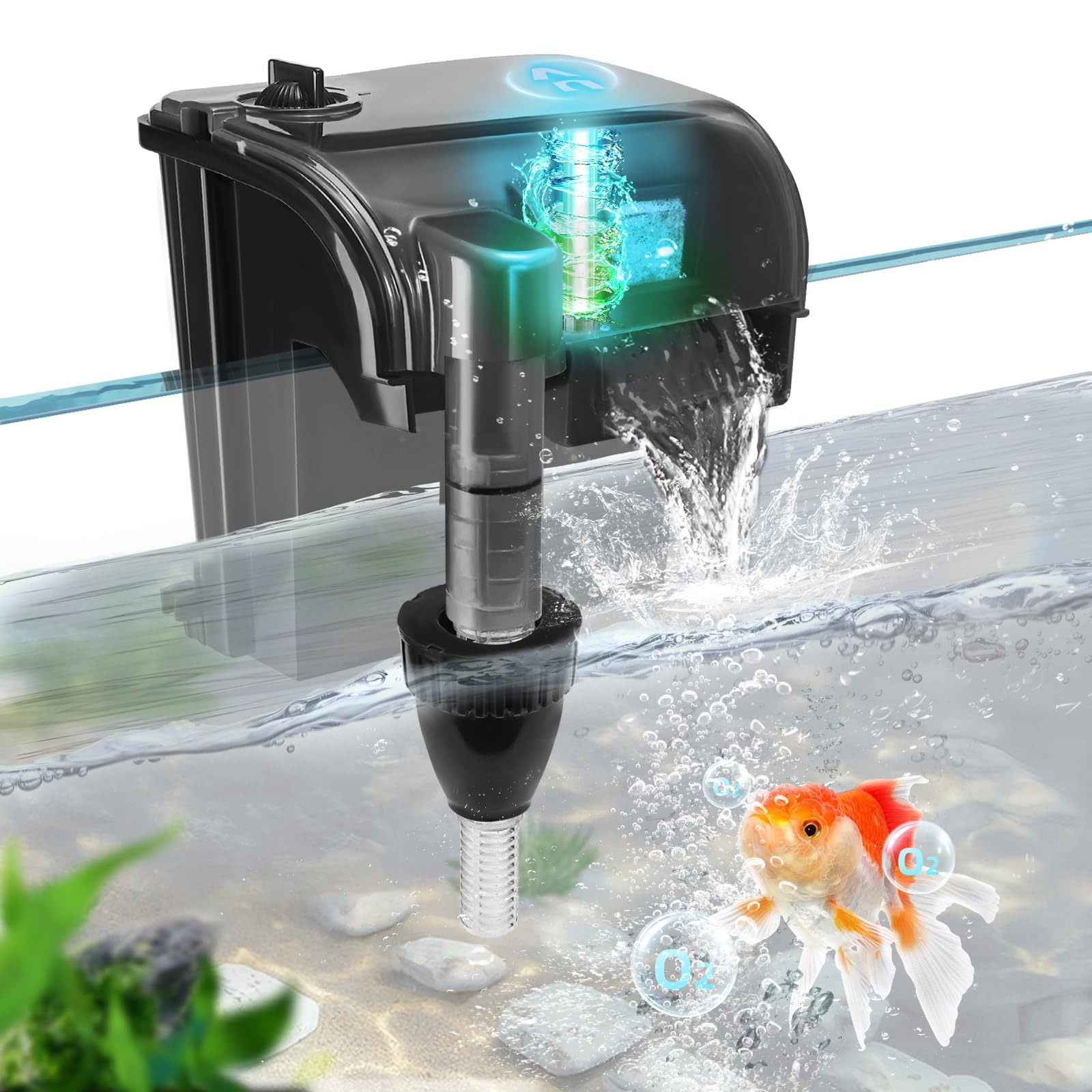
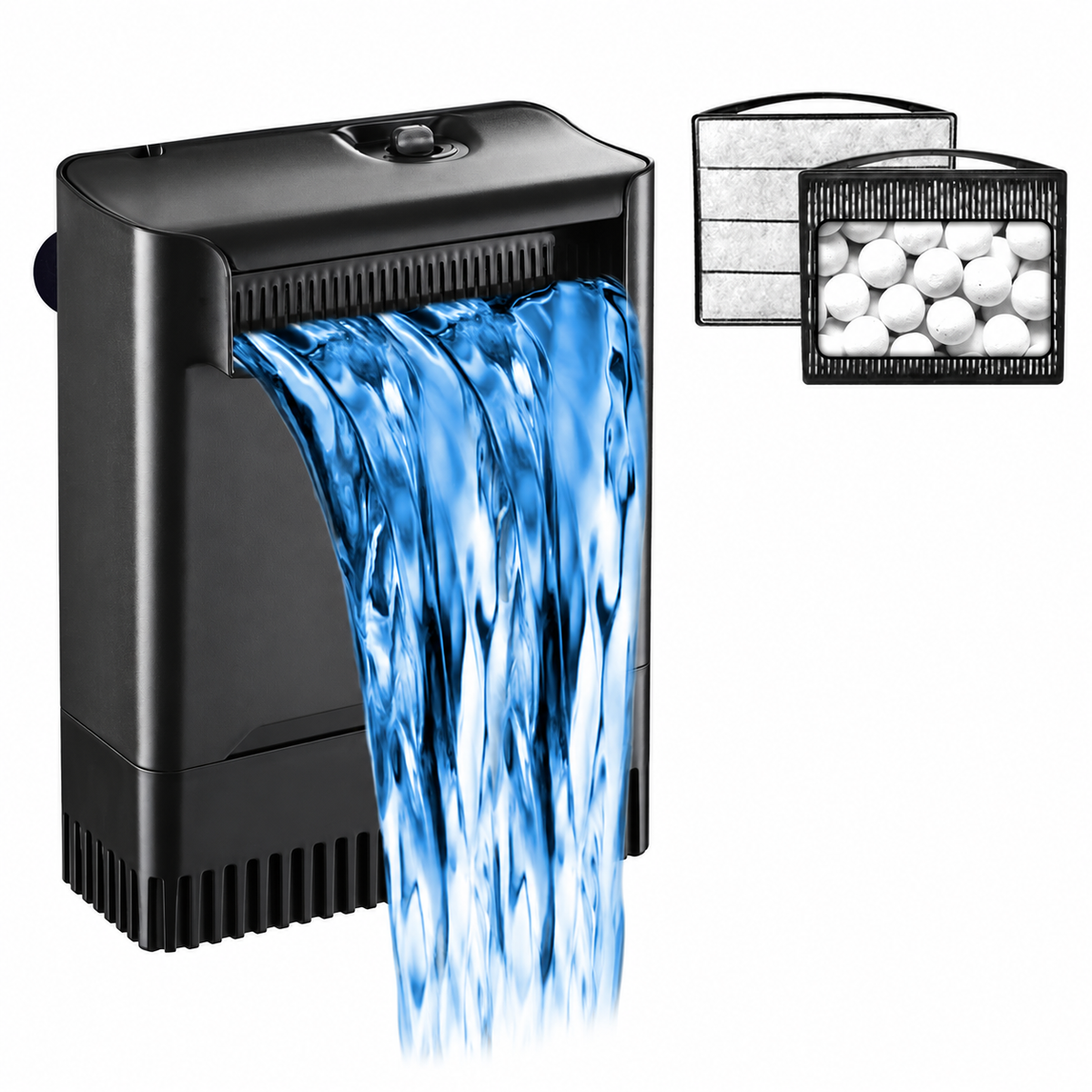
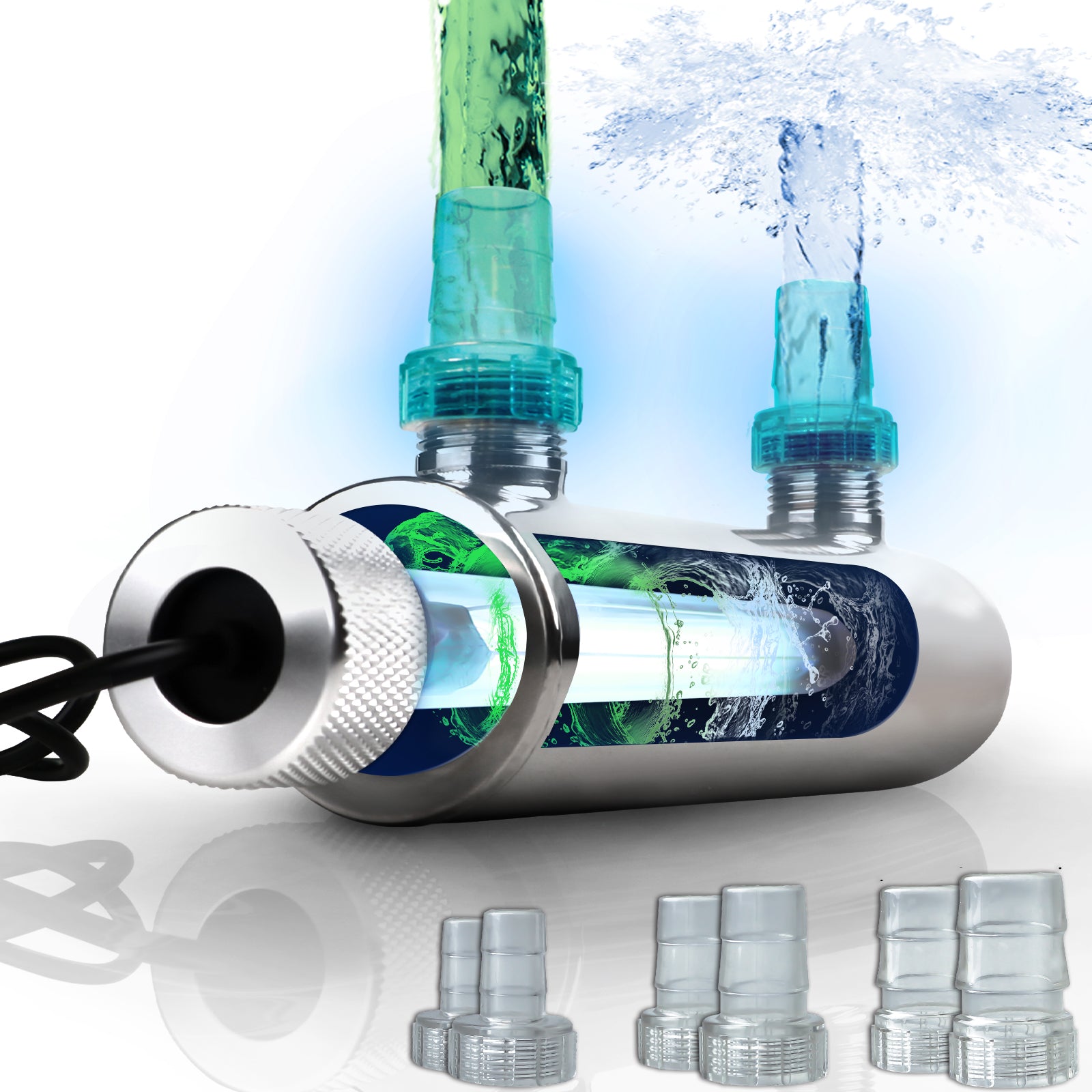
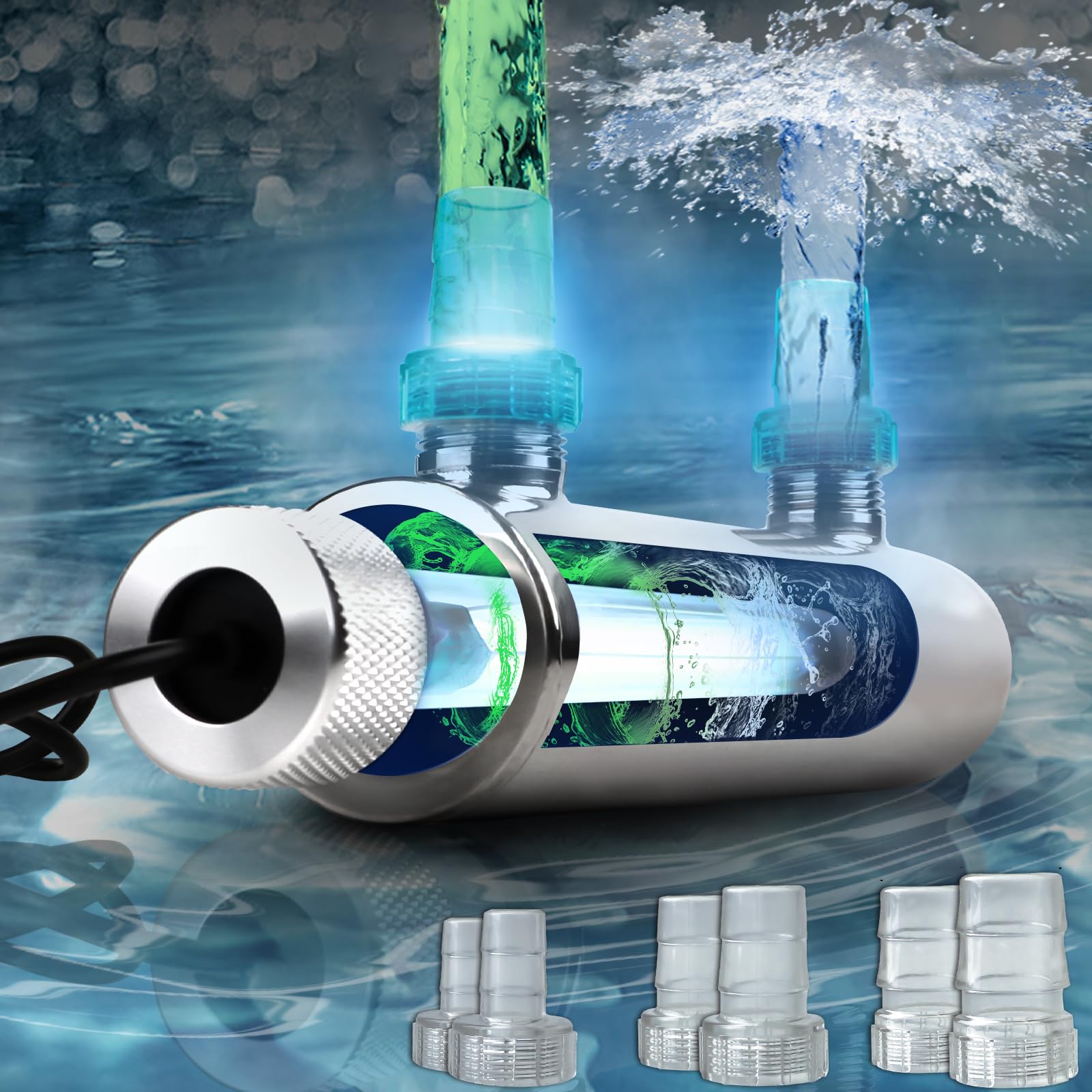
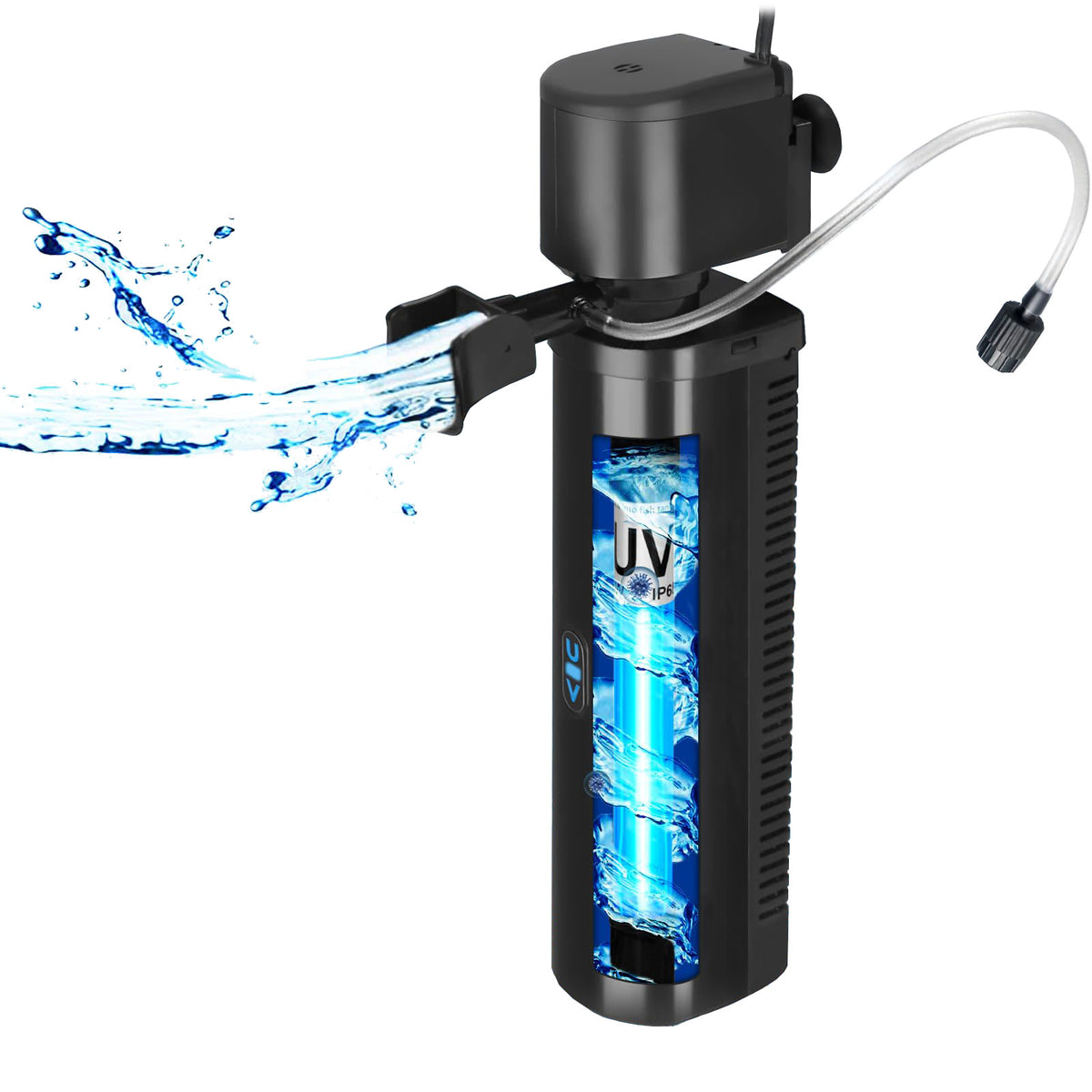
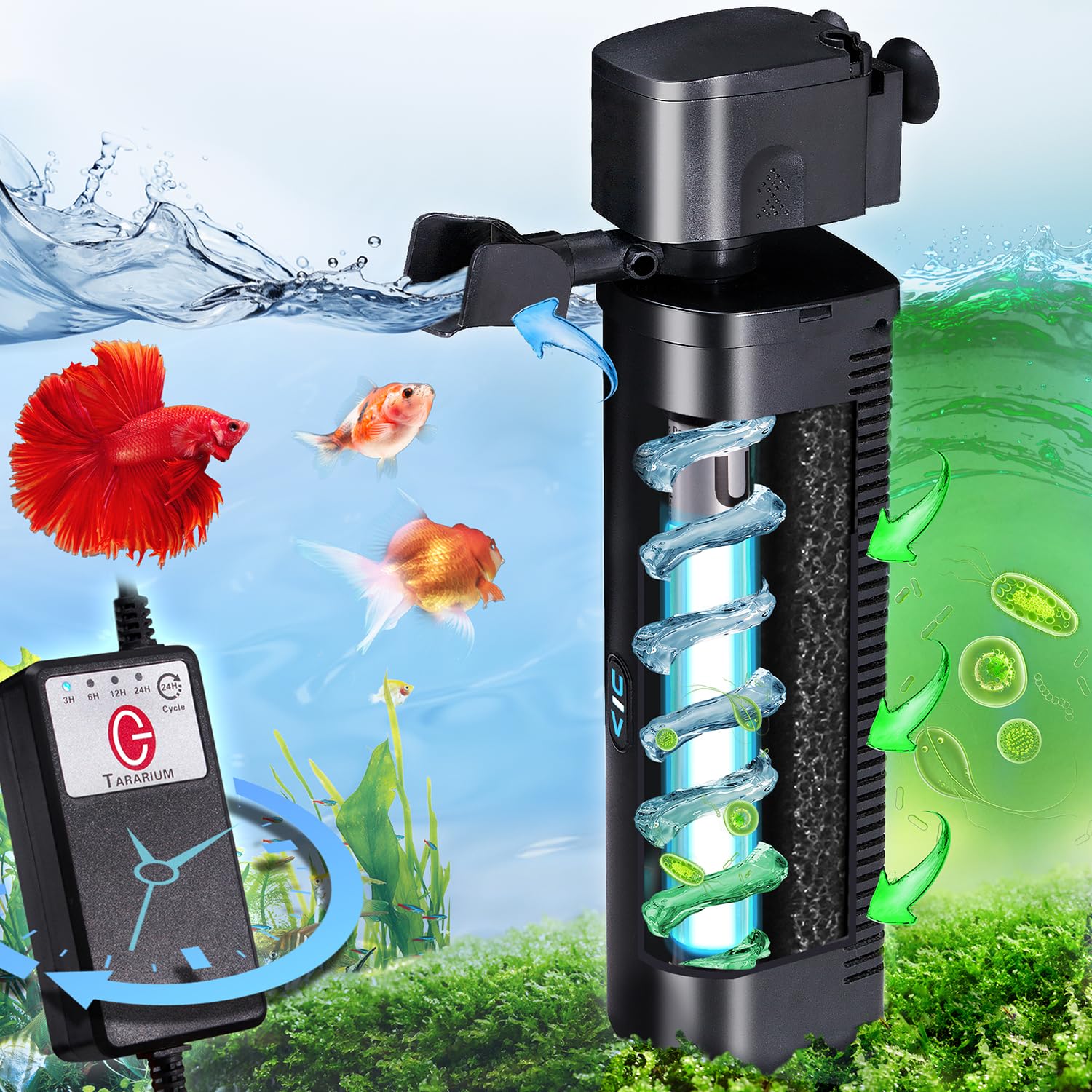
| Fish (Water) | UVC (Enclosed) | N/A (Inside filter) | Controls "Green Water" and algae blooms |
6. The "Invisible" Danger: Measuring Your Output
The biggest mistake pet owners make is "set it and forget it." Because we cannot see UV light, we have no idea if the bulb is working at 100% or 10%.
The Solarmeter: The Professional’s Secret
If you are a serious hobbyist, investing in a Solarmeter 6.5 is the gold standard. This handheld device measures the UV Index (UVI). By checking the UVI at your pet’s favorite basking spot, you can adjust the height of the lamp to ensure they are getting exactly what they would in their natural habitat.
The "Screen Mesh" Factor
Did you know that standard wire mesh screen covers on terrariums can block up to 50% of UV rays? When calculating the distance of your lamp, you must account for the "filtering" effect of the mesh.
7. Balancing the Scales
Ultraviolet light is a quintessential example of Hormesis—a biological phenomenon where a low dose of a stressor (UV) is beneficial, but a high dose is toxic.
To make UV your pet's friend:
-
Research the "Ferguson Zone": Different animals have different UV requirements. Know which zone your pet falls into.
-
Provide a "UV Gradient": Just like a heat gradient, your pet needs a place to escape the UV. Ensure there are deep-shade areas in the enclosure.
-
Safety First: Use UVC only for sanitation in enclosed, light-tight systems.
Conclusion: Respect the Power of the Light
Whether you are trying to prevent bone disease in a tortoise or simply trying to keep a cattery free of viruses, UV light is a potent tool. By understanding the specific needs of your species and the technical limits of your bulbs, you can harness the power of the sun without the "burn."
Is your pet showing signs of "sun-seeking" or avoiding their current light?
Would you like me to help you draft a custom lighting schedule or a distance chart based on your specific enclosure dimensions?