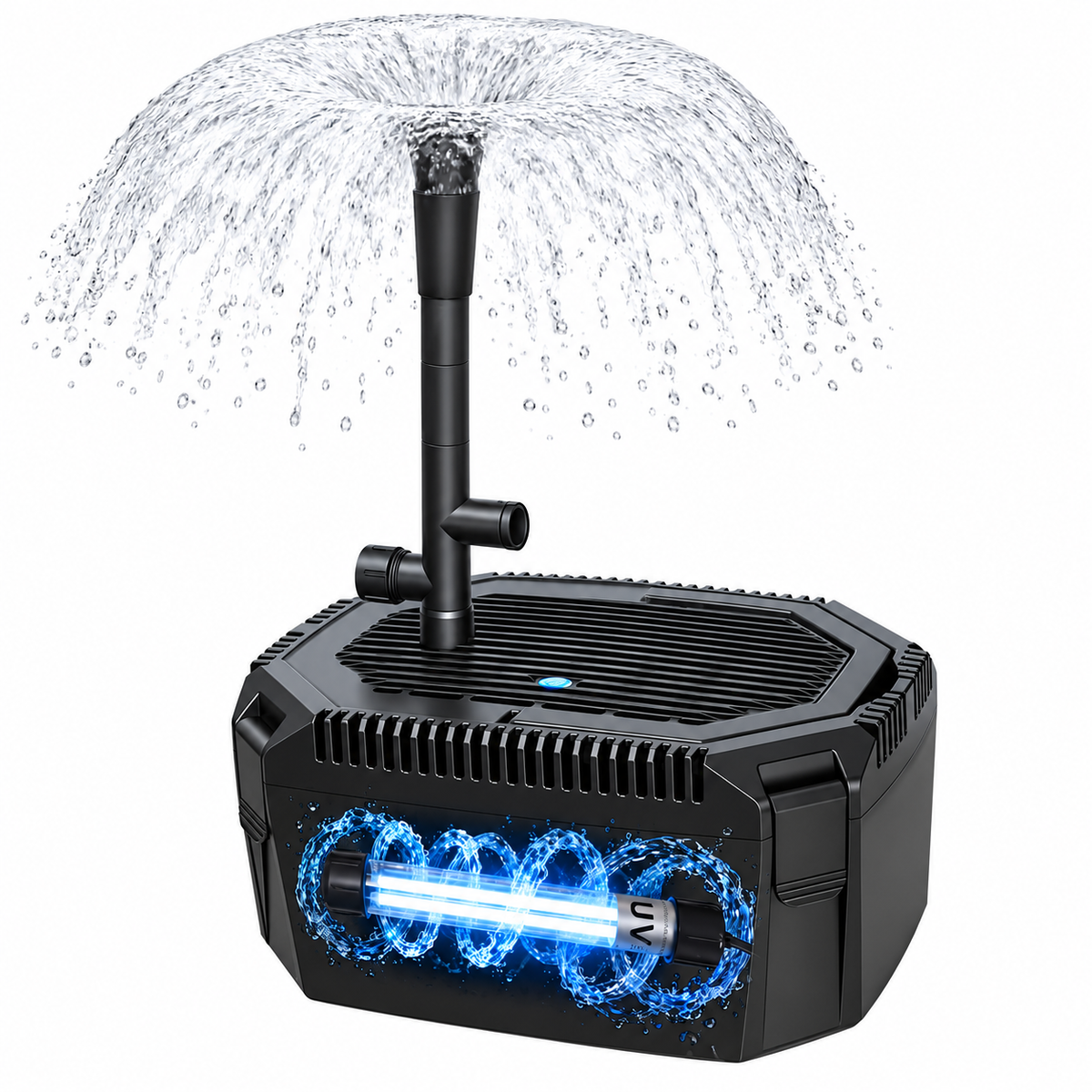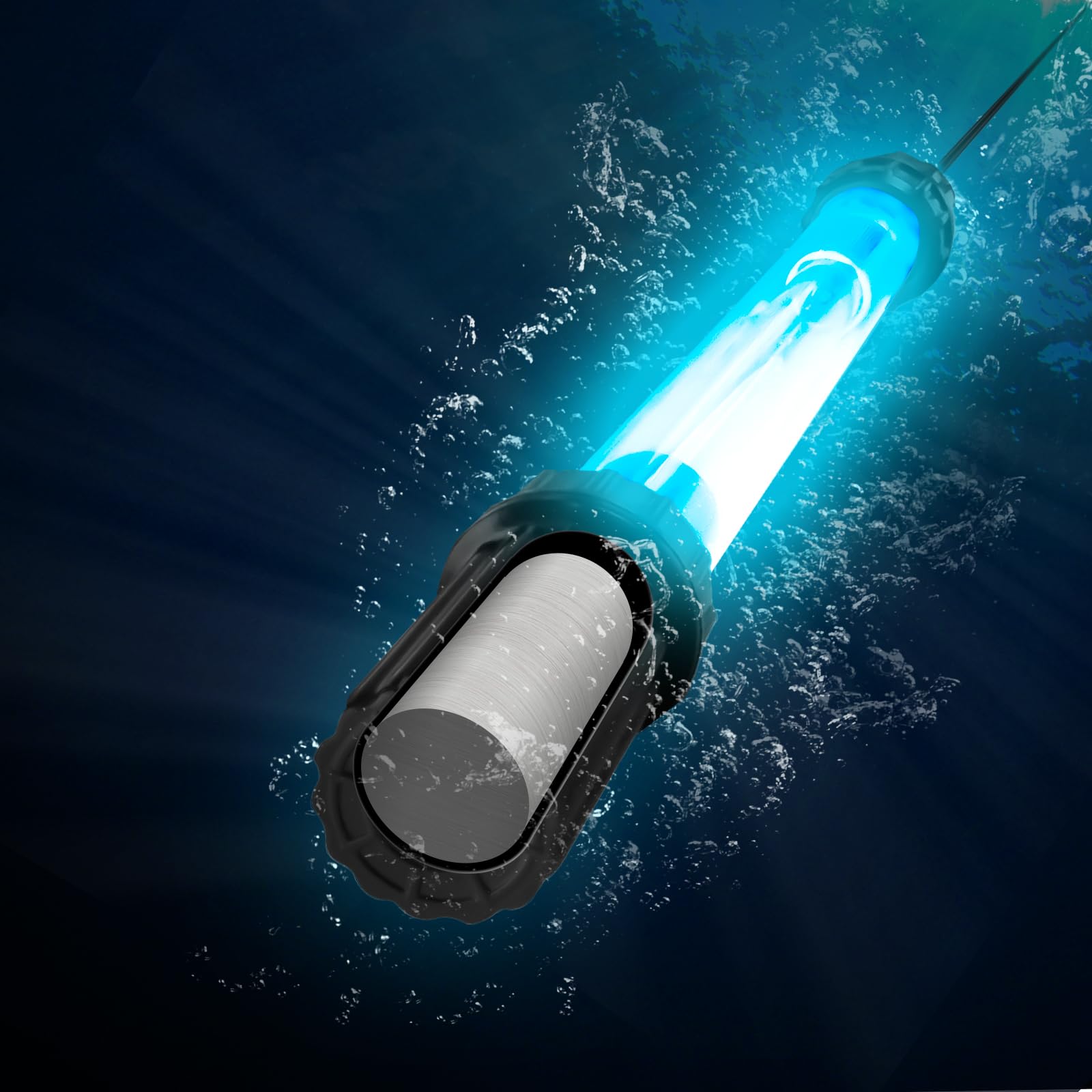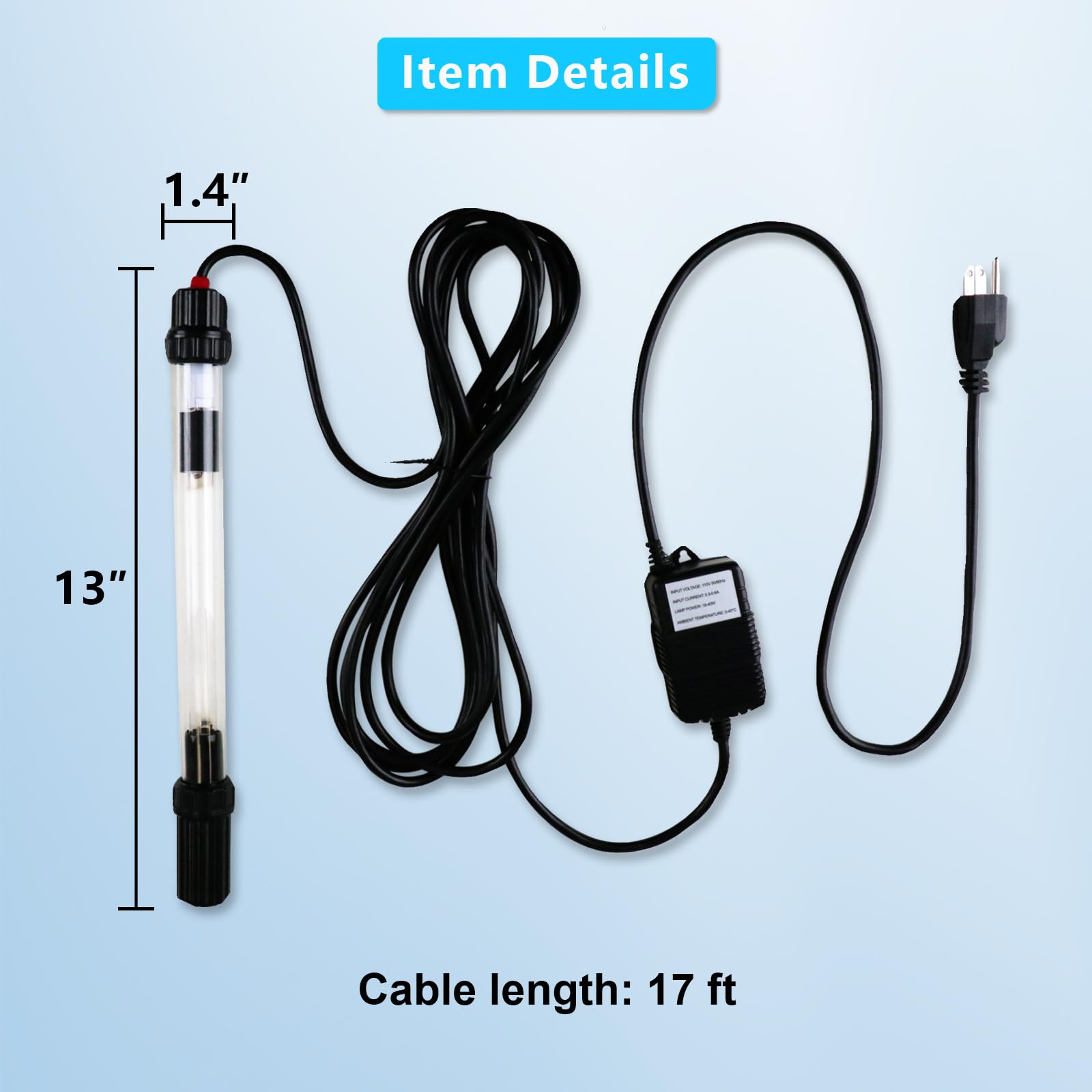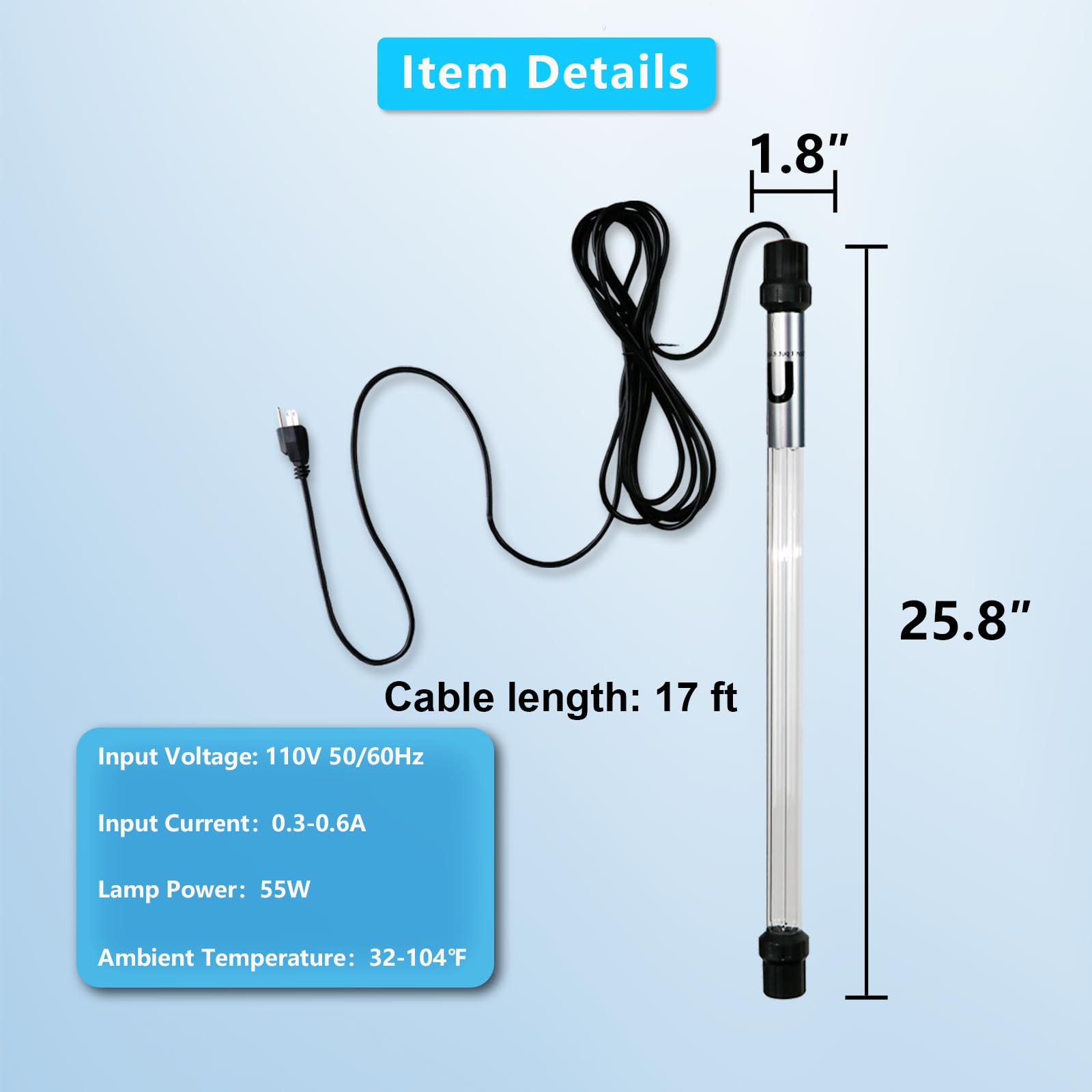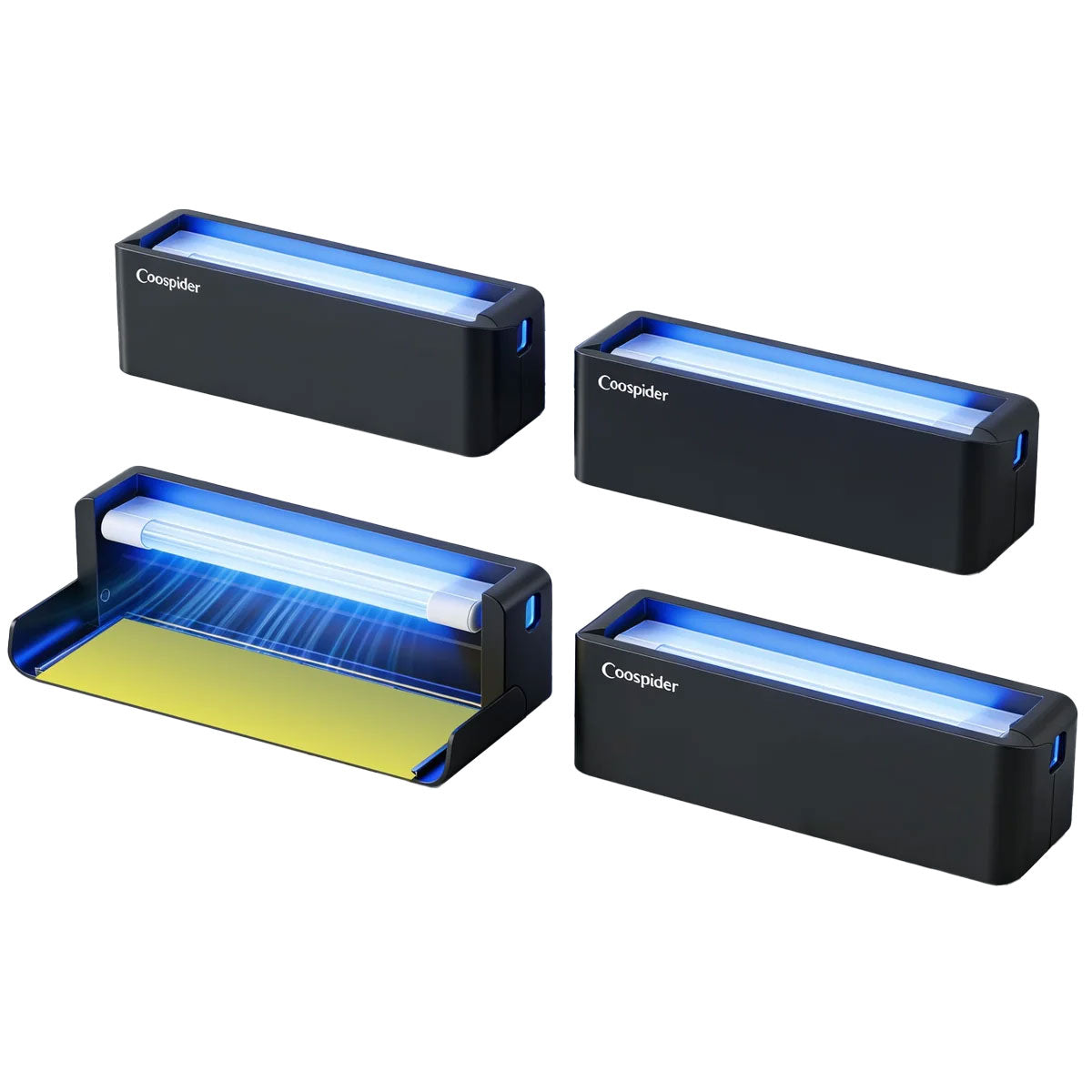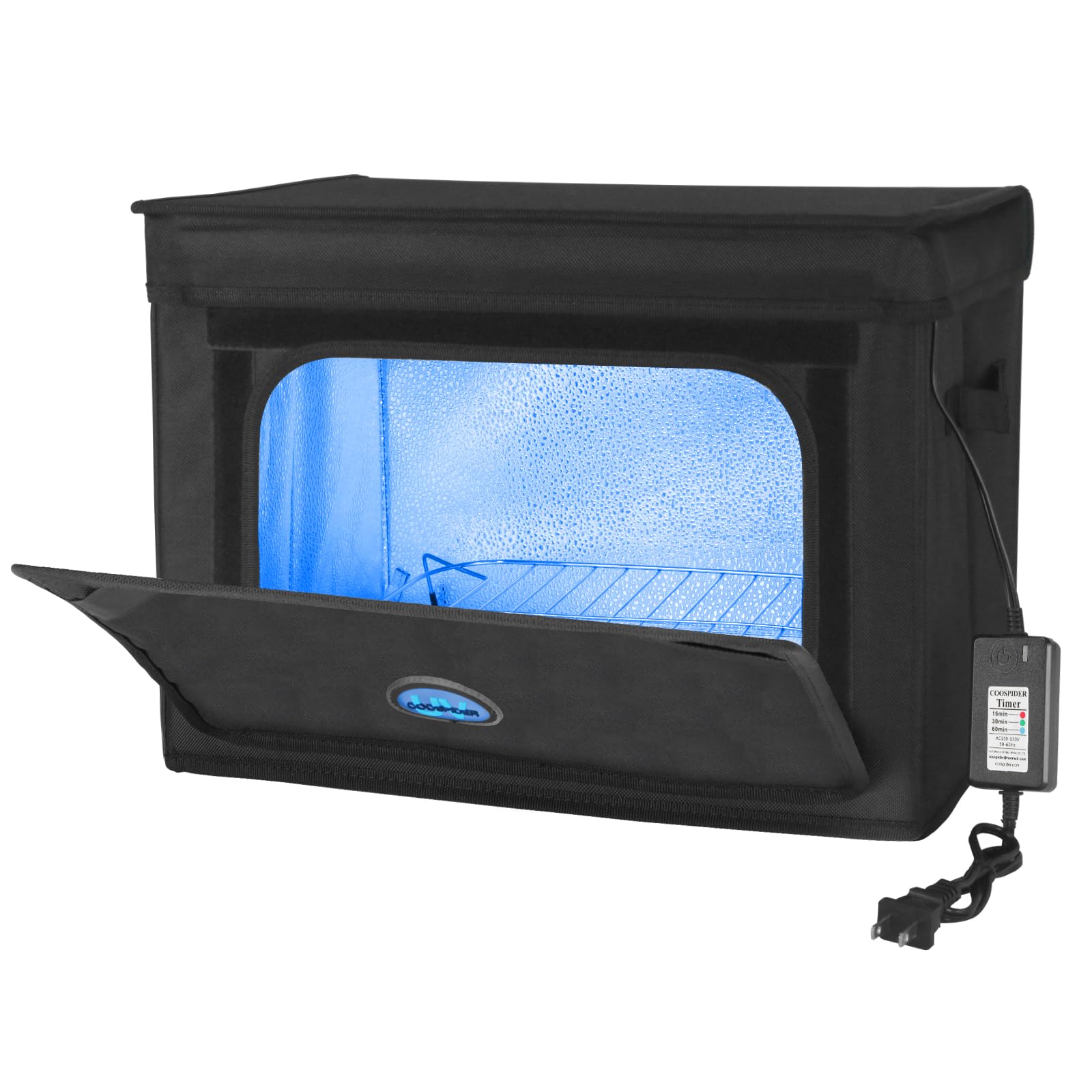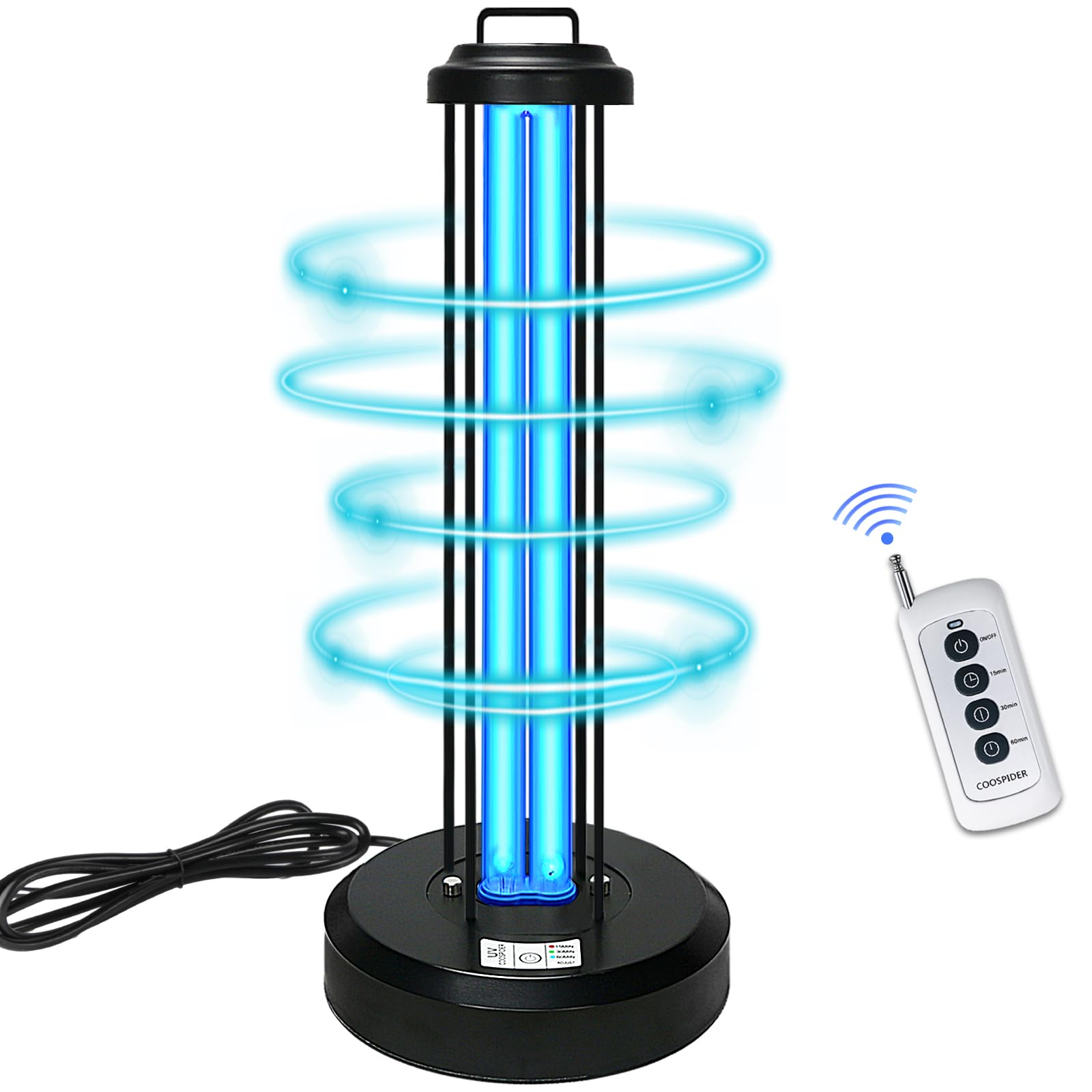
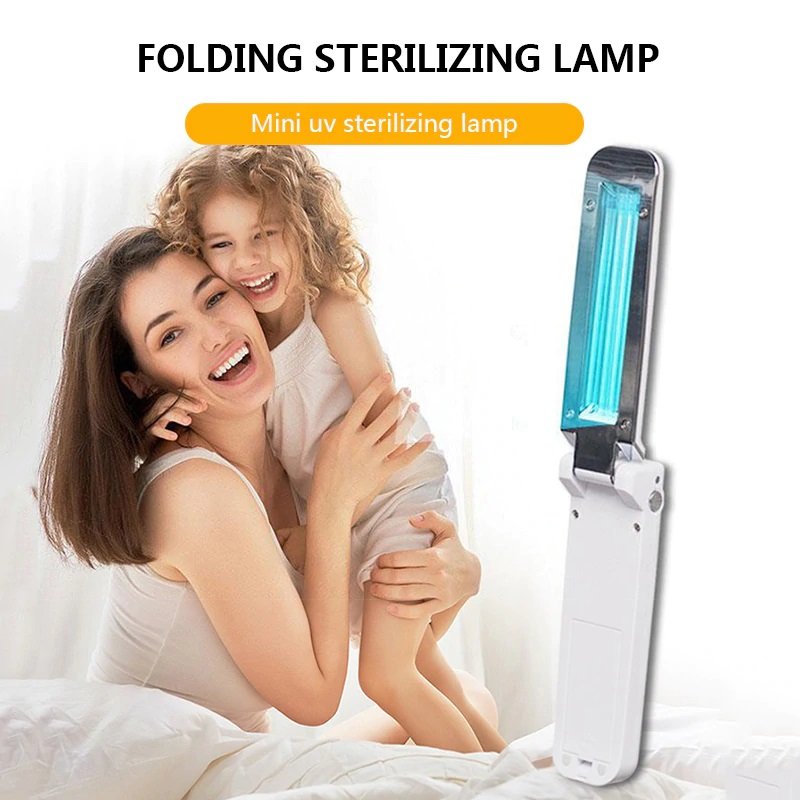
Ultraviolet (UV) disinfection lamps have quietly moved from industrial and medical environments into everyday households. What was once confined to laboratories, hospitals, and specialized sanitation facilities is now marketed as a convenient home hygiene solution. Small UV boxes for disinfecting phones, portable UV wands, UV air purifiers, and room sterilization lamps are increasingly common in online marketplaces and retail stores.
The appeal is obvious: a fast, chemical-free way to “kill germs” and keep your living space clean. In a world where hygiene awareness has increased dramatically, UV technology feels like a modern, high-tech answer to everyday concerns.
But there is a side of this technology that is often downplayed or misunderstood. The same invisible radiation that destroys bacteria and viruses can also affect human skin and eyes in harmful ways. The risks are not always immediate, and they are rarely obvious at the moment of exposure.
This article takes a closer look at how home UV disinfection lamps work, why their risks are frequently underestimated, and what every household should understand before using them regularly.
Understanding UV Disinfection: Powerful, Invisible, and Not Harmless
UV disinfection relies on ultraviolet radiation, a form of electromagnetic energy that is invisible to the human eye but highly reactive at the biological level.
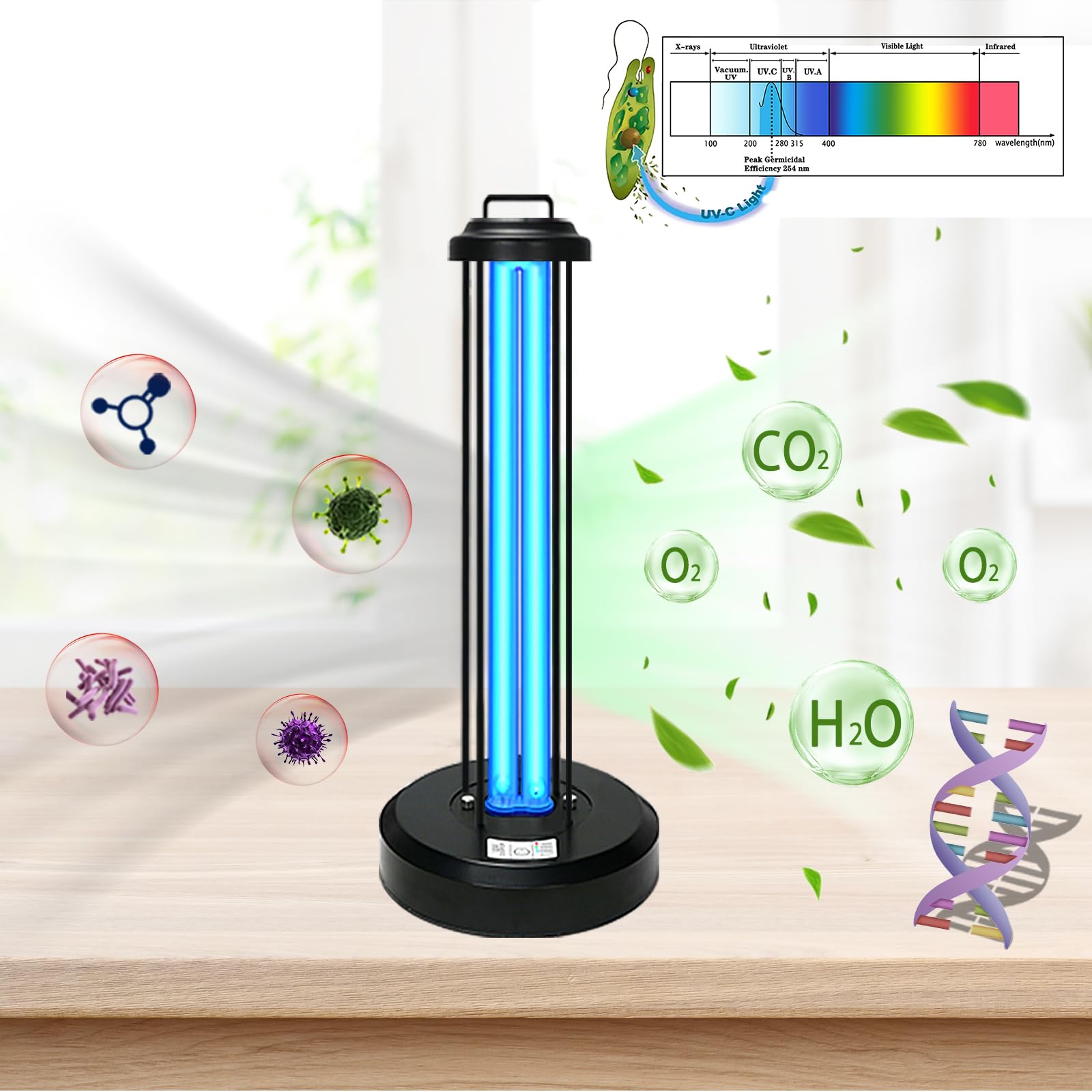
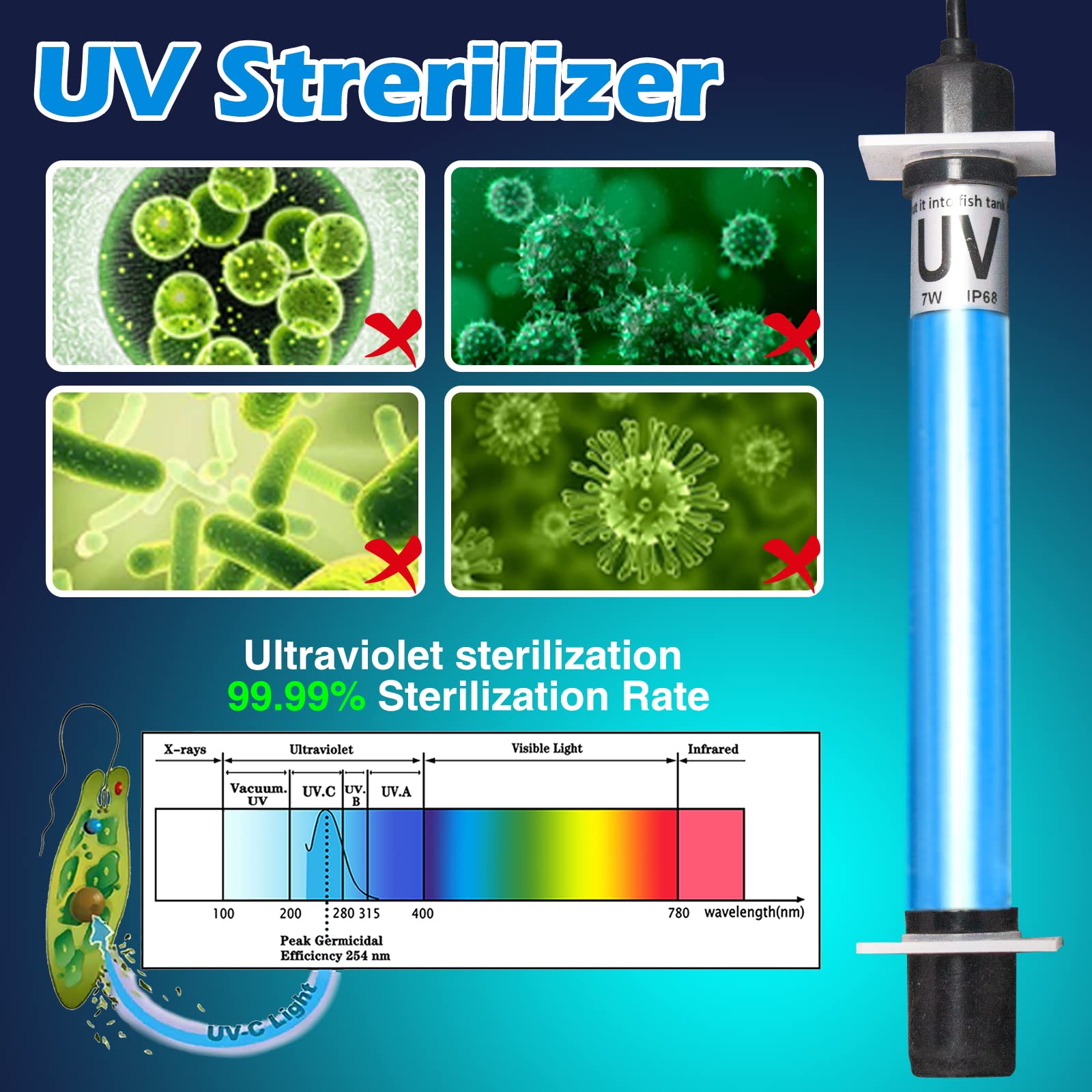
Ultraviolet radiation is typically divided into three types:
-
UVA (320–400 nm): Long-wave UV that penetrates deep into skin layers
-
UVB (280–320 nm): Medium-wave UV responsible for sunburn and DNA damage
-
UVC (100–280 nm): Short-wave UV with strong germicidal effects
Most home disinfection devices rely on UVC or enhanced UV output because it is extremely effective at destroying microbial DNA. When microorganisms are exposed to UVC, their genetic material is damaged, preventing replication and effectively killing them.
However, this same mechanism does not distinguish between microbial cells and human cells.
That is where the risk begins.
Why UV Disinfection Lamps Feel “Safer” Than They Are
One of the biggest challenges with UV devices is psychological rather than technical.
Unlike fire, chemicals, or sharp objects, UV radiation is invisible. There is no smell, no sound, and often no immediate pain during exposure. This creates a false sense of safety.
Many home users assume:
-
“It’s just light, so it can’t be dangerous”
-
“If it’s sold for home use, it must be safe”
-
“Short exposure isn’t a problem”
Unfortunately, these assumptions are not always accurate.
Even brief exposure to high-intensity UV light can cause biological damage that accumulates over time or appears hours after exposure.
The Skin: Damage That Doesn’t Always Show Immediately
The skin is the body’s largest organ and the first barrier against environmental exposure. While it is designed to withstand sunlight, artificial UV sources can concentrate energy in ways that natural exposure does not.
DNA-Level Damage
UV radiation can damage cellular DNA, leading to mutations that accumulate over time. This damage is not always visible immediately.
Repeated exposure may contribute to:
-
Premature aging
-
Pigmentation changes
-
Loss of elasticity
-
Long-term cellular dysfunction
One of the most serious long-term risks is increased likelihood of Skin cancer.
While occasional incidental exposure may not be dangerous on its own, repeated or close-range exposure from household devices can significantly increase cumulative risk.
Why Home Devices Can Be More Intense Than Sunlight Exposure
It may seem counterintuitive, but some UV disinfection devices can expose small areas of skin to higher localized intensity than natural sunlight.
This happens because:
-
The light source is very close to the skin or object
-
Radiation is concentrated in a small area
-
Exposure is often repeated daily
-
Devices may reflect UV within enclosed surfaces
For example, placing hands inside a UV sterilizing box or holding a UV wand close to objects can result in repeated localized exposure that the body does not naturally encounter outdoors.
The Eyes: The Most Sensitive and Underprotected Area
If the skin is vulnerable, the eyes are even more at risk.
The human eye is highly sensitive to UV radiation because its tissues are designed to transmit light. That same transparency allows UV rays to penetrate and affect internal structures.
Photokeratitis: The “UV Burn” of the Eye
One of the most immediate effects of UV exposure is Photokeratitis.
This condition is often described as a sunburn of the eye. It can occur after surprisingly short exposure to strong UV light.
Symptoms include:
-
Sharp eye pain
-
Redness and tearing
-
Sensitivity to light
-
A gritty or sandy feeling
-
Temporary blurred vision
What makes photokeratitis especially dangerous in home environments is delayed onset. Symptoms may not appear until several hours after exposure, making it difficult to connect cause and effect.
Long-Term Eye Damage and Cataracts
Repeated UV exposure is also associated with the development of Cataract.
Cataracts form when proteins in the eye’s lens become damaged and clump together, reducing transparency and impairing vision. While aging is the most common factor, UV exposure accelerates this process.
Unlike acute discomfort, cataracts develop gradually, often over years, making early prevention extremely important.
Common Home UV Devices and Hidden Risks
UV disinfection technology is used in a variety of household products. While each type serves a purpose, they all carry some level of exposure risk if misused.
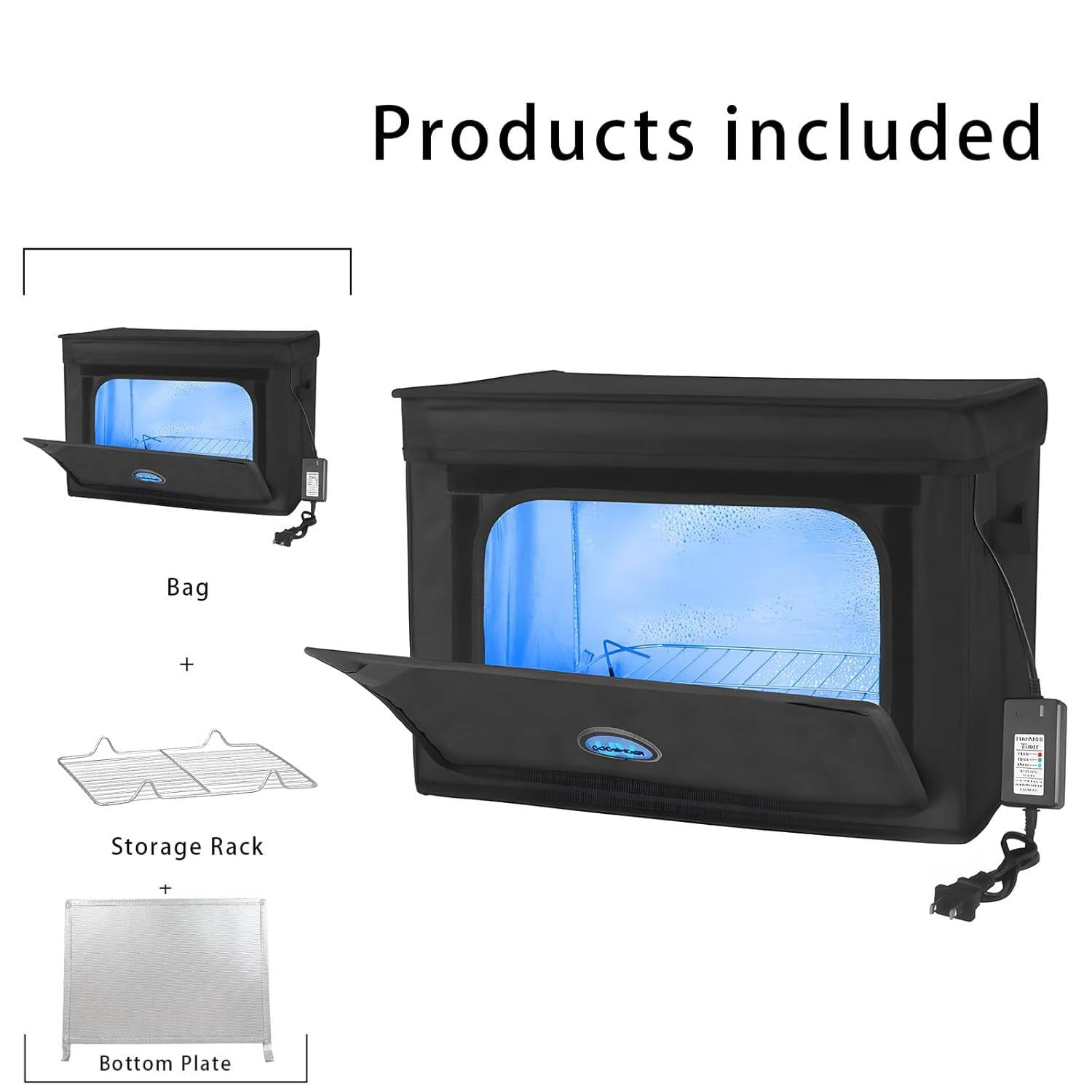
UV Sterilizing Boxes
These are used for phones, jewelry, masks, and small personal items. The risk arises when users open the device while it is still operating or bypass safety shutoff features.
UV Wands
Portable UV wands are especially risky because they are manually operated. Users may accidentally shine UV light on their hands, face, or eyes.
UV Air Purifiers
These devices use internal UV chambers to disinfect air. While generally safer due to shielding, improper maintenance or damaged housing can lead to leakage.
Room Sterilization Lamps
These are among the most powerful home UV devices. They are often designed for empty-room disinfection and can cause severe exposure if activated while someone is present.
Why “Safety Labels” Can Be Misleading
Many home UV devices are marketed as safe, but “safe” typically means safe under specific conditions—not safe under all use scenarios.
Safety depends on:
-
Proper shielding
-
Correct usage timing
-
No direct human exposure
-
Controlled operating duration
When these conditions are not followed, risk increases significantly.
Unfortunately, many users do not read instructions carefully or underestimate the importance of operational safety.
Early Warning Signs of UV Exposure
Because UV damage is often delayed, it is important to recognize early signs of overexposure.
Skin-Related Signs
-
Redness or warmth after device use
-
Dry or irritated patches
-
Unexplained pigmentation changes
-
Sensitivity in exposed areas
Eye-Related Signs
-
Eye discomfort after using UV devices
-
Increased sensitivity to bright light
-
Watery or irritated eyes
-
Delayed eye pain in the evening
These symptoms should not be ignored, especially if they occur repeatedly.
High-Risk Behaviors in Home Use
Many risks come not from the devices themselves but from how they are used.
Common unsafe behaviors include:
-
Looking directly at UV lamps during operation
-
Using UV wands without protective eyewear
-
Allowing children to operate devices
-
Ignoring safety interlock systems
-
Using devices in occupied rooms
-
Overusing sterilization cycles beyond recommendations
Even a few seconds of improper exposure can increase risk.
Who Should Be Especially Cautious?
Certain groups may be more sensitive or at higher risk:
-
Children and teenagers
-
People with light-sensitive skin
-
Individuals with existing eye conditions
-
Frequent users of UV devices
-
Households using multiple UV products daily
For these groups, strict adherence to safety practices is especially important.
Safer Alternatives and Smarter Use Strategies
UV disinfection can still be useful when used responsibly. The goal is not to eliminate the technology but to use it correctly.
1. Use Enclosed Devices Whenever Possible
Closed UV boxes and internal-chamber systems are safer than open-air devices.
2. Avoid Direct Exposure Devices
Manual UV wands pose higher risk due to human handling.
3. Follow Timing Rules Strictly
Do not extend exposure time beyond manufacturer guidelines.
4. Never Use UV Room Lamps in Occupied Spaces
These devices should only operate in completely empty rooms.
5. Combine Cleaning Methods
UV should complement—not replace—traditional cleaning methods like washing and wiping.
The Bigger Issue: Invisible Technology and Perceived Safety
One of the most important challenges with UV technology is perception.
Because UV light is invisible, people tend to underestimate its strength. This creates a gap between real risk and perceived risk.
Unlike visible hazards, UV exposure does not trigger instinctive caution. That makes education and awareness critical, especially as these devices become more common in homes.
Final Thoughts
UV disinfection lamps represent a powerful advancement in modern hygiene technology. They offer convenience, speed, and chemical-free sanitation that fits well into today’s fast-paced lifestyle.
However, their effectiveness comes with a responsibility to understand their limitations and risks.
The invisible nature of UV light is precisely what makes it dangerous when misused. Skin and eye damage can accumulate silently, and the effects may not appear immediately.
Using UV technology safely is not complicated, but it does require awareness, discipline, and respect for the science behind it.
When used correctly, UV devices can be valuable tools. When used carelessly, they can become hidden sources of harm inside the home.
Understanding the difference is the key to protecting long-term health while still benefiting from modern disinfection technology.