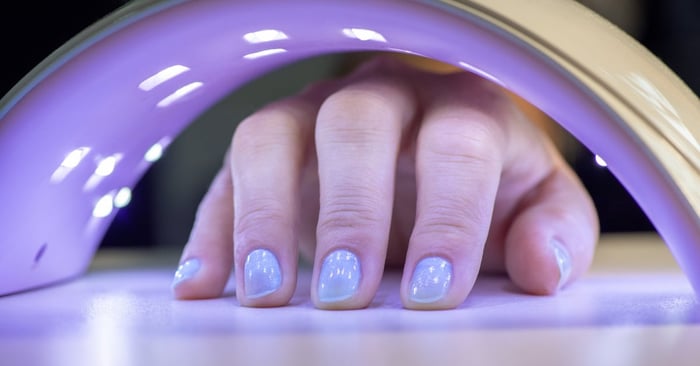
When most people hear the words “UV lamp,” one image immediately comes to mind: gel nails curing under a glowing light at the salon. For years, UV lamps have been firmly associated with manicures and nail art—and almost nothing else.
But in reality, UV light has quietly been working behind the scenes of the skincare industry for decades. From professional dermatology clinics to high-end beauty labs and even home skincare routines, UV technology plays a far more nuanced and fascinating role than most consumers realize.
This article explores how UV lamps—when used correctly, responsibly, and within safe limits—have become an unexpected yet powerful ally in skincare, hygiene, and beauty maintenance. These applications go far beyond nail polish curing, and some of them may genuinely surprise you.
1. Understanding UV Light: What It Really Is (and Isn’t)
Before diving into skincare applications, it’s crucial to clarify what “UV light” actually means.
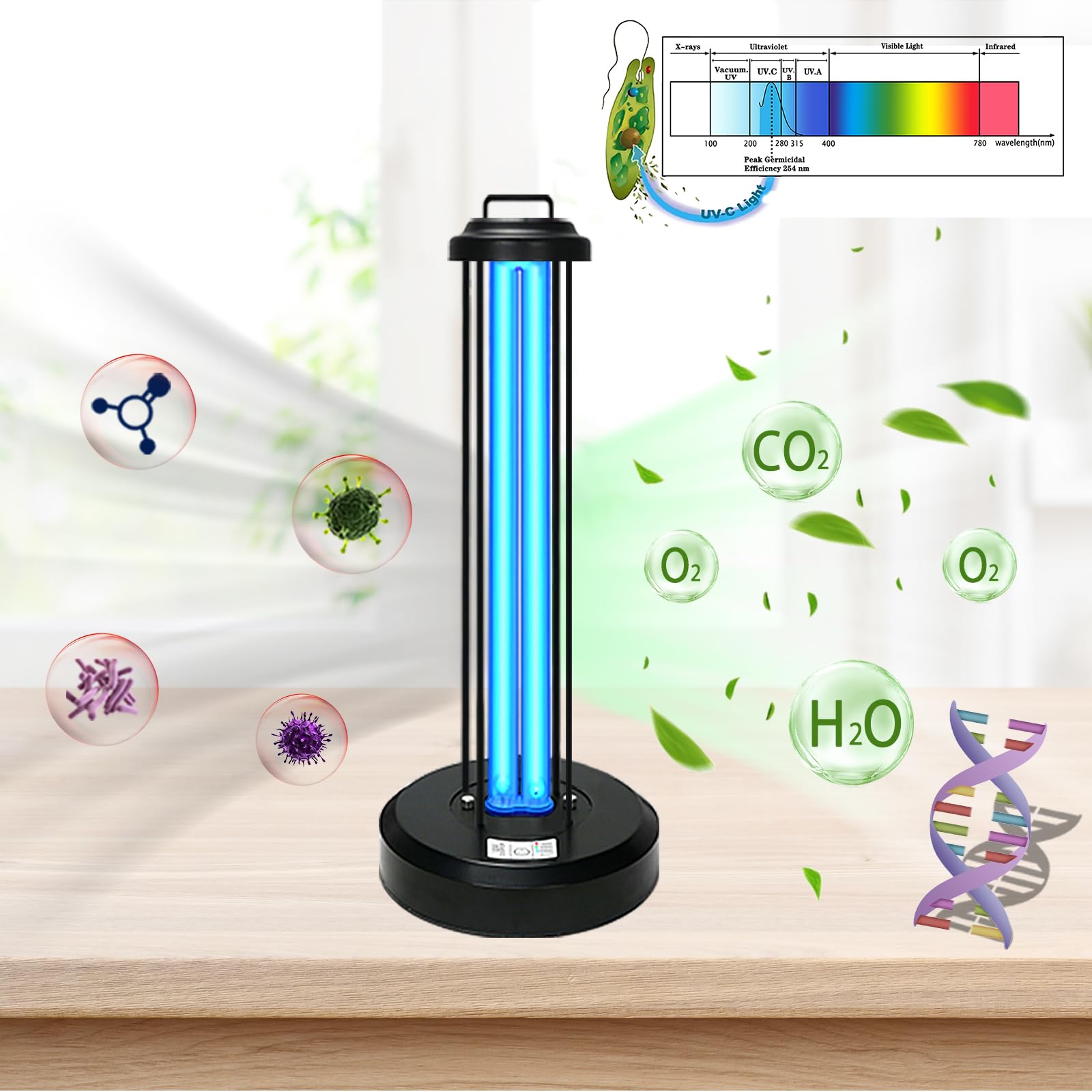
1.1 The UV Spectrum Explained
Ultraviolet light is divided into three main categories:
-
UV-A (320–400 nm)
Often used in nail lamps and cosmetic devices. Penetrates deeper into the skin but is lower energy. -
UV-B (280–320 nm)
Responsible for sunburn and vitamin D synthesis. Less commonly used in beauty devices. -
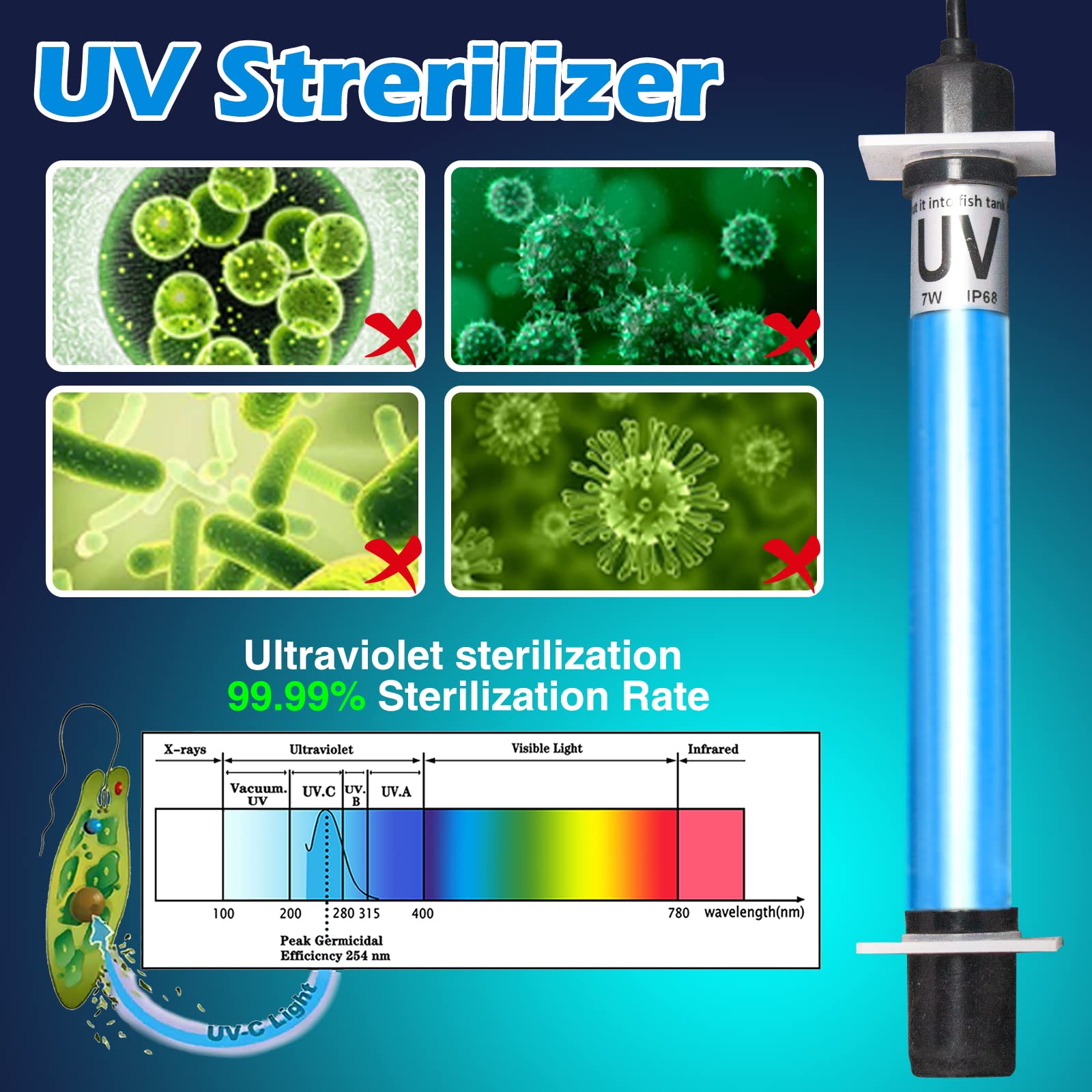
UV-C (200–280 nm)
High-energy, germicidal wavelength used for sterilization—not for direct skin exposure.
Not all UV light is created equal. In skincare contexts, UV-A is the most commonly involved, while UV-C is used strictly for disinfection of tools and surfaces—not skin.
1.2 UV Light vs. “Skincare Light Therapy”
Many people confuse UV lamps with LED light therapy. They are not the same.
-
LED therapy uses visible light (red, blue, green)
-
UV lamps operate outside the visible spectrum
-
UV has antimicrobial and polymer-curing properties
-
LED focuses more on cellular stimulation
Understanding this distinction prevents misuse and unrealistic expectations.
2. Why UV Lamps Became Famous in Nail Care
UV lamps first entered mainstream beauty through nail salons—and for good reason.
2.1 Gel Polymerization
Gel nail products contain photoinitiators that:
-
Remain liquid until exposed to UV-A
-
Instantly harden when activated
-
Create durable, glossy finishes
This reliable curing process made UV lamps indispensable in nail art.
2.2 Controlled, Short Exposure
Modern nail lamps are designed for:
-
Short exposure times
-
Enclosed light direction
-
Minimal skin contact
These characteristics laid the groundwork for exploring other controlled beauty-related uses.
3. The Overlooked Role of UV in Skincare Hygiene
While UV lamps don’t “treat” skin in the cosmetic sense, they excel at supporting skincare hygiene.
3.1 Skincare Tools Are Bacterial Hotspots
Think about daily-use items like:
-
Makeup brushes
-
Beauty sponges
-
Facial rollers
-
Gua sha tools
-
Tweezers and extractors
These tools come into direct contact with:
-
Skin oils
-
Moisture
-
Dead skin cells
Without proper sanitation, they can harbor bacteria that contribute to breakouts and irritation.
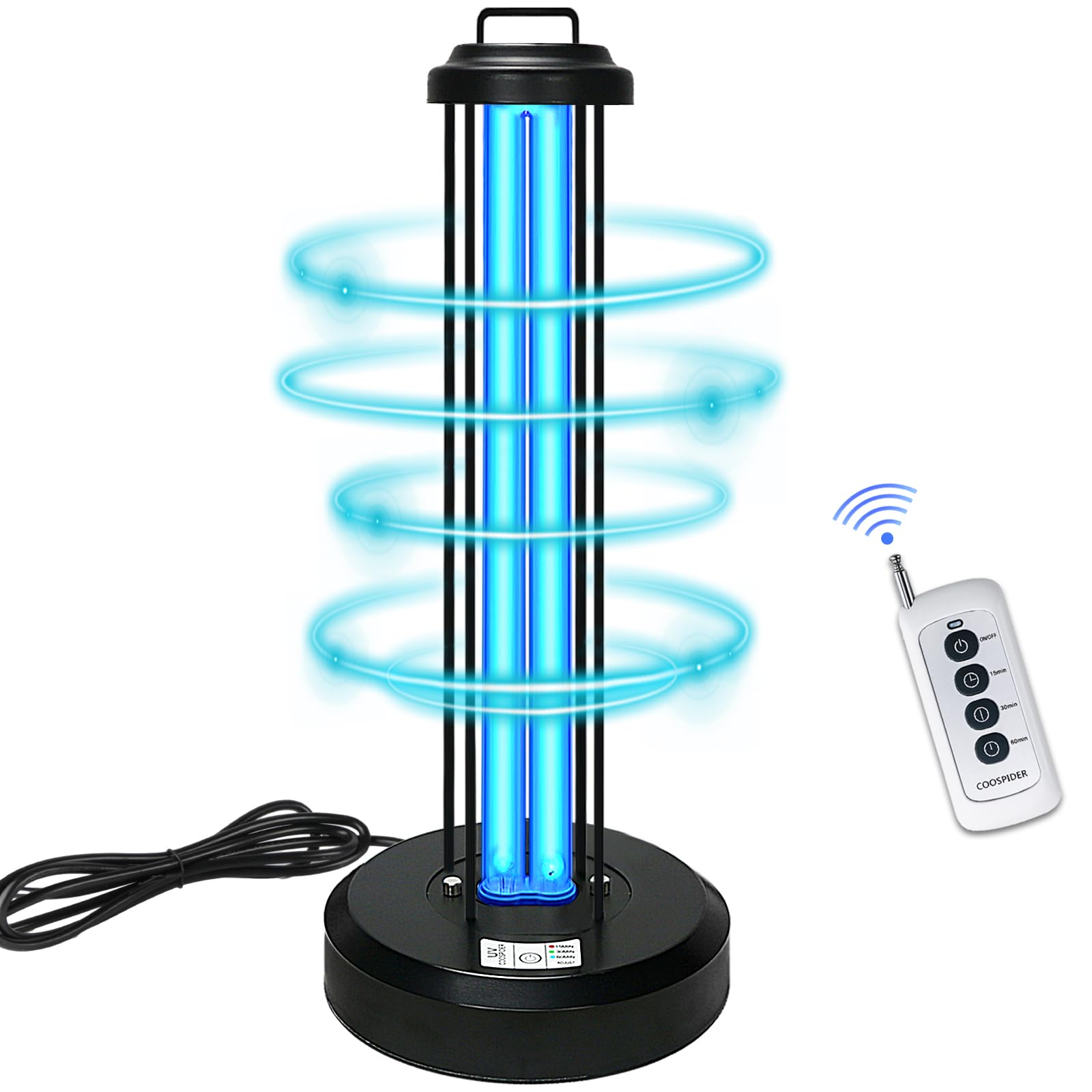
3.2 UV-C for Tool Disinfection
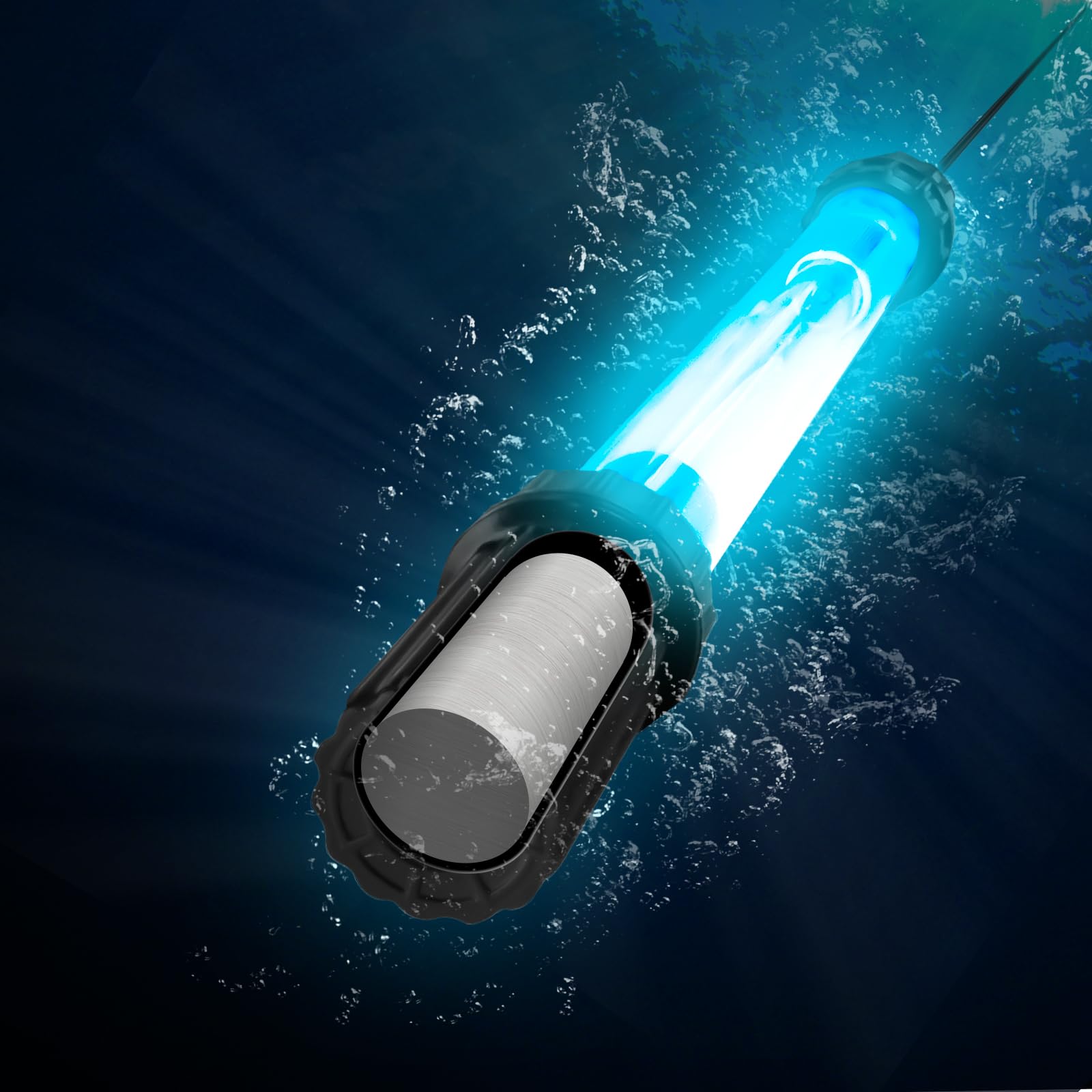
UV-C lamps are increasingly used to:
-
Sanitize beauty tools without water or chemicals
-
Reduce microbial load between uses
-
Supplement traditional cleaning methods
This application doesn’t touch the skin—but it protects it indirectly.
4. UV Lamps as Guardians of Skincare Product Safety
One of the least-discussed benefits of UV technology is product preservation and contamination control.
4.1 Preventing Cross-Contamination
Cream jars, droppers, and applicators are vulnerable to:
-
Finger contact
-
Air exposure
-
Microbial growth
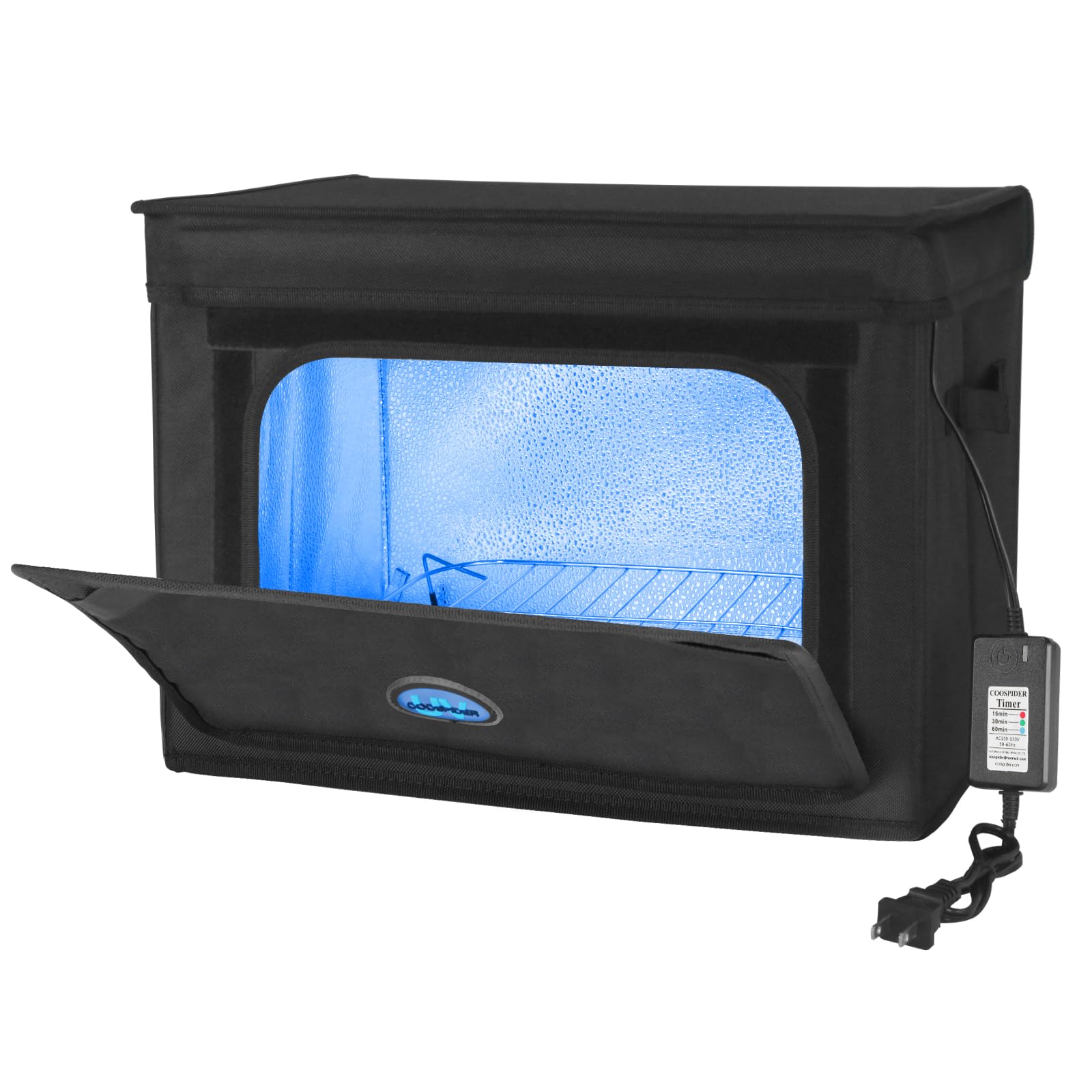
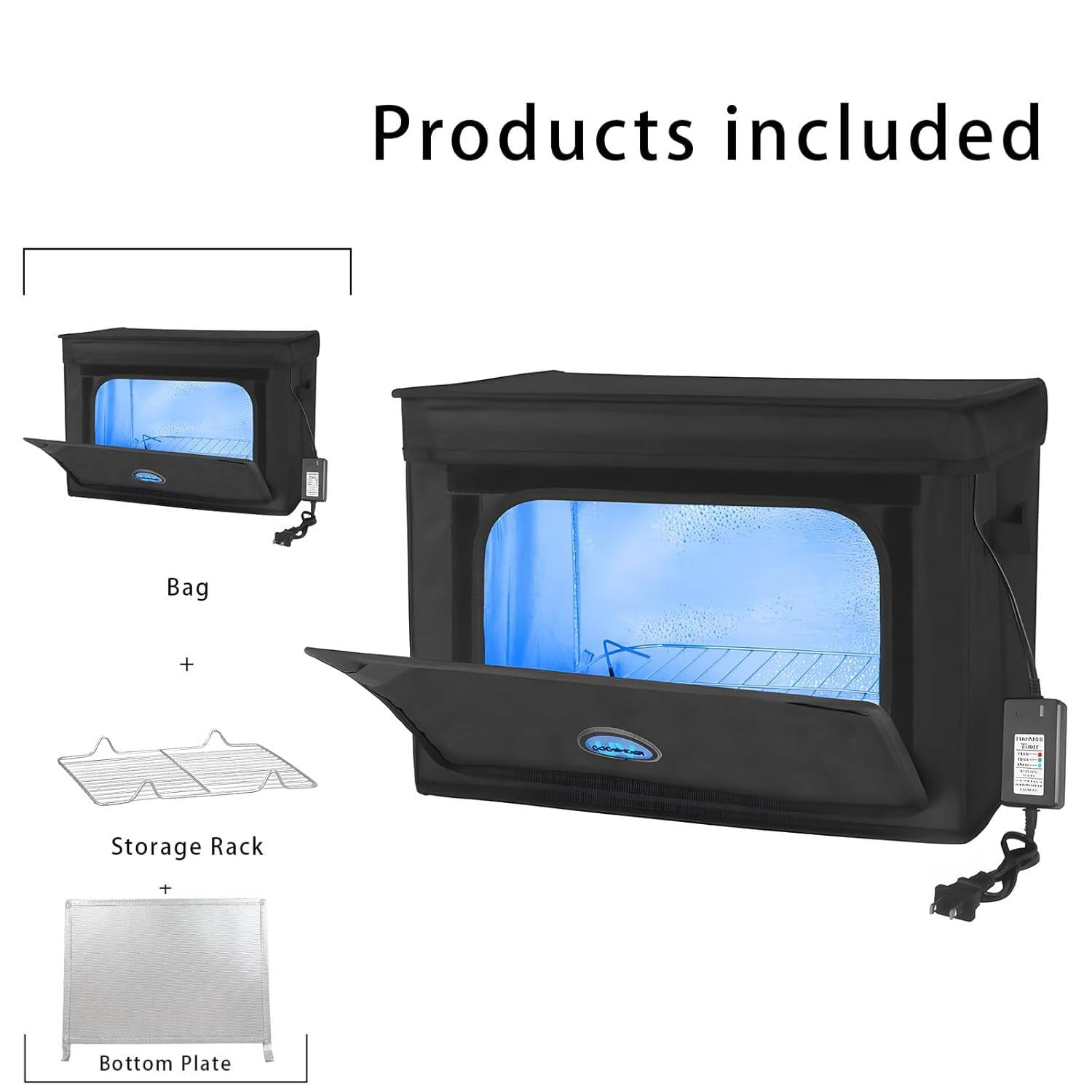
UV sanitation boxes can:
-
Reduce surface bacteria on packaging
-
Sanitize applicators before reuse
-
Extend hygienic use periods
4.2 Supporting Minimal-Preservative Formulas
As consumers demand “clean beauty” with fewer preservatives, hygiene becomes critical. UV sanitation supports:
-
Lower-preservative skincare routines
-
Safer reuse of tools and containers
-
Reduced risk of formula contamination
5. Acne Management: Indirect but Meaningful Support
UV lamps are not acne treatment devices, but they can play a supporting role.
5.1 Acne Isn’t Just a Skin Issue
Acne is influenced by:
-
Bacteria
-
Oil buildup
-
Tool contamination
-
Environmental factors
UV sanitation helps address external contributors, especially those related to hygiene.
5.2 Sanitizing Items That Touch Your Face
UV lamps can be used (off-skin) to sanitize:
-
Pillowcases
-
Sleep masks
-
Makeup tools
-
Face massage tools
This reduces reinfection cycles that often sabotage acne treatments.
6. UV Light and Post-Procedure Skincare Care
After professional treatments like:
-
Microneedling
-
Chemical peels
-
Laser resurfacing
Skin is more vulnerable to infection.
6.1 Why Hygiene Matters More Than Ever
During recovery:
-
Tools must be ultra-clean
-
Product contamination risks increase
-
Breakouts can delay healing
UV sanitation supports clean recovery environments without harsh chemicals.
7. Anti-Aging Routines: Where UV Fits—and Where It Doesn’t
Let’s be clear: UV light does not reverse aging.
But it can support anti-aging routines indirectly.
7.1 Protecting the Tools That Protect Your Skin
Anti-aging skincare often includes:
-
Facial massage tools
-
Microcurrent devices
-
Rollers and sculpting tools
Keeping these sanitized:
-
Prevents inflammation
-
Reduces micro-irritation
-
Supports skin barrier health
Healthy skin ages better.
8. UV Lamps in Professional Skincare Environments
UV technology has long been used in professional settings.
8.1 Dermatology and Medical Aesthetics
Clinics use UV-C for:
-
Room sanitation
-
Equipment sterilization
-
Infection control protocols
This history reinforces UV’s credibility—not as a miracle cure, but as a reliable hygiene tool.
8.2 Beauty Salons and Spas
Modern spas increasingly integrate UV sanitation to:
-
Meet hygiene standards
-
Reassure clients
-
Reduce chemical disinfectant use
9. Safety First: What UV Lamps Should NEVER Be Used For
This section matters.
9.1 UV Is Not Daily Skin Therapy
UV exposure:
-
Can damage skin cells
-
Accelerates photoaging
-
Increases long-term risk if misused
UV lamps should never be used for:
-
Direct facial exposure
-
“DIY tanning”
-
Skin whitening or rejuvenation
9.2 Nail Lamps Are Not Skincare Devices
Even UV-A nail lamps:
-
Are designed for short, targeted use
-
Should not be repurposed casually
Responsible use is non-negotiable.
10. Smart UV Usage in a Modern Skincare Routine
When used properly, UV lamps fit best in the background of skincare—not the spotlight.
10.1 Best Use Scenarios
-
Sanitizing tools weekly
-
Disinfecting beauty accessories
-
Supporting acne-prone routines
-
Maintaining hygiene for sensitive skin
10.2 What UV Complements (Not Replaces)
UV complements:
-
Cleansing
-
Proper storage
-
Regular washing
-
Skin treatments prescribed by professionals
It does not replace them.
11. Sustainability Benefits of UV Hygiene
UV sanitation:
-
Reduces disposable wipes
-
Cuts chemical disinfectant use
-
Extends tool lifespan
-
Saves water
For eco-conscious beauty routines, this is a quiet win.
12. Choosing a UV Device for Beauty Use
Not all UV devices are suitable for skincare-related hygiene.
12.1 Look for These Features
-
Enclosed design
-
Auto shut-off
-
Clear wavelength labeling
-
Safety certifications
-
Intended non-skin use
Avoid vague marketing claims.
13. Myths That Need to Disappear
Myth 1: UV light heals skin
Reality: It supports hygiene, not healing.
Myth 2: More exposure = better results
Reality: Overexposure increases risk, not benefit.
Myth 3: All UV devices are the same
Reality: Wavelength, intensity, and design matter.
14. Why UV Lamps Are the “Invisible Helper” of Skincare
UV lamps don’t:
-
Feel luxurious
-
Show instant results
-
Replace active ingredients
What they do is quietly protect everything else in your routine.
They:
-
Guard against contamination
-
Reduce unnecessary irritation
-
Support consistent skincare results
That’s why they’re invisible—but powerful.
15. The Future: UV + Smart Beauty Systems
Looking ahead, we’re seeing:
-
Smart UV sanitation drawers
-
Integrated beauty stations
-
Automated hygiene reminders
-
UV systems paired with air filtration
Skincare is becoming smarter—and cleaner.
Conclusion: UV Lamps Deserve a Second Look
UV lamps will probably always be associated with nail salons—but their role in beauty goes far deeper.
Used responsibly, UV technology:
-
Protects skincare tools
-
Supports acne-prone routines
-
Enhances hygiene without chemicals
-
Complements modern, minimalist beauty philosophies
They don’t replace serums or treatments.
They protect the ecosystem your skin depends on.
Sometimes, the most powerful skincare tools are the ones working quietly in the background.