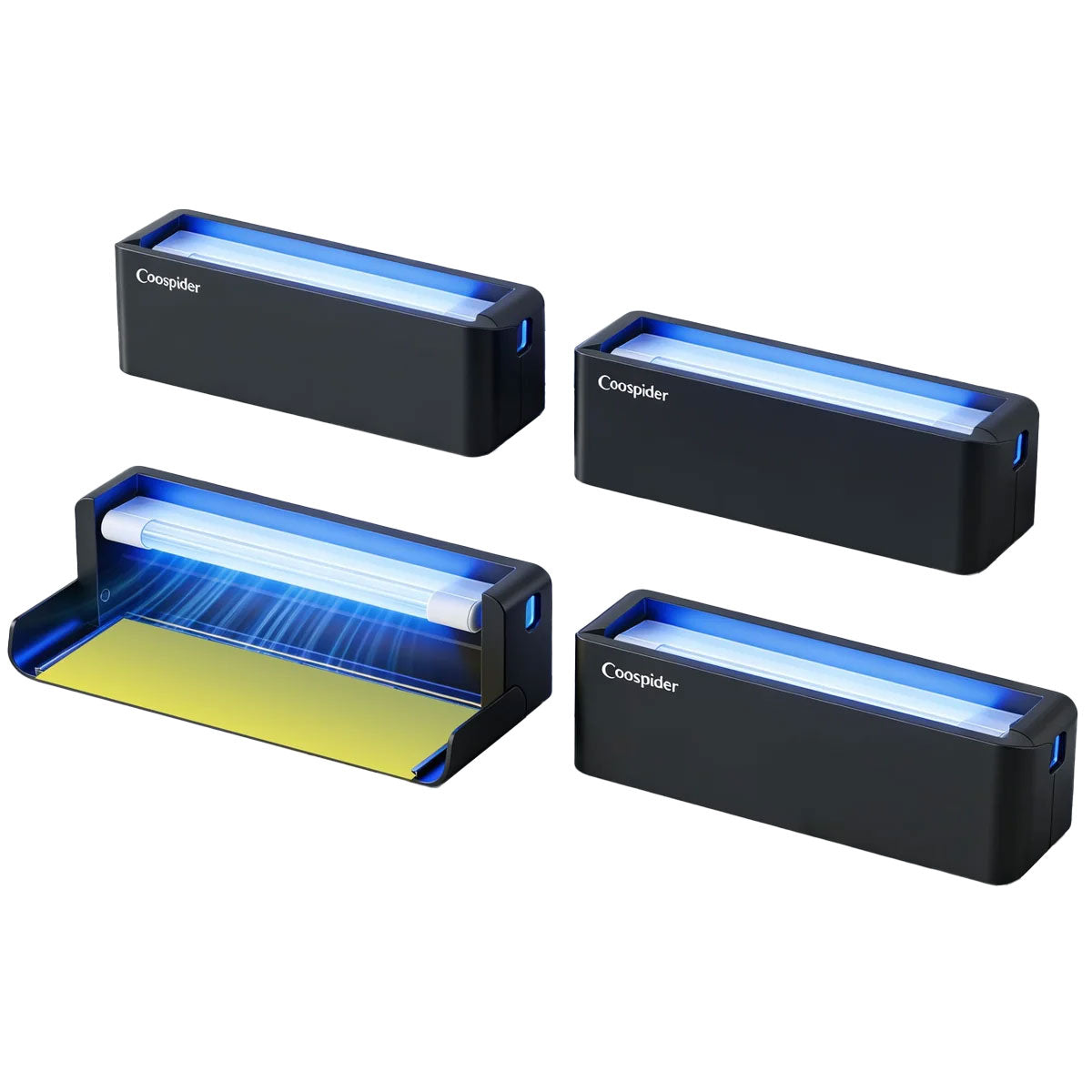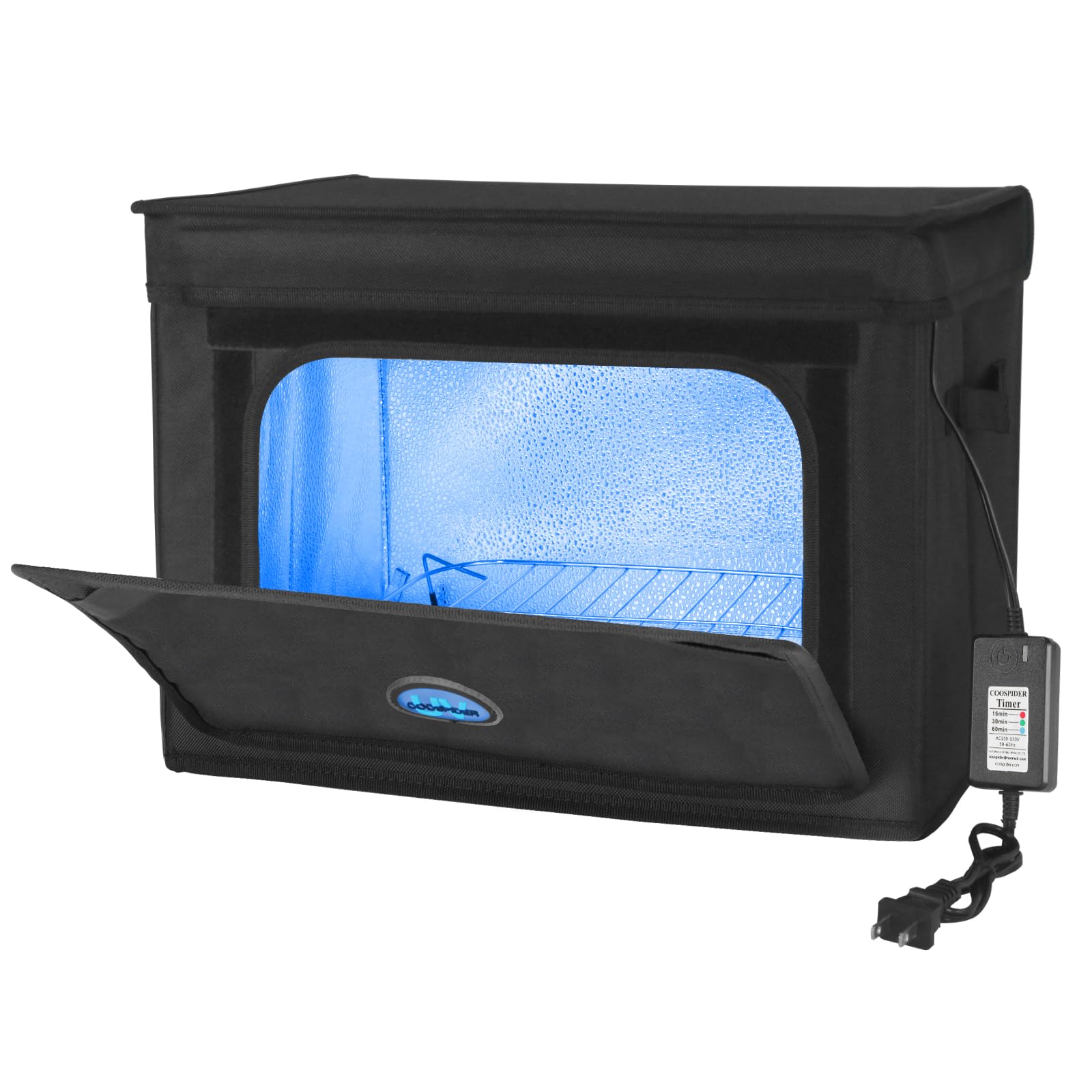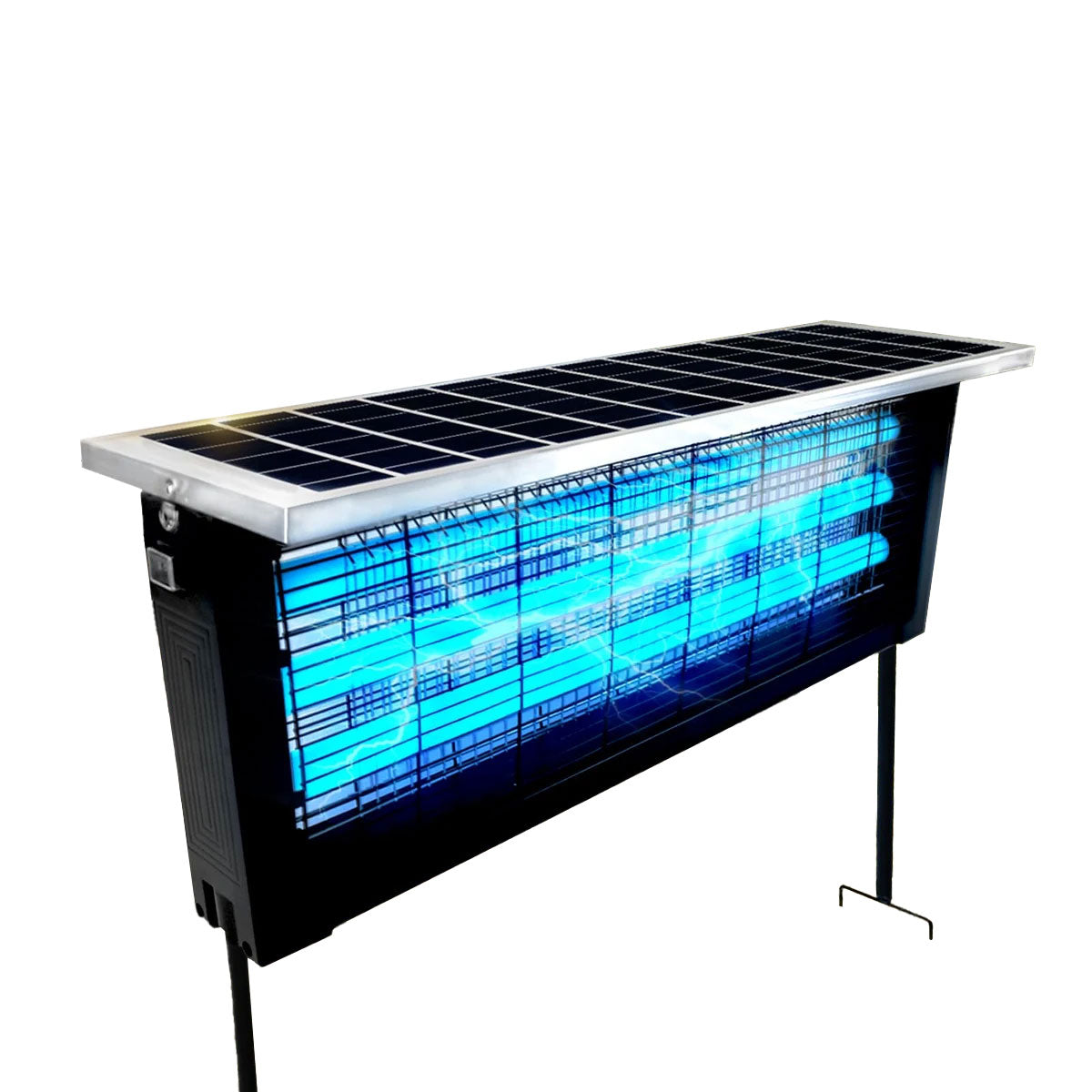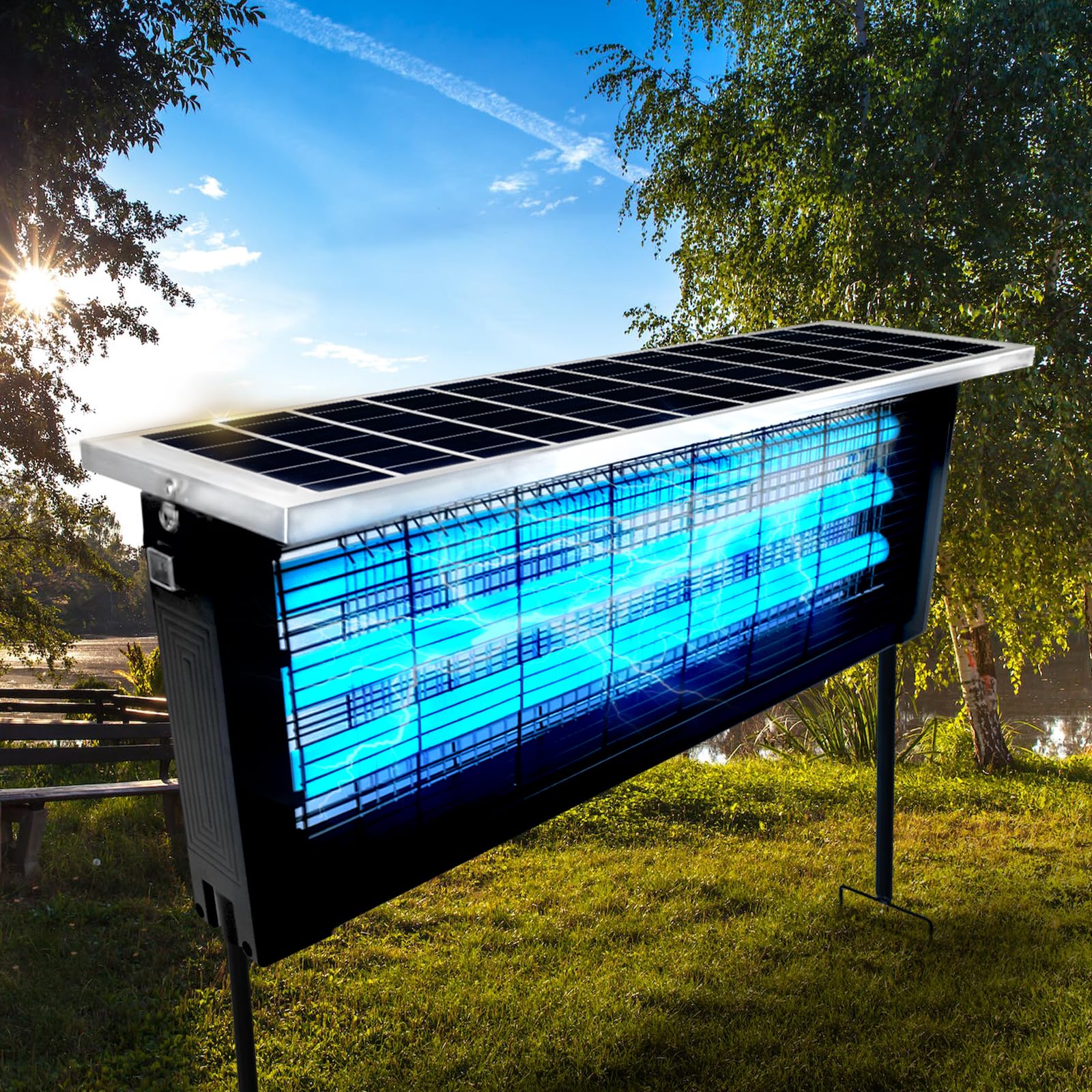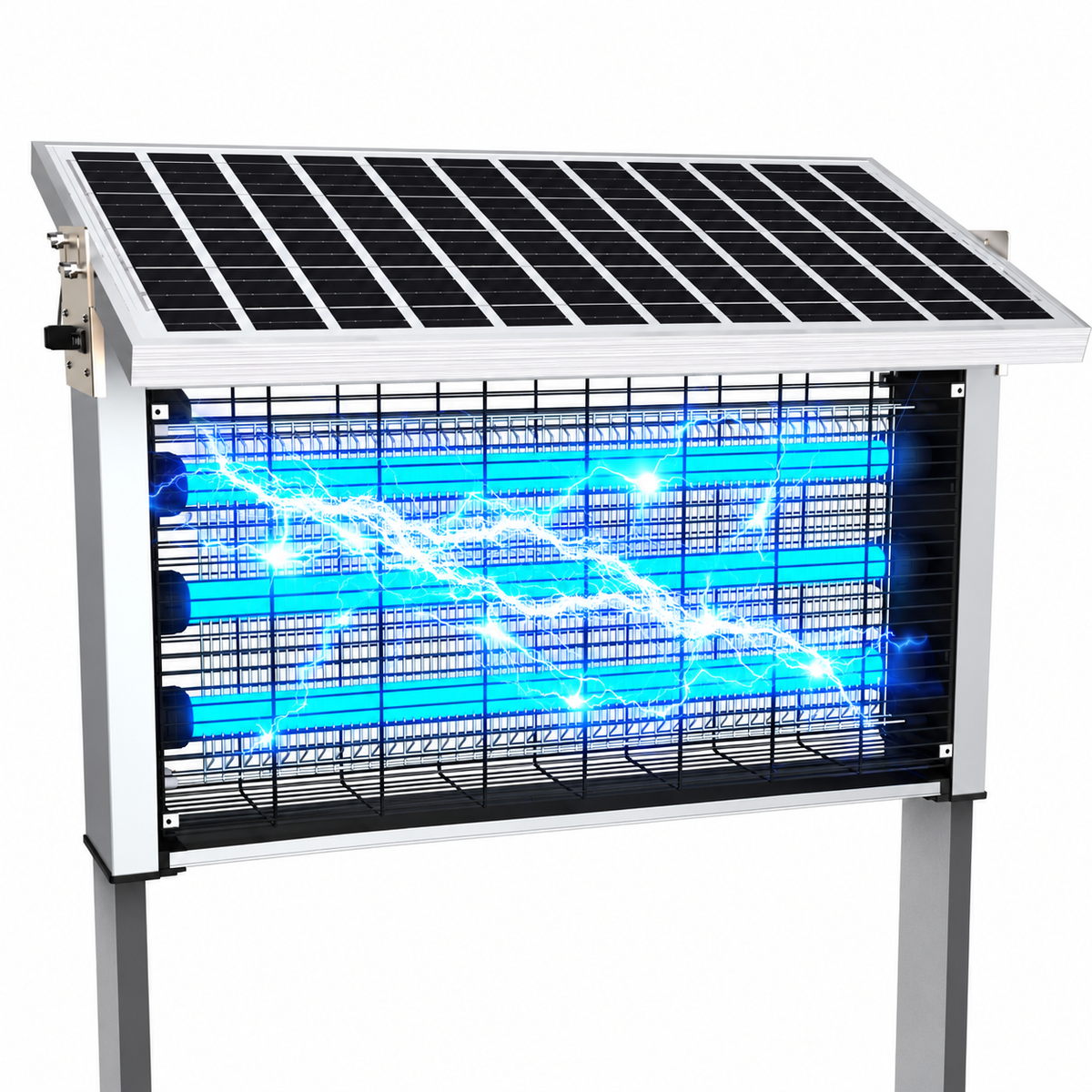
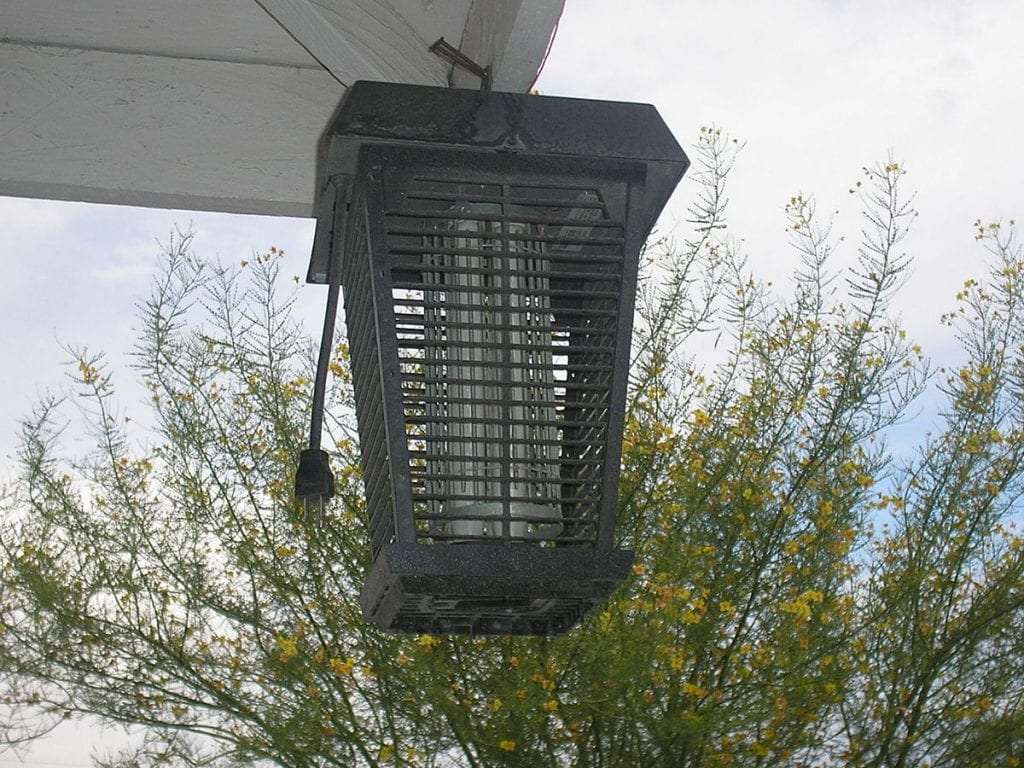
Bug zappers and mosquito killer lamps have become essential tools for modern homes, patios, balconies, and outdoor living spaces. They promise quiet nights, fewer bites, and chemical-free insect control. Yet many users experience a frustrating problem after months of use: the device suddenly becomes weaker, starts making strange noises, smells burnt, or stops working entirely.
In many cases, the culprit isn’t electrical failure or poor manufacturing — it’s accumulated mosquito remains.
Yes, the very insects your device eliminates can slowly destroy it if deep cleaning is ignored.
This in-depth guide explains how mosquito corpses affect performance, why buildup can literally “burn” a bug zapper from the inside, and how proper deep cleaning dramatically extends lifespan, safety, and efficiency.
The Hidden Reality Inside Every Bug Zapper
Most people only see the outside of their mosquito lamp: a glowing light, a fan pulling insects inward, or a grid that zaps bugs instantly.
Inside, however, a completely different story unfolds.
Every captured mosquito leaves behind:
- Body fragments
- Wings and legs
- Dust-like insect powder
- Moist organic residue
- Oils and proteins
- Carbonized debris after electrical discharge
Over time, thousands of insects accumulate in places users rarely inspect.
Without cleaning, this buildup becomes a serious mechanical and electrical hazard.
How Mosquito Corpses Damage a Bug Zapper
Understanding the damage process helps explain why deep cleaning is essential rather than optional.
1. Electrical Carbon Buildup
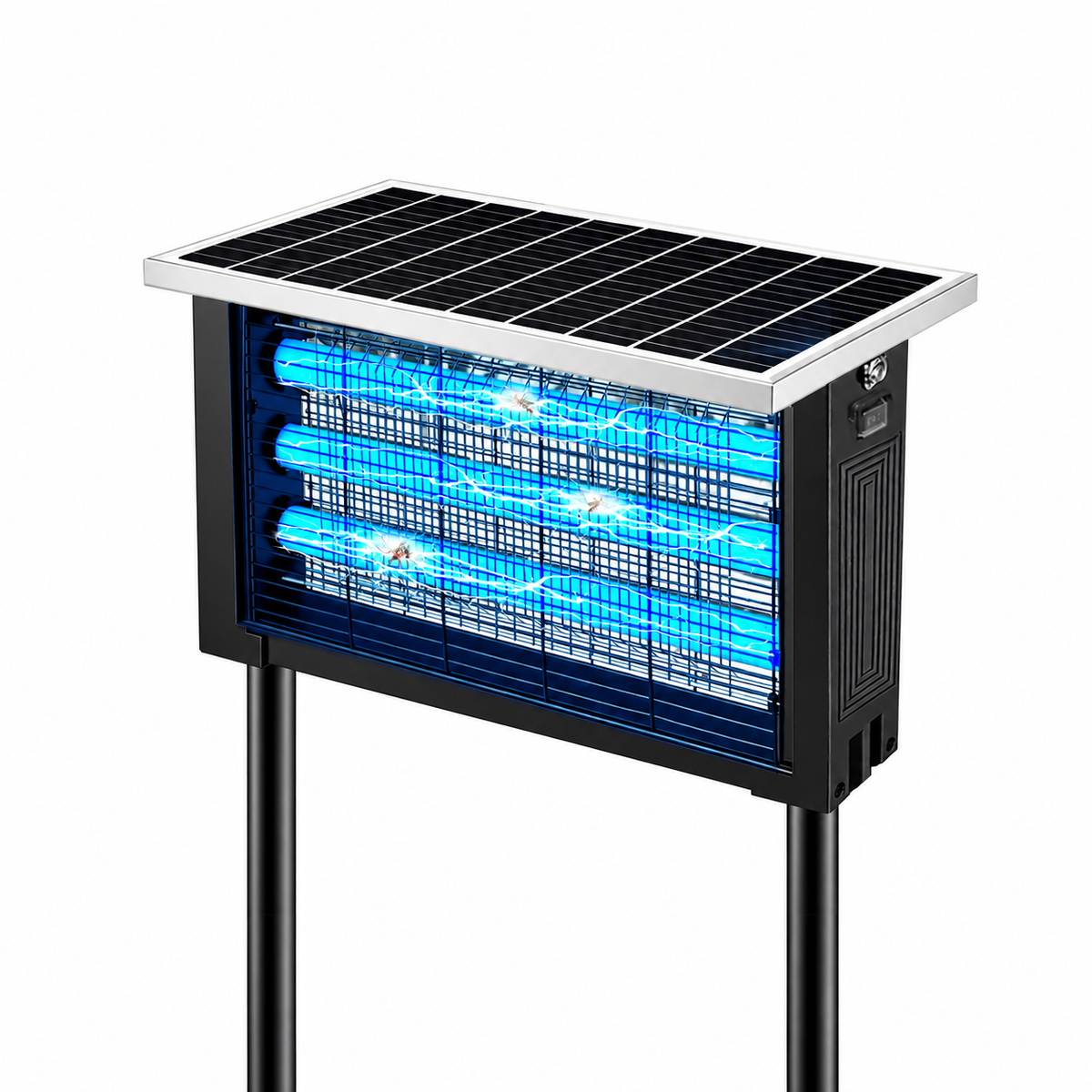
In electric grid zappers, insects are electrocuted between high-voltage wires. Each zap burns organic material, producing carbon residue.
Carbon is conductive.
As residue accumulates:
- Electricity travels along unintended paths.
- Sparks weaken.
- Voltage efficiency drops.
- Continuous micro-arcing occurs.
Eventually, electrical leakage causes overheating or permanent failure.
2. Airflow Blockage in Fan-Based Mosquito Lamps
Fan suction models rely on consistent airflow.
Mosquito remains clog:
- Intake vents
- Fan blades
- Collection chambers
- Air channels
Reduced airflow leads to:
- Motor strain
- Increased heat
- Loud operation
- Reduced trapping efficiency
A clogged device works harder while catching fewer insects.
3. Heat Retention and Internal “Burning”
Organic debris acts like insulation.
Instead of heat dissipating, it becomes trapped around:
- Motors
- Power boards
- LEDs
- Transformers
Heat buildup accelerates component aging and may create the burnt smell many users notice before failure.
4. Moisture + Organic Matter = Corrosion
Mosquito bodies contain moisture and salts.
Combined with humidity, this creates corrosive conditions that damage:
- Metal grids
- Wiring contacts
- Screws and connectors
Corrosion quietly reduces electrical reliability.
5. Odor and Bacteria Growth
Accumulated insect debris becomes a breeding ground for microorganisms, especially in warm climates.
Results include:
- Musty smells
- Reduced indoor air quality
- Attraction of other pests
Ironically, a dirty mosquito lamp can begin attracting unwanted insects.
Signs Your Bug Zapper Needs Deep Cleaning
Many users mistake these symptoms for product defects.
Watch for:
- Fewer mosquitoes captured than before
- Weak or inconsistent zapping sounds
- Fan becoming louder
- Reduced suction strength
- Burning or smoky smell
- Device feels hotter than usual
- Light still works but effectiveness drops
- Random shutdowns
If your device shows two or more of these signs, internal buildup is likely severe.
Why Surface Cleaning Is Not Enough
Most owners occasionally empty the collection tray. While helpful, this only removes visible debris.
The real problem hides deeper:
- Between electric grids
- Behind protective meshes
- Inside fan housings
- Around motor shafts
- On internal circuit surfaces
Deep cleaning targets areas unreachable during routine maintenance.
How Often Should You Deep Clean?
Cleaning frequency depends on usage and environment.
Recommended Schedule
| Environment | Deep Cleaning Frequency |
|---|---|
| Indoor bedroom use | Every 2–3 months |
| Balcony or patio | Monthly |
| Backyard heavy mosquito zones | Every 2–4 weeks |
| Tropical or humid climates | Every 2 weeks |
Peak mosquito seasons require more frequent maintenance.
Safety First: Preparing for Deep Cleaning
Before opening any device:
- Unplug completely.
- Wait at least 30 minutes.
- Ensure device is cool.
- Work in a dry, well-lit area.
High-voltage capacitors inside some zappers retain charge briefly after unplugging.
Never rush this step.
Tools You’ll Need
A proper cleaning setup prevents accidental damage.
Basic Kit
- Soft brush or paintbrush
- Microfiber cloth
- Cotton swabs
- Small screwdriver
- Compressed air can
- Vacuum with brush attachment
Deep Cleaning Supplies
- Isopropyl alcohol (70%)
- Wooden toothpicks
- Tweezers
- Protective gloves
- Mask (recommended)
Avoid water soaking unless manufacturer explicitly allows it.
Step-by-Step Deep Cleaning Process
Step 1: Disassemble Carefully
Remove:
- Outer protective cage
- Collection tray
- Fan cover (if accessible)
Take photos during disassembly for easy reassembly.
Step 2: Remove Large Debris
Use tweezers or a soft brush to remove visible insect remains.
Do not scrape metal grids aggressively.
Gentle movements protect delicate wiring.
Step 3: Clean Electric Grids
For grid-style zappers:
- Use dry brush first.
- Follow with compressed air bursts.
- Lightly wipe using alcohol-dampened cotton swab.
Never bend grid wires — spacing affects voltage performance.
Step 4: Clean Fan Blades and Motor Area
Fan imbalance causes noise and overheating.
Clean blades evenly:
- Brush dust away.
- Use cotton swabs for edges.
- Remove sticky residue carefully.
Avoid letting liquid drip into motor housing.
Step 5: Clear Airflow Channels
Dust and insect powder accumulate in vents.
Use:
- Compressed air
- Vacuum brush attachment
Improved airflow restores performance instantly.
Step 6: Sanitize Collection Chamber
Wash removable trays with warm soapy water.
Dry completely before reinstalling.
Moisture inside electronics can cause short circuits.
Step 7: Inspect for Damage
Look for:
- Burn marks
- Loose wires
- Corrosion
- Melted plastic
Early detection prevents unexpected failure.
Step 8: Reassemble and Test
Reassemble slowly.
Plug in and observe:
- Smooth fan rotation
- Normal zapping sounds
- No unusual smell
Performance improvement is usually immediate.
Why Deep Cleaning Extends Device Lifespan
A clean mosquito lamp experiences:
- Lower operating temperature
- Stable electrical discharge
- Reduced motor load
- Improved airflow efficiency
Electronics last longer when heat and resistance decrease.
Regular cleaning can double or even triple usable lifespan.
The Science Behind Performance Recovery
Bug zappers depend on precise electrical and airflow conditions.
When debris accumulates:
- Electrical resistance increases.
- Voltage efficiency drops.
- Heat rises exponentially.
Cleaning restores optimal energy transfer — similar to cleaning dust from a computer cooling system.
Common Cleaning Mistakes to Avoid
Using Water Spray Inside Electronics
Causes short circuits and corrosion.
Metal Tools on Electric Grids
Can deform spacing permanently.
Cleaning While Plugged In
Extremely dangerous.
Overusing Chemical Cleaners
Residue may become conductive when dry.
Ignoring Fan Balance
Uneven cleaning causes vibration.
Preventative Maintenance Tips
Deep cleaning works best when paired with routine care.
Weekly Maintenance
- Empty collection tray.
- Wipe exterior vents.
- Check airflow openings.
Monthly Quick Clean
- Brush intake areas.
- Blow compressed air through vents.
These small habits prevent heavy buildup.
Indoor vs Outdoor Cleaning Challenges
Indoor Devices
Mostly dust and small insects — easier maintenance.
Outdoor Devices
Face:
- Pollen
- Larger insects
- Moisture
- Dirt particles
Outdoor units require more frequent deep cleaning.
Why Some Bug Zappers “Die” Prematurely
Many devices labeled defective actually suffer from neglect.
Manufacturers design units assuming periodic cleaning.
Without maintenance:
- Motors overheat.
- Circuits degrade.
- Electrical efficiency collapses.
Failure becomes inevitable, not accidental.
The Cost Benefit of Cleaning
Replacing bug zappers yearly costs far more than maintaining one properly.
Deep cleaning requires:
- Minimal tools
- 20–40 minutes
- No replacement parts
Yet it restores near-original performance.
Seasonal Deep Cleaning Strategy
Before Mosquito Season
Perform full cleaning to maximize attraction efficiency.
Mid-Season
Remove peak buildup.
After Season Ends
Clean thoroughly before storage to prevent corrosion.
Storage without cleaning accelerates damage.
Storage After Cleaning
When mosquito season ends:
- Store in dry location.
- Cover vents to prevent dust entry.
- Avoid extreme temperatures.
Proper storage preserves internal components.
Environmental Benefits of Maintenance
Extending device lifespan reduces:
- Electronic waste
- Resource consumption
- Replacement manufacturing impact
Maintenance supports sustainable household habits.
Professional-Level Cleaning Tricks
Advanced users sometimes:
- Use soft artist brushes for grid cleaning.
- Rotate fan manually during brushing.
- Clean under bright directional light to reveal hidden debris.
Attention to detail produces dramatically better results.
How Clean Devices Catch More Mosquitoes
A clean zapper restores:
- Optimal UV light visibility
- Maximum airflow suction
- Correct electrical discharge intensity
Mosquito attraction increases significantly once performance returns.
Psychological Effect: Why People Think Cleaning Didn’t Matter
Performance decline happens gradually, making users adapt to lower efficiency.
After deep cleaning, many are surprised by:
- Louder but healthier zaps
- Stronger airflow
- Increased insect capture overnight
The difference often feels like using a brand-new device.
Quick Deep Cleaning Checklist
Before finishing, confirm:
- Grids free of debris
- Fan spins freely
- Vents unobstructed
- Tray sanitized
- No moisture remaining
A five-point check ensures safe operation.
Final Thoughts: The Insects That Win Without Maintenance
Bug zappers are designed to eliminate mosquitoes — but without cleaning, the insects ultimately win by slowly disabling the device from within.
What appears to be electrical burnout is often simply years of accumulated biological debris interfering with airflow, heat management, and electrical discharge.
Deep cleaning transforms maintenance from a chore into protection for your investment. A well-maintained mosquito lamp works quieter, lasts longer, captures more insects, and operates safely throughout the season.
Think of deep cleaning not as repair, but as restoration — removing the invisible layer of mosquito remains that silently steals performance day after day.
With regular attention and proper technique, your bug zapper can remain powerful, efficient, and reliable for many seasons to come.