In homes, offices, schools, hospitals, and commercial spaces, water safety has become a growing concern. Aging infrastructure, secondary contamination, microbial growth inside water systems, and increased awareness of health risks have all pushed consumers to look beyond traditional filtration.
While filters remove particles and improve taste, they don’t always address one critical threat: microorganisms.
This is where UV disinfection technology has emerged as a powerful upgrade for modern water purifiers and water dispensers. Quiet, chemical-free, and highly effective, UV systems are redefining what “safe drinking water” really means.
In this article, we’ll break down how UV disinfection works, why it’s used in advanced purification systems, and what advantages it offers over conventional methods.
1. Why Drinking Water Safety Needs an Upgrade
1.1 The Hidden Risks in “Clear” Water
Water that looks clean is not necessarily safe.
Many harmful microorganisms are:
-
Invisible to the naked eye
-
Tasteless and odorless
-
Resistant to basic filtration
Common threats include:
-
Bacteria (such as E. coli)
-
Viruses
-
Protozoa
-
Biofilm-forming microbes inside pipes and tanks
Without proper disinfection, these organisms can survive and multiply—even in filtered water.
1.2 Aging Infrastructure and Secondary Contamination
In many regions, water is treated at municipal plants but can become contaminated again due to:
-
Old or corroded pipelines
-
Storage tanks
-
Building-level plumbing
-
Water dispensers with internal reservoirs
Point-of-use disinfection is increasingly seen as the final and most reliable safety barrier.
2. What Is UV Disinfection Technology?
2.1 Understanding UV Light
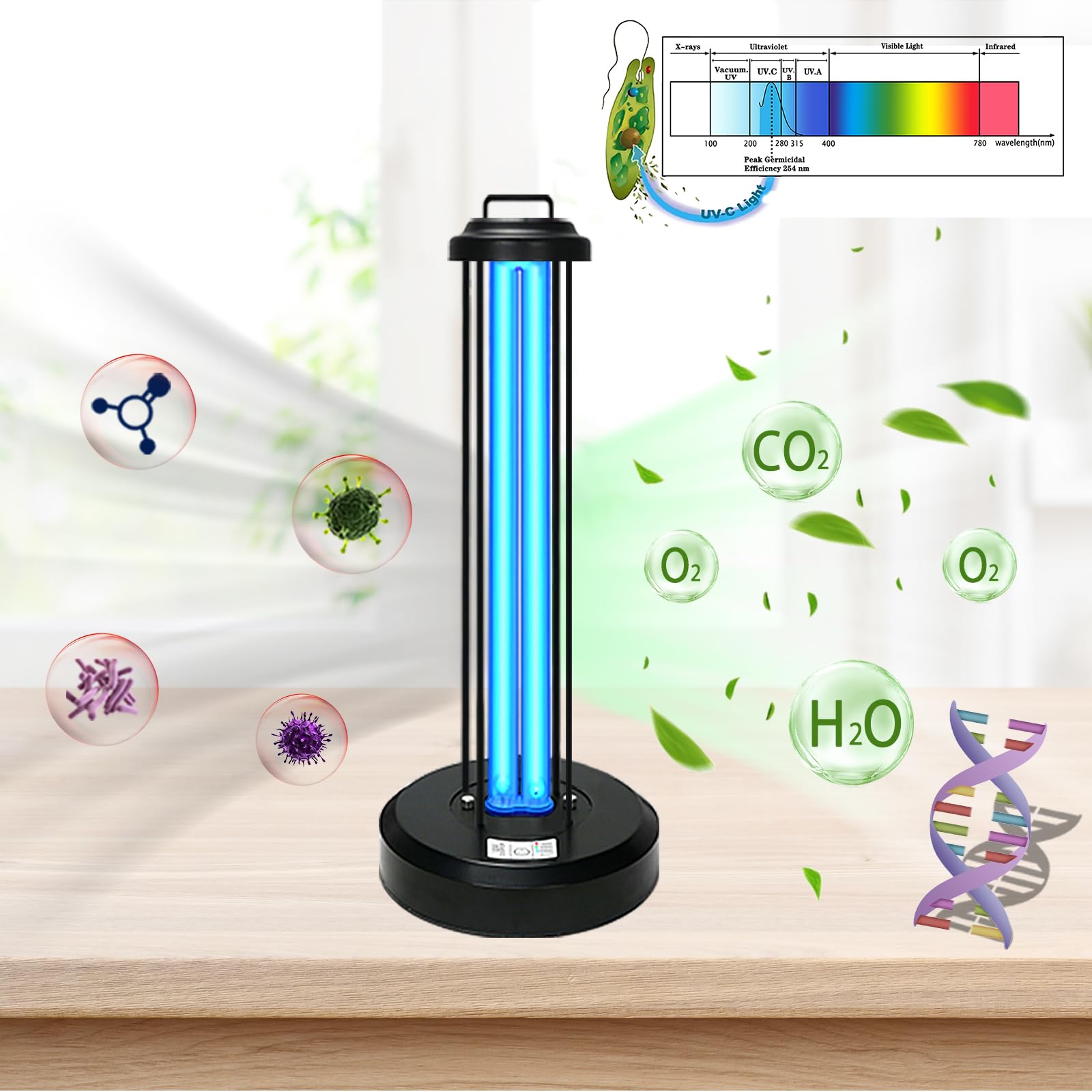
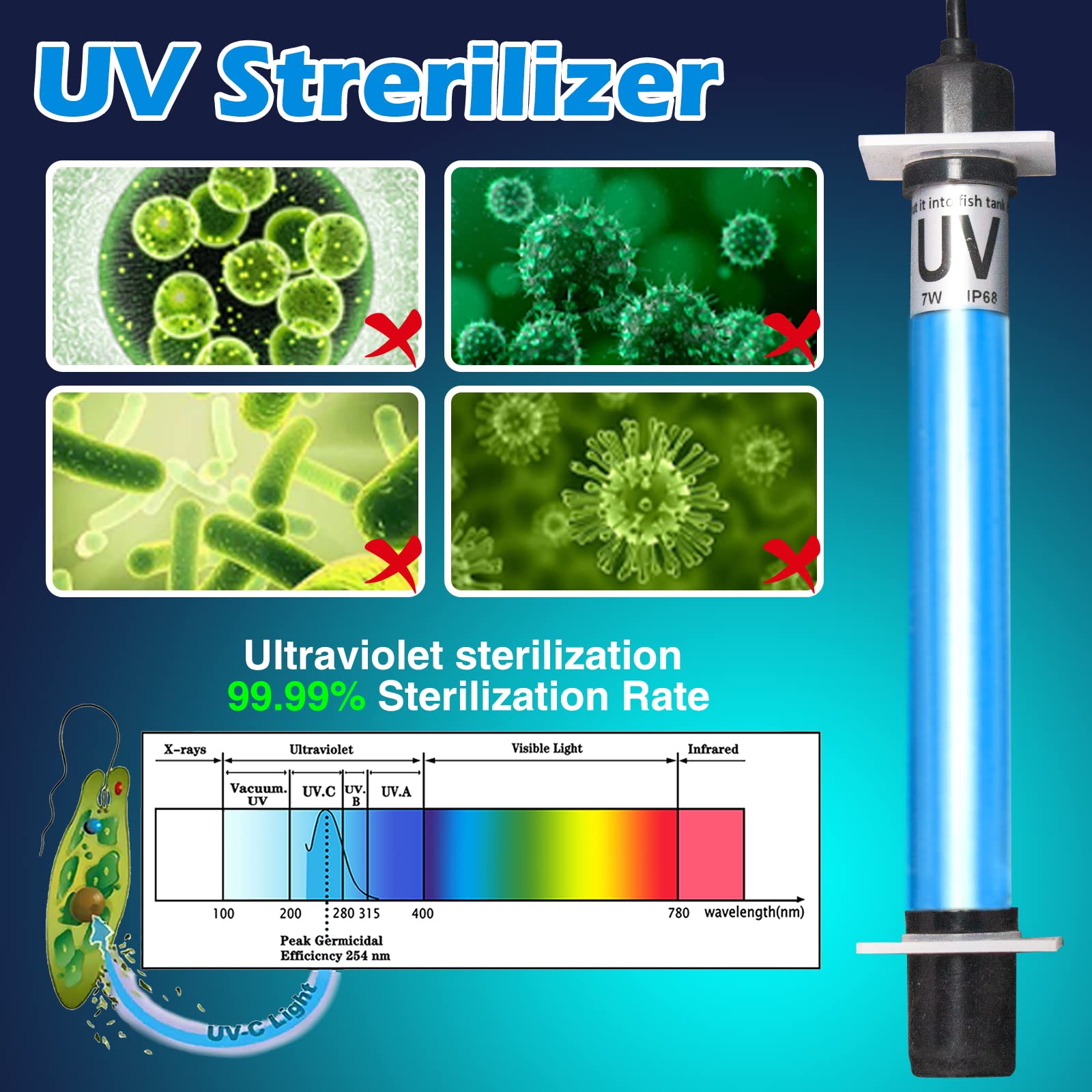
Ultraviolet (UV) light is part of the electromagnetic spectrum and is divided into:
-
UV-A
-
UV-B
-
UV-C
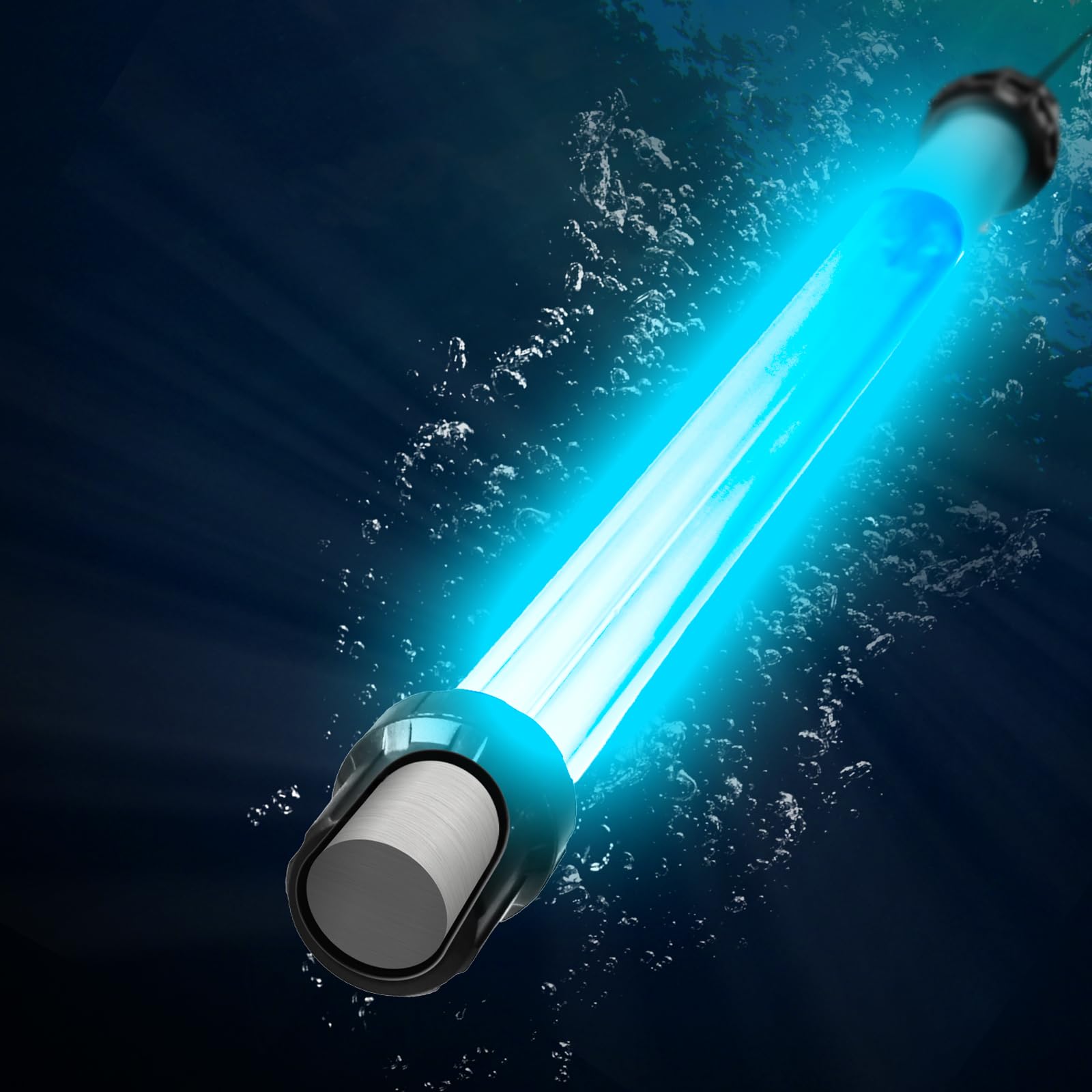
UV-C is the most effective for disinfection.
2.2 How UV-C Inactivates Microorganisms
UV-C works by:
-
Penetrating the cell walls of microorganisms
-
Damaging their DNA and RNA
-
Preventing them from reproducing
Once their genetic material is disrupted, bacteria and viruses become biologically inactive.
Importantly, UV:
-
Does not add chemicals
-
Does not alter water taste
-
Does not create harmful byproducts
3. UV Disinfection vs Traditional Water Treatment Methods
3.1 Chemical Disinfection (Chlorine, Ozone)
Chemical methods can be effective, but they:
-
May leave residual taste or odor
-
Can form disinfection byproducts
-
Are less suitable for point-of-use systems
UV provides disinfection without chemical exposure.
3.2 Filtration Alone Is Not Enough
Most household filters focus on:
-
Sediment removal
-
Chlorine reduction
-
Heavy metals
-
Odor and taste improvement
However, filters:
-
Do not reliably kill bacteria or viruses
-
Can become breeding grounds if not maintained
UV complements filtration by addressing what filters cannot.
4. The Role of UV in Modern Water Purifiers
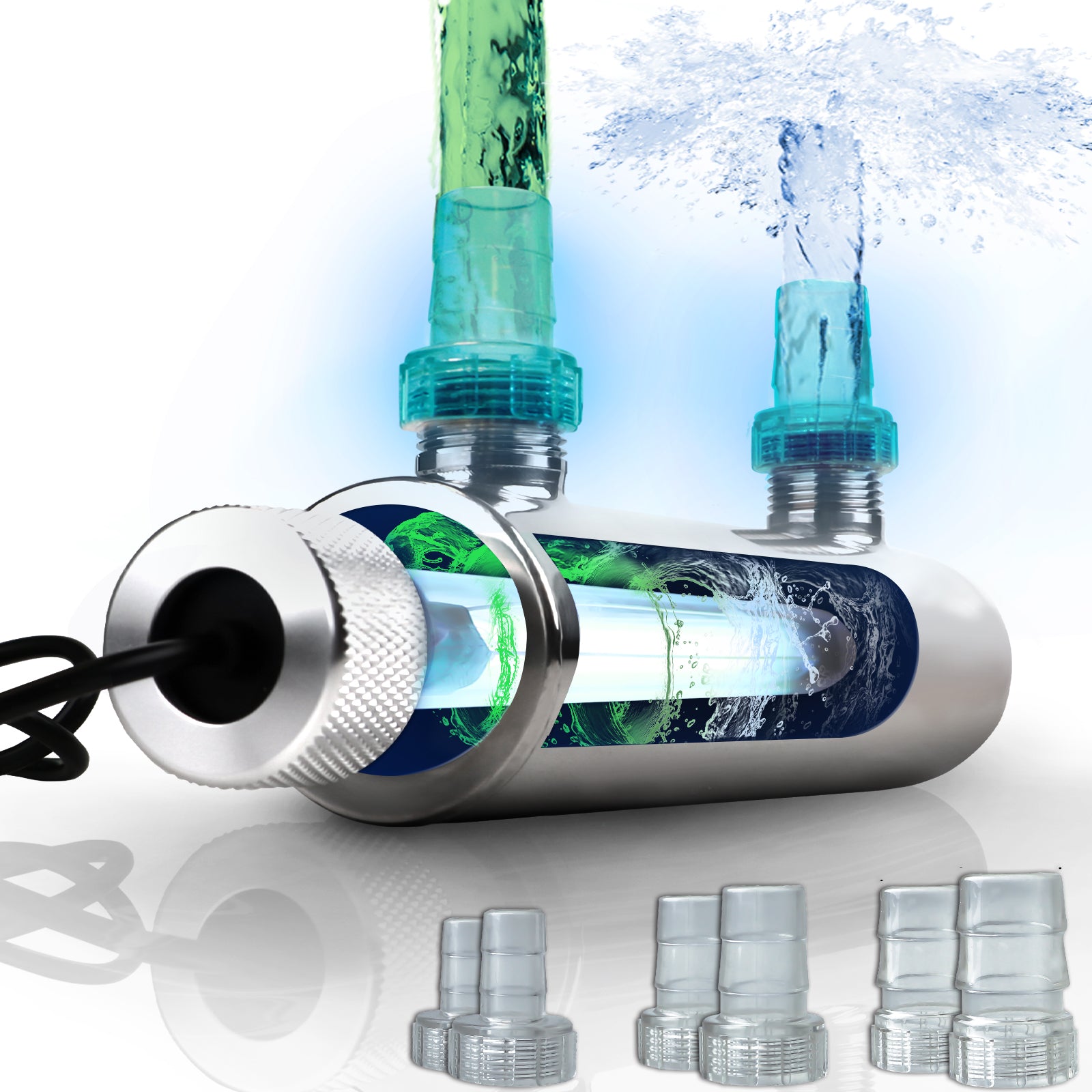
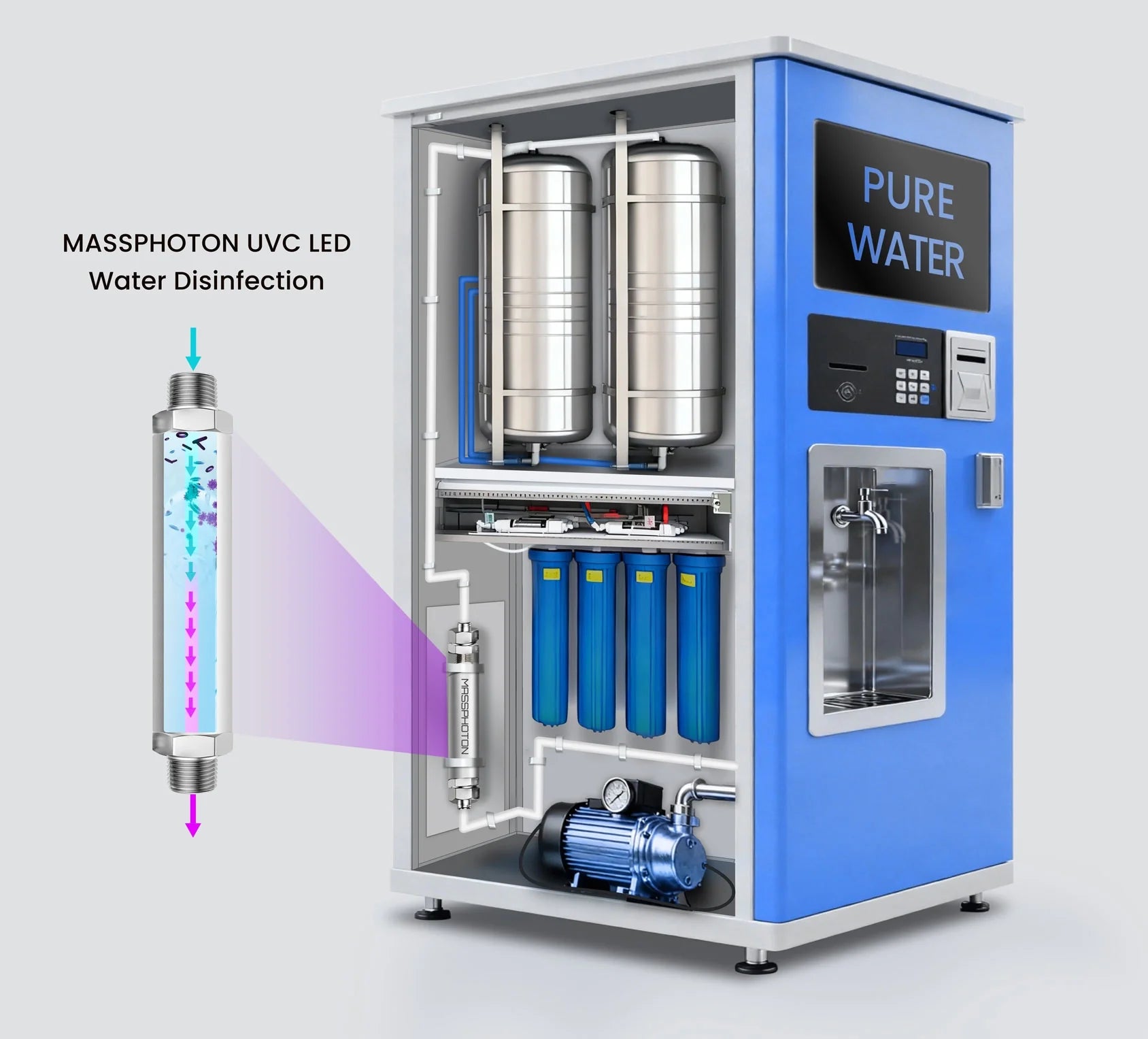
4.1 UV as the Final Safety Barrier
In advanced water purifiers, UV is typically placed:
-
After sediment and carbon filters
-
Before the dispensing outlet
This ensures:
-
Clear water for optimal UV exposure
-
Maximum microbial inactivation
4.2 Continuous, On-Demand Protection
Unlike chemical treatments, UV:
-
Works instantly
-
Treats water as it flows
-
Provides real-time protection
This is ideal for both instant hot/cold dispensers and direct-flow purification systems.
5. UV Technology in Drinking Water Dispensers
5.1 Addressing Internal Contamination Risks
Water dispensers often contain:
-
Storage tanks
-
Heating and cooling components
-
Internal tubing
These areas can harbor bacteria if not properly disinfected.
UV systems integrated into dispensers help:
-
Control microbial growth
-
Prevent secondary contamination
-
Maintain hygienic water delivery
5.2 UV for Hot, Cold, and Room-Temperature Water
While heat can kill bacteria, it:
-
Only applies to hot water
-
Does not protect cold or ambient water
UV works across all temperature ranges, providing consistent protection.
6. Effectiveness Against Common Waterborne Pathogens
UV disinfection is proven effective against:
-
E. coli
-
Salmonella
-
Giardia
-
Cryptosporidium
-
Many viruses
Some organisms resistant to chlorine are highly vulnerable to UV.
7. Advantages of UV Disinfection in Drinking Water Systems
7.1 Chemical-Free Safety
UV:
-
Leaves no residue
-
Does not affect taste or smell
-
Is safe for daily consumption
This is especially important for:
-
Children
-
Pregnant women
-
Immunocompromised individuals
7.2 Environmentally Friendly
UV systems:
-
Reduce chemical usage
-
Lower environmental discharge
-
Support sustainable water treatment practices
7.3 Low Maintenance and High Reliability
Modern UV systems are:
-
Compact
-
Energy-efficient
-
Easy to maintain
Maintenance typically involves:
-
Periodic lamp replacement
-
Quartz sleeve cleaning
8. UV vs Boiling Water: A Practical Comparison
Boiling:
-
Consumes energy
-
Requires time
-
Is impractical for daily use
UV:
-
Works instantly
-
Requires minimal energy
-
Operates automatically
For continuous water safety, UV is far more practical.
9. Addressing Common Myths About UV Water Treatment
Myth 1: “UV Makes Water Radioactive”
False.
UV light does not alter the chemical structure of water.
Myth 2: “UV Works Even in Dirty Water”
Partially false.
UV works best with clear water, which is why filtration is essential.
Myth 3: “UV Eliminates All Contaminants”
UV targets microorganisms—not heavy metals or chemicals.
It must be part of a multi-stage system.
10. Designing an Effective UV-Integrated Water Purifier
10.1 Proper System Design
An effective system includes:
-
Pre-filtration
-
Carbon filtration
-
UV disinfection
Each stage supports the next.
10.2 Flow Rate and Exposure Time
UV effectiveness depends on:
-
Correct flow rate
-
Adequate exposure time
Over-speeding water reduces disinfection performance.
11. Commercial Applications of UV Drinking Water Systems
UV is widely used in:
-
Offices
-
Schools
-
Hospitals
-
Restaurants
-
Hotels
In these environments, UV:
-
Enhances hygiene standards
-
Reduces liability risks
-
Builds consumer trust
12. UV Technology and Smart Water Systems
Modern UV systems may include:
-
Lamp life indicators
-
Automatic shut-off
-
Real-time monitoring
These features ensure continuous protection and user confidence.
13. Health Benefits of UV-Treated Drinking Water
Consistent access to microbiologically safe water:
-
Reduces gastrointestinal illness
-
Supports immune health
-
Improves overall well-being
UV helps deliver peace of mind with every sip.
14. When UV Is Especially Recommended
UV disinfection is ideal when:
-
Water quality is inconsistent
-
Storage tanks are used
-
Bottled water alternatives are undesirable
-
Long-term safety is a priority
15. Limitations and Responsible Use of UV Technology
UV does not:
-
Remove dissolved chemicals
-
Fix poor plumbing
-
Replace proper maintenance
Responsible system design is essential.
16. UV vs Bottled Water: A Sustainable Choice
UV-equipped purifiers:
-
Reduce plastic waste
-
Lower long-term costs
-
Provide on-demand safety
They represent a smarter, more sustainable solution.
17. The Future of UV in Drinking Water Safety
Emerging trends include:
-
UV LED technology
-
Smaller, more efficient units
-
Integration with smart home systems
UV continues to evolve as a core water safety technology.
Conclusion: From Filtration to True Protection
Modern drinking water safety is no longer just about clarity or taste—it’s about microbiological assurance.
UV disinfection technology offers:
-
Proven effectiveness
-
Chemical-free operation
-
Seamless integration into water purifiers and dispensers
By acting as the final line of defense, UV transforms water systems from basic filtration devices into comprehensive safety solutions.
In a world where health awareness is rising, UV isn’t a luxury upgrade—it’s a logical next step in ensuring truly safe drinking water.