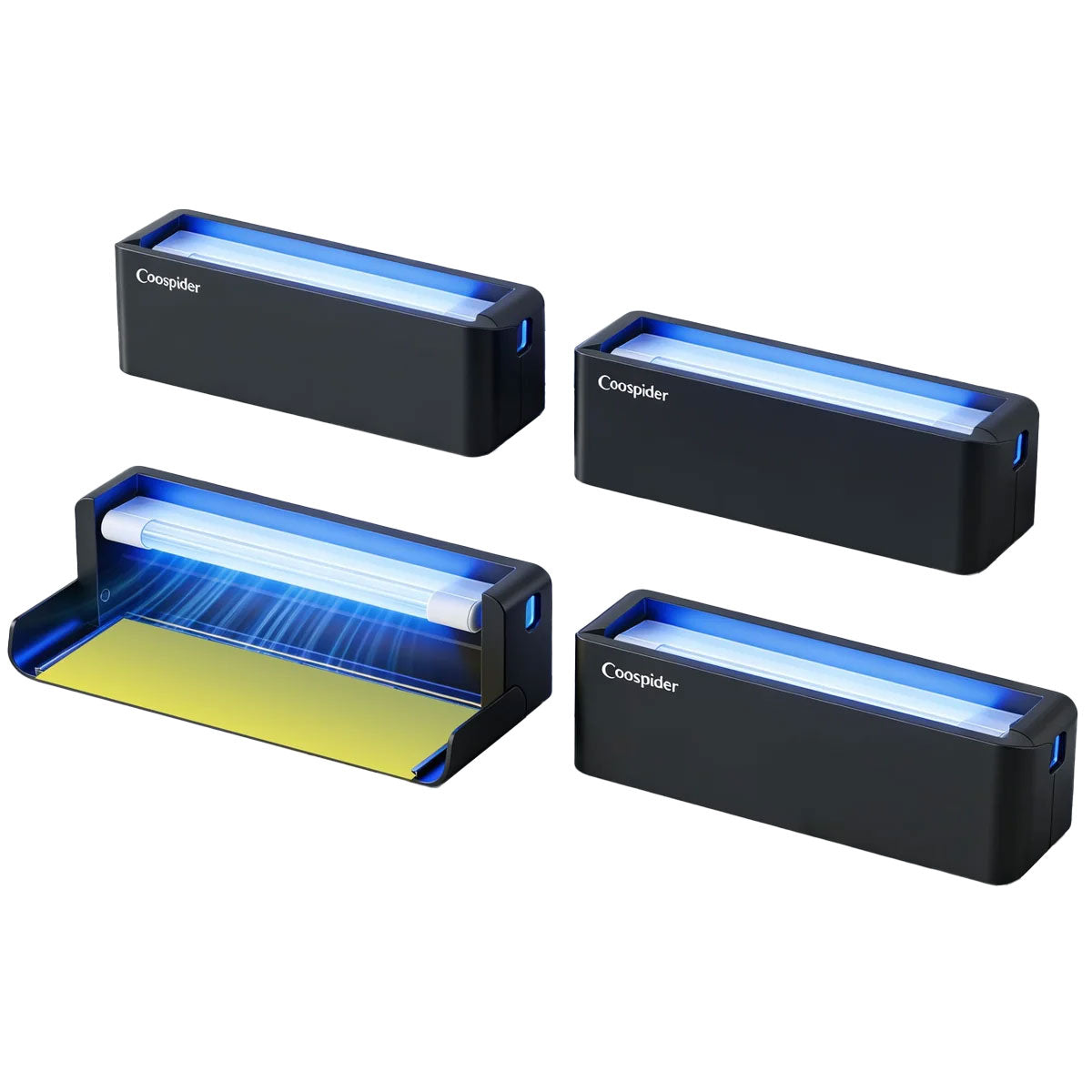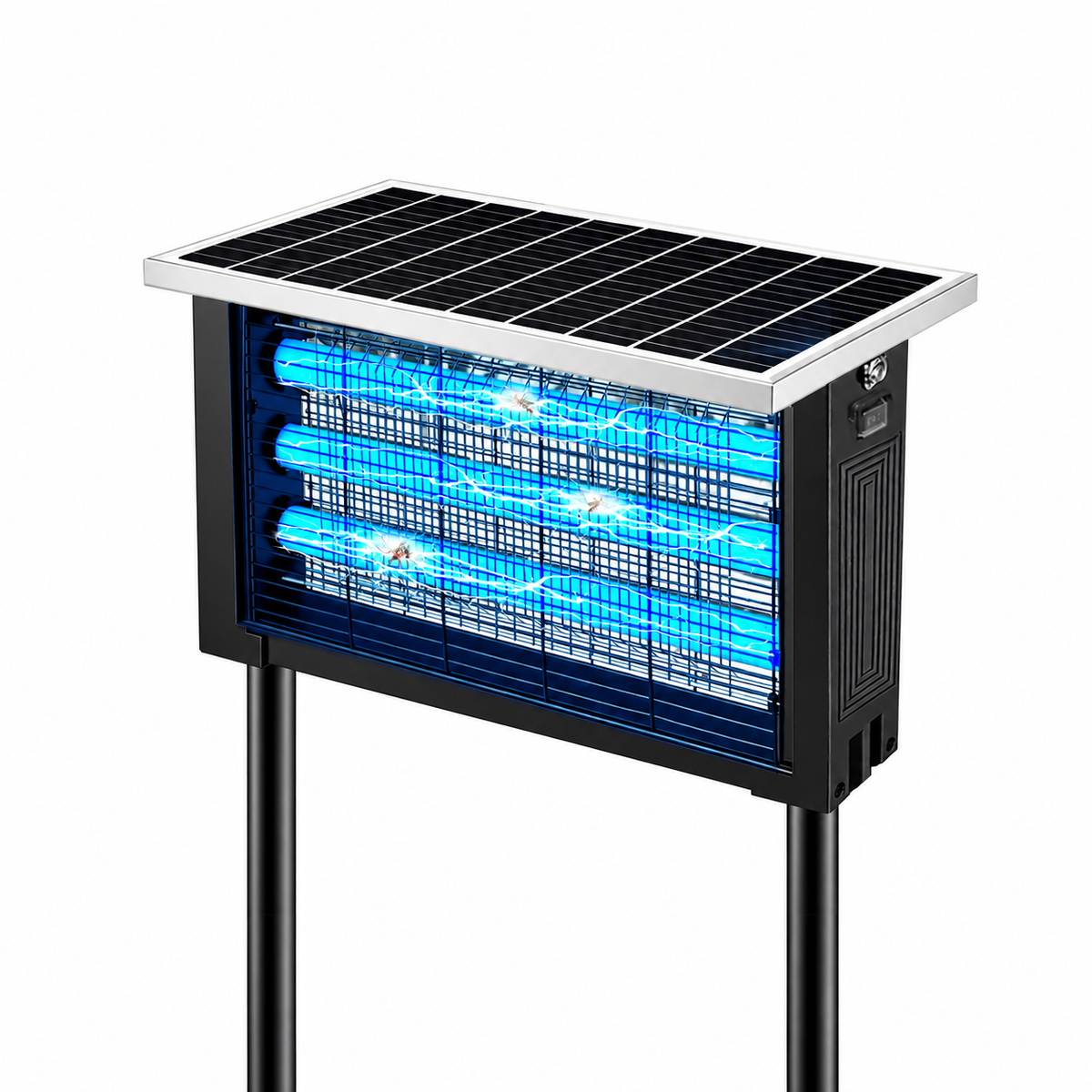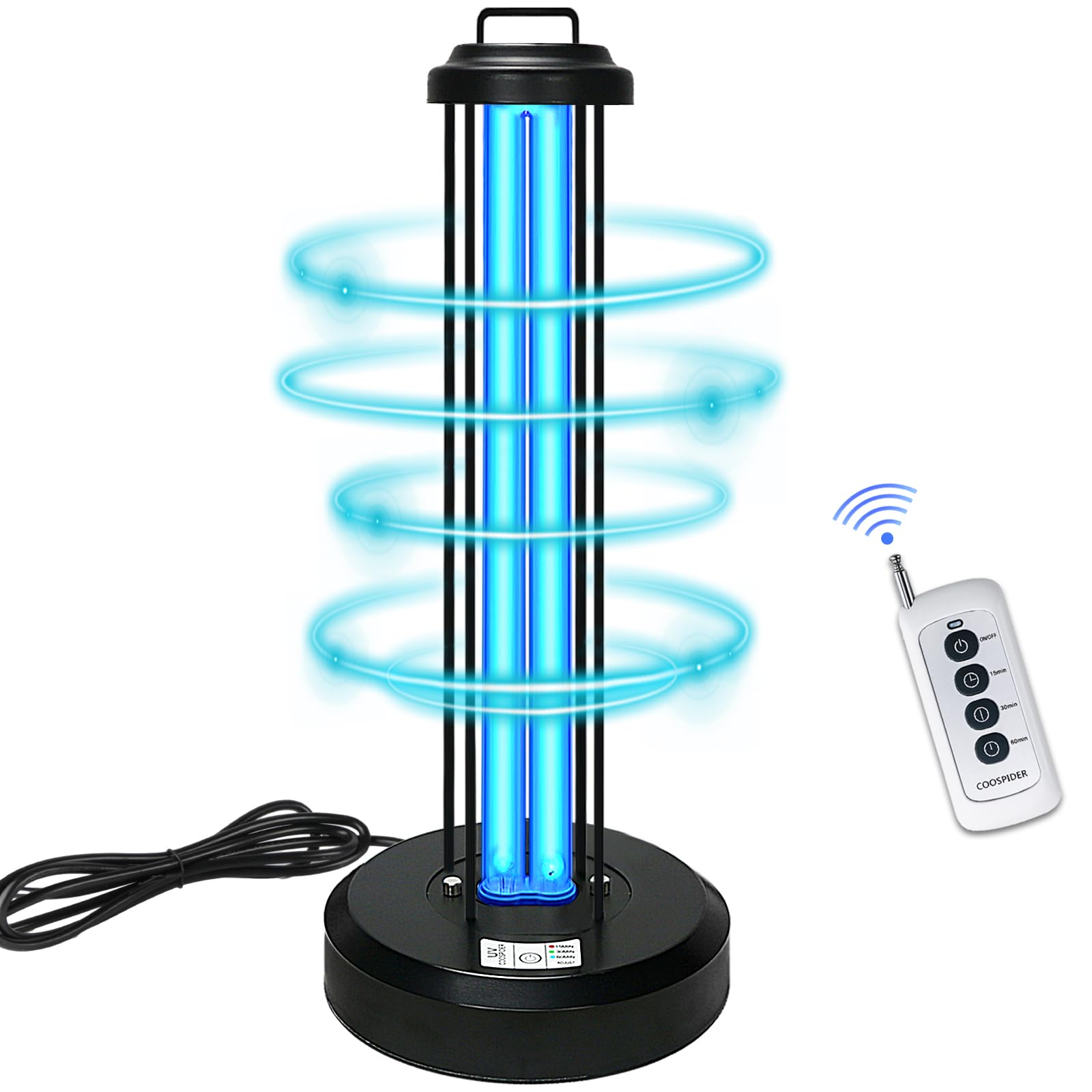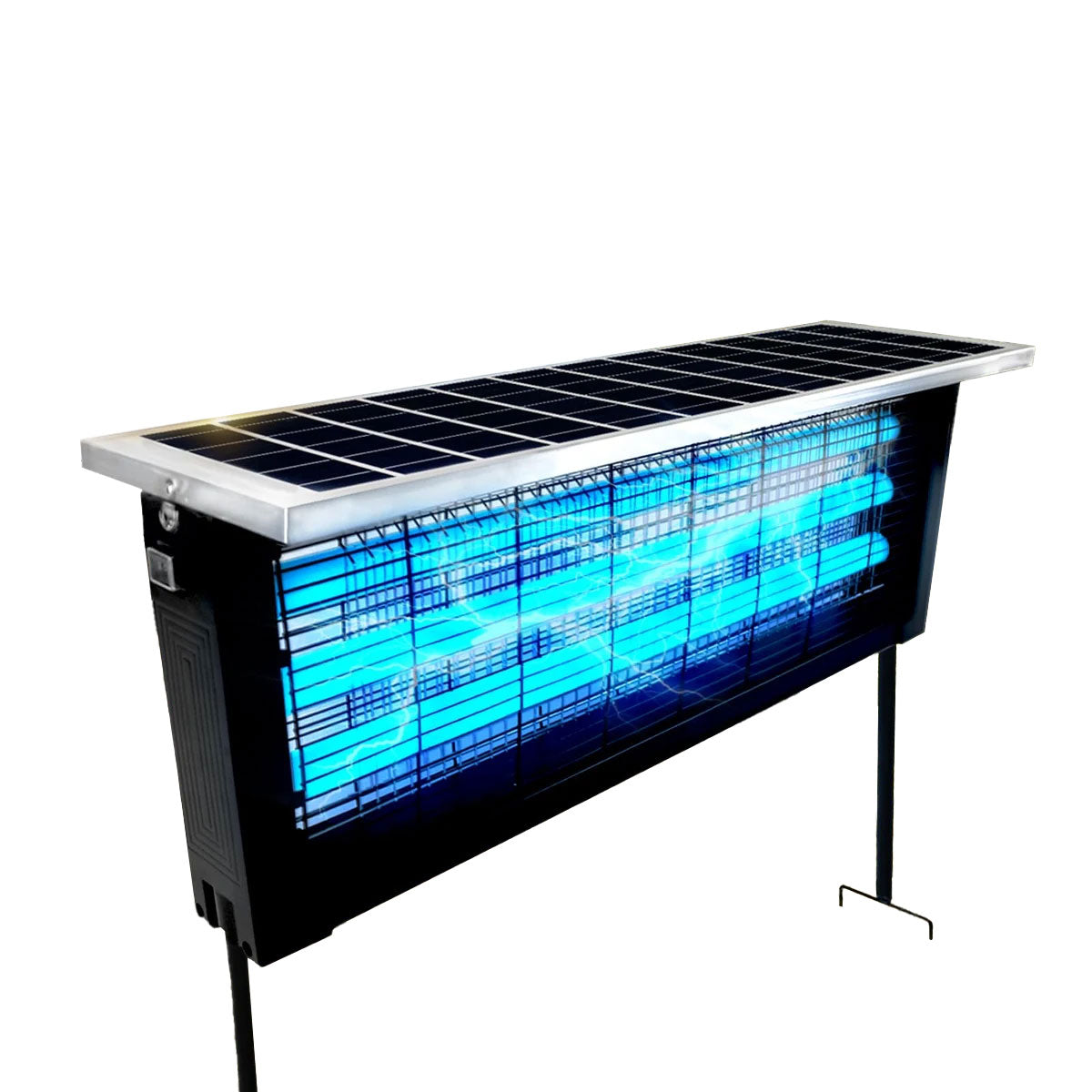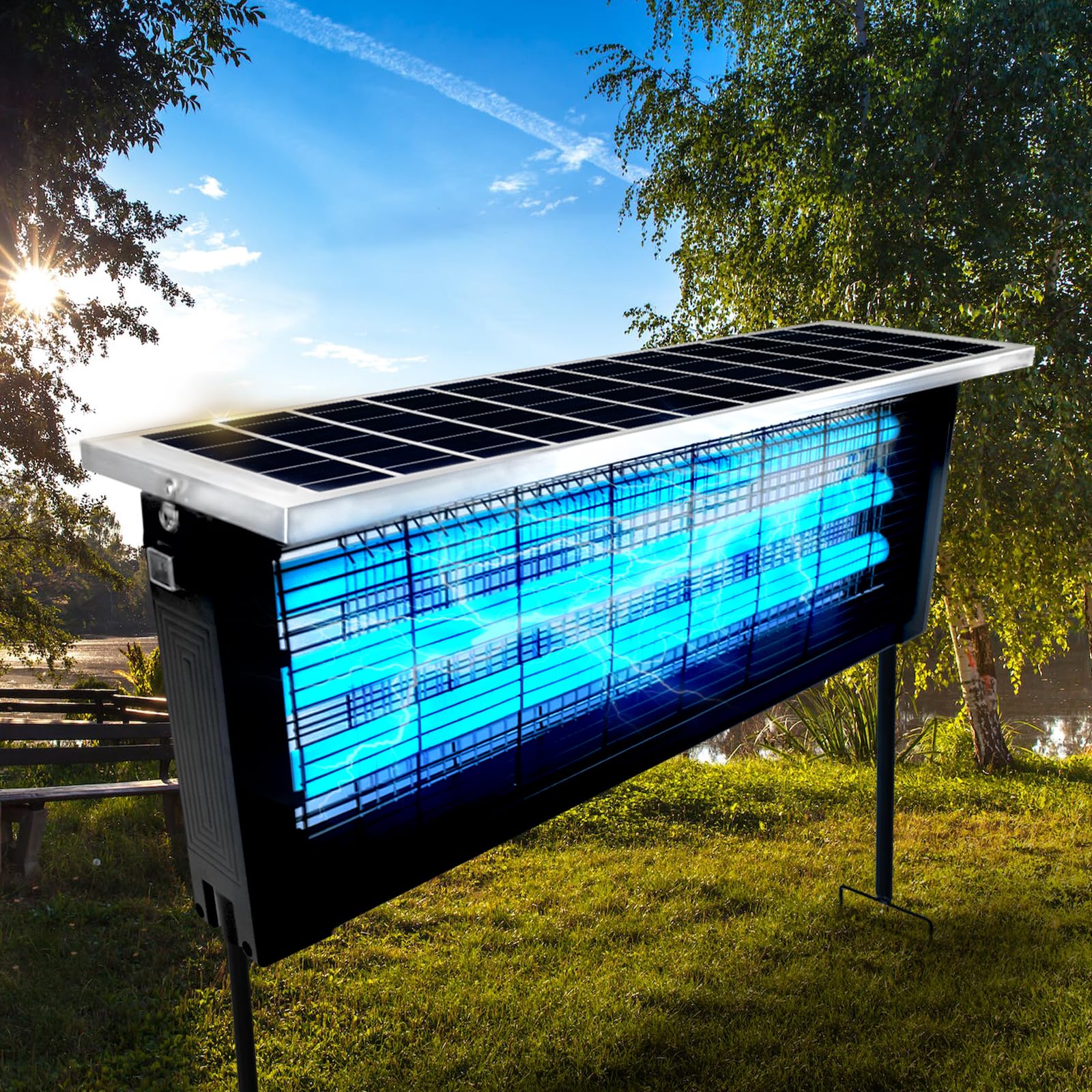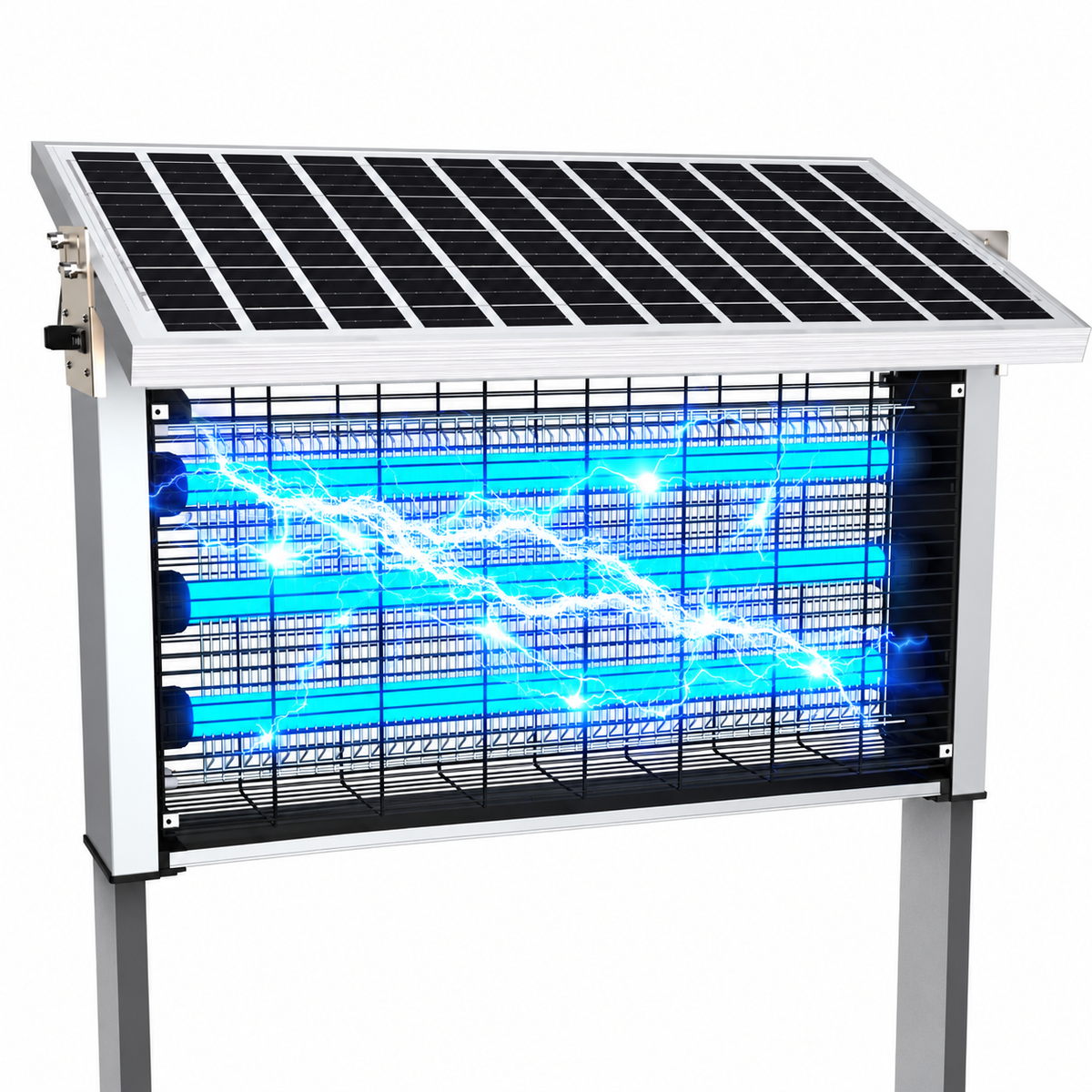
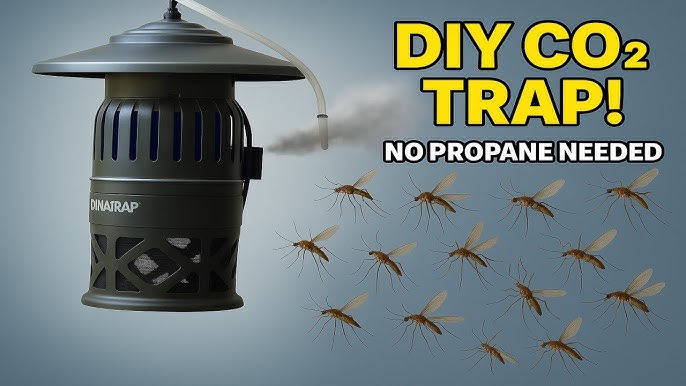
Mosquito traps have become one of the most popular household tools for fighting summer pests. Whether it’s an ultraviolet (UV) mosquito lamp, a carbon dioxide (CO₂) attractant trap, or a high-end hybrid model, most people focus heavily on which mosquito lamp to buy—but overlook something far more important:
Where you place your mosquito trap determines more than 70% of its effectiveness.
A high-quality mosquito lamp placed in the wrong location will perform worse than a cheap model placed correctly. In fact, controlled experiments from various field tests show that strategic placement can increase capture efficiency by 300% or more.
This comprehensive guide breaks down everything you need to know to maximize your mosquito trap’s performance, including scientific placement principles, common mistakes, indoor and outdoor strategies, height optimization, airflow considerations, and real-world case studies.
If you want your mosquito lamp to actually work—not just look good on your balcony—this is the article you need.
1. Why Placement Matters More Than Product Choice
Many people mistakenly believe that mosquito-catching efficiency depends solely on the lamp’s:
-
UV wavelength
-
CO₂ output
-
Fan suction power
-
Attractant type
-
Lamp quality
While these factors matter, mosquito behavior is the real key.
Mosquitoes Are Guided by:
-
CO₂ trails
-
Heat signatures
-
Sweat and body odor
-
Light contrast
-
Airflow currents
-
Environmental dark zones
A mosquito lamp is only effective if it intercepts mosquito flight paths before they reach humans. This means your lamp must be placed where mosquitoes naturally travel—not where you think they should.
Misplaced lamps may actually increase mosquito activity around humans by luring mosquitoes closer before trapping them.
Correct placement reverses this:
The lamp becomes the mosquito’s first stop — not you.
2. The 300% Efficiency Boost: What Real Tests Reveal
Across multiple test environments—including balconies, backyards, lakeside cabins, and indoor bedrooms—placement adjustments alone have produced dramatic improvements:
| Placement Scenario | Capture Rate Increase |
|---|---|
| Moving trap from center of patio → under table | +120% |
| Moving trap from balcony railing → corner shadow | +180% |
| Moving trap from bedroom table → behind curtain | +260% |
| Outdoor test: shaded wind-sheltered area vs open area | +300%+ |
| Using the lamp 2 hours before humans enter area | +150% |
The conclusion is clear:
Mosquito lamps are not “plug-and-play.” They are tools that require strategy.
3. The 8 Golden Rules of Perfect Mosquito Lamp Placement
Below are the core principles that professional pest-control teams follow.
Rule #1: Keep the Lamp 6–8 Feet Away From People
Placing the lamp too close makes you compete with it as an attractant.
Humans emit:
-
Stronger CO₂
-
Warmer body heat
-
More chemical signals
Mosquitoes will choose you over the lamp every time.
Ideal Distance:
👉 6–8 feet (1.8–2.5 meters) away from seating, beds, or activity areas.
Rule #2: Mosquitoes Prefer Dark Corners—Place the Lamp There
Mosquitoes rest in shaded, humid, low-light areas during the day.
These include:
-
Corners of balconies
-
Under tables
-
Behind curtains
-
Behind plants
-
Shaded edges of patios
-
Under decks
Worst placement:
❌ Middle of the room
❌ On a bright table
❌ Next to strong indoor lighting
❌ Direct sunlight
Mosquitoes avoid bright exposed areas.
Rule #3: Install the Lamp 2–3 Feet Above the Ground
This is the height at which most mosquito species fly.
-
Too high → they won’t reach it
-
Too low → airflow disrupts flight path
Optimal height:
👉 24–36 inches (60–90 cm) above ground.
Rule #4: Avoid Windy or High-Airflow Areas
Mosquitoes are poor flyers.
Avoid placing lamps near:
-
Fans
-
Air conditioners
-
Strong outdoor wind
-
Ventilation ducts
-
Door drafts
A protected, wind-sheltered location can raise catch rate by 2–4x.
Rule #5: Place the Lamp Between Mosquito Sources and People
This is one of the most efficient strategies.
Mosquito sources include:
-
Gardens with standing water
-
Potted plant trays
-
Drainage areas
-
Ditches and ponds
-
Lawn edges
-
Shaded corners
Correct approach:
Put the lamp on the mosquito's path toward humans.
Wrong approach:
Putting the lamp beside you instead of intercepting mosquitoes.
Rule #6: Use the Lamp 1–2 Hours Before Anyone Goes Outside
Mosquitoes are most active:
-
5:00 PM – 7:00 PM (sunset/pre-sunset)
-
4:00 AM – 6:00 AM (pre-sunrise)
Running your lamp early pre-clears the area.
This one trick alone can reduce bites by 50–70%.
Rule #7: Outdoor Use Requires Shade + Shelter
UV light effectiveness drops dramatically in sunlight.
You should NEVER place a UV mosquito trap in:
❌ Direct sun
❌ Middle of yard
❌ On lawn without cover
Best outdoor locations:
✔ Under awnings
✔ Under patio tables
✔ Under balcony cover
✔ Shaded corners
✔ Under trees
✔ On fences behind vegetation
Rule #8: Remove Other Light Sources Nearby
Competing light reduces capture success.
Turn off:
-
Decorative LED strips
-
Porch lights
-
Floodlights
-
Indoor lights near windows
Let the mosquito lamp be the main attractant.
4. Best Placement Strategies by Scenario
Below are optimized plans for real-world usage.
A. Balcony or Patio
Best locations:
-
Back corner where shadows form
-
Under side table
-
Next to plants (but 6 ft away from people)
-
On floor or low shelf at 2–3 ft height
Worst location:
❌ Right beside your chair
❌ Railing with wind
❌ Next to bright lights
B. Bedroom
Best:
-
Behind curtain
-
Next to wardrobe
-
At the foot of the bed but 6 ft away
-
Opposite side of the room
Worst:
❌ On nightstand
❌ Next to your pillow
❌ Directly under ceiling light
C. Living Room
Best:
-
Behind sofa
-
Under side table
-
Beside a plant
-
Shaded corner
Worst:
❌ In the center of the room
D. Garden or Backyard
Best:
-
Near moisture sources
-
At yard perimeter
-
Under covered patio
-
Next to bushes
Worst:
❌ middle of open yard
❌ windy spots
5. The “Triple-Boost Technique” for Maximum Mosquito Capture
Combine these for the strongest effect:
1. Pre-Activation
Turn the lamp on 1–2 hours early.
2. Double-Trap Strategy
Place one lamp near doors + one lamp in mosquito zone.
3. Dark-Zone Optimization
Ensure the lamp is the only light source in that area.
Together, these can multiply efficiency up to 300%.
6. Common Mistakes That Kill Efficiency (Avoid These!)
❌ Putting the lamp next to people
❌ Installing it in a bright area
❌ Using it only when mosquitoes appear
❌ Placing it directly on the ground
❌ Mounting too high
❌ Putting it outdoors in the sun
❌ Near fans or AC vents
Each of these reduces catch rate by 50% or more.
7. Bonus: How to Know You’ve Found the Perfect Spot
A good placement will show:
-
Mosquitoes circling within 30–60 seconds
-
Significantly fewer bites
-
Full mosquito chamber within 1–2 days
-
No mosquitoes near human activity areas
-
Strong airflow without wind interference
If results are poor, move the trap to the nearest shaded corner or follow the 8 golden rules again.
8. Final Thoughts: Placement = Performance
Mosquito traps are powerful—but only when used correctly.
The key takeaway:
Buying a good mosquito lamp is just step one. Placing it correctly is what makes it effective.
If you follow the placement strategies in this guide, you can expect:
-
Significantly fewer mosquitoes
-
Dramatically improved trap performance
-
Safer outdoor evenings
-
More restful sleep
-
Up to 300% boost in capture efficiency
A mosquito-free home is not only possible—it’s easy when you understand mosquito behavior.