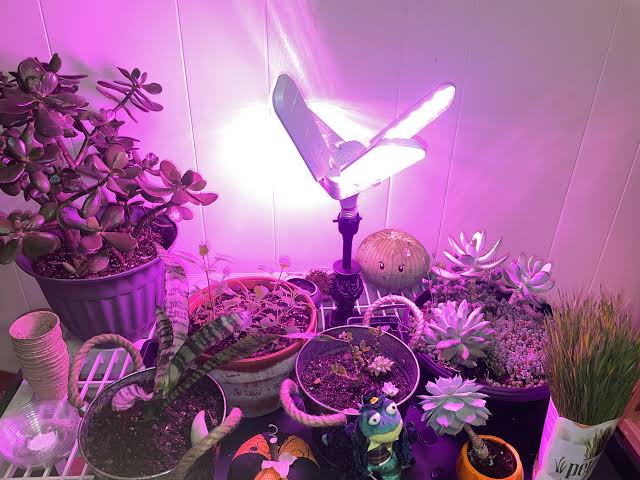
Introduction: Why Indoor Plants Need Extra Light in Winter
Winter can be one of the most challenging seasons for indoor plants. As daylight hours become shorter, sunlight becomes less intense, and the angle of the sun changes, many houseplants receive significantly less natural light than they do during spring and summer. Even plants placed near windows may struggle to maintain healthy growth.
For tropical houseplants, reduced light can result in slower growth, yellowing leaves, weak stems, and increased susceptibility to pests. Succulents face a different but equally important challenge. Many popular varieties naturally grow in bright, sunny environments, making them particularly sensitive to insufficient indoor lighting during winter.
To address these problems, indoor gardeners often turn to artificial grow lights. LED grow lights, full-spectrum lamps, and specialized horticultural lighting systems can help compensate for seasonal sunlight shortages.
However, one question frequently causes confusion: Should winter grow lights include ultraviolet (UV) wavelengths?
Some growers believe UV light makes plants stronger, improves leaf color, encourages compact succulent growth, and stimulates natural plant defenses. Others argue that UV radiation is unnecessary for ordinary indoor gardening and may even damage leaves when used incorrectly.
So, what is the right approach?
The answer depends on the type of plant, the lighting environment, the specific UV wavelength, and the gardener's objectives. While certain UV wavelengths can influence plant physiology, they are not essential for most indoor plants or succulents to survive and grow successfully.
This guide explores how different light wavelengths affect indoor plants, when UV supplementation may be useful, why excessive UV exposure can be harmful, and how to choose a suitable winter grow-light system.
1. Understanding How Light Affects Indoor Plant Growth
Before deciding whether to add UV light, it is important to understand how plants use light.
Plants do not perceive light in exactly the same way humans do. Human vision focuses on a relatively narrow portion of the electromagnetic spectrum, while plants respond to a much broader range of wavelengths.
Different wavelengths influence photosynthesis, plant development, flowering, pigmentation, and protective responses.
The main categories relevant to indoor gardening include ultraviolet light, visible light, and far-red light.
1.1 Ultraviolet Light: What Does UV Actually Mean?
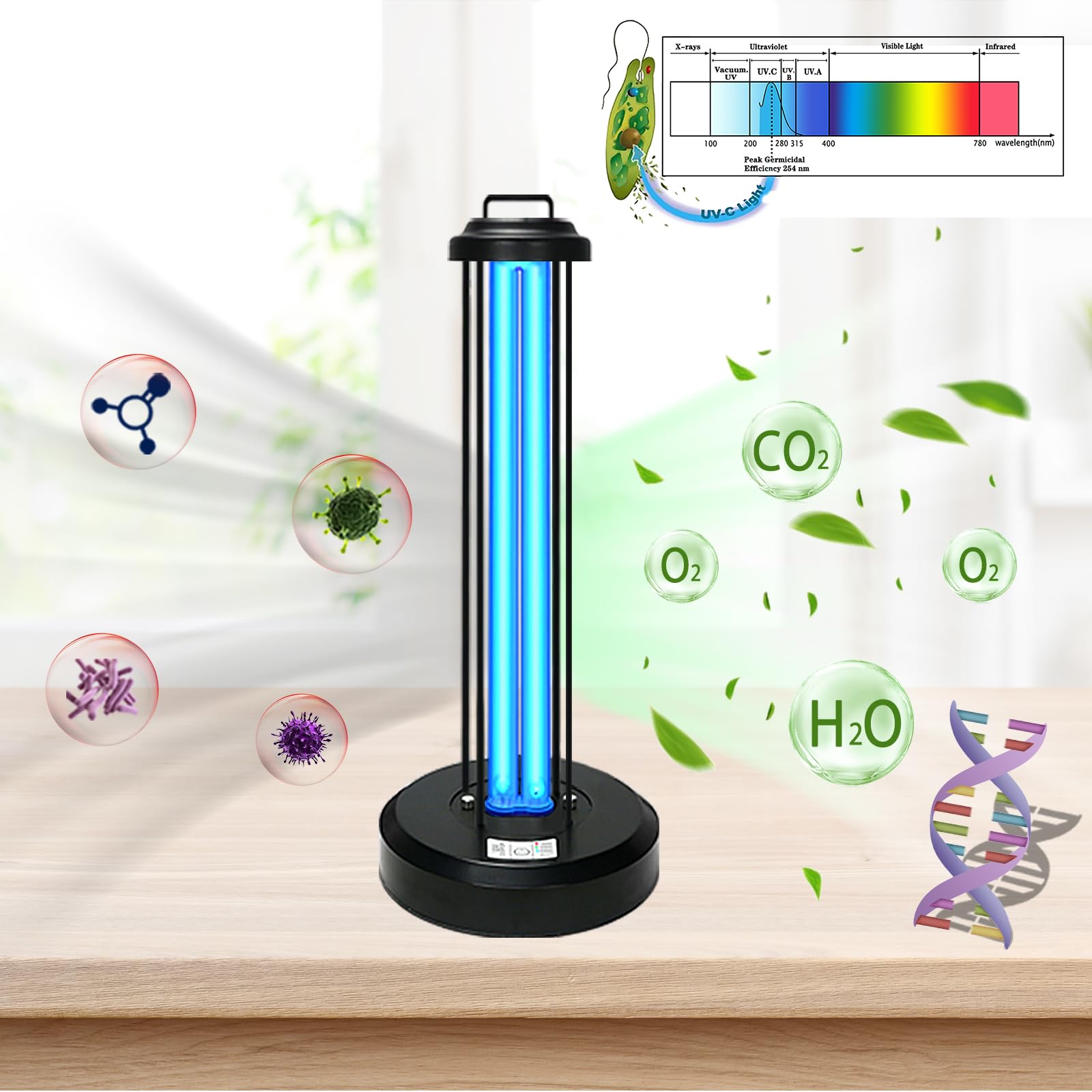
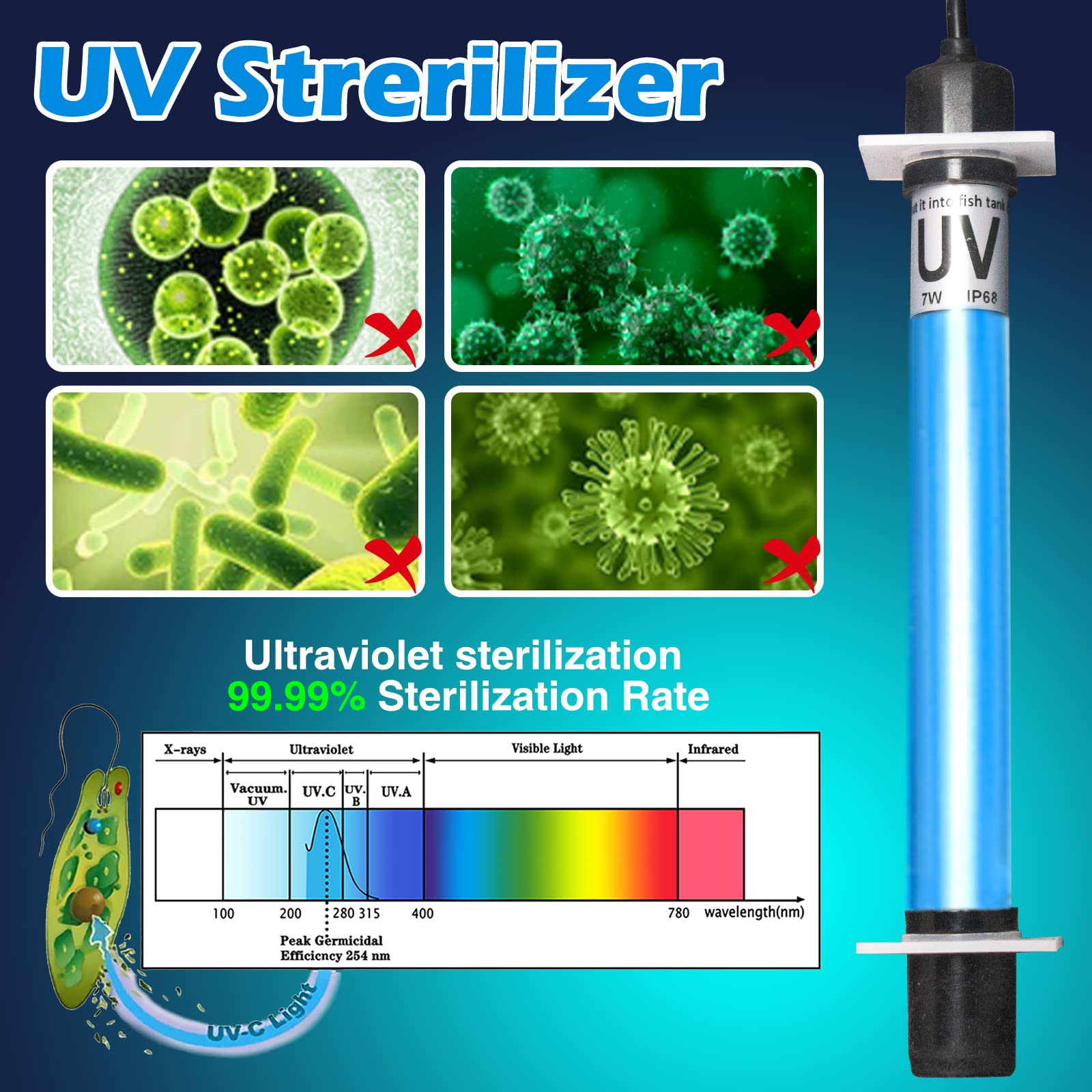
Ultraviolet radiation is generally divided into three categories:
-
UVA: Approximately 315–400 nanometers.
-
UVB: Approximately 280–315 nanometers.
-
UVC: Approximately 100–280 nanometers.
Although these wavelengths are all classified as ultraviolet radiation, their biological effects are very different.
UVA light
UVA is the least energetic of the three commonly discussed UV categories. It can influence plant pigmentation, secondary metabolites, and certain protective responses.
Some studies suggest that controlled UVA exposure can affect flavonoid production and other compounds associated with plant stress responses.
However, UVA is not a substitute for the visible light plants require for photosynthesis.
UVB light
UVB has greater biological activity and can trigger more noticeable physiological responses.
Under certain conditions, UVB exposure may stimulate plants to produce protective compounds, including flavonoids and other UV-absorbing substances.
Some growers associate UVB exposure with stronger pigmentation and more compact growth. However, these effects depend heavily on species, exposure intensity, duration, and environmental conditions.
Excessive UVB can damage DNA, proteins, and photosynthetic tissues.
UVC light
UVC is particularly energetic and is not appropriate for routine plant supplementation.
Although specialized UVC equipment is sometimes used for controlled disinfection applications, UVC exposure can seriously damage plant tissues and poses significant risks to human eyes and skin.
For ordinary home gardening, UVC should not be used as a grow-light supplement.
1.2 Visible Light: The Foundation of Photosynthesis
Visible light is generally considered to range from approximately 400 to 700 nanometers.
This range is particularly important because it contains the wavelengths most commonly used in photosynthesis.
Different portions of the visible spectrum perform different functions.
-
Blue light (400–500 nm): Supports chlorophyll production, stomatal regulation, and compact plant development.
-
Green light (500–600 nm): Penetrates deeper into some leaf tissues and plant canopies, contributing to photosynthesis.
-
Red light (600–700 nm): Efficiently supports photosynthesis and plays important roles in plant growth and development.
For most indoor plants, an appropriate combination of blue, green, and red wavelengths provides the foundation for healthy artificial lighting.
This is why full-spectrum LED grow lights are generally more useful than UV-only lighting systems.
1.3 Far-Red Light: An Additional Developmental Signal
Far-red light, commonly defined as approximately 700–750 nm in horticultural lighting discussions, also influences plant development.
It interacts with the phytochrome system, which helps plants interpret their light environment.
Depending on the red-to-far-red ratio, plants may adjust their growth patterns, leaf expansion, stem elongation, and flowering responses.
For example, some plants exposed to relatively high far-red levels may develop longer stems as they respond to signals associated with competition for sunlight.
This is another reason why simply adding more wavelengths does not automatically produce better plant growth.
A successful lighting system must provide an appropriate balance rather than maximizing every part of the spectrum.
2. Why Winter Is Especially Difficult for Indoor Plants
During winter, indoor plants often experience several environmental changes simultaneously.
Understanding these changes is essential because insufficient light is not always the only reason plants struggle.
2.1 Shorter Daylight Hours
In many regions, winter brings fewer daylight hours.
A plant that receives eight or nine hours of useful sunlight during summer may receive only a few hours of direct or bright indirect sunlight during winter.
This reduces the total amount of light available for photosynthesis.
Plants may respond by slowing growth, producing smaller leaves, or gradually shedding older foliage.
2.2 Lower Sunlight Intensity
Even when daylight hours remain relatively similar, the intensity of sunlight reaching indoor spaces may decrease.
The sun follows a lower path across the sky in many parts of the Northern Hemisphere during winter.
Consequently, nearby buildings, trees, balconies, and roof structures may create longer shadows.
Window orientation also becomes more important.
A north-facing window, for example, may provide substantially less direct sunlight than a south-facing window in the Northern Hemisphere.
2.3 Colder Temperatures and Slower Metabolism
Many tropical indoor plants prefer relatively stable temperatures.
Cold windowsills, nighttime temperature drops, and drafts can slow metabolic processes.
When plant metabolism slows, nutrient uptake and growth may also decrease.
Adding stronger artificial lighting cannot completely compensate for temperatures that fall outside a plant's preferred range.
2.4 Reduced Water Consumption
Plants generally use less water when light intensity and temperature decrease.
This is particularly important for succulents.
If gardeners continue watering according to their summer schedule, the soil may remain wet for too long.
Combined with poor airflow and cool temperatures, excessive moisture can increase the risk of root rot.
Therefore, winter plant care requires adjustments to lighting, watering, temperature, and ventilation rather than simply extending the lighting schedule.
3. Do Indoor Plants Actually Need UV Light in Winter?
The short answer is no.
Most indoor plants can grow successfully under artificial lighting without supplemental UV radiation.
The wavelengths that drive photosynthesis are primarily within the visible range. Standard white LED grow lights can provide sufficient photosynthetically active radiation when their intensity, duration, and placement are appropriate.
UV radiation may influence certain plant responses, but it is not a basic requirement for ordinary indoor plant growth.
This distinction is important because many lighting products advertise UV supplementation as a premium feature.
However, adding UV does not automatically make a grow light more effective.
3.1 UV Is Not a Replacement for Insufficient Brightness
Imagine a succulent placed on a dark bookshelf during winter.
The plant receives very little visible light, so its stems begin stretching toward the nearest window.
Adding a small UV lamp may expose the plant to additional ultraviolet radiation, but it does not necessarily provide the visible photons needed to support photosynthesis.
The succulent may continue stretching despite receiving UV exposure.
The correct solution is to increase suitable visible light, especially blue and red wavelengths, by using an appropriately powerful grow light.
3.2 UV May Influence Plant Defense Mechanisms
Plants cannot move away from environmental stress.
Instead, they have developed complex biochemical mechanisms to respond to environmental challenges.
UV exposure can activate certain protective pathways.
Depending on the species and exposure conditions, these responses may include:
-
Increased production of flavonoids.
-
Changes in anthocyanin accumulation.
-
Activation of antioxidant defense systems.
-
Alterations in leaf pigmentation.
-
Changes in certain secondary metabolites.
These responses are interesting from a horticultural perspective.
However, they should not be confused with guaranteed improvements in overall plant health.
A plant that produces more protective pigments is not necessarily growing faster, developing stronger roots, or becoming more resistant to every environmental stress.
3.3 UV Exposure Is Highly Species-Dependent
Different plants have different tolerances to ultraviolet radiation.
Some plants naturally experience stronger UV exposure in their original environments.
Others grow beneath forest canopies, where UV exposure is reduced.
A desert succulent and a tropical understory plant therefore should not receive identical UV treatment.
Even varieties within the same plant family may respond differently.
This makes universal UV supplementation recommendations unreliable.
For beginners, the safest approach is to establish suitable visible lighting first and treat UV supplementation as an optional, specialized experiment.
4. Should Succulents Receive UV Light During Winter?
Succulents are among the most frequently discussed plants in conversations about UV grow lights.
Their compact growth patterns, thick leaves, colorful pigmentation, and adaptation to bright environments have led many gardeners to believe UV light is essential for producing attractive specimens.
There is some scientific basis for the idea that UV exposure can influence succulent appearance, but the relationship is more complicated than it may seem.
4.1 Why Succulents Need Strong Visible Light
Many popular succulents originate from environments with abundant sunlight.
Examples include:
-
Echeveria.
-
Sedum.
-
Graptopetalum.
-
Crassula.
-
Pachyphytum.
-
Haworthia.
-
Aloe.
Although their lighting requirements differ, many commonly cultivated varieties need bright light to maintain compact growth.
When light is insufficient, succulents may develop etiolation.
Etiolation is characterized by excessive stem elongation, increased spacing between leaves, and reduced compactness.
The plant essentially stretches toward available light.
Common signs include:
-
Longer and thinner stems.
-
Wider spacing between leaves.
-
Smaller new leaves.
-
Pale or less intense coloration.
-
Uneven growth toward a window or lamp.
UV supplementation does not solve this problem.
The first priority should be providing adequate visible light.
4.2 Does UV Light Improve Succulent Color?
Some succulents produce red, purple, pink, or orange pigments under particular environmental conditions.
These pigments may include anthocyanins and carotenoids.
Environmental factors influencing pigmentation include:
-
Light intensity.
-
Visible light spectrum.
-
Temperature.
-
Water availability.
-
Plant genetics.
-
Nutrient conditions.
-
Seasonal growth patterns.
UV exposure may influence pigmentation in some species, but it is only one possible factor.
For example, a red-colored Echeveria may develop stronger pigmentation under brighter conditions.
However, the result does not necessarily come from UV radiation alone.
A grower who wants stronger coloration should first provide adequate visible light and maintain appropriate growing conditions.
4.3 Why Too Much UV Can Damage Succulents
Succulents are often described as sun-loving plants, but this does not mean they are immune to radiation damage.
Leaves can develop:
-
Bleached areas.
-
Brown or reddish-brown patches.
-
Dry, damaged edges.
-
Localized tissue death.
-
Reduced growth.
The risk is especially relevant when plants are moved suddenly from low-light indoor conditions to intense artificial or natural light.
A plant that has spent several weeks in a dim winter room may be poorly acclimated to sudden high-intensity exposure.
Even if its natural habitat receives strong sunlight, gradual acclimation is important.
4.4 What About Haworthia and Other Shade-Tolerant Succulents?
Not all succulents prefer intense direct sunlight.
Haworthia species, for example, often grow in partially shaded environments in their natural habitats.
Some varieties can suffer from excessive direct sunlight or high-intensity artificial lighting.
Therefore, applying UV simply because a plant is a succulent is not a sensible strategy.
The specific species and its natural growing environment should guide the lighting plan.
5. Which Indoor Plants Should Avoid Supplemental UV?
Although controlled UV research has produced interesting results, many common houseplants do not need additional ultraviolet radiation.
This is particularly true for plants adapted to shaded tropical environments.
5.1 Monstera
Monstera deliciosa is commonly grown indoors because of its large leaves and adaptability.
In nature, it grows as a climbing plant in tropical forests.
It generally performs well with bright indirect light.
Strong UV exposure is unnecessary for maintaining healthy Monstera growth.
A suitable full-spectrum LED grow light is usually sufficient when natural light is inadequate.
5.2 Pothos
Pothos is one of the most adaptable indoor plants.
It can tolerate relatively low-light conditions, although brighter indirect light generally supports better growth and more attractive variegation.
UV supplementation is not required.
Excessive light intensity or inappropriate exposure may cause leaf damage.
5.3 Peace Lily
Peace lilies naturally grow in shaded tropical environments.
They prefer moderate to bright indirect light rather than intense direct sunlight.
Adding UVB to an ordinary indoor lighting setup is generally unnecessary.
Maintaining stable moisture, suitable temperatures, and good airflow is much more important.
5.4 Ferns
Many ferns grow naturally in humid, shaded environments.
Their delicate foliage can be sensitive to harsh environmental conditions.
Rather than experimenting with UV exposure, focus on providing suitable humidity, consistent moisture, indirect light, and appropriate temperatures.
5.5 Calathea and Maranta
These plants are particularly popular for their decorative leaf patterns.
They generally prefer indirect lighting and stable indoor conditions.
Excessive radiation and abrupt changes in environmental conditions can negatively affect their foliage.
For these plants, conventional full-spectrum lighting is typically the more practical choice.
6. UVA vs. UVB: Which Is More Relevant to Plant Growth?
If a grower decides to experiment with UV supplementation, understanding the difference between UVA and UVB becomes essential.
They should not be treated as interchangeable technologies.
6.1 UVA: A More Moderate Supplementation Option
UVA wavelengths occupy approximately 315–400 nm.
Certain UVA wavelengths can influence plant photoreceptors and biochemical processes.
Potential effects include:
-
Changes in pigmentation.
-
Modulation of secondary metabolite production.
-
Alterations in plant morphology.
-
Changes in stress-response pathways.
However, responses vary considerably among plant species.
Some plants show noticeable physiological changes, while others show limited or inconsistent responses.
UVA should therefore be considered an optional environmental signal rather than a necessary component of everyday grow lighting.
6.2 UVB: More Biologically Active but Requires Greater Caution
UVB wavelengths occupy approximately 280–315 nm.
They can produce stronger biological effects than UVA because their photons carry more energy.
Research has shown that UVB exposure can activate plant protective responses, including the accumulation of certain UV-absorbing compounds.
However, excessive exposure can also cause:
-
DNA damage.
-
Oxidative stress.
-
Reduced photosynthetic efficiency.
-
Leaf discoloration.
-
Tissue injury.
-
Growth inhibition.
The relationship between UVB exposure and plant performance is not linear.
More UVB does not necessarily mean better results.
A controlled experimental setup should use verified spectral output, appropriate exposure measurements, and a clearly defined plant response.
For most household growers, the additional complexity and safety requirements make UVB unnecessary.
6.3 Why UVC Should Not Be Used as a Plant Grow-Light Feature
UVC is primarily associated with specialized germicidal applications.
It is not a practical wavelength for supporting routine plant growth.
Direct exposure can damage plant tissues and create serious eye and skin hazards for people.
Home growers should not install exposed UVC lamps above their houseplants as a lighting upgrade.
7. The More Important Winter Lighting Metric: PPFD
When choosing a grow light, gardeners often focus on wattage.
However, electrical wattage does not directly tell you how much usable light reaches plant leaves.
A more useful measurement is PPFD, or Photosynthetic Photon Flux Density.
PPFD measures the number of photosynthetically active photons reaching a specific area each second.
It is expressed in:
This measurement is especially useful when evaluating grow-light intensity.
7.1 Why PPFD Matters More Than UV Marketing Claims
A lamp advertised as having a full spectrum and UV supplementation may sound impressive.
However, if it delivers insufficient PPFD at the actual plant canopy, it may not support healthy growth.
Consider two grow lights:
-
Light A provides adequate visible-light intensity with an effective distribution across the plant canopy.
-
Light B includes additional UV LEDs but delivers significantly less useful photosynthetic light.
For ordinary indoor plant growth, Light A may be the better choice.
The key is to measure the light reaching the plant rather than relying entirely on product descriptions.
7.2 Understanding DLI
Another important measurement is Daily Light Integral, or DLI.
DLI represents the total amount of photosynthetically active light received over an entire day.
It is expressed in:
DLI considers both light intensity and exposure duration.
For example, a plant receiving moderate light for twelve hours may receive a similar daily photon quantity to one receiving stronger light for a shorter period.
This relationship helps growers design practical winter lighting schedules.
The formula is:
For example, if a plant receives an average PPFD of 100 μmol/m²/s for 12 hours:
The resulting DLI is 4.32 mol/m²/day.
This is a useful way to compare lighting conditions.
However, the appropriate DLI depends on the plant species, growth stage, temperature, and acclimation.
8. Recommended Winter Lighting Strategies for Different Indoor Plants
There is no single lighting schedule suitable for every houseplant.
The following recommendations provide practical starting points rather than strict biological limits.
|
Plant category |
General winter lighting approach |
UV supplementation |
|---|---|---|
|
Low-light tropical plants |
Moderate indirect light |
Usually unnecessary |
|
Monstera and Pothos |
Bright indirect light |
Unnecessary |
|
Peace lilies and ferns |
Moderate indirect light |
Avoid routine UV |
|
Echeveria and Sedum |
Bright, relatively strong visible light |
Usually unnecessary |
|
Haworthia |
Bright indirect light |
Usually unnecessary |
|
Cacti |
Strong visible light, adjusted by species |
Not required |
8.1 Lighting for Tropical Foliage Plants
For Monstera, Philodendron, Pothos, and similar plants, a balanced white LED grow light is usually appropriate.
A starting schedule of approximately 10–12 hours daily can work well for many indoor setups.
Avoid placing the lamp so close that leaves become excessively warm or experience visible stress.
Maintain a consistent dark period at night.
Plants use their internal circadian systems to coordinate growth and other biological processes.
Keeping grow lights on continuously is not a good winter-care strategy.
8.2 Lighting for Succulents
Many sun-loving succulents benefit from stronger visible lighting than typical foliage plants.
A full-spectrum LED grow light with a strong blue and red component can support compact development.
Depending on the species and the lamp, a starting photoperiod of 10–14 hours may be appropriate.
However, duration alone is not enough.
A weak lamp running for fourteen hours may still provide insufficient light.
Conversely, an extremely powerful lamp operating for a long period may create excessive daily light exposure.
Monitor the plants rather than following a fixed schedule blindly.
8.3 Lighting for Flowering Indoor Plants
Flowering plants may have additional photoperiod and intensity requirements.
Some species flower in response to day length, while others depend more heavily on temperature, plant maturity, and light intensity.
Before changing the photoperiod, identify whether the plant is a short-day, long-day, or day-neutral species.
UV supplementation is rarely the first factor to consider when trying to encourage flowering.
9. How to Choose the Right Winter Grow Light
Selecting an appropriate grow light is often more important than deciding whether to add UV.
A practical system should provide sufficient light intensity, a suitable spectrum, reliable operation, and safe installation.
9.1 Choose Full-Spectrum LED Lighting
Full-spectrum white LED grow lights are popular because they provide a broad range of visible wavelengths.
They can also make it easier to inspect plant health because the light appears closer to natural daylight.
Look for products that provide:
-
A clearly specified spectral distribution.
-
Measured PPFD data.
-
An accurate coverage area.
-
Adjustable brightness.
-
Suitable heat management.
-
Reliable electrical safety certifications.
Do not assume that a product described as full spectrum necessarily provides an ideal spectrum for every plant.
Compare actual specifications whenever possible.
9.2 Pay Attention to Light Distribution
A powerful grow light does not guarantee uniform lighting.
Plants positioned directly beneath the lamp may receive much more light than plants near the edges.
This can produce uneven growth within the same plant collection.
For shelves containing several succulents, a bar-style LED fixture may provide more uniform coverage than a narrow spotlight.
For individual plants, adjustable gooseneck grow lights can offer greater placement flexibility.
9.3 Understand the Difference Between Wattage and Efficiency
Electrical wattage indicates how much power a lamp consumes.
It does not directly measure horticultural performance.
A more useful comparison is photosynthetic photon efficacy, often expressed in μmol/J.
This indicates how efficiently a light converts electrical energy into photosynthetic photons.
Higher efficacy can mean lower electricity consumption for a similar photon output, although distribution, product quality, and operating conditions still matter.
9.4 Consider Adjustable Brightness
Adjustable lighting is particularly useful during winter.
Plants may need different light levels depending on their species, growth stage, and position.
A dimmable lamp allows gardeners to increase intensity gradually rather than suddenly exposing plants to strong light.
This is especially important for plants moved indoors from outdoor environments.
9.5 Is a UV Grow Light Worth Buying?
For most indoor gardeners, a UV-specific grow light is not a necessary purchase.
A conventional full-spectrum LED system generally offers better value because it addresses the primary limitation: insufficient photosynthetic light.
A UV supplement may be worth investigating for specialized horticultural experiments, but only when the grower understands the relevant wavelength, exposure conditions, and safety requirements.
10. Common Mistakes When Using UV Grow Lights in Winter
Even experienced indoor gardeners can make mistakes when experimenting with artificial lighting.
Some of these mistakes result from misunderstanding the relationship between light intensity, plant adaptation, and UV radiation.
Mistake 1: Assuming More UV Means Better Plant Health
This is one of the most common misconceptions.
UV exposure can stimulate protective responses, but it can also cause stress and tissue damage.
The goal should never be to maximize UV exposure.
Instead, the lighting environment should match the plant's biological requirements.
Mistake 2: Using UV to Compensate for Insufficient Visible Light
A plant that receives insufficient photosynthetic light may continue to show signs of poor growth even when exposed to UV.
If a succulent is stretching, increasing suitable visible-light intensity is usually a more appropriate solution.
Mistake 3: Keeping Grow Lights On All Day and Night
Plants require appropriate periods of darkness.
Continuous lighting can disrupt normal biological rhythms and may create additional stress.
A timer is an inexpensive way to maintain a consistent photoperiod.
Mistake 4: Placing Grow Lights Too Close to Leaves
A lamp positioned too close to plant foliage may create excessive intensity or heat.
The actual safe distance depends on the fixture, its optical design, output, and coverage pattern.
Always consult manufacturer PPFD measurements and installation guidance.
Mistake 5: Ignoring Winter Watering Requirements
Plants generally consume less water under reduced light and cooler conditions.
Continuing summer watering habits can lead to excessive moisture in the root zone.
For succulents, allow the growing medium to dry appropriately between waterings according to the species.
For tropical plants, adjust watering based on soil moisture rather than a rigid calendar.
Mistake 6: Moving Plants Directly Into Intense Artificial Lighting
Plants need time to adjust to changes in light intensity.
Gradual acclimation helps reduce the risk of leaf bleaching and other light-related damage.
Start with lower intensity and increase it over several days or longer, depending on the species and the size of the change.
Mistake 7: Buying UV Lamps Without Checking Their Wavelength
A product marketed simply as a UV grow light does not provide enough information.
The difference between UVA, UVB, and UVC is substantial.
A responsible product description should specify the wavelength range and provide meaningful technical information.
Avoid products with vague claims about powerful UV output and guaranteed plant improvement.
11. How to Safely Experiment With UV Supplementation
For advanced growers who want to investigate UV effects, a controlled approach is essential.
The objective should be to observe whether a particular wavelength produces a measurable benefit without causing excessive stress.
11.1 Start With a Healthy Plant
Do not experiment on plants already suffering from:
-
Root rot.
-
Severe dehydration.
-
Pest infestations.
-
Nutrient deficiencies.
-
Significant light deprivation.
-
Temperature-related damage.
A stressed plant may respond unpredictably to additional radiation.
Begin with a healthy, established specimen.
11.2 Keep a Control Group
If you have multiple plants of the same species and similar size, divide them into two groups.
The control group receives conventional full-spectrum lighting.
The experimental group receives the same visible lighting plus the UV treatment being investigated.
Keep other conditions as consistent as possible.
These include:
-
Watering frequency.
-
Growing medium.
-
Temperature.
-
Humidity.
-
Fertilization.
-
Photoperiod.
-
Air circulation.
This makes it easier to identify whether the observed changes are associated with UV exposure rather than other environmental differences.
11.3 Record Plant Responses
Take photographs at consistent intervals.
Monitor:
-
New leaf development.
-
Leaf color.
-
Stem length.
-
Internode spacing.
-
Growth rate.
-
Signs of tissue damage.
-
Overall plant condition.
Do not evaluate success based only on color changes.
A plant may become more pigmented while simultaneously experiencing reduced growth.
A useful experiment should evaluate overall plant performance.
11.4 Use Proper Radiation Measurement
Ordinary PPFD meters are designed primarily for photosynthetically active radiation and generally do not provide reliable UV measurements.
UV exposure should be assessed using an appropriate calibrated radiometer designed for the relevant wavelength range.
For UVB experiments, wavelength-specific measurement is especially important.
Never assume that two lamps with the same advertised wattage deliver equivalent UV exposure.
11.5 Protect People and Pets
UV radiation can affect human eyes and skin.
UVB is particularly hazardous under inappropriate exposure conditions, and UVA can also cause biological damage.
Do not look directly into UV emitters.
Avoid exposed UV fixtures in occupied spaces.
Use suitable shielding, interlocks, and manufacturer-recommended protective equipment where appropriate.
Keep pets and children away from experimental lighting equipment.
For ordinary residential gardening, avoiding supplemental UV is generally the simplest and safest choice.
12. UV Light and the Science of Plant Stress Responses
To understand why UV supplementation attracts so much attention, it helps to examine how plants respond to environmental stress.
Plants are constantly exposed to changing light intensity, temperature, moisture, and other environmental conditions.
They have developed multiple systems to manage these challenges.
12.1 Flavonoids and UV Protection
Flavonoids are a diverse group of plant compounds.
Some flavonoids absorb UV radiation and help protect plant tissues from excessive exposure.
When plants experience certain environmental signals, they may increase the production of these compounds.
This is one reason researchers investigate UV exposure in horticulture and plant physiology.
However, increased flavonoid production does not automatically translate into faster growth or improved ornamental quality.
The effect depends on plant genetics and environmental conditions.
12.2 Anthocyanins and Color Development
Anthocyanins are pigments responsible for many red, purple, and blue colors in plants.
Their production can be influenced by multiple factors, including light intensity, temperature, and environmental stress.
Some ornamental succulents develop more intense coloration under brighter conditions.
UV exposure may contribute to pigment regulation in certain species.
Nevertheless, visible light and temperature can also play important roles.
Growers should avoid assuming that UV is the primary cause of attractive succulent coloration.
12.3 Antioxidant Defense Systems
Plants produce reactive oxygen species as part of normal metabolism.
Environmental stress can increase their production.
Plants possess antioxidant systems that help regulate oxidative damage.
Controlled environmental signals may influence these protective systems.
However, excessive radiation can overwhelm plant defenses and increase tissue injury.
This illustrates an important principle: A biological response to stress does not mean that increasing the stress will improve plant health.
13. Practical Winter Lighting Setups for Different Indoor Gardens
Different indoor gardening arrangements require different lighting solutions.
Here are several practical configurations.
Setup A: A Small Apartment With Tropical Houseplants
Suitable plants include:
-
Pothos.
-
Philodendron.
-
Monstera.
-
Peace lily.
-
Aglaonema.
Recommended approach:
-
Use a white full-spectrum LED grow light.
-
Position the lamp to provide even coverage.
-
Start with approximately 10–12 hours of artificial lighting daily.
-
Monitor leaf condition and new growth.
-
Maintain stable temperatures and avoid cold drafts.
-
Do not add UV unless conducting a specialized, controlled experiment.
This configuration is generally sufficient for maintaining many tropical houseplants during winter.
Setup B: A Succulent Shelf
Suitable plants include:
-
Echeveria.
-
Sedum.
-
Crassula.
-
Graptopetalum.
-
Pachyphytum.
Recommended approach:
-
Choose a relatively high-output full-spectrum LED.
-
Measure or estimate PPFD at the leaf canopy.
-
Use adjustable lighting.
-
Start with a consistent 10–14-hour photoperiod, adjusting according to plant response.
-
Increase intensity gradually.
-
Maintain good airflow.
-
Reduce watering when growth slows.
For most succulent collections, this setup provides greater practical benefits than adding UV LEDs.
Setup C: A Mixed Indoor Plant Collection
A mixed collection presents a greater challenge because different species have different lighting preferences.
One solution is to divide plants into lighting zones.
Place high-light succulents directly beneath stronger grow lights.
Move shade-tolerant tropical plants to the edges or use a separate, lower-intensity fixture.
This reduces the likelihood that some plants receive too little light while others experience excessive exposure.
Setup D: An Advanced Horticultural Experiment
For experienced growers investigating UV responses, a separate experimental lighting system may be appropriate.
The system should include:
-
A conventional full-spectrum LED.
-
A separately controlled UVA or UVB source, depending on the research objective.
-
Suitable wavelength-specific measurement equipment.
-
A control group.
-
Appropriate shielding.
-
A defined experimental protocol.
The UV source should never be treated as a general-purpose replacement for a conventional grow light.
14. How to Recognize Whether Your Winter Grow Light Is Working
A successful lighting setup should produce observable improvements over time.
However, different plants respond at different speeds.
Some species may show noticeable new growth within several weeks, while others naturally grow very slowly.
Signs of Adequate Lighting
Look for:
-
Compact and balanced growth.
-
Healthy new leaves.
-
Normal leaf coloration.
-
Reduced etiolation in succulents.
-
Stable leaf development.
-
Consistent growth patterns.
Signs of Insufficient Lighting
Possible symptoms include:
-
Stretched stems.
-
Increasingly wide internode spacing.
-
Smaller new leaves.
-
Pale foliage.
-
Reduced variegation.
-
Slow or weak growth.
Signs of Excessive Lighting
Possible symptoms include:
-
Bleached patches.
-
Brown or dry leaf edges.
-
Unusual discoloration.
-
Curling or wilting despite adequate watering.
-
Localized tissue damage.
These symptoms are not exclusive to lighting problems.
Temperature, watering, pests, and nutrient imbalances can create similar signs.
Always evaluate the entire growing environment before making major changes.
15. The Relationship Between Grow Lights, Temperature, and Winter Watering
Lighting should never be considered independently of other growing conditions.
During winter, three factors are especially important: temperature, water, and airflow.
15.1 Lighting and Temperature
Artificial lights generate some heat, although modern LEDs are generally more efficient than many older lighting technologies.
A plant placed close to a high-output fixture may still experience undesirable leaf temperatures.
Meanwhile, a plant near a cold window may experience chilling even when it receives adequate artificial light.
Keep the root zone and foliage within the species' preferred temperature range.
15.2 Lighting and Watering
Light intensity influences photosynthesis and transpiration.
When a plant receives less light, it may consume water more slowly.
This is especially important for succulents, which store water in their leaves and stems.
Avoid watering simply because the calendar indicates that it is time.
Instead, assess the moisture level of the growing medium and the plant's actual needs.
15.3 Lighting and Airflow
Poor airflow can contribute to excessive humidity around foliage and growing media.
When plants are crowded beneath grow lights, air circulation may become restricted.
Maintain enough space between plants and avoid creating stagnant, persistently damp environments.
Good airflow supports healthier growing conditions without requiring excessive ventilation that creates cold drafts.
16. Frequently Asked Questions About UV Grow Lights for Indoor Plants
Q1: Do indoor plants need UV light to survive during winter?
No. Most indoor plants can grow successfully under conventional full-spectrum LED lighting without supplemental UV.
The primary requirement is sufficient photosynthetically active light, together with appropriate temperature, water, and nutrients.
Q2: Does UV light make succulents more colorful?
UV exposure may influence pigmentation in certain succulent species, but color development is also affected by visible light intensity, temperature, genetics, and environmental conditions.
A strong full-spectrum grow light is generally the better starting point.
Q3: Should I use UVA or UVB for indoor plants?
Neither is essential for ordinary indoor gardening.
UVA may influence certain plant responses, while UVB can produce stronger biological effects but also carries a greater risk of damage.
If you are a beginner, prioritize visible-light supplementation instead.
Q4: Can UVB prevent succulents from stretching?
UVB is not a reliable solution for etiolation.
Stretching is usually associated with insufficient visible light.
Increase appropriate visible-light intensity and ensure the lamp covers the entire plant.
Q5: Is a full-spectrum LED better than a UV grow light?
For most indoor gardeners, yes.
Full-spectrum LEDs provide the visible wavelengths needed for photosynthesis.
A UV-only lamp cannot replace an effective visible-light source.
Q6: Can UV light burn plant leaves?
Yes.
Excessive UV exposure can damage plant tissues, reduce photosynthetic performance, and cause discoloration or localized necrosis.
The risk depends on wavelength, intensity, duration, species, and environmental conditions.
Q7: How many hours should grow lights stay on during winter?
Many tropical houseplants can benefit from approximately 10–12 hours of supplemental lighting, while many light-demanding succulents may need around 10–14 hours.
These are starting points rather than universal rules.
Adjust based on natural daylight, PPFD, DLI, species requirements, and plant response.
Q8: Can I leave a grow light on overnight?
It is generally better to provide plants with a consistent dark period.
Continuous illumination is unnecessary for most indoor plants and may interfere with normal biological rhythms.
Q9: Are cheap UV grow lights effective?
Effectiveness depends on the actual wavelength, intensity, distribution, and product quality.
A low-cost product with unclear specifications may not deliver the advertised output.
For ordinary winter gardening, investing in a reliable full-spectrum LED is usually a better decision.
Q10: Is UV light safe for pets?
UV radiation can damage the eyes and skin of animals as well as humans.
Do not assume that a UV lamp is safe simply because it is marketed for plant growth.
Avoid exposed UV fixtures in spaces occupied by pets.
17. Final Buying Checklist: What Matters Most When Choosing a Winter Grow Light?
Before purchasing a grow light, evaluate the following features.
|
Feature |
What to look for |
Why it matters |
|---|---|---|
|
Spectrum |
Balanced visible spectrum |
Supports photosynthesis |
|
PPFD |
Reliable measurements at the canopy |
Indicates usable light intensity |
|
DLI |
Suitable daily light exposure |
Helps manage total daily lighting |
|
Efficiency |
Higher μmol/J where practical |
Reduces electricity consumption |
|
Coverage |
Uniform light distribution |
Prevents uneven growth |
|
Dimming |
Adjustable output |
Supports gradual acclimation |
|
Timer |
Programmable photoperiod |
Maintains consistent schedules |
|
Heat management |
Reliable thermal design |
Helps protect foliage |
|
Safety |
Appropriate electrical certifications |
Improves operating safety |
|
UV specification |
Clearly identified wavelength, if included |
Prevents confusion and misuse |
A grow light should be selected according to the plants you intend to grow, the size of your growing area, and the amount of natural daylight available.
Do not pay extra for UV features unless you have a specific reason to use them and understand their limitations.
Conclusion: Should You Add UV Light to Your Winter Indoor Grow-Light Setup?
When it comes to winter lighting for indoor plants and succulents, the most important priority is not adding more wavelengths but providing the right light in the right amount.
UV radiation can influence plant pigmentation, secondary metabolite production, and protective responses. These effects make UVA and UVB interesting subjects for specialized horticultural research.
However, UV supplementation is not necessary for most household plants.
For ordinary indoor gardening, a reliable full-spectrum LED grow light is usually the most practical investment. It can provide the visible wavelengths required for photosynthesis while helping plants maintain healthy growth when natural sunlight becomes limited.
For succulents, prioritize sufficient visible-light intensity, suitable blue and red wavelengths, and gradual acclimation. These factors are much more important for preventing etiolation and maintaining compact growth than adding UV.
For tropical foliage plants, focus on balanced lighting, stable temperatures, appropriate watering, and a consistent day-and-night cycle.
If you are an experienced grower interested in experimenting with plant pigmentation or UV-induced defense responses, controlled UVA or UVB research may offer useful insights. However, careful measurement and appropriate safety precautions are essential.
The best winter grow-light strategy is therefore straightforward:
Prioritize visible light, optimize PPFD and DLI, adjust lighting according to plant species, and treat UV supplementation as optional rather than essential.
A well-designed lighting environment does not need to be complicated. By understanding how plants respond to different wavelengths and adapting your setup to seasonal conditions, you can help your indoor garden remain healthy, attractive, and productive throughout the winter months.