Introduction: Why Does Your Shoe Cabinet Smell Worse in Winter?
Winter brings cozy sweaters, warm drinks, snowy walks, and plenty of opportunities to wear your favorite boots and sneakers. Unfortunately, it also brings a common household problem that many people would rather ignore: damp, unpleasant-smelling shoes.
You may notice that your shoe cabinet develops a musty odor after a few weeks of cold weather. Your snow boots may still feel slightly wet hours after coming indoors, while your favorite sneakers begin to smell unpleasant even when they appear clean. Sometimes, opening the cabinet releases a mixture of damp fabric, sweaty insoles, and stale air that quickly spreads throughout the entryway.
Why does this happen?
Winter footwear is exposed to a combination of moisture, perspiration, road salt, snow, rain, and indoor temperature changes. When wet shoes are placed inside an enclosed cabinet, moisture has limited opportunities to escape. Over time, the environment may become favorable for odor-producing microorganisms and, under suitable conditions, mold growth.
Traditional solutions such as deodorizing sprays, scented sachets, charcoal bags, and cabinet ventilation can help manage certain aspects of the problem. However, they do not necessarily address every source of persistent shoe odor.
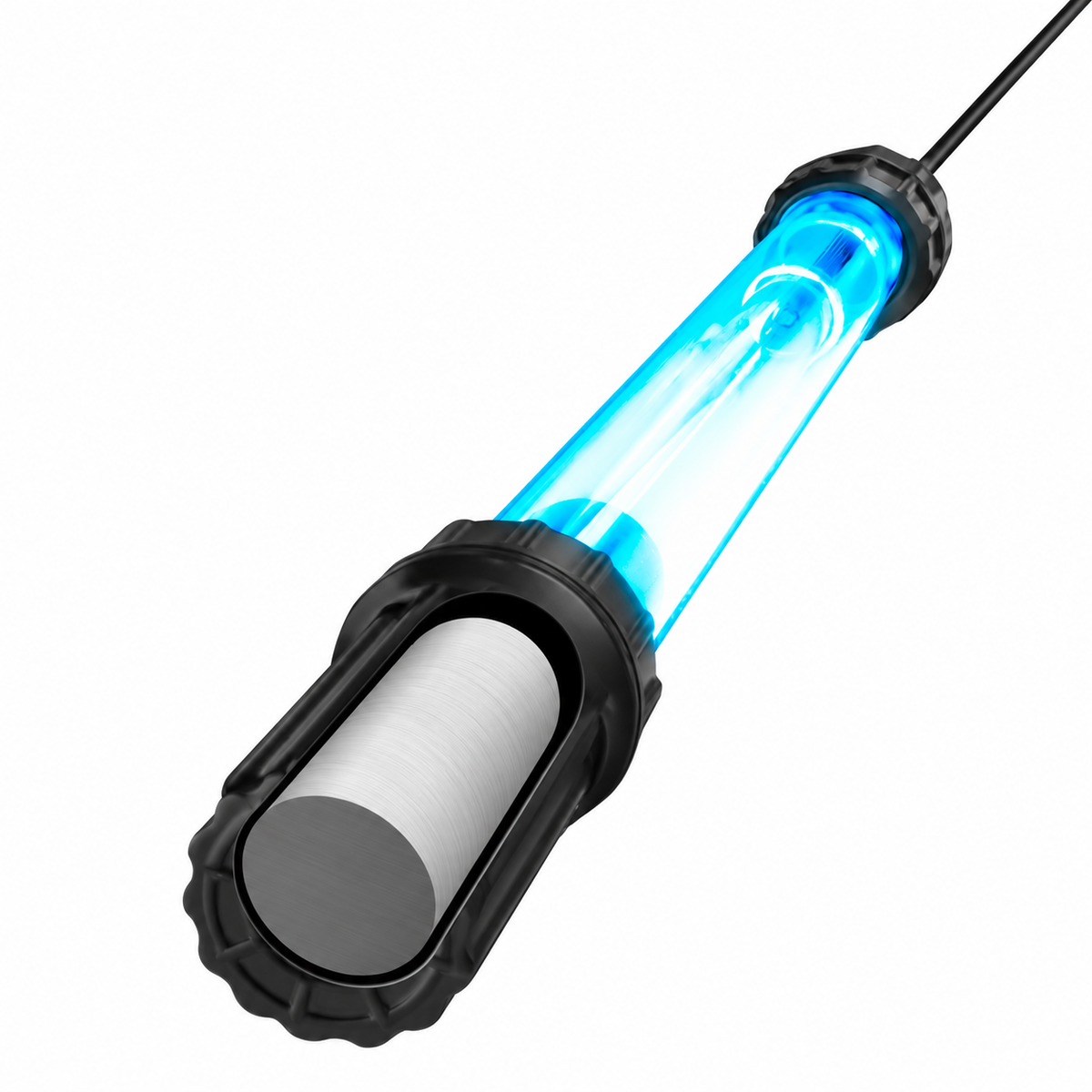
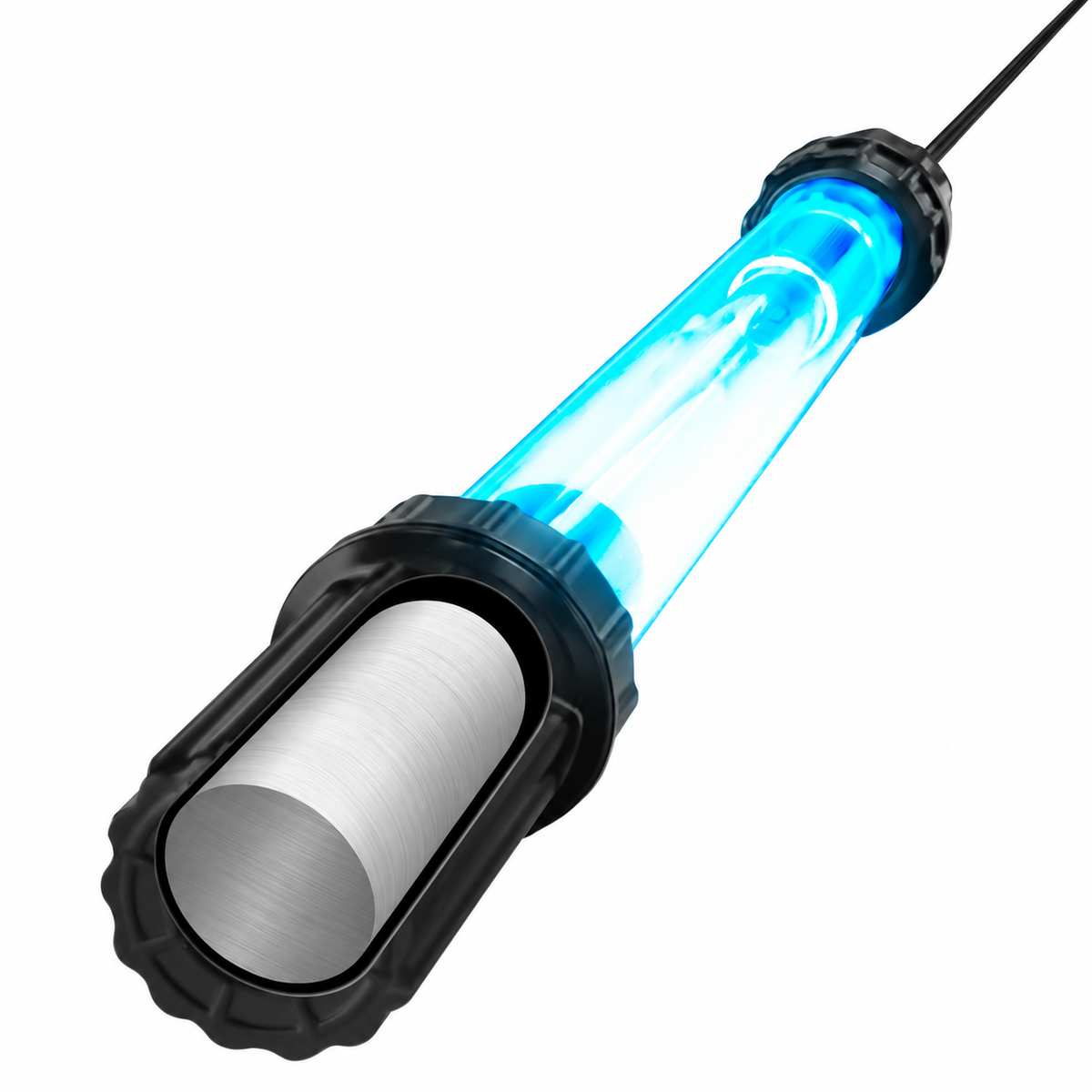
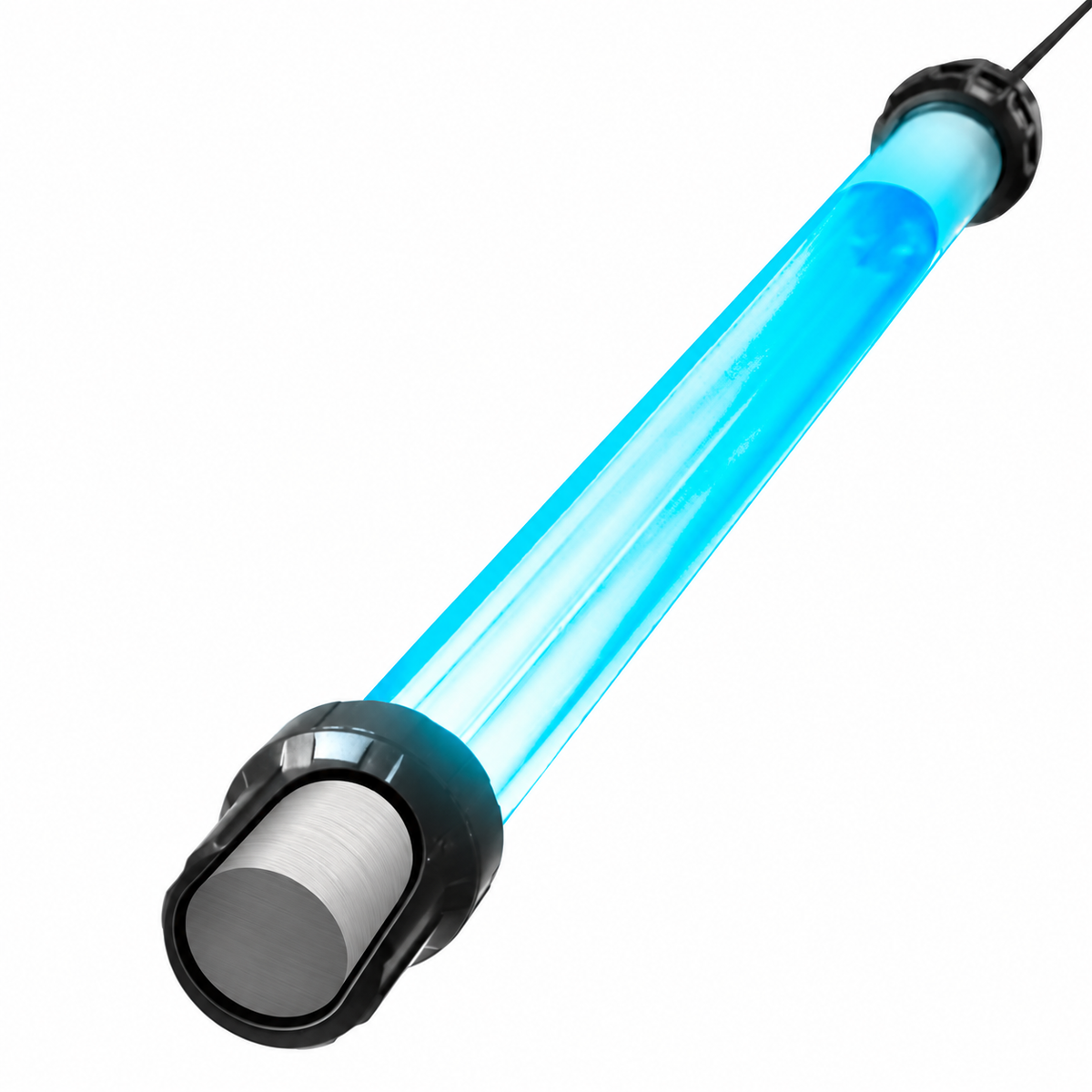
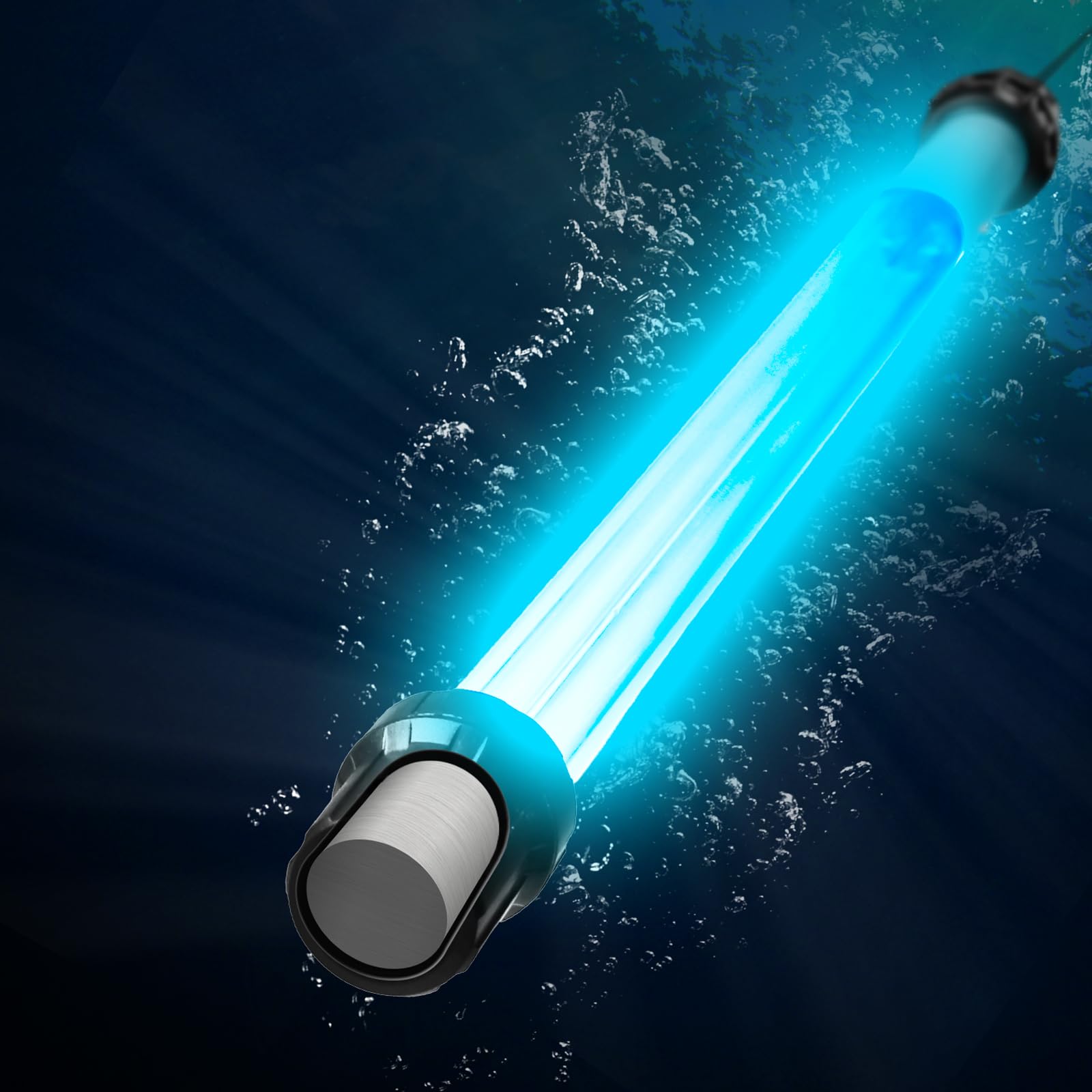
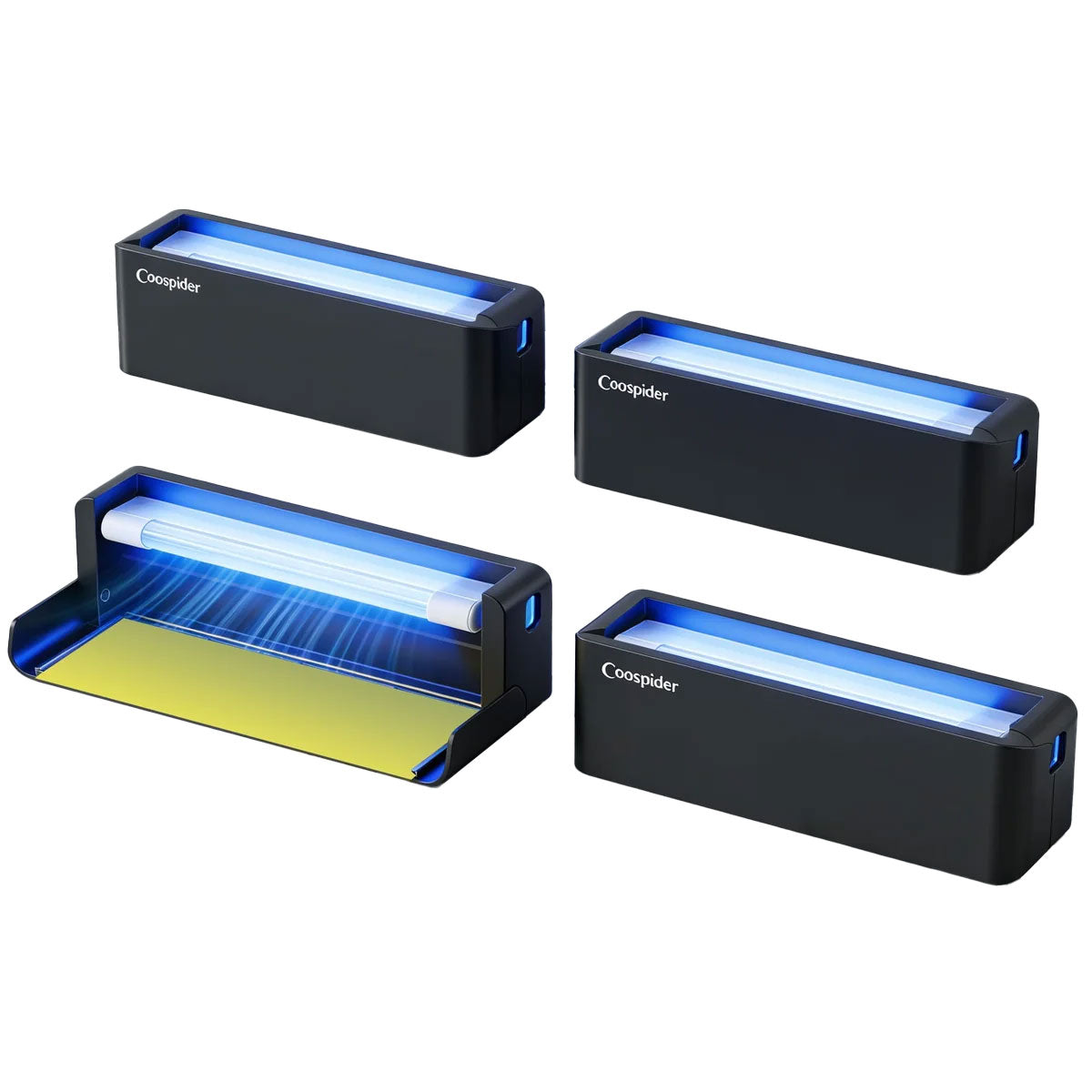
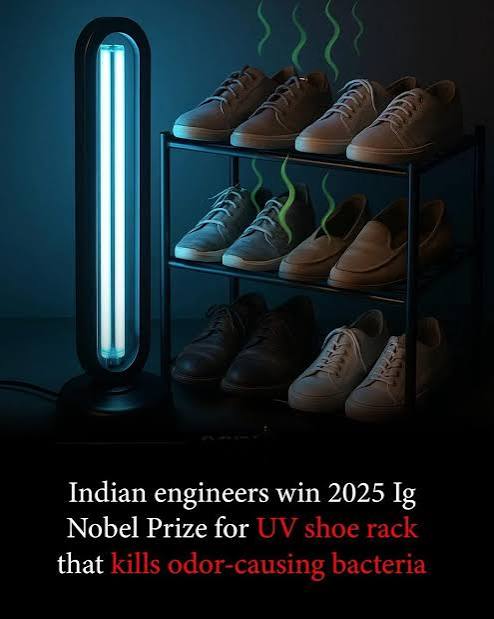
This is where UV odor-control and germicidal lamps enter the conversation.
UV technology is widely used in air treatment, water disinfection, and specialized equipment sanitation. But can a UV lamp really eliminate unpleasant odors inside a shoe cabinet? Can it help protect snow boots, running shoes, and everyday sneakers during winter? More importantly, is it a practical solution for ordinary households?
The answer is more complicated than simply installing a UV lamp and expecting every shoe to smell fresh again.
Understanding how moisture, bacteria, fungi, and ultraviolet light interact is essential before deciding whether this technology belongs in your winter shoe-care routine.
1. Why Winter Makes Shoe Cabinets More Prone to Moisture and Odors
To understand the problem, it helps to look at what happens to footwear after a typical winter day.
1.1 Snow, Rain, and Outdoor Moisture Enter Your Home With Your Shoes
Snow boots and winter sneakers are designed to protect your feet from cold and moisture. However, their protective construction also creates certain drying challenges.
When you walk through snow, slush, or rain, water can collect around:
-
Boot seams and stitching.
-
Fabric uppers and lining materials.
-
Rubber soles and their connection points.
-
Tongues, collars, and padded ankle sections.
-
Insoles and removable footbeds.
-
Decorative layers and internal cushioning.
Even waterproof footwear can become damp inside.
Waterproof membranes help prevent external water from entering, but they do not prevent perspiration from accumulating inside the shoe. Meanwhile, moisture can remain trapped between different material layers.
When wet footwear is immediately stored in a closed cabinet, the moisture has nowhere to go efficiently.
The result is a humid storage environment that can contribute to unpleasant odors.
1.2 Sweaty Feet Create an Ideal Environment for Shoe Odors
Many people assume that bad-smelling shoes are caused by dirt. In reality, perspiration and microbial activity are major contributors.
Feet contain numerous sweat glands. During walking, exercise, and everyday activities, they release moisture into socks and footwear.
Sweat itself is not necessarily strongly unpleasant. However, bacteria on the skin and inside footwear can break down components of sweat and other organic residues, producing volatile compounds responsible for familiar foot and shoe odors.
Winter can make the situation worse.
People often wear thick socks, insulated boots, and heavily padded sneakers. These materials can retain heat and moisture, especially when footwear is worn for extended periods.
If shoes are not allowed to dry properly between uses, odor-producing microorganisms may continue to thrive.
1.3 Temperature Differences Can Encourage Condensation
Another overlooked cause of winter shoe-cabinet moisture is condensation.
Imagine coming home after walking outside in freezing weather. Your shoes are cold, but your home is warm.
When warm indoor air encounters cold surfaces, moisture can condense if the surface temperature falls below the air's dew point.
This can happen on cabinet walls, metal shoe racks, shoe soles, and other cold surfaces.
A poorly ventilated shoe cabinet may therefore experience repeated cycles of moisture accumulation.
The problem becomes more noticeable in homes with limited airflow, high indoor humidity, or cabinets positioned against exterior walls.
1.4 Enclosed Cabinets Allow Odors to Accumulate
A shoe cabinet is designed to keep footwear organized and reduce visual clutter. Unfortunately, a tightly enclosed cabinet may also restrict air circulation.
When shoes release moisture and odor compounds, these substances can accumulate in the cabinet.
Without adequate ventilation, the unpleasant smell becomes concentrated.
Adding more scented products may temporarily cover the odor, but fragrance does not remove the moisture or eliminate the underlying source.
This explains why a cabinet can smell unpleasant again shortly after using deodorizing products.
2. What Actually Causes Snow Boots and Sneakers to Smell?
Not all shoe odors have the same origin. Identifying the source is important because different problems require different solutions.
2.1 Bacterial Activity
Bacteria naturally live on human skin and can transfer into footwear.
The warm, moist environment inside shoes provides favorable conditions for some odor-producing bacteria.
As these microorganisms metabolize organic substances, they can generate unpleasant-smelling compounds.
Common problem areas include:
-
Insoles that absorb perspiration.
-
Fabric linings.
-
Padded heel sections.
-
Areas around the toes.
-
Shoes worn repeatedly without sufficient drying time.
Cleaning, drying, and replacing worn insoles can significantly reduce odor buildup.
UV-C technology may also help reduce certain microorganisms when used correctly, although it cannot automatically disinfect every surface inside a shoe.
2.2 Fungal Growth
Fungi are another possible source of footwear-related problems.
Damp shoes and socks can create favorable conditions for fungal growth. Some fungi are associated with foot infections, while others can contribute to musty smells when they grow on suitable materials.
A persistent musty odor should not automatically be dismissed as ordinary shoe sweat.
If shoes show visible mold, unusual discoloration, or persistent dampness, cleaning and drying should take priority.
Severely contaminated footwear may need professional treatment or replacement, depending on its material and condition.
2.3 Organic Residues and Environmental Contamination
Shoes collect more than sweat.
Dust, skin flakes, outdoor dirt, grass, road salt, food particles, and other organic residues can accumulate inside and outside footwear.
These substances may contribute to unpleasant smells, especially when combined with moisture.
UV light does not remove dirt, salt, grease, or accumulated organic material.
This is why physical cleaning remains an essential part of shoe maintenance, even when UV technology is available.
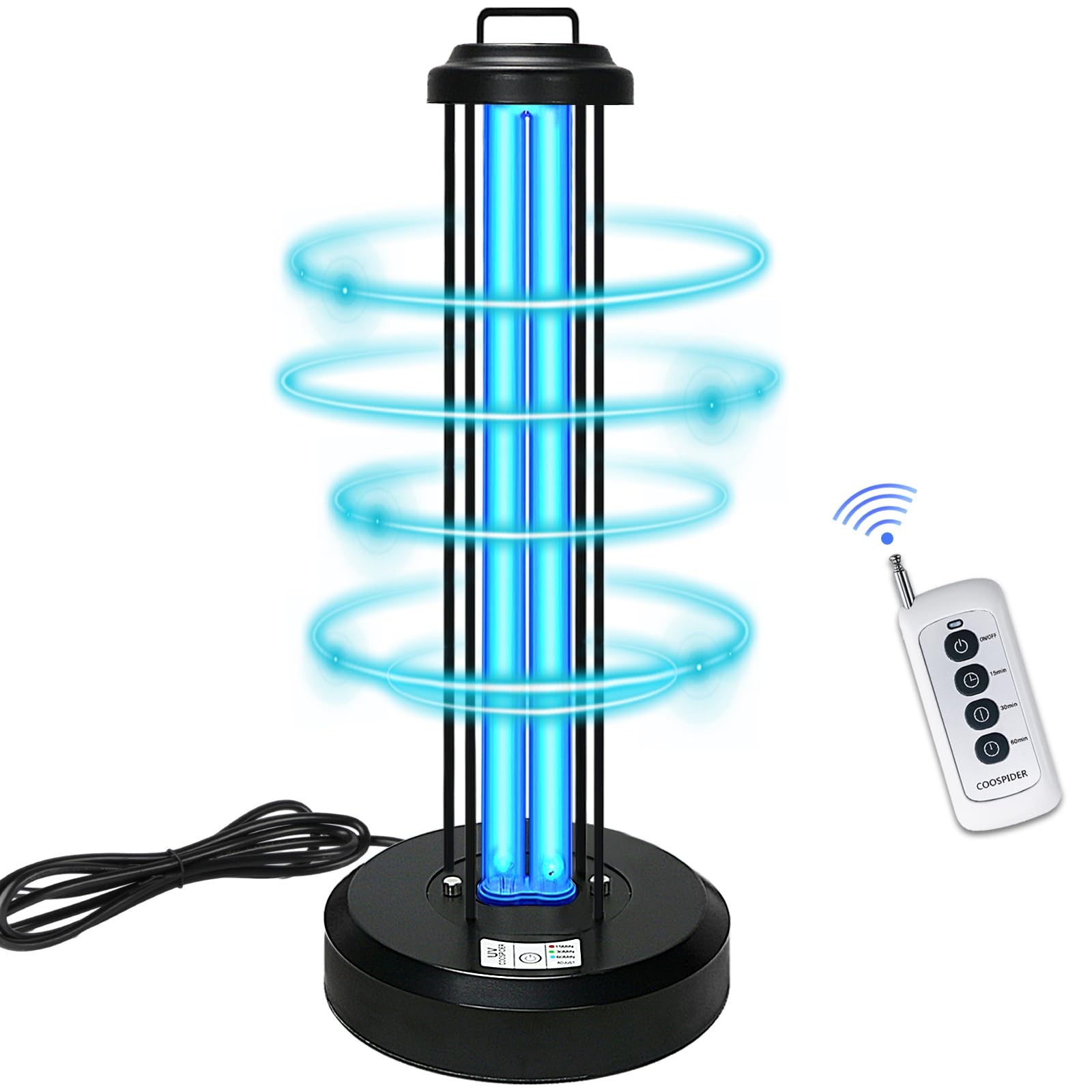
3. What Is a UV Germicidal Lamp?
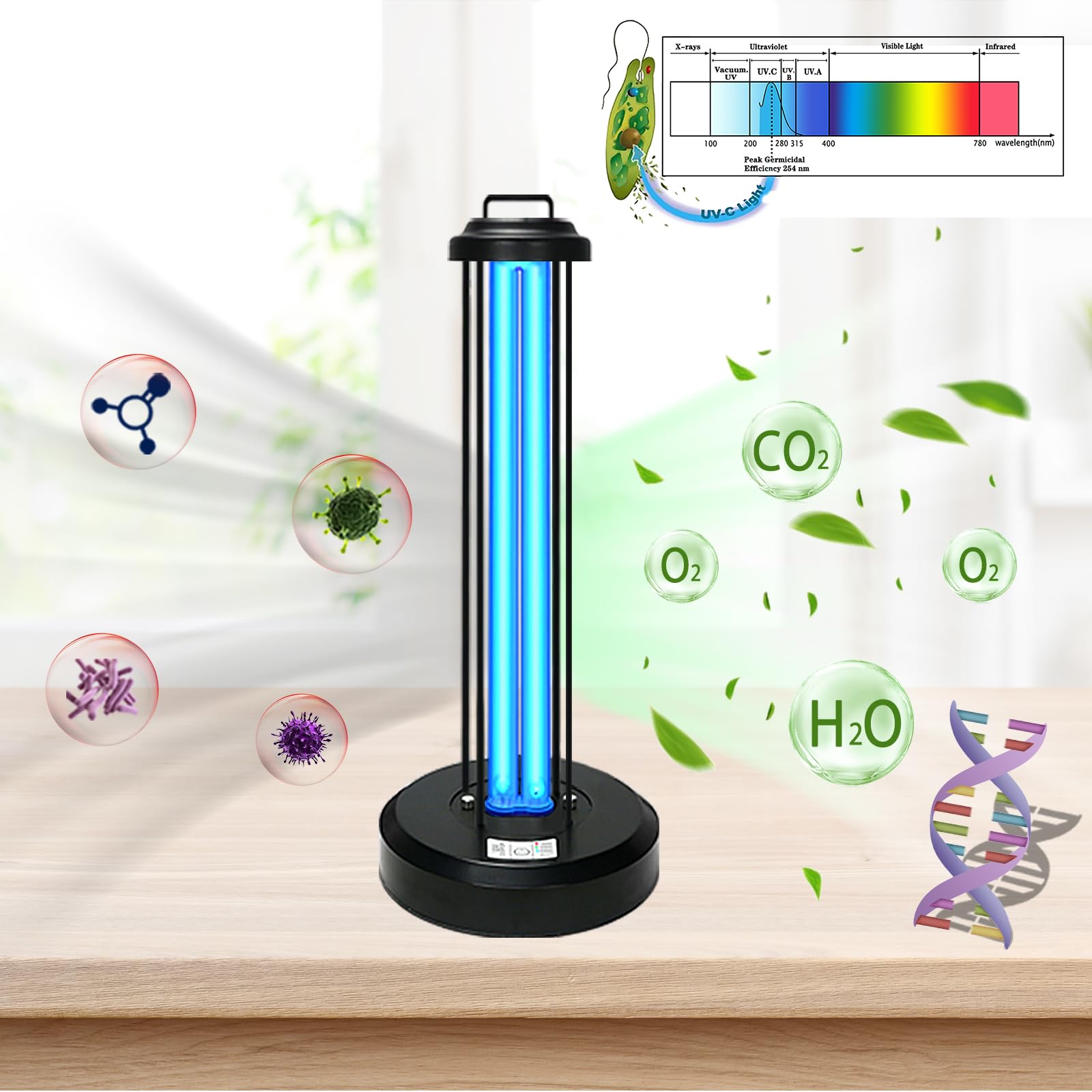
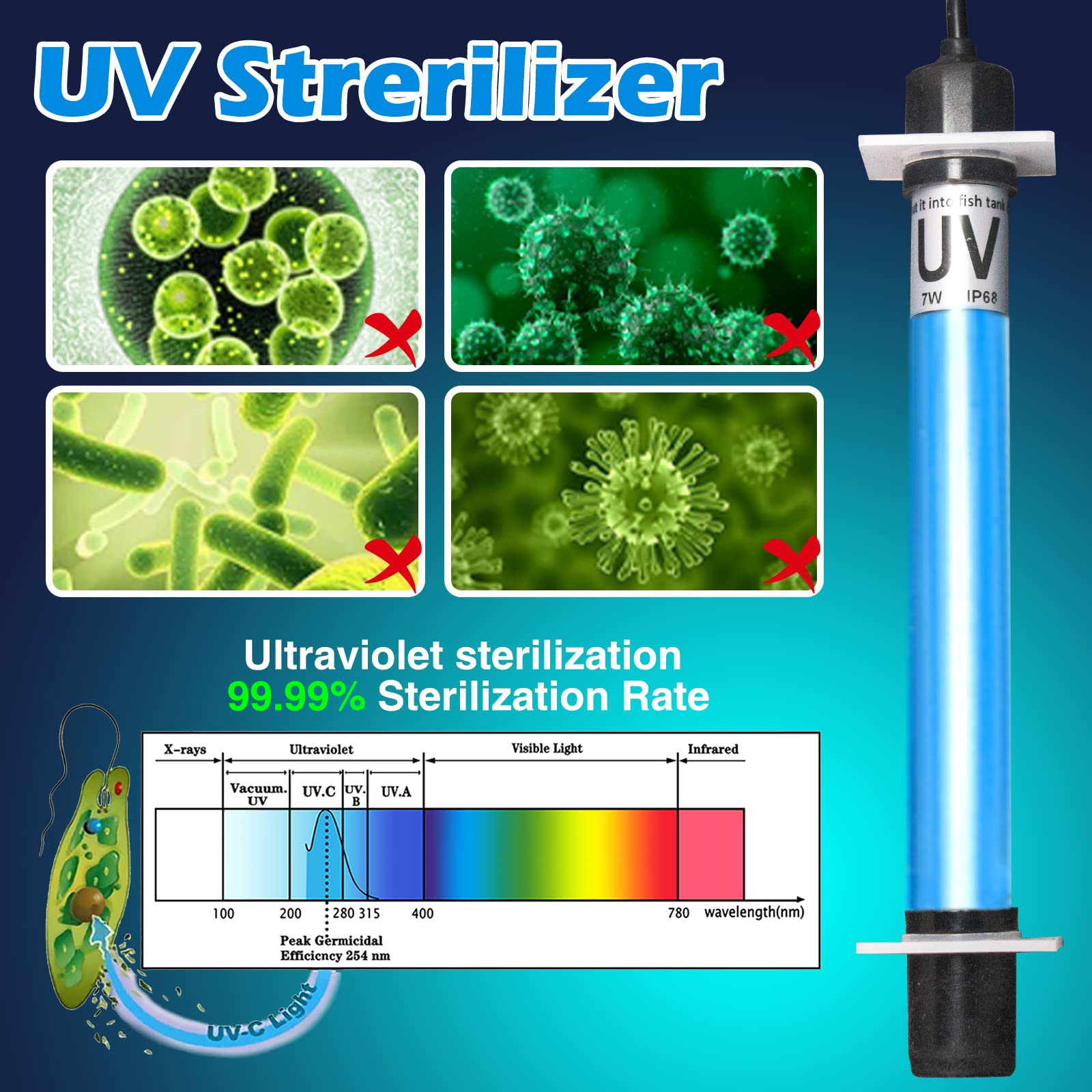
Ultraviolet light is electromagnetic radiation with wavelengths shorter than visible violet light.
It is commonly divided into three categories:
-
UVA: Approximately 315–400 nanometers.
-
UVB: Approximately 280–315 nanometers.
-
UVC: Approximately 100–280 nanometers.
Different ultraviolet wavelengths have different biological effects.
For germicidal applications, UV-C is particularly important.
UV-C radiation can damage the genetic material of microorganisms, including bacteria and viruses, interfering with their ability to reproduce. Depending on the organism, wavelength, exposure conditions, and delivered dose, this can result in inactivation.
Certain UV-C systems are also used to reduce fungal microorganisms.
However, the effectiveness of a UV-C lamp depends on much more than whether it turns on.
Important factors include:
-
Wavelength.
-
Irradiance.
-
Exposure duration.
-
Distance between the lamp and target.
-
Surface orientation.
-
Material obstruction.
-
Shadowing.
-
The sensitivity of the target microorganism.
A properly designed germicidal system must deliver an adequate UV dose to the intended target.
Simply placing a UV lamp inside a shoe cabinet does not guarantee effective disinfection.
4. Can UV Lamps Really Remove Shoe Odors?
This is the central question for anyone considering UV technology for winter footwear.
The short answer is that UV-C can help address one important contributor to shoe odor: certain microorganisms.
However, it is not a complete odor-removal solution.
4.1 UV-C Can Reduce Certain Odor-Producing Microorganisms
Some shoe odors are associated with bacterial activity.
By inactivating susceptible microorganisms on surfaces receiving sufficient UV-C exposure, a properly engineered system may help reduce microbial contributions to unpleasant smells.
This is especially relevant for areas that receive direct and adequate UV exposure.
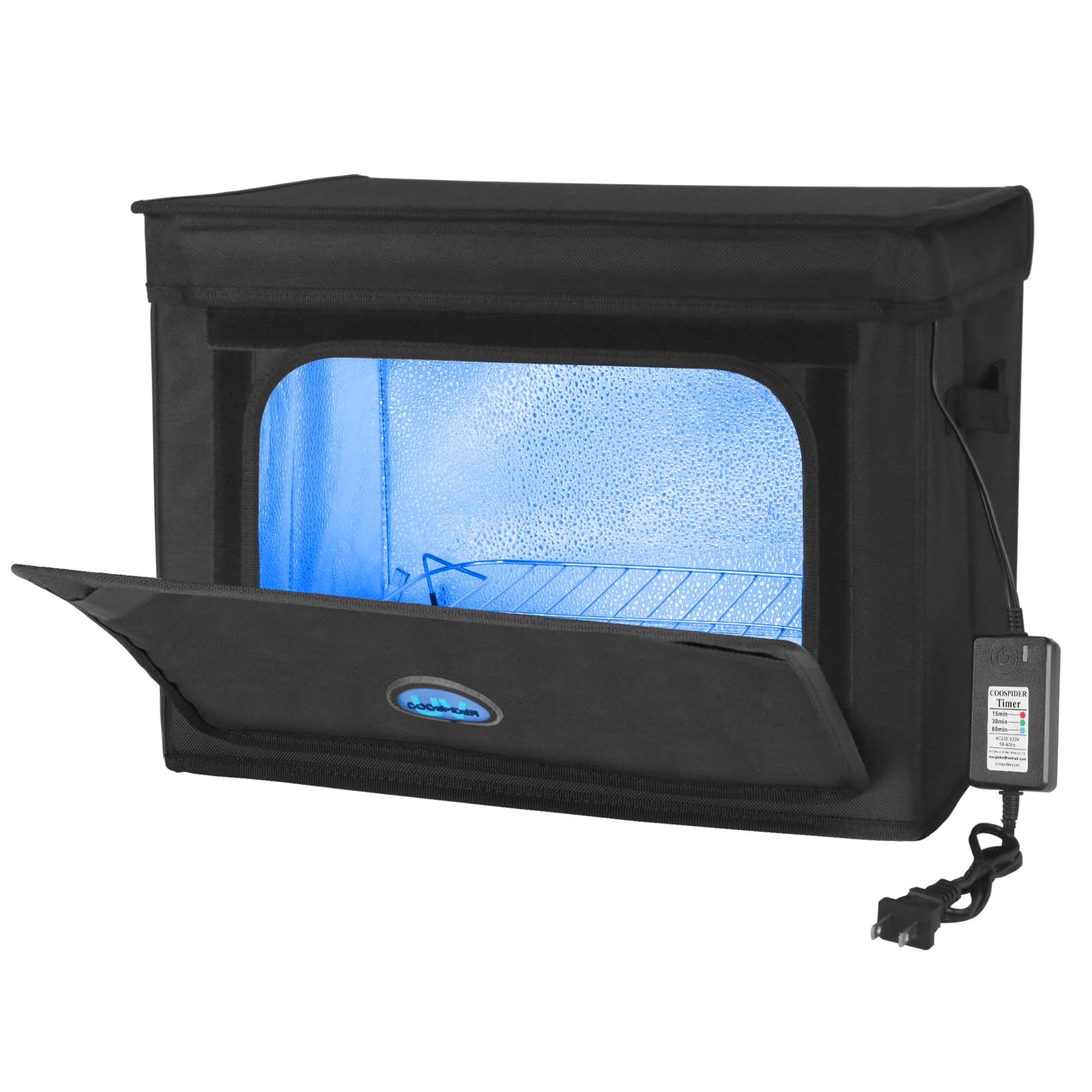
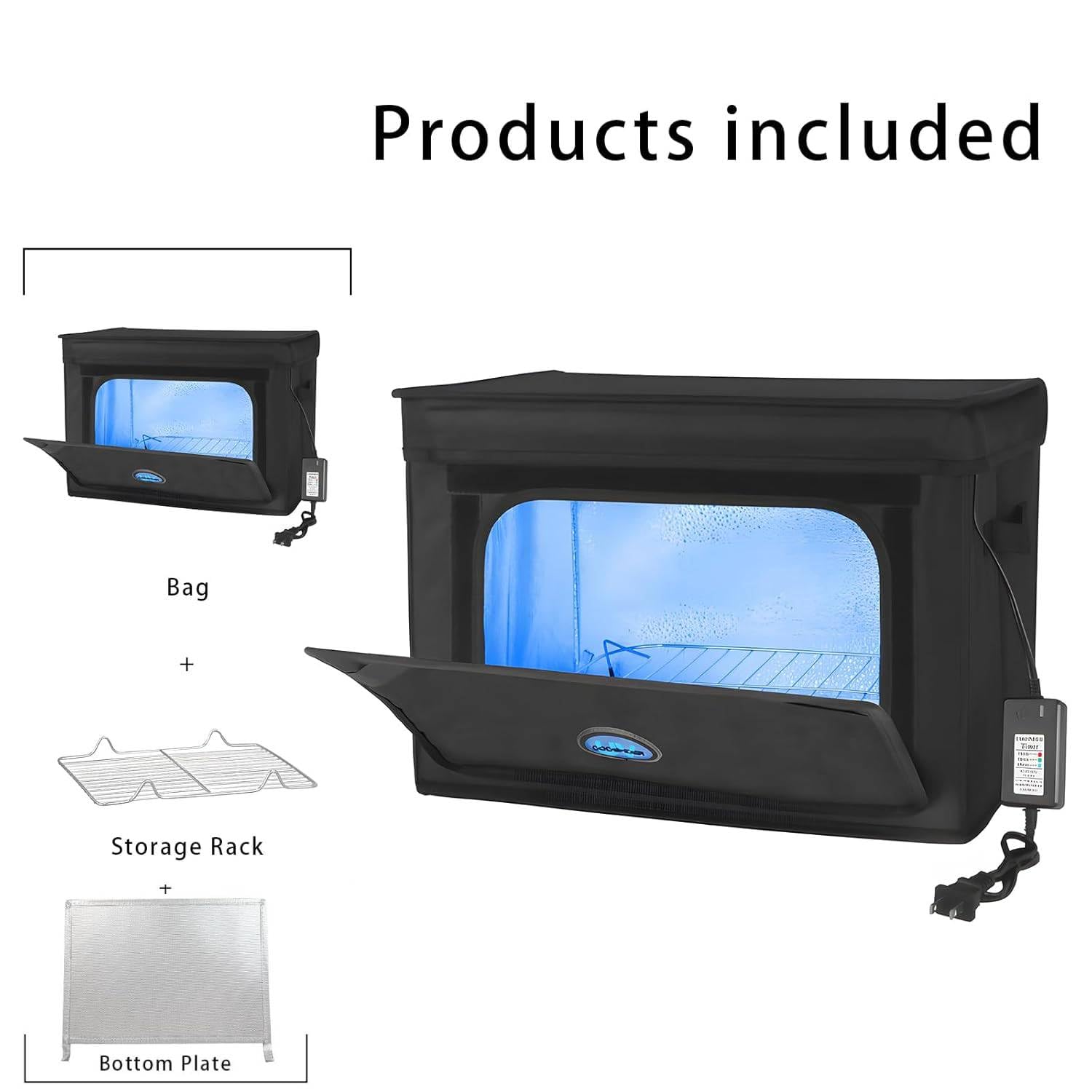
For example, a UV-C system designed for a shoe cabinet may treat exposed surfaces of shoes, shelves, and cabinet interiors.
Nevertheless, the actual result depends on the device's design and installation.
A lamp with insufficient output or an unsuitable position may deliver very little effective radiation to important areas.
4.2 UV-C Does Not Directly Remove Sweat and Dirt
One common misconception is that UV lamps can replace shoe cleaning.
They cannot.
UV-C does not wash away sweat residues, remove dust, dissolve grease, or eliminate road salt.
Even if microorganisms are inactivated, the materials they leave behind may continue to contribute to unpleasant odors.
For example, if an insole has absorbed weeks of perspiration and organic residues, using a UV lamp alone is unlikely to make it smell completely fresh.
Cleaning and drying are still necessary.
4.3 UV-C Cannot Reliably Disinfect Hidden Areas
This is one of the biggest limitations of UV-based shoe treatment.
UV-C generally works through direct exposure. It does not effectively travel around corners or penetrate thick, opaque materials.
Inside a shoe, many important areas are difficult to expose:
-
Deep toe sections.
-
Spaces beneath removable insoles.
-
Thick foam cushioning.
-
Folded fabric layers.
-
Areas beneath tongues.
-
Internal seams.
-
Deeply recessed lining materials.
These locations may remain untreated if the lamp only illuminates the exterior.
Even a powerful lamp cannot overcome physical obstruction.
For this reason, shoe-specific UV devices should be evaluated according to their actual exposure design rather than their advertised lamp power alone.
4.4 UV-C Is Not a Moisture-Removal Technology
Another important limitation is that UV-C does not dry wet shoes.
If your snow boots contain melted snow or your sneakers are soaked after a rainy run, a UV lamp will not remove that water.
Moisture must be eliminated through appropriate drying methods.
This distinction is essential because many persistent shoe odors are encouraged by moisture.
A practical winter footwear routine should therefore combine moisture management, cleaning, ventilation, and, where appropriate, UV disinfection.
5. Snow Boots: Can UV Technology Help Protect Your Winter Footwear?
Snow boots are among the most challenging types of footwear to maintain during winter.
They are often thicker, heavier, and more insulated than ordinary sneakers.
Their construction may include waterproof membranes, synthetic insulation, fleece lining, rubber soles, and multiple layers of fabric.
Each component can create different drying challenges.
5.1 Why Snow Boots Retain Moisture for So Long
Snow boots are designed to keep external water and cold air away from your feet.
However, this protective construction can also slow the release of internal moisture.
After several hours of use, perspiration may accumulate in the lining.
Meanwhile, melted snow can remain around seams, tongues, and other areas.
The thick insulation may take considerably longer to dry than the surface fabric.
If the boots are placed directly into a closed cabinet, moisture may remain trapped for an extended period.
5.2 Can UV-C Treat Snow Boots?
A properly designed UV-C shoe-treatment device may help reduce susceptible microorganisms on exposed internal and external surfaces.
This can be useful as a supplementary hygiene measure after the boots have been cleaned and adequately dried.
However, the thick structure of snow boots creates significant limitations.
UV-C cannot reliably penetrate insulation, dense foam, or opaque waterproof membranes.
A cabinet-mounted UV lamp may illuminate the outside of a boot without treating its internal lining.
Therefore, the most practical approach is to combine UV technology with removable insoles, appropriate cleaning, and thorough drying.
5.3 How to Maintain Snow Boots During Winter
Follow these steps:
Step 1: Remove Surface Snow and Dirt
Use a soft brush or clean cloth to remove snow, mud, and road salt.
Avoid allowing accumulated salt to remain on the boot material.
Step 2: Remove the Insoles
If the manufacturer permits it, remove the insoles after each day of use.
This exposes areas that otherwise remain poorly ventilated.
Step 3: Allow the Boots to Dry Naturally
Place them in a well-ventilated area away from direct heat.
Avoid placing waterproof boots directly against radiators or using excessively hot air, as high temperatures may damage adhesives, waterproof membranes, and insulation.
Step 4: Clean the Interior When Necessary
Follow the manufacturer's care instructions.
Use suitable cleaning products for the specific lining and material.
Step 5: Consider Supplementary UV Treatment
If using a UV-C shoe-care device, select a model specifically designed for footwear.
Follow its exposure instructions and safety requirements.
Do not assume that cabinet illumination alone will disinfect deep internal areas.
6. Sneakers: Are UV Germicidal Lamps More Effective for Sports Shoes?
Sneakers present a slightly different challenge.
Unlike many snow boots, sports shoes often have more breathable materials, mesh uppers, foam midsoles, and removable insoles.
These materials can absorb perspiration during exercise.
Running shoes are particularly prone to odor buildup because they are exposed to repeated sweating and friction.
6.1 Why Running Shoes Develop Persistent Odors
During exercise, the feet produce moisture.
The inside of a running shoe can become warm and humid, especially during long workouts.
If the shoes are placed directly into a cabinet after use, the moisture remains trapped.
Repeated use without sufficient drying time can make the problem worse.
Over time, bacteria and other microorganisms may contribute to persistent odor.
6.2 Why UV Treatment May Be Useful for Sneakers
Some sneaker surfaces are more accessible to UV-C than the deep internal structure of heavily insulated boots.
A purpose-built shoe-treatment system may therefore provide useful supplementary treatment for exposed surfaces.
However, the mesh upper, inner lining, tongue, toe box, and insole can still create shadows.
A shoe deodorizing device should ideally be designed to deliver UV-C into the interior rather than simply illuminate the surrounding cabinet.
Even then, the performance should be supported by actual testing rather than marketing claims.
6.3 A Better Routine for Keeping Sneakers Fresh
For sports shoes, consistency matters more than occasional intensive treatment.
Try the following routine:
-
Remove the shoes immediately after exercise.
-
Loosen the laces and open the tongue.
-
Remove removable insoles when appropriate.
-
Allow the shoes to dry in a ventilated location.
-
Wash removable insoles according to their care instructions.
-
Clean the exterior regularly.
-
Use a suitable shoe-care or UV treatment device as an additional hygiene measure.
Rotating between two pairs of running shoes can also give each pair more time to dry.
This simple change may help reduce persistent moisture-related odors.
7. UV-C Lamps vs. Traditional Shoe Deodorizing Methods
Before investing in UV equipment, it is worth comparing it with conventional shoe-care products.
Different technologies solve different parts of the problem.
7.1 Activated Carbon Deodorizing Bags
Activated carbon products are designed to adsorb certain odor-causing compounds.
They are convenient, inexpensive, and generally easy to place inside shoes or cabinets.
Advantages include:
-
No electrical power required.
-
Simple installation.
-
No complicated operation.
-
Useful for managing certain odors.
However, activated carbon does not directly eliminate the microorganisms responsible for every odor problem.
Its performance also depends on material quality, airflow, capacity, and replacement or regeneration requirements.
7.2 Baking Soda
Baking soda is a familiar household deodorizing option.
It can help neutralize certain acidic odor compounds and absorb some moisture.
It is inexpensive and widely available.
However, it is not a substitute for thorough cleaning or disinfection.
It should also be used carefully to avoid leaving powder residues inside delicate footwear.
7.3 Shoe Deodorizing Sprays
Commercial sprays may contain fragrances, odor-neutralizing ingredients, or antimicrobial substances.
Some products provide temporary freshness, while others are designed to reduce odor-causing microorganisms.
The actual results depend on the formulation.
Fragrance-based sprays can mask unpleasant smells without resolving moisture problems.
Always follow product instructions, particularly when applying sprays to leather, suede, waterproof membranes, or sensitive textile materials.
7.4 Electric Shoe Dryers
Electric shoe dryers address one of the most important causes of winter shoe odor: retained moisture.
Some models use gentle warm air, while others rely on room-temperature airflow.
Their primary advantage is drying rather than disinfection.
For heavily soaked snow boots and sports shoes, moisture removal is often more important than odor masking.
Select a dryer appropriate for the footwear material and follow the manufacturer's temperature recommendations.
7.5 UV-C Germicidal Lamps
UV-C devices work differently.
They are designed to inactivate susceptible microorganisms through ultraviolet exposure.
Potential advantages include:
-
No need to apply liquid disinfectant.
-
No added fragrance.
-
Potential reduction of microorganisms on exposed surfaces.
-
Compatibility with certain enclosed treatment systems.
-
Supplementary hygiene treatment after cleaning and drying.
Their limitations include:
-
No direct removal of moisture.
-
No physical removal of dirt or sweat residues.
-
Limited effectiveness in shaded areas.
-
Potential material degradation with excessive exposure.
-
Significant eye and skin safety requirements.
The most effective winter shoe-care strategy is not necessarily choosing one method.
Combining suitable drying, regular cleaning, ventilation, and carefully designed UV treatment can address several different causes of shoe odor.
8. How to Choose a UV Odor-Control Lamp for a Shoe Cabinet
Not all UV lamps are suitable for household shoe cabinets.
A product advertised as a UV sterilization lamp may have been designed for an entirely different application.
Before purchasing one, consider the following factors.
8.1 Check the UV Wavelength
For germicidal applications, UV-C is the relevant category.
Some products marketed as UV lamps primarily emit UVA or other wavelengths.
These products should not automatically be considered equivalent to germicidal UV-C systems.
Check the manufacturer's technical specifications.
A credible product description should identify the wavelength and intended application.
8.2 Evaluate the Actual UV Output
Lamp wattage alone does not establish germicidal performance.
Two devices with similar electrical power consumption may deliver very different UV irradiance at the target surface.
Important specifications include:
-
UV-C output.
-
Irradiance at a stated distance.
-
Intended exposure duration.
-
Treatment area.
-
Tested microbial reduction.
-
Recommended operating conditions.
Look for testing that explains the conditions under which the results were obtained.
A percentage reduction without information about exposure distance, duration, organism, and test method is difficult to evaluate.
8.3 Consider Cabinet Size and Internal Layout
A small shoe cabinet may need a different arrangement from a large entryway storage unit.
The lamp should be positioned according to the manufacturer's instructions.
Consider whether shoes, shelves, and dividers will block the radiation.
A device that illuminates only one section of a cabinet may leave other surfaces untreated.
Multiple light sources do not automatically guarantee better performance. Their positioning, output, and safety controls must be evaluated together.
8.4 Look for Automatic Shutoff and Safety Interlocks
This is particularly important for household UV-C equipment.
Direct exposure to germicidal UV-C can cause serious eye and skin injuries.
A suitable enclosed system should include appropriate safety measures, such as:
-
A fully enclosed treatment chamber where applicable.
-
Door-opening safety interlocks.
-
Automatic shutoff when the enclosure is opened.
-
Timed operation.
-
Clear warning labels.
-
Protection against accidental exposure.
-
Compliance with relevant electrical and product safety requirements.
Avoid operating exposed germicidal UV-C lamps in occupied spaces.
Never look directly at an operating UV-C source or expose skin to its radiation.
A device with no reliable exposure protection should not be treated as a safe household solution.
8.5 Check Material Compatibility
Footwear contains many different materials.
Repeated or excessive UV exposure may contribute to degradation of certain polymers, rubber compounds, dyes, adhesives, and textiles.
The degree of damage depends on wavelength, exposure intensity, duration, and material composition.
For expensive snow boots, leather sneakers, and specialized sports shoes, follow the footwear manufacturer's recommendations.
Do not assume that every shoe can tolerate repeated UV-C treatment.
8.6 Look for Independent Testing and Clear Documentation
Reliable product information should explain what the device can and cannot do.
Useful documentation includes:
-
Wavelength specifications.
-
UV output measurements.
-
Safety certifications or applicable compliance documentation.
-
Independent testing reports.
-
Recommended treatment duration.
-
Maintenance instructions.
-
Replacement lamp information.
-
Material compatibility guidance.
Be cautious of products promising complete sterilization of an entire shoe cabinet in a few minutes without explaining the test conditions.
9. Is It Safe to Install a UV Lamp Inside a Shoe Cabinet?
Safety should be one of the first considerations when choosing UV technology.
Germicidal UV-C is effective because it can damage biological material. Unfortunately, human eyes and skin are also biological tissues.
Exposure may cause photokeratitis, a painful injury to the surface of the eye, as well as skin irritation and other forms of damage.
For household use, the goal should be to obtain the benefits of UV treatment without exposing people or pets.
9.1 Never Use an Exposed UV-C Lamp in an Occupied Room
An exposed germicidal lamp should not operate where people or animals can receive direct or reflected UV-C exposure.
This includes entryways, bedrooms, and other frequently occupied spaces.
A shoe cabinet is not automatically safe simply because it has doors.
Radiation can escape through openings, poorly fitted panels, or transparent materials that do not adequately block UV-C.
9.2 Choose a Fully Enclosed Design
An enclosed treatment system is generally more appropriate for household applications.
Its construction should prevent UV-C from escaping during operation.
The enclosure should be designed and tested for its intended use.
A door interlock is particularly valuable because it automatically stops the UV source when the cabinet is opened.
9.3 Avoid DIY Installation of Exposed Germicidal Lamps
Installing an inexpensive UV-C tube inside an ordinary wooden cabinet may appear simple.
However, this approach introduces several risks.
The cabinet may have gaps that allow radiation to escape. The lamp may be positioned incorrectly, and the electrical system may not provide suitable protection.
There may also be risks related to overheating, wiring, accidental exposure, and unsuitable materials.
Purpose-built, enclosed equipment with documented safety controls is a better choice.
9.4 Be Careful With Ozone-Generating UV Lamps
Some ultraviolet sources can generate ozone under certain conditions.
Ozone is a respiratory irritant and should not be treated as a harmless deodorizing ingredient.
For indoor shoe-storage applications, choose equipment that clearly specifies whether ozone is generated.
Avoid ozone-generating devices unless their use is specifically justified, properly controlled, and compliant with relevant safety requirements.
An ordinary household shoe cabinet does not need an uncontrolled ozone source.
10. Why Ventilation Is Just as Important as UV Disinfection
It is easy to become focused on germicidal technology when dealing with shoe odors.
However, ventilation remains one of the simplest and most important parts of moisture management.
Even an effective UV treatment system cannot compensate for a cabinet that constantly traps moisture.
10.1 Allow Air to Circulate Around Footwear
Avoid stacking shoes tightly together.
Leave enough space for air to move around each pair.
If possible, use open shelves rather than completely enclosed compartments.
For cabinets with doors, open them periodically when conditions are suitable.
10.2 Use Ventilation Openings
Some shoe cabinets include ventilation holes or slatted panels.
These features can improve air exchange and help reduce the accumulation of moisture and odors.
However, ventilation works best when the surrounding indoor air is reasonably dry.
In humid environments, simply introducing more outdoor air may not solve the problem.
10.3 Monitor Indoor Humidity
A small digital hygrometer can help you understand whether your shoe-storage area is consistently humid.
If indoor humidity remains high, consider using a properly sized dehumidifier.
The objective is to reduce excessive moisture rather than merely cover the smell.
10.4 Avoid Storing Wet Shoes Immediately
This is one of the easiest habits to change.
After coming home in wet weather, place footwear in a suitable drying area before returning it to the cabinet.
Even a short period of additional ventilation can help prevent moisture from accumulating in enclosed storage.
11. A Practical Winter Shoe-Care Routine for a Fresher Cabinet
You do not need an expensive system to improve the condition of your winter footwear.
A consistent routine can make a significant difference.
Daily Maintenance
After wearing shoes:
-
Remove visible dirt, mud, and snow.
-
Wipe away surface moisture.
-
Loosen laces and open the tongues.
-
Remove insoles when appropriate.
-
Place wet footwear in a ventilated drying area.
-
Avoid putting damp shoes directly into an enclosed cabinet.
For frequently worn sports shoes, allow enough time for internal moisture to escape before wearing them again.
Weekly Maintenance
Once a week:
-
Inspect the cabinet for moisture.
-
Clean shelves and corners.
-
Check shoes for unusual smells.
-
Wash or clean removable insoles when appropriate.
-
Empty accumulated debris.
-
Check ventilation openings.
-
Inspect for signs of mold or water damage.
If using a UV-C treatment system, follow the manufacturer's recommended schedule rather than increasing exposure time unnecessarily.
Monthly Maintenance
Once a month:
-
Deep-clean suitable footwear.
-
Inspect boot linings and seams.
-
Check for deteriorating insoles.
-
Clean cabinet surfaces.
-
Inspect the cabinet's ventilation system.
-
Review the condition of moisture absorbers.
-
Check UV equipment for damage and proper operation.
Replace worn or damaged components according to the manufacturer's instructions.
Seasonal Maintenance
At the end of winter, clean and completely dry footwear before storing it for the warmer months.
Do not put damp snow boots into sealed storage bags.
Use appropriate breathable storage materials and keep footwear in a dry environment.
This can help prevent musty odors from developing during long-term storage.
12. Common Mistakes That Make Shoe-Cabinet Odors Worse
Even people who clean their footwear regularly may unknowingly create conditions that encourage odor buildup.
Here are several common mistakes to avoid.
Mistake 1: Putting Wet Shoes Directly Into the Cabinet
This is perhaps the most common problem.
Wet shoes increase cabinet humidity and may create favorable conditions for microbial growth.
Always allow them to dry appropriately before storage.
Mistake 2: Relying Only on Fragrance
A strong fragrance may temporarily cover shoe odor.
However, it does not necessarily remove the moisture, dirt, or organic residues causing the problem.
Choose odor-control methods that address the underlying source.
Mistake 3: Using UV-C as a Substitute for Cleaning
UV-C does not remove physical contamination.
Dirty footwear still needs appropriate cleaning.
Think of UV-C as a supplementary treatment rather than a replacement for basic shoe care.
Mistake 4: Assuming More UV Exposure Is Always Better
Longer exposure is not automatically safer or more effective.
Excessive UV exposure can damage materials and increase safety risks.
Follow the equipment manufacturer's instructions and use only a properly designed system.
Mistake 5: Ignoring the Insoles
Insoles are often among the most odor-prone parts of footwear.
They absorb sweat and come into direct contact with the feet.
Regular cleaning, complete drying, and replacement when necessary can significantly improve shoe freshness.
Mistake 6: Forgetting About Cabinet Moisture
A cabinet can smell musty even when the shoes themselves appear clean.
Check the walls, shelves, floor, and corners for condensation or water damage.
If moisture comes from a leaking wall or plumbing issue, the underlying problem must be repaired.
13. What About Mold in a Shoe Cabinet?
A musty smell does not always mean that visible mold is present.
However, persistent moisture can create conditions that allow mold to grow.
If you notice visible spots, discoloration, or fuzzy growth on cabinet surfaces, take the issue seriously.
13.1 Identify and Address the Moisture Source
Check for:
-
Water leaking from nearby walls.
-
Condensation on cold surfaces.
-
Poor ventilation.
-
Wet footwear stored in closed compartments.
-
Damp floors.
-
Water entering from exterior doors.
Removing mold without correcting the moisture source will not solve the underlying problem.
13.2 Clean Suitable Hard Surfaces
For small areas of mold on suitable nonporous surfaces, use an appropriate cleaning product according to its label.
Wear suitable protective equipment and ensure adequate ventilation.
Never mix household cleaning chemicals, particularly bleach and ammonia-based products.
Porous or heavily contaminated materials may require replacement.
13.3 Do Not Depend on UV-C to Treat Mold Behind Materials
UV-C only treats areas that receive adequate exposure.
It cannot reliably reach mold growing behind cabinet panels, inside porous materials, or beneath thick layers of contamination.
Visible mold should be physically addressed using appropriate cleaning or remediation methods.
For extensive mold growth, professional assistance may be necessary.
14. How UV Technology Fits Into Modern Smart Shoe Cabinets
As household appliances become more intelligent, shoe storage is also evolving.
Traditional shoe cabinets focus primarily on organization and appearance.
Newer designs increasingly incorporate features intended to improve storage hygiene and convenience.
These may include:
-
Integrated ventilation systems.
-
Humidity monitoring.
-
Automatic drying functions.
-
Temperature controls.
-
Activated carbon filtration.
-
Enclosed UV-C treatment systems.
-
Timed operating cycles.
-
Door-opening safety protection.
The combination of these technologies can provide a more comprehensive approach to footwear maintenance.
14.1 Humidity Monitoring
Humidity sensors can help users understand the moisture conditions inside a cabinet.
When humidity rises, an appropriate ventilation or drying system may activate.
This is useful because moisture management is a continuous process, not something that should happen only when an unpleasant odor becomes noticeable.
14.2 Automatic Drying
A built-in drying system can help remove residual moisture from footwear.
Depending on the design, it may use controlled airflow or gentle heating.
For winter boots, temperature control is especially important because excessive heat can damage sensitive materials.
14.3 Integrated UV-C Treatment
A properly engineered UV-C system can provide supplementary microbial reduction.
When combined with drying and ventilation, it may help address different aspects of shoe-cabinet hygiene.
However, the system must be designed to ensure suitable exposure, effective enclosure, and reliable safety controls.
14.4 Smart Operating Controls
Automatic operating schedules can make maintenance easier.
For example, a cabinet might run a drying cycle after footwear is placed inside and activate a separate UV treatment cycle when the enclosure is closed.
The operating sequence should be based on the actual equipment design.
Safety interlocks should prevent UV-C operation whenever the cabinet is opened.
Smart controls improve convenience, but they do not replace proper engineering and testing.
15. Are UV Shoe Deodorizing Lamps Worth Buying?
Whether a UV lamp is worth purchasing depends on your expectations.
If you expect it to dry soaked snow boots, remove sweat stains, eliminate every odor compound, and disinfect every hidden surface, you will probably be disappointed.
If you understand its role as a supplementary microbial-control technology, it may be a useful addition to a broader shoe-care system.
UV-C May Be Worth Considering If:
-
You regularly wear sports shoes.
-
Your household has several pairs of frequently used winter boots.
-
You want an additional hygiene treatment after cleaning and drying.
-
Your shoe cabinet has an appropriate enclosed UV treatment design.
-
You are willing to maintain the equipment according to its instructions.
UV-C May Not Be Your First Priority If:
-
Your shoes are consistently wet when stored.
-
Your cabinet has serious ventilation problems.
-
You have visible mold or water damage.
-
Your footwear is already heavily contaminated.
-
You are considering an exposed lamp without adequate safety controls.
In these situations, addressing moisture, cleaning, and ventilation should come first.
The best purchase is not necessarily the most powerful UV lamp.
It is the equipment that addresses your actual problem while meeting appropriate performance and safety requirements.
16. Frequently Asked Questions About UV Shoe Odor-Control Lamps
Q1: Can a UV-C lamp completely eliminate shoe odor?
Not necessarily.
UV-C can inactivate susceptible microorganisms on adequately exposed surfaces, potentially reducing one source of unpleasant odors.
However, it does not remove sweat, dirt, oils, or moisture.
For persistent shoe odors, cleaning, drying, and ventilation remain essential.
Q2: Can I put a UV lamp directly inside my shoe cabinet?
Only use a device specifically designed and approved for that application.
An exposed UV-C lamp should not be operated in an ordinary cabinet without appropriate containment and safety engineering.
Look for a fully enclosed system with suitable interlocks and documented UV leakage protection.
Q3: Does UV-C kill bacteria inside snow boots?
It may inactivate susceptible bacteria on surfaces receiving sufficient UV-C exposure.
However, thick insulation, deep toe sections, foam layers, and other obstructions can prevent adequate exposure.
A cabinet-mounted lamp should not be assumed to disinfect the entire interior of a snow boot.
Q4: Can UV lamps remove the musty smell from a damp shoe cabinet?
They may help reduce certain microorganisms that contribute to odors.
However, they do not remove the moisture responsible for encouraging microbial growth.
The cabinet must also be dried, cleaned, and properly ventilated.
Q5: Is UV-C better than activated carbon?
They perform different functions.
Activated carbon adsorbs certain odor compounds, while UV-C is designed to inactivate susceptible microorganisms.
Neither technology directly solves every moisture-related shoe problem.
Using appropriate methods together may provide better overall results.
Q6: Can UV-C damage sneakers?
Potentially, yes.
Repeated or excessive UV exposure can degrade some textile, rubber, polymer, and adhesive materials.
Always follow the equipment manufacturer's instructions and check material compatibility.
Q7: Should I use UV-C every day?
There is no universal daily schedule.
The appropriate frequency depends on the equipment, exposure conditions, intended application, and manufacturer's validated instructions.
Longer or more frequent exposure should not be assumed to produce better results.
Q8: Can UV-C replace a shoe dryer?
No.
UV-C is intended for microbial inactivation, while a shoe dryer removes moisture.
They solve different problems.
For wet winter footwear, proper drying should generally be the priority.
Q9: Can UV-C eliminate mold inside a shoe cabinet?
UV-C may inactivate some mold spores on directly exposed surfaces under suitable conditions.
However, it cannot reliably treat mold hidden behind materials or growing deep inside porous surfaces.
Physical cleaning, moisture control, and appropriate remediation remain necessary.
Q10: Is an ozone-generating UV lamp suitable for a home shoe cabinet?
Generally, an ozone-free, properly enclosed UV-C system is a more appropriate direction for ordinary household shoe-care applications.
Ozone can irritate the respiratory system and should not be released into occupied indoor environments.
Check the manufacturer's technical documentation before purchasing any UV equipment.
17. The Future of Winter Shoe Care: Combining Drying, Ventilation, and UV Technology
The future of shoe-care equipment is likely to focus less on a single deodorizing function and more on integrated environmental management.
A modern shoe cabinet should ideally address three fundamental problems:
-
Excess moisture.
-
Accumulated odor compounds.
-
Microbial contamination.
These problems are related, but they are not identical.
Drying technology helps remove water.
Ventilation helps prevent moisture and odor compounds from accumulating.
Activated carbon can help adsorb certain odors.
UV-C can provide supplementary microbial inactivation on exposed surfaces.
When these functions are properly integrated, they can create a more comprehensive shoe-storage environment.
However, successful integration requires more than installing several technologies in one cabinet.
Airflow, treatment coverage, temperature control, UV exposure, electrical safety, and material compatibility must all be considered.
For manufacturers, this creates opportunities to develop more practical and reliable shoe-care products.
For homeowners, it means that choosing a product should involve looking beyond attractive marketing claims and focusing on measurable performance.
Conclusion: Can UV Odor-Control Lamps Save Your Snow Boots and Sneakers?
Winter shoe-cabinet moisture and unpleasant odors are usually the result of several interconnected factors.
Snow, rain, perspiration, condensation, poor ventilation, and accumulated organic residues can all contribute to the problem.
UV-C germicidal technology offers a useful additional approach by helping inactivate certain microorganisms on surfaces that receive sufficient exposure.
It may be particularly interesting for households that regularly wear winter boots, running shoes, and other frequently used footwear.
However, UV-C is not a magic solution.
It does not dry wet shoes, remove dirt, dissolve sweat residues, or reliably reach microorganisms hidden inside thick materials.
Its effectiveness also depends on wavelength, UV dose, exposure time, device positioning, and the design of the treatment system.
Most importantly, household UV-C equipment must include appropriate protection against accidental exposure.
The smartest winter shoe-care strategy is therefore a combination of regular cleaning, adequate drying, good cabinet ventilation, moisture control, and carefully designed UV treatment when appropriate.
Instead of relying on fragrance to cover unpleasant smells, focus on removing the conditions that create them.
With the right maintenance routine and suitable technology, your snow boots and sneakers can remain cleaner, drier, and more comfortable throughout the winter season.